
For the past seven years, through photographs, I have been documenting the lives and struggles of sanitation workers. In these years, I have never once seen sanitation workers carry out their work wearing proper masks or protective equipment. Whatever little gear they use, they prepare and manage on their own.
Even as scientific progress in India has scaled great heights, we continue to send human beings into underground sewers, where they risk – and often lose – their lives. This makes it clear that, while science has advanced, caste prejudice remains frozen deep in our society.
Society remembers sanitation workers as “frontline workers” only during extraordinary moments – the covid pandemic or natural disasters. At all other times, they are remembered only as the ones who clear garbage.
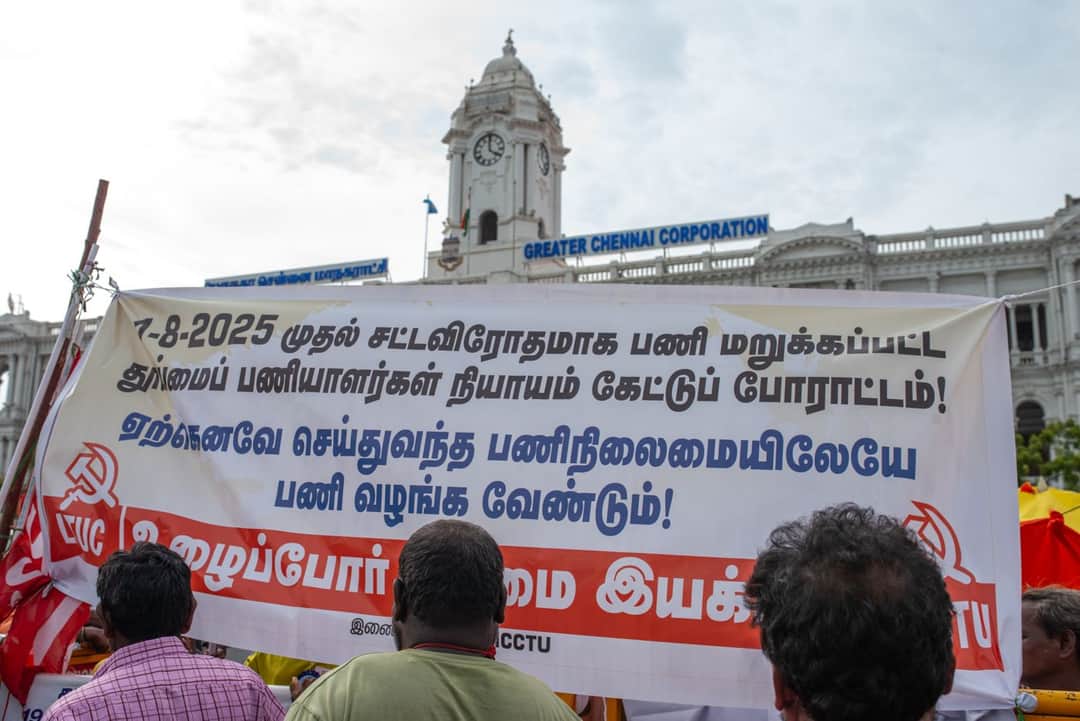
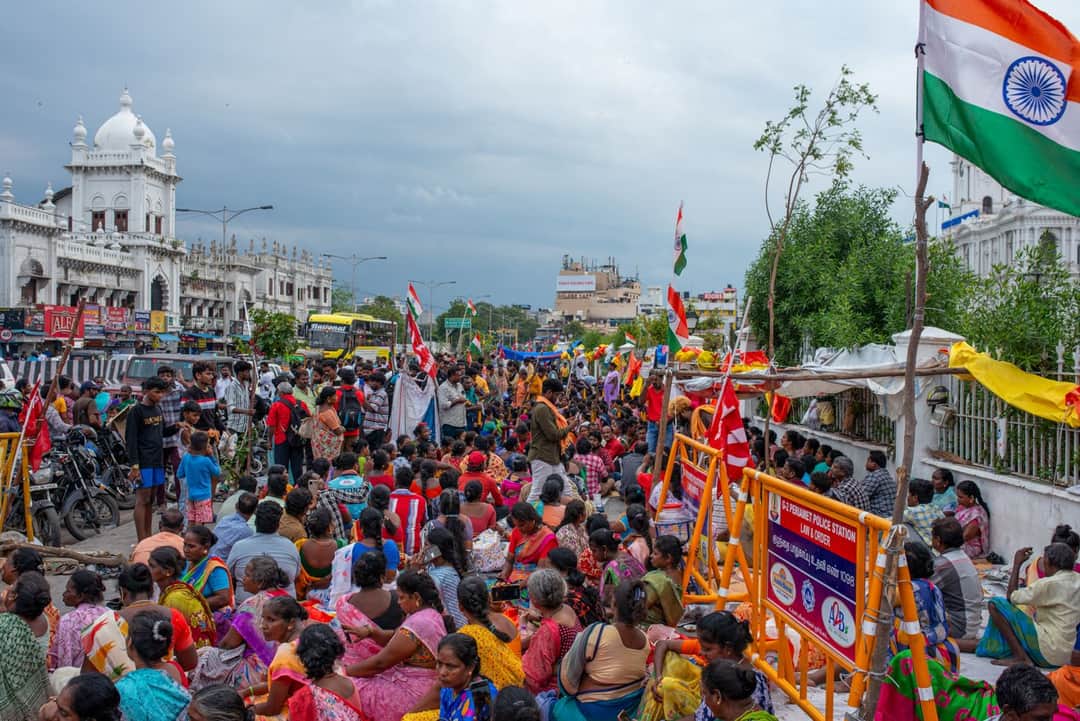
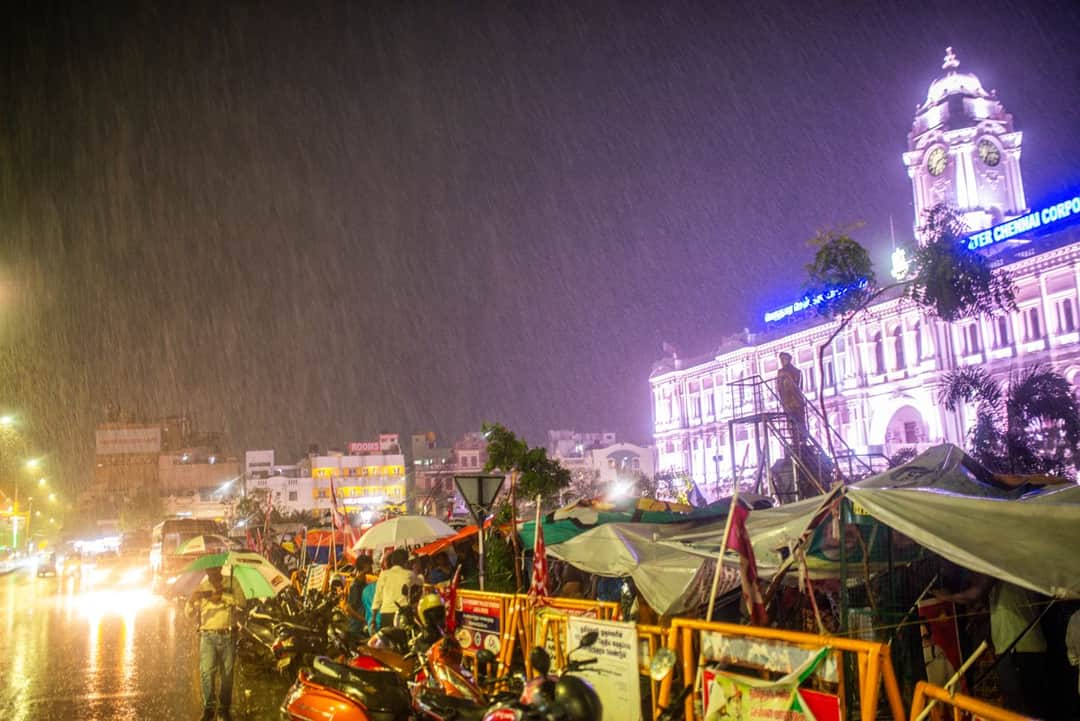
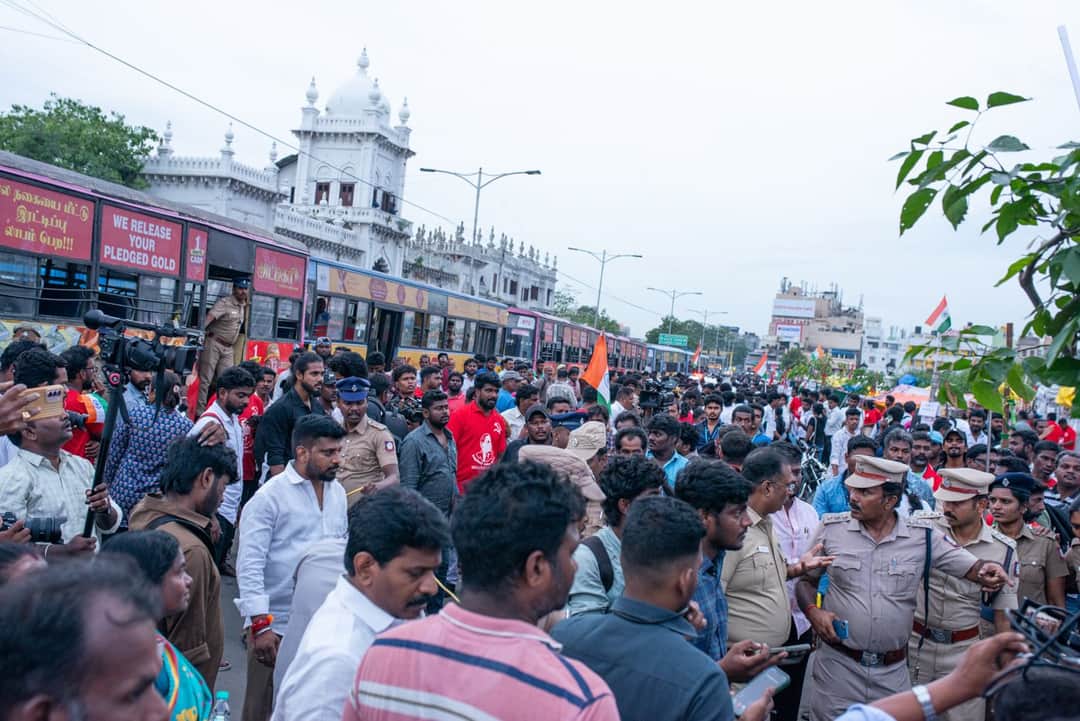
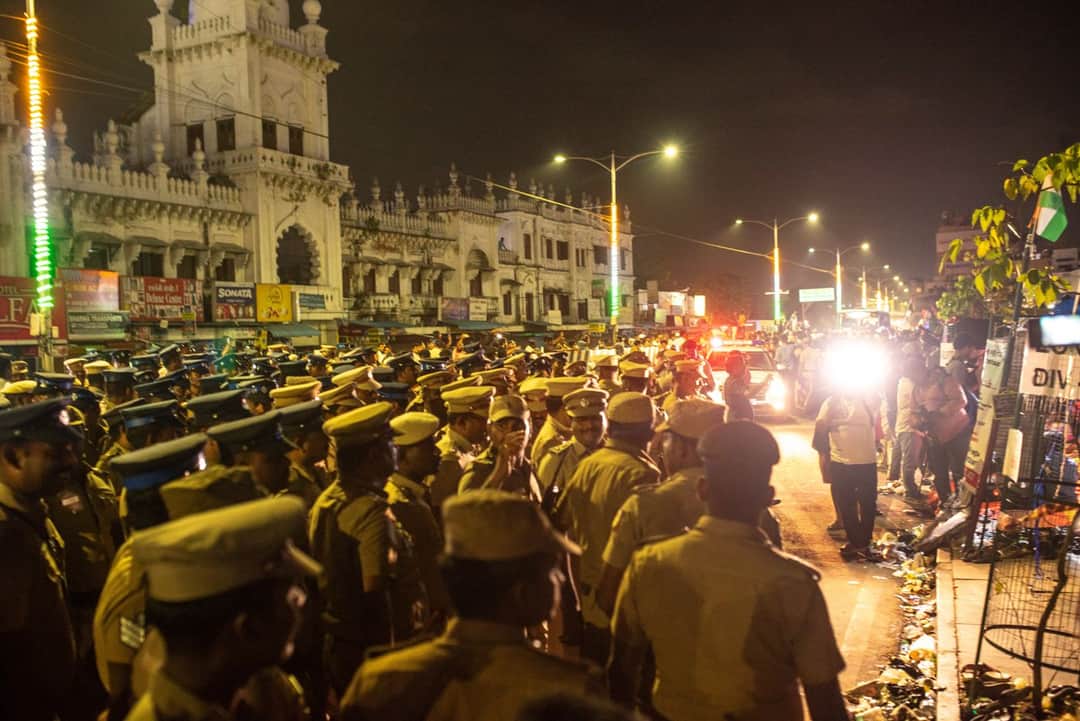
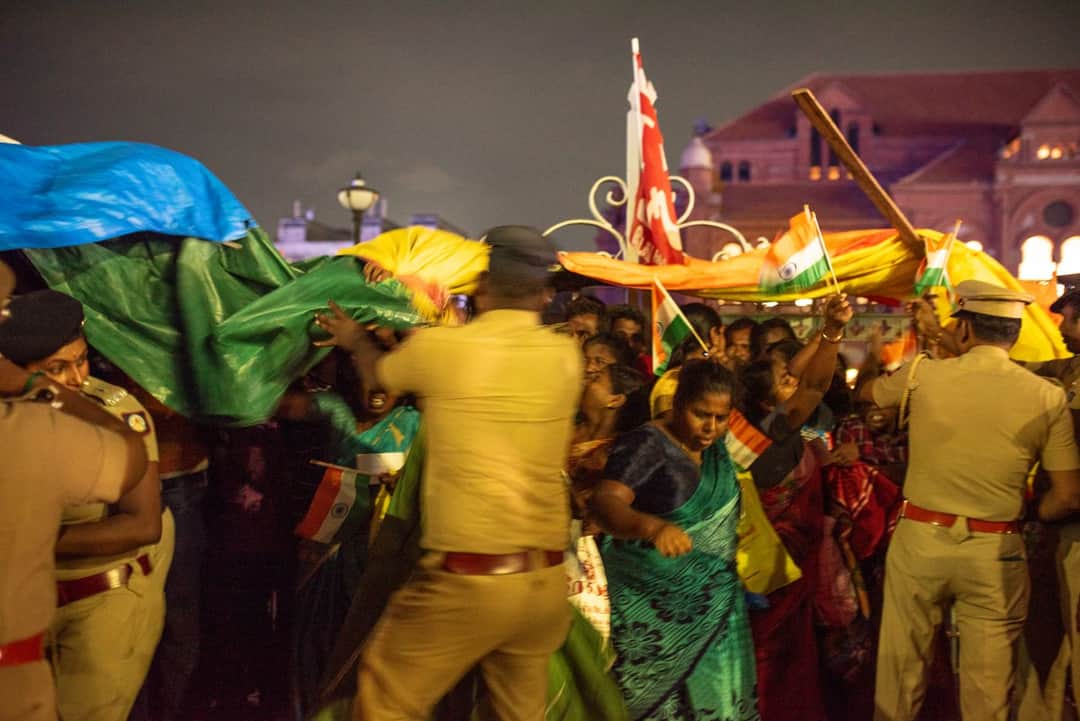
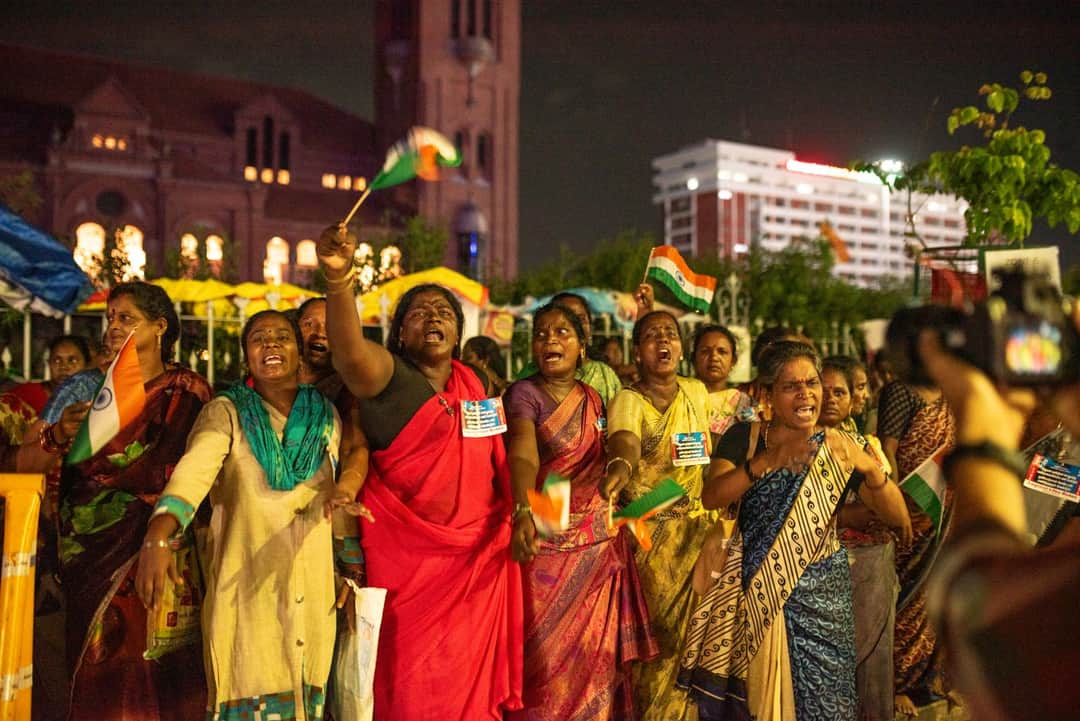
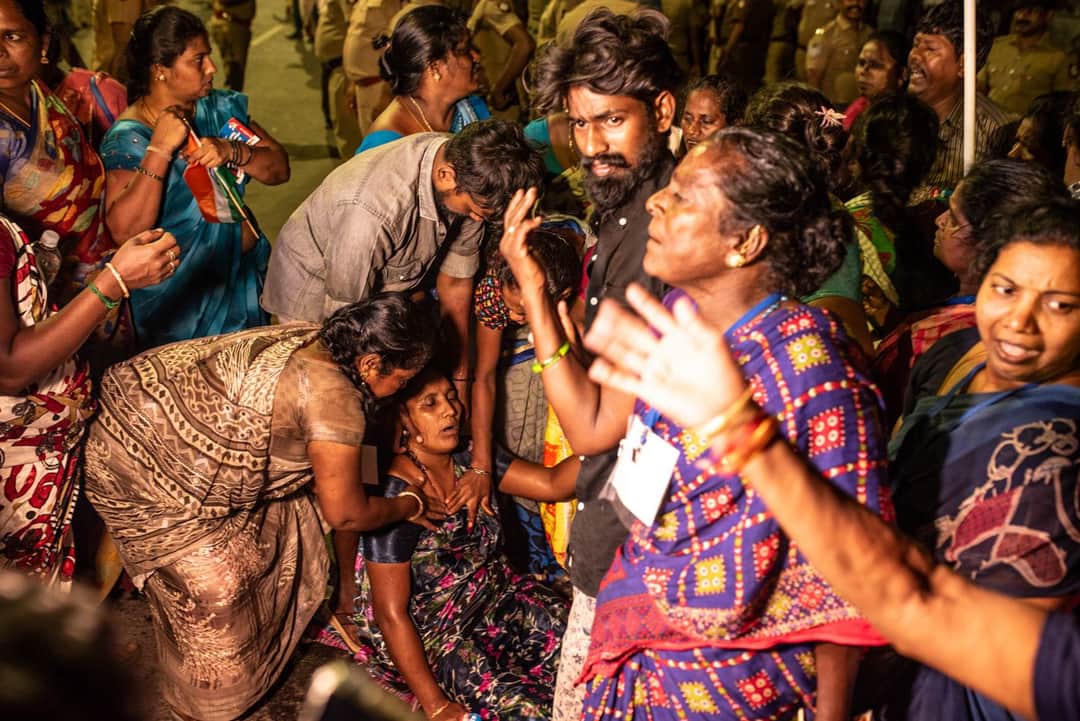
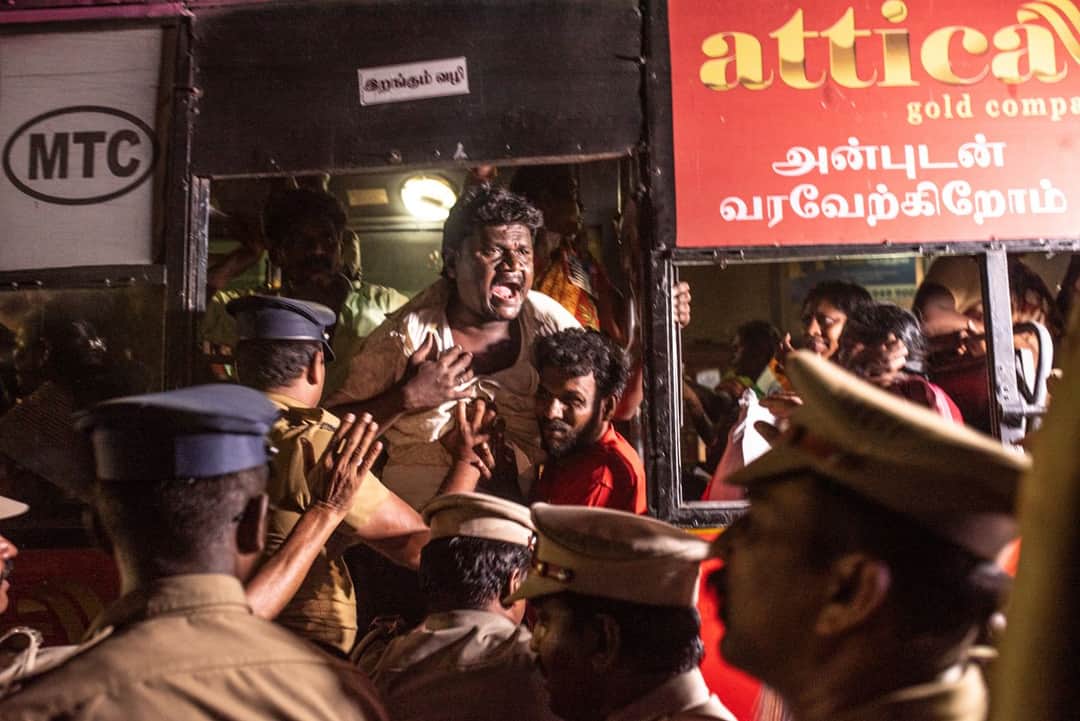
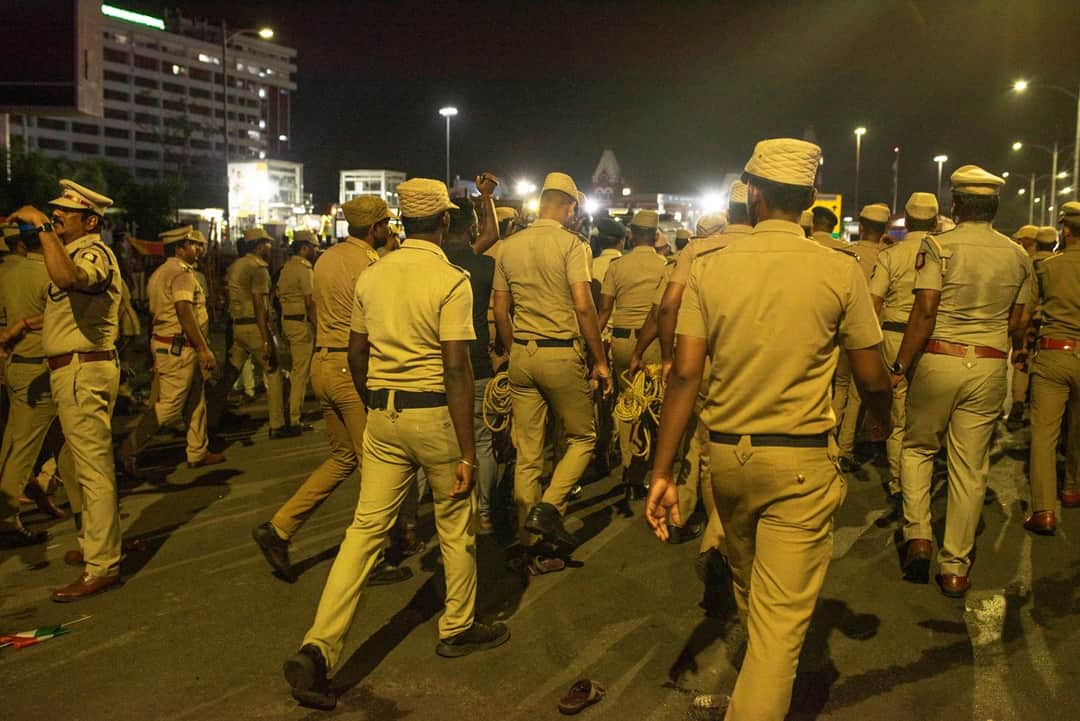
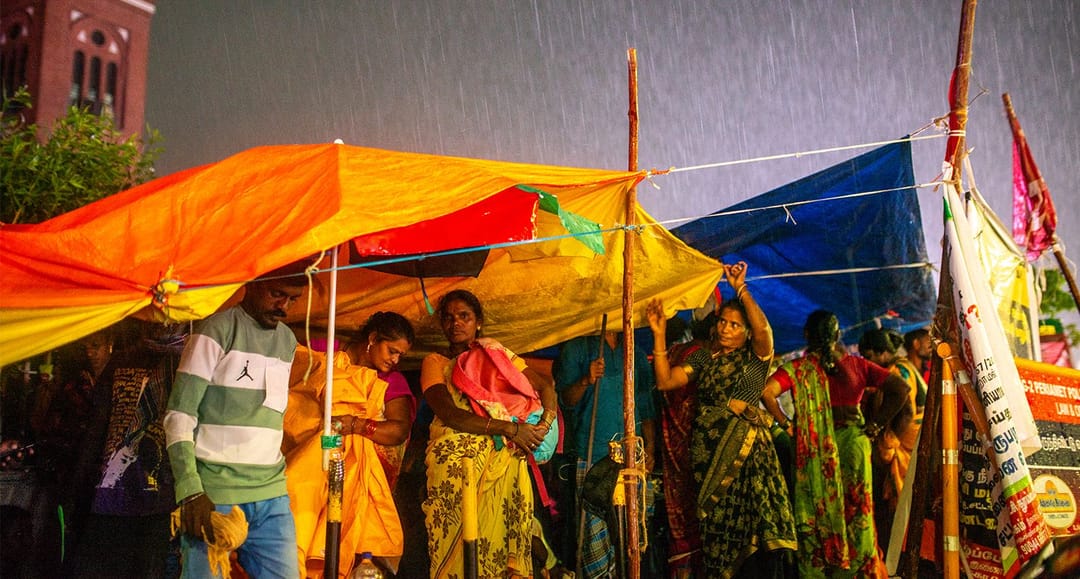
From August 1 to 13, 2025, sanitation workers staged a continuous sit-in protest outside Chennai’s Ripon Building – headquarters of the city’s municipal body, the Greater Chennai Corporation -- against the privatisation of sanitation work. On the thirteenth day, the Tamil Nadu government forcibly evicted them with the help of the police.
The workers from Zones 5 (Royapuram) and 6 (Thiru Vi Ka Nagar) have been protesting since August 1, after the Greater Chennai Corporation decided to hand over solid waste management in these areas to private contractors.
For these workers, most of them Dalit women who have spent years cleaning the city, privatisation is not just a question of wages but of dignity and survival. Losing direct employment with the Corporation means losing even the possibility of permanent status under existing labour laws. Their resistance is both a fight for livelihoods and a refusal to let their invisible labour be further devalued in the name of efficiency.