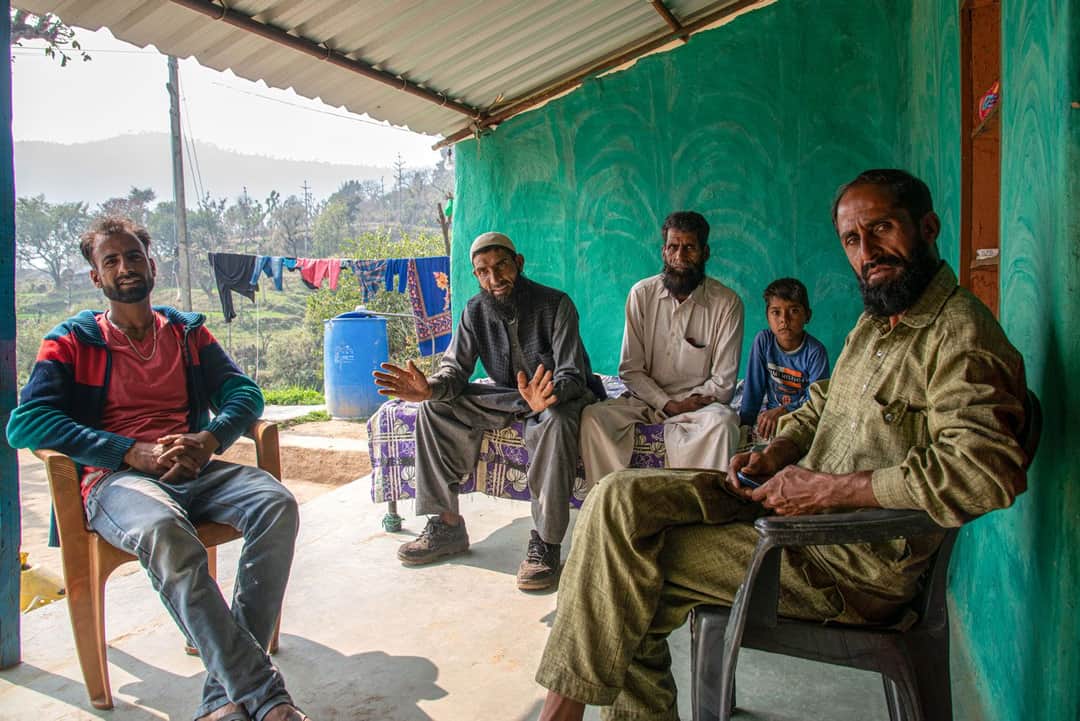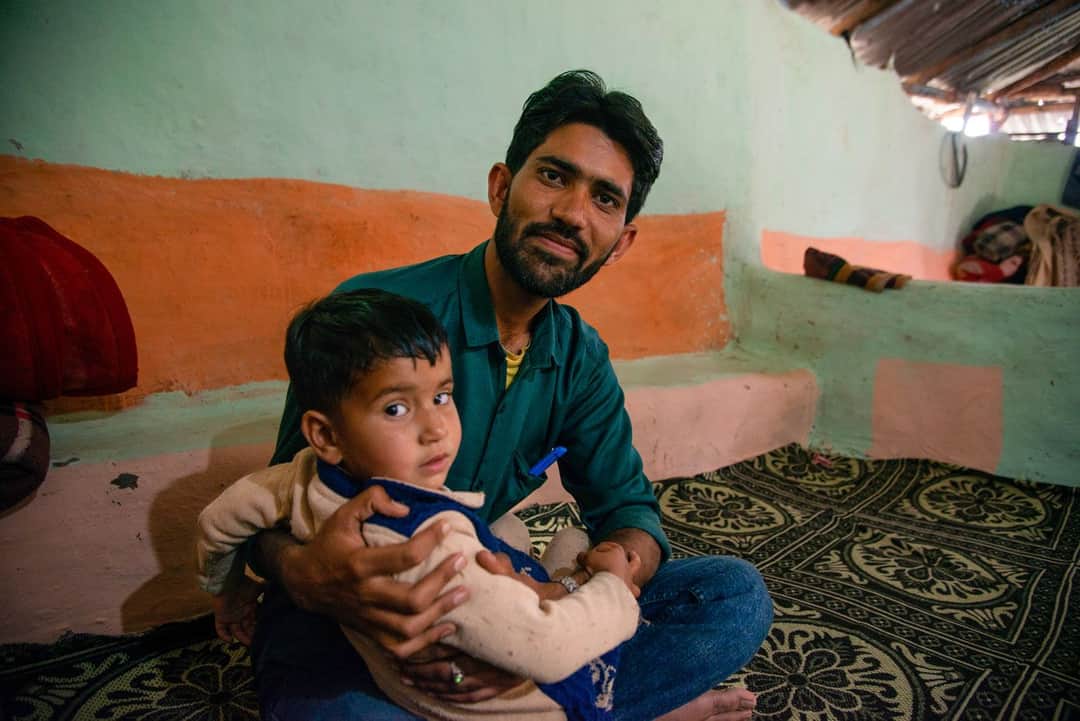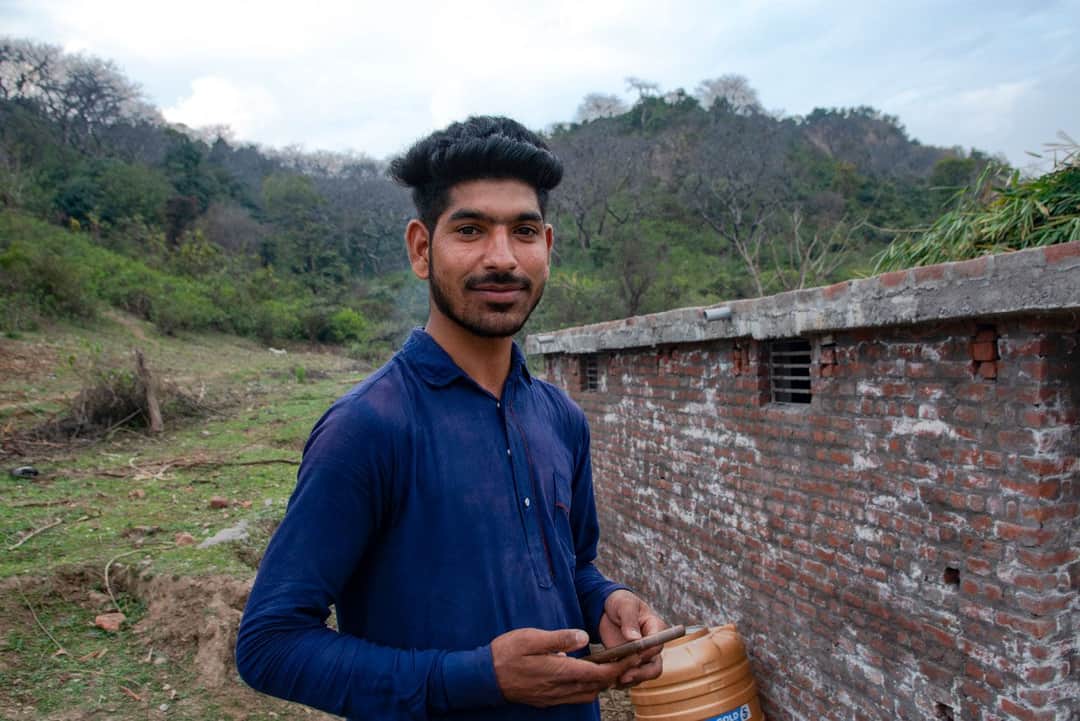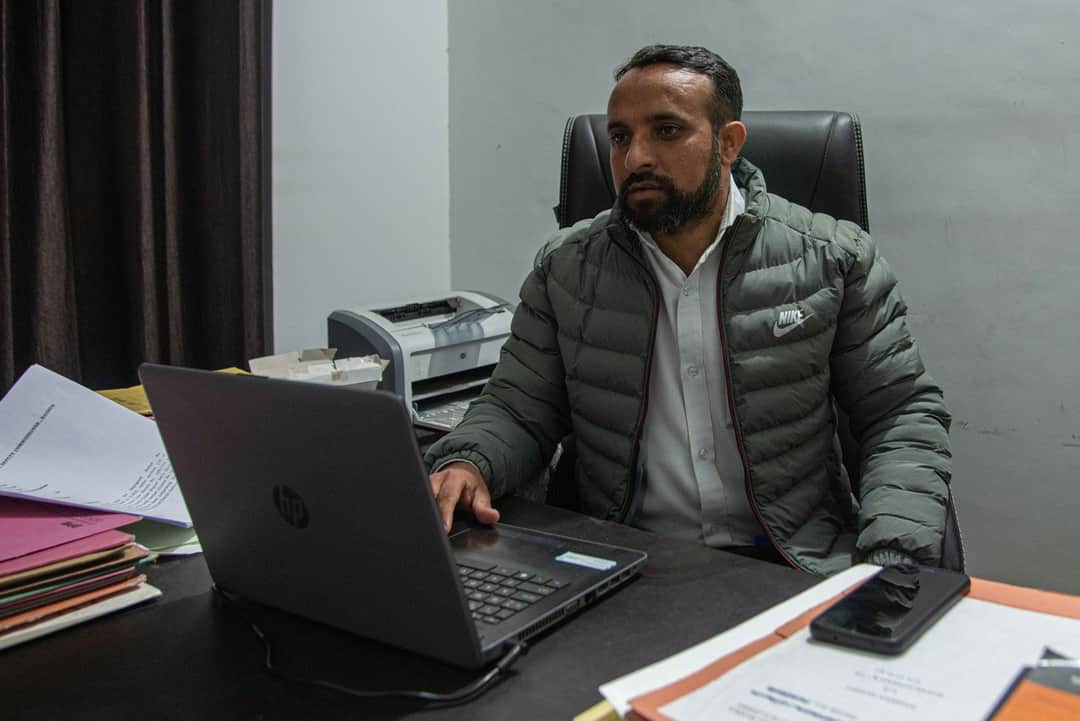

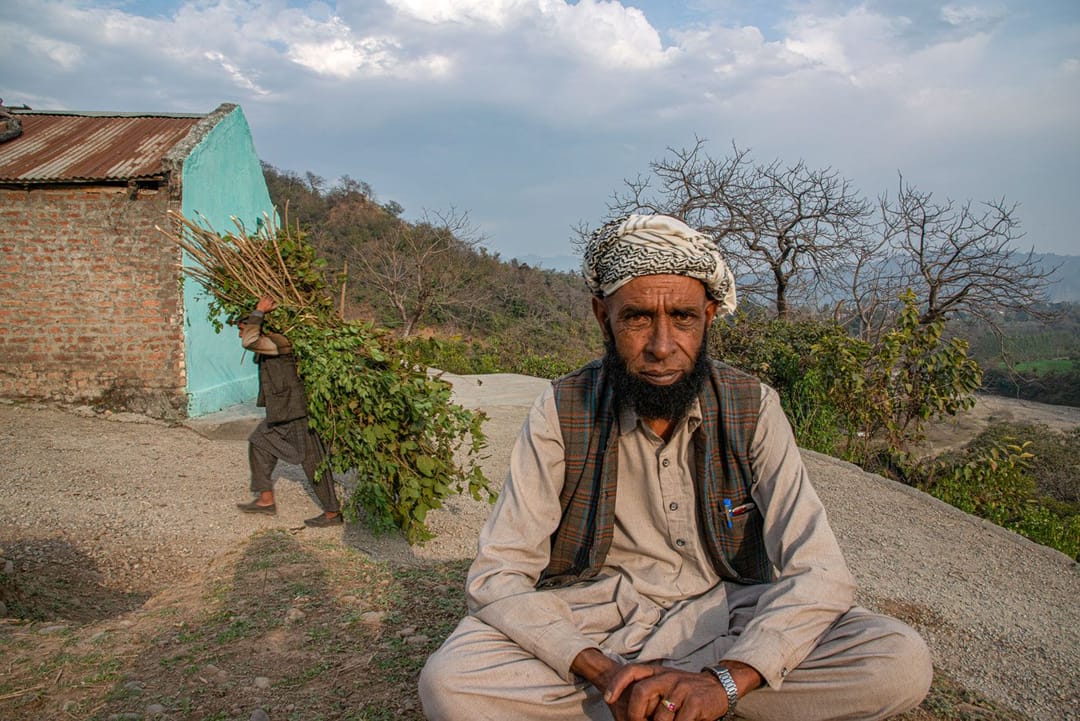
“It is difficult for our generation to take up bhed bakri charana [pastoralism],” says Talib Kasana, a young Bakarwal from Pehli, a remote settlement upstream of Bhorthain village. He is pursuing a master’s in political science through distance education.
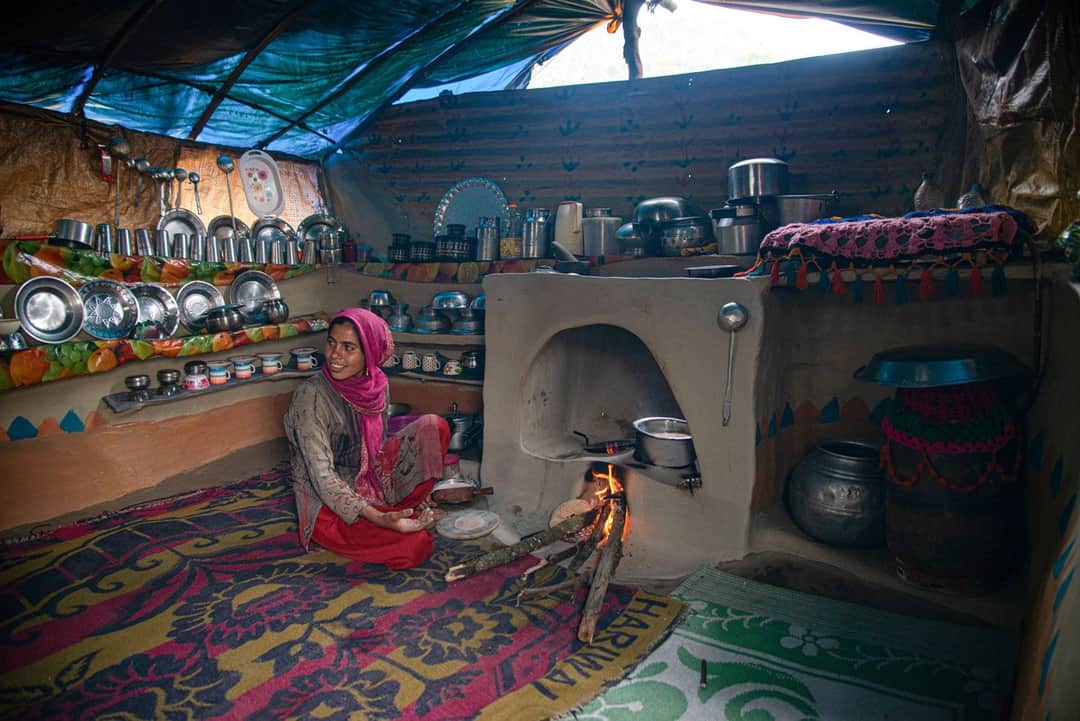
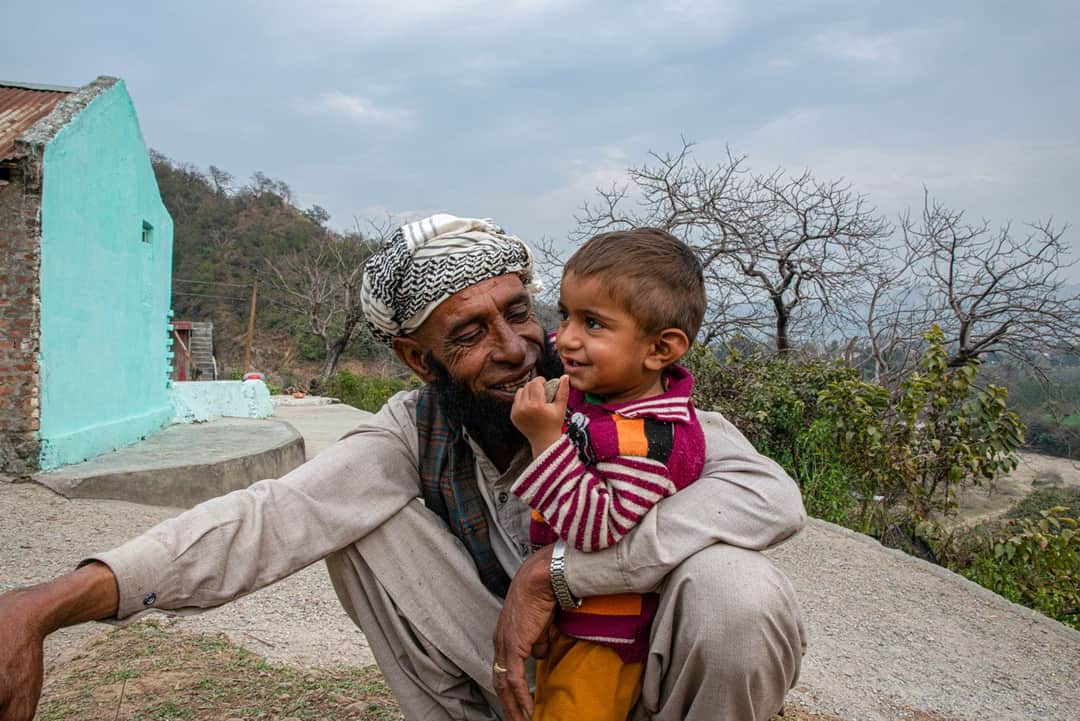
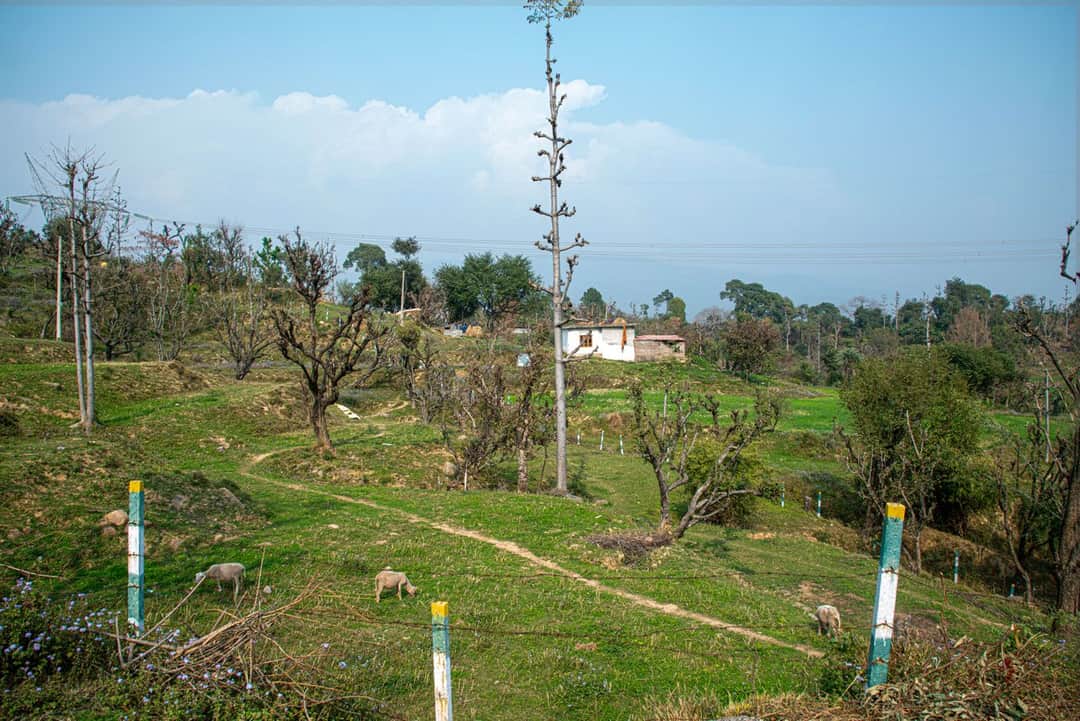
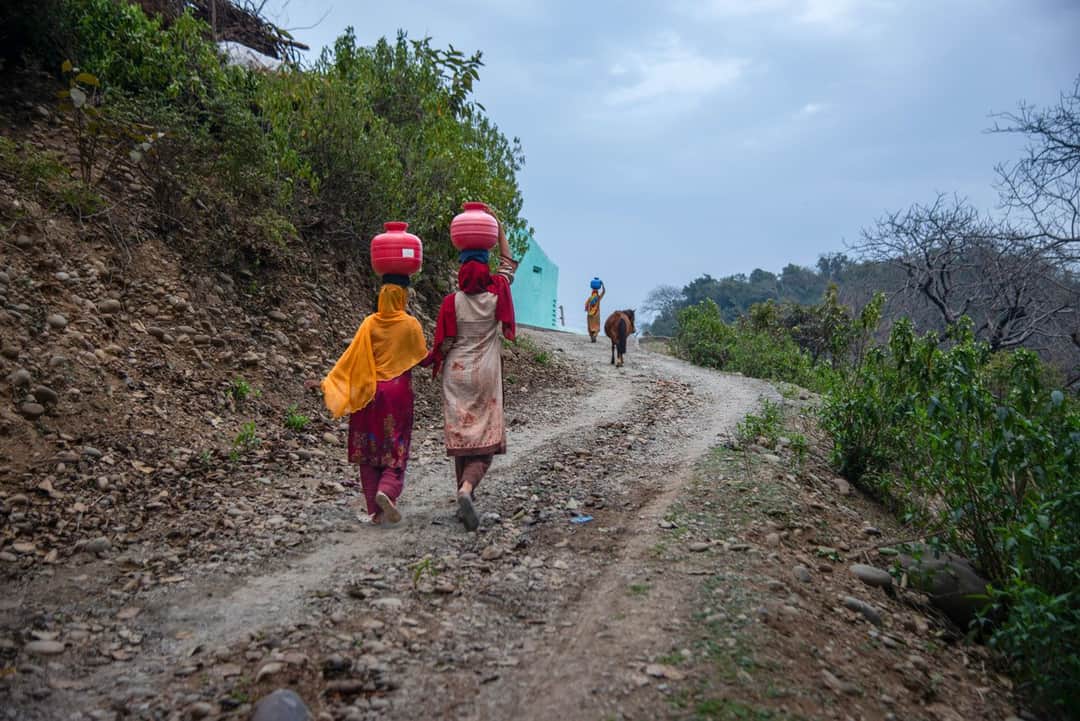
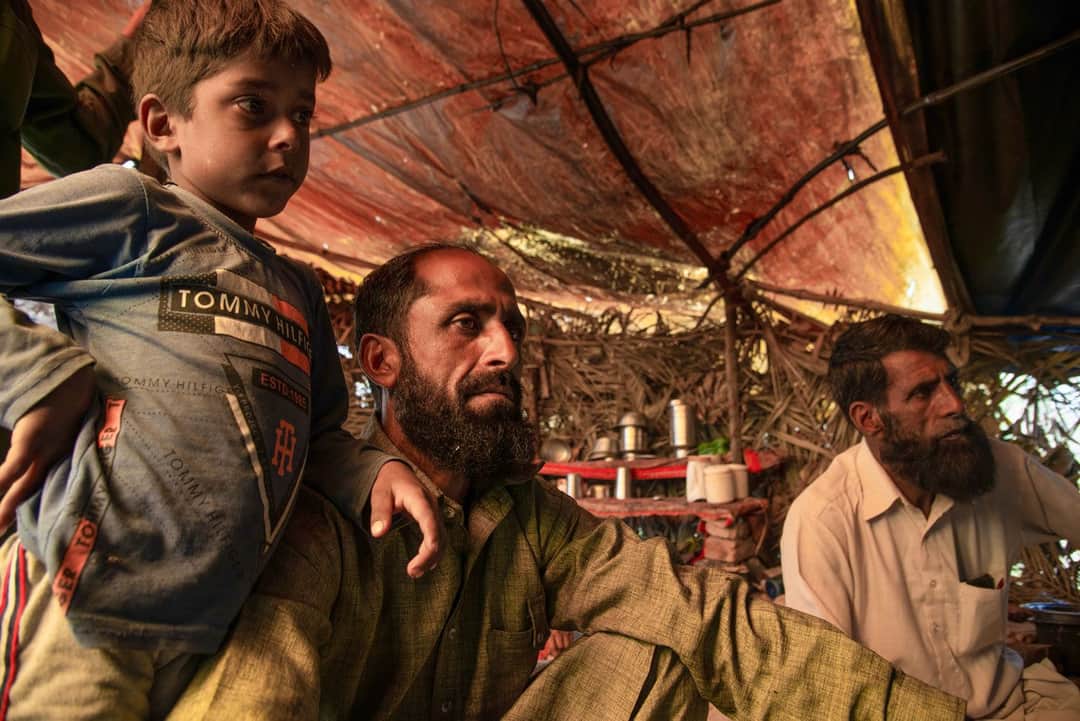
A pastoral community, Bakarwals move in large groups across the Himalayas in search of grazing grounds for their livestock. Talib adds, “once we get used to studying instead of living in villages and grazing sheep, we also get used to other things…we want a closed bathroom or to be able to study in one place.”
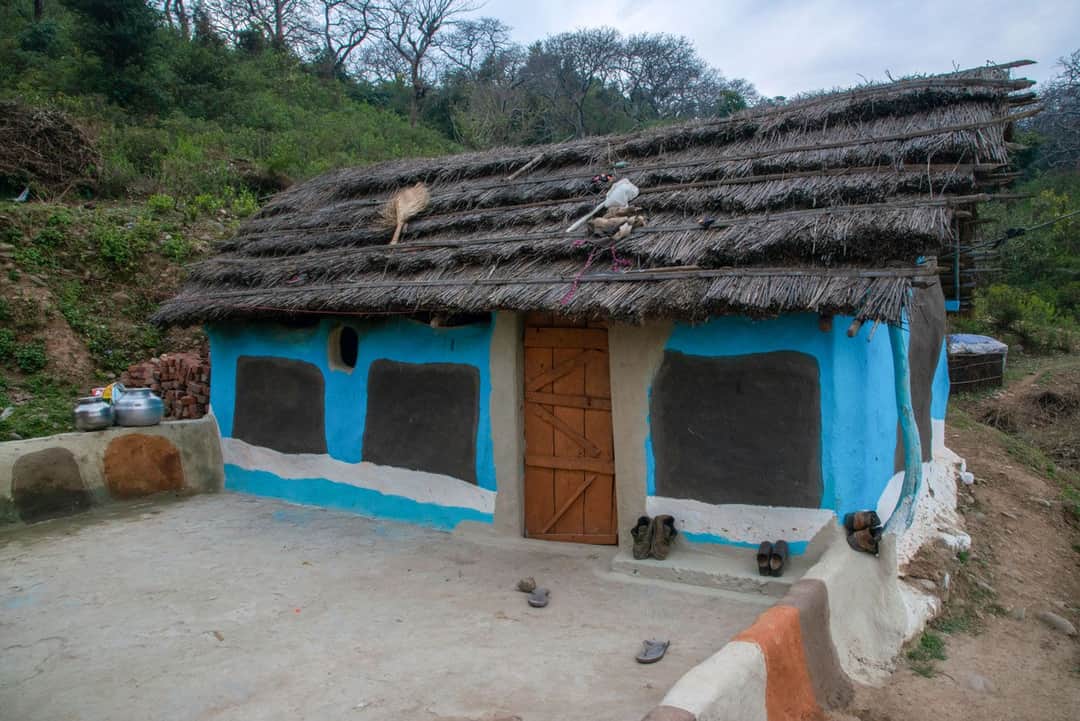
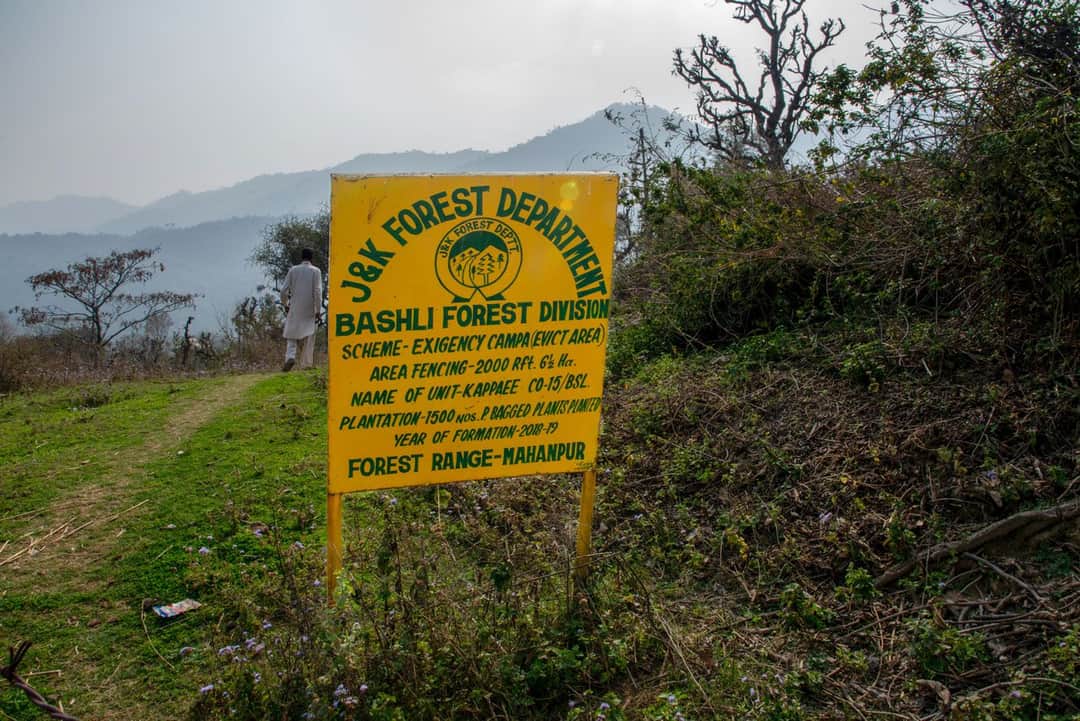
Talib lives in a small Bakarwal settlement in Kathua district of Jammu. It’s a semi-permanent establishment, and none of the residents have rights to the land.
In the last decade, many young people from this semi-nomadic community have been moving away from their traditional pastoral lives and opting for higher education. They are seeking careers in medicine or engineering if they have the funds, or politics and civil service jobs.
When there are two sons in a Bakarwal household, it is assumed that one will take care of the sheep while the other will try for a job outside. Talib Kasana plans to continue his education, but his younger brother is not interested in rearing sheep and would like to try his luck outside as well. But his brother cautions that, “There are no jobs for people like us.”