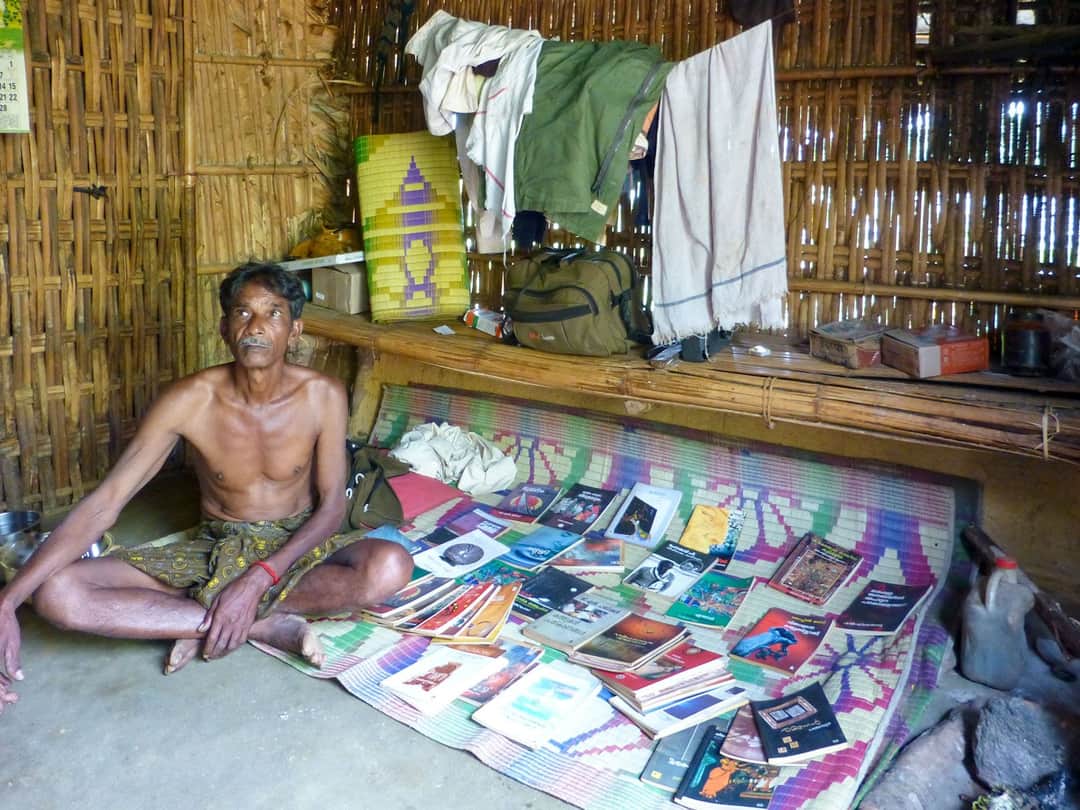
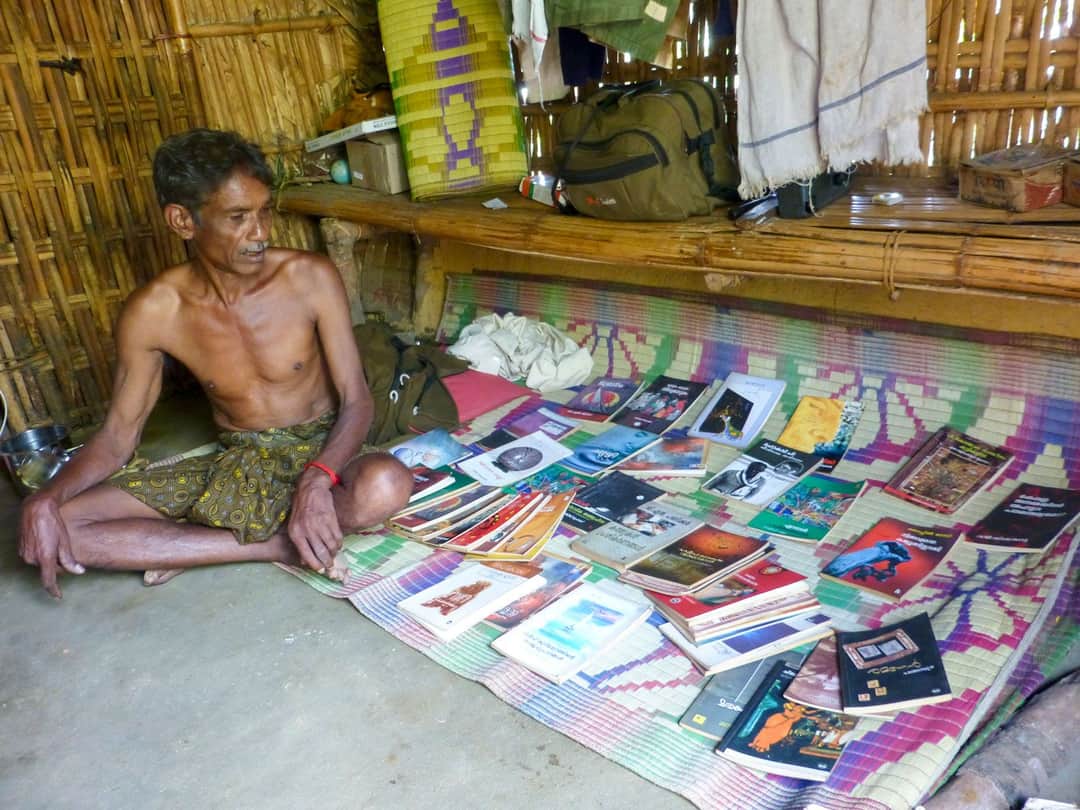
Our band of eight wanderers browse the books in awe. Every one of them is a piece of literature, a classic, even the political works. No thrillers, bestsellers or chick lit. There is a Malayalam translation of the Tamil epic poem Silappathikaram. There are books by Vaikom Muhammad Basheer, M.T. Vasudevan Nair, Kamala Das. Also titles by M. Mukundan, Lalithambika Antharjanam and others. Alongside tracts of Mahatma Gandhi are famous radical polemics like Thoppil Basi’s You made me a Communist.
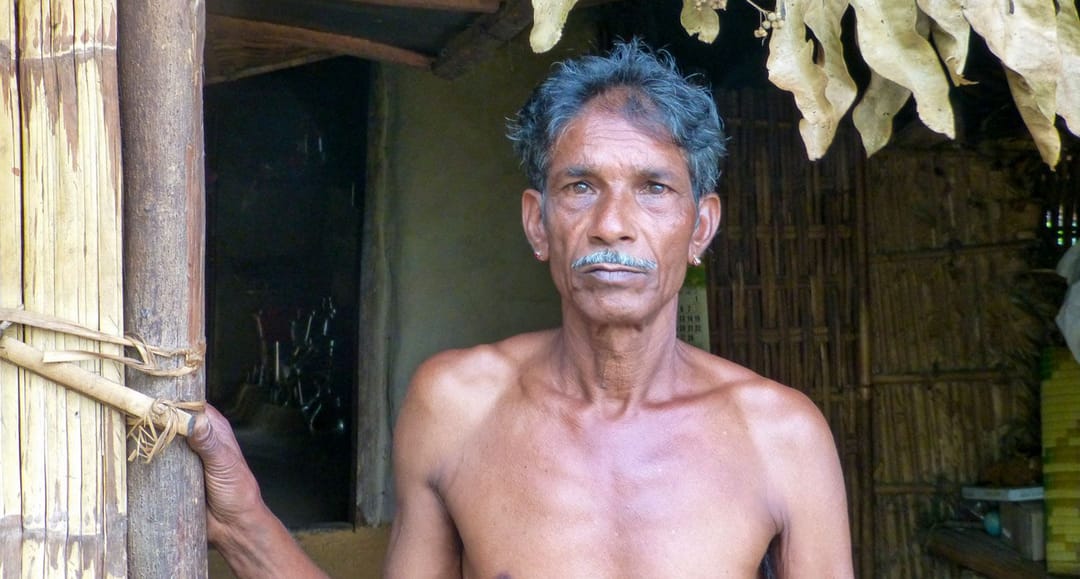
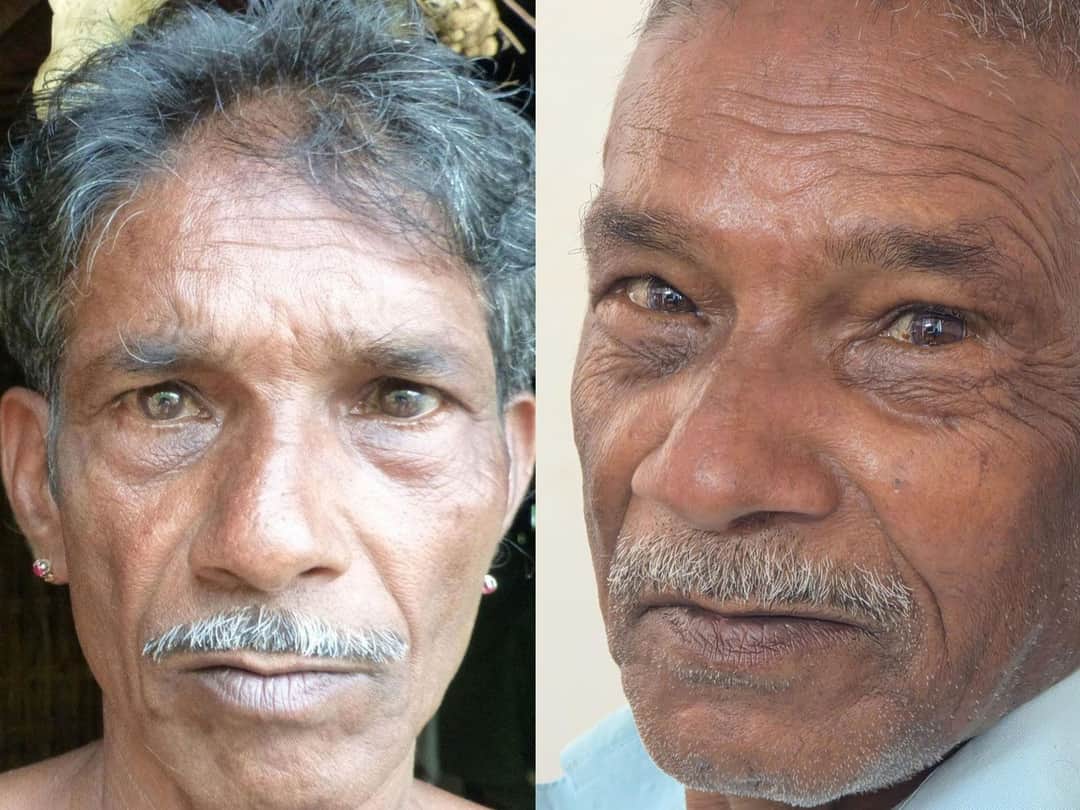
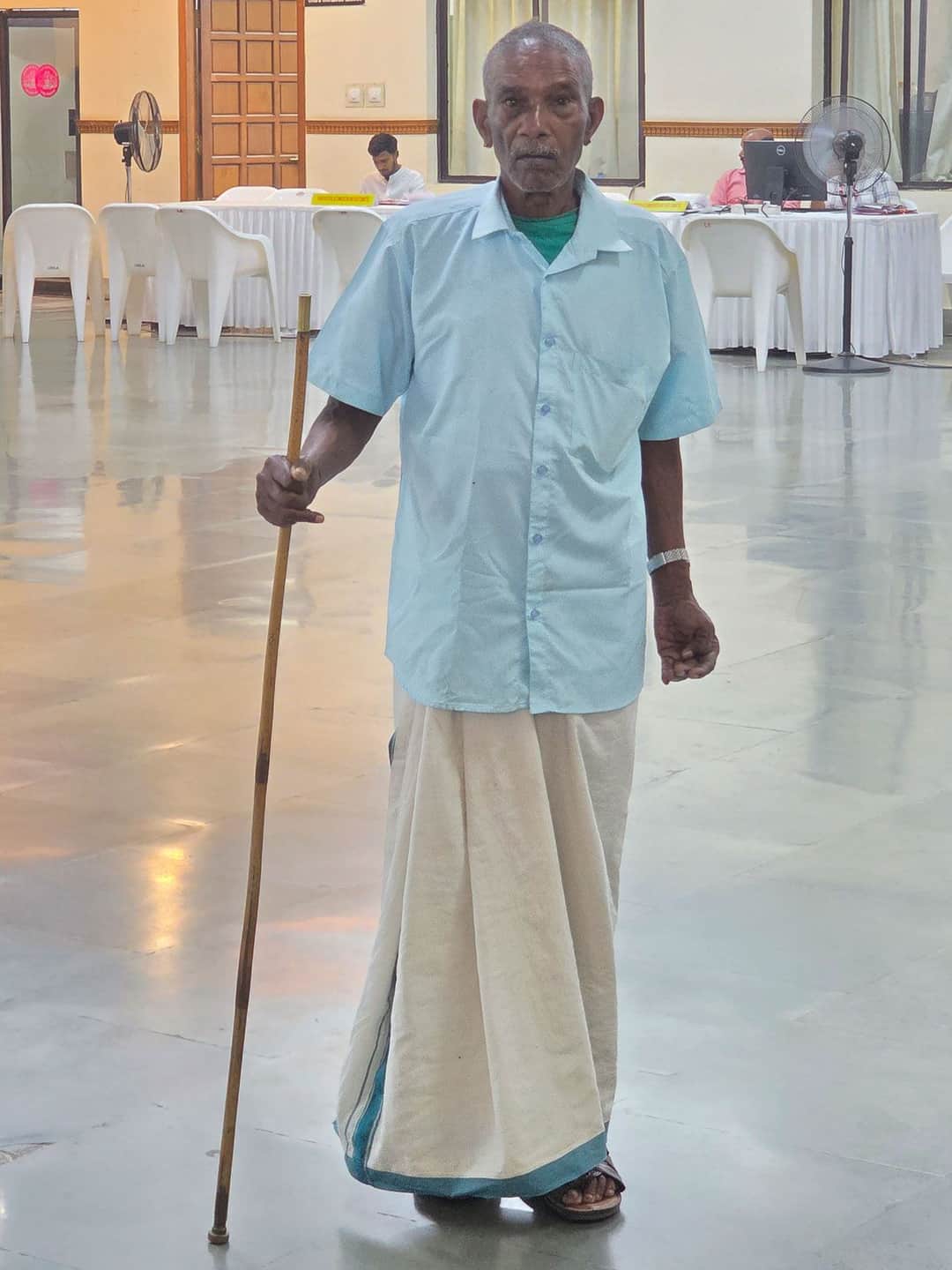
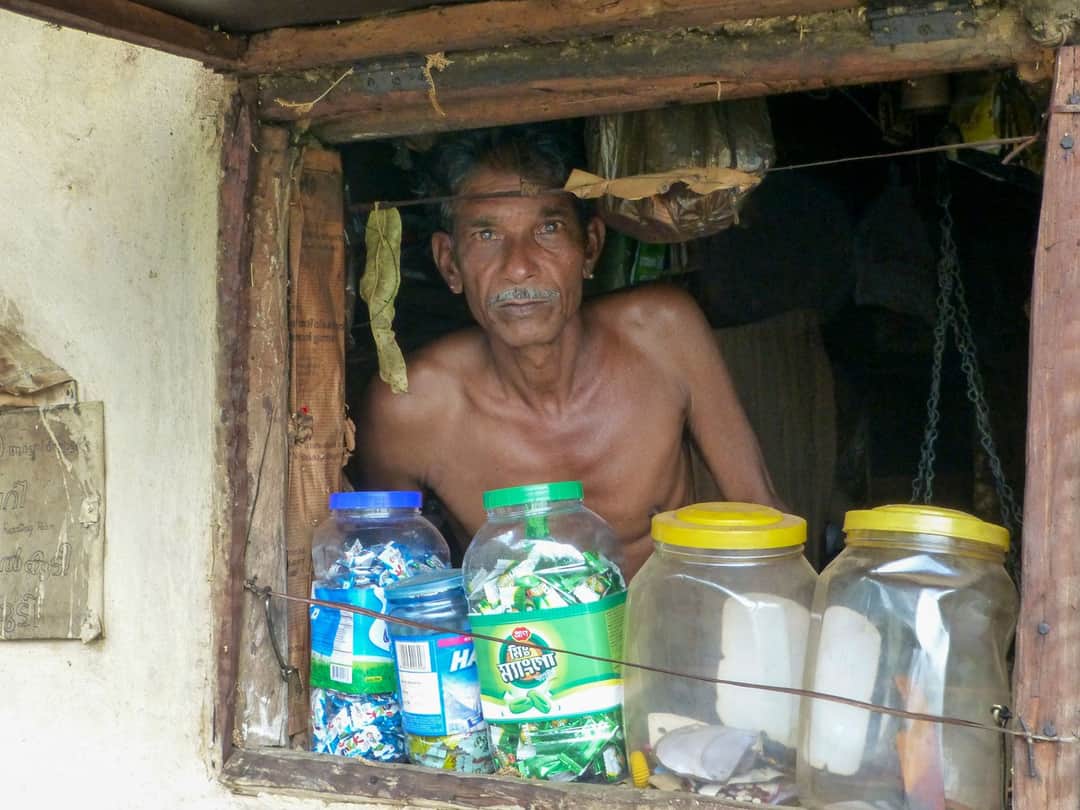
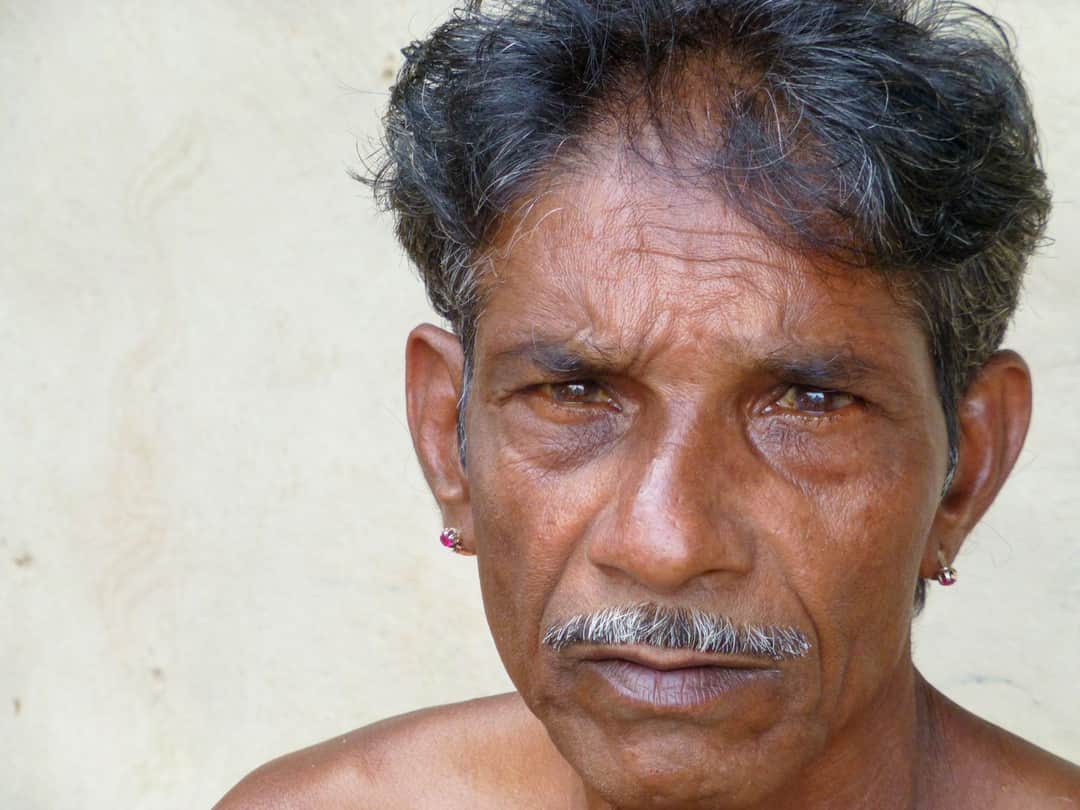
“But Chinnathambi, do people here really read such stuff?” we ask, now seated outside. The Muthuvans, like most Adivasi groups, suffer greater deprivation and worse education drop-out rates than other Indians. In reply, he fishes out his library register. This is an impeccably kept record of books borrowed and returned. There may be only 25 families in this hamlet, but there were 37 books borrowed in 2013. That’s close to a fourth of the total stock of 160 – a decent lending ratio. The library has a one-time membership fee of Rs. 25 and a monthly charge of Rs.2. There is no separate payment for the book you borrow. The tea is free. Black and without sugar. “People come in tired from the hills.” Only the biscuits, ‘mixture’ and other items have to be paid for. Sometimes, a visitor might even get a spartan meal, free.
The dates of lending and return, names of the borrowers, are all neatly entered in his register. Illango’s Silappathikaram has been taken more than once. Already, several more books had been borrowed this year. Quality literature flourishing here in the forests, devoured by a marginalised Adivasi group. This was sobering. Some of us, I guess, were reflecting on the sorry reading habits in our own urban environment.
Our group, with several members earning a living from writing, was in for a further deflation of the ego. Young Vishnu S., one of three journalism students from the Kerala Press Academy travelling with us, found a different kind of ‘book’ amongst the lot. A ruled notebook with several hand-written pages. It has no title yet, but this is Chinnathambi’s autobiography. He hasn’t got far with it, he says apologetically. But he’s working on it. “Come on, Chinnathambi. Read us something from it.” It wasn’t long, and it was incomplete, but a tale neatly told. It captures the first stirrings of his social and political consciousness. It starts, after all, with the assassination of Mahatma Gandhi when the author was around seven years old — and the impact that had on him.