

It was soon after her wedding in 2012 that Anju Rani’s life began to unravel. “My husband was addicted to alcohol, and we would have arguments every day. I was breaking apart inside,” says the 34-year-old mother of two.
Her husband contributed nothing to household expenses. There was not enough money to raise their daughter. “Our electricity bills were often left unpaid,” she says. “Debts piled up, and moneylenders would visit and harass us. I spent those days in fear.”
Every time she visited her parents’ home in Ayadnagar, a village located 30 kilometres from her marital home in the town of Siyana, in western Uttar Pradesh, neighbours and relatives downplayed the strain her marriage placed on her. They would insist that she return to her husband, and for years, she did, her daughter in tow.
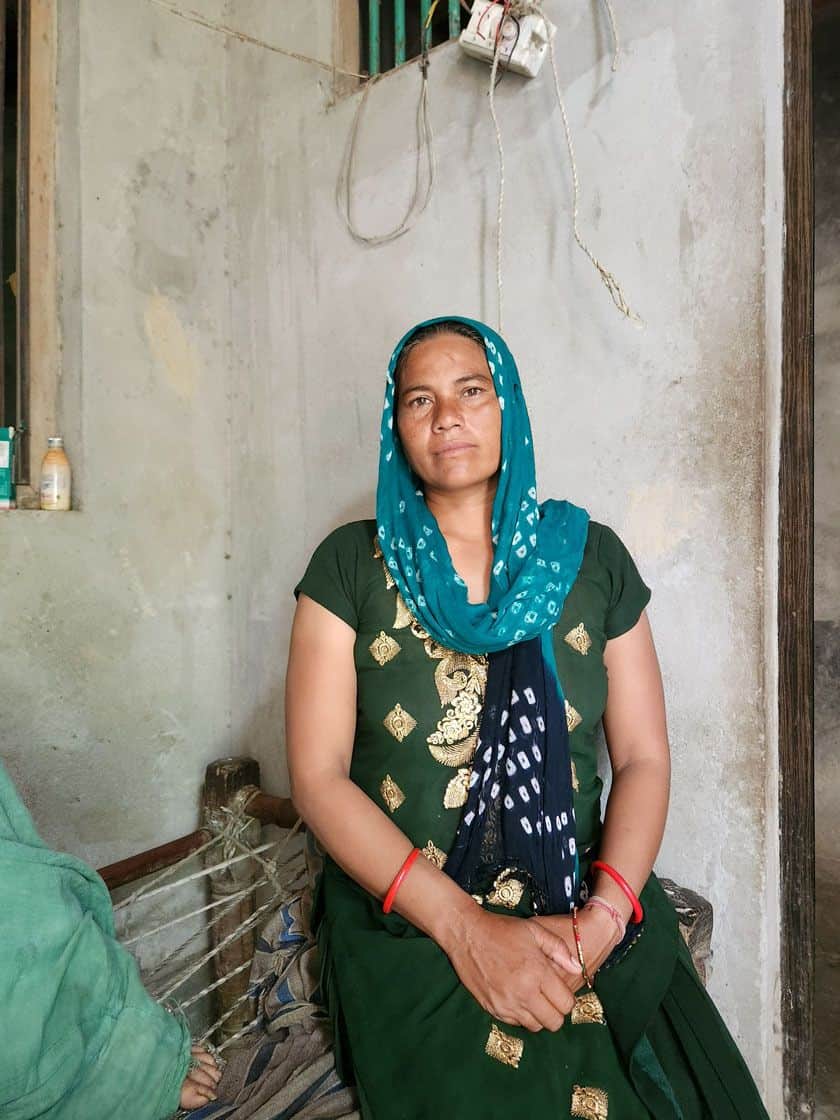
Anju’s mother has lived alone since her father died of cancer 15 years ago. “One day, I left everything and went back to my parental home for good. He never came for me, and I never went back,” says Anju, seated next to her mother on a threadbare charpai (cot).
She began to work as an agricultural labourer, earning Rs. 200 to Rs. 250 in daily wages, depending on the season and if work was available.
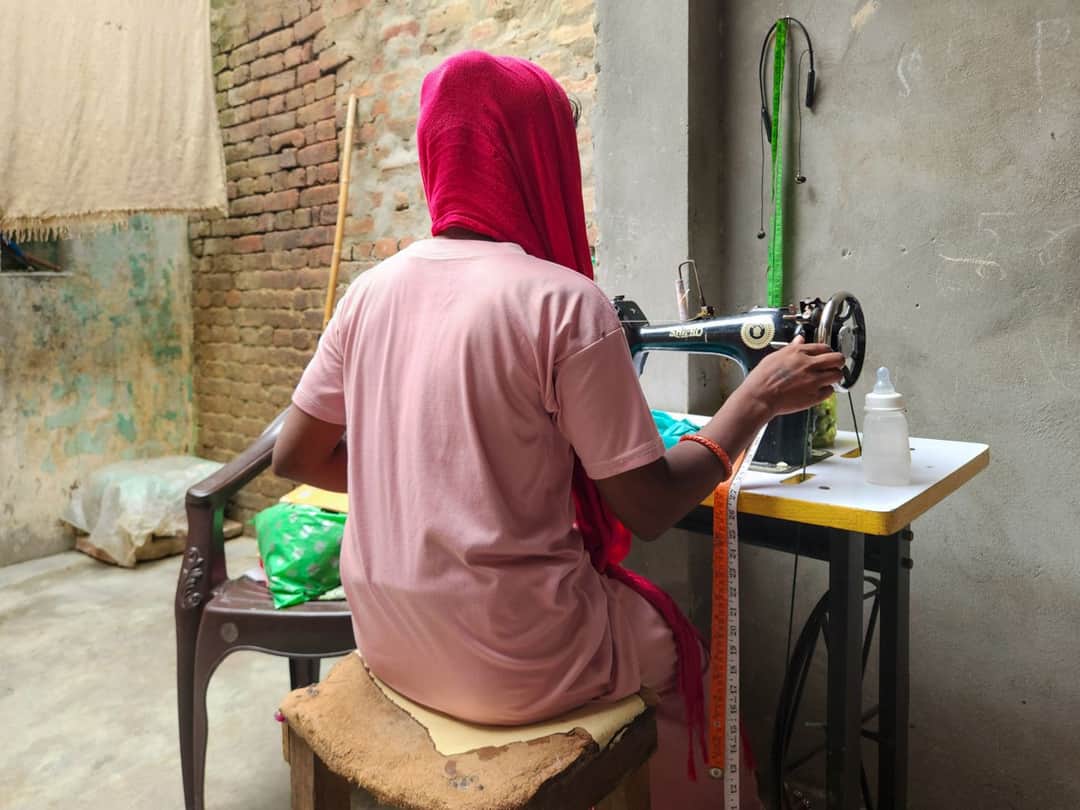
In 2017, she decided to try marriage one more time, and a second daughter followed. “I tried to live my life again, but the second marriage turned out to be even worse. This husband also drank and beat me. He would sell essential household items for liquor—first the grains and the cooler, then even my sewing machine. He later started stealing from people’s homes. I was humiliated.”