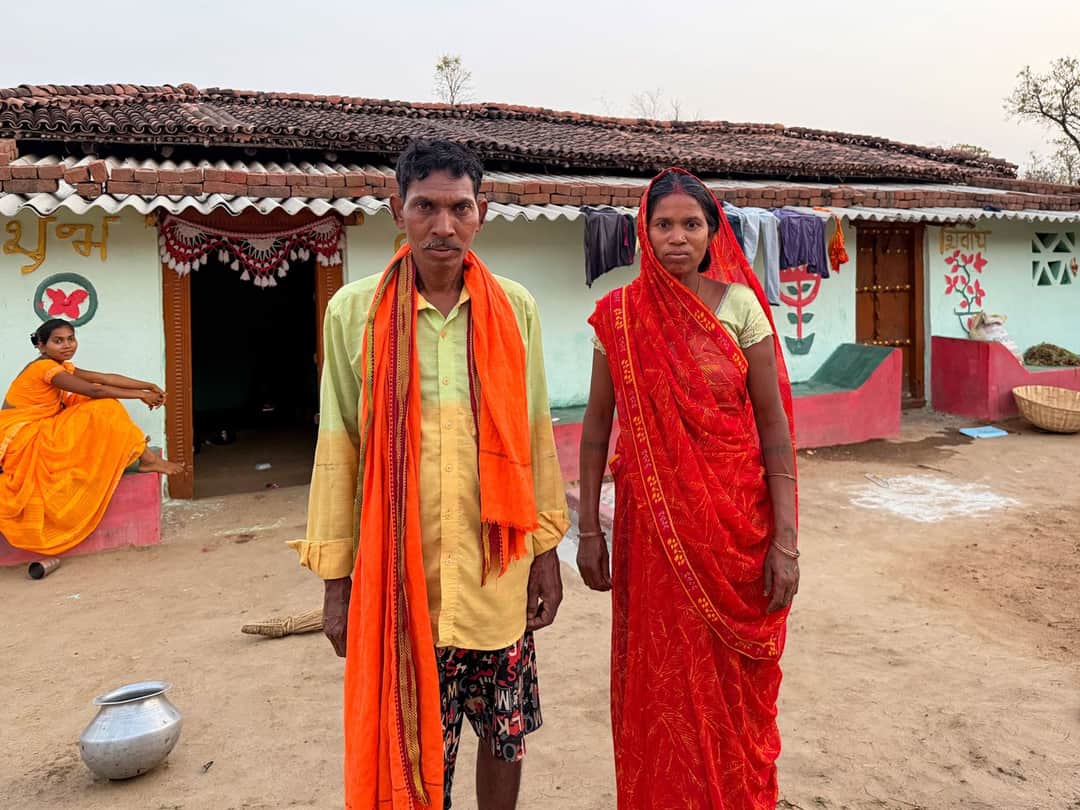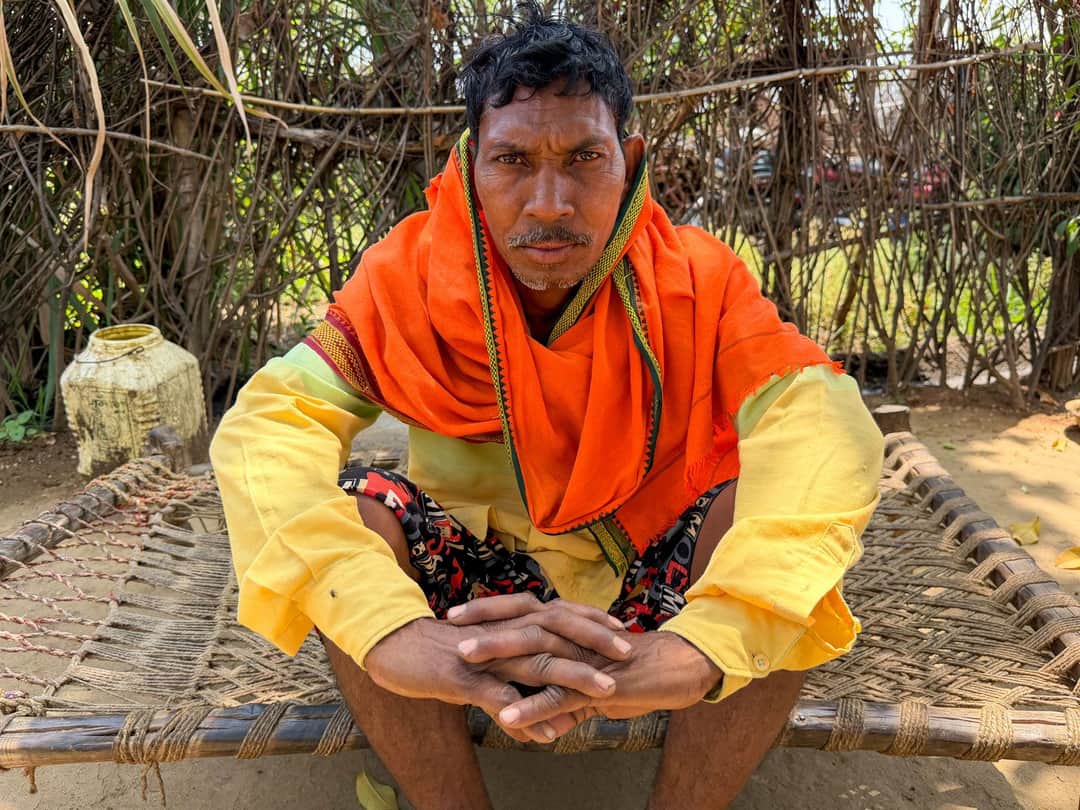

“During the lockdown, we walked 12 days straight to get home from Visakhapatnam," says Kayil Bhuiyan, 45, recalling the horrific experience of COVID-19 in 2020. He was then a daily wage labourer at a Larsen & Toubro construction site in Aganampudi.
There were about 80 of them, including 10 women and four children, walking nearly 1,000 kilometres to Jharkhand. "We walked day and night. When tired out, we slept for an hour, then started again.” All the way home to Rabda village in Palamu district, Jharkhand.
Almost six years later, Kayil undertook a similar journey, this time by train, from the National Capital Region. Returning to another fearful reality.
He is neck deep in debt he cannot repay.
Migrant labourers are among the hardest hit by the acute shortage of liquified petroleum gas (LPG) cylinders spurred by the American-Israeli war on Iran.
Early in March, "Everyone started saying another lockdown is coming," he recalls. He was working as a mason at the L&T construction site in Noida for Rs. 500 a day.
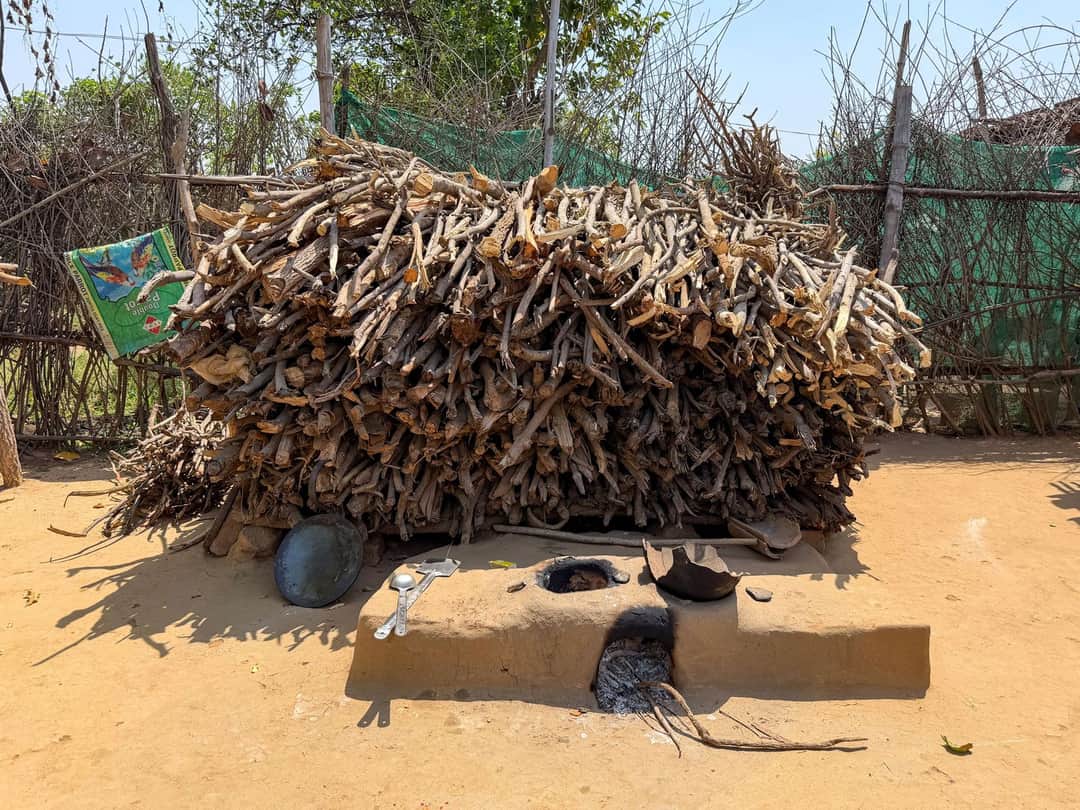
Then LPG prices tripled, from 90 to 300 rupees a kilogram. “We burned shuttering material and plywood [to cook],” he says. “Somehow we managed.” For barely 10 days.