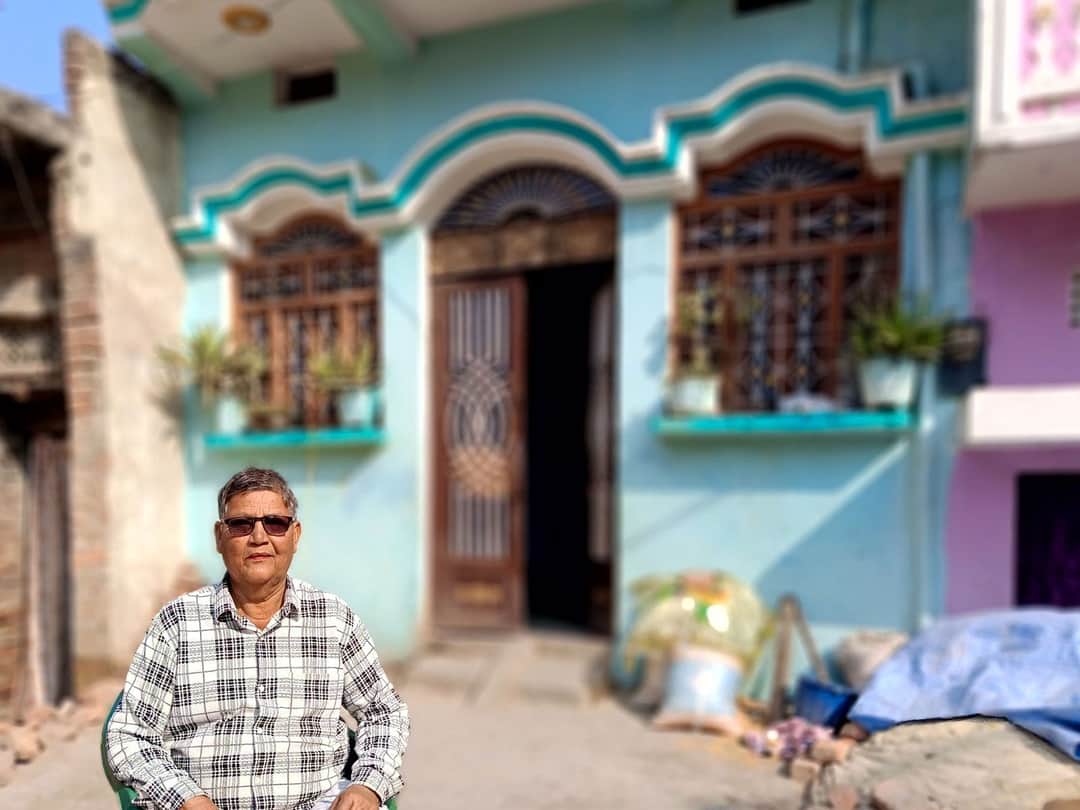

It’s five in the morning, and the sun is yet to punch in for the day, but two distinct calls are already waking up this little census town of Hathua in Bihar’s Gopalganj district. One is of muezzins' voices proclaiming azan from the minarets of a few mosques. The other is of bhajan singers from three or four temples in the area. A melodious Allahu Akbar! Allahu Akbar! Ashhadu an la ilaha illa Allah...merges with chanting voices anchored by the rhythms of cymbals hare Raam, hare Krishna, hare Krishna, hare Raam. And then, resonating in the air and coming from somewhere a little closer is the sound of a flute, stirring the different notes together into a serene concoction.
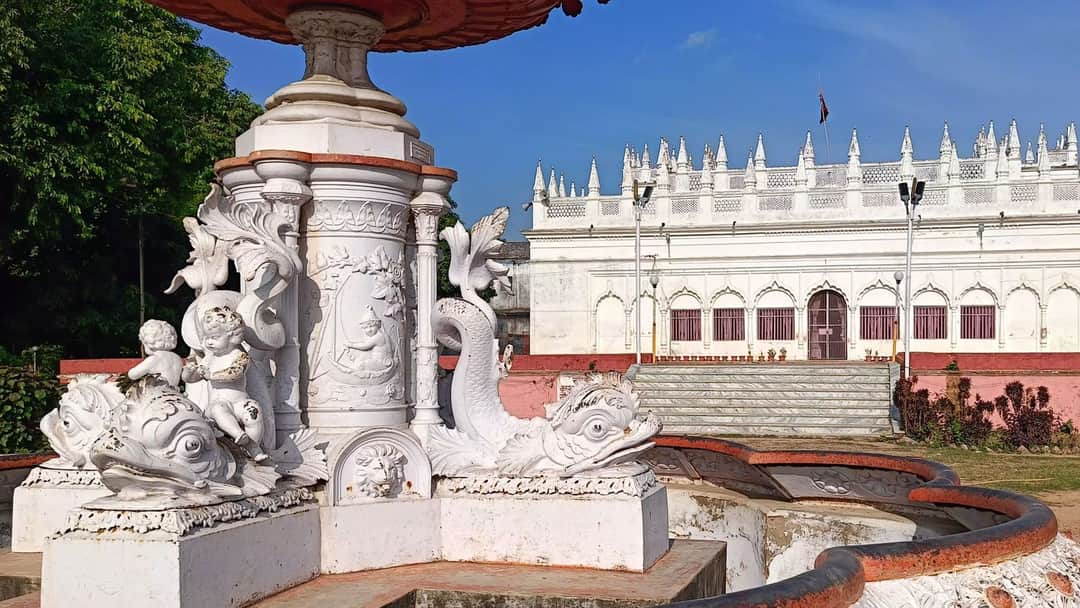
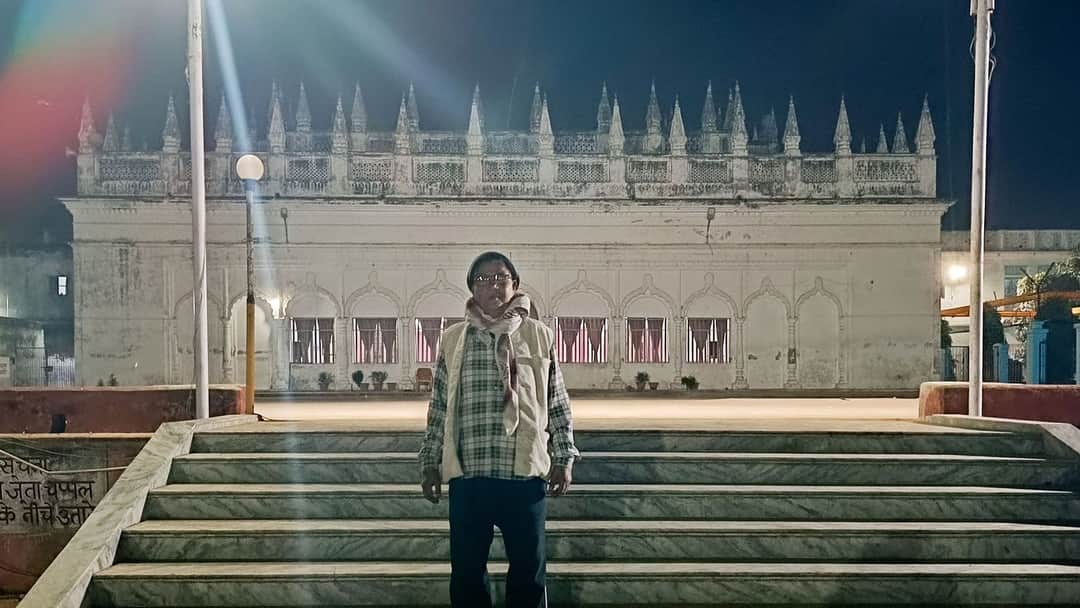
It is the pull of the melody being played on the bansuri (flute), a curiosity to meet the artist that takes me to the 176-year-old Gopal temple. Built between 1850 and 1866 by the then maharani of Hathua, Shyam Sundari Kunwar, the structure is surrounded by the old fort, a new fort and a Sheesh Mahal (palace of mirrors). A security person is guarding the massive gates of this royal temple, built at an expense of some 4,50,000 silver coins, equivalent to some 55 crore rupees in today's money. Inside, spread across 14 acres of land are gardens, fountains, ponds, a Sanskrit University building, and the famous temple with many rooms.
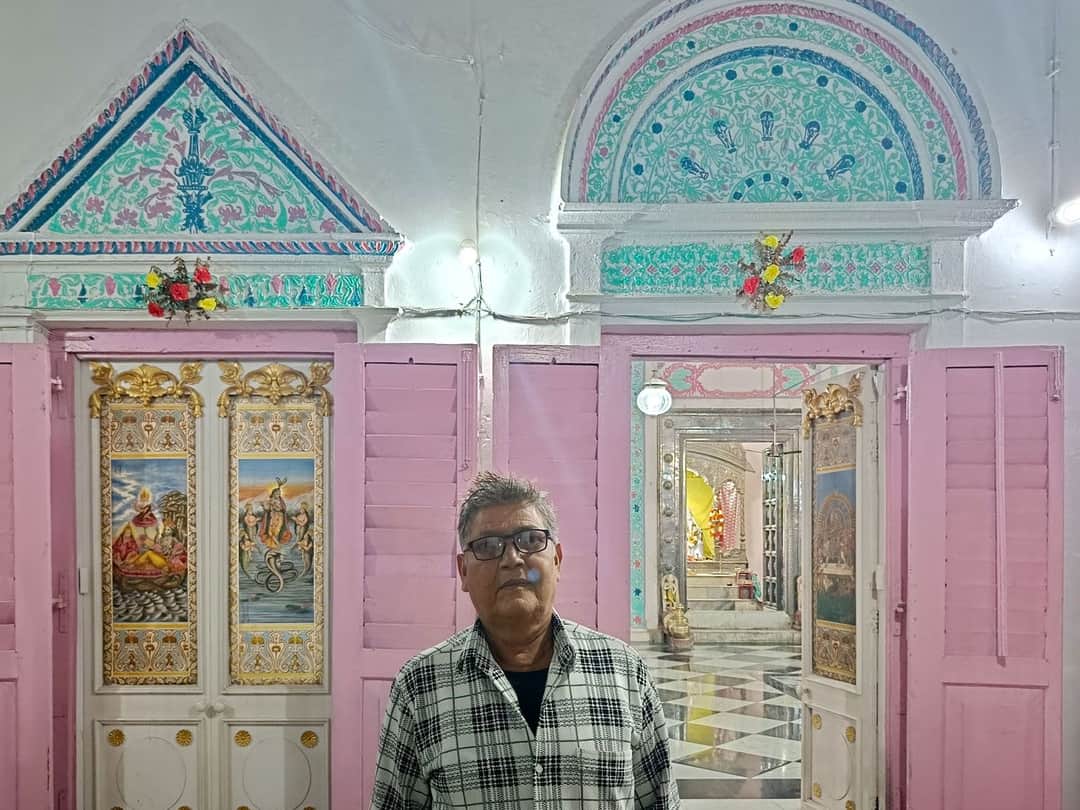
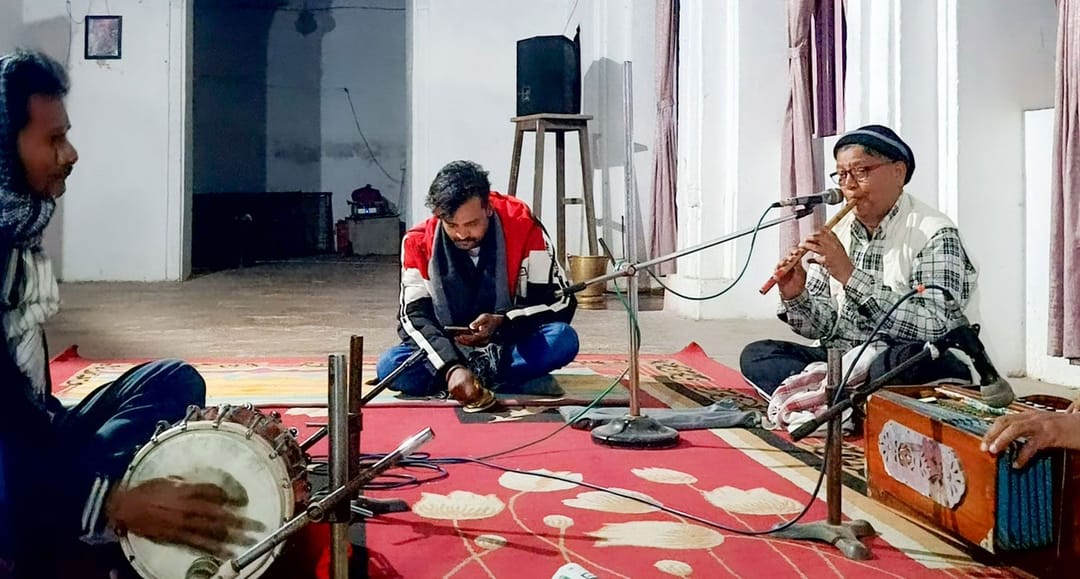
The temple is the private property of descendants of one of the oldest aristocratic familes that ruled the erstwhile Hathua princely state. It is open to the public in the mornings and evenings, when you will see a few devotees trickle in. A pujari performs the aarti in front of the Radha Krishna idols in the inner sanctum. Facing that, seated on the floor of the large, pillared hall are musicians with their instruments – tabla, harmonium, cymbals. And there amidst the group is Mohammed Sagir Ansari, the artist I have heard about from my colleagues.
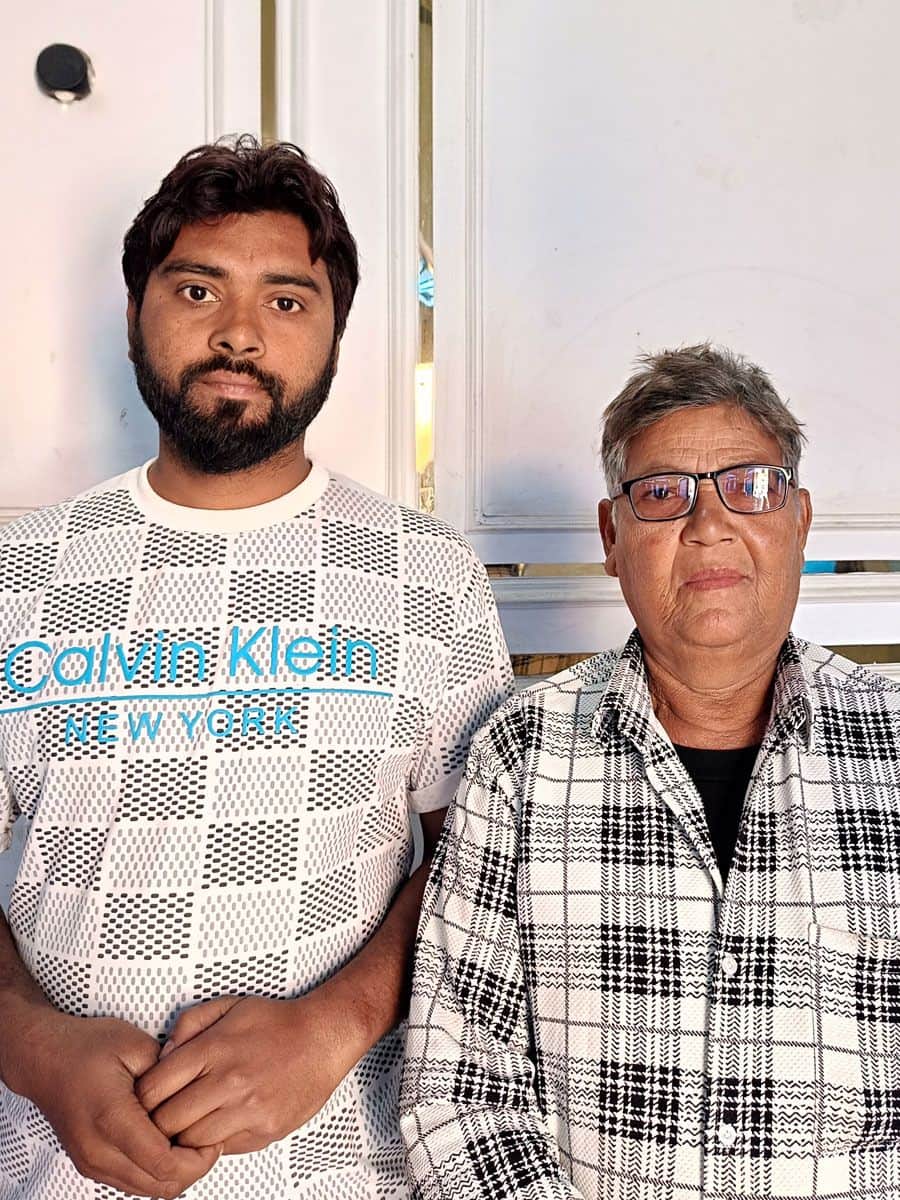
A 70-year-old Muslim musician offering his flute to the the deities in the Gopal temple. He finds nothing unusual about his work. “All human beings are equal. There is no difference among us,” he says. “We should all live in harmony. Yah ek gyan hai jo khudane muze diya hai. Aur gyan bantne mein kuchh bhi galat nahi hai. [This art, this knowledge is Khuda’s grace and there is nothing wrong in sharing it]. I have been playing the flute here for more than a decade now.”