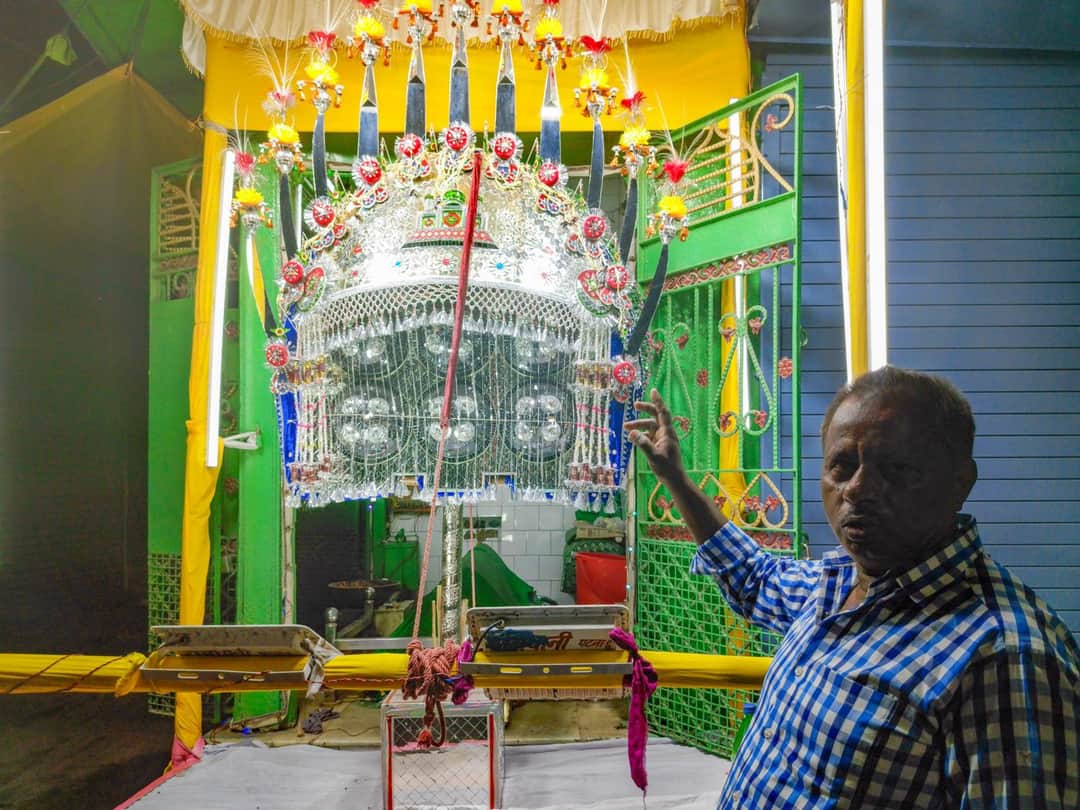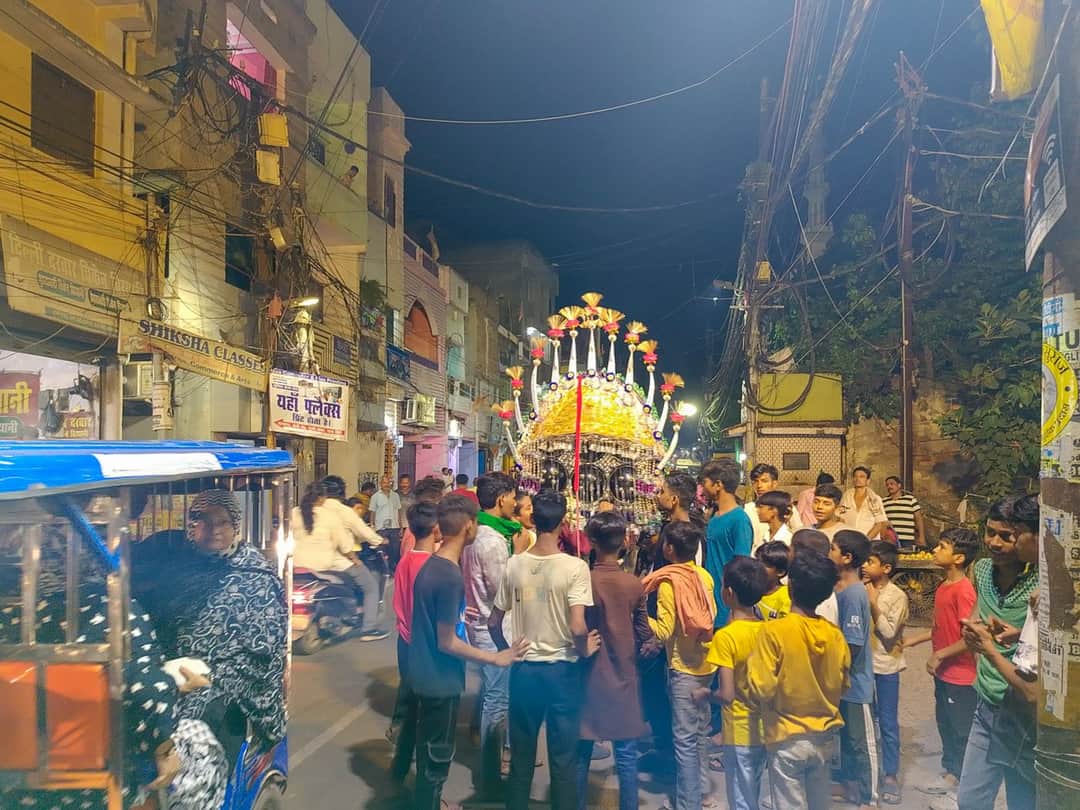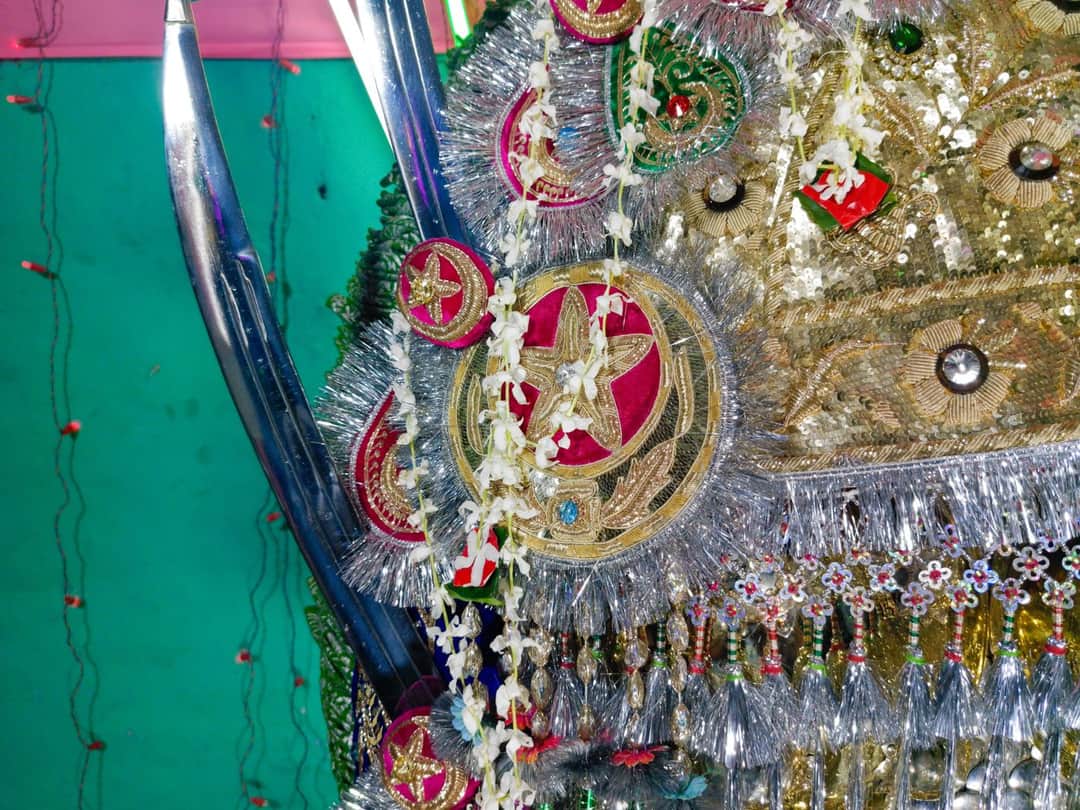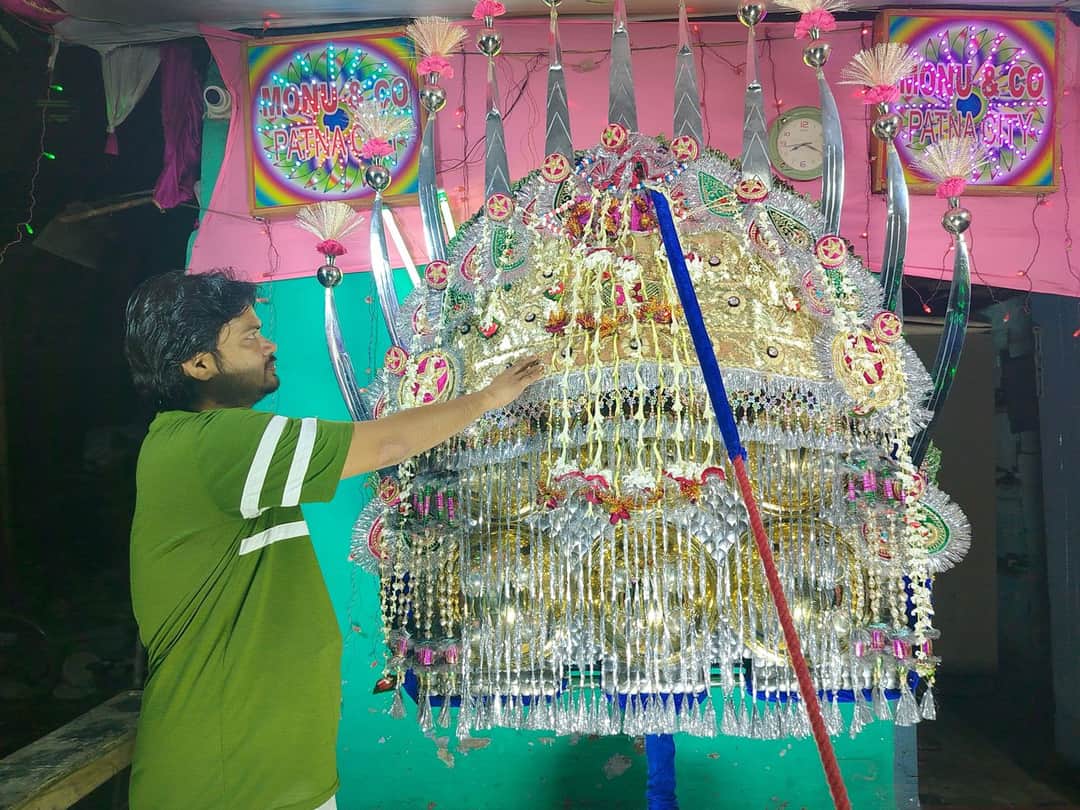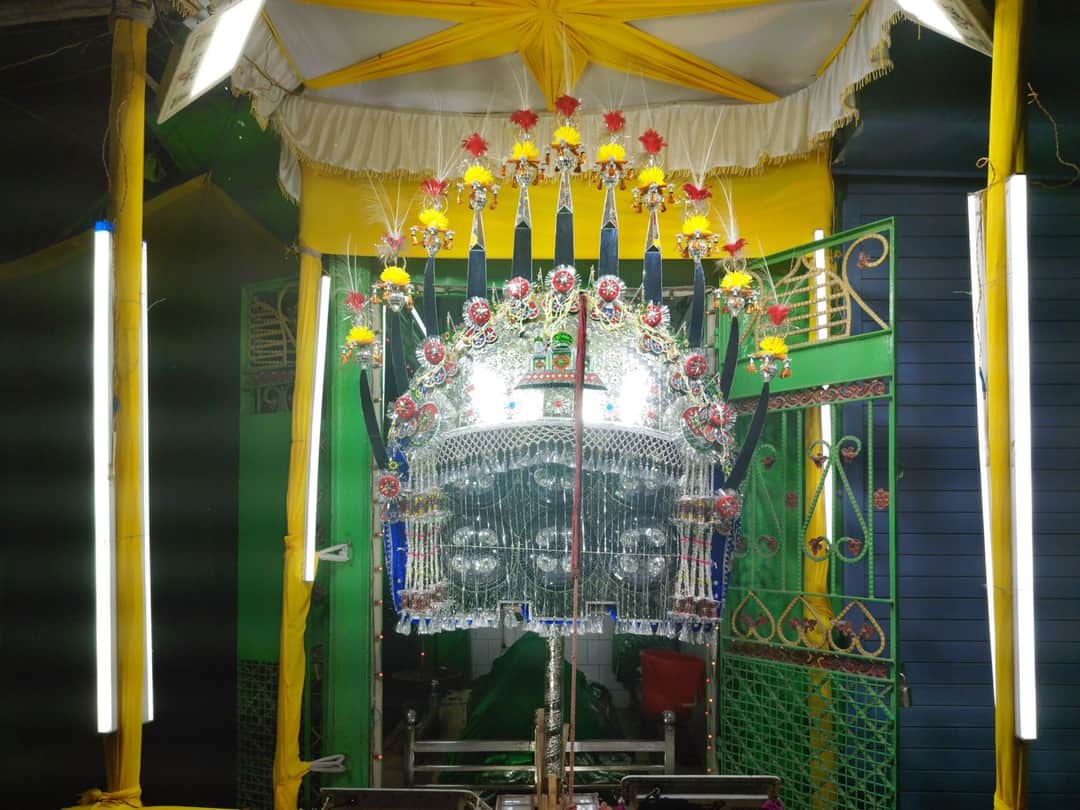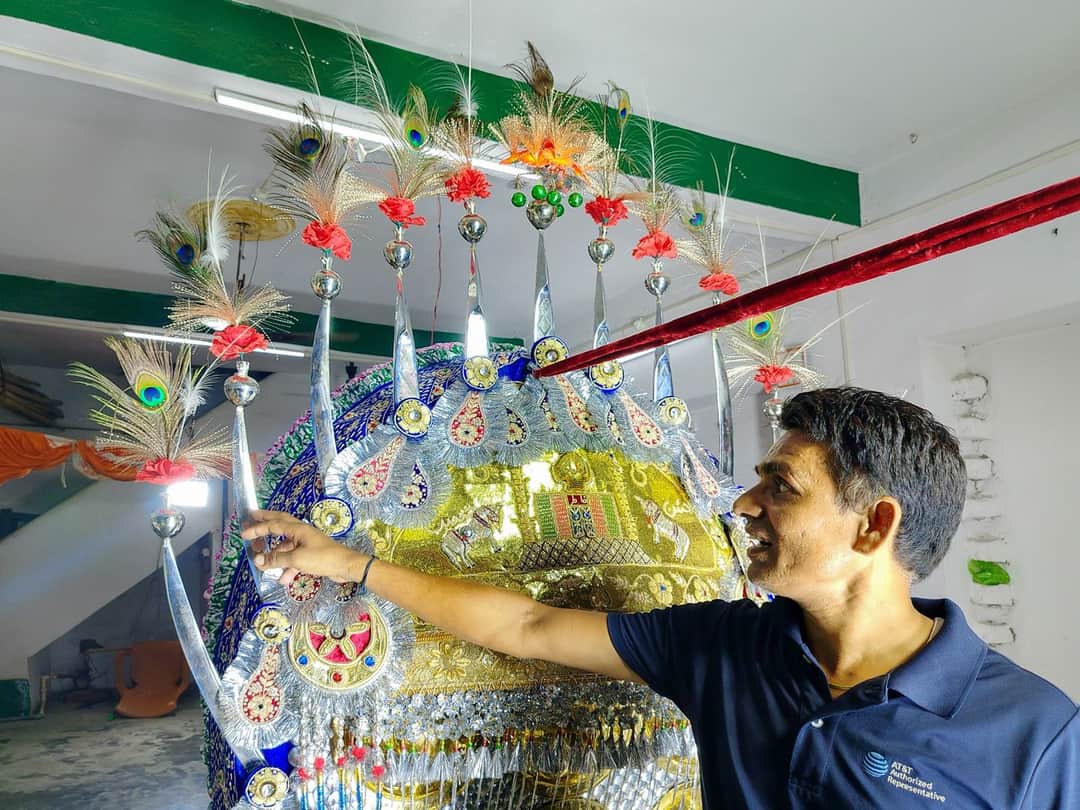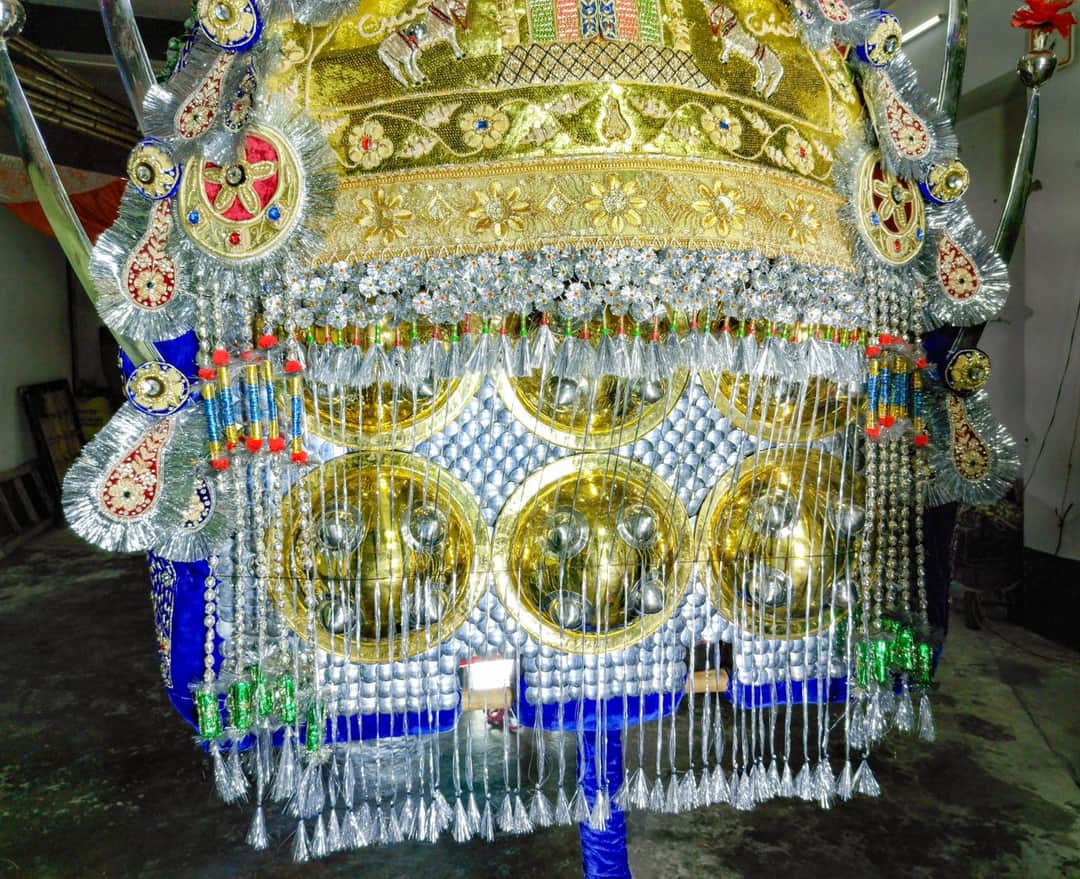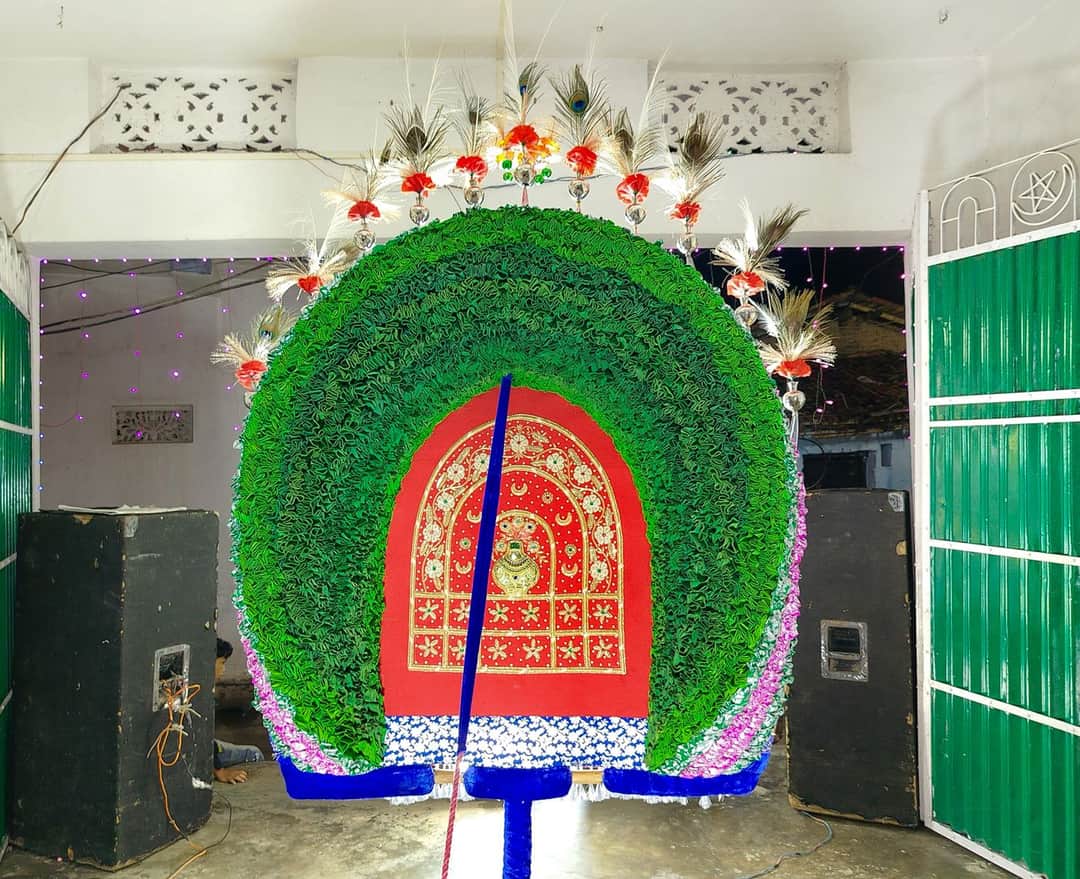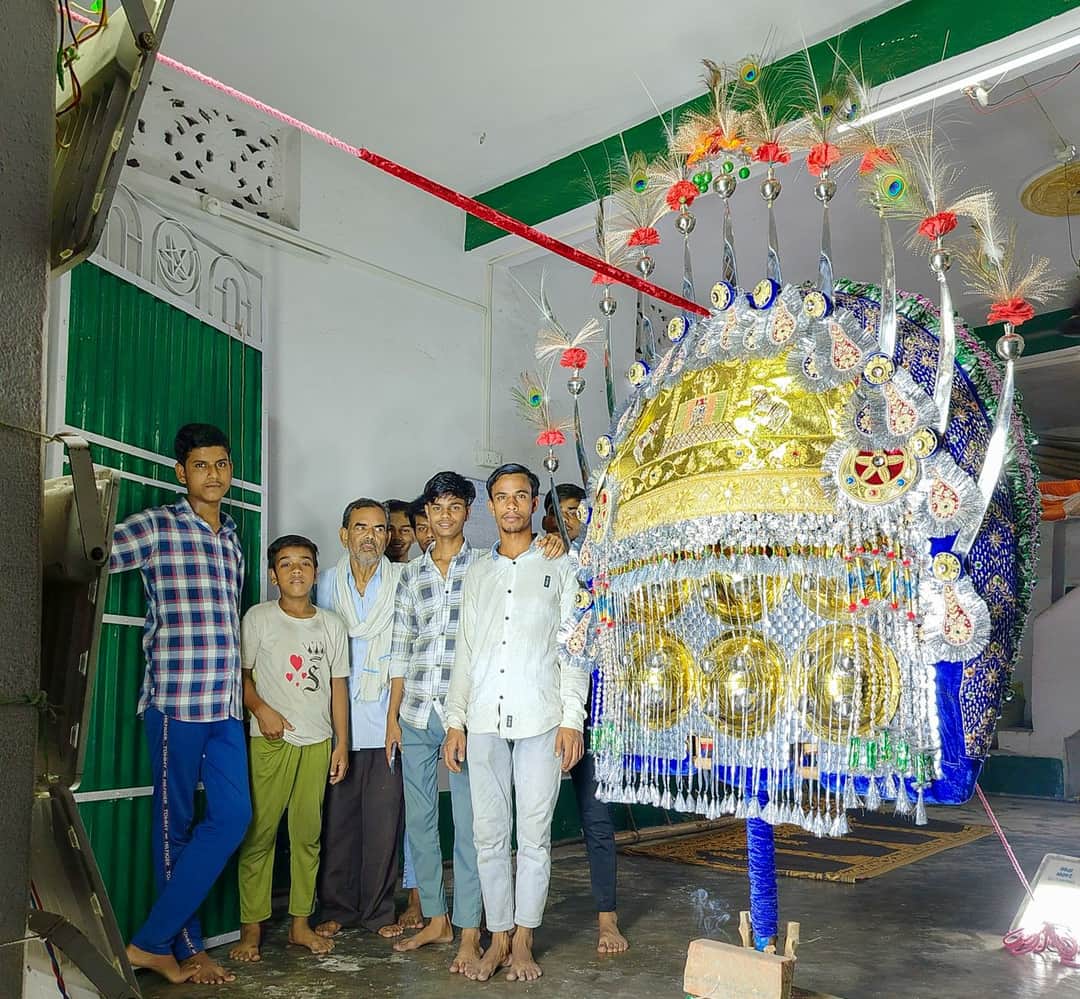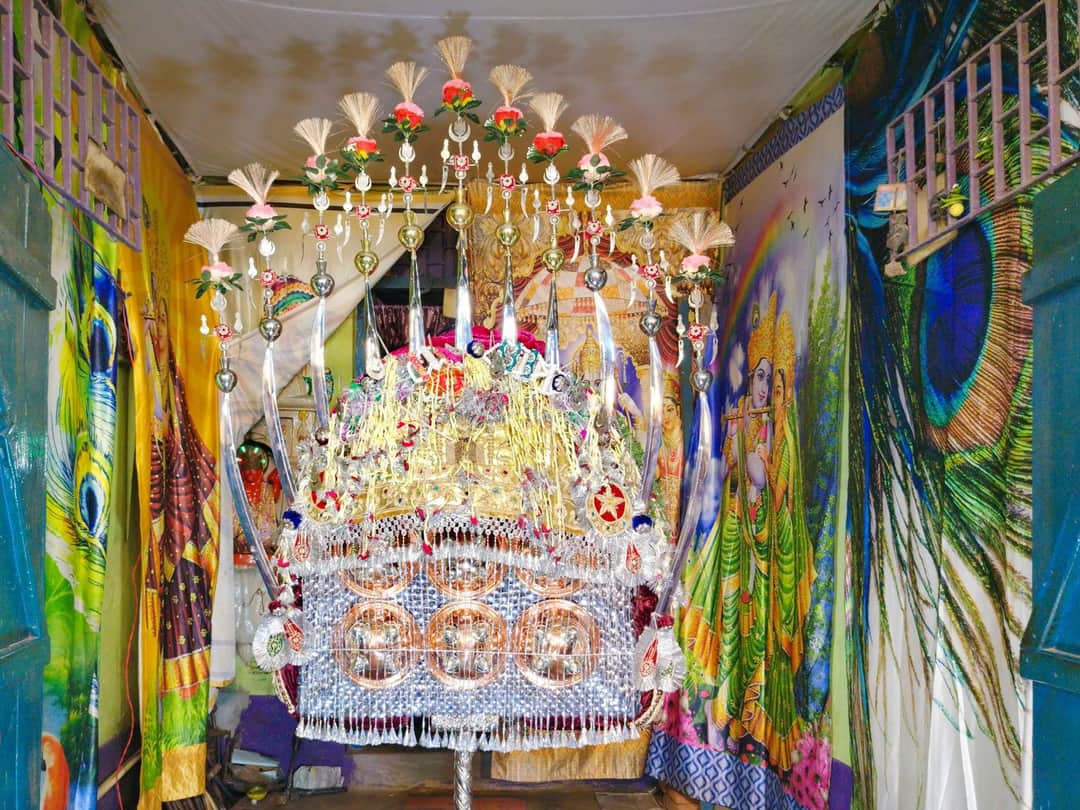

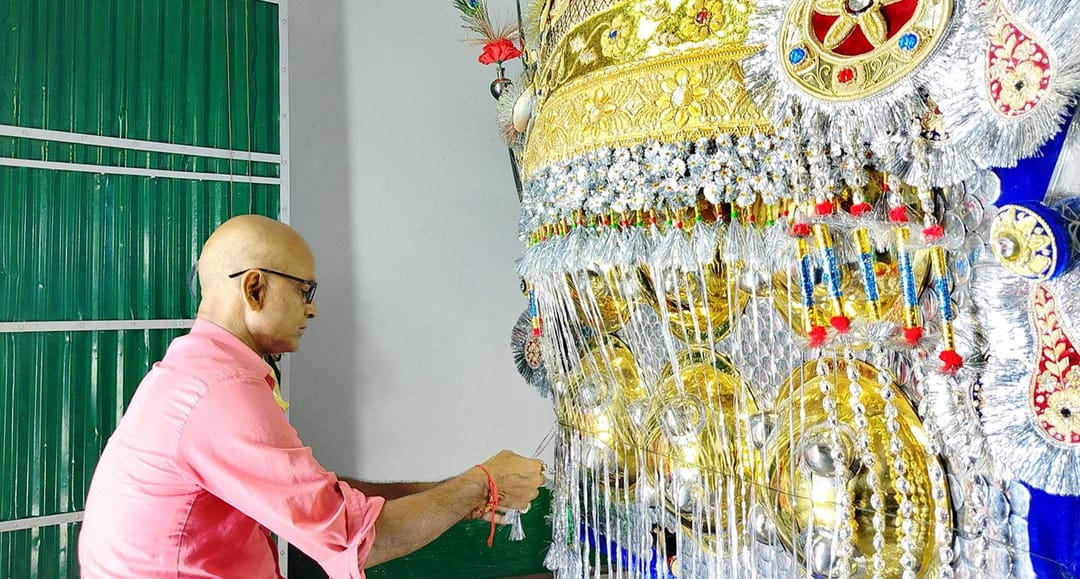
As the glass sipar moves through the streets of Patna, the shimmering dome-shaped structure is a sight to behold. “From the swords to the shields, and even the anar [decorative pomegranates] that appear to pierce the sharp end of the swords, everything is carved out of glass,” says Nazre Imam, speaking about the sheeshe ki sipar, the pride of the city.
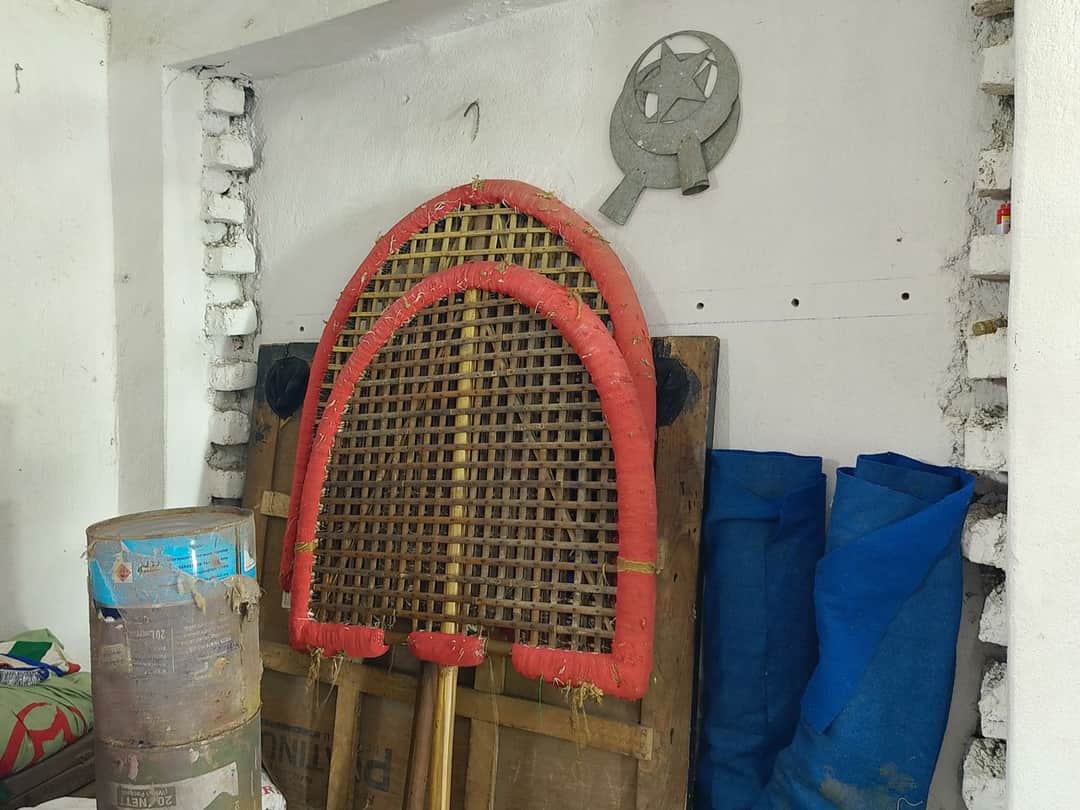
This intricately detailed glass sipar makes an appearance in Patna during Muharram processions. Resembling a decorated armoury once carried to battlefields, it holds all sorts of weapons including swords, shields, bows and arrows with decorative elements that draw from at least a dozen crafts.
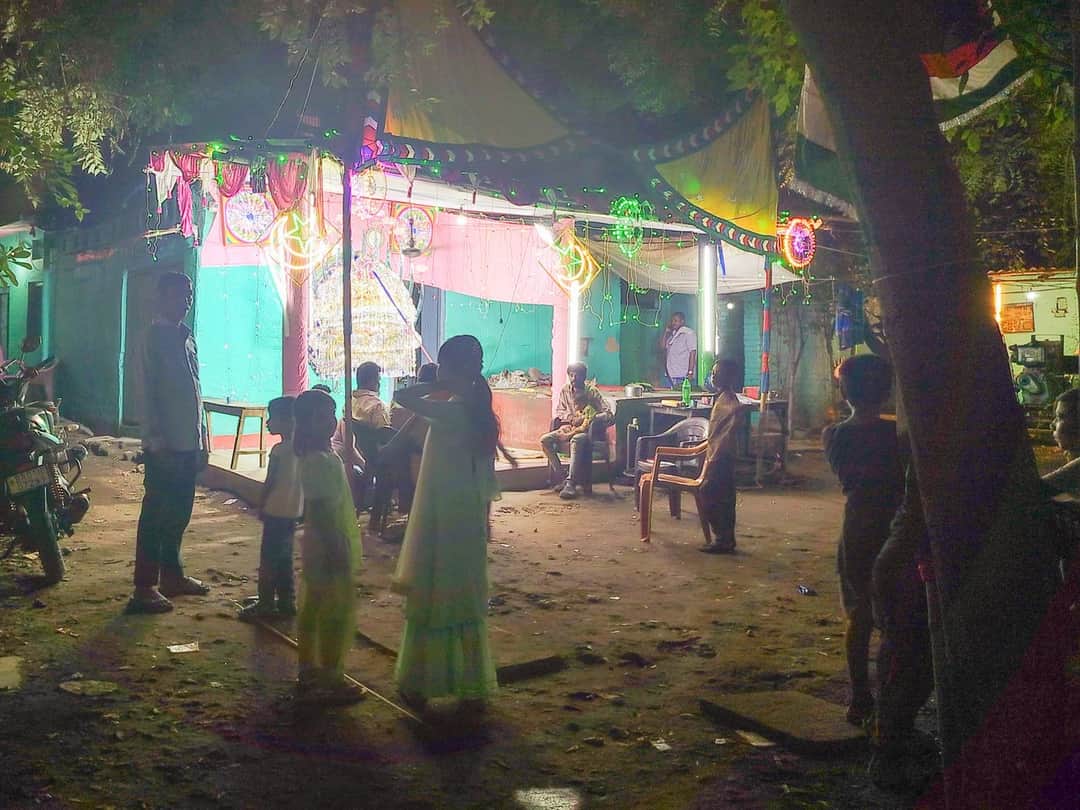
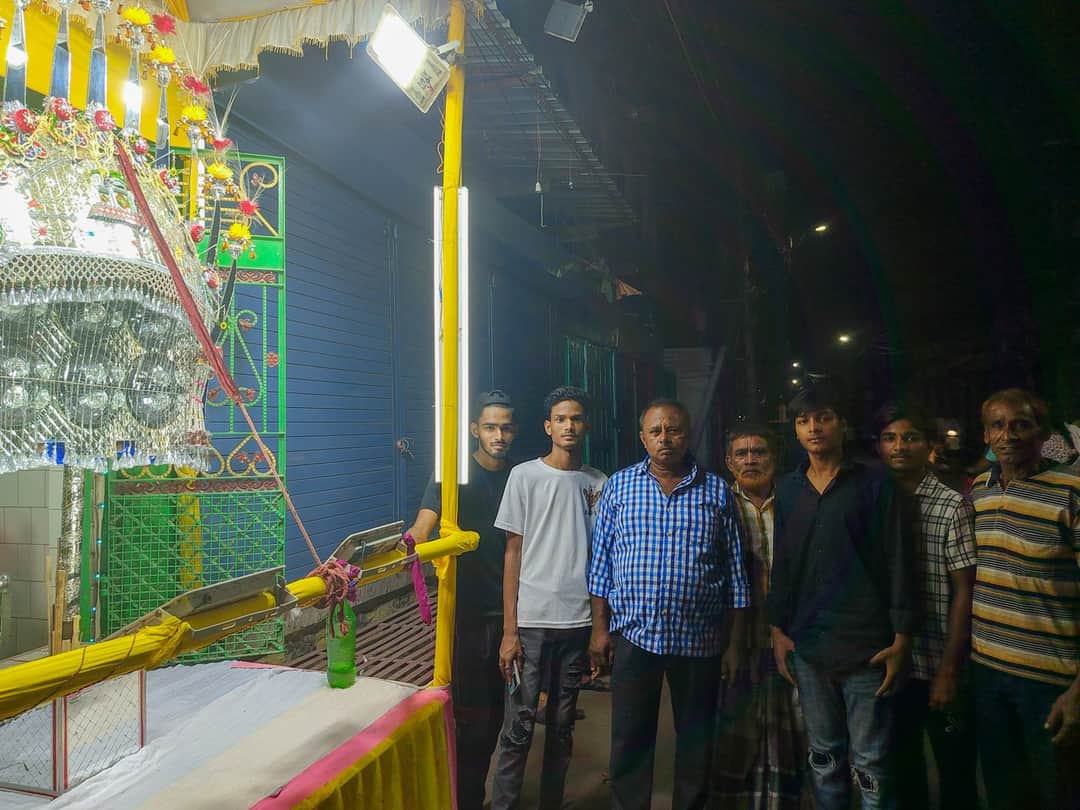
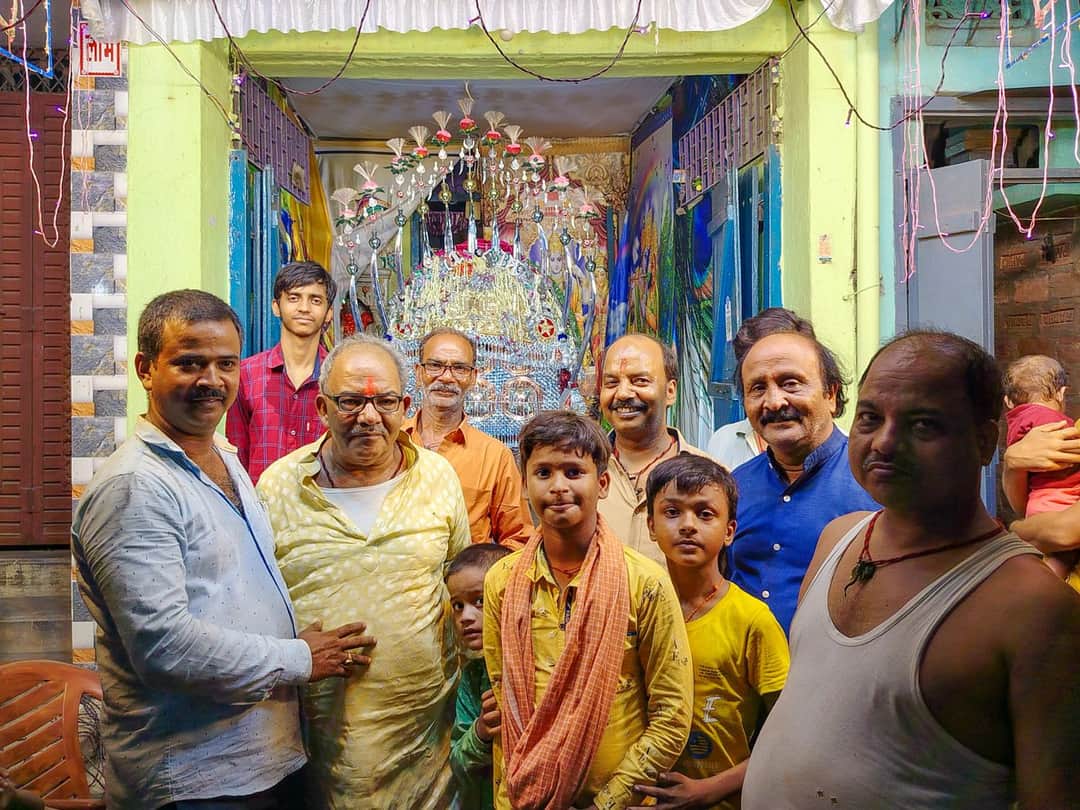
Around a kilometre from here, towards the south of Patna city, Mohammad Naser, 40, has just finished working on his sipar and is standing near the door of his workshop with his daughters, taking a final look at his creation. The delicate creation is displayed in the verandah; nearby are a few houses and a mazar (shrine) in the old locality of Bagh Kalu Khan.
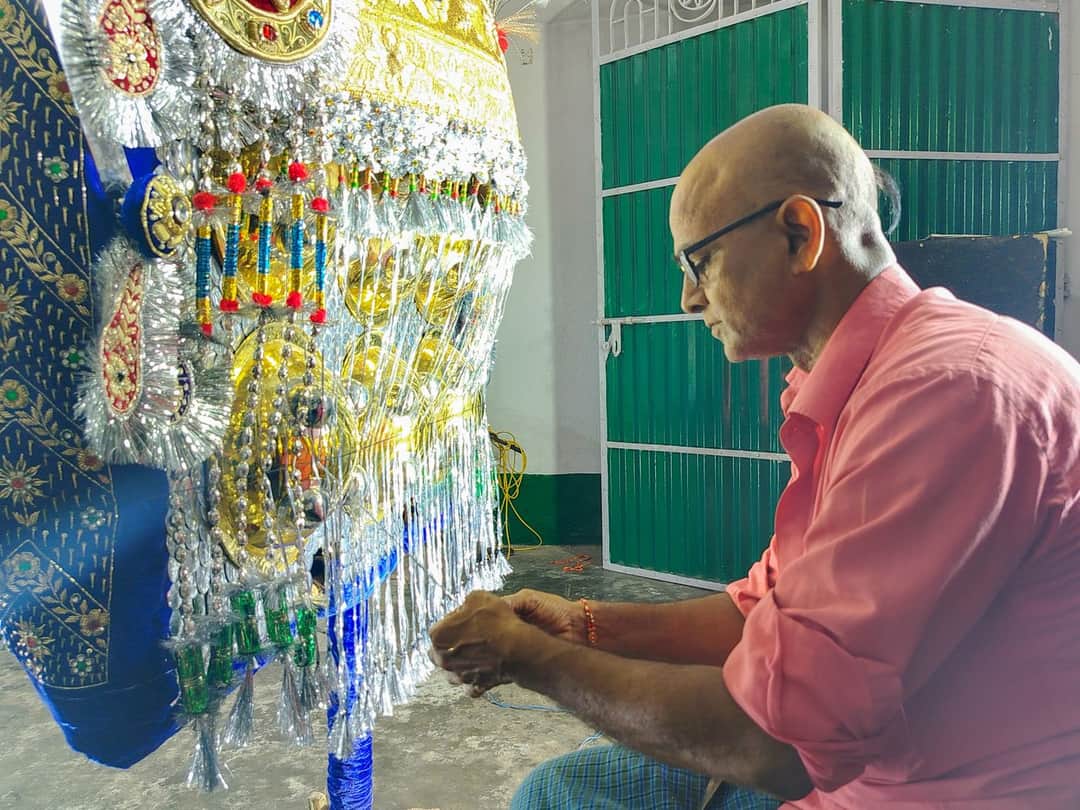
“It is not a one-man-job,” says craftsman Naser. “It’s an amalgamation of many artistic skills. Some are native to Bihar, and others are from different parts of the country.”
He cites examples of aari, zardozi, kasheeda kaari, chaapa, nag, and sometimes meenakaari craftwork that can all be found in the sipar. (Aari is a technique which uses a hooked needle to embroider intricate designs on cloth; Zardozi is embroidery using metal threads; Kasheeda kaari is a Kashmiri-style embroidery done in Bihar and chaapa is a woodblock print of metallic colours.)
The sipar also has meenakari – enamel painting, and the nag craft of pasting finely carved and sharpened gemstones on clothes.