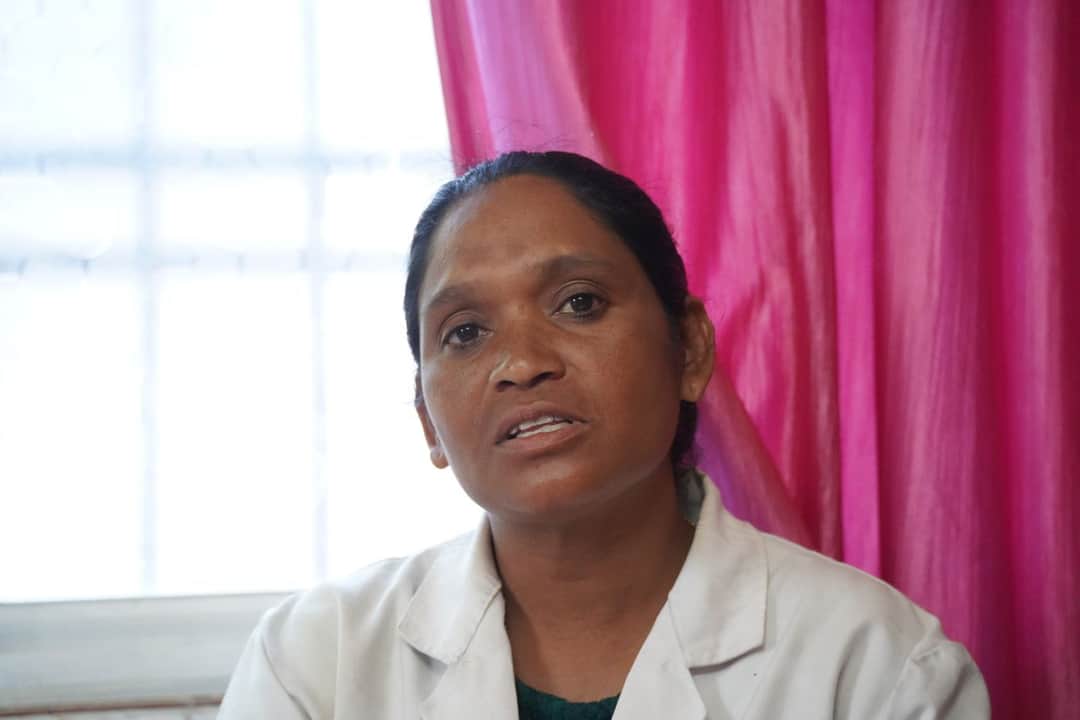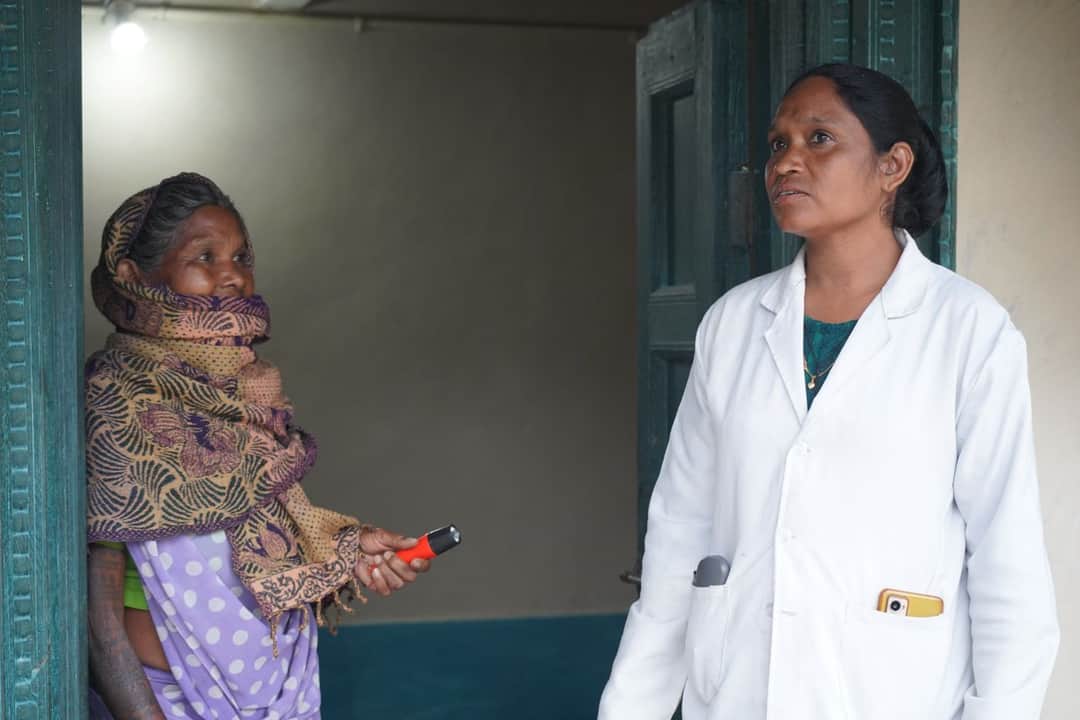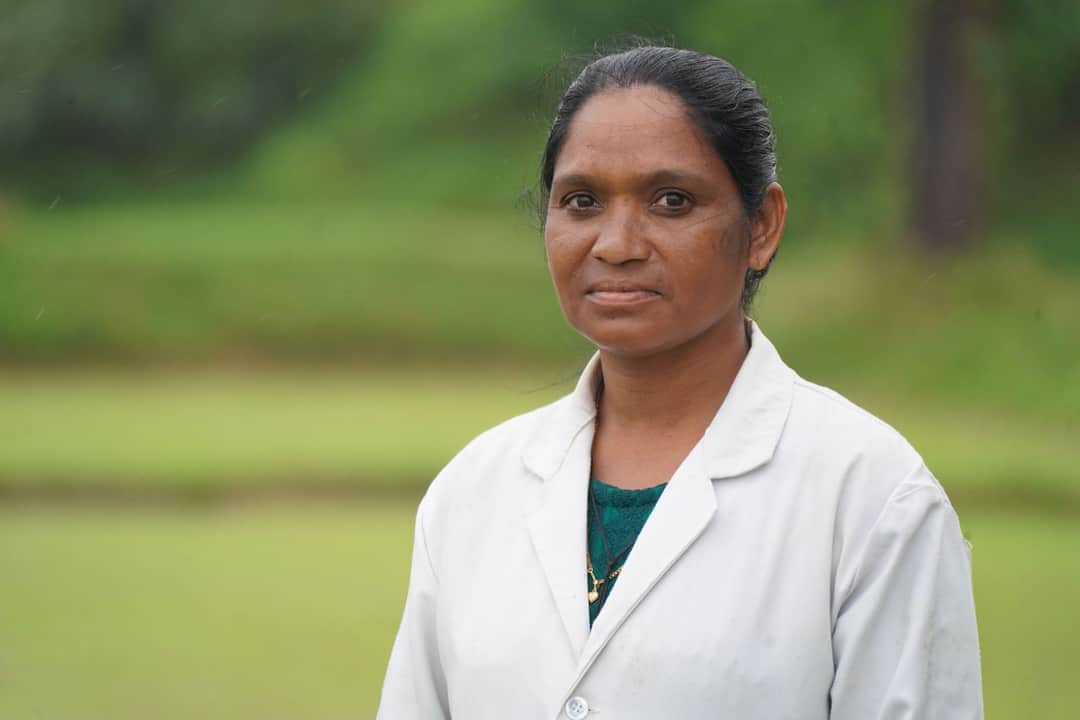

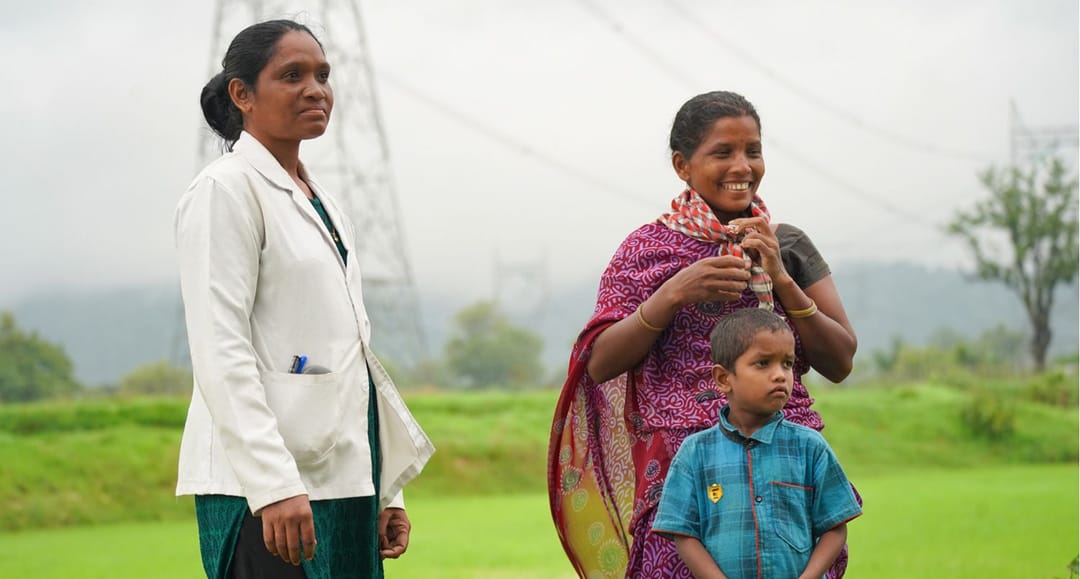
He calls her ‘ma’, but Sanjeevani is not Asunta’s son.
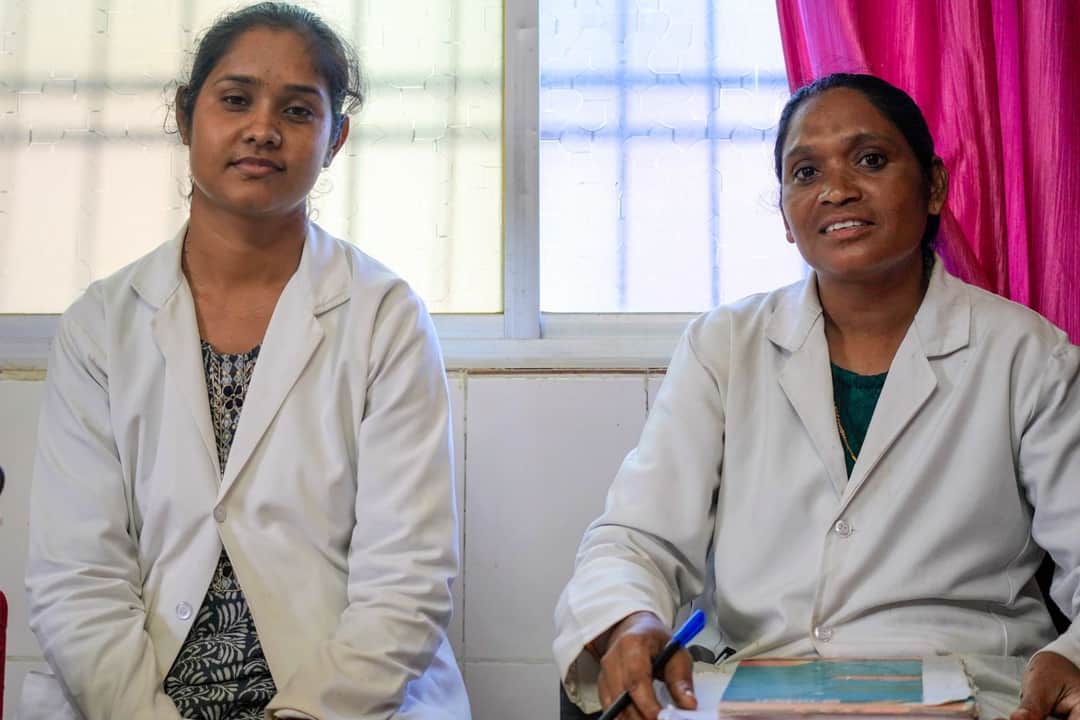
Asunta Toppo is a rural health organiser (RHO). She has been working in the health sub-centre at Miriguda in Dharamjaigarh block for almost two decades. A few years ago, she had to take charge of a high-risk child birth. The mother’s blood pressure was very high and haemoglobin was low, less than seven grams. “By the time she came to our health sub-centre, labour pains had already started. Before we could even put her on the table, the child was born,” recalls Asunta.
The condition of the baby after delivery at the health sub-centre, locally known as Upswasthya Kendra, was not good. “Here we did not have facilities of oxygen and the mother’s condition was equally precarious,” recalls Asunta. There was a lot of bleeding and the RHO was unsure about whether to take care of the mother or the child.
“First we took them to Dharamjaigarh. There was a doctor, I would not like to name her. She expressed her displeasure and asked us why we had brought the mother and child in such a serious and critical condition,” she recalls. But Asunta fought with the doctor. “I told her, if you are not able to do it, then leave it. Please help me a little. She got angry.”
Asunta picked up the child and insisted on an ambulance. Meanwhile the doctor did relent and administered an injection. Asunta says the mitanin (accredited social health activist) accompanying her was of great help as she struggled to keep the child alive by giving him mouth-to-mouth resuscitation.