
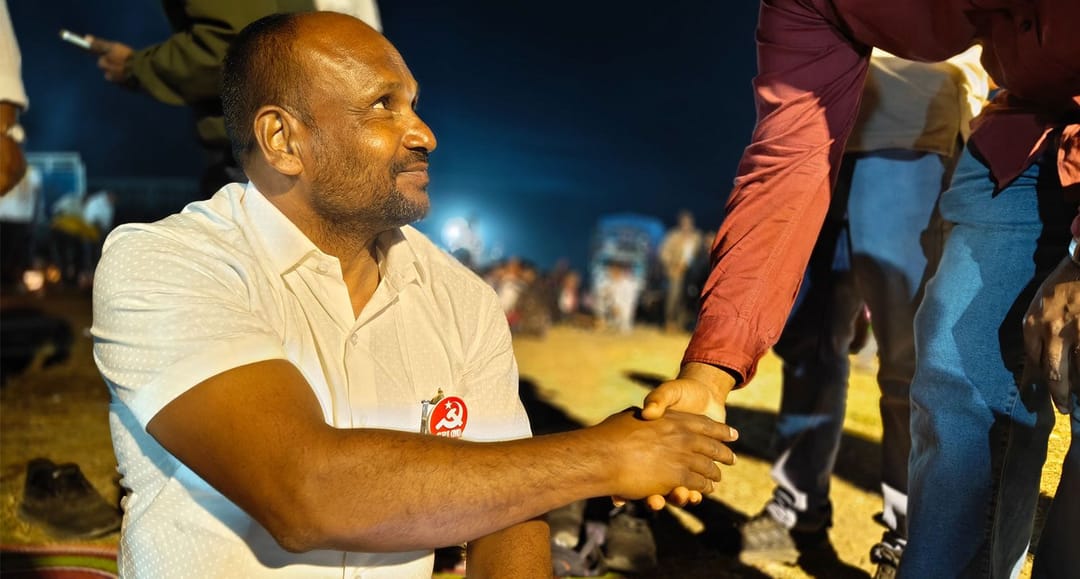
He hadn’t so much as a bank account against his name when he realised he was contesting Maharashtra’s assembly elections. His wife lent him Rs. 15,000. She worked as a teacher at an Adivasi residential school. His party workers contributed whatever they could, and he managed to put together a sum of Rs. 52,000 before filling up the election form.
The odds couldn’t have been stacked worse against Vinod Nikole. His primary challenger was Dhanare Paskal Janya, a sitting MLA (member of the legislative assembly), who had won from the constituency of Dahanu in 2014 with a margin of over 16,000 votes. He also belonged to the Bharatiya Janata Party, which officially admitted to spending over Rs. 82 crore in the assembly elections that year.
But the lack of resources didn’t quite matter when the results came in. Nikole had become the MLA with a reasonable margin of just under 5,000 votes.
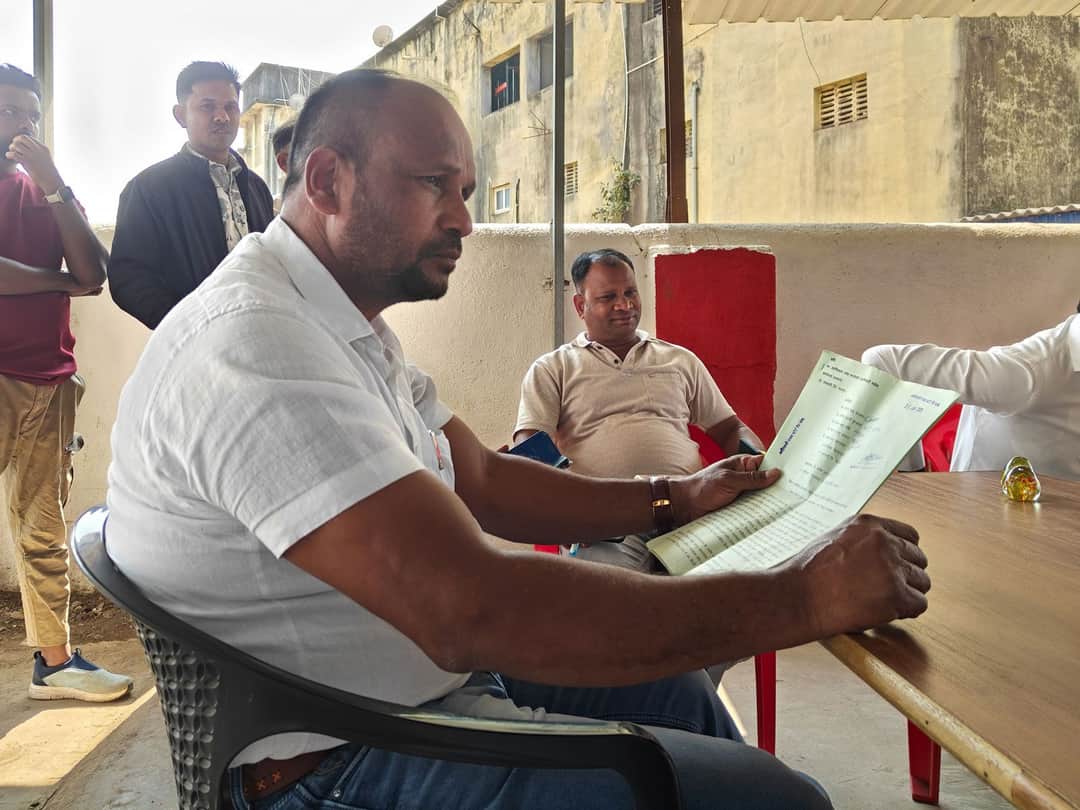
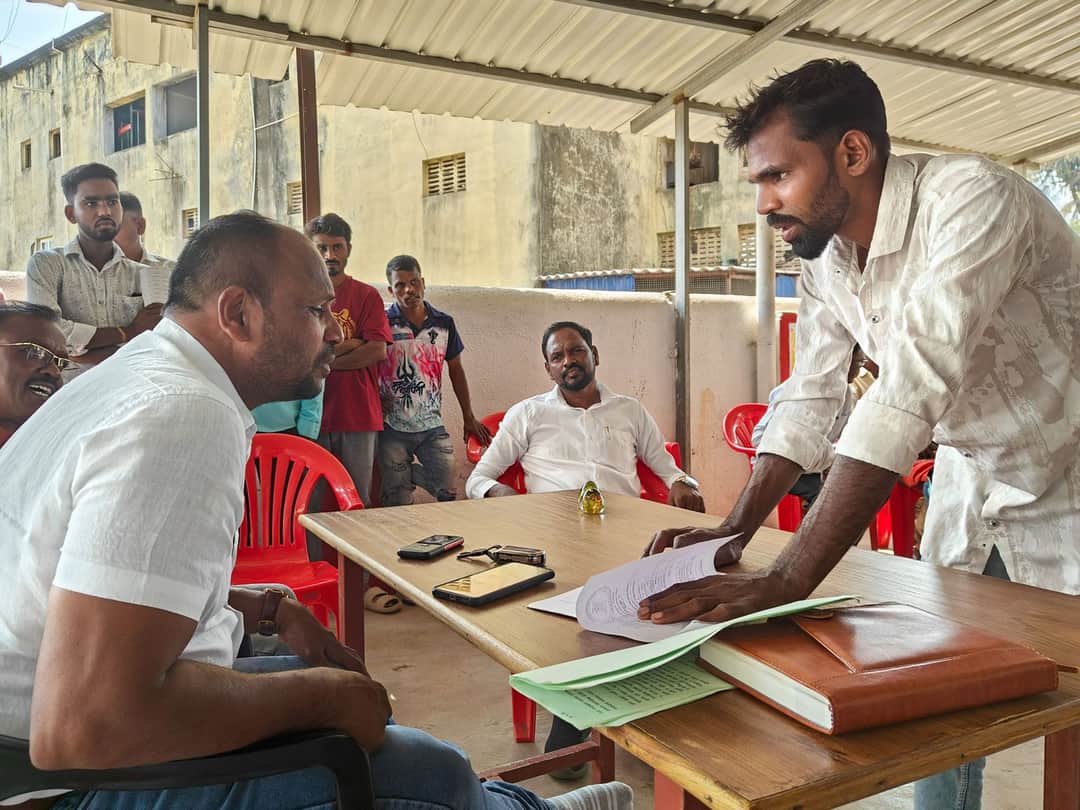
“My cousin brother later loaned me 70,000 rupees or so." That miniscule corpus "was the only cash I had ahead of the elections,” he says with a wry smile, sitting on a plastic chair outside his office in Dahanu town, which falls in the tribal dominated district of Palghar.
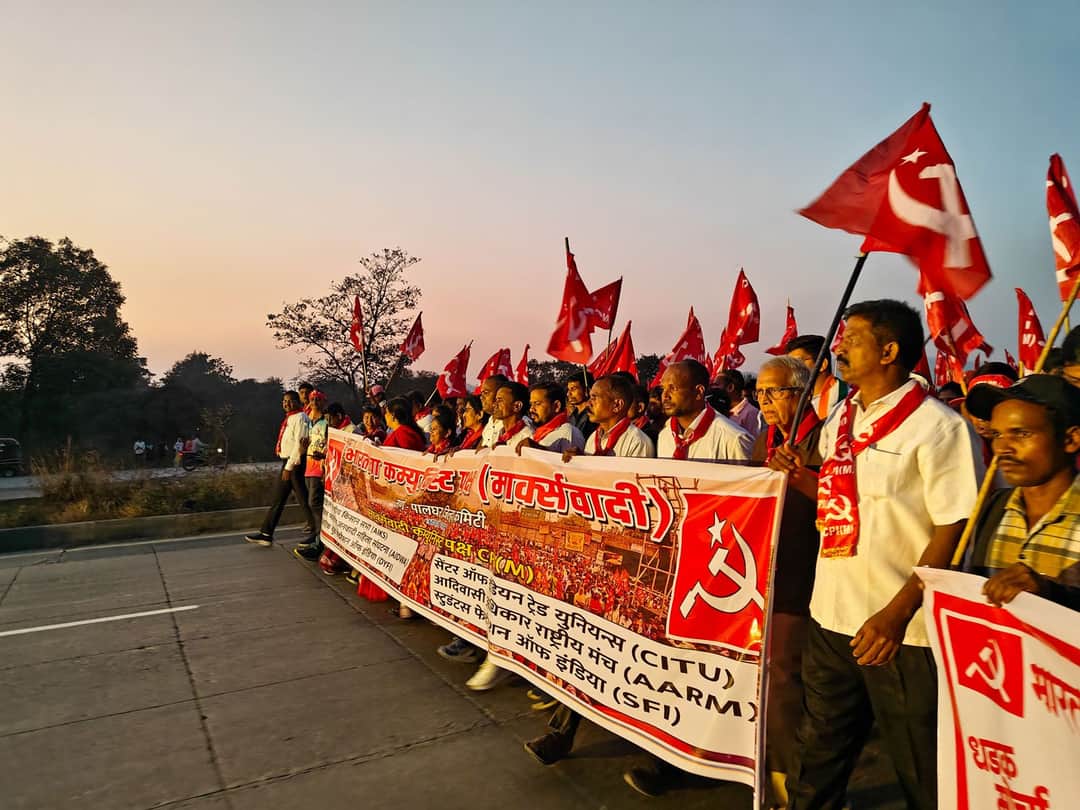
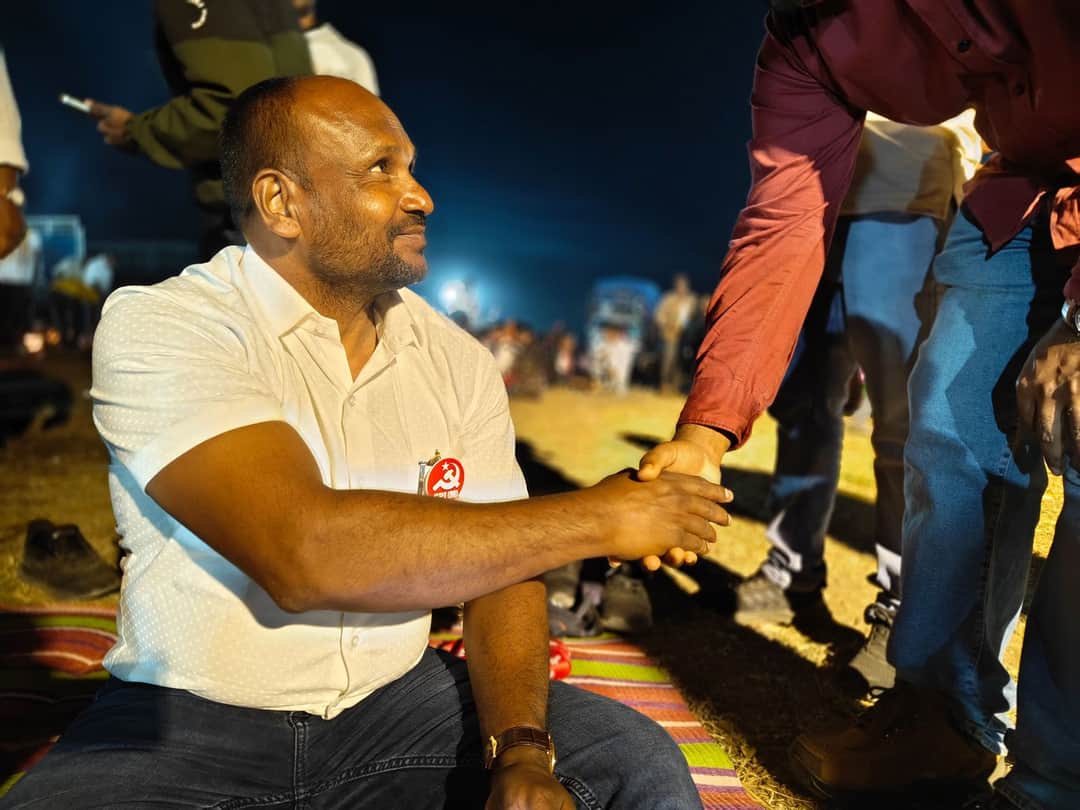
It seems like a story from an India that doesn’t exist anymore. But it happened as recently as 2019. And again in 2024. At a time when the BJP was streamrolling the opposition in election after election, and politics seems like a game that can’t be won without the vulgar use of money, Nikole, 48, belonging to the Communist Party of India (Marxist), is comfortably into his second term. That - in a state where 93 per cent of the legislators are crorepatis. Maharashtra ranks as the richest state by gross state domestic product (GSDP).
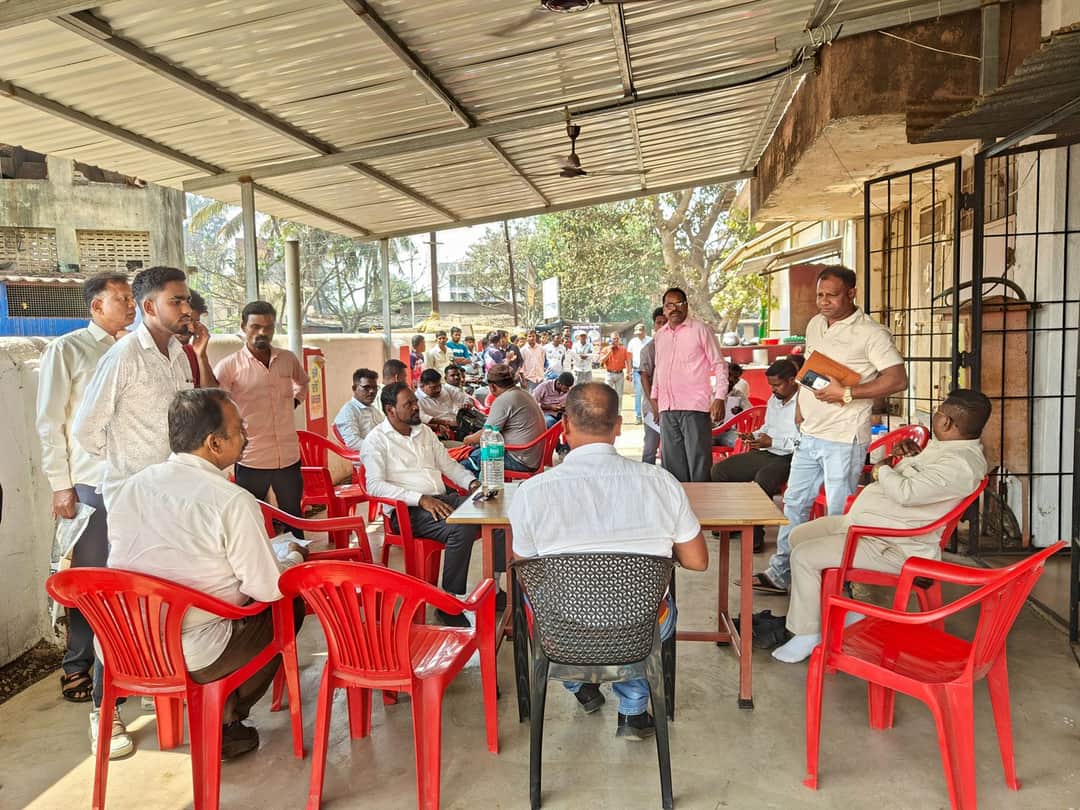
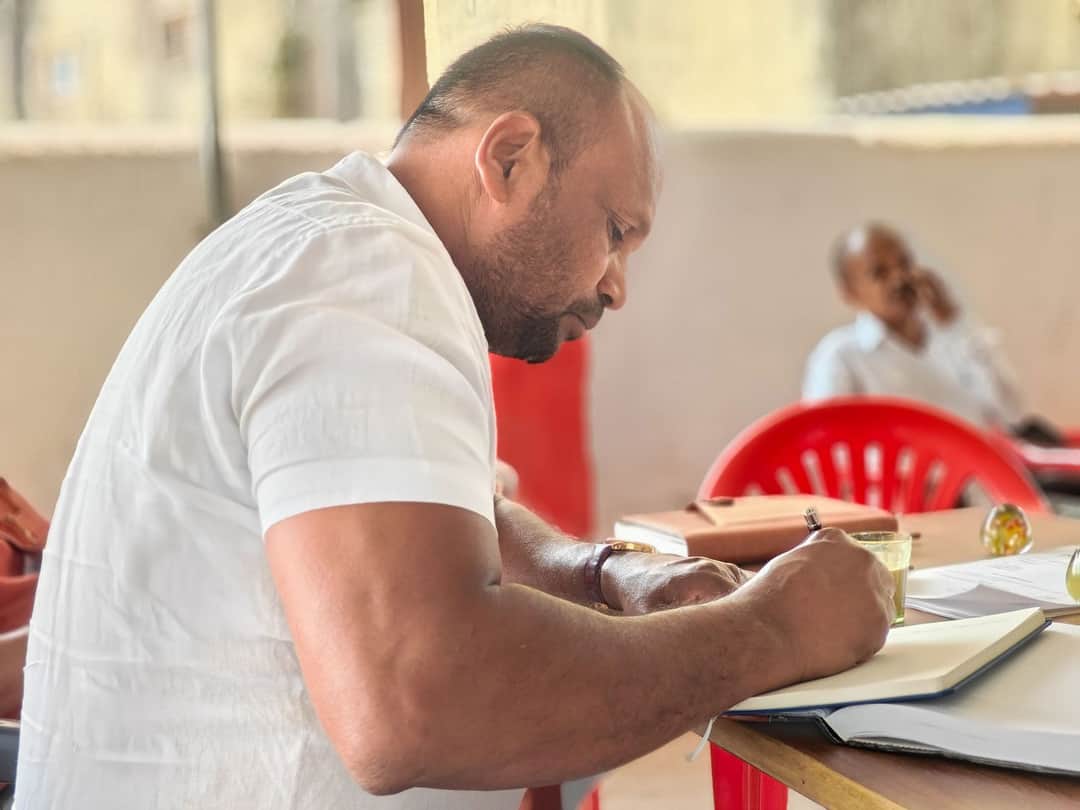
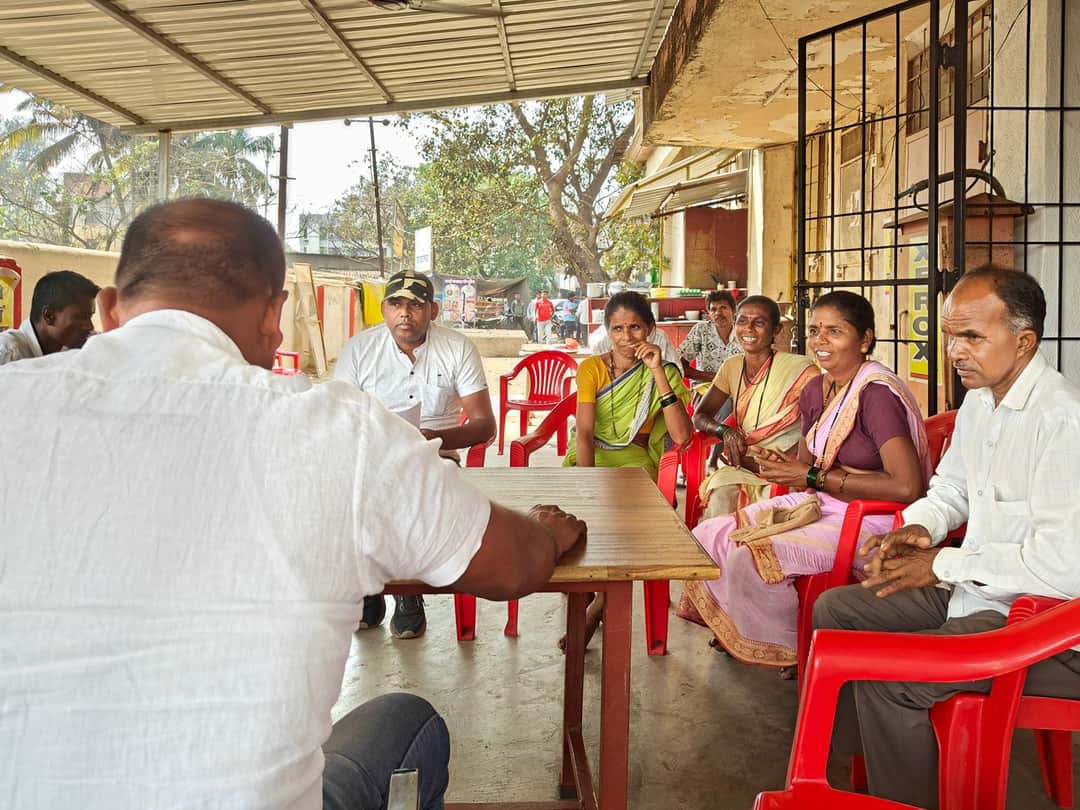
Born to a set of brick kiln workers in the village of Waki – four kilometres from Dahanu town – Nikole is the poorest MLA in Maharashtra, a state widely acknowledged as having the highest election spending in the country. Nikole can’t distribute money ahead of polling, nor can he hire a large social media team to push his agenda. His capital comes from being on the ground, participating in grassroots movements and being accessible to ordinary people, mainly tribal farmers and labourers.