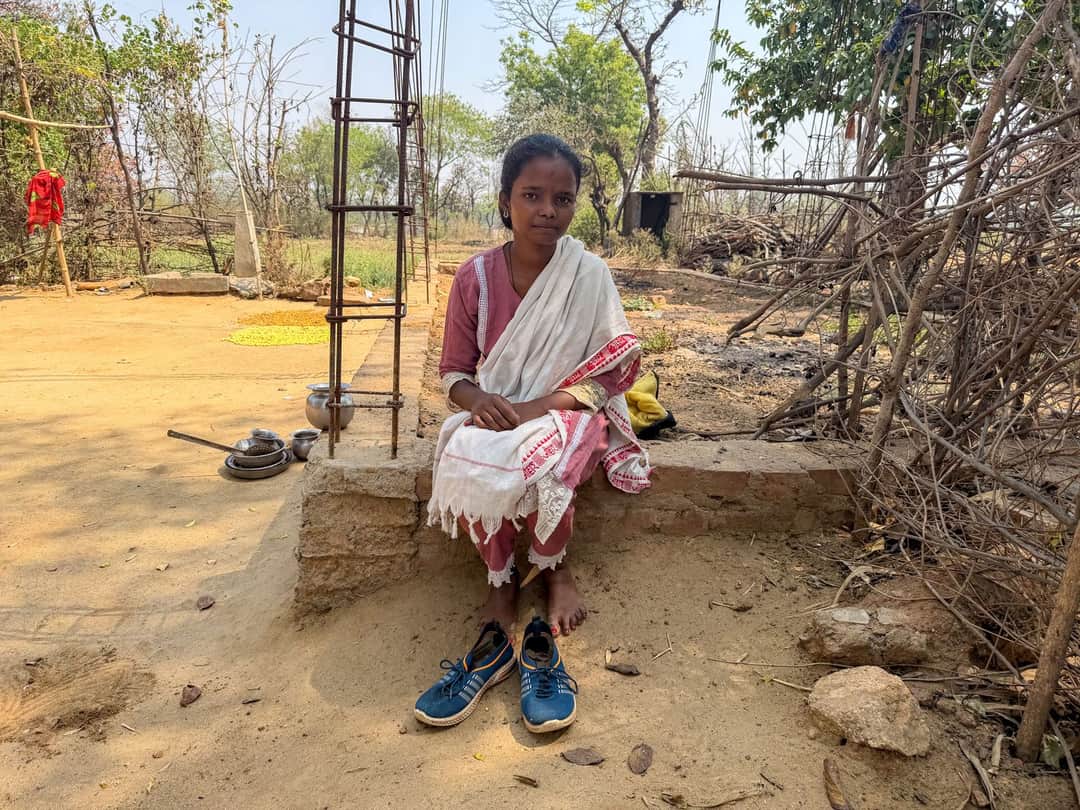

Priyanka Kumari is a fast runner, and her father Lal Deo Oraon speaks of his 18-year-old daughter’s speed with pride. “Bahut tej daudti thi bachpan se [She used to run very fast since childhood],” he says.
The eldest of four children of the daily wage labourer, Priyanka has been preparing for SSC GD — the common entrance test for paramilitary forces.
“Hamko wardi pahanna hai [I want to wear the uniform],” she says, shyly.
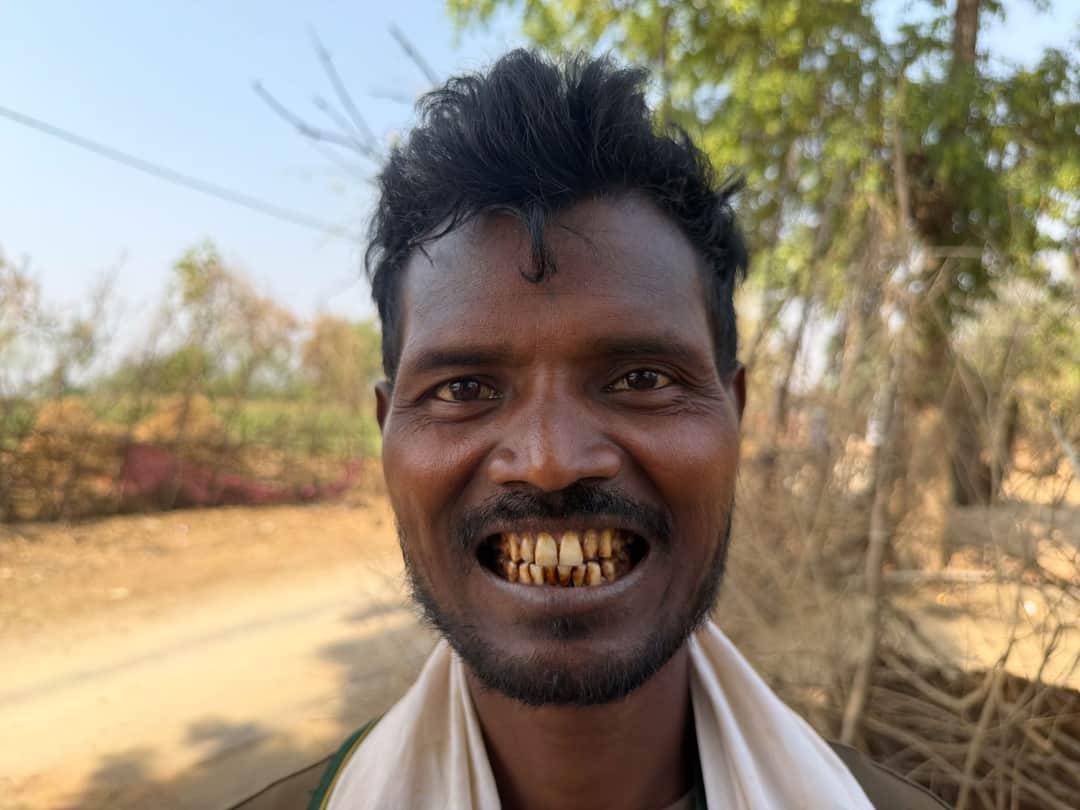
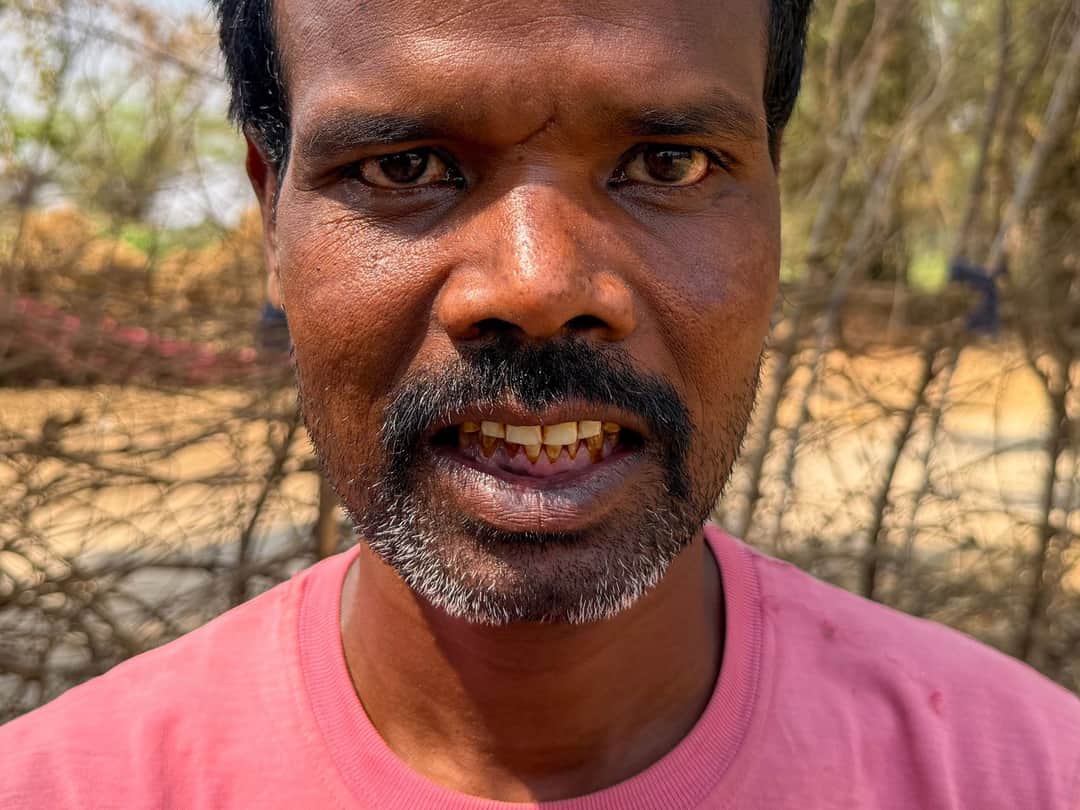
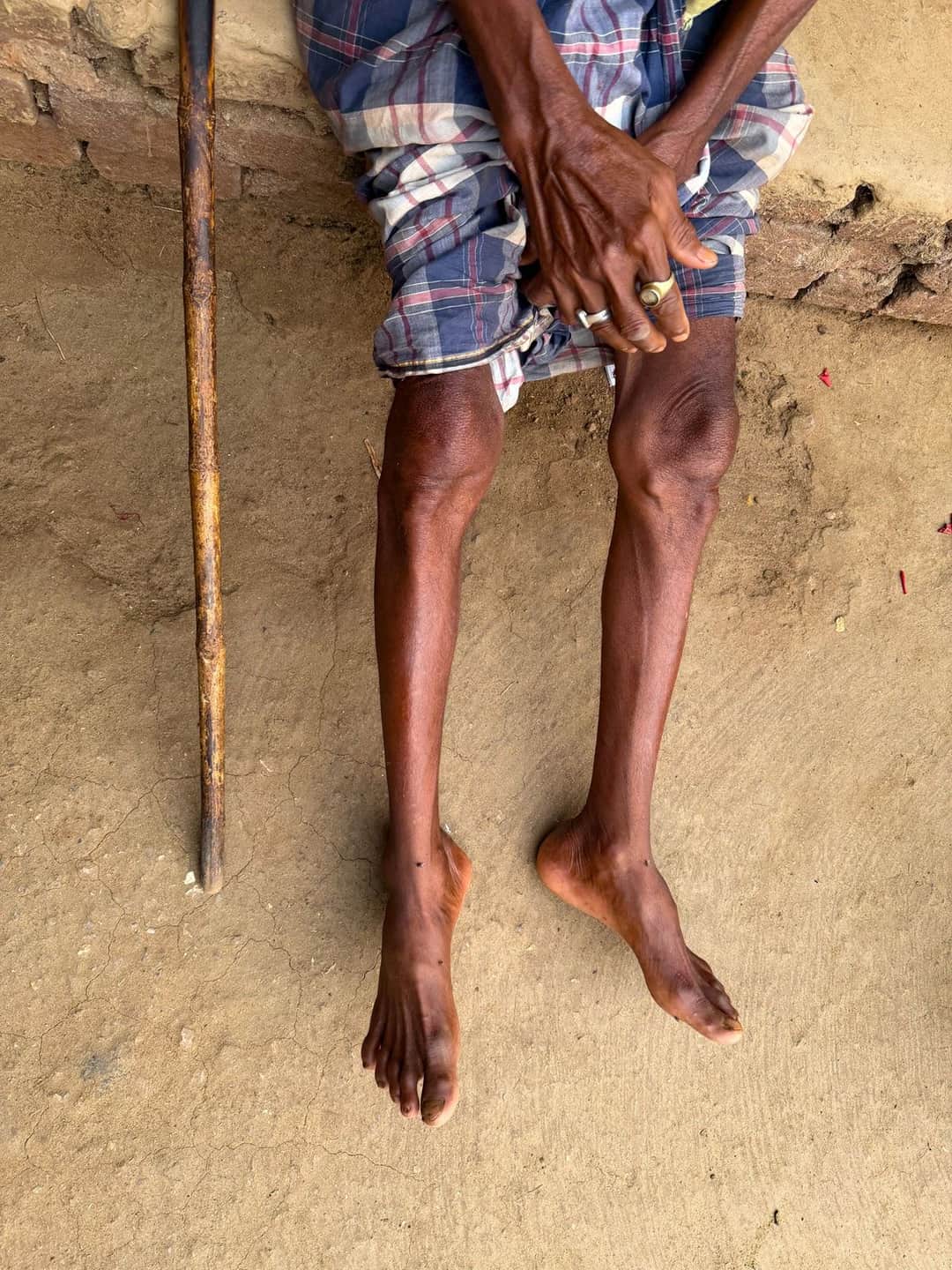
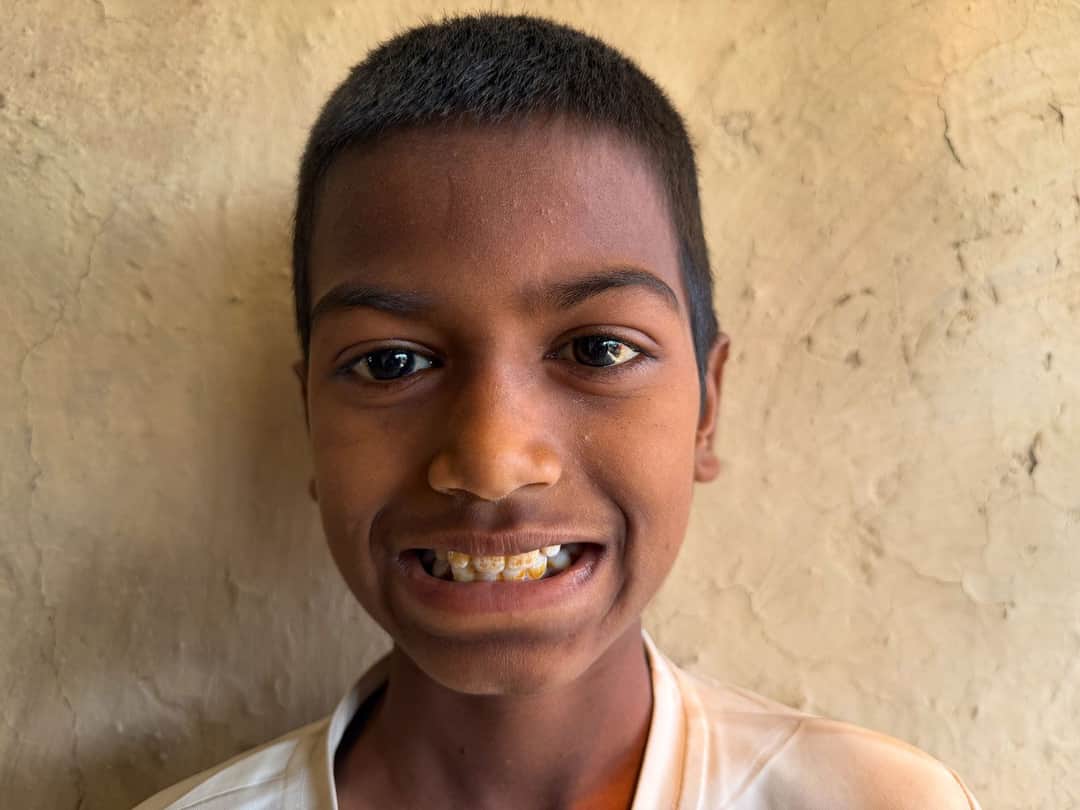
Priyanka trains every day – for an exam she might not be eligible for anymore. The paramilitary medical examination checks for fluorosis, and the spots on her teeth and pain in her joints – both signs of the disease – can be grounds for disqualification.
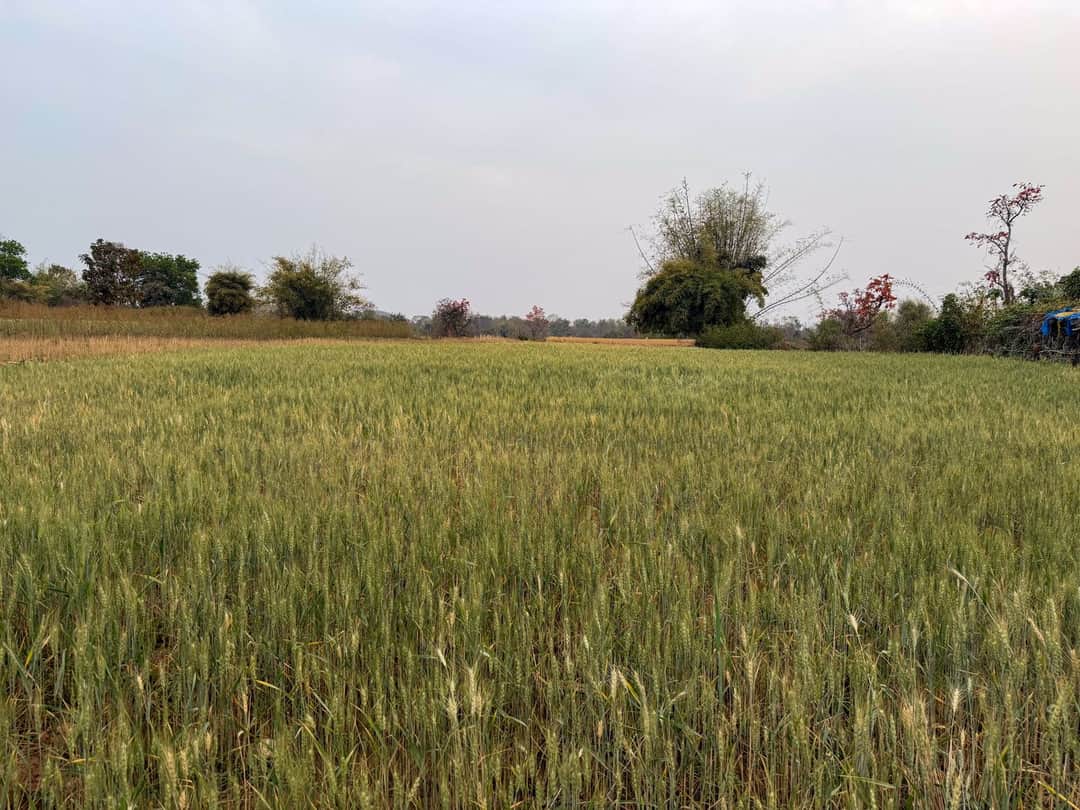
Last November, she began practising in the open fields near her village. The target was 1,600 metres in 8.5 minutes. “Pahala din ham 7 minute me hi daur gaye [The first day I ran it in 7 minutes],” says Priyanka, with quiet pride.
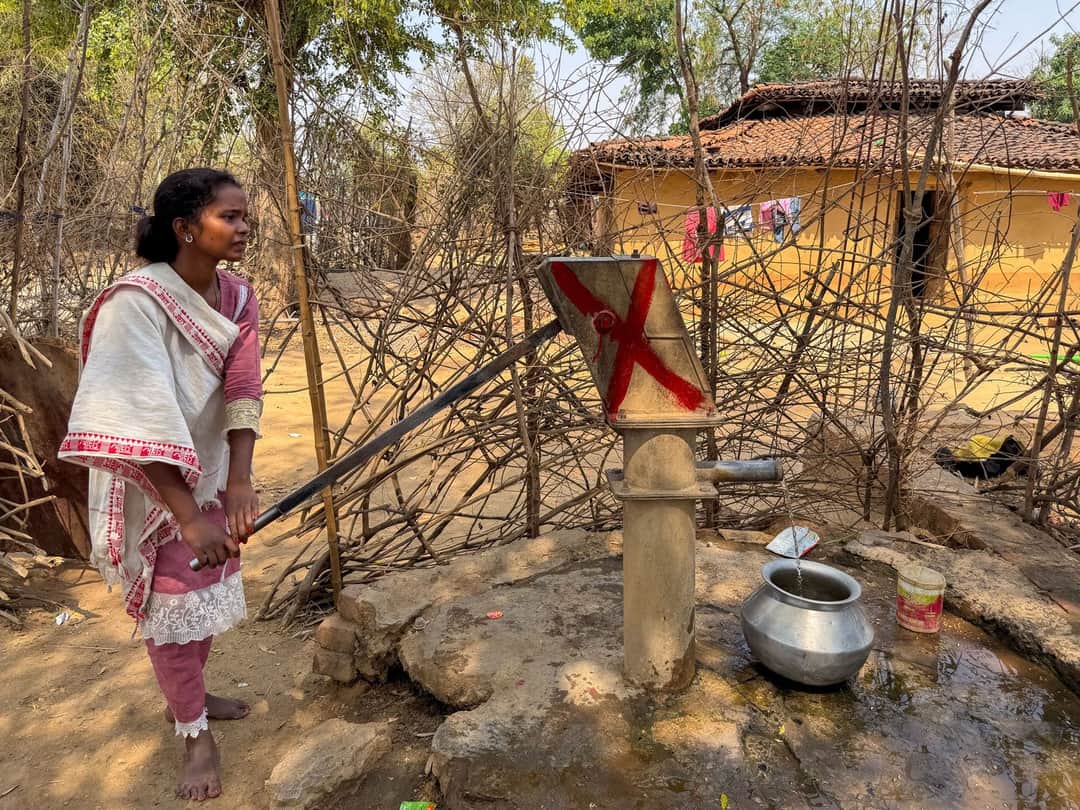
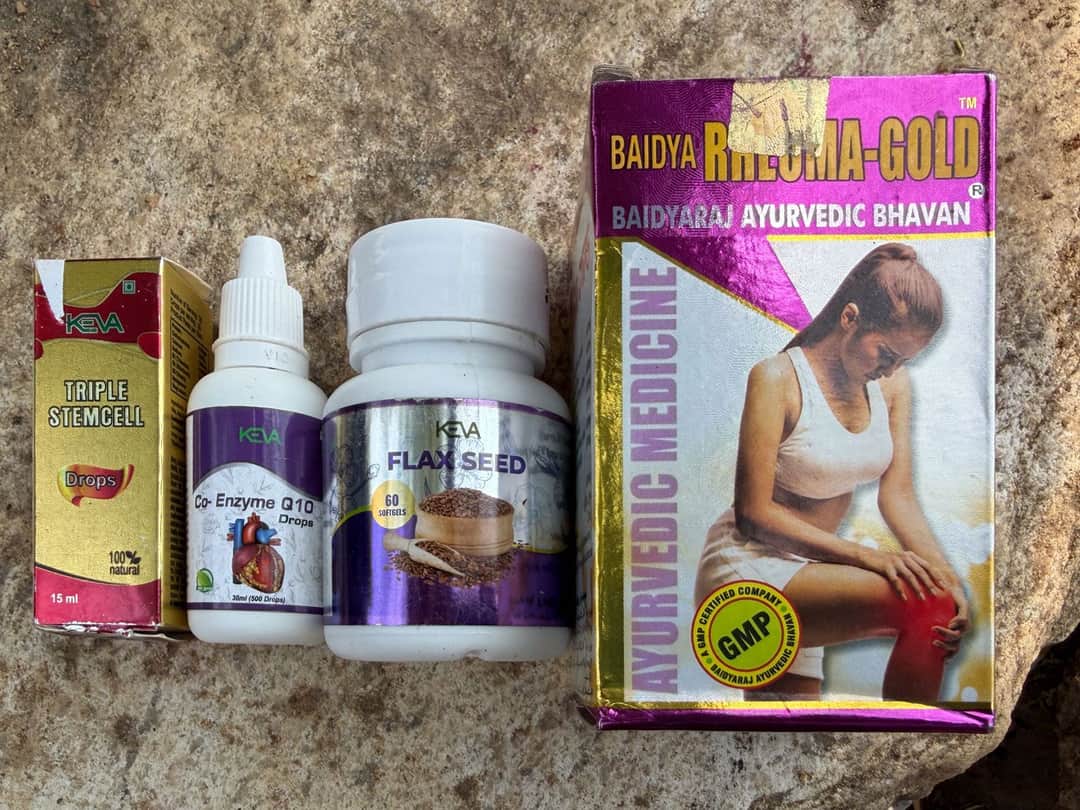
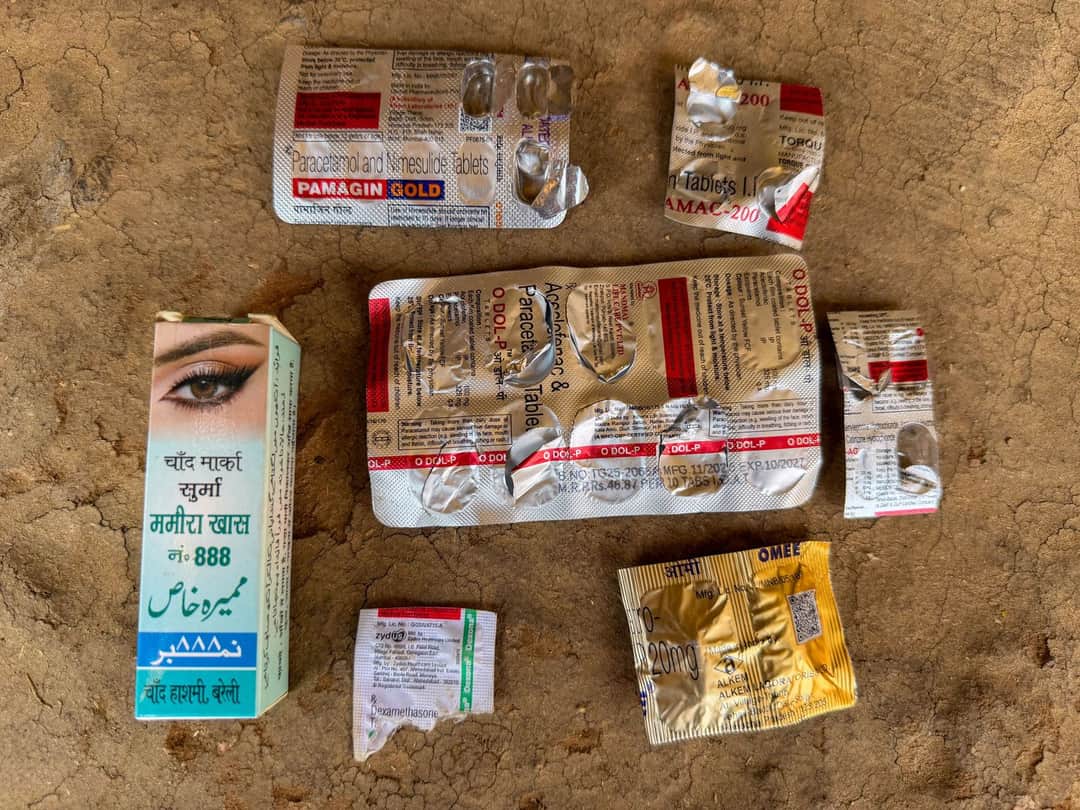
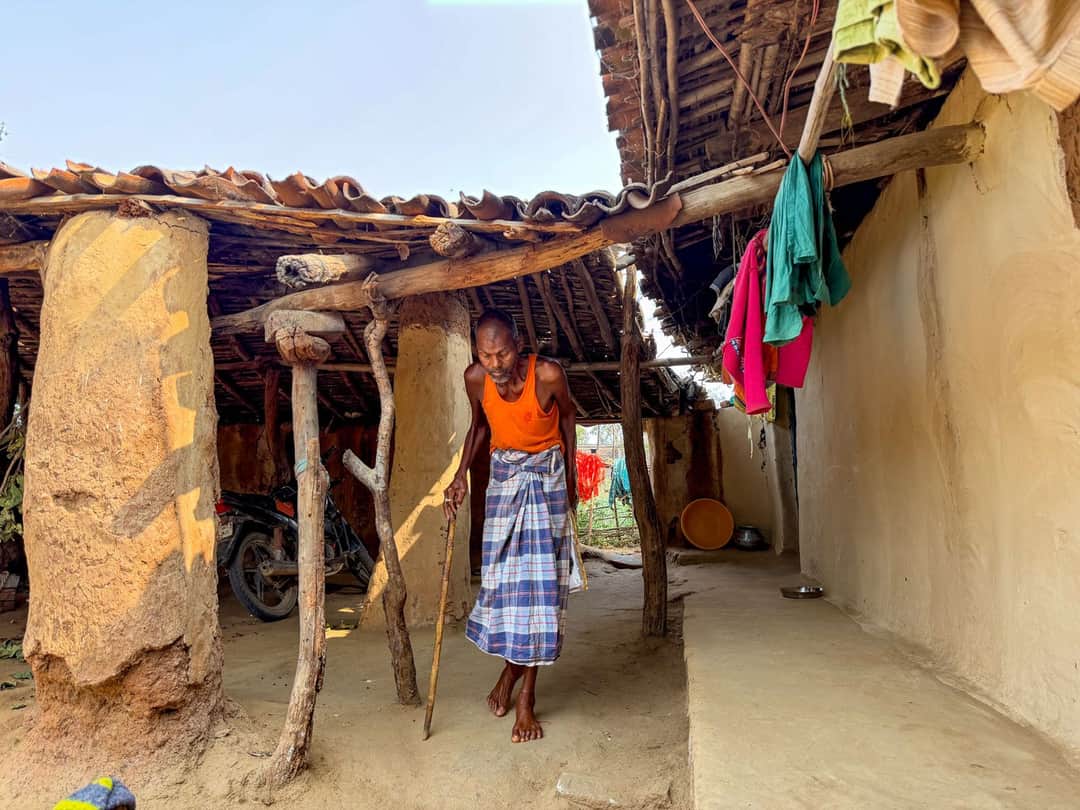
But after that first run, the pain came, beginning with the knees. Her father suggested a painkiller; she refused. “If I take it once, it will become a habit.” Around her, every adult reaches for a painkiller when the pain gets unbearable. She has seen this all her life here in Palamu district of Jharkhand.
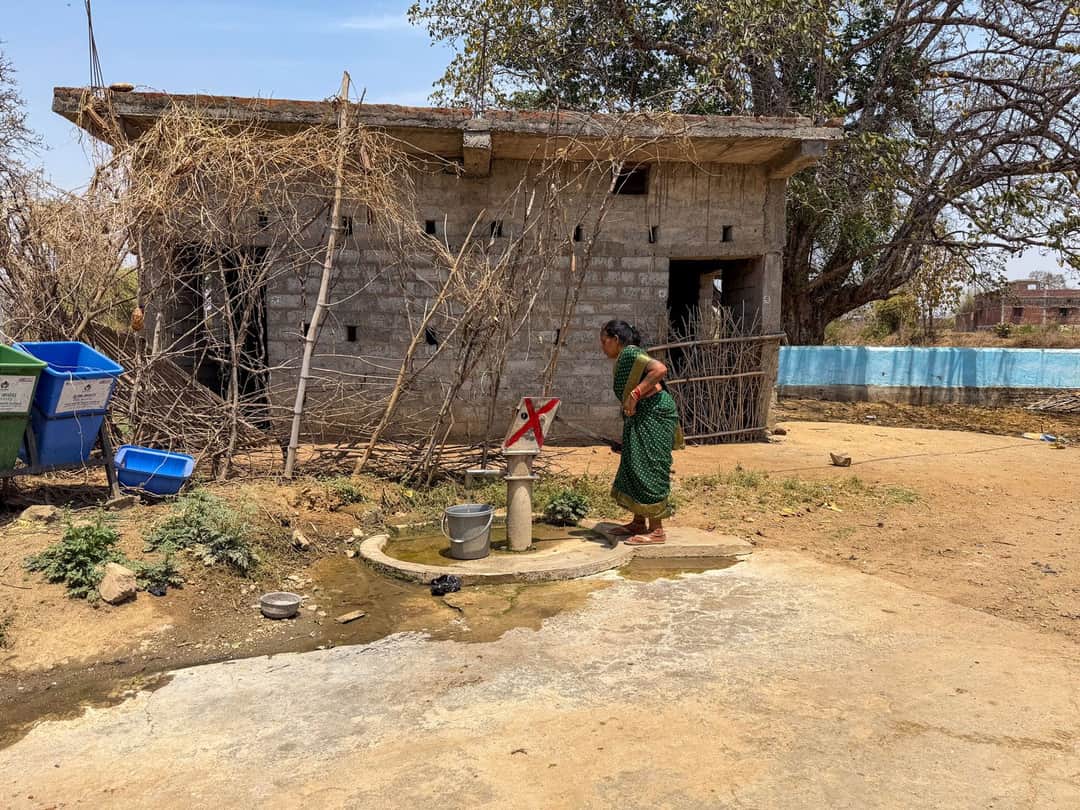
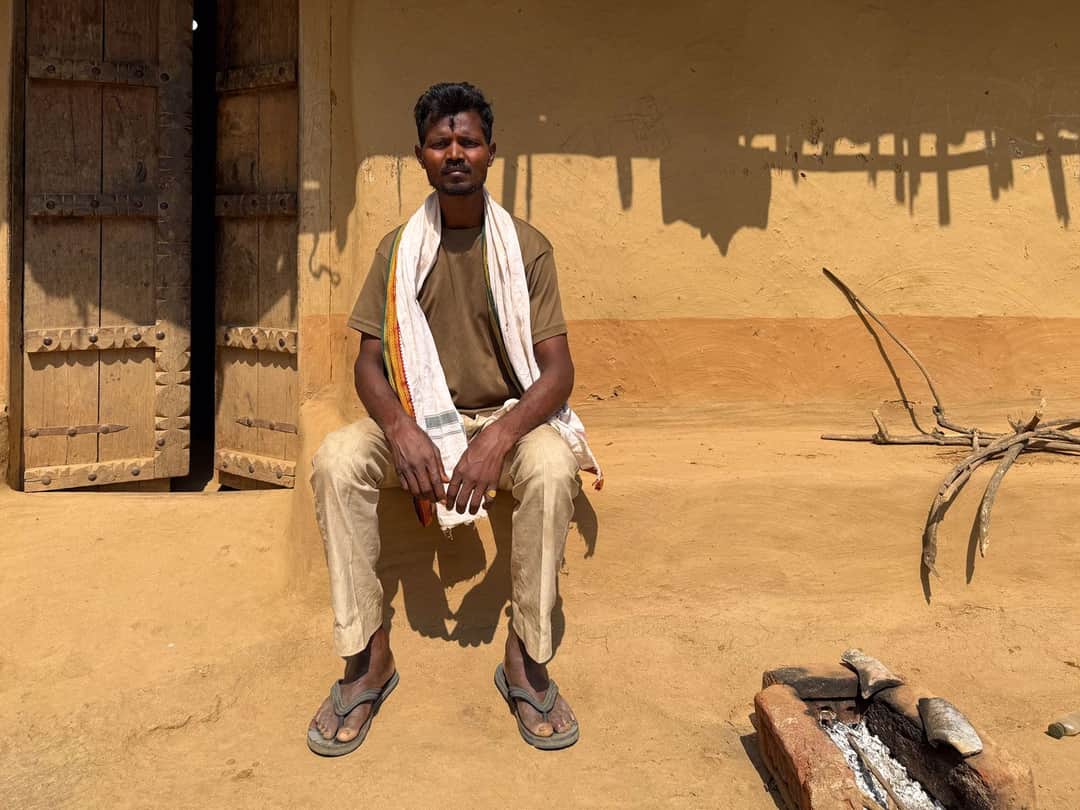
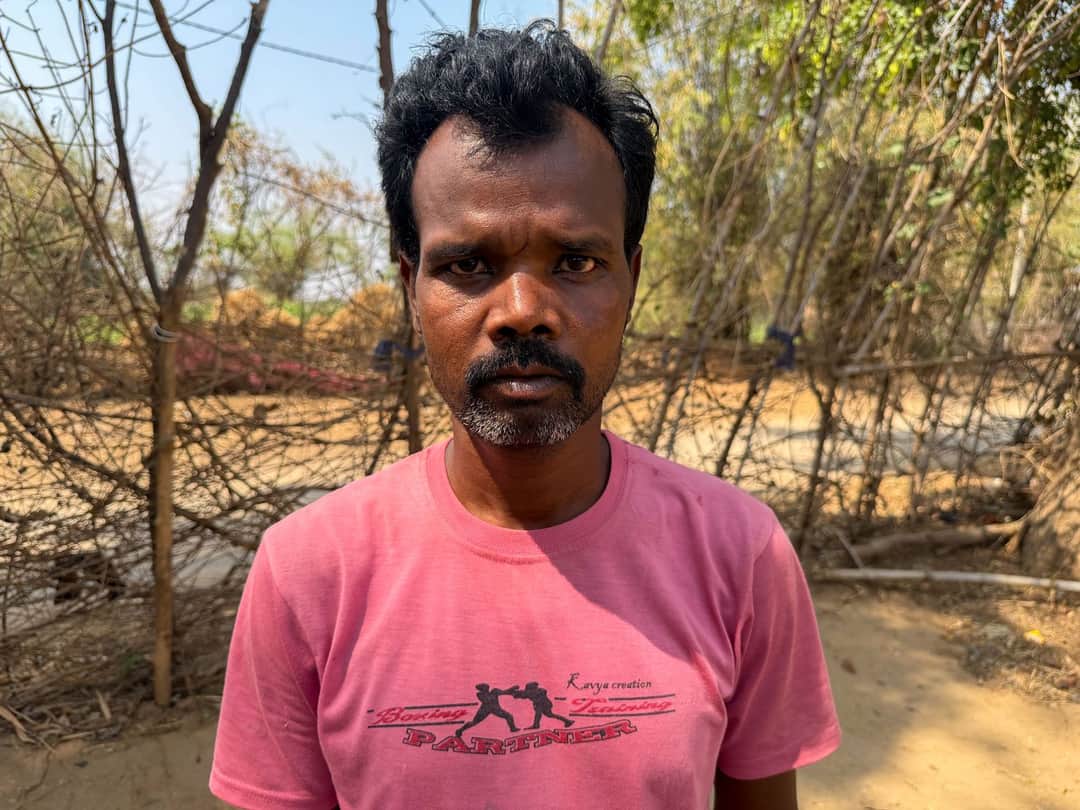
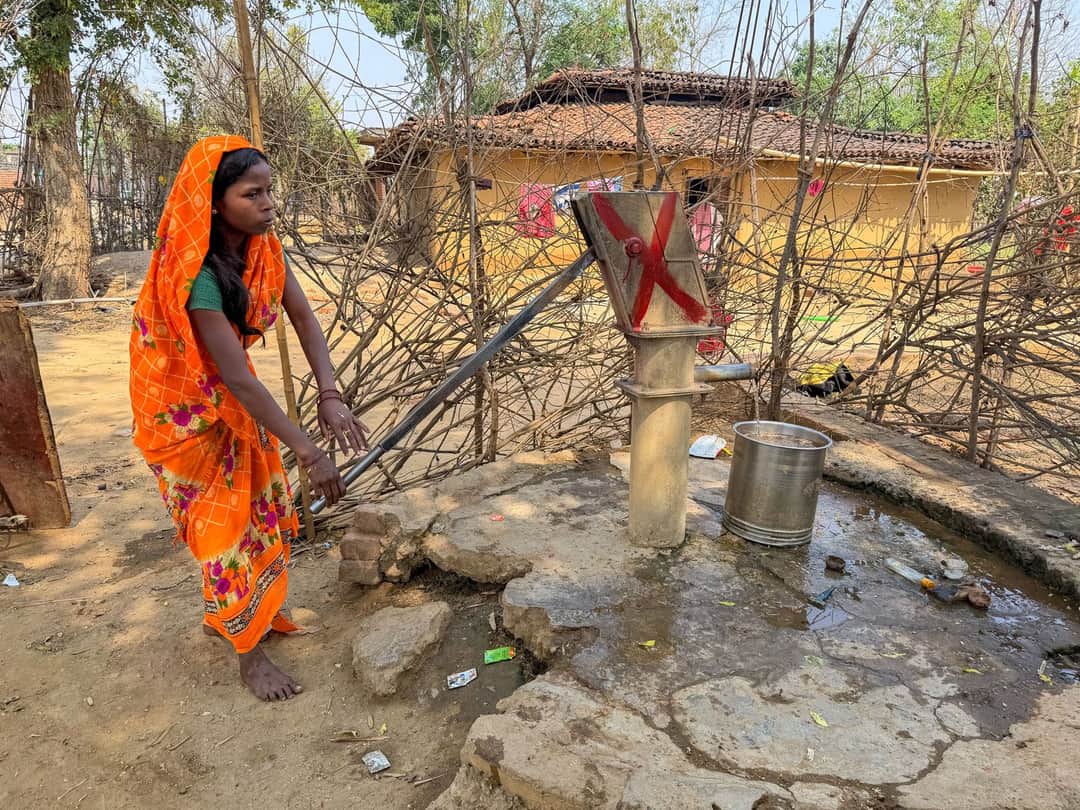
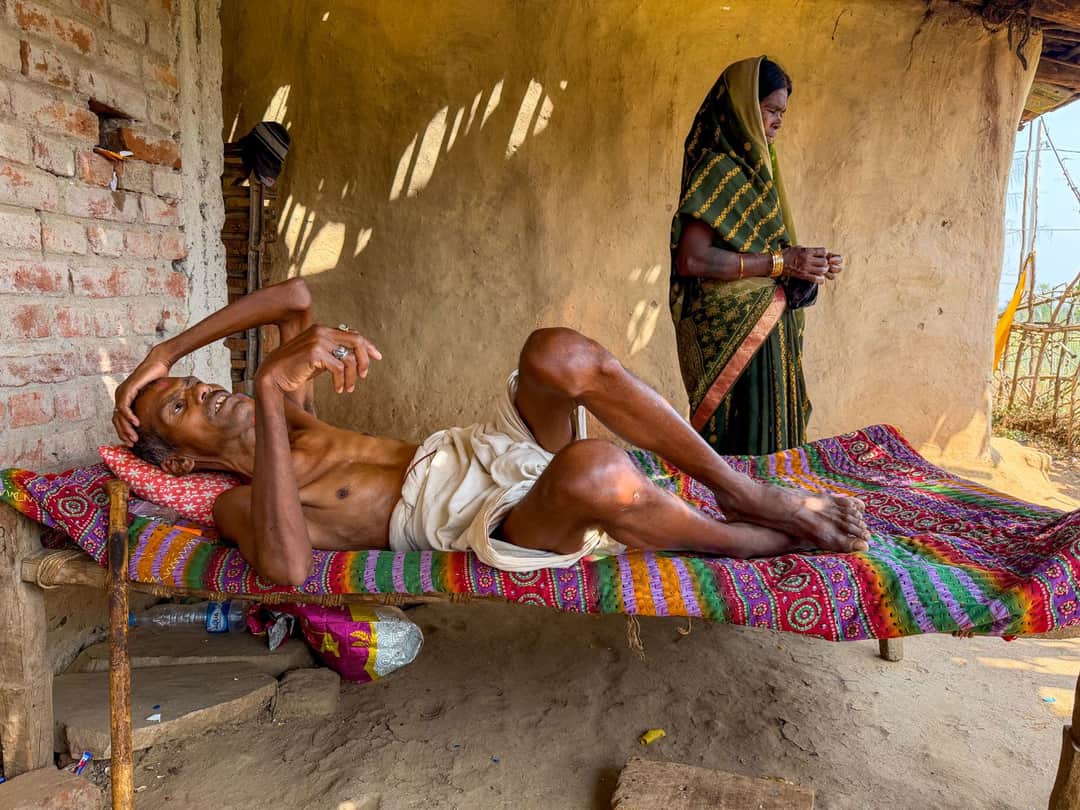
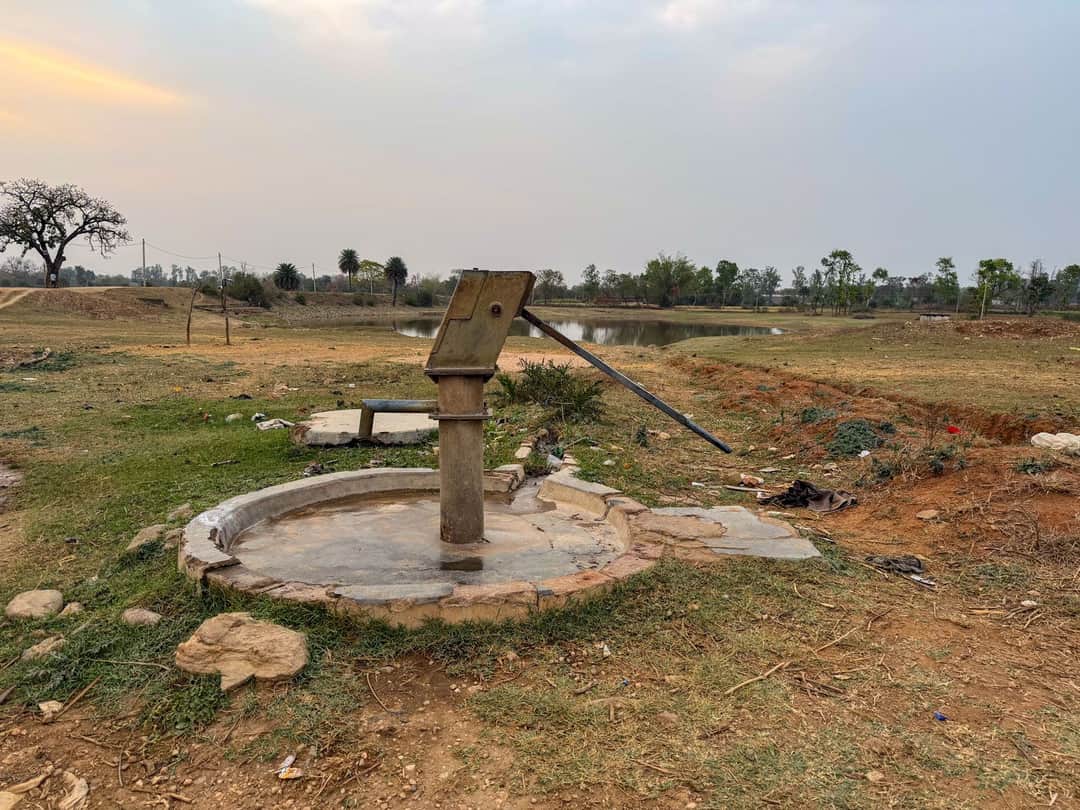
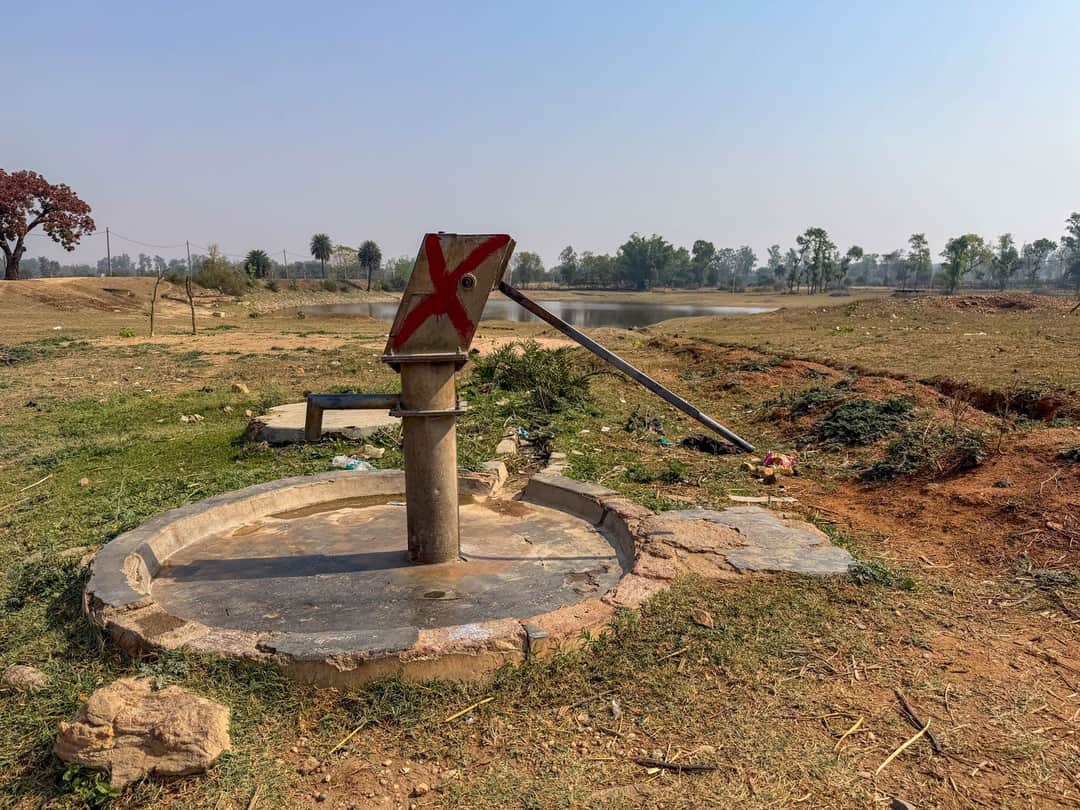
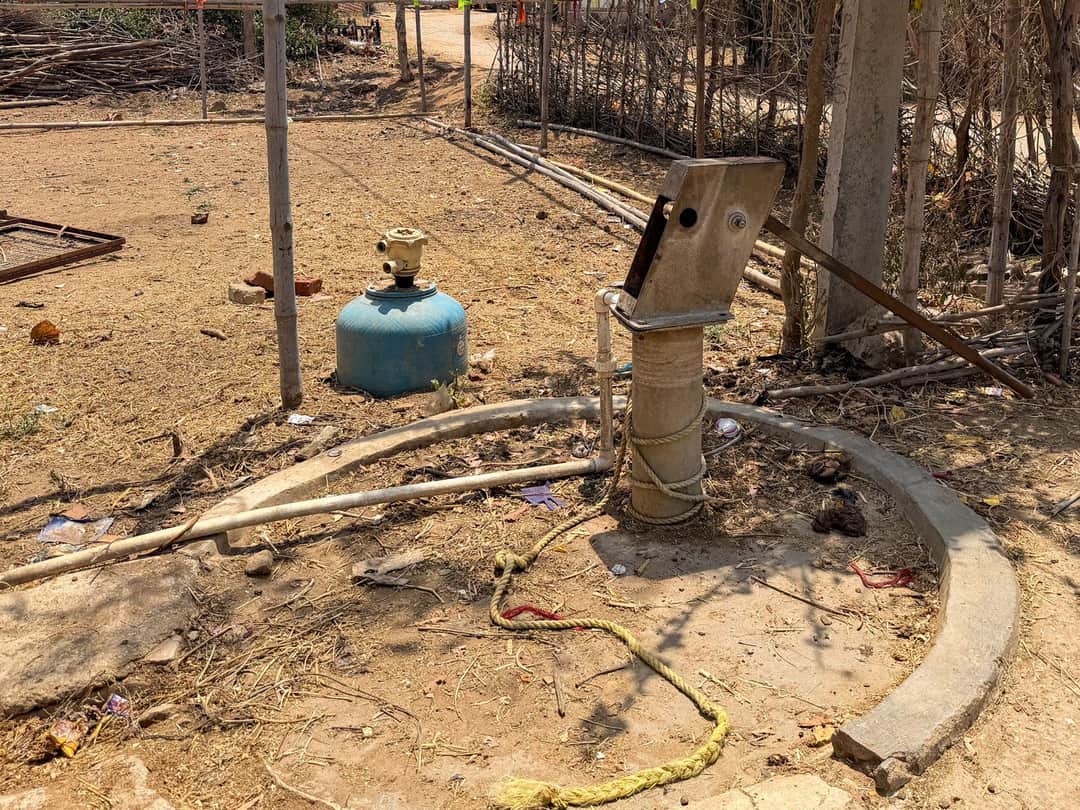
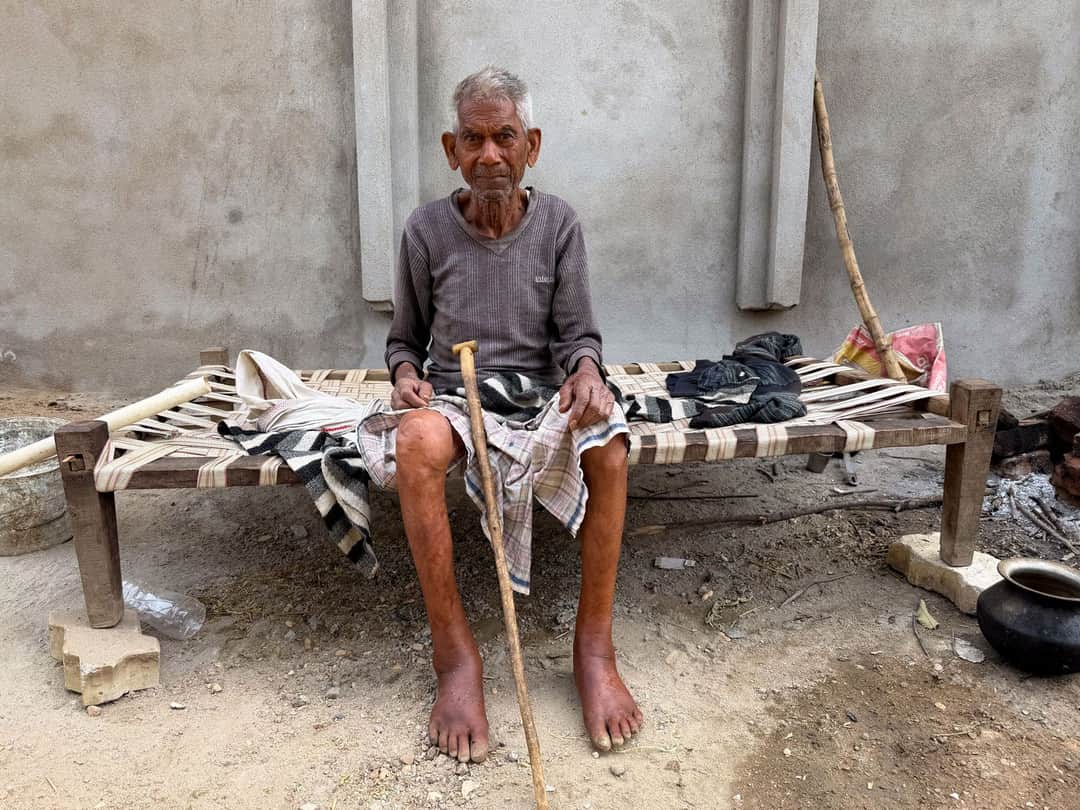
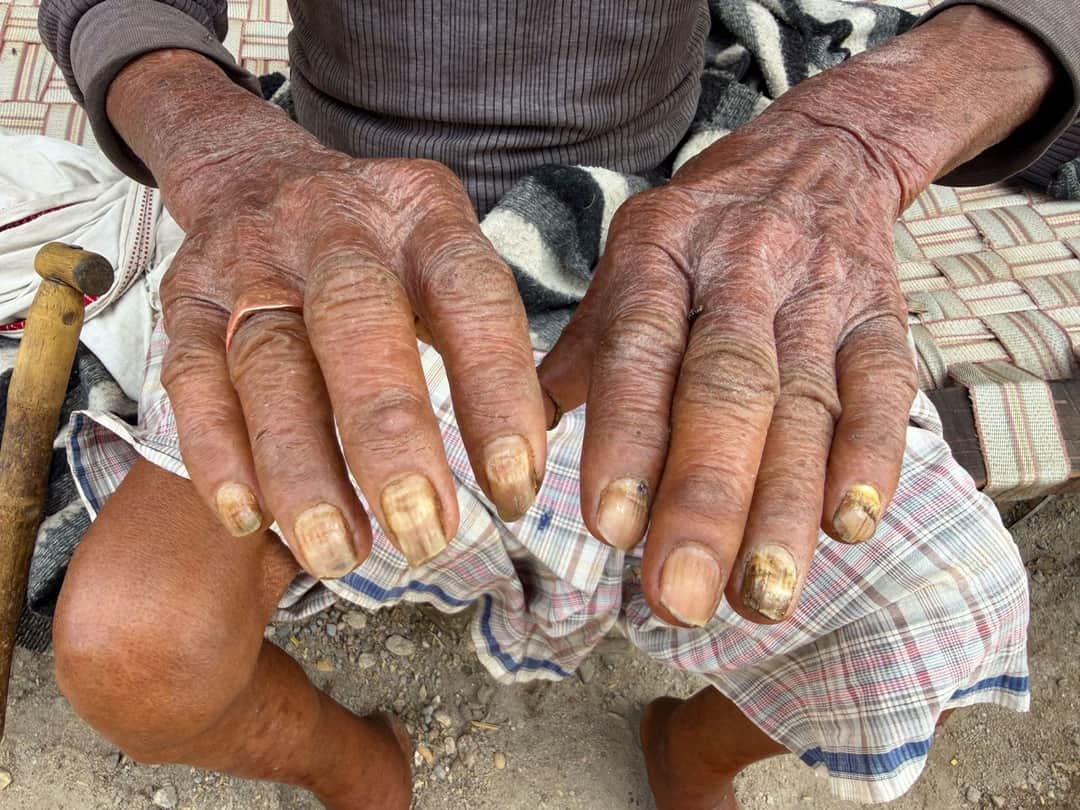
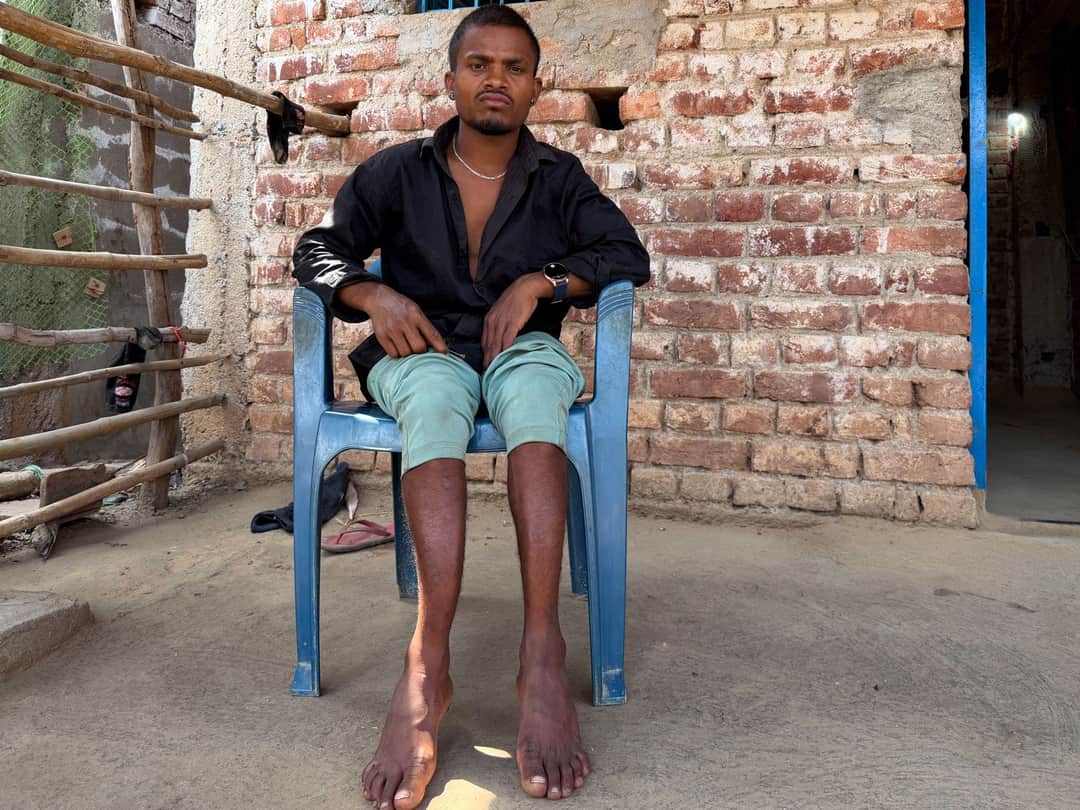
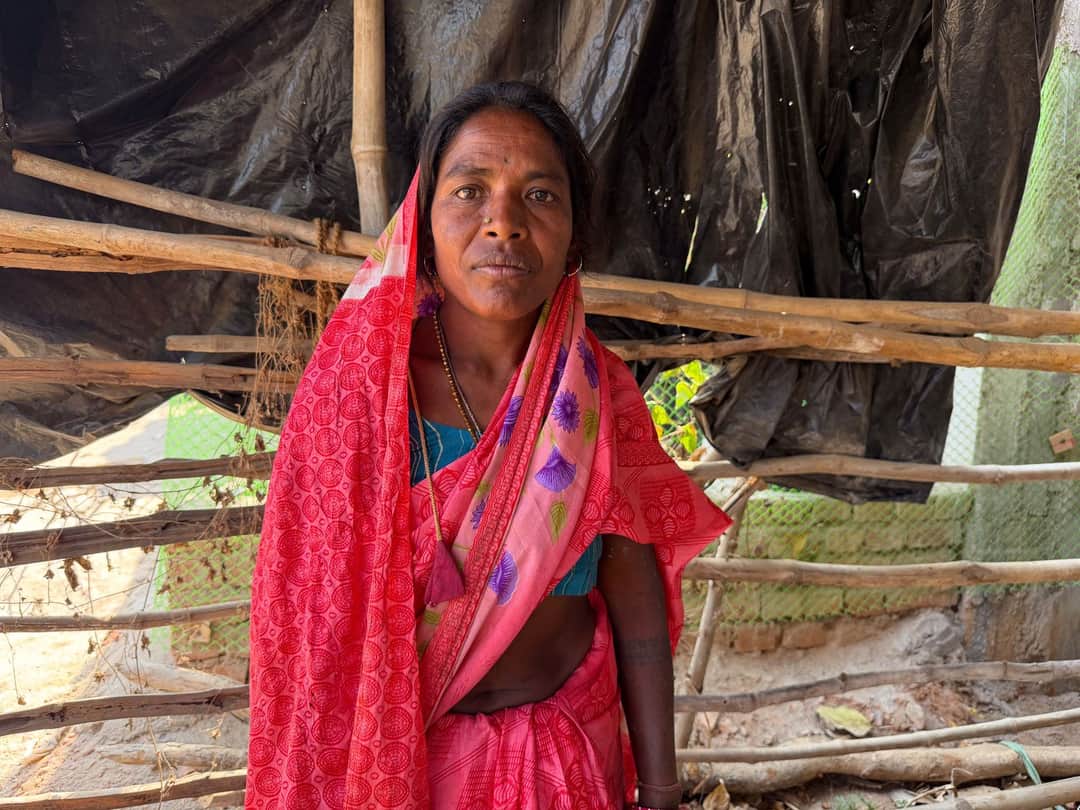
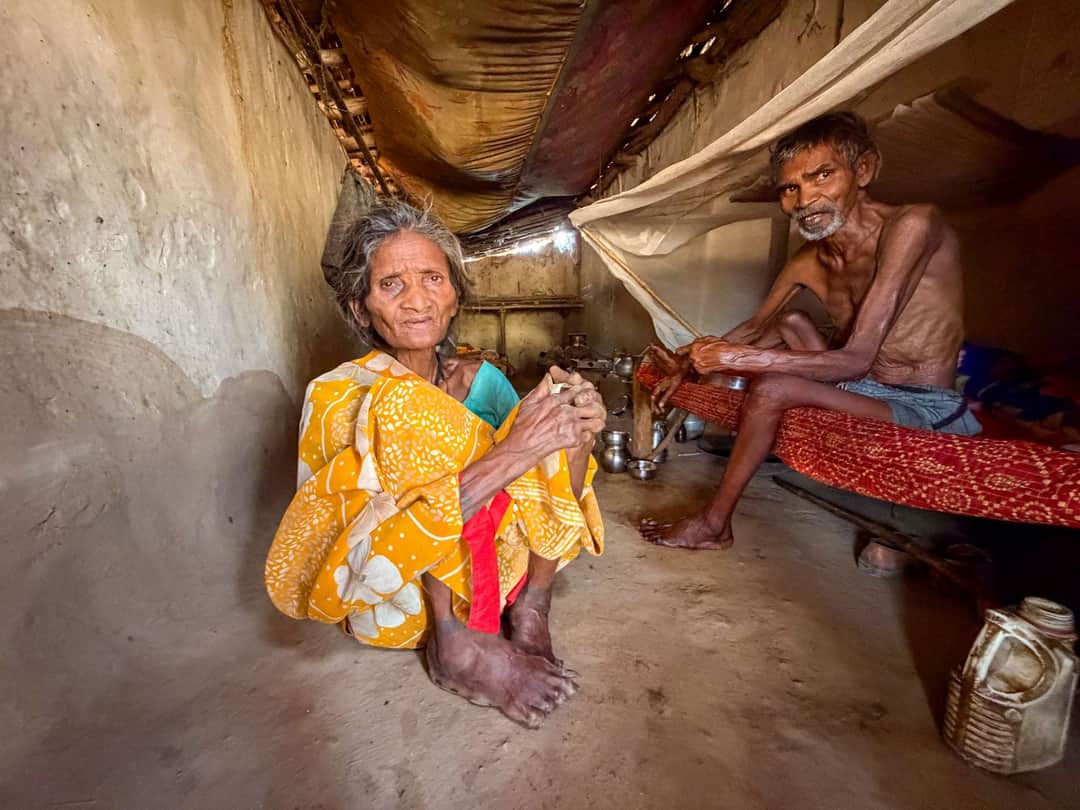
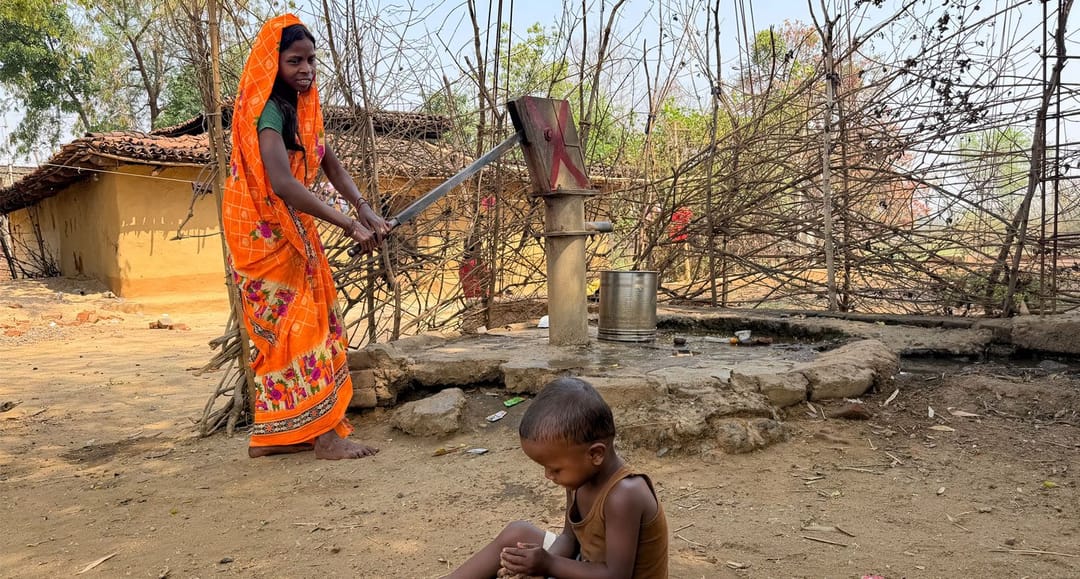
The people of Chukru, mostly from the Scheduled Tribe community, are victims of fluorosis, an irreversible condition caused by excess fluoride in drinking water. Fluoride is found naturally in rocks, soil, and groundwater. Gneiss and granite, which make up much of the bedrock in Palamu, are rich in fluoride-bearing minerals. As water runs through them, the fluoride leaches into it.