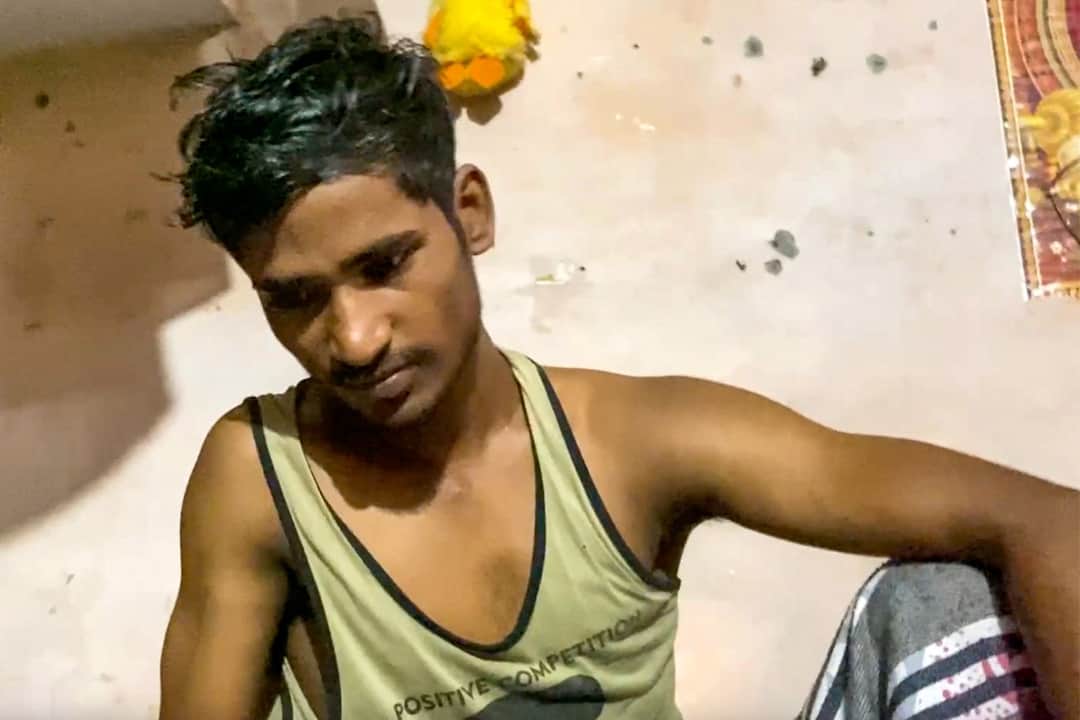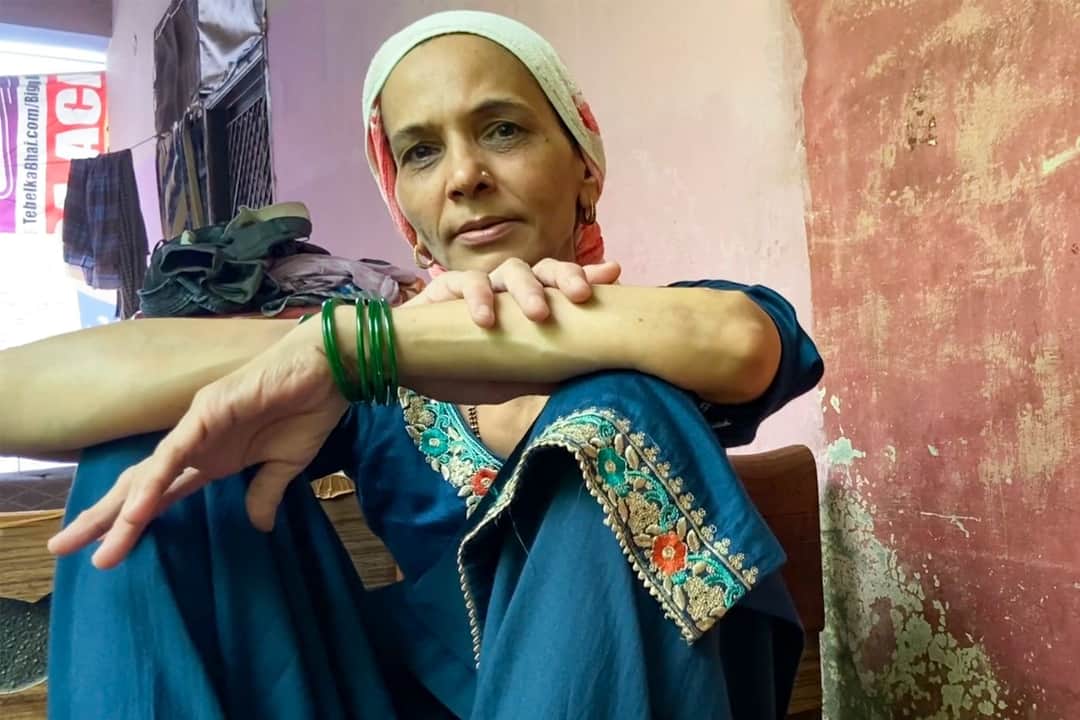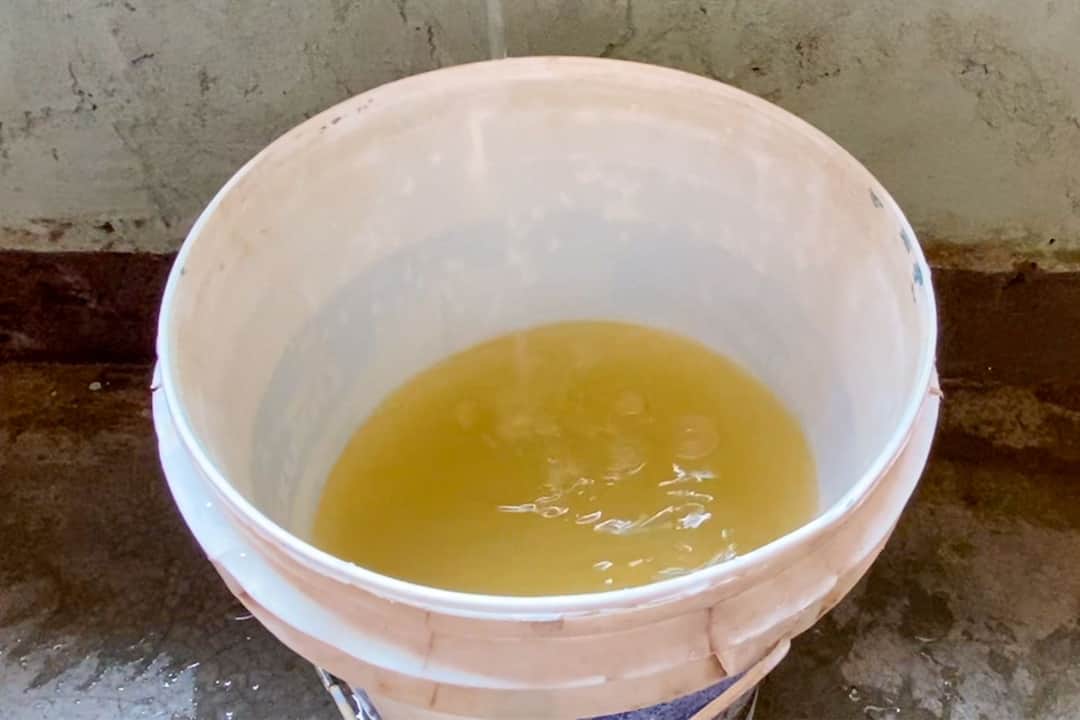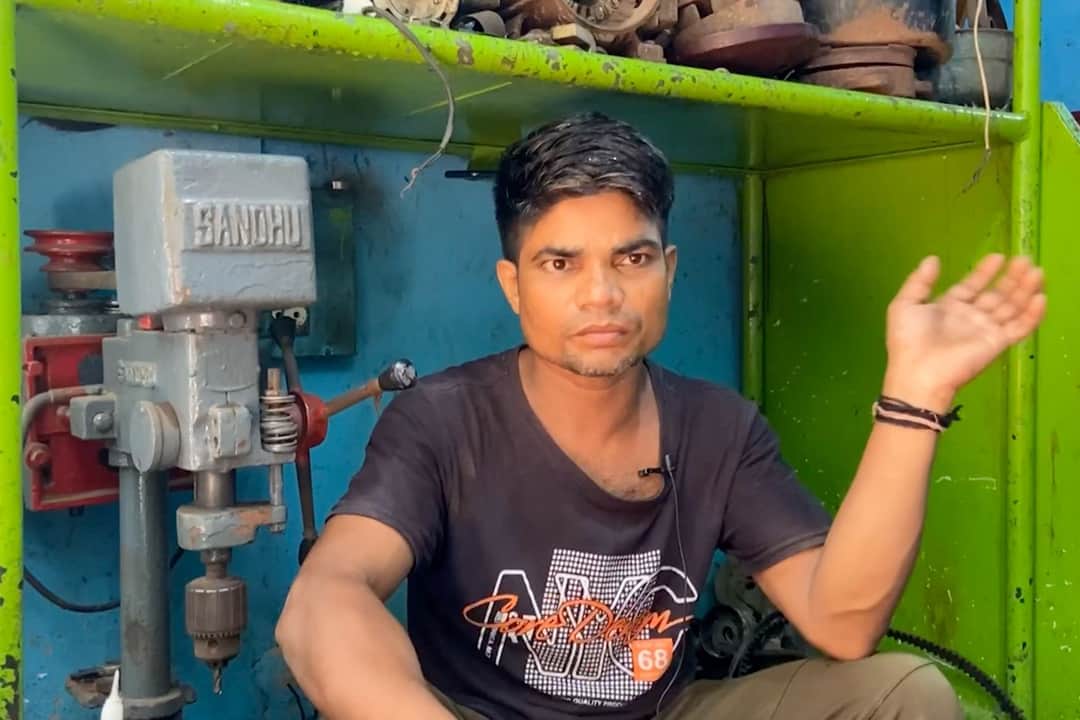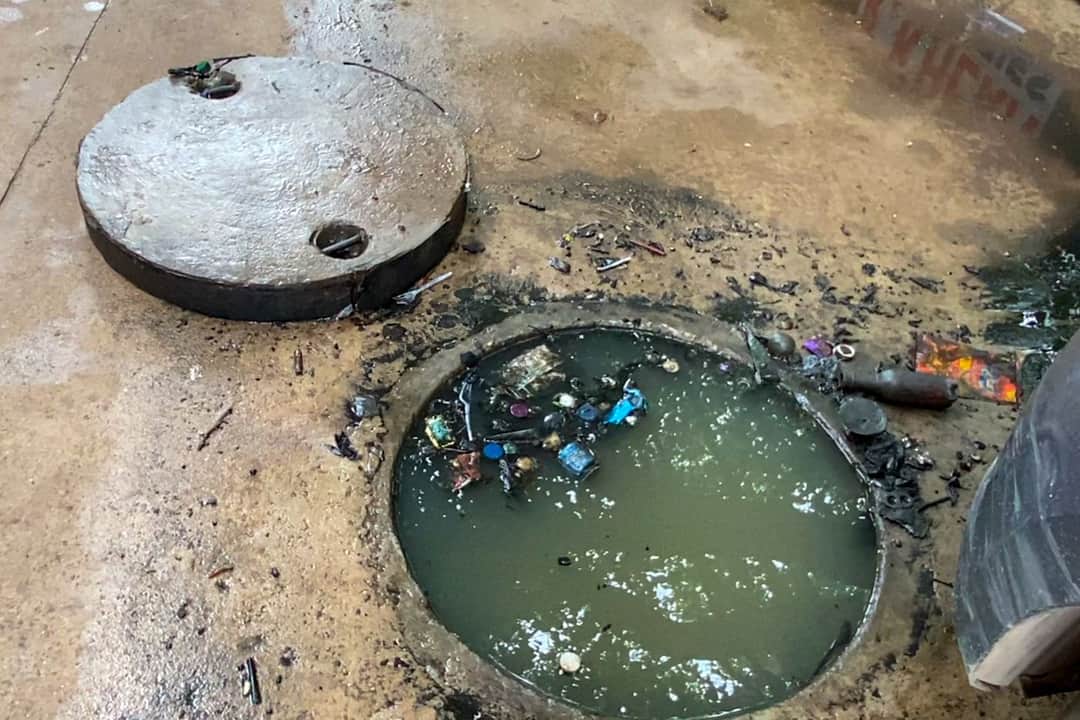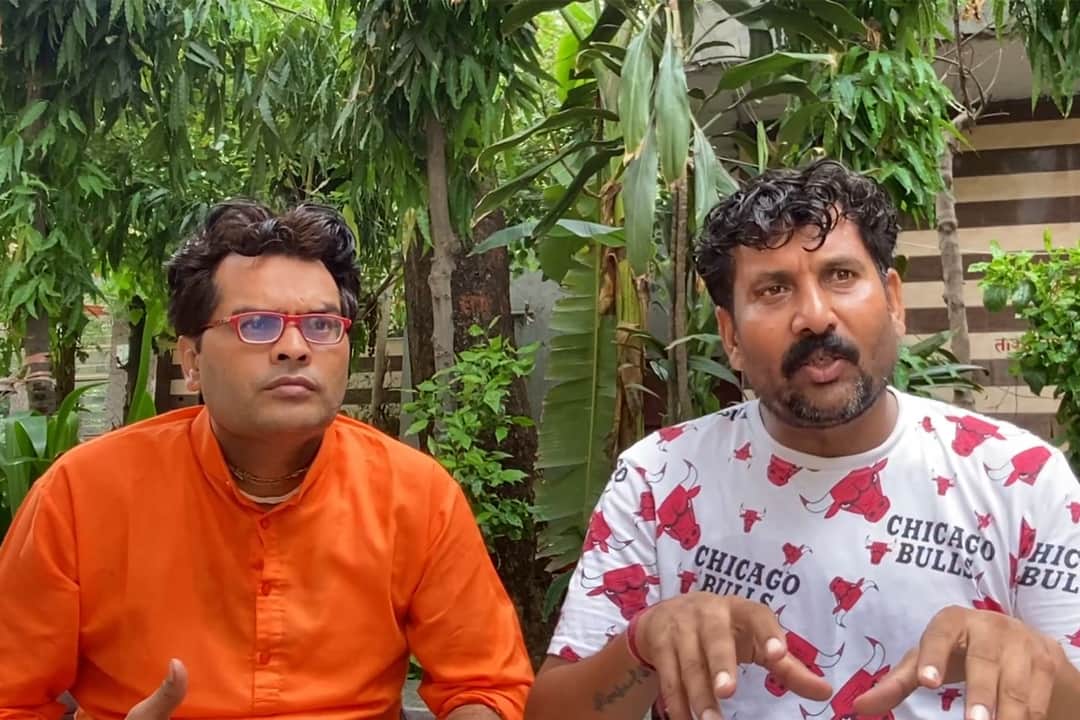

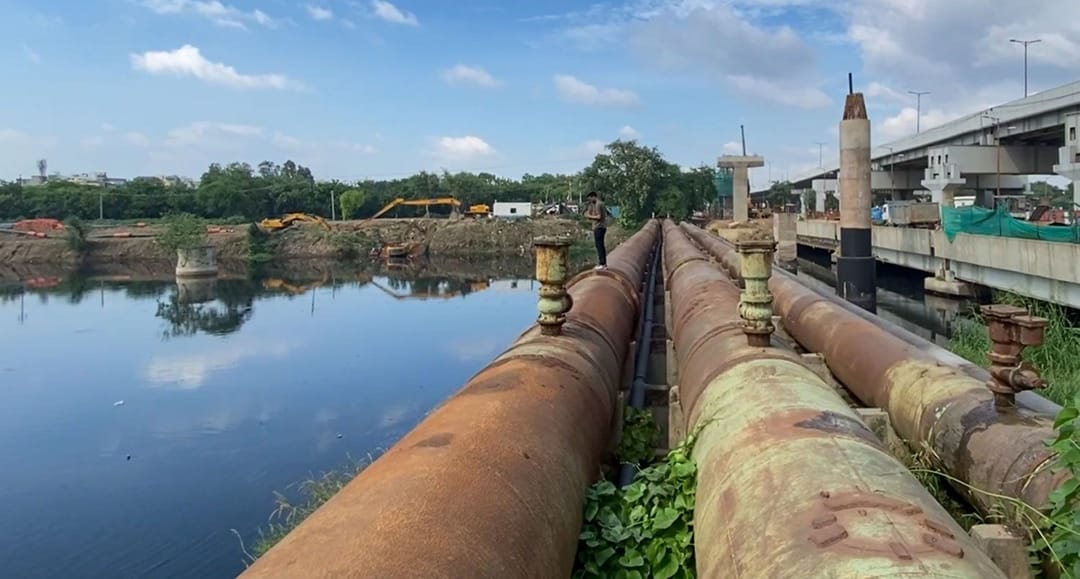
“The tap water at home is sometimes yellow, at other times it is blue, black or foamy. The water smells just like a sewer. We have been using this water for six months,” says Roshan, a 22-year-old tailor living in West Delhi's Peeragarhi village. He has been unwell with a stomach ache and fever for three consecutive days. Somebody in his family of four is always ill.
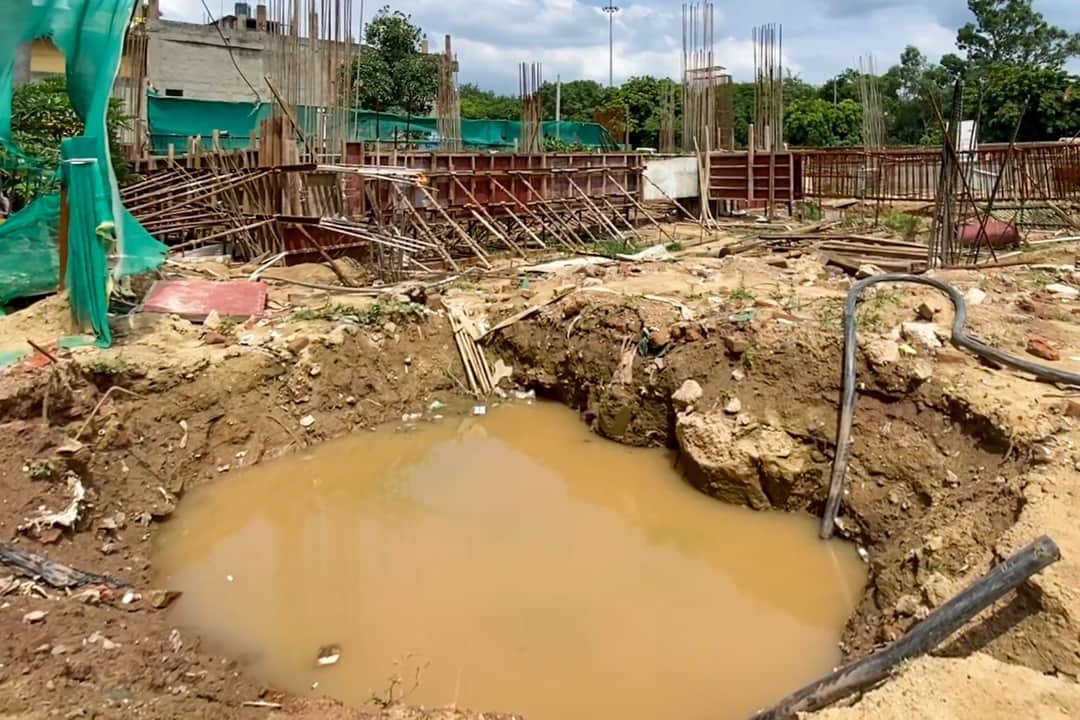
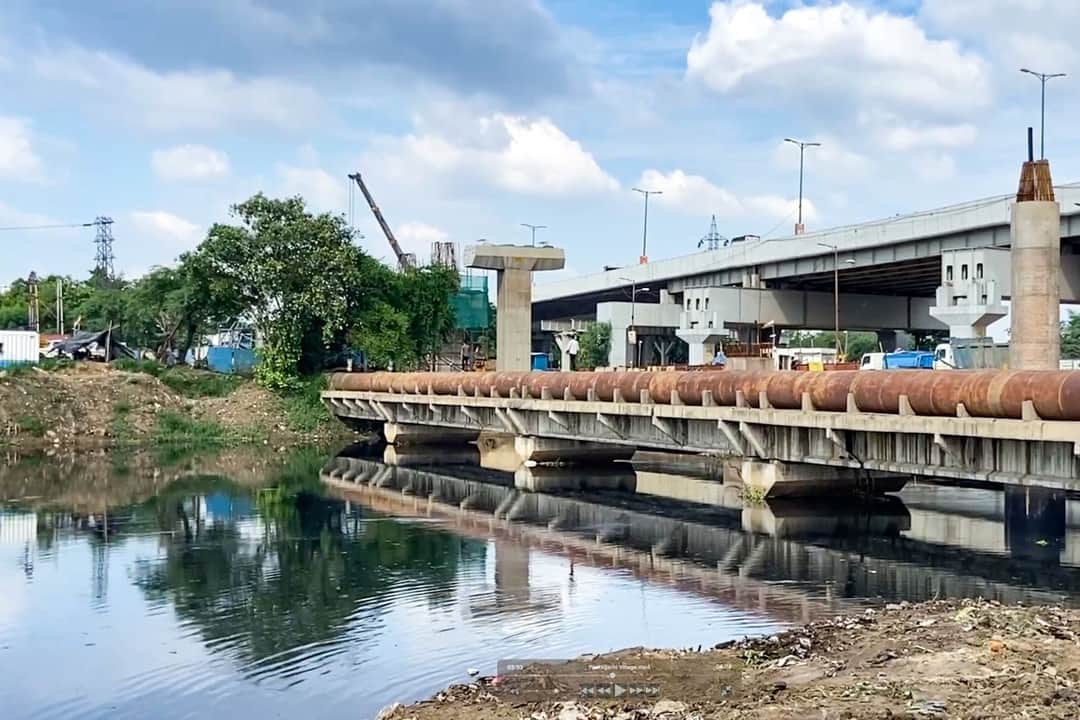
In Peeragarhi, once a village on the outskirts of the capital city now subsumed by its urban sprawl, dozens of residents have suffered gastrointestinal problems or high temperatures after drinking contaminated tap water. Since June 2024, every one of the approximately 1,000 households in the locality have received foul-smelling water through the municipal supply.
Dozens of small and big factories dot the lanes of Peeragarhi. Until about two decades ago, say locals, mainly plastic goods manufacturing units stood here. Over time, however, industrial units manufacturing paints, dyes, shoes, electronics and motors, among other things, also started to emerge.
Roshan's father Biswanath is a day wage labourer in one of these factories. When he migrated from Bihar to Delhi 15 years ago, Peeragarhi became his home because the village satisfied his basic needs — employment, food and water.
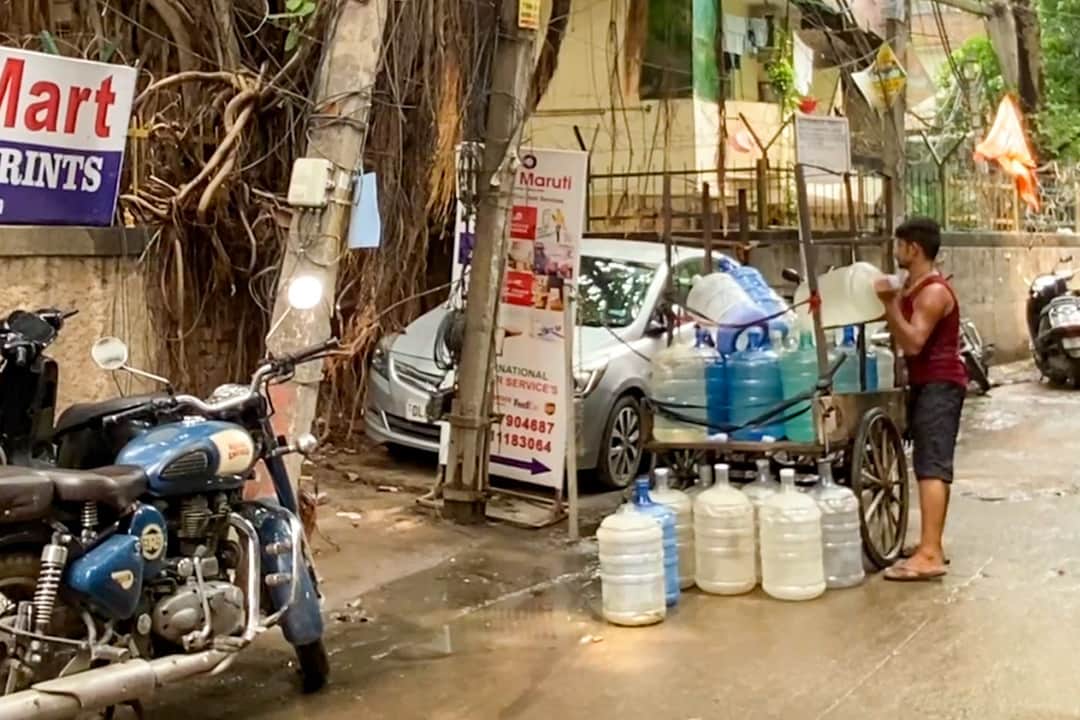
Like Biswanath’s family, most households in Peeragarhi spend nearly 10 per cent of their monthly family income on clean drinking water, averaging Rs. 100 a day.