
The GPS signal drops before the road does.
A narrow tar strip outside the village of Bhansoli (Sawangi), an hour’s drive south of Nagpur, dissolves into a dusty road, drawing a line through the cotton and pigeon pea fields.
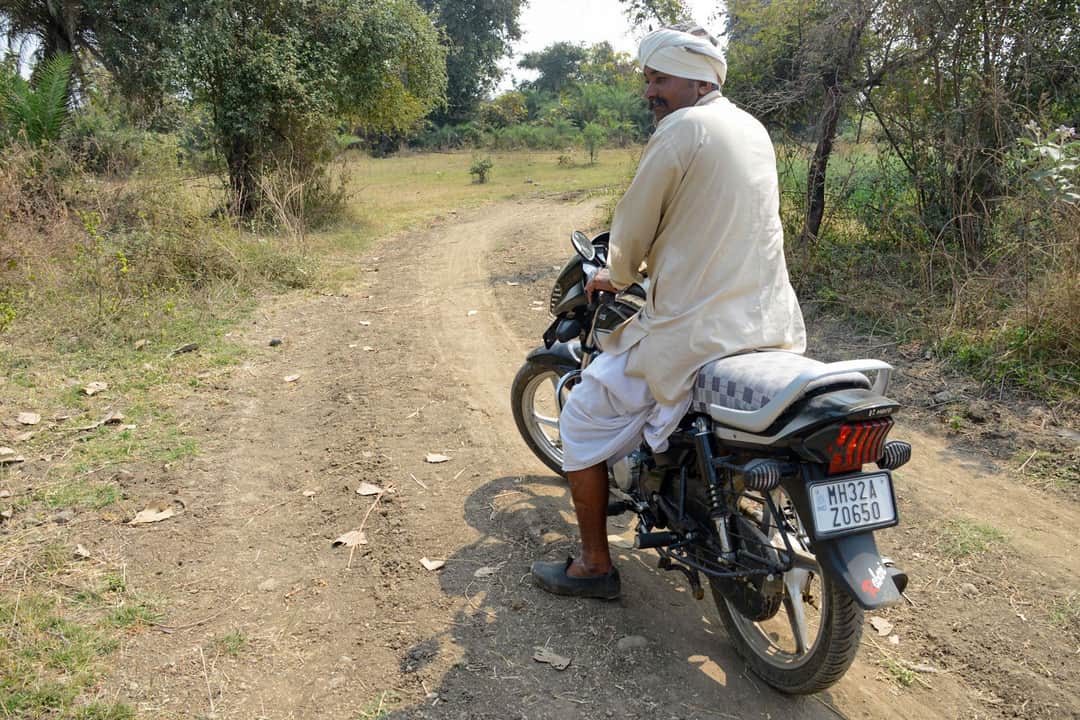
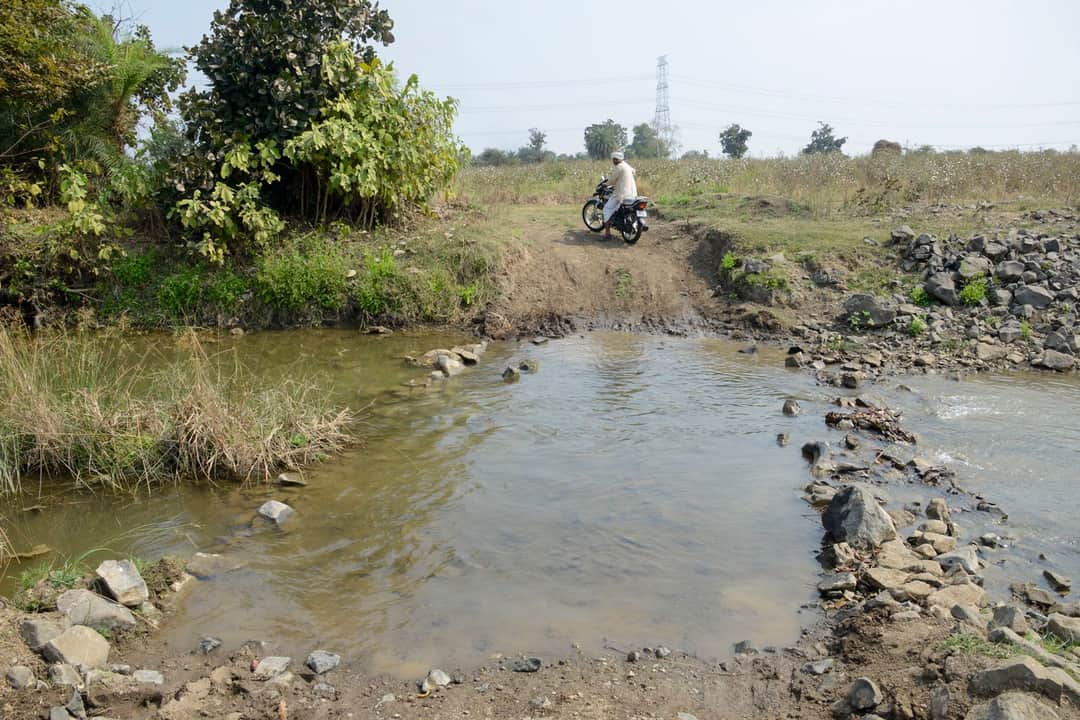
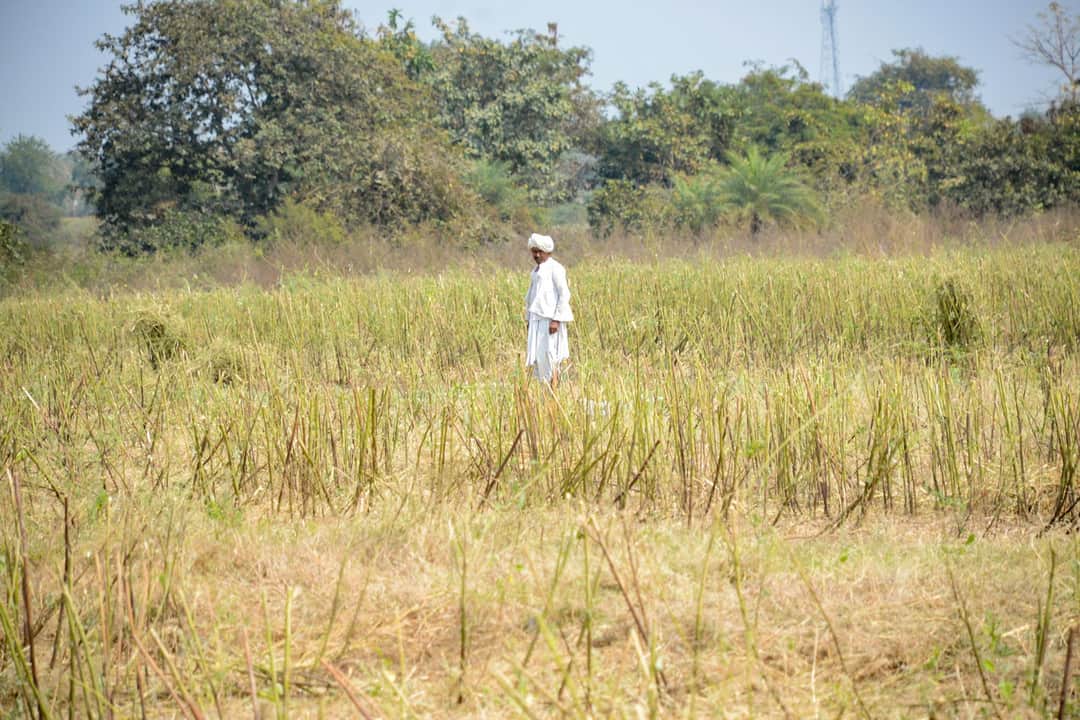
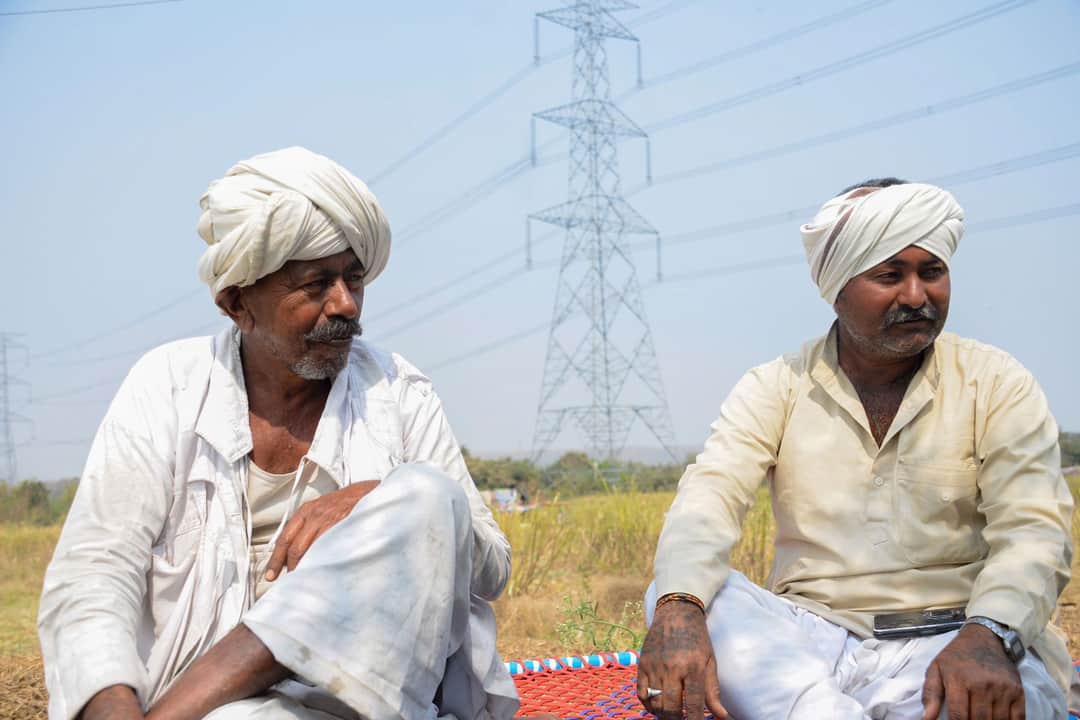
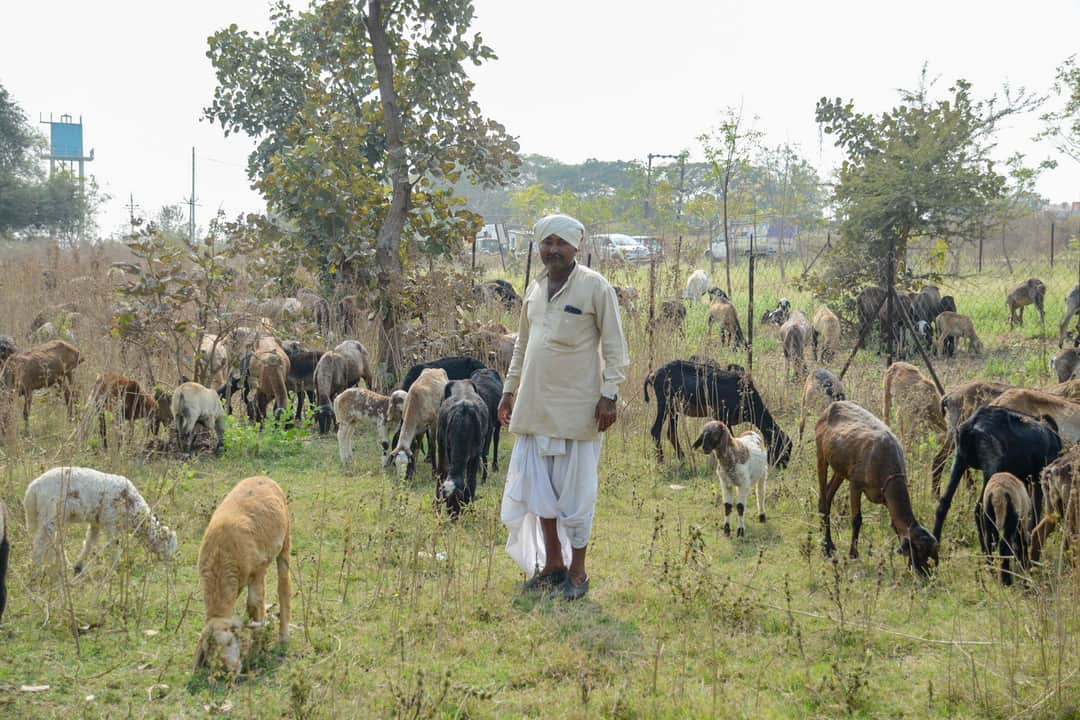
Kirsan Jagmaal Rabari is waiting on a motorbike. We must leave our four-wheeler here, the 45-year-old insists. His caravan, which includes around 2,500 sheep and goats, has crossed a shallow rivulet down the road and can’t be reached by car.
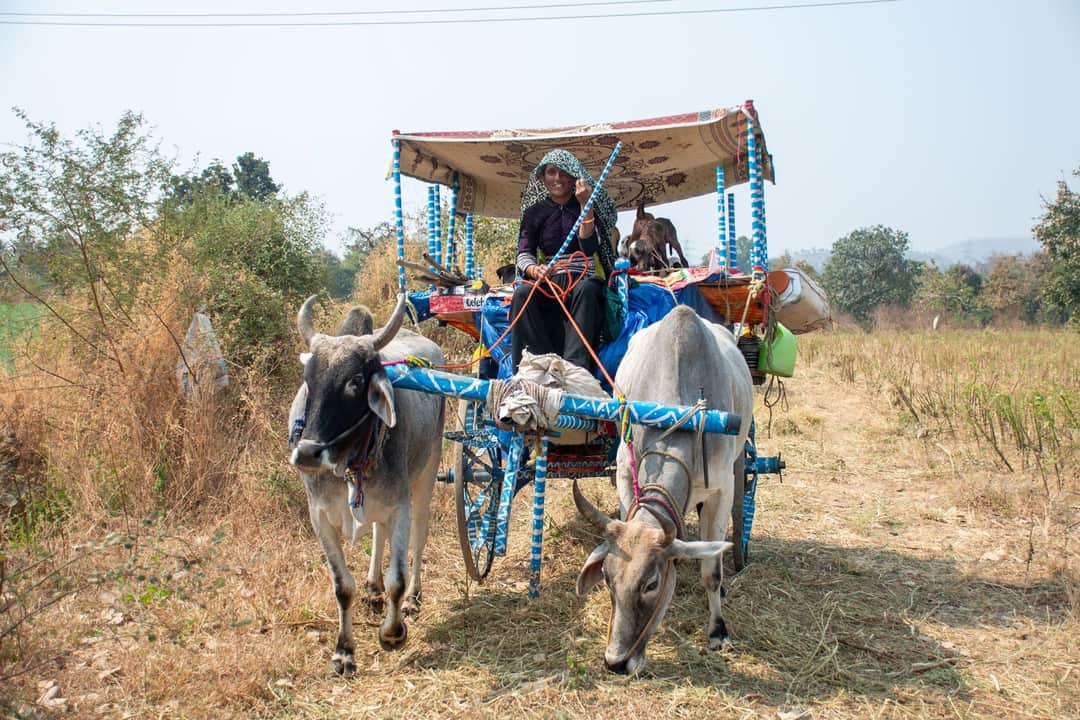
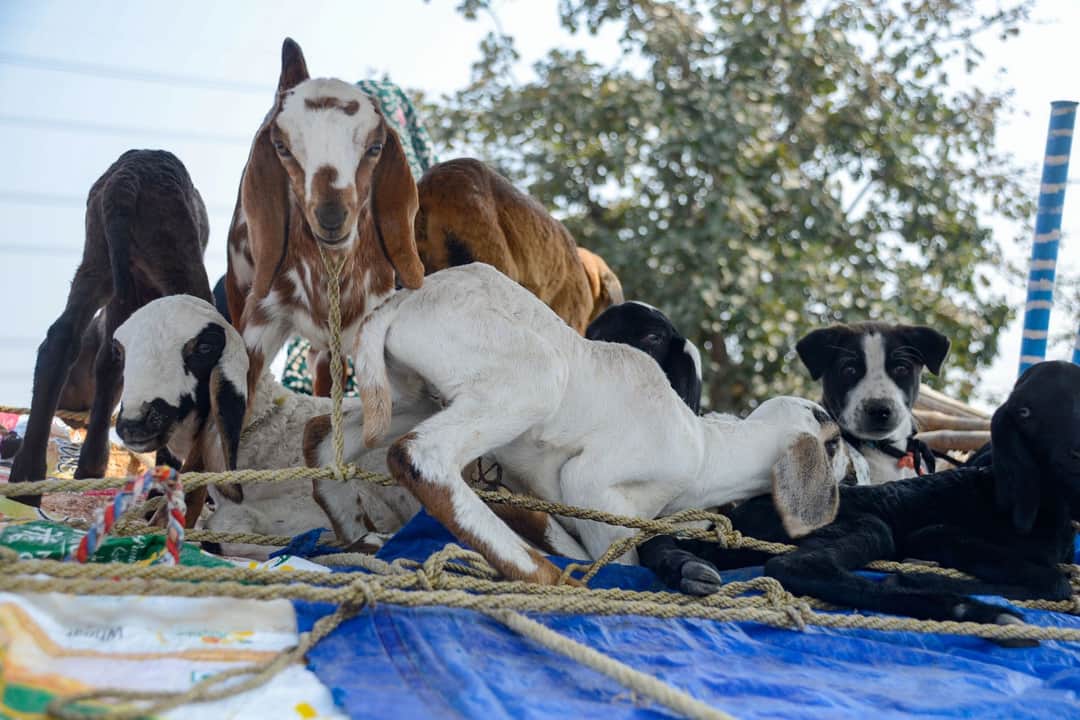
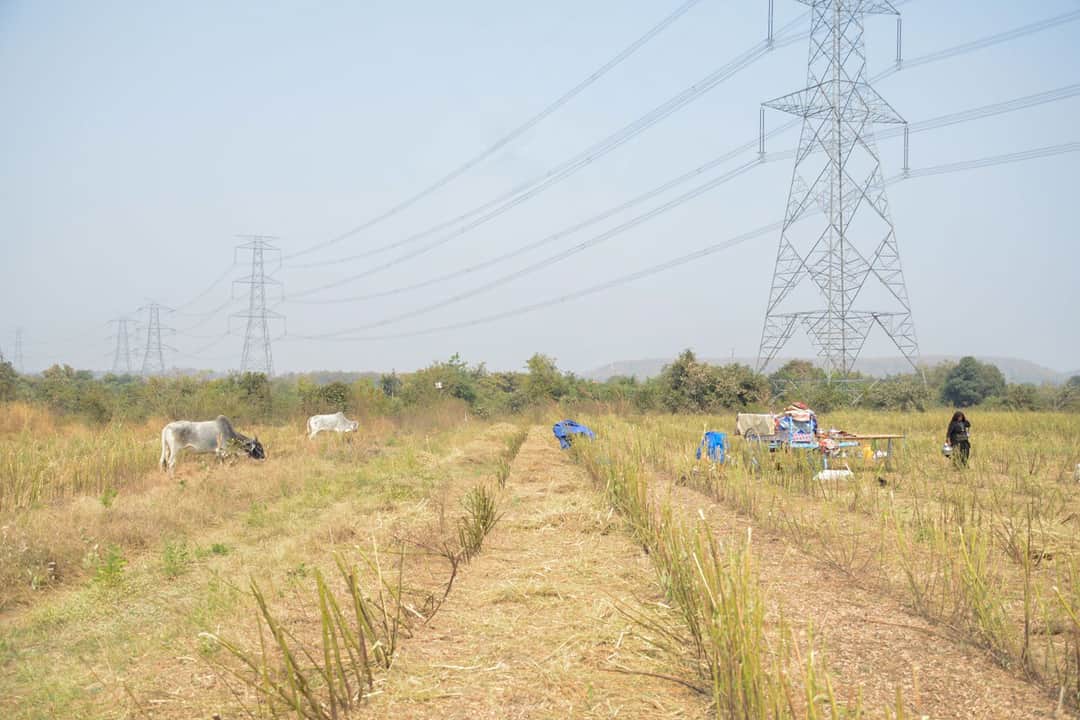
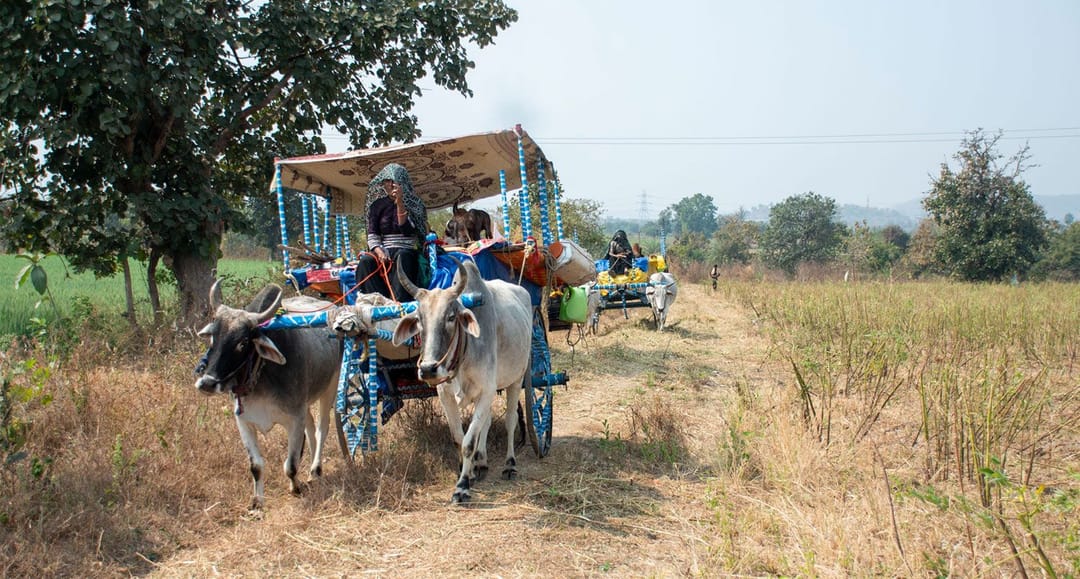
On the other side, four families – Kirsan’s constantly mobile dera – are on the move. Two metal carts pulled by sturdy bullocks are laden with their sundry belongings – charpoys, steel utensils, bundled clothes, pitchers, ropes, nets, and trunks. Women clad in their three-piece traditional black attire – a choli (blouse), ghaghra (skirt), and ludki (veil) – are driving the carts. The offspring of sheep and goat are bleating, and a puppy strains at a rope, rehearsing the job of herd manager that it will one day inherit.
The caravan is off.