
“When I was young, we never thought we would stop.”
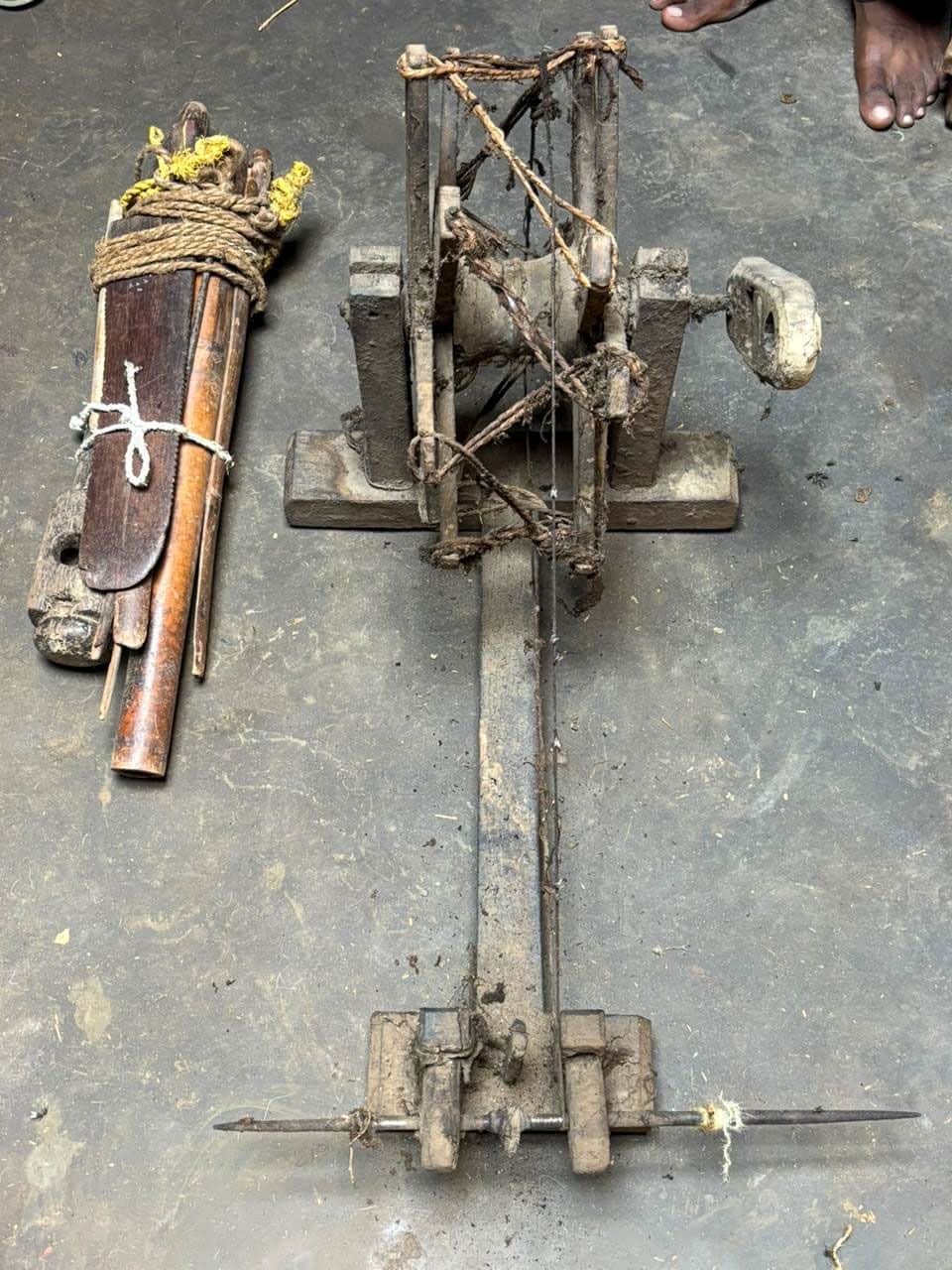
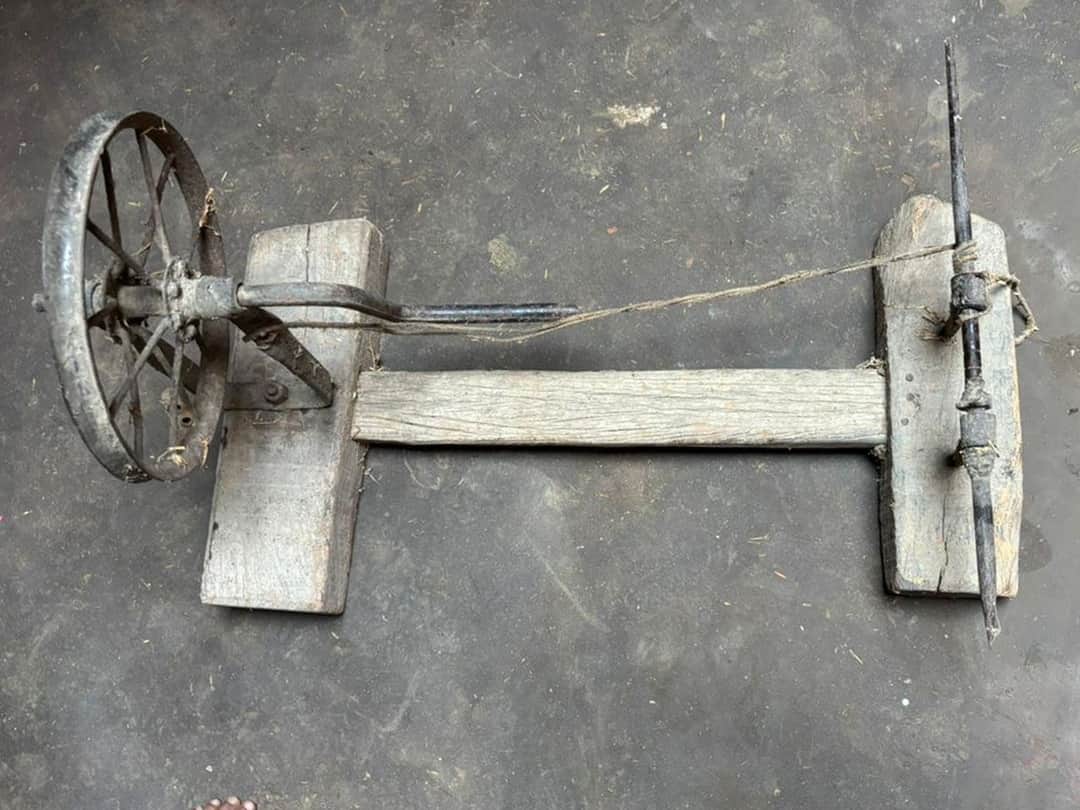
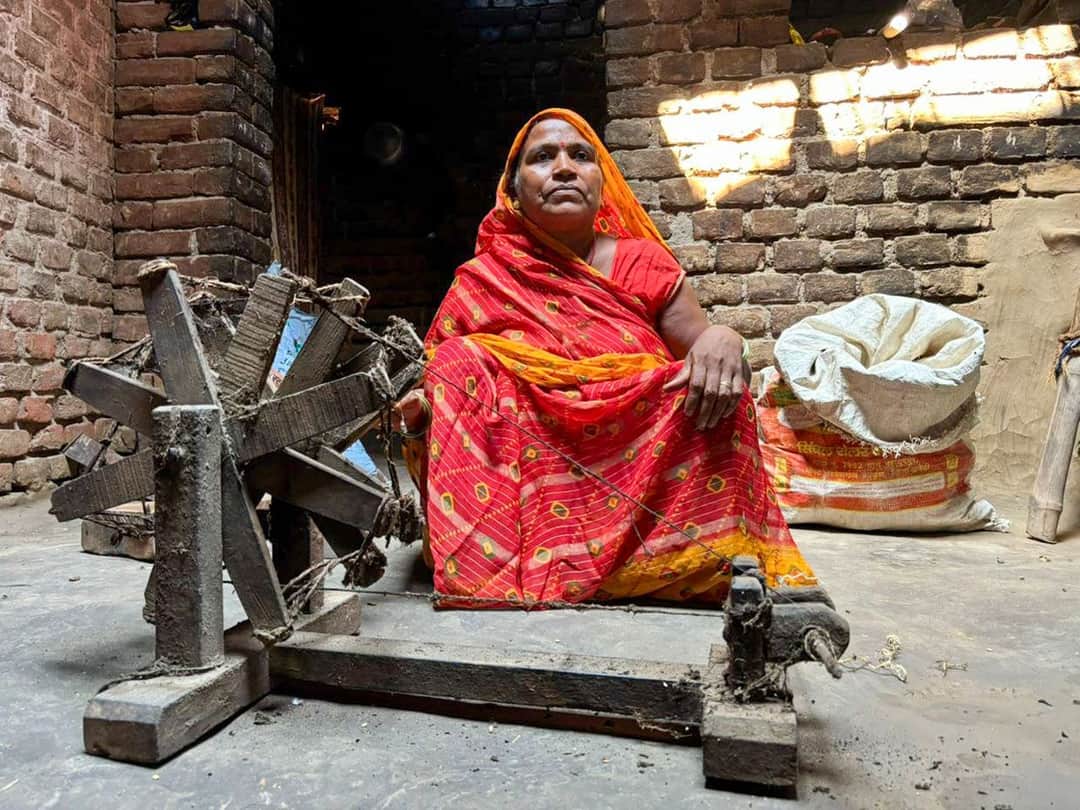
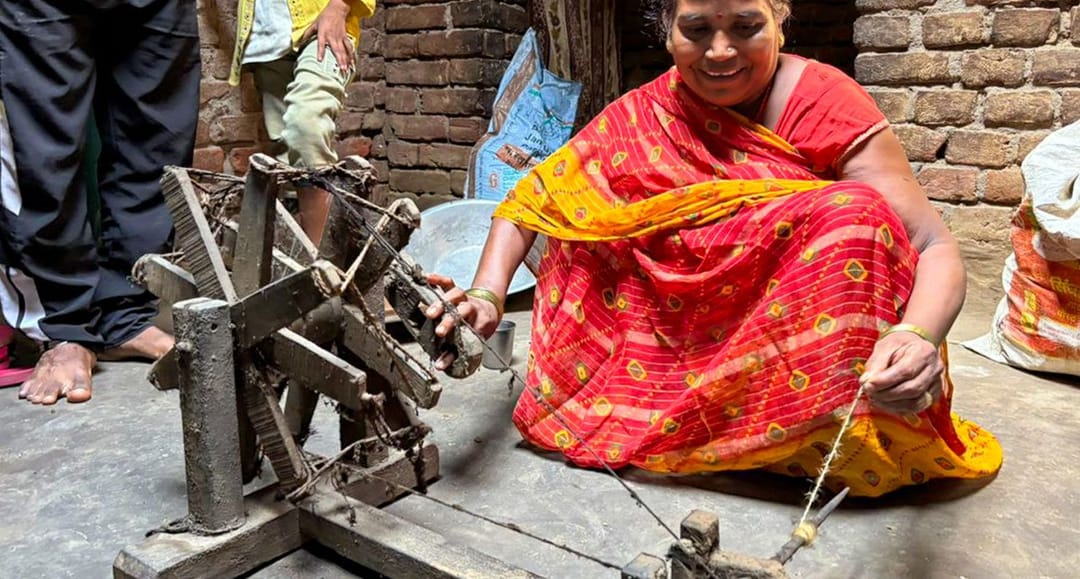
The dust covered tools abandoned in the loft of Radha Devi’s home, however, tell a different story. A spinning wheel and an aged wooden shuttle, implements that accompanied her through decades of weaving blankets made with natural wool and never dyed, now lie silent.
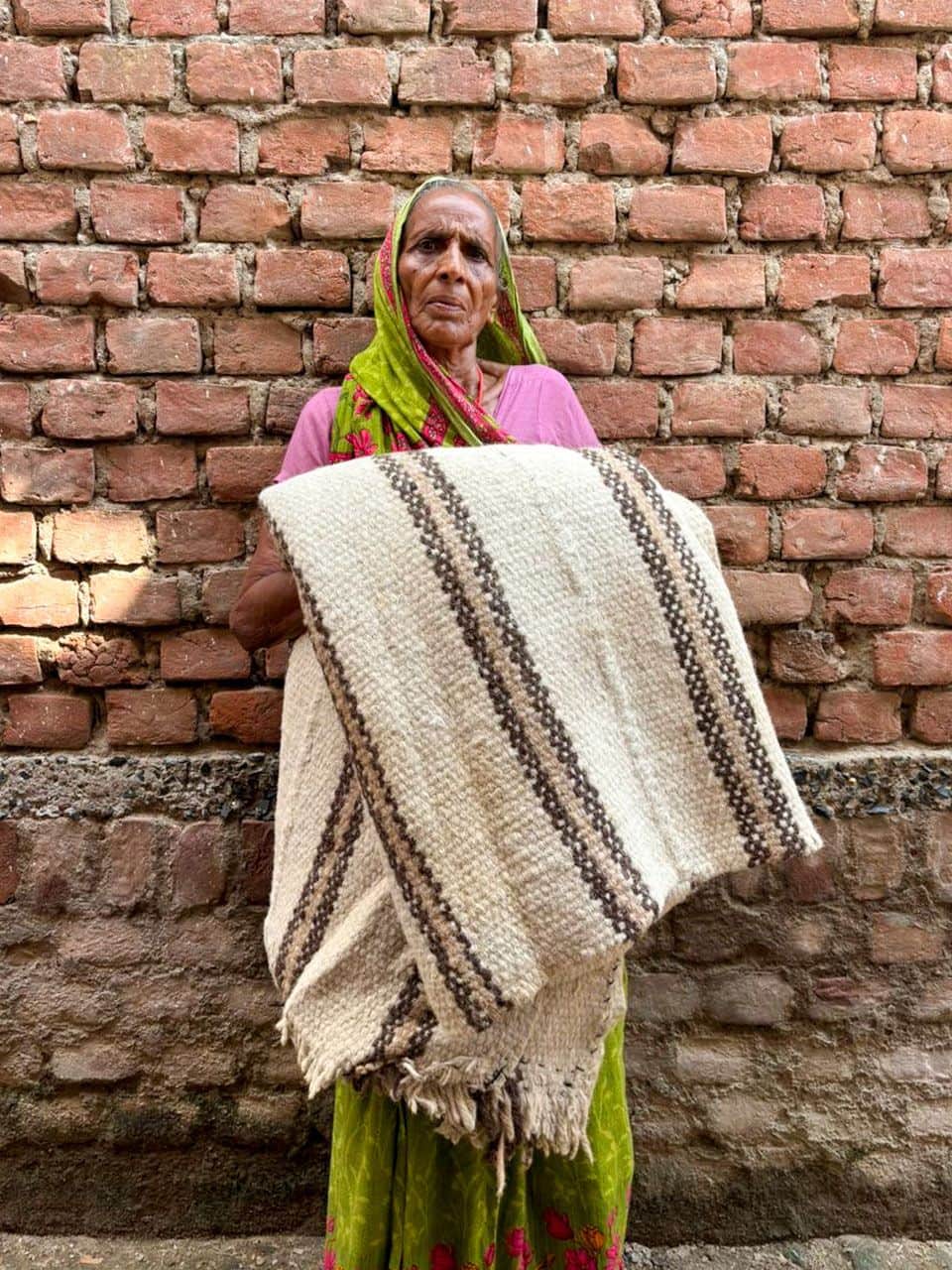
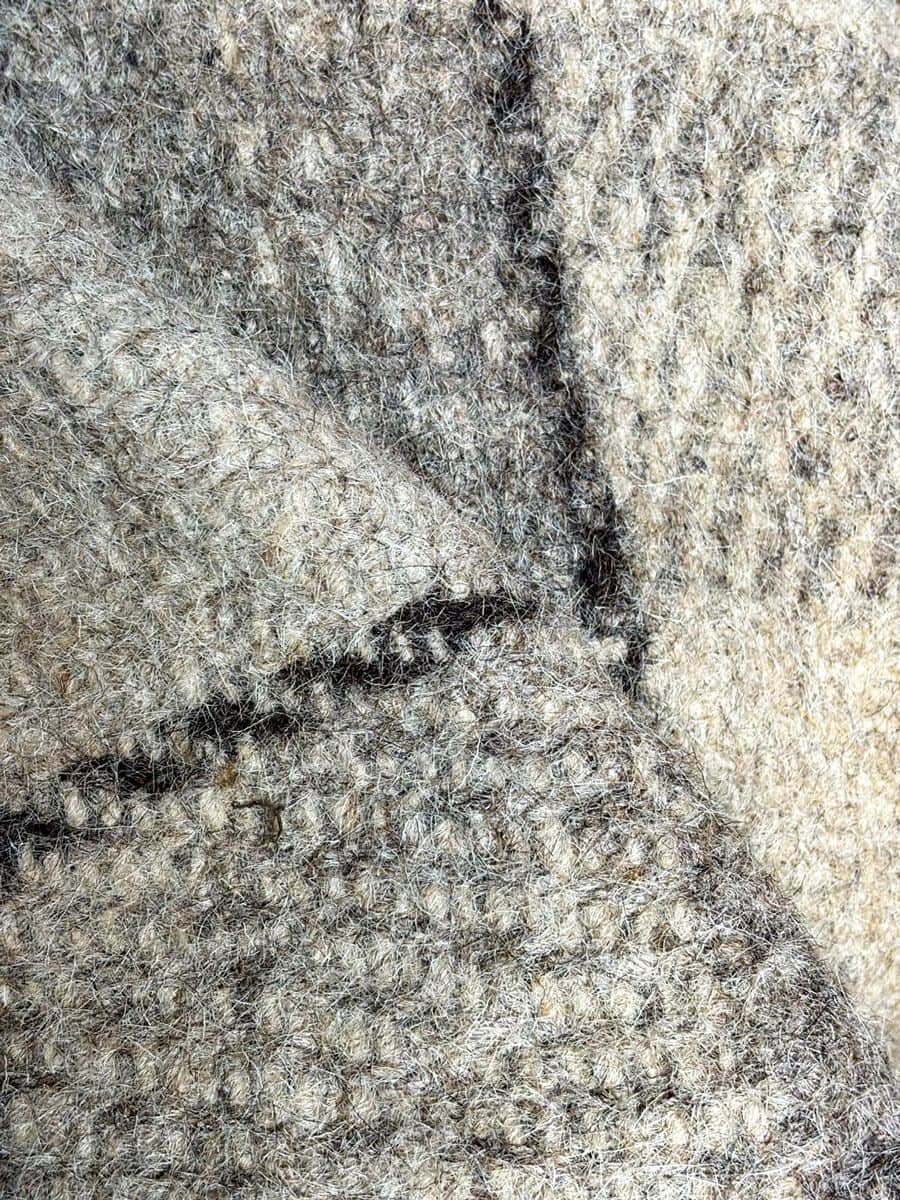
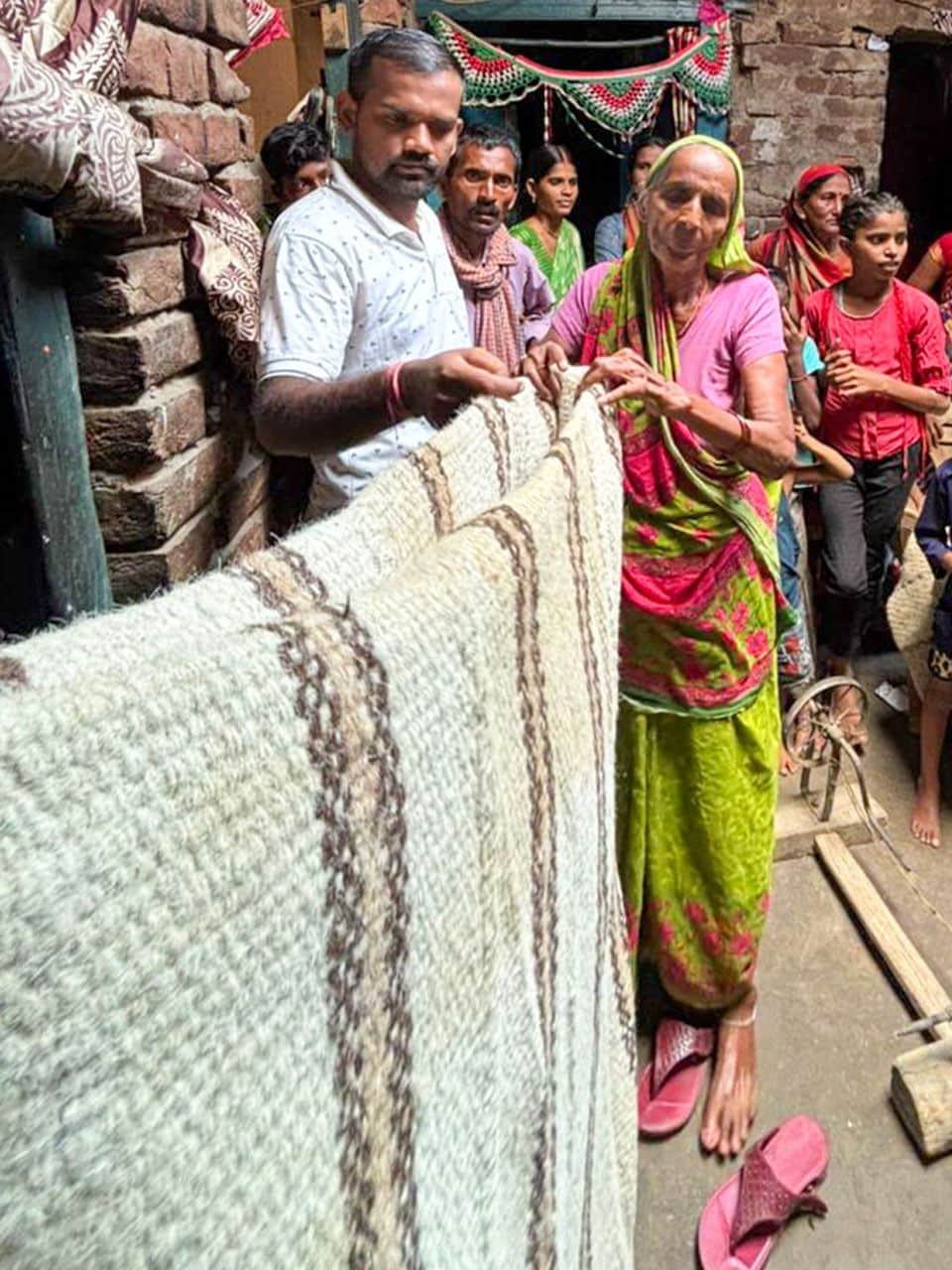
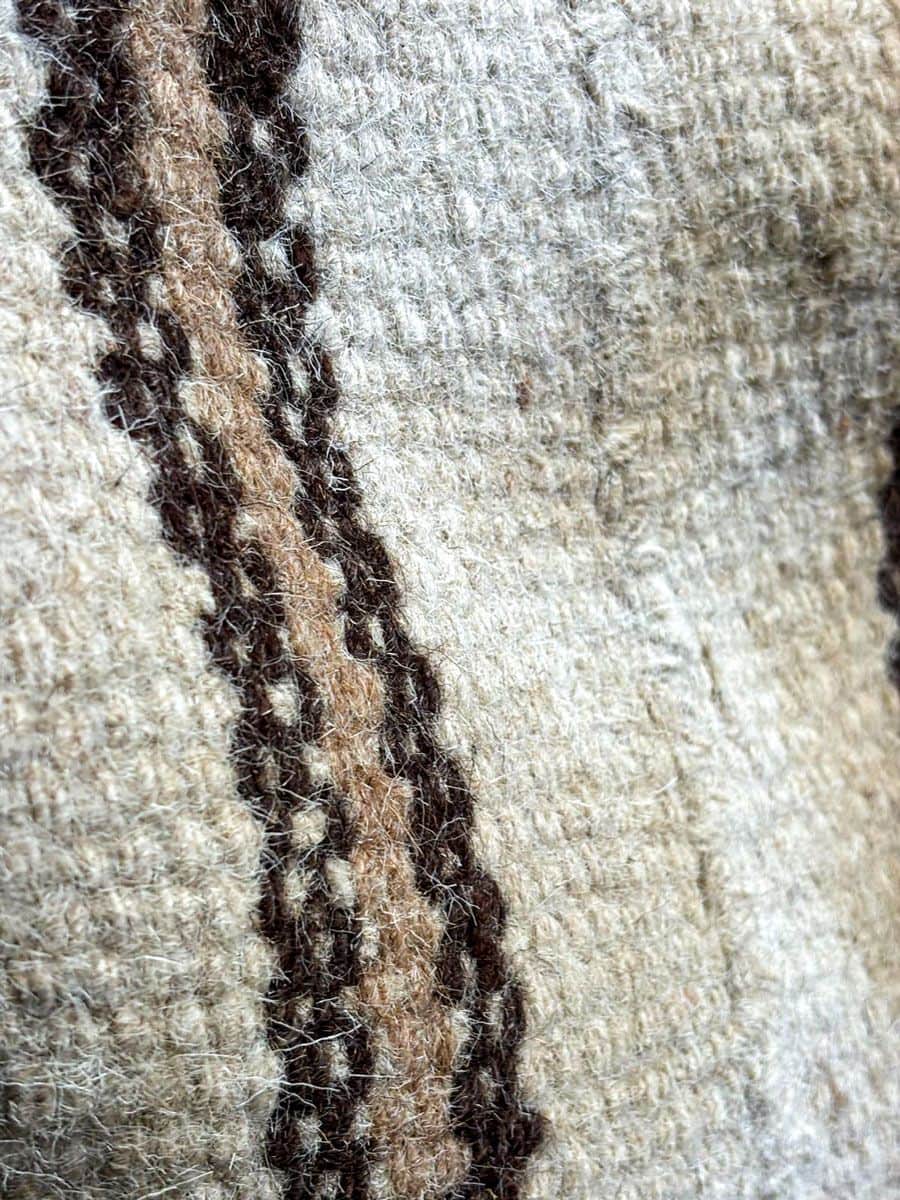
“Suta banawat ke kala hamar haath se chhutat jaata [The skill of spinning thread is slipping from my hands],” says the spinner and weaver from Bhojpur. “I haven’t woven a blanket since that one [in 2016].” The one she points to is thick and woven in shades of brown, with stripes running across.
“I have been making these since I was very young, with my mai [mother], chachi [aunt] and dadi [grandmother],” adds the elderly weaver who does not remember her exact age but can tell you this much: “I have seen the times of Indira Gandhi!”
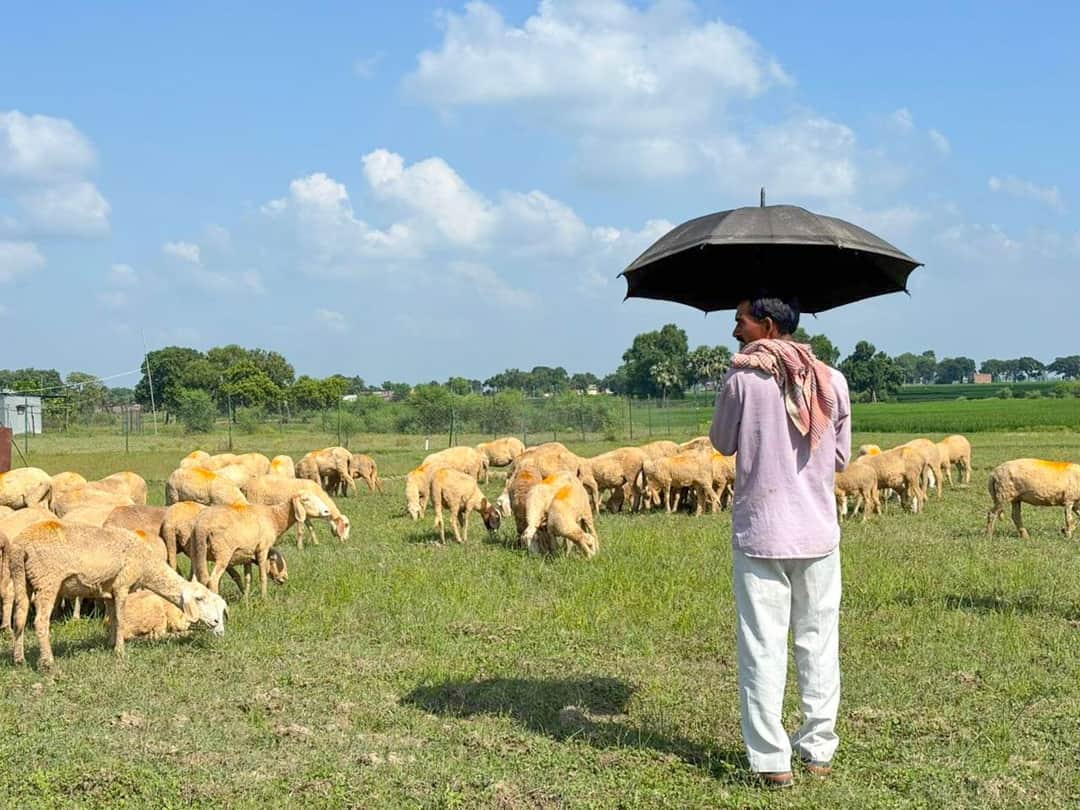
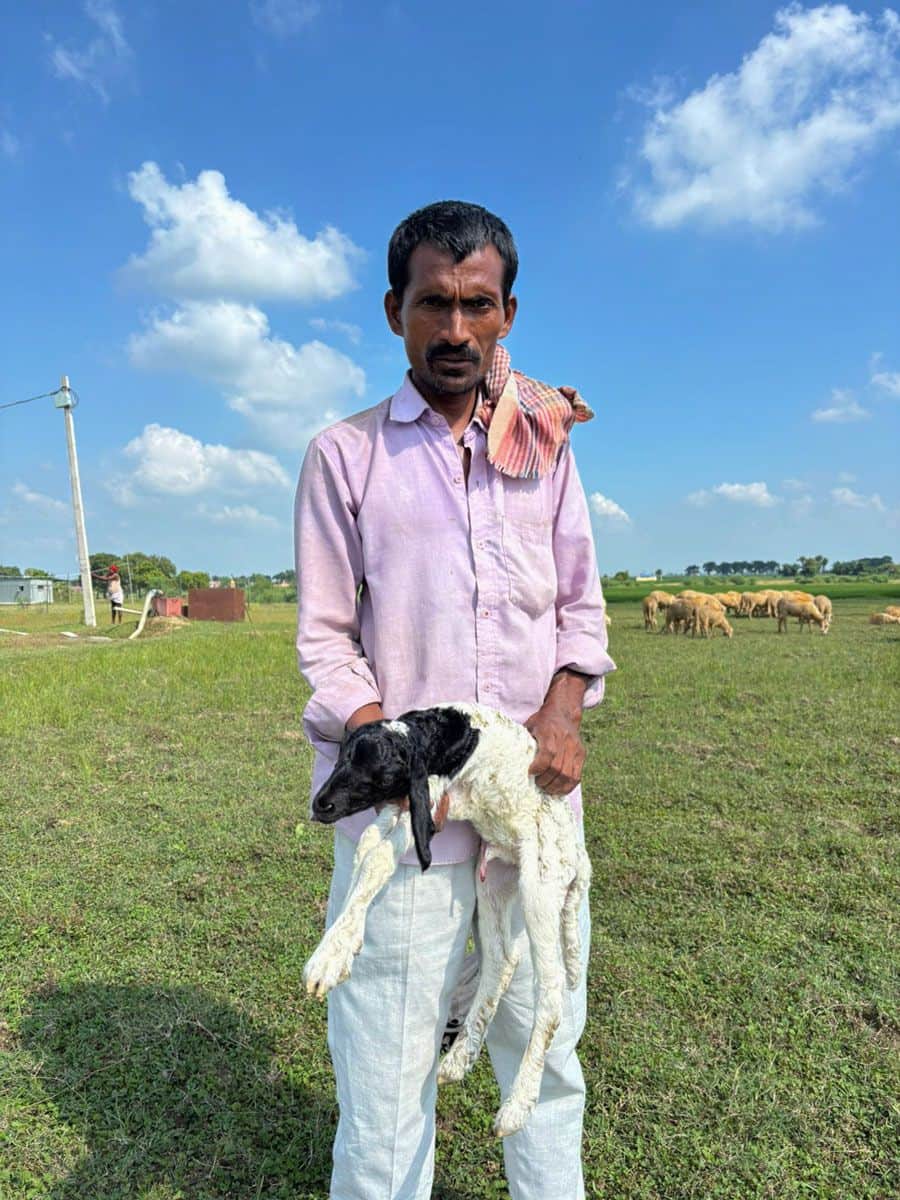
In the lanes of Bhinrari village of Garhani block, sheep wool once had its own rhythm. In winter markets, blankets woven by Pal artisans moved from hand to hand, their coarse fibres keeping people warm through long cold nights. Today, those markets are quieter and Radha Devi is the last woman from her community in the village to have woven such blankets.
“Ehi jaat ba hamar [This is our caste],” says Radha Devi. “This is what we’ve done from the beginning.”
Draped in a green and pink saree, Radha Devi stands against the sun-warmed brick wall of her house recalling how she learned to weave when she was eight or nine years old. She never went to school and learned the craft from her mother. Her father and grandfather kept more than a hundred sheep. Typically, women in the family wove blankets and sweaters from the wool, while the men sold them in nearby villages or even other districts. She saw the same pattern after marriage – her husband and father-in-law kept sheep, and her mother-in-law wove blankets.