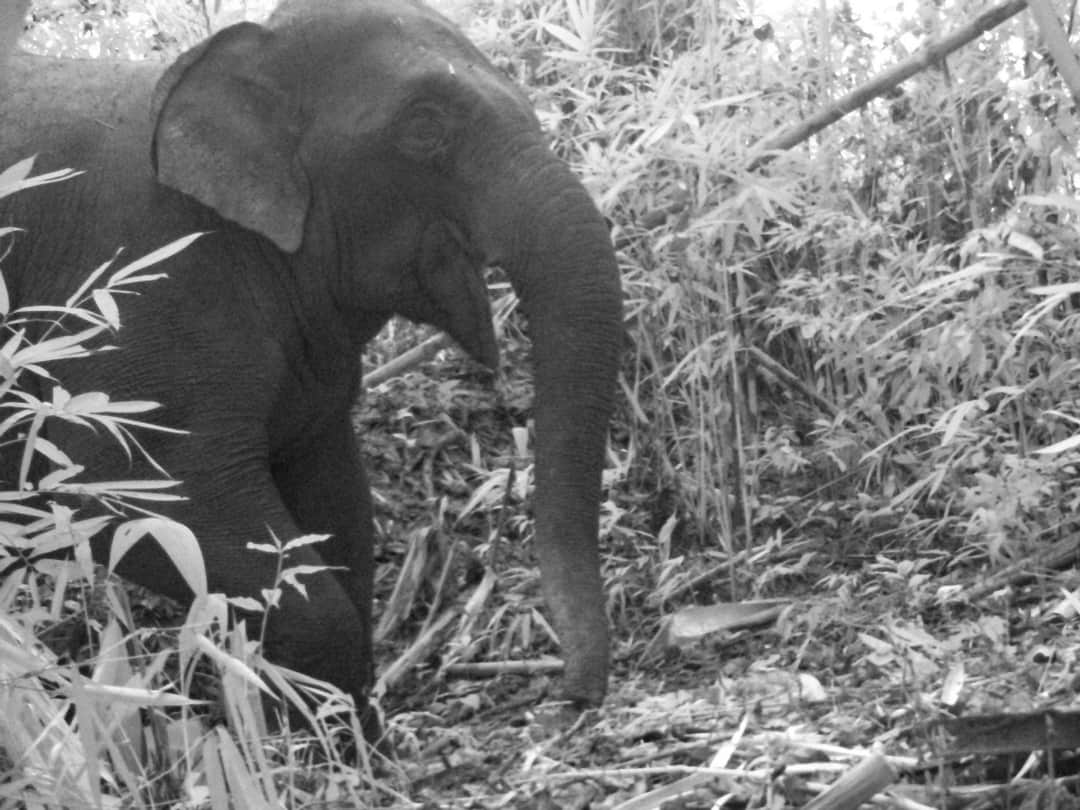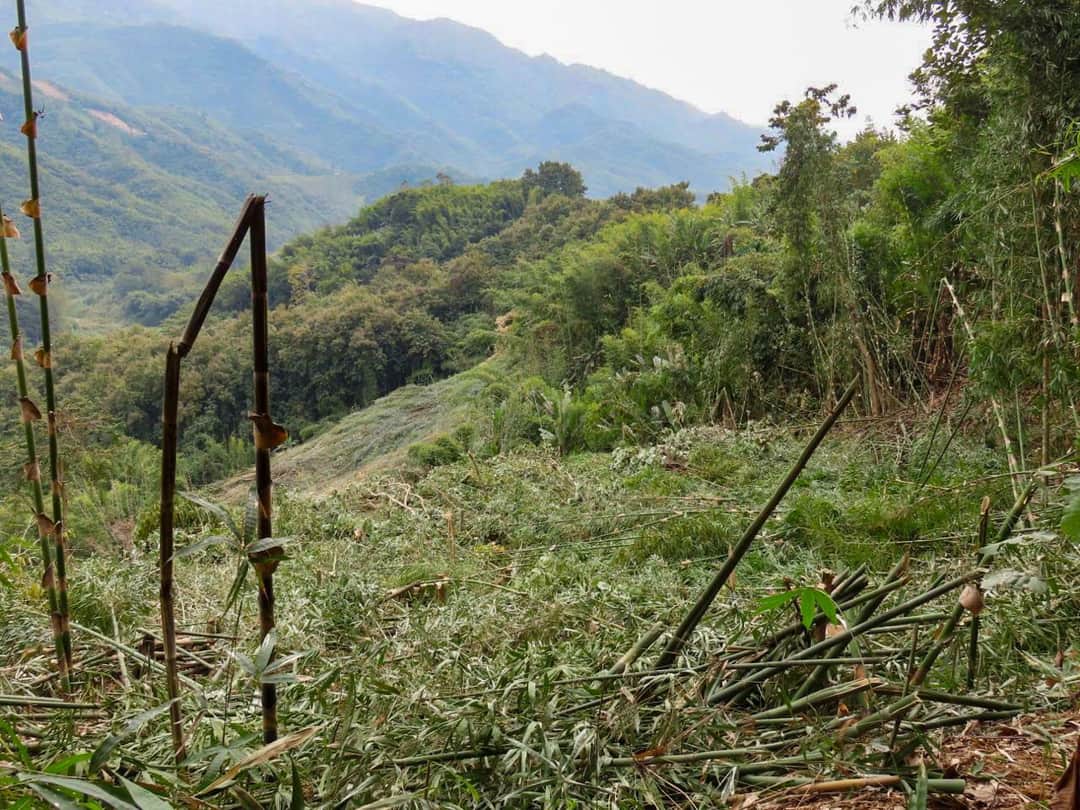

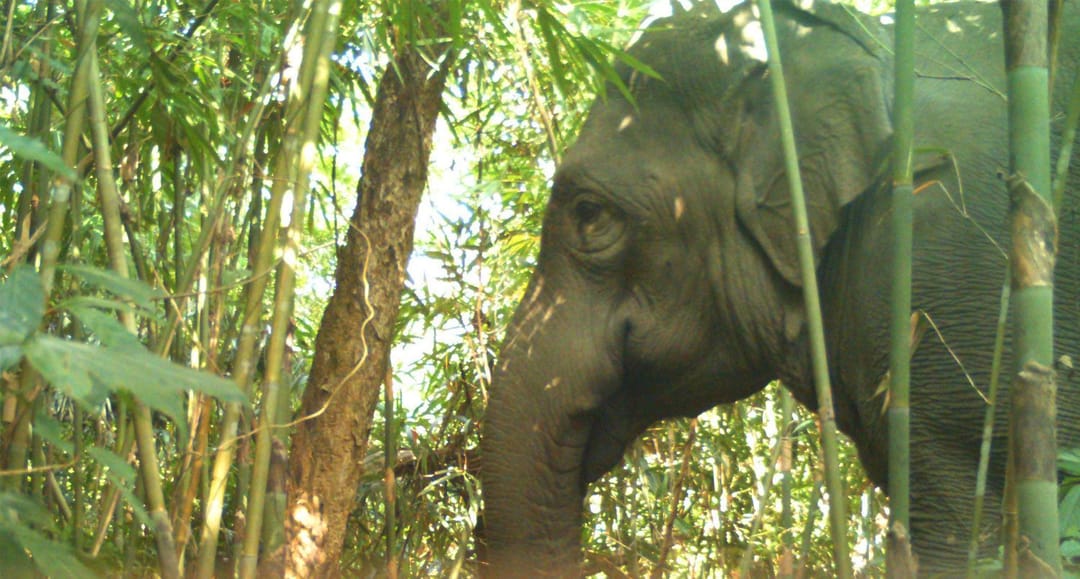
“One jab of its tusk destroyed seven bags of harvest.”
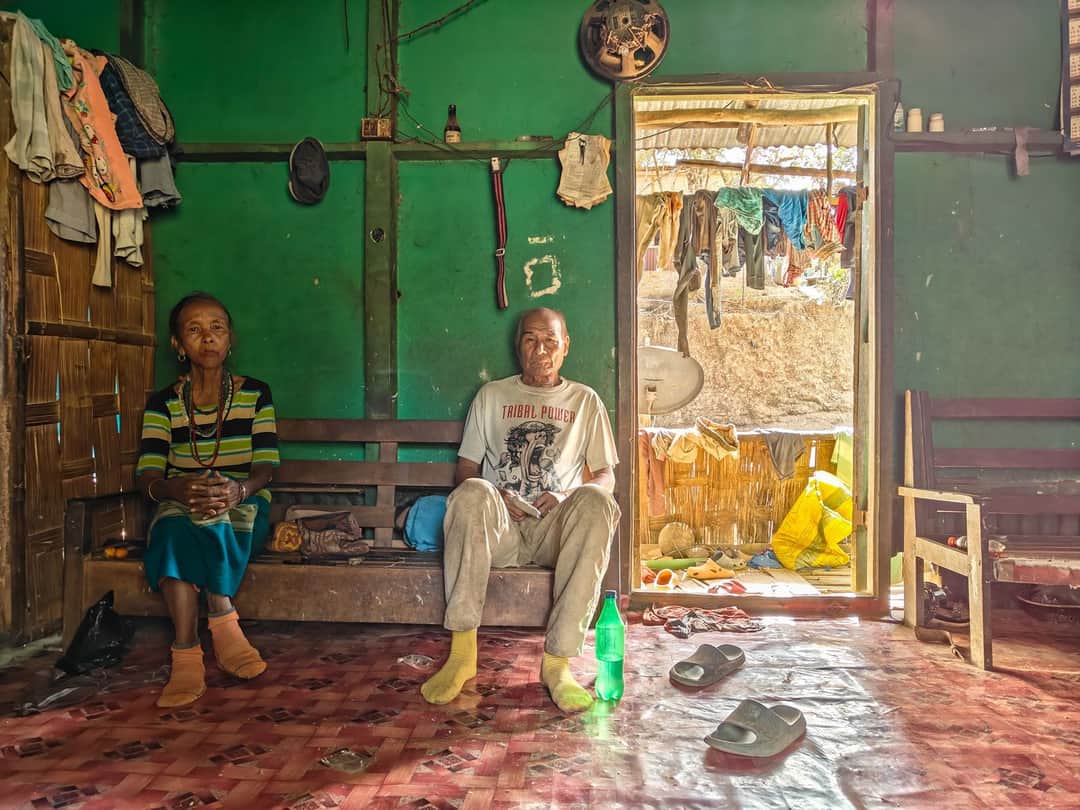
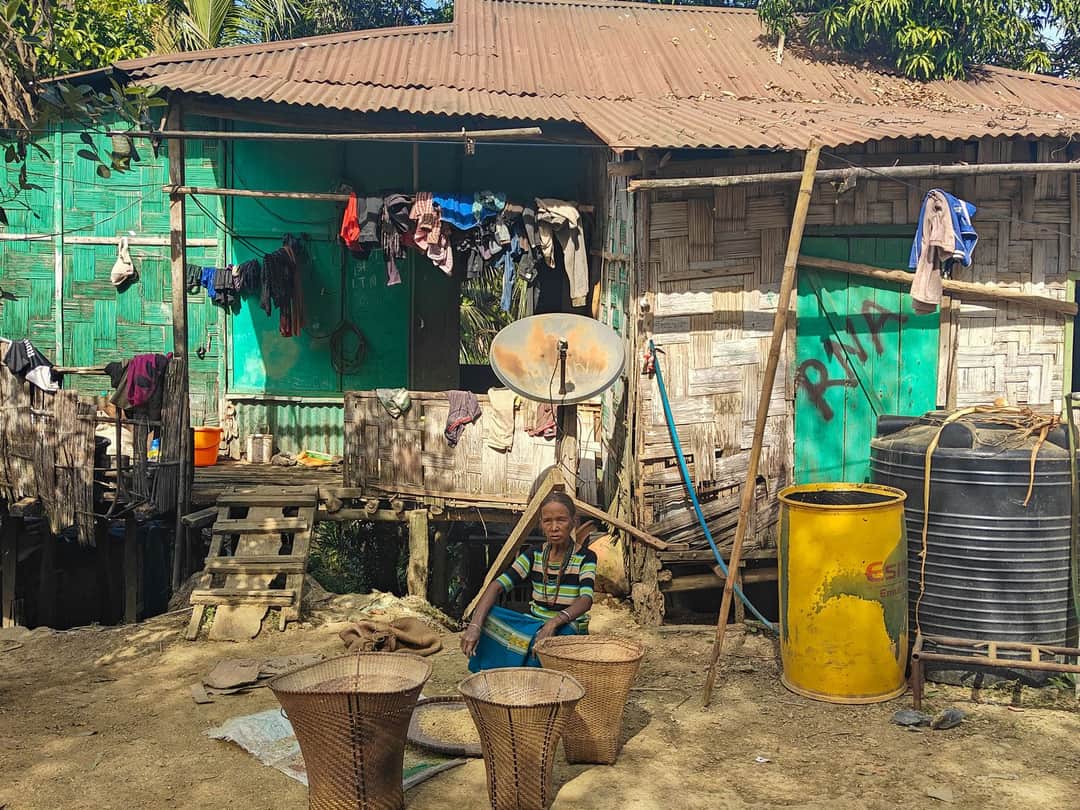
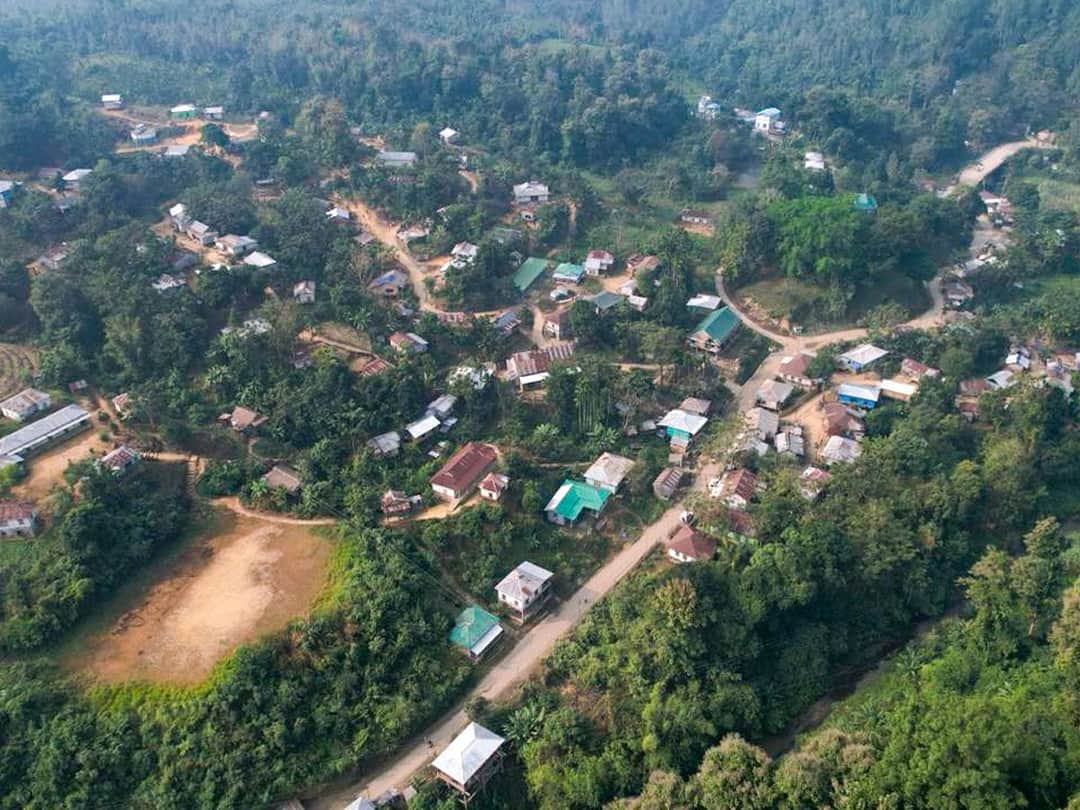
A year has passed but Rampara has not forgotten the damage caused by the lone elephant in his home in village Damparengpui.
Seven bags of produce equal five tin containers of mustard, which is about 10-12 kilos. Here in Mizoram, tin cans are traditionally referenced to measure scale or weight of bags used to store food.
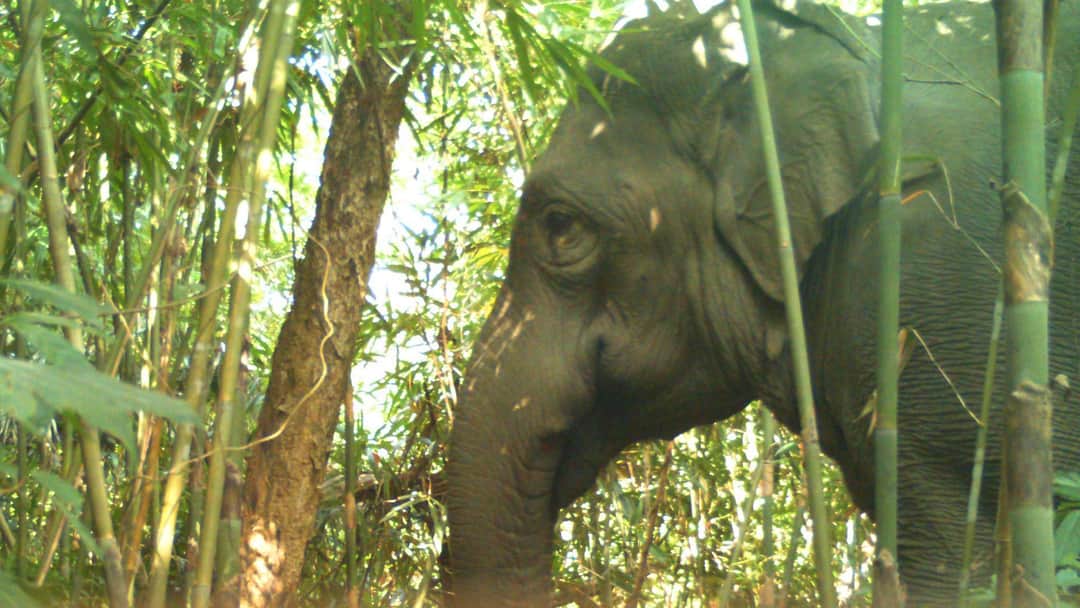
“The mustard is bad now, after the elephant licked it,” he adds. The elephant also destroyed the paddy stored inside his bamboo watch shed with a mere thrust of its tongue.
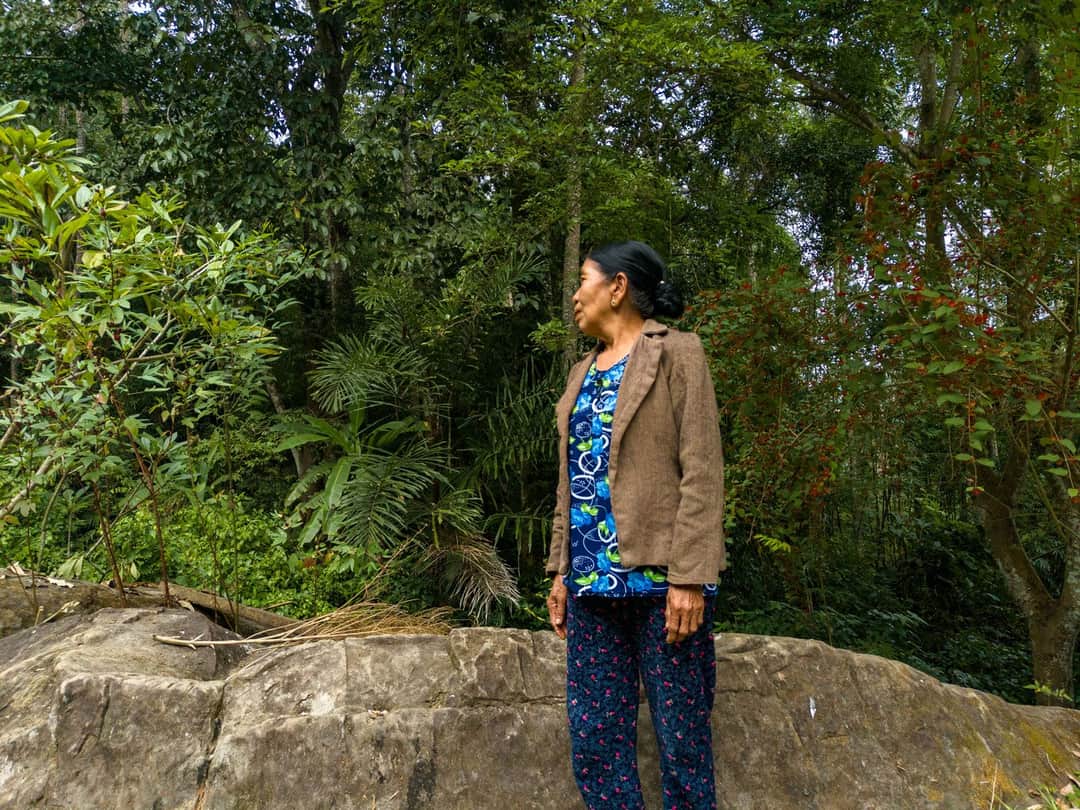
But the 73-year-old Rampara is a forgiving sort. “The mayung [elephant] is good. It never attacks humans. At most, it destroys crops. It comes for food and goes away.” A farmer and bamboo handicrafts artisan, Rampara belongs to the Reang (also spelled as Riang) tribal community.
He goes on to tell PARI that the elephant is shy. “Whenever it hears a human sound, it hangs its long ears low.” And its visits to farms have decreased – from three or four raids in 2022 and 2023, to twice in 2024 and only once in 2025.