
“To get them to even come to school is a challenge.”
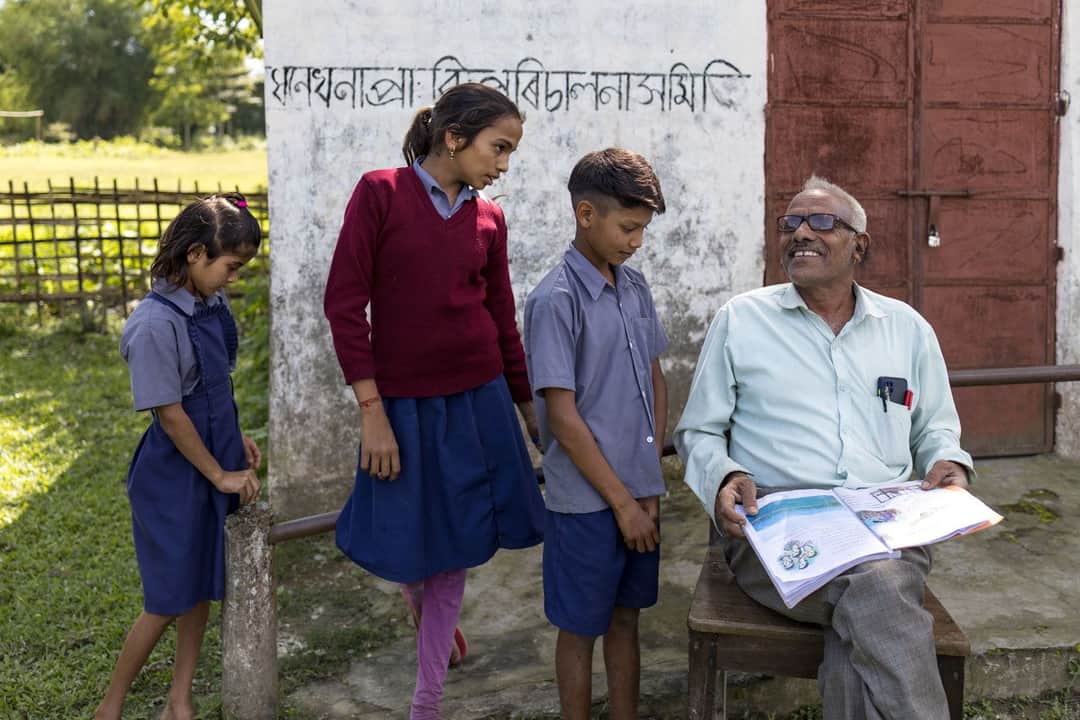
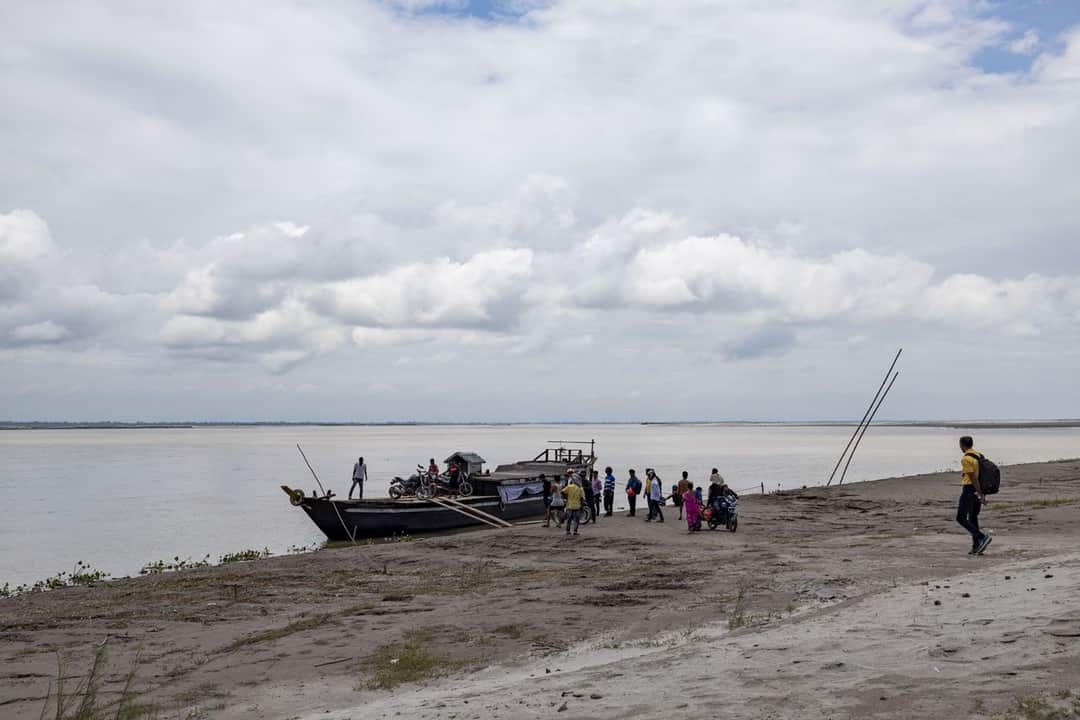
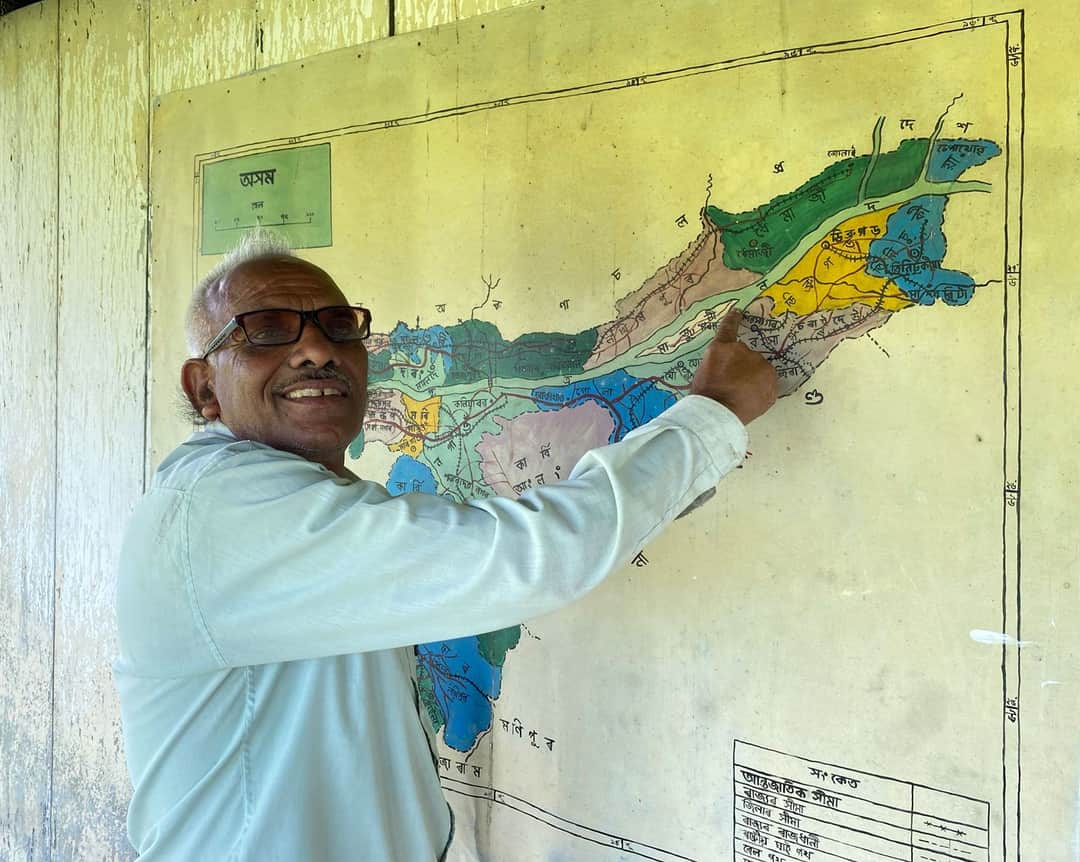
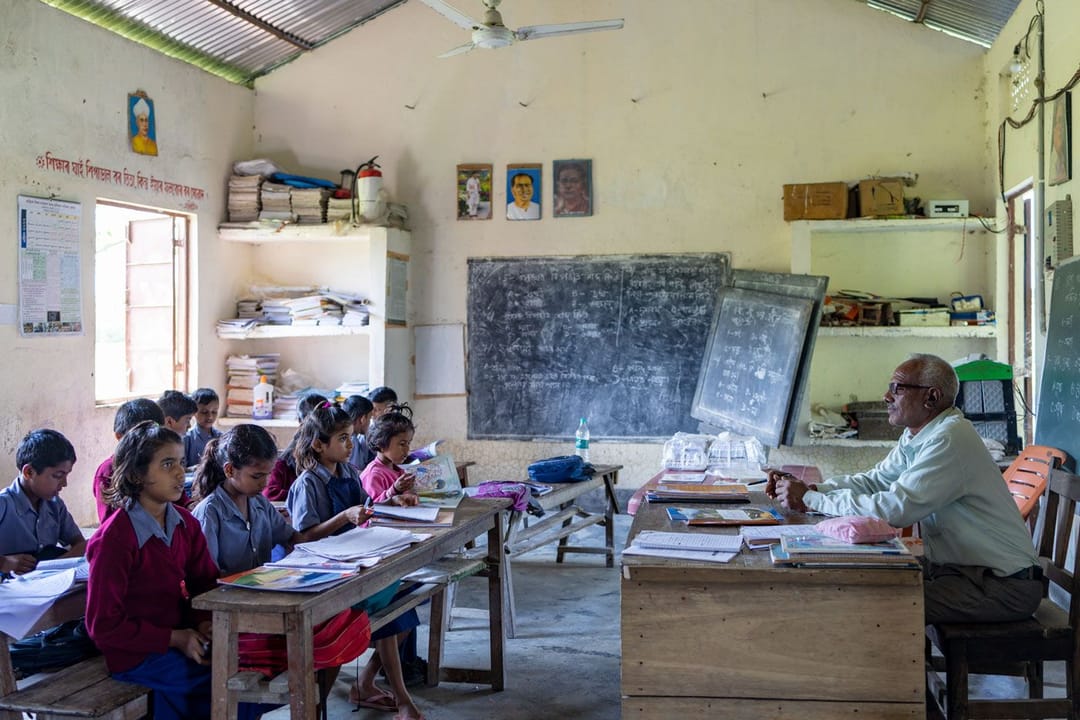
Headmaster Siwjee Singh Yadav’s words carry the weight of his 34 years of experience. Yadav, or ‘masterji’ as his students call him, runs the only school on Dabli Chapori. Most of the children of the 63 families that inhabit this island in the Brahmaputra river, in Assam’s Majuli district, attend this school.
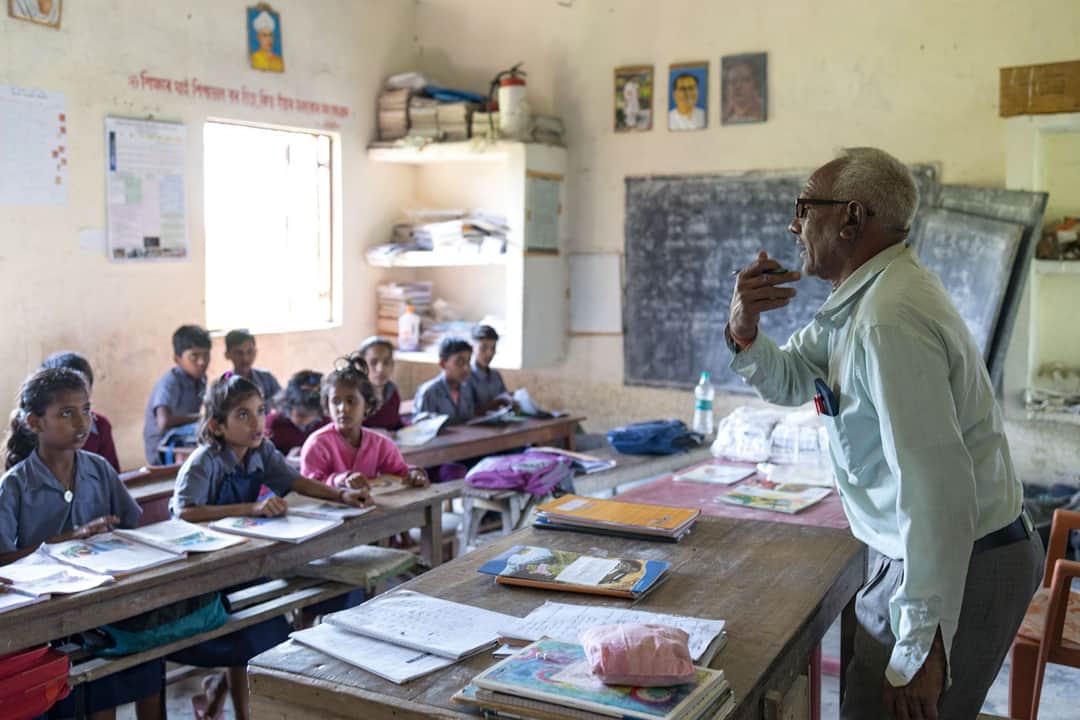
Seated at his desk in the only classroom of Dhonekhana Lower Primary School, Siwjee looks around him, smiling at his students. Forty-one bright faces – all 6 to 12 year olds and students of Classes 1-5 – stare back at him. “Teaching, imparting education to the small ones – that is the real challenge,” he says, and adds, “They would rather run away!”
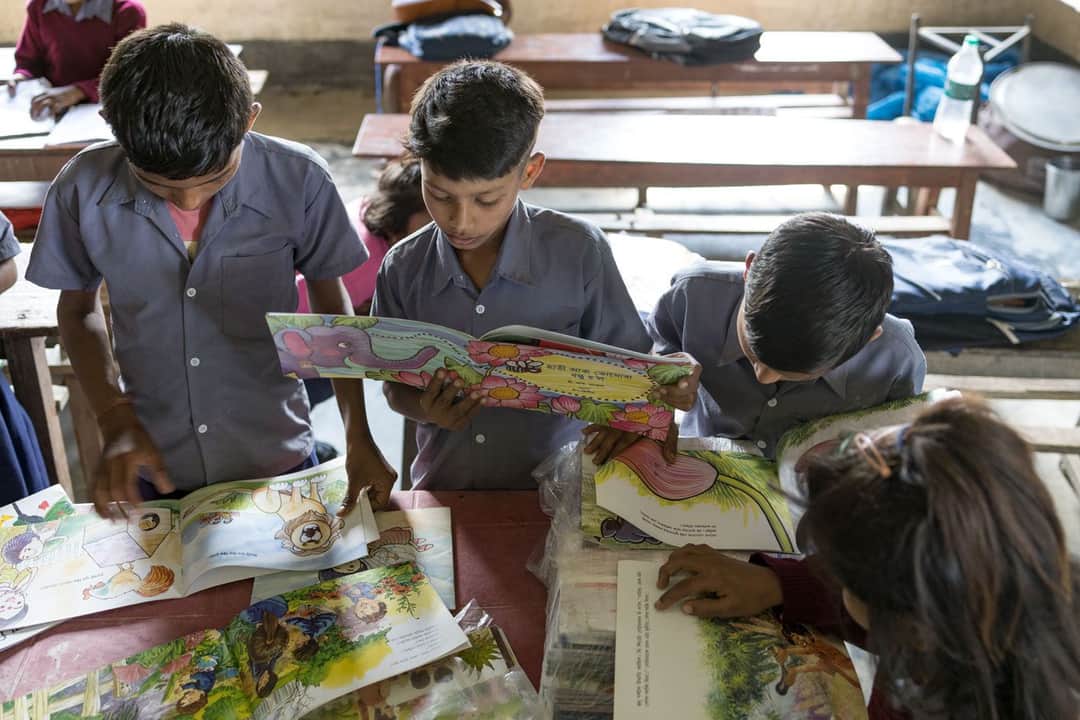
Before gathering pace on reviewing the Indian education system, he pauses and calls out to some of the older students. He instructs them to open a packet of story books in Assamese and English sent by the state government’s Directorate of Elementary Education. He knows that the excitement of new books will keep his pupils busy and allow him to talk to us.
“What the government pays a college professor they should pay a primary school teacher; we are the ones who set the foundation,” he says, emphasising the importance of elementary education. But, he says, parents don’t take primary schooling seriously believing that only high school matters – a misconception he works hard to correct.