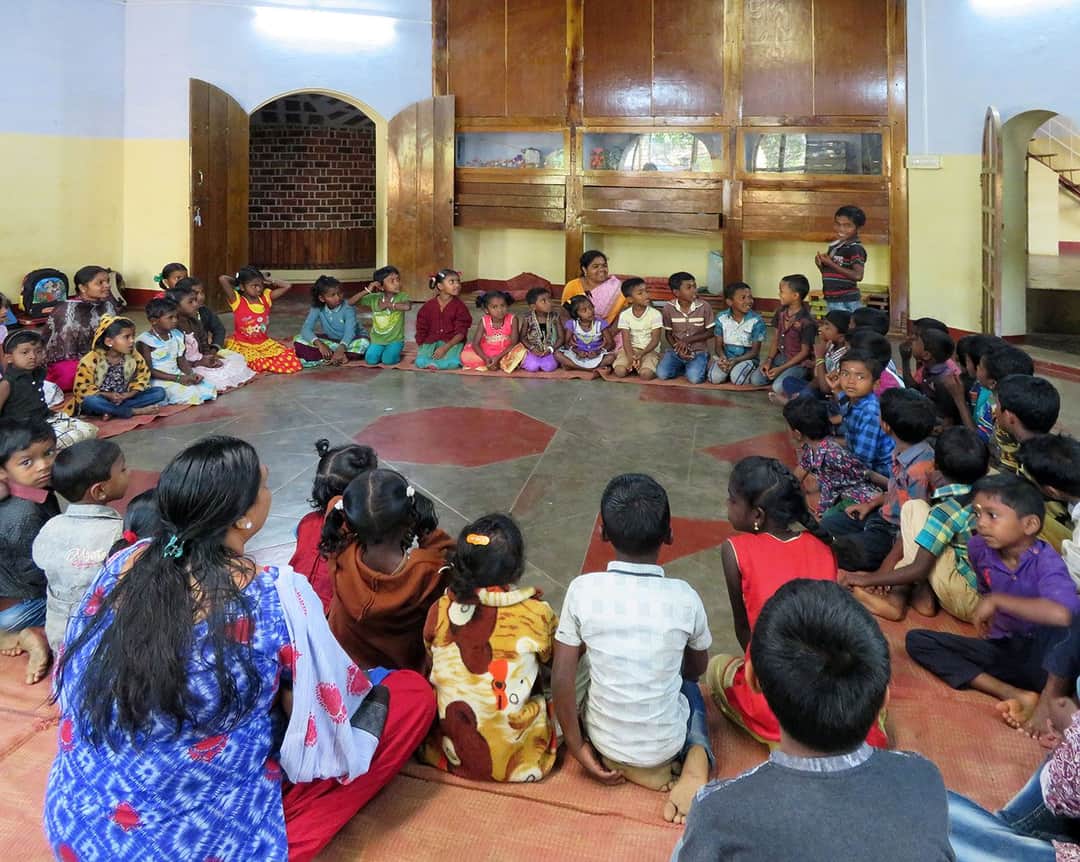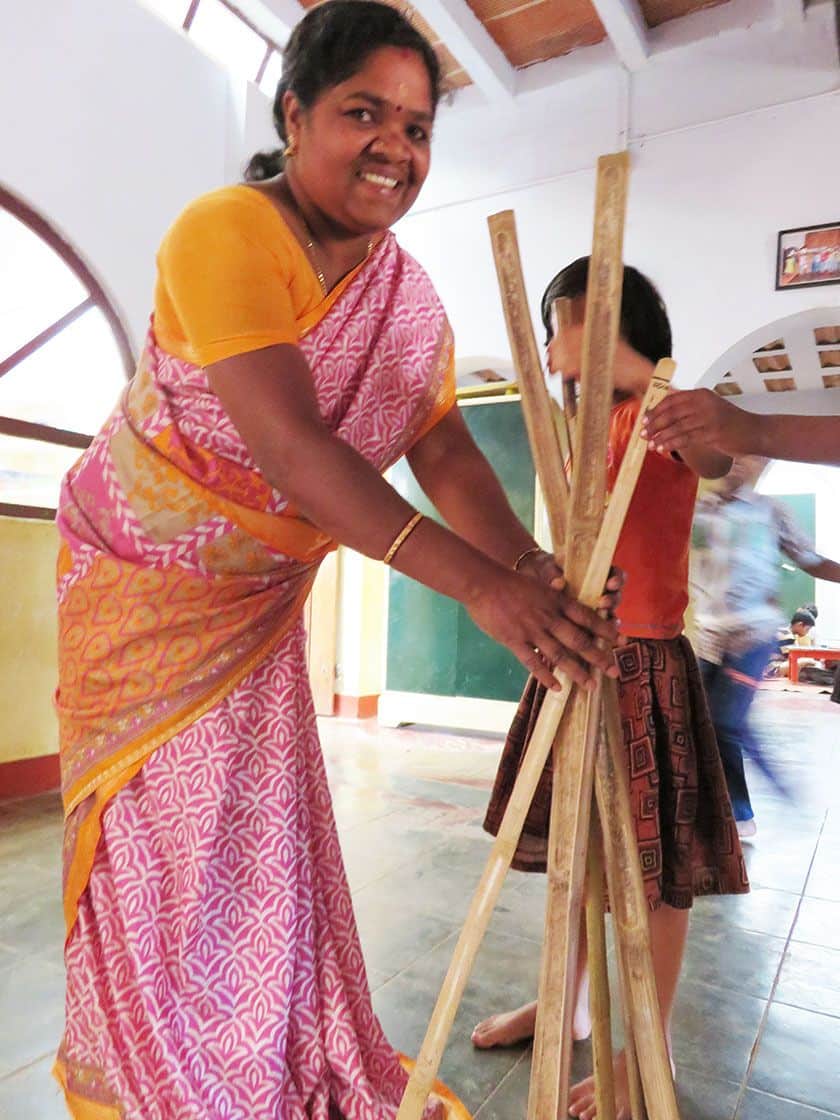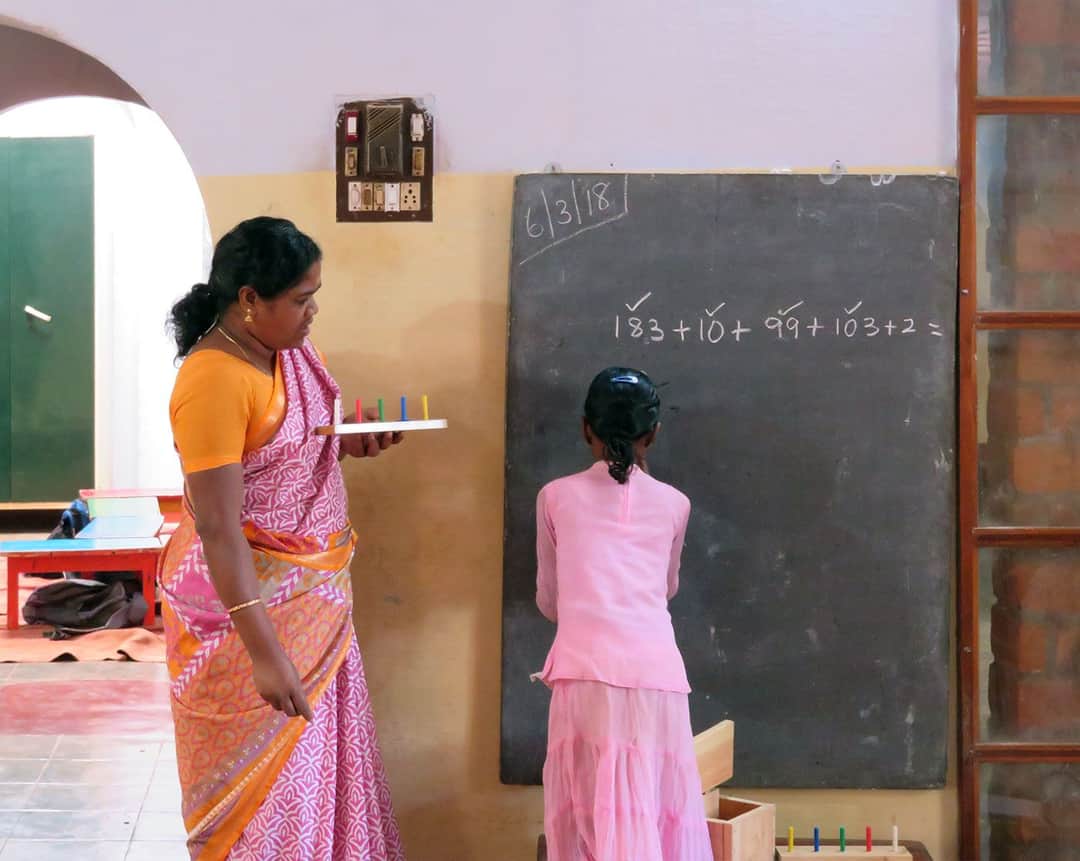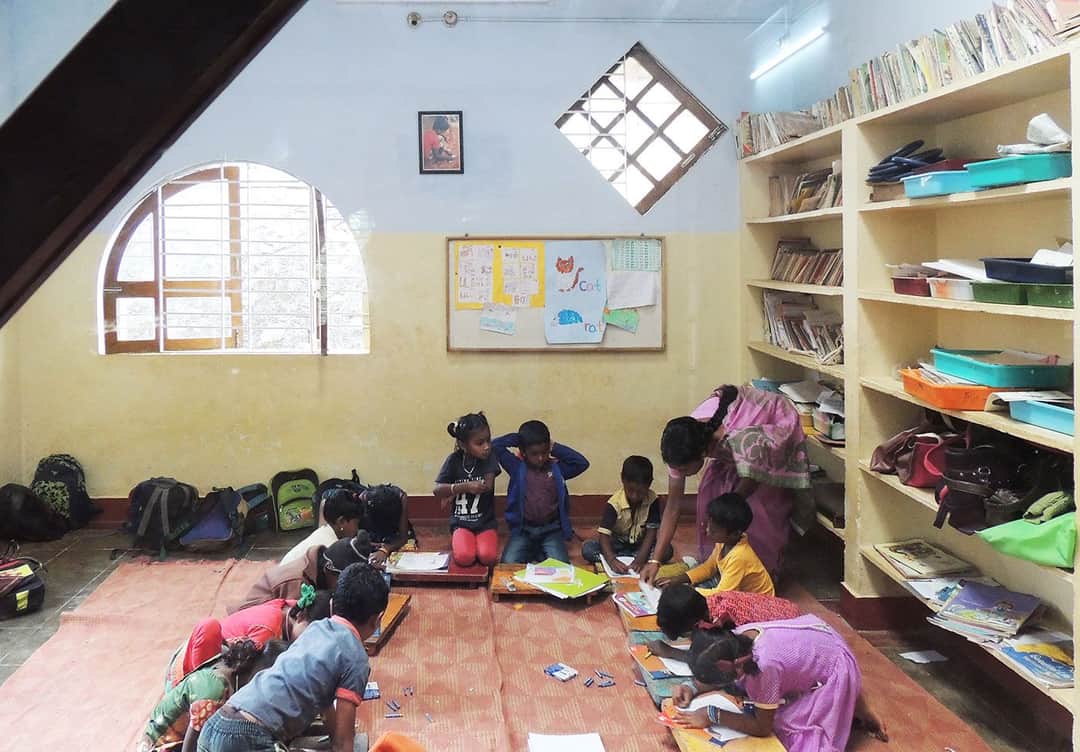

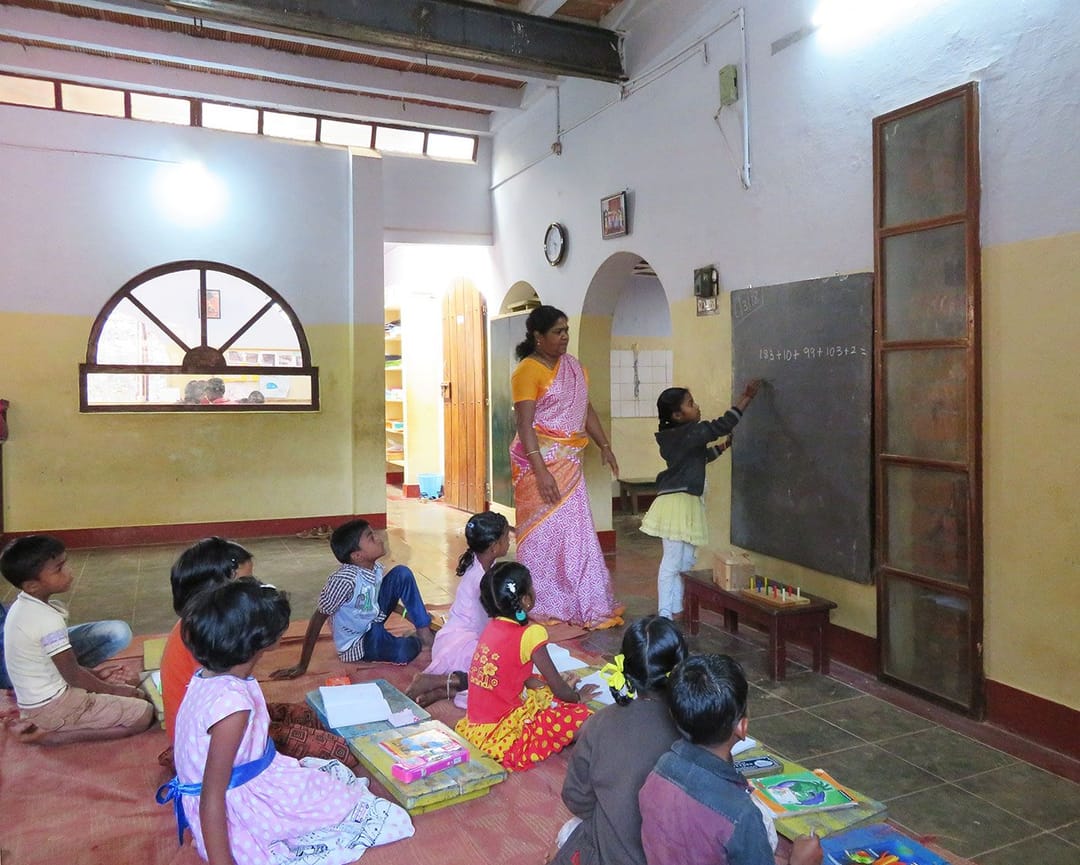
The forest enters the classroom at Vidyodaya School, Gudalur, when ‘Shanthi Teacher’ starts the mathematics session. Adivasi children, mostly nine-year-olds in this class, scurry outside, climbing trees and scouring the forest floor for long sticks. Later, they will mark these into metre lengths and measure the walls of their homes. Lessons on simple measurement begin this way.
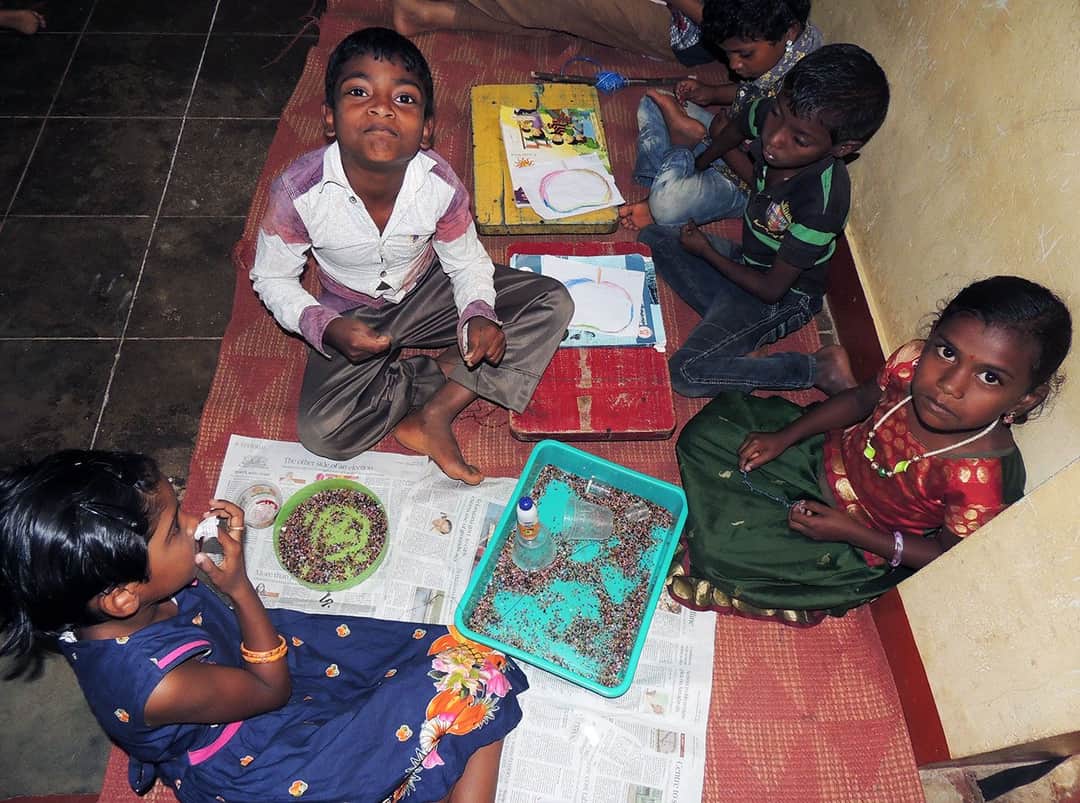
Much of the curriculum at this school in Gudalur taluk of Tamil Nadu’s Nilgiris district incorporates the forests and the Adivasi way of life. Morning assembly has tribal songs and dances. Afternoons are spent learning tribal crafts. Regular ‘nature’ walks in the forest, sometimes led by one of the parents, teach the students about plants, pathways, observation and the importance of silence.
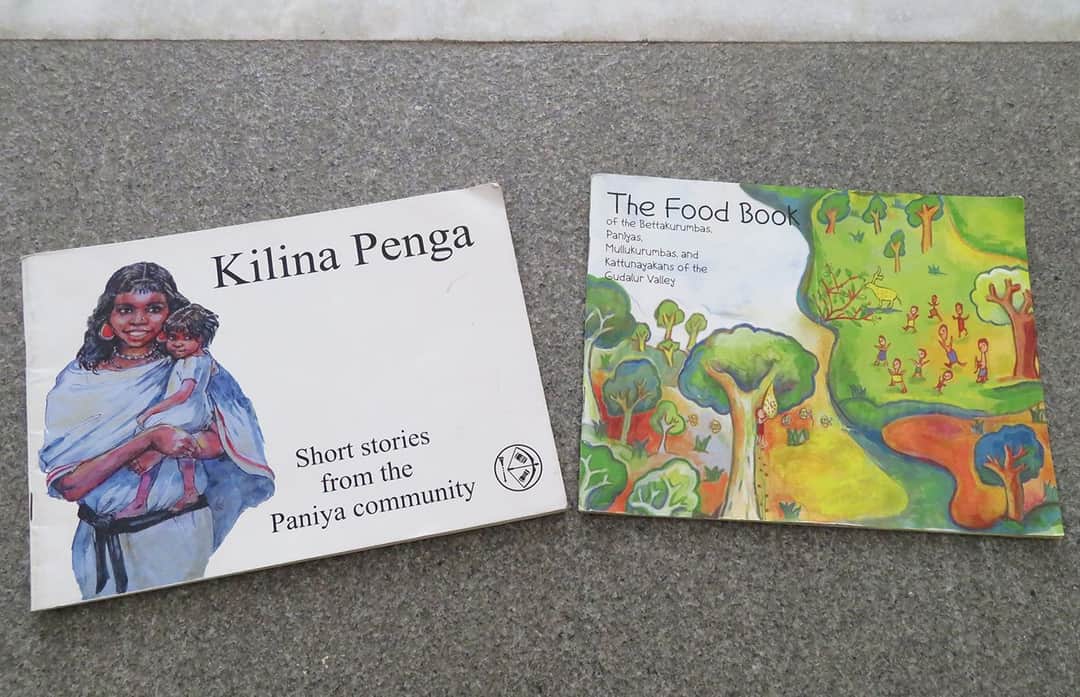
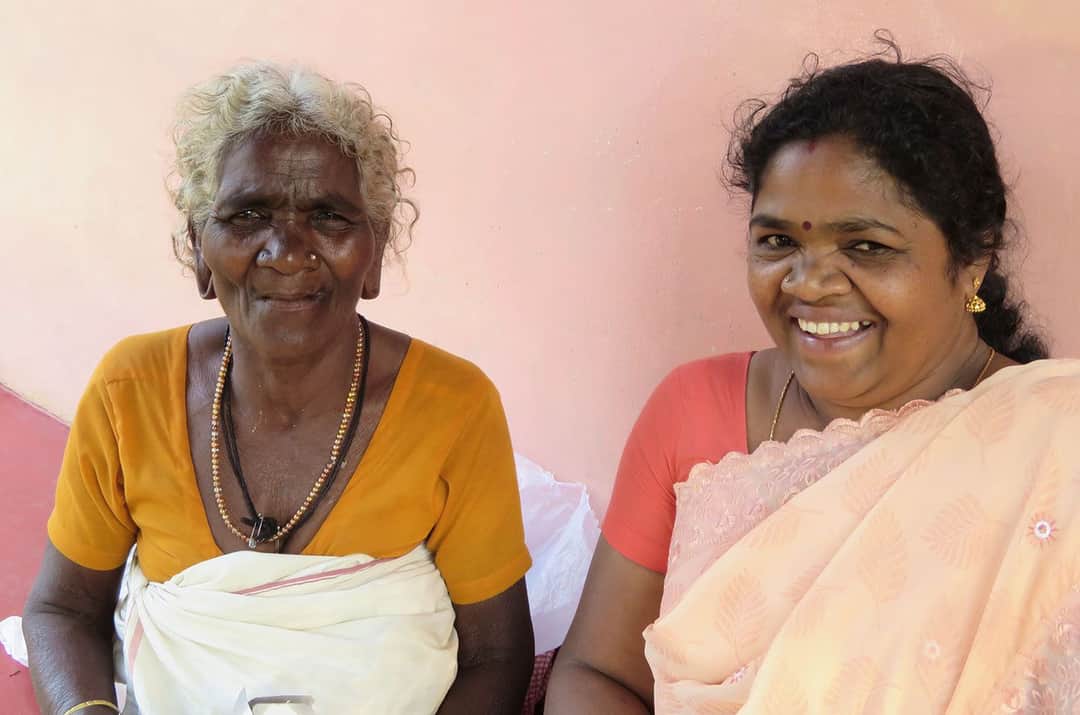
A Vidyodaya textbook called The Food Book has exercises that draw on the hunting, fishing, culture and cultivation traditions of local tribes. In library class, a student can pick up Kilina Penga (Sister of the Parrots), a book of short stories of the Paniyan tribe, curated by the school. Parents often visit, sometimes as guest lecturers on tribal customs. “We want to ensure that schooling nurtures Adivasi culture and does not alienate tribal children from their parents,” says Rama Sastry, former principal and main architect of the school’s inclusive curriculum. Having Adivasi teachers, sympathetic and committed to these aims, helps. As Janaki Karpagam, a senior teacher and Paniyan Adivasi herself, puts it: “If our culture is taught in schools, there is no shame and children will never forget.”