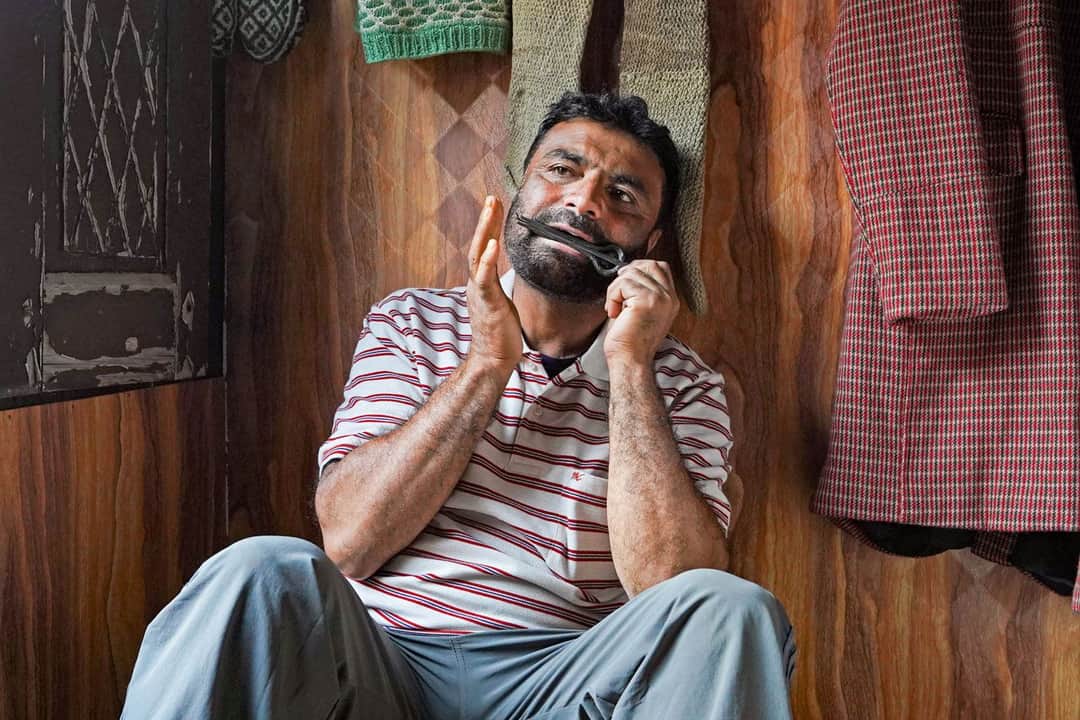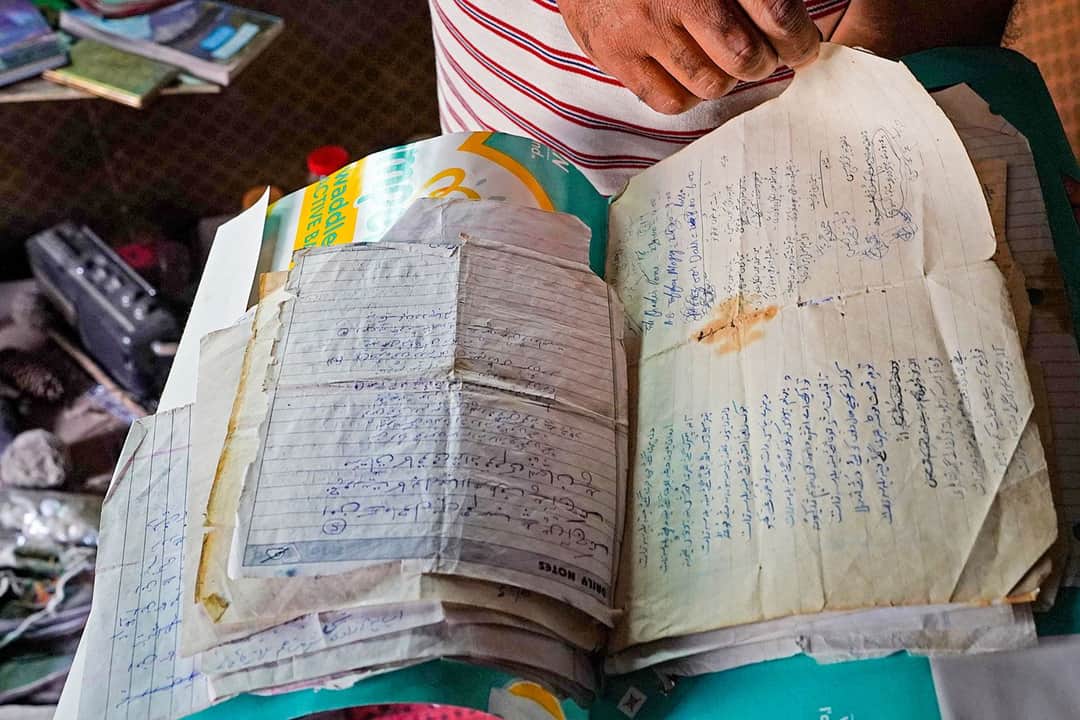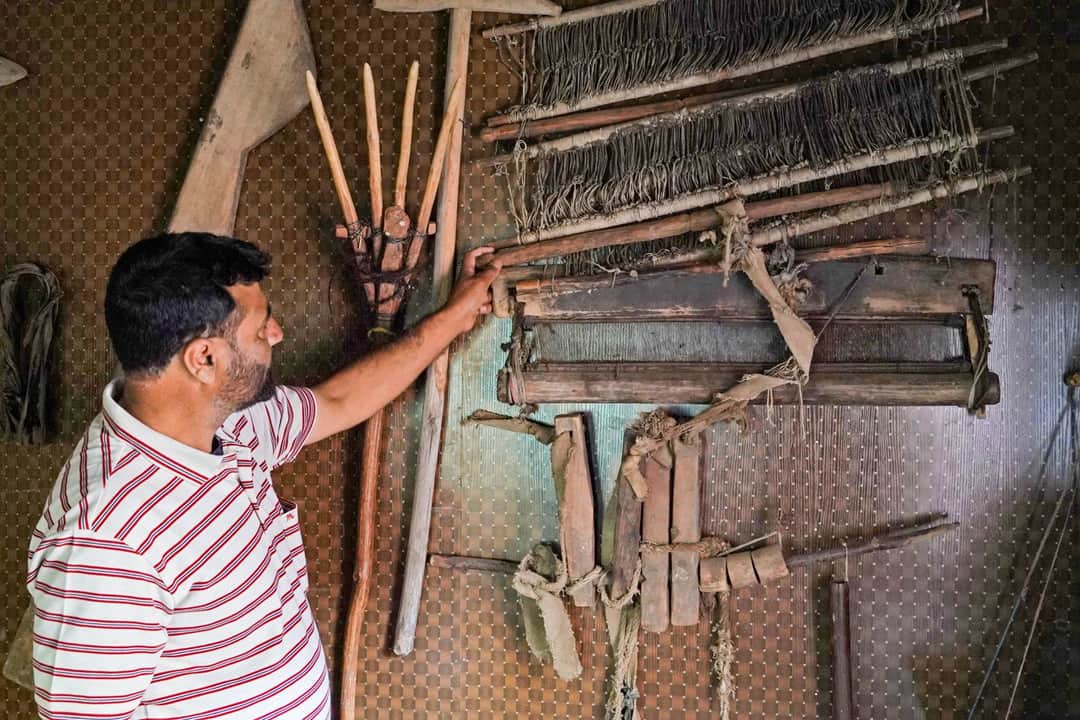

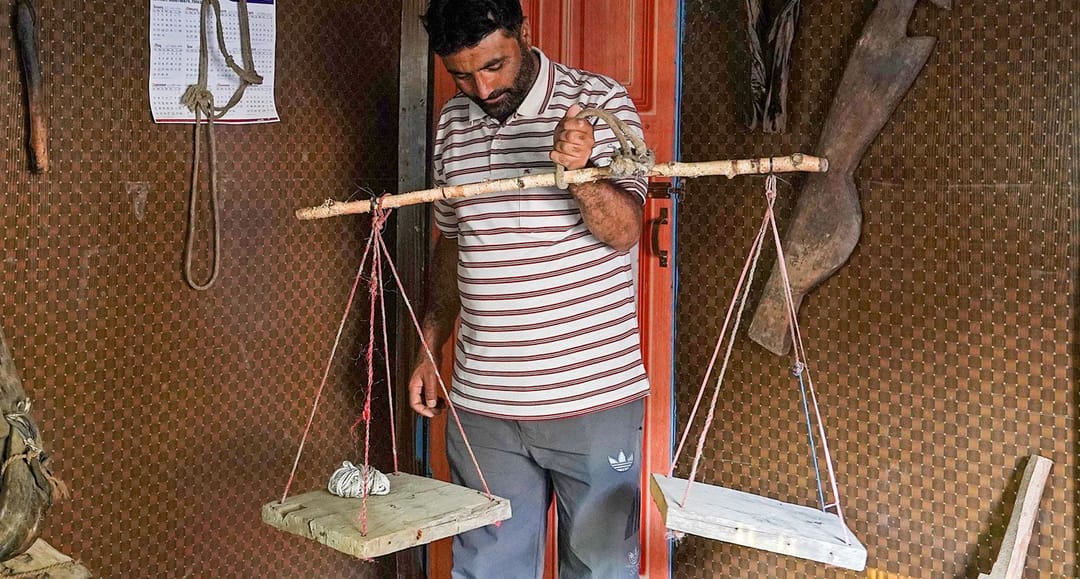
An ancient wooden saddle, an old loom, a wooden polo mallet, grass slippers, old silver jewellery, a crumbling Shina poetry manuscript, traditional combs used as ornaments for women in weddings and more. These are just some of the antiques of everyday life that Bashir Ahmad Teroo has on display in his museum.
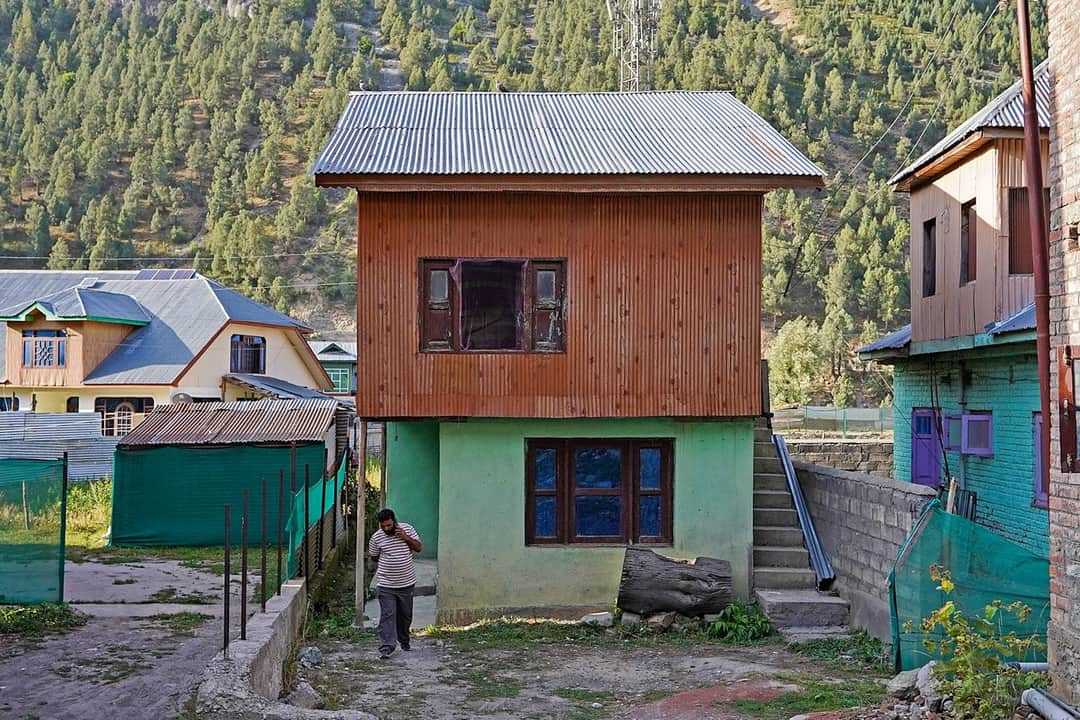
Bashir belongs to the Dard-Shin tribe who live mostly in Gurez and Drass. For the last five years, from across Gurez valley, people have been handing over precious heirlooms and other old objects of daily use to the Dardshin museum that he curates and houses in Dawar.
“I have seen people throwing away antiques from their houses because they think these things are of no use, burning old clothes, throwing away farming tools no longer used,” he recalls. So, what was earlier discarded as outdated, thrown away or even burnt, has now found a warm home in his museum.
Bashir believes that his job as a state healthcare worker has helped him curate this museum of his people’s history. The 44-year-old state employee says people trust him, and that made the process of curating the museum so much easier. Here in Kashmir’s Gurez valley, winter snow cuts off residents for six months of the year, and state healthcare facilities are thin on the ground. Community health workers like Basheer’s work are critical, and people’s trust in him is absolute.