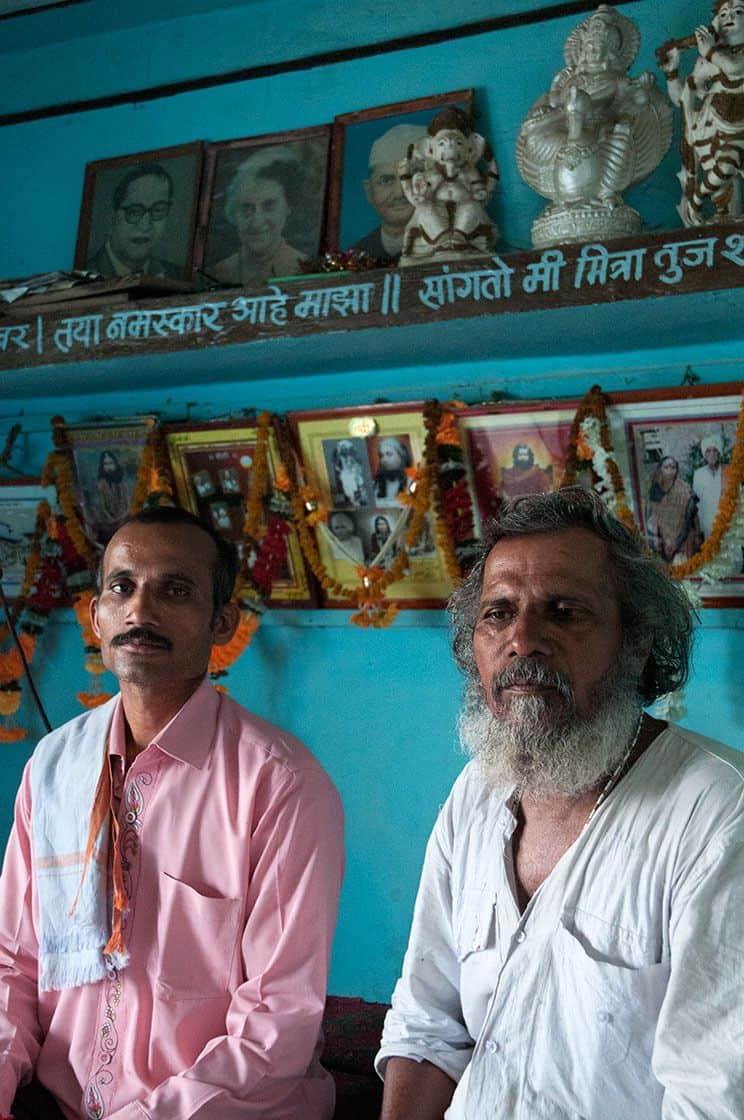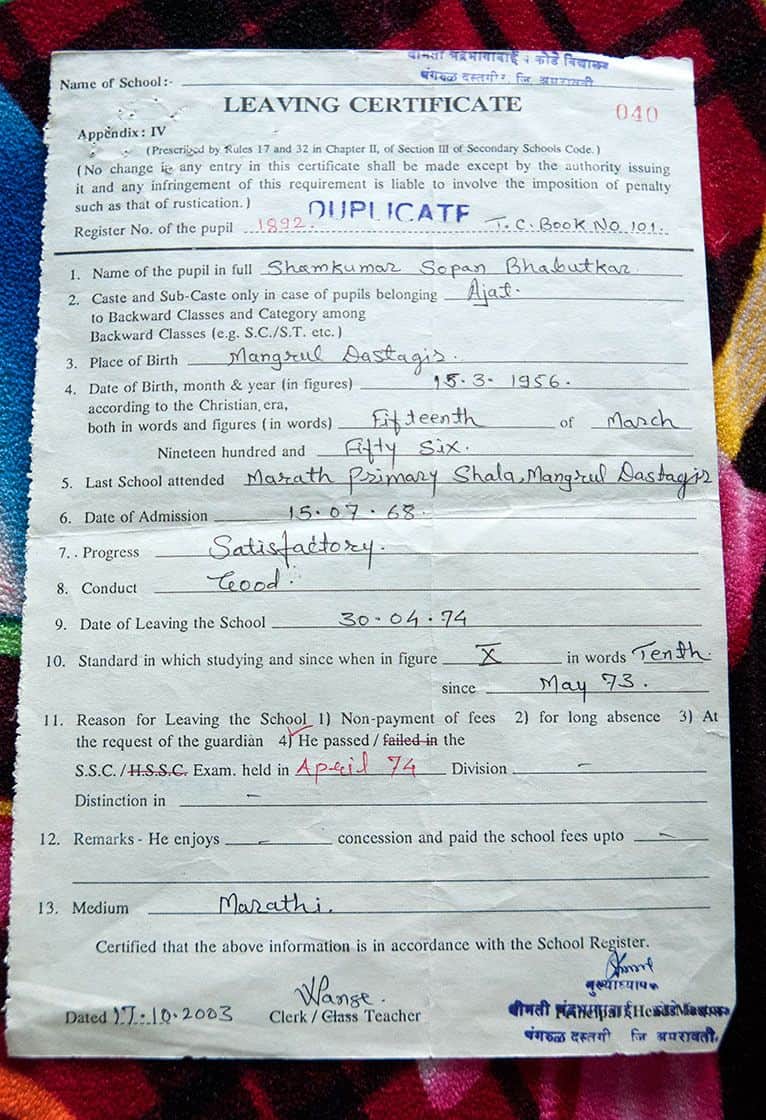

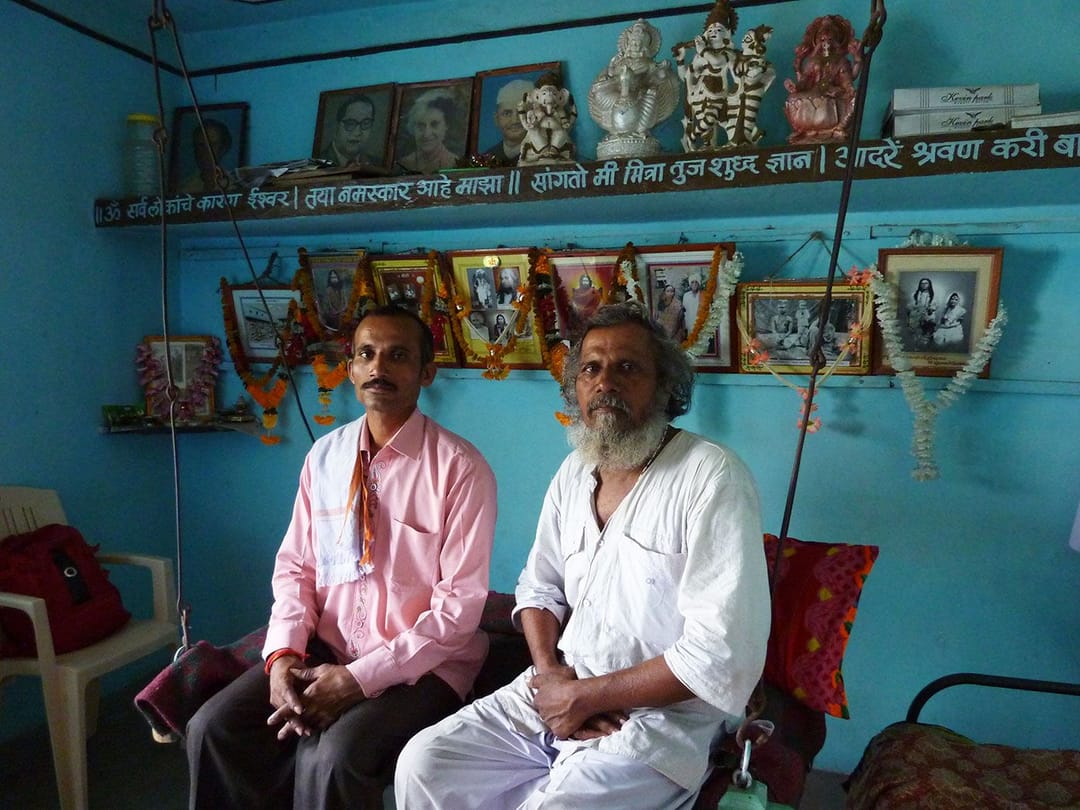
Amitabh Bachchan has said that if ever asked about his caste by Census enumerators, his answer would be: Caste – Indian. That, of course, would do little more than stoke the media’s Bollywood feeding frenzy yet again. Shyam Maharaj is no Bachchan. Nor is his brother, Chaitanya Prabhu. But they and the followers of their fraternity are likely to throw up far more complex answers – and questions – if Census enumerators do finally pop that query on caste. “Our answer: we are ajaat. Here is my school leaving certificate to prove that. But you can write what you like,” Prabhu tells us at his house in Mangrul (Dastgir) village of Amravati district in Maharashtra.
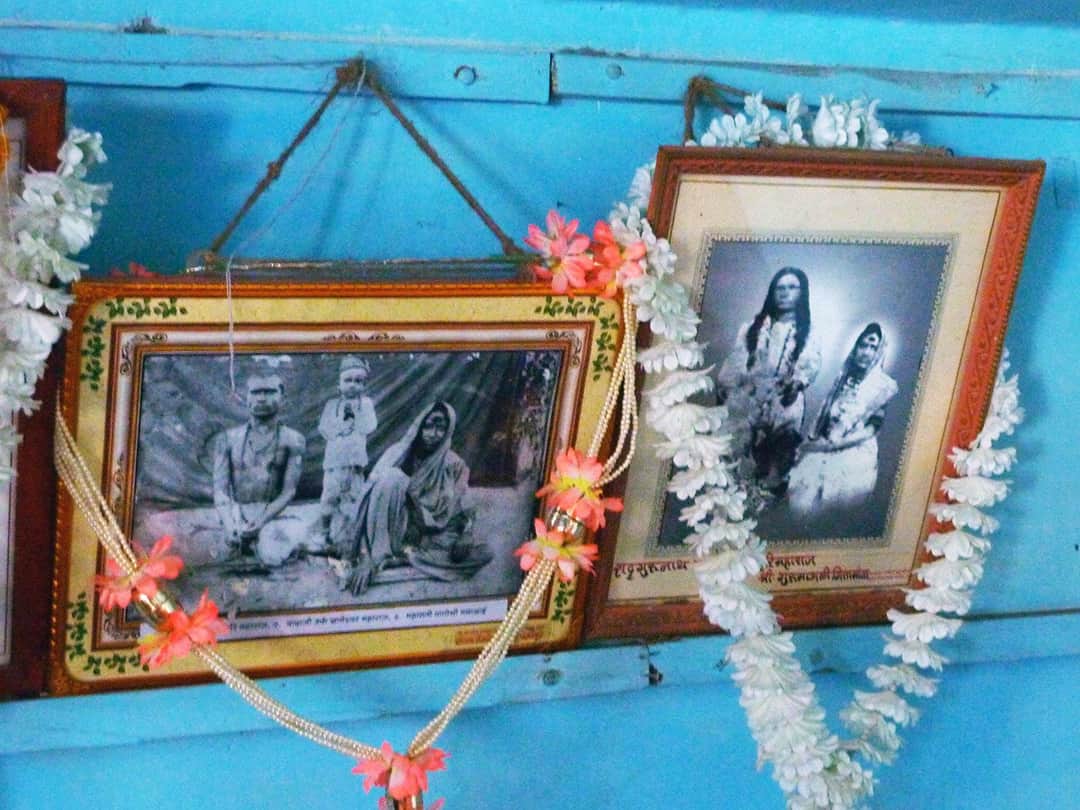
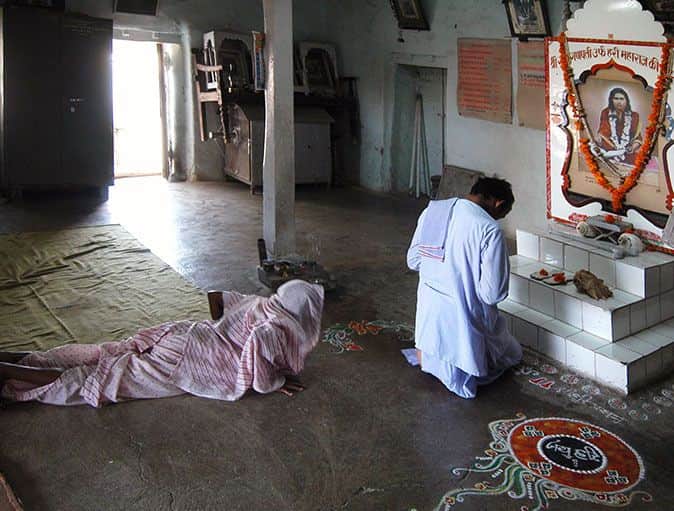
Ajaat literally means people without caste. The ajaat was a bold social movement of the 1920s and ’30s that at its peak had tens of thousands of committed followers in what are present-day Maharashtra, Madhya Pradesh and Chhattisgarh. It was led by the colourful and eccentric social reformer Ganpati Bhabhutkar better known as Ganpati Maharaj. Chaitanya Prabhu and Shyam Maharaj are his surviving grandsons. Apart from the usual anti-liquor and anti-violence norms of such movements, Ganpati Maharaj threw in others. He attacked caste frontally. Many stopped idol worship at his call. He pressed for gender equality and even railed against private property. And, in the 1930s, he and his followers declared themselves as ‘ajaat’.
His inter-caste dining drive raised hackles in the villages he worked in. As one of his disciples P. L. Nimkar put it: “He would ask his followers from all castes to bring cooked food from their homes. This, he would mix up totally and distribute the mix as prasad.” Caste was his great target. “Inter-caste weddings and widow remarriage – that’s what he sought and achieved,” says Prabhu. “In our own family, from granddad to us, we married into 11 different castes, from Brahmins to Dalits. In our extended family there have been scores of such weddings.”
Ganpati Maharaj himself had such a marriage. He also “created the religion of ‘maanav’ (humanity) and opened the temple here to Dalits, offending the upper castes,” says Shyam Maharaj. “They filed cases against him and no one would touch his case. All the vakils here at the time were Brahmins.”