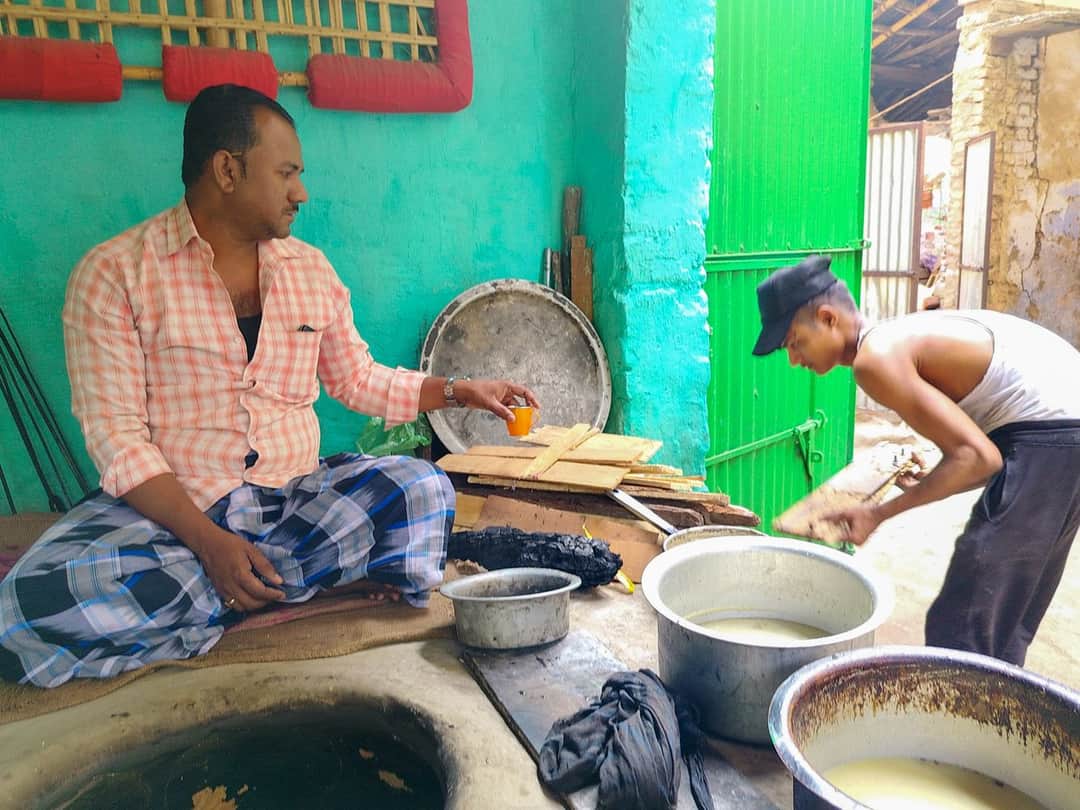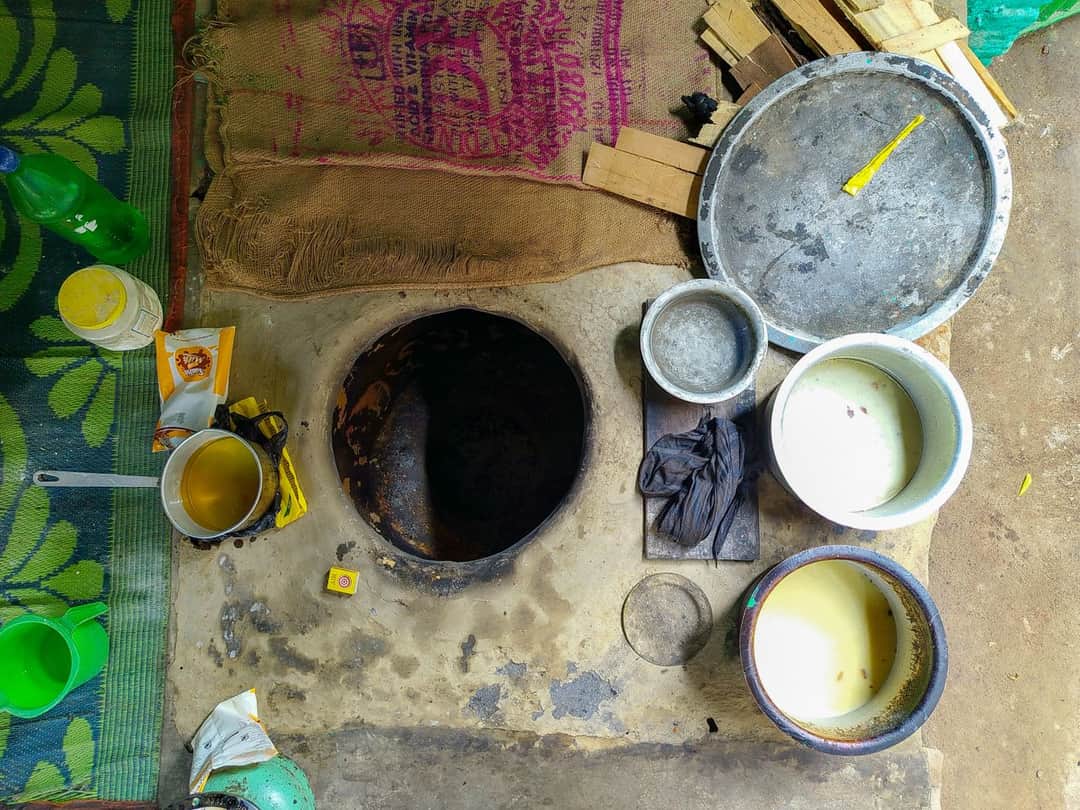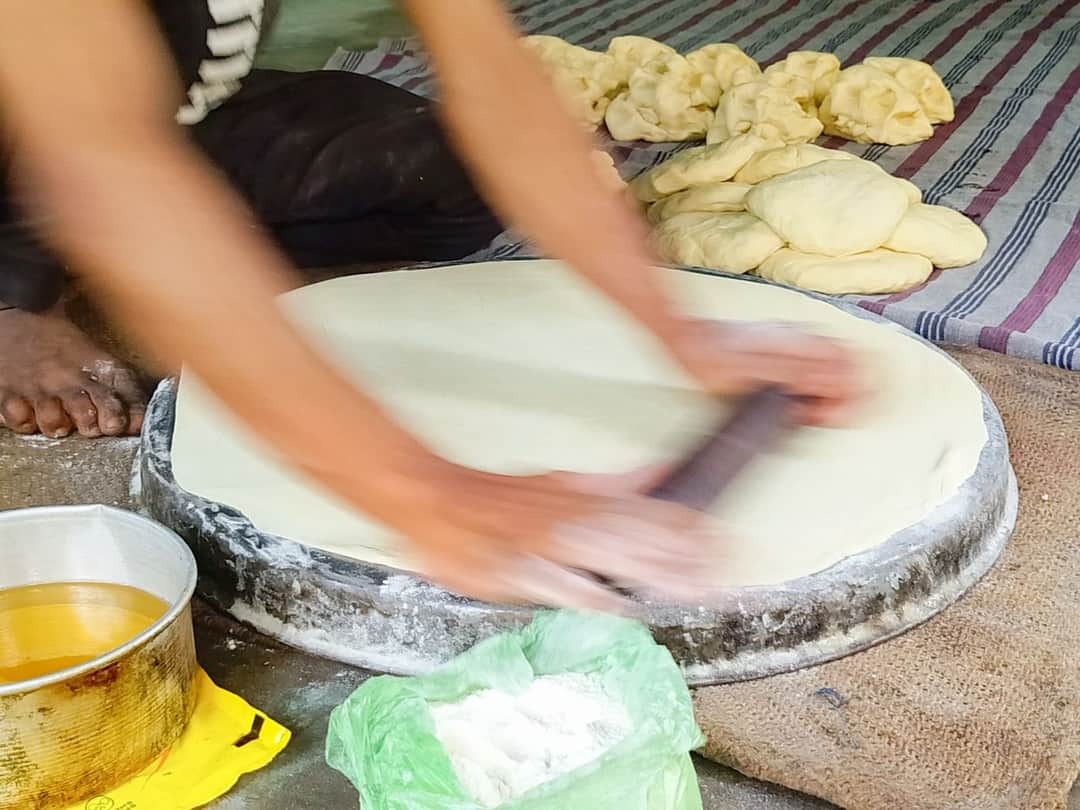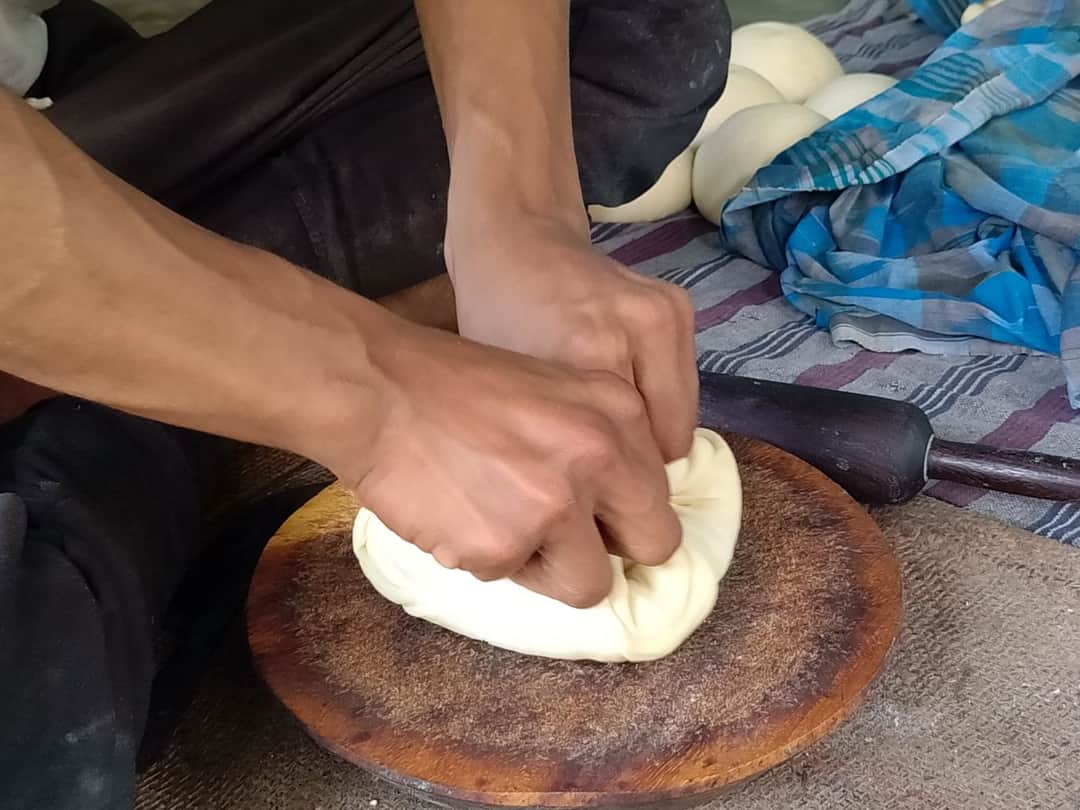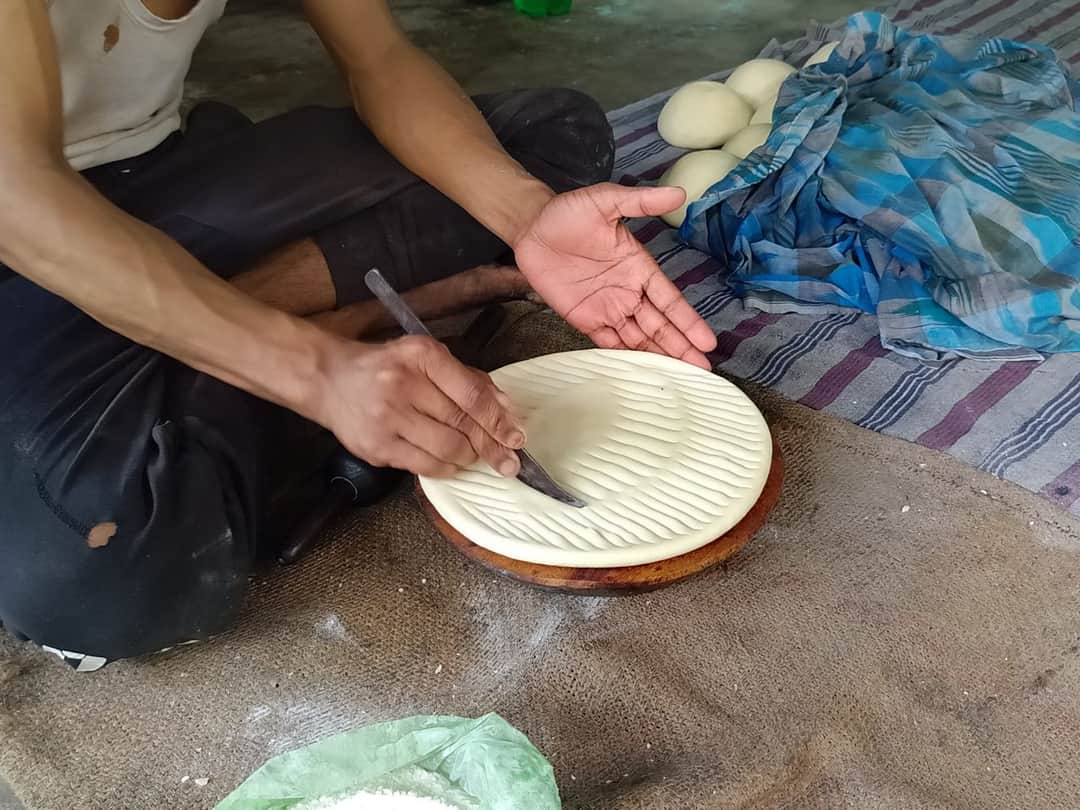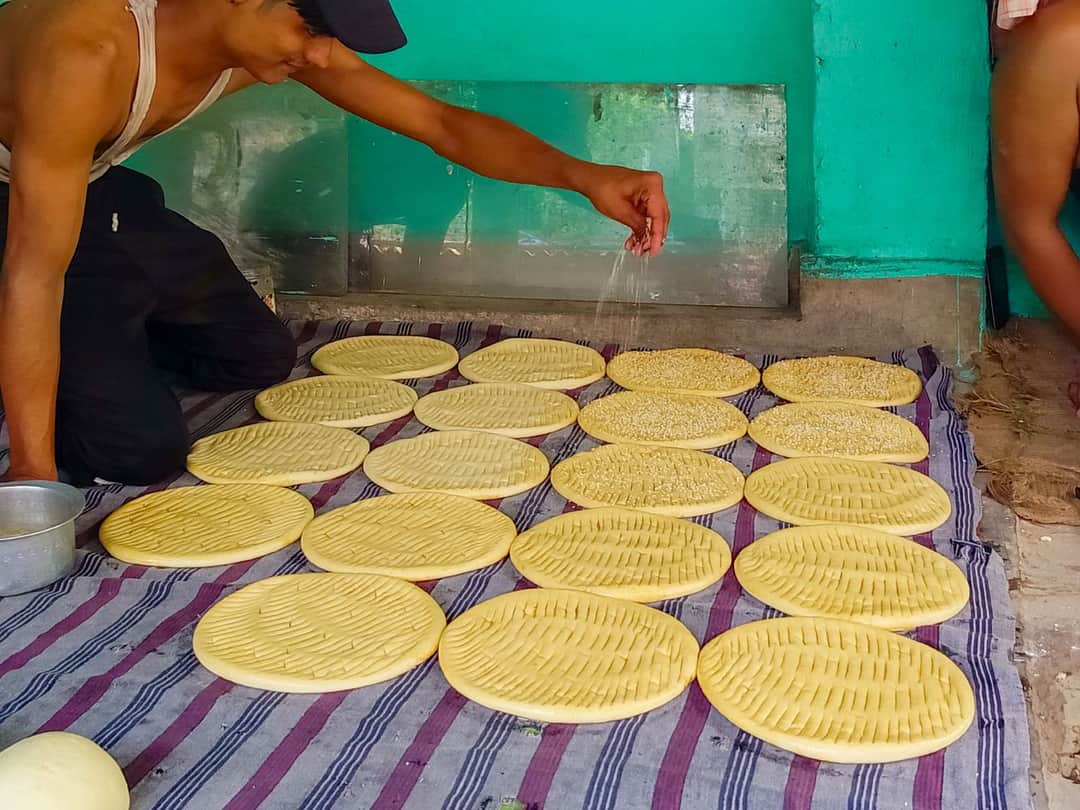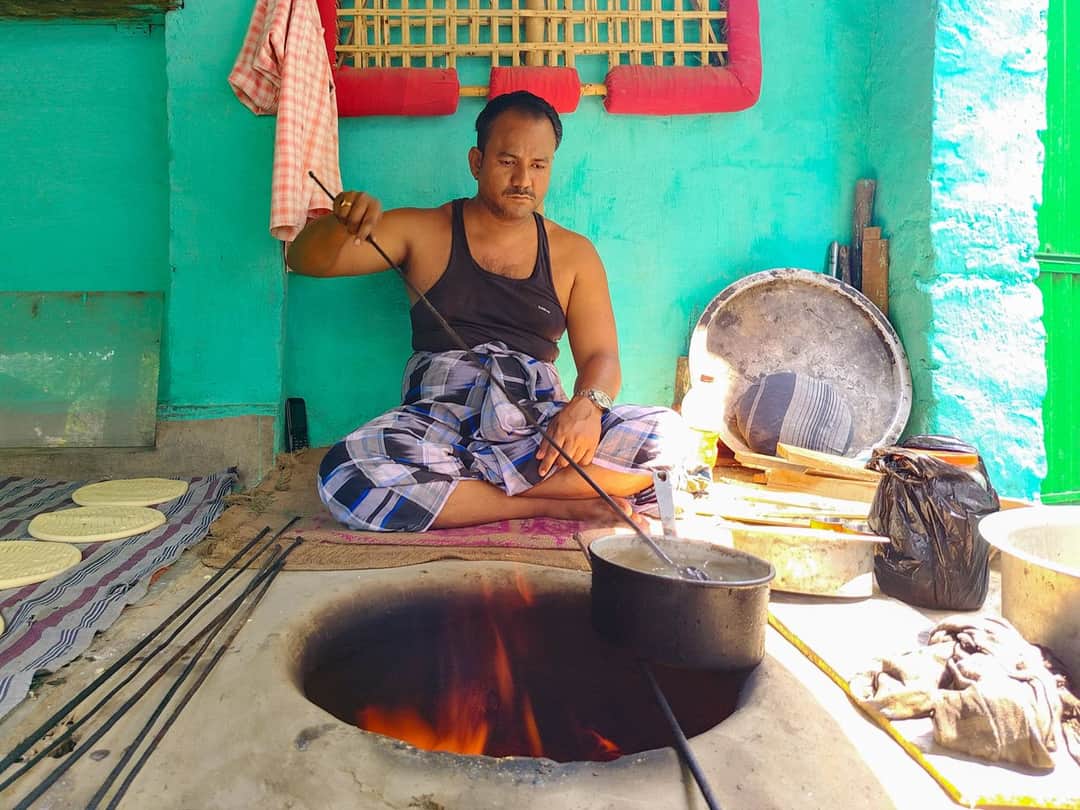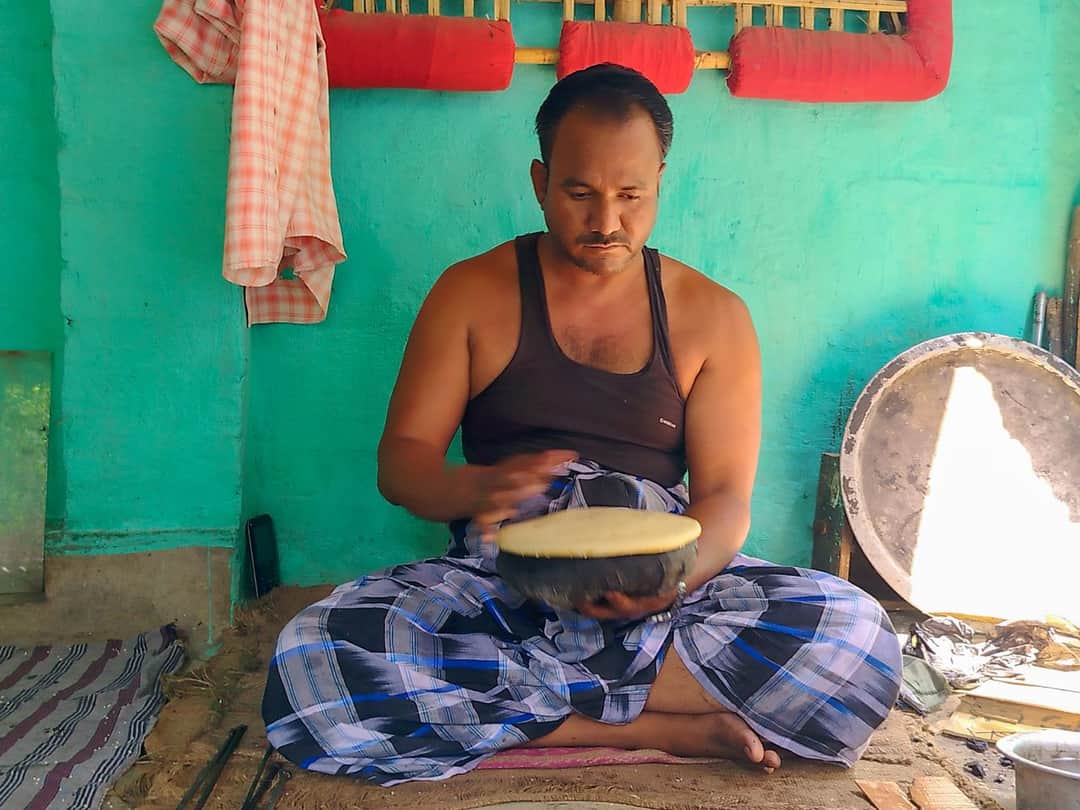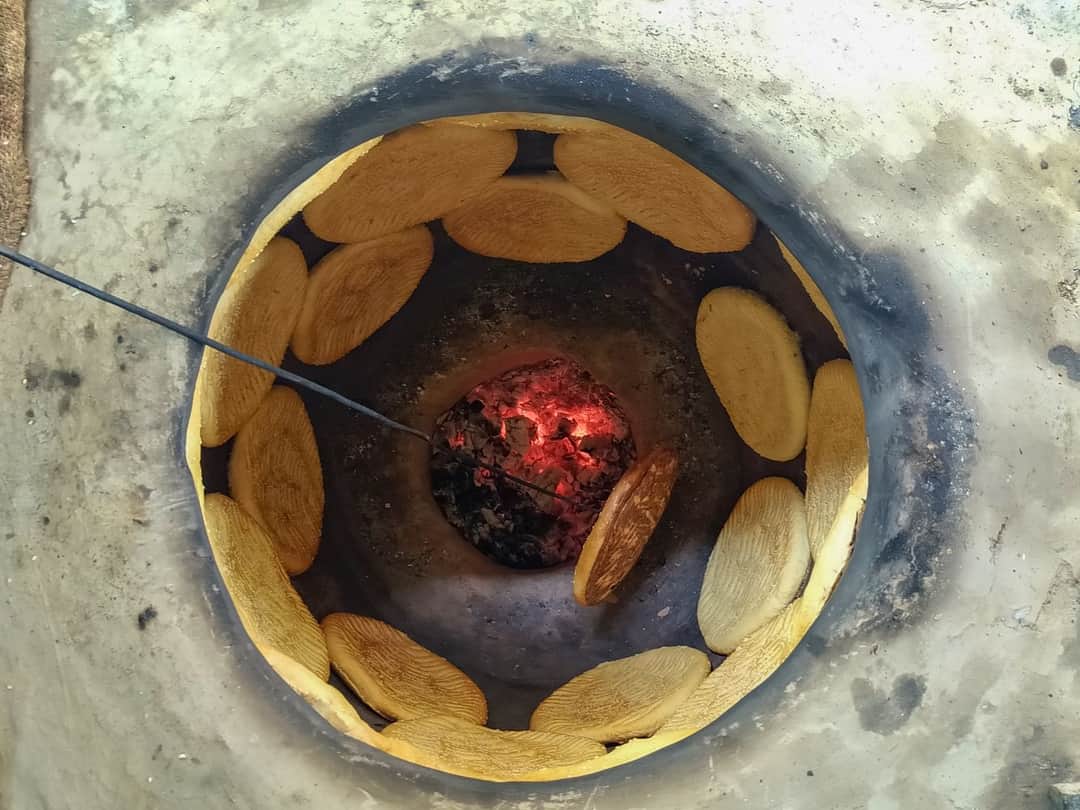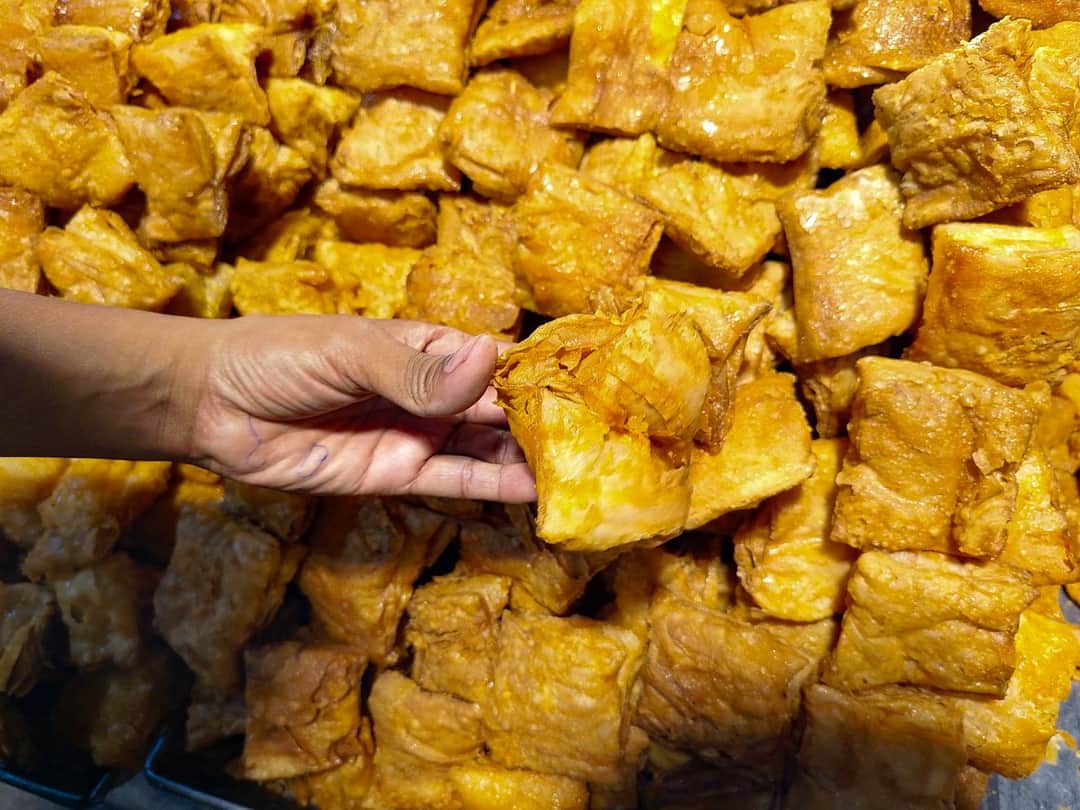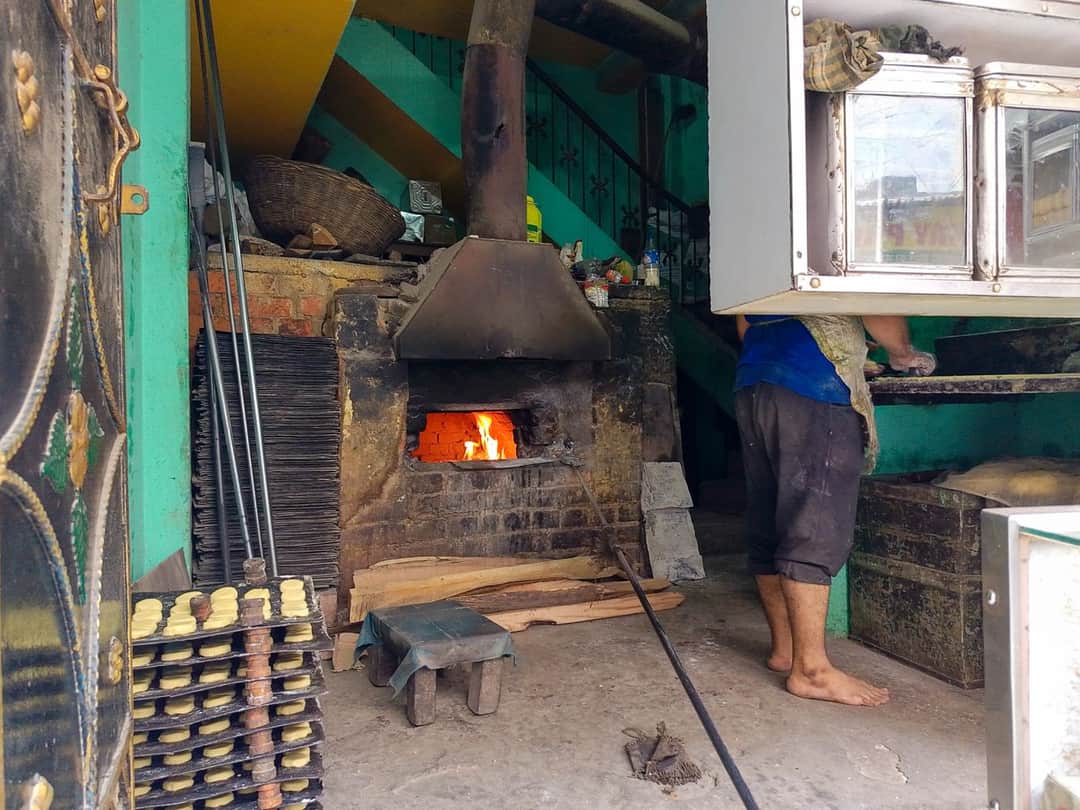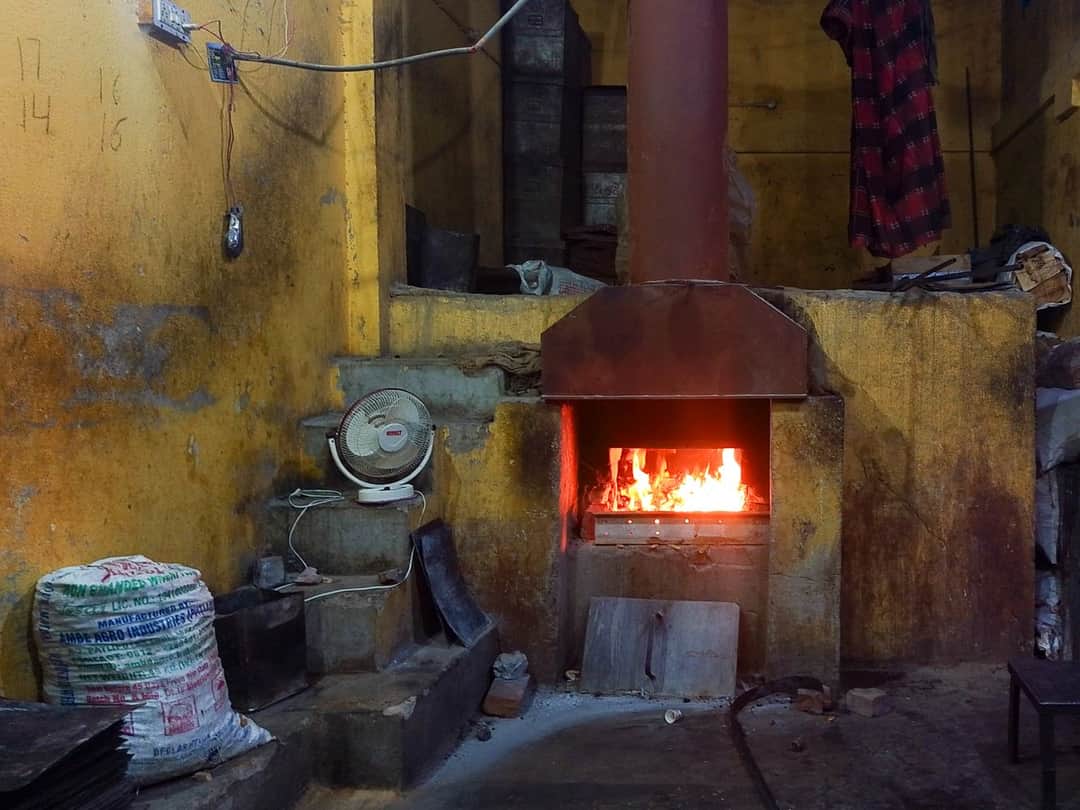

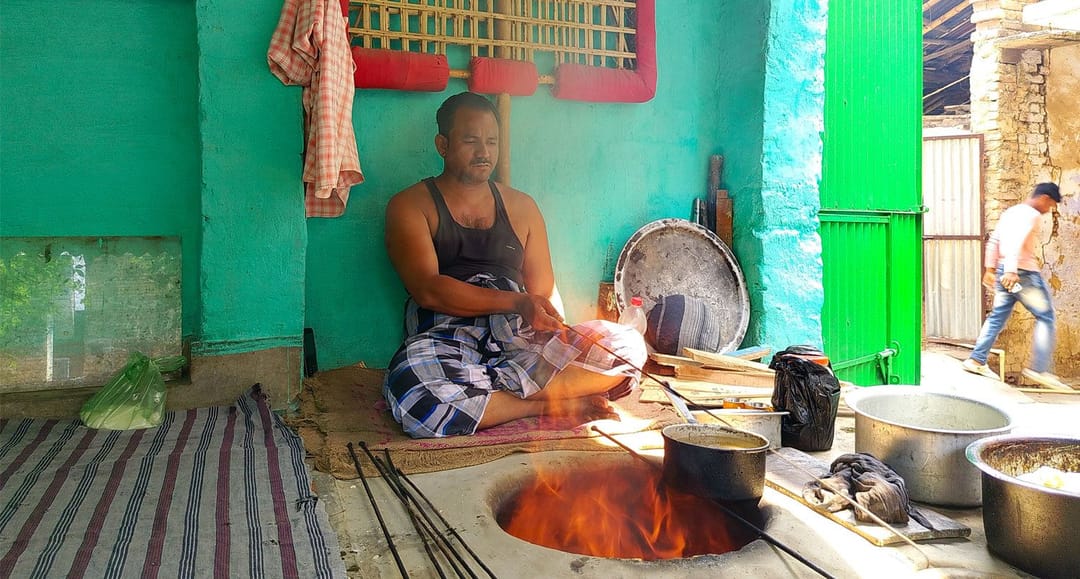
“Babur brought two things to India—barood [gunpowder] and baqar-khani,” says Ejaz Hassan. A third generation naan-baai or bread maker, Ejaz is seated beside a tandoor or traditional clay oven, located next to his residence in Lodi Katra, one of Patna city’s oldest settlements. He has just cleaned the bell-shaped underground oven, and has daubed it with a mixture of clay and water that will help cool it.
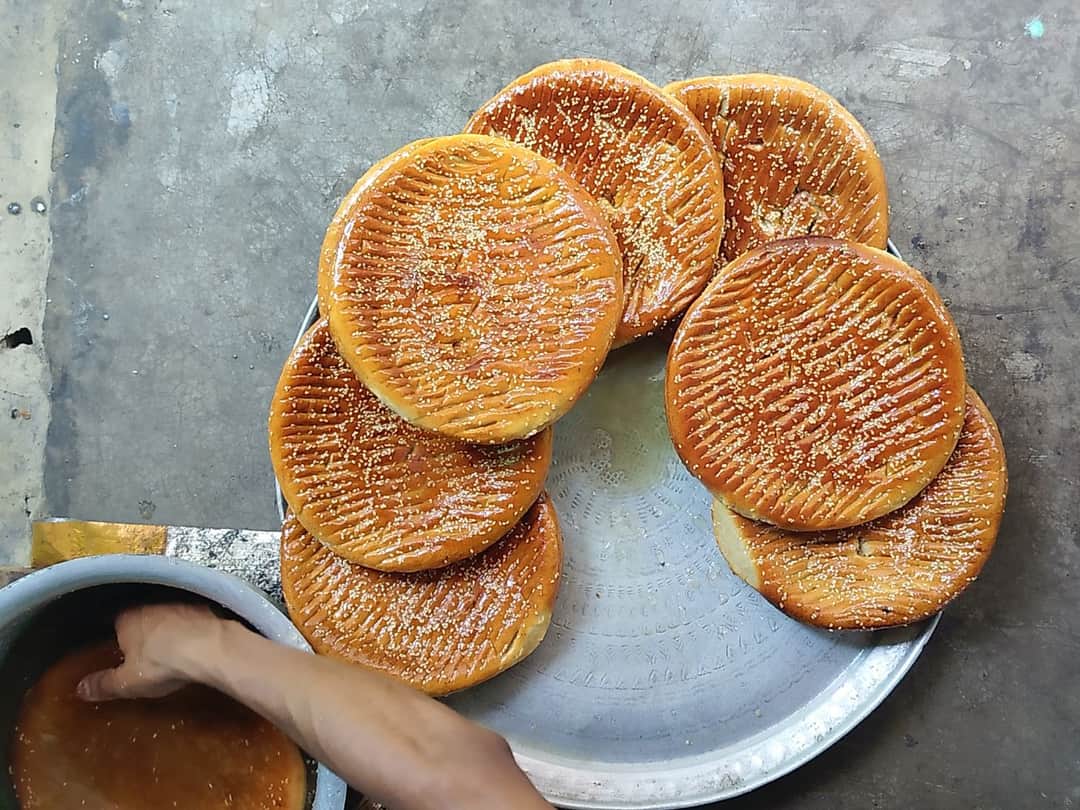
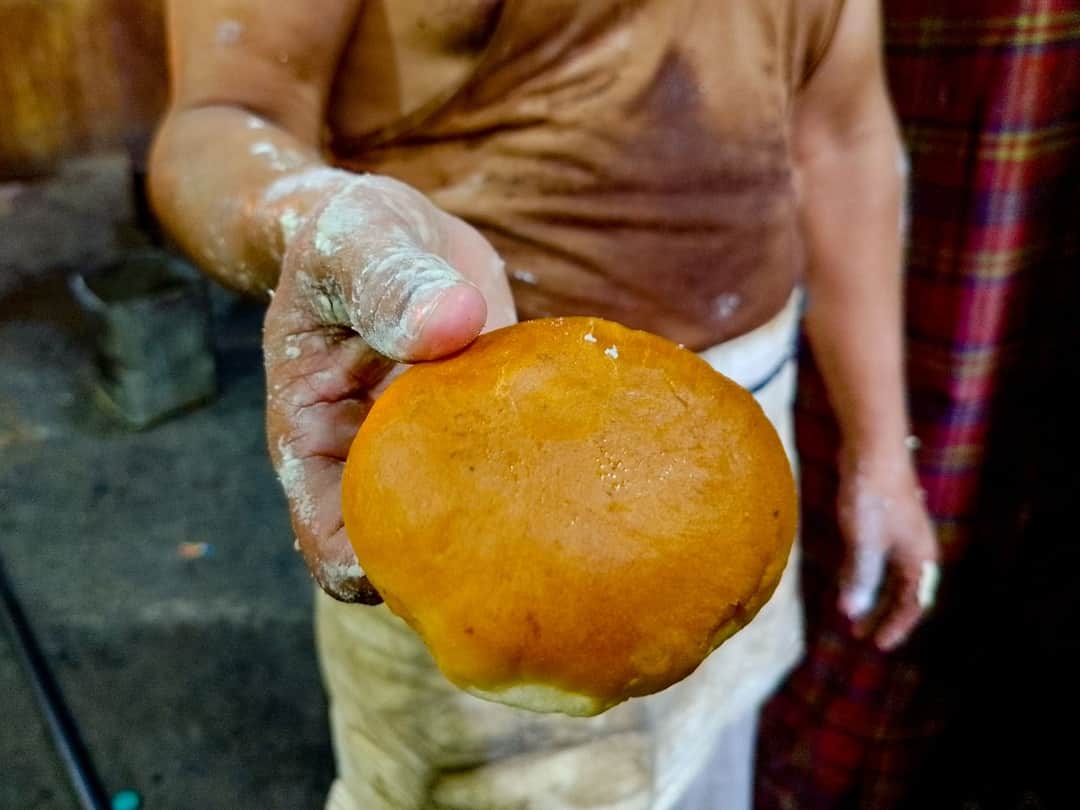
Of all the lore surrounding the origins of the baqar-khani – the flaky, crisp, layered and sweet flatbread of Mughlai kitchens, Ejaz Hassan holds dear the tale he once heard from his grandfather, Hafiz Ameer Hassan, an ustaad naan-baai, a maestro among bread-makers. “One finds different variants of baqar-khani in Bengal and eastern Uttar Pradesh, but the one in Patna is the most exotic, and so it’s often referred as the shahi [royal] or Mughlai baqar-khani,” says Ejaz, waiting patiently for his assistant Imteyaz to finish re-heating the morning tea.
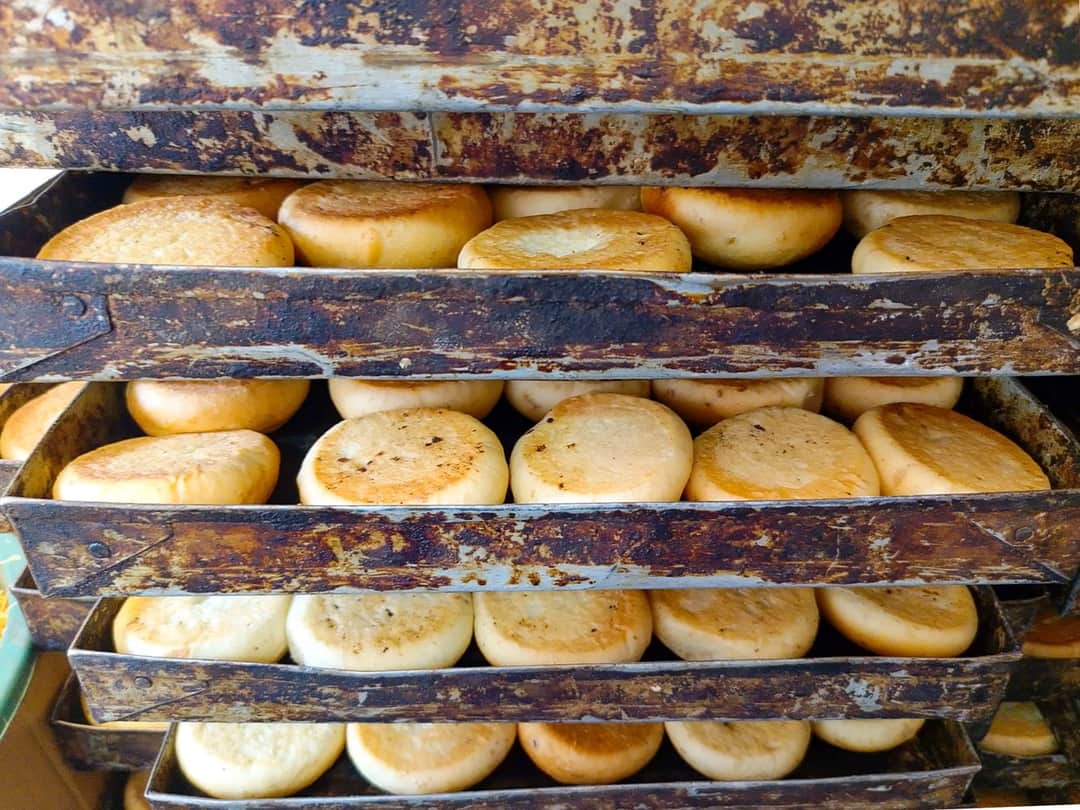
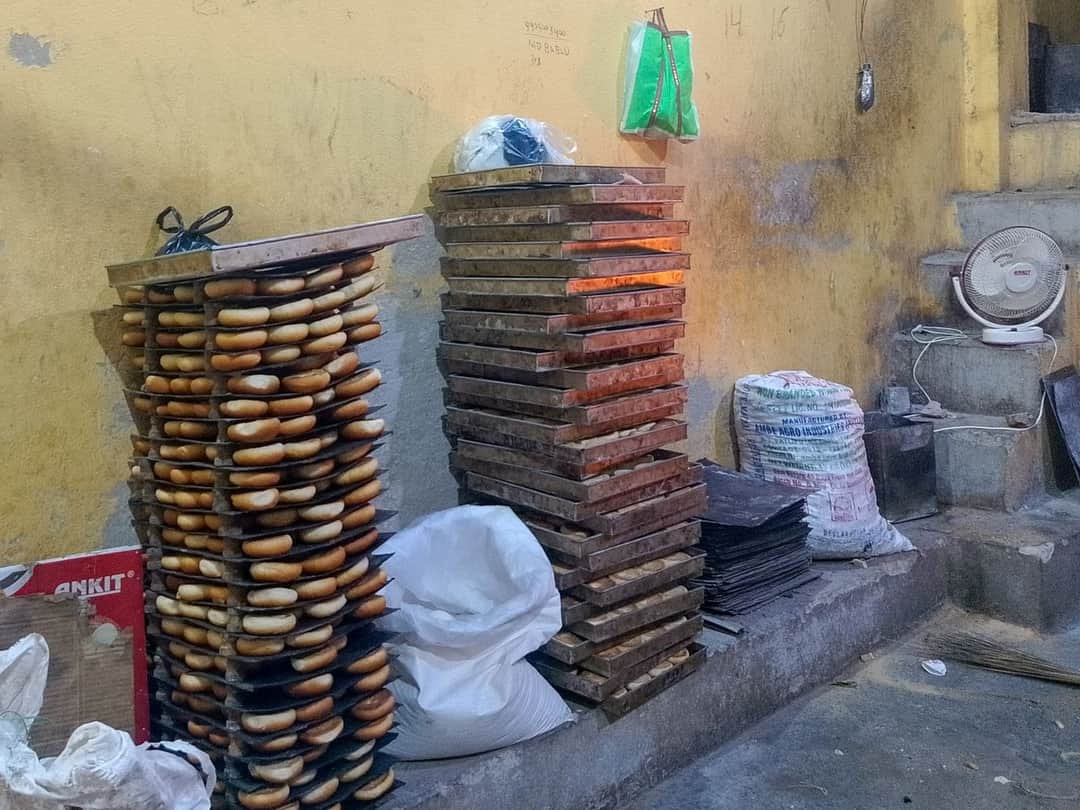
Over the last four to five decades, smaller loaves, dipped in sugar syrup to mimic the laminated appearance of the original, have dominated the market, priced at a fraction of the latter, a business tactic that irks Ejaz. “Ab toh har doosri roti baqar-khani hai, aur har doosra aadmi naan-baai. Patna mein aapko 25-30 rupay ki bhi baqar-khani mil jaayegi, magar na aap ka dil bharega na saalon saal kaam seekhne walon ka pet [Now, every other bread is labelled baqar-khani and every other person claims to be a baker. In Patna, you can get a baqar-khani for 25–30 rupees, but it will satisfy neither your heart nor the hunger of those who spend years mastering the craft].”
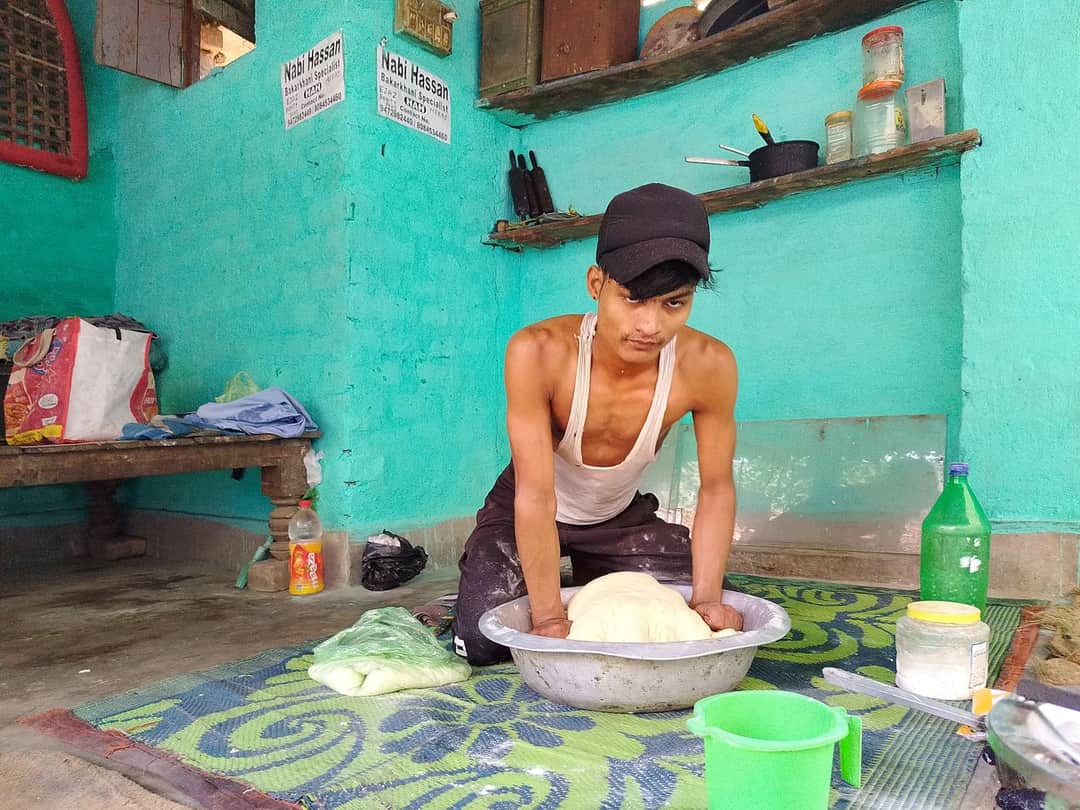
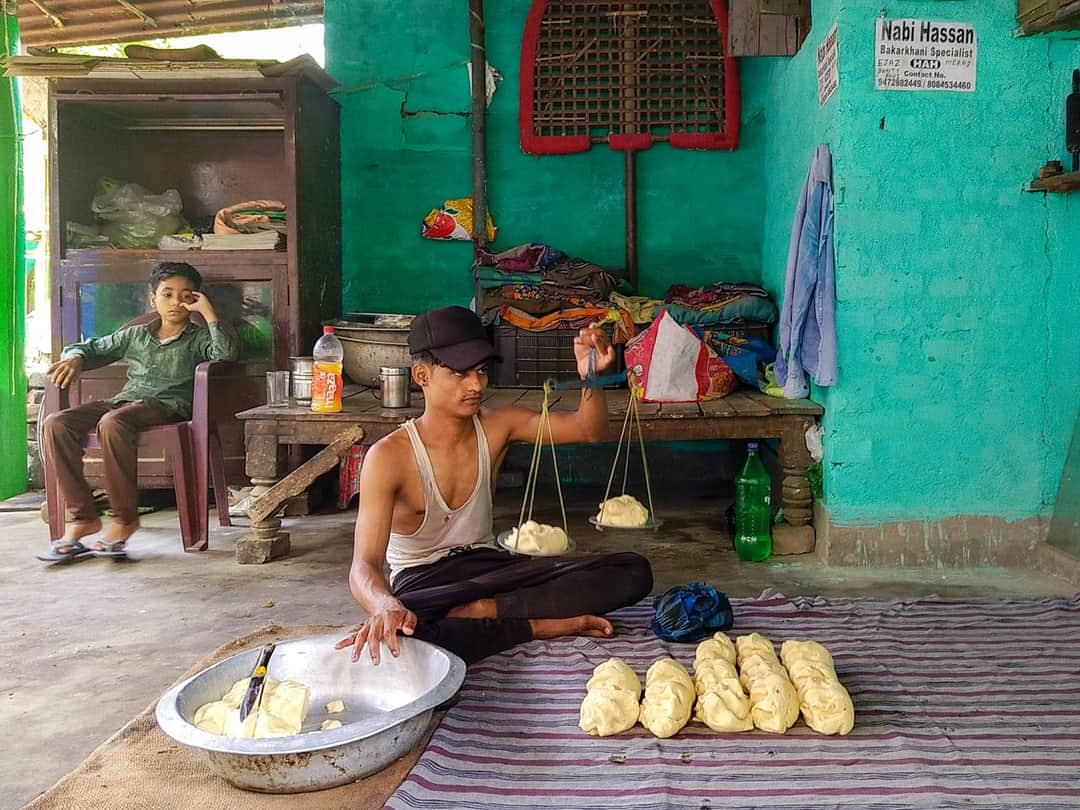
The cheap imitations literally take the bread out of the mouth of naan-bais, Ejaz continues, adding that no more than 50 baqar-khanis can be made in a day in a single tandoor, even with four men working from sunrise till sunset.