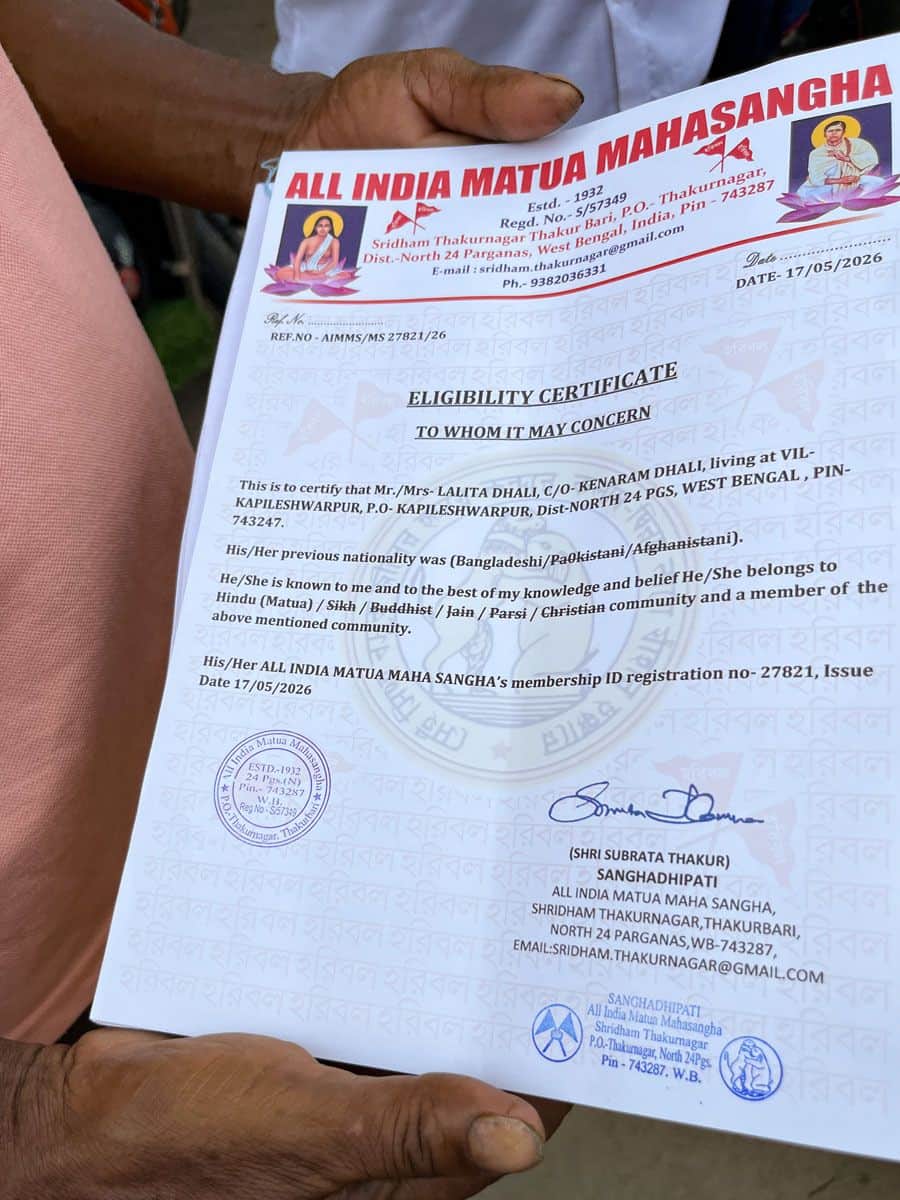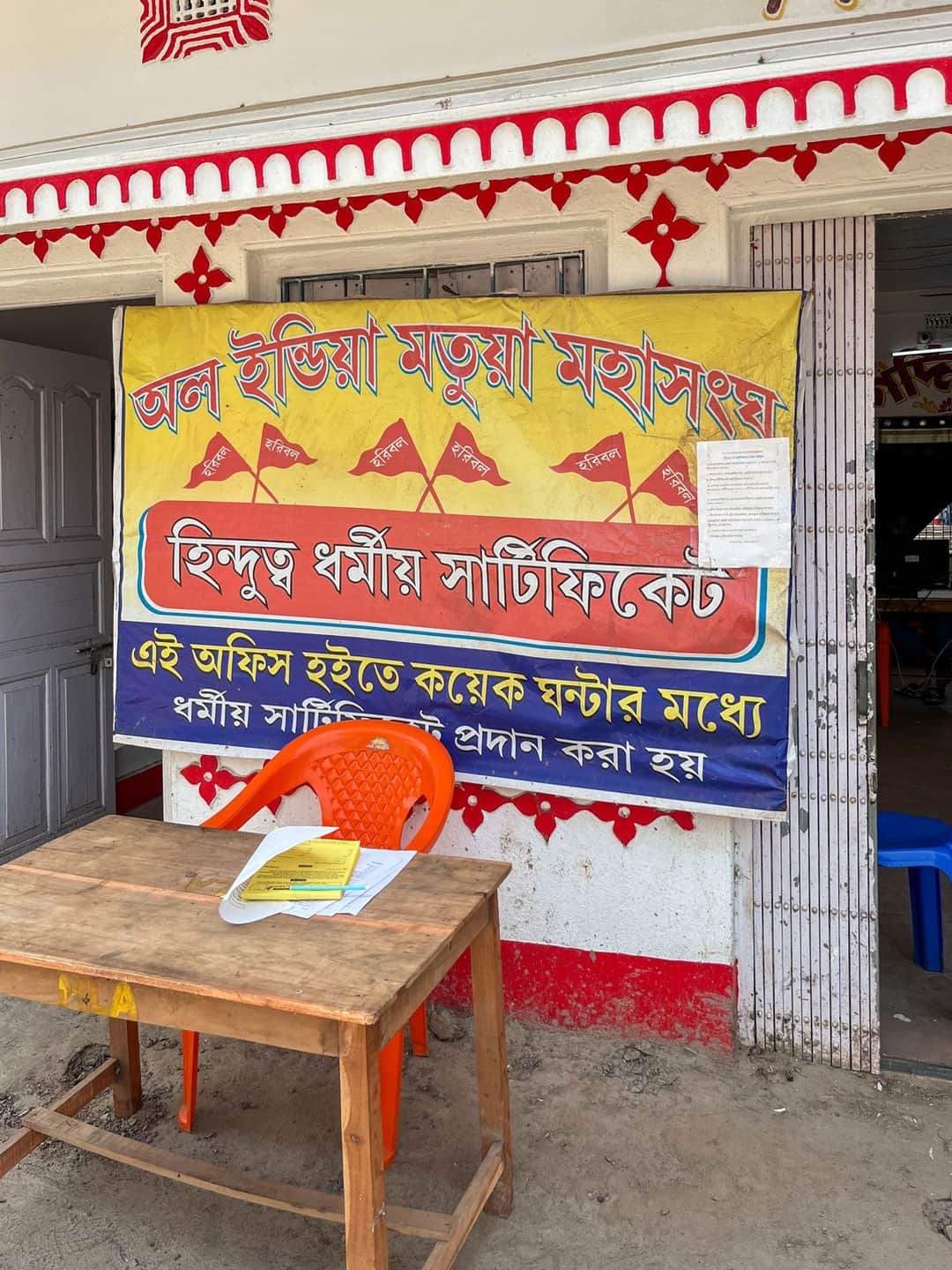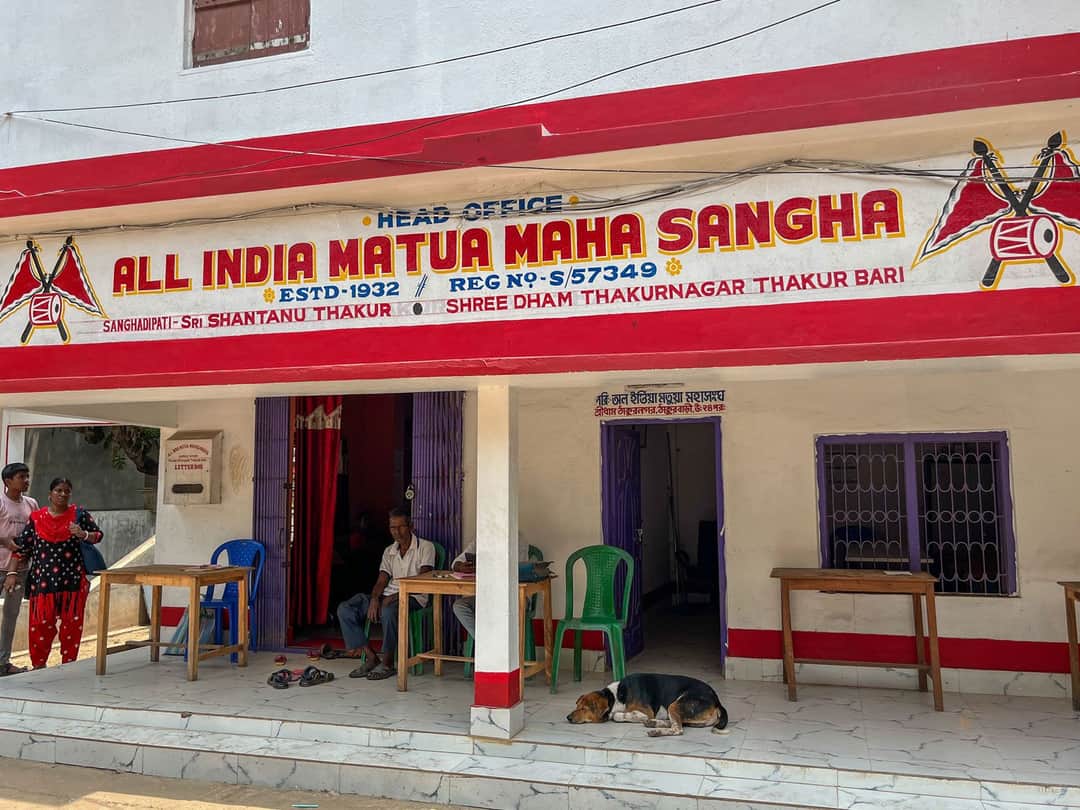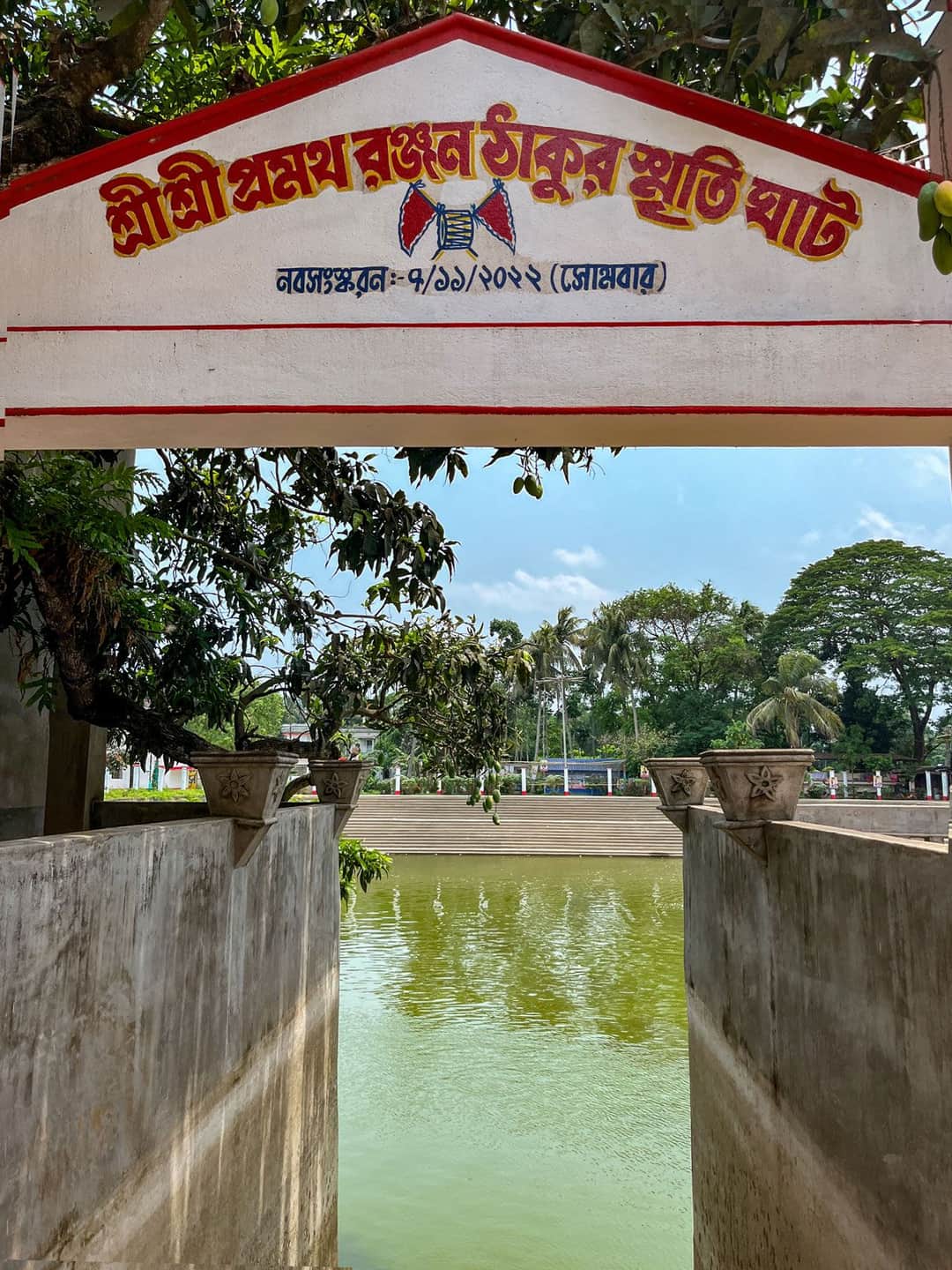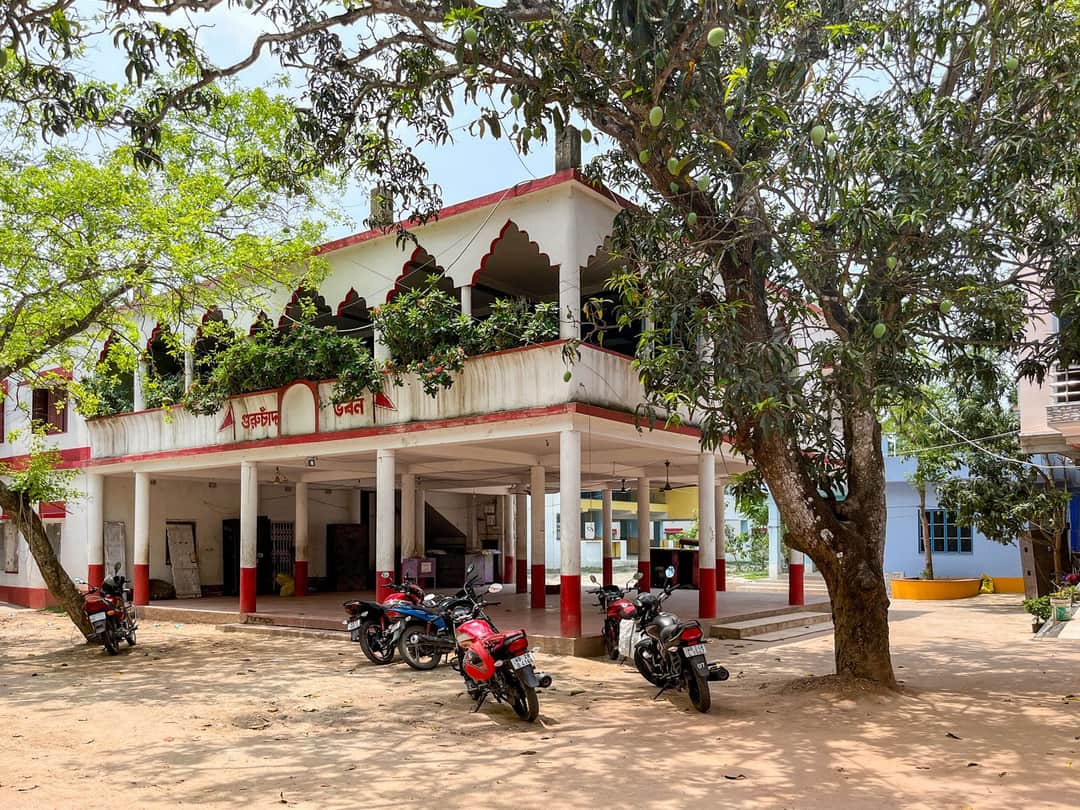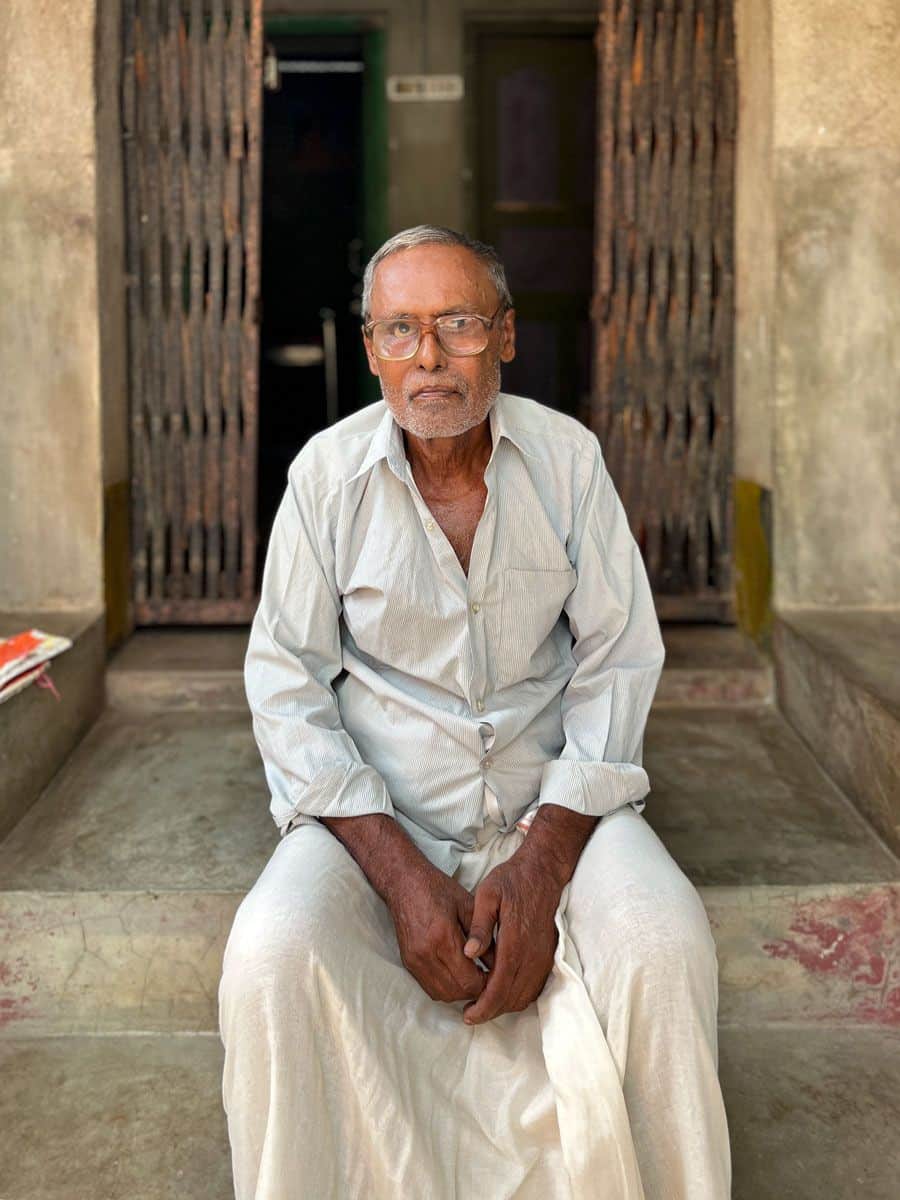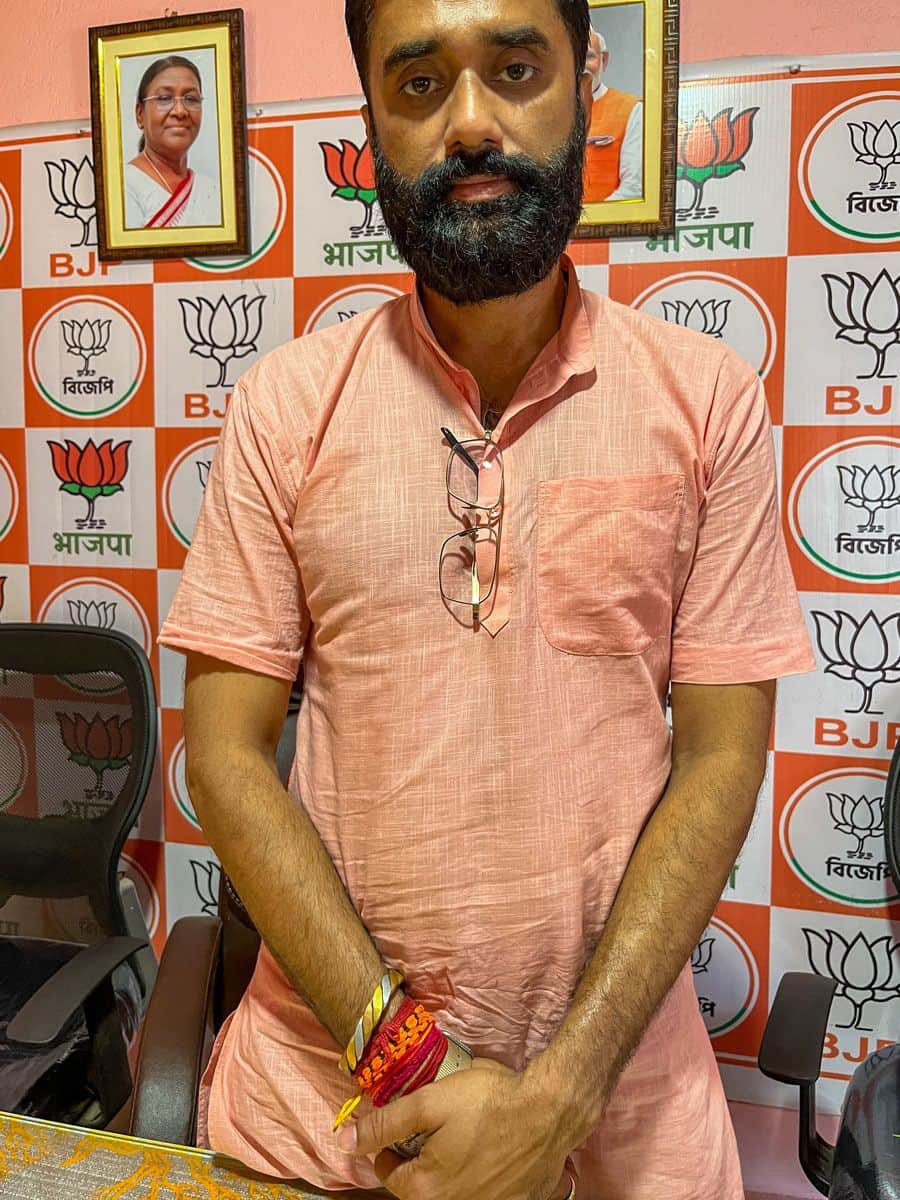

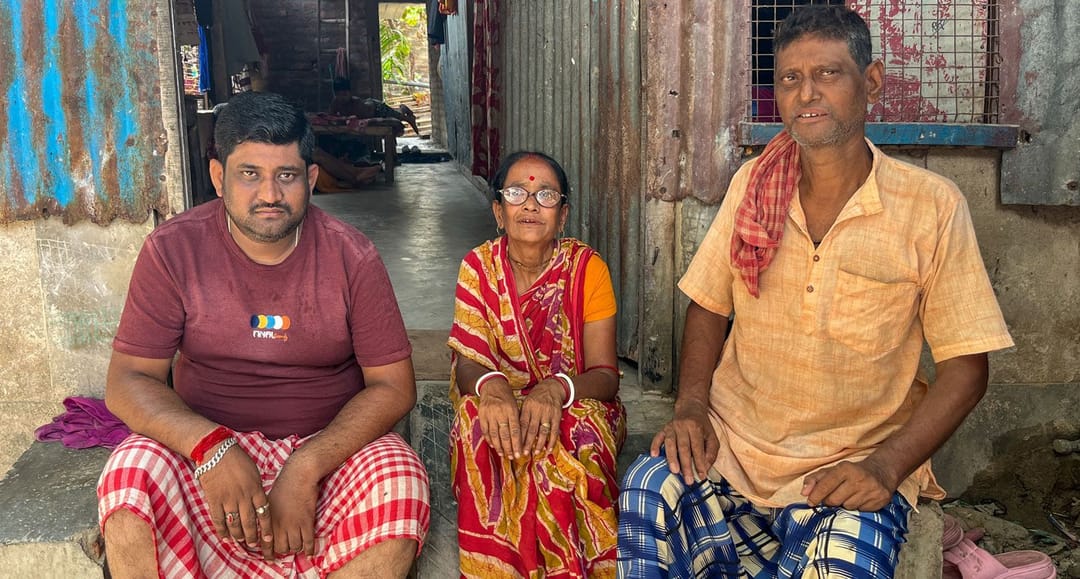
It is a Sunday in May, 2026, and large crowds have gathered at Thakurbari, the spiritual home of the Matua community in North 24 Parganas, West Bengal. But most are not here to offer prayers at the temple. Instead, they are standing in long queues in the summer heat waiting to get documents that they hope will prove their citizenship.
These are the people whose names were deleted – part of the over 90 lakh deletions during the special intensive revision (SIR) of electoral rolls. They were unable to vote in the state elections held in April, 2026.
In 15 Matua-dominated Assembly constituencies there were large-scale deletions of Hindu names.
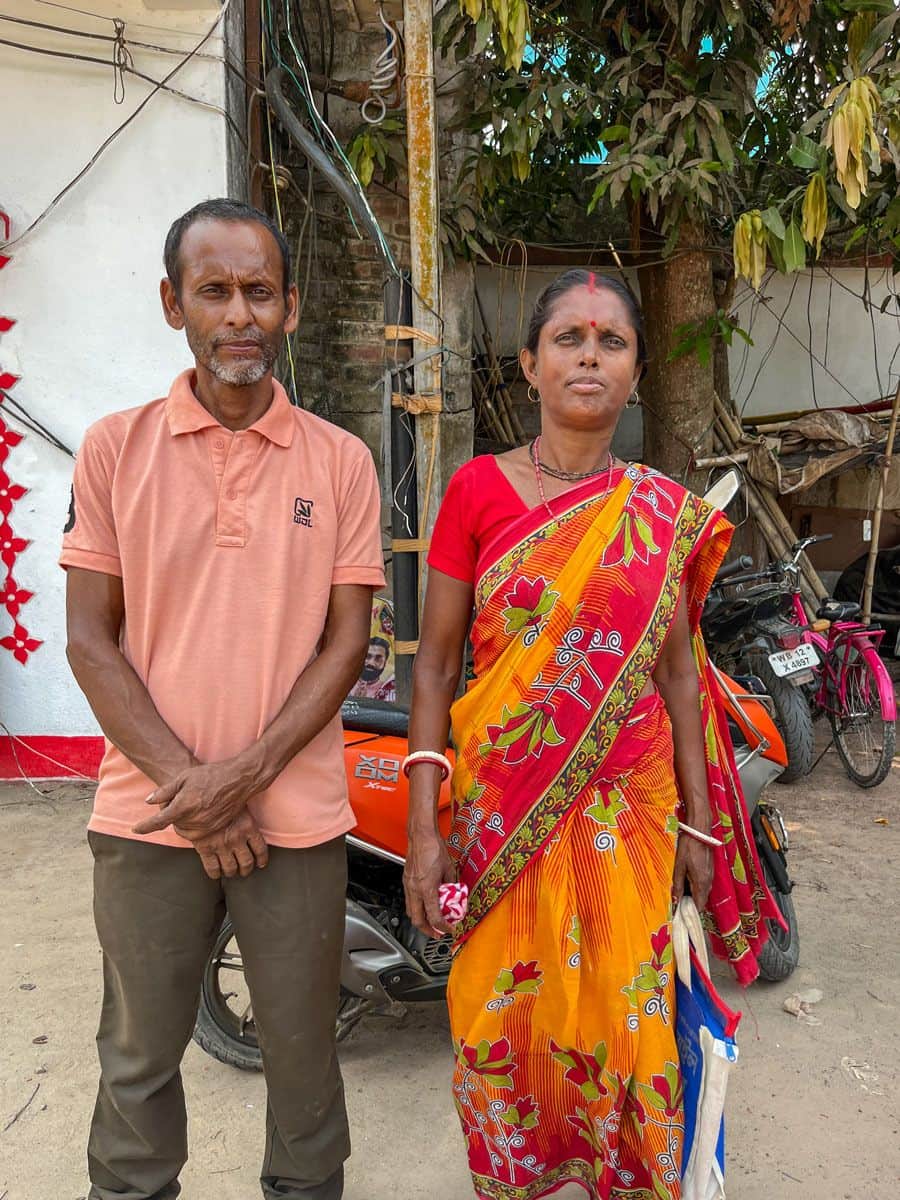
A part of the crowd at Thakurbari is Lalita Dhali, here with her husband Kartik to procure a Hindu Card. The 43-year-old resident of Kabilashpur travelled here by scooty, a journey of roughly 30 kilometres. Her name has not made it to the final SIR list, but Kartik’s has.
Lalita’s grandfather and father had come to India in the 1950s but returned to Bangladesh in 1984. They came back to India again in a few years. “Or baba epar opar korto. Ke jane kon pare jonmechhe [Her father went back and forth. Who knows which side he was born in],” Kartik, 53, says.
The Matuas (listed as Scheduled Caste) are an anti-Brahmanical sect born in the late 19th century. They emerged during Harichand Thakur’s mobilisation of lower castes, primarily Namasudras in the eastern part of undivided Bengal. Namasudras are listed as Scheduled Caste in West Bengal. Many Matuas migrated to West Bengal in distress and do not possess documentation. “Namasudras were also the victims of religious persecution in East Pakistan/Bangladesh after Partition,” points out Ayan Guha. A Fellow at the University of Sussex, UK, Guha has worked extensively on the political dynamics of caste in West Bengal.