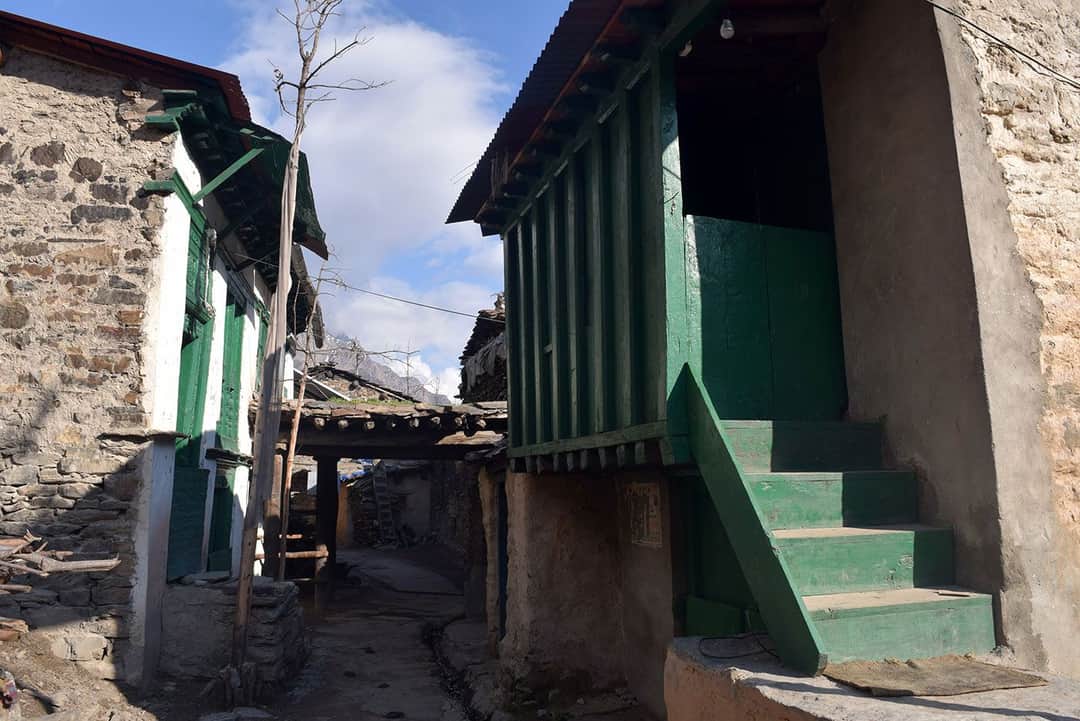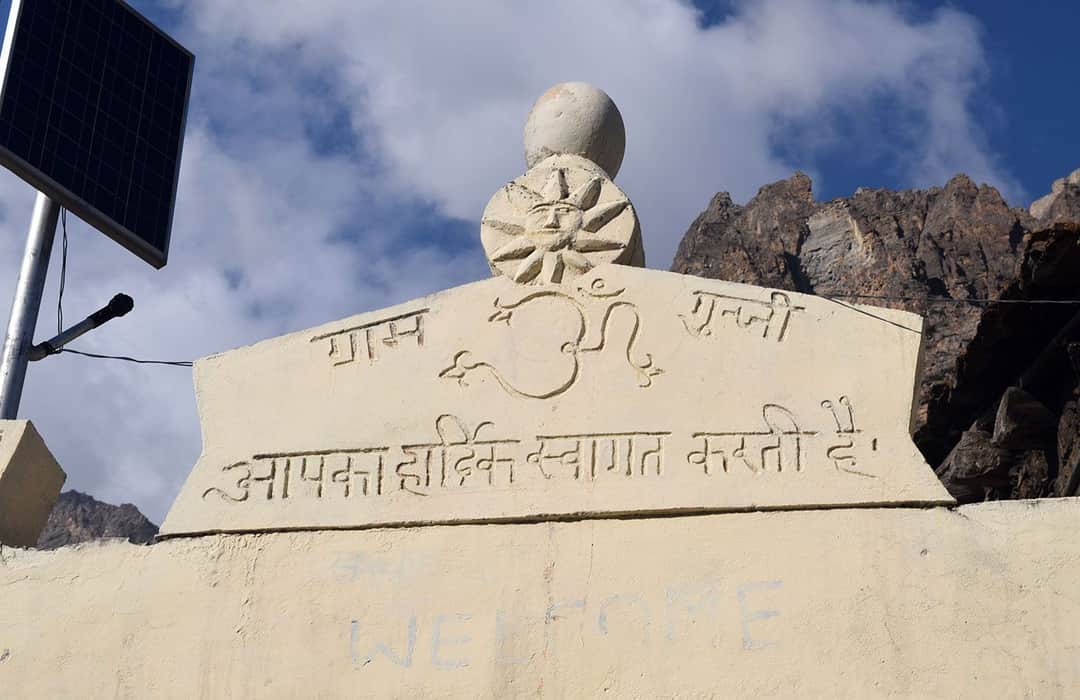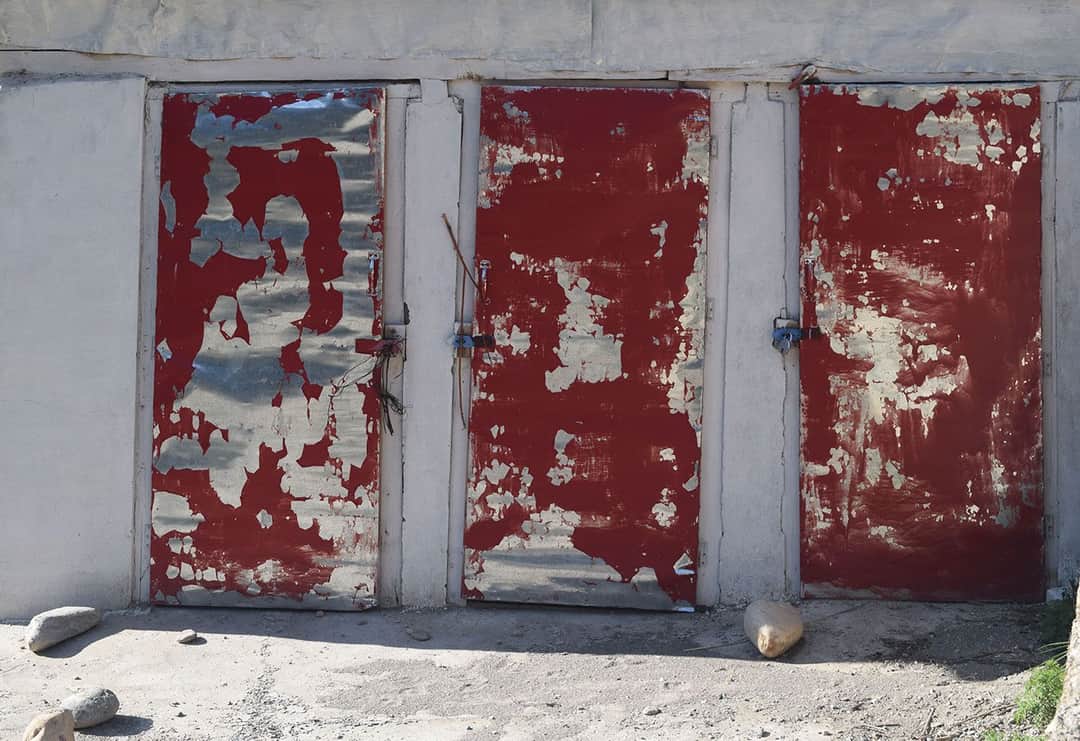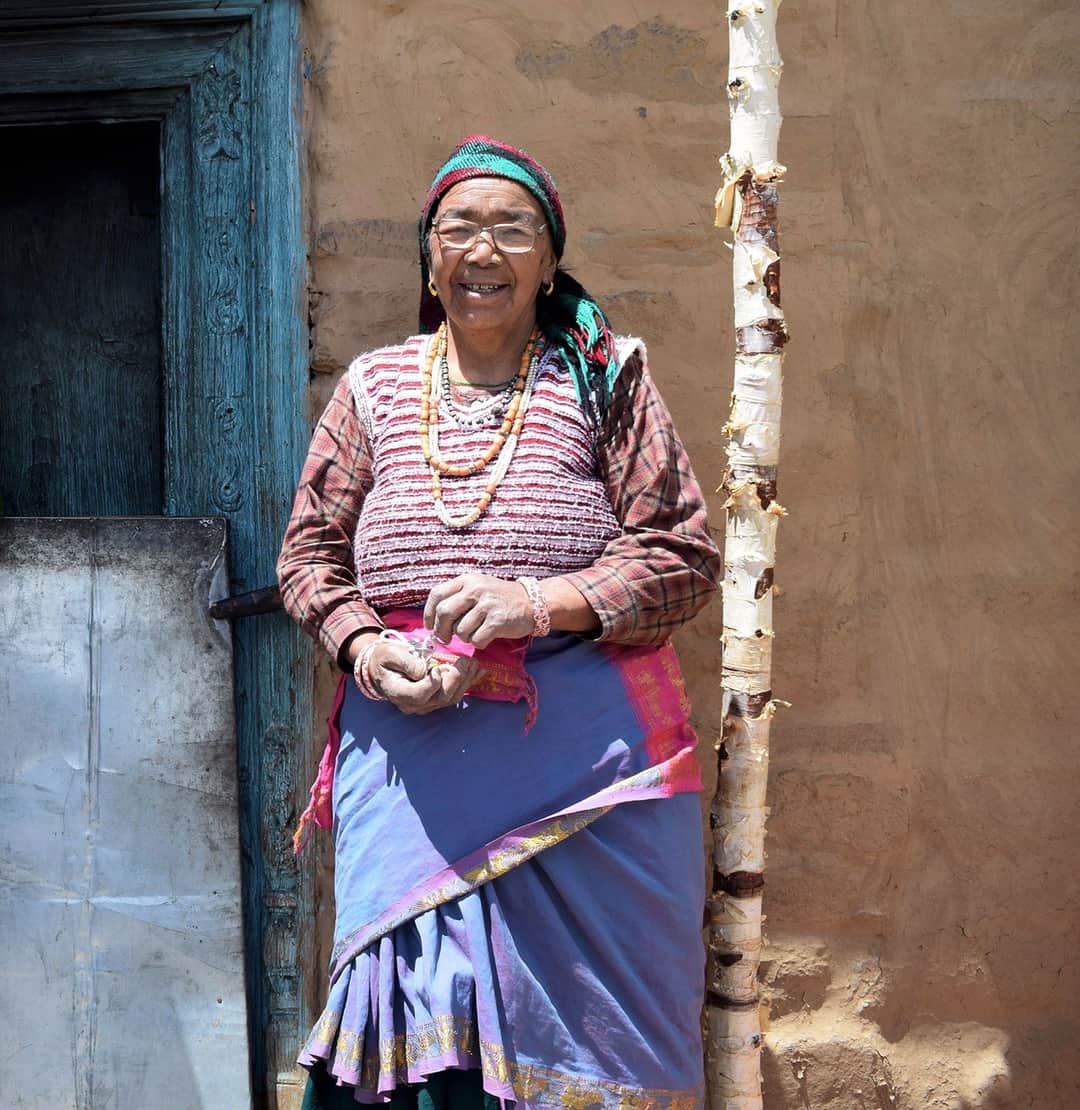

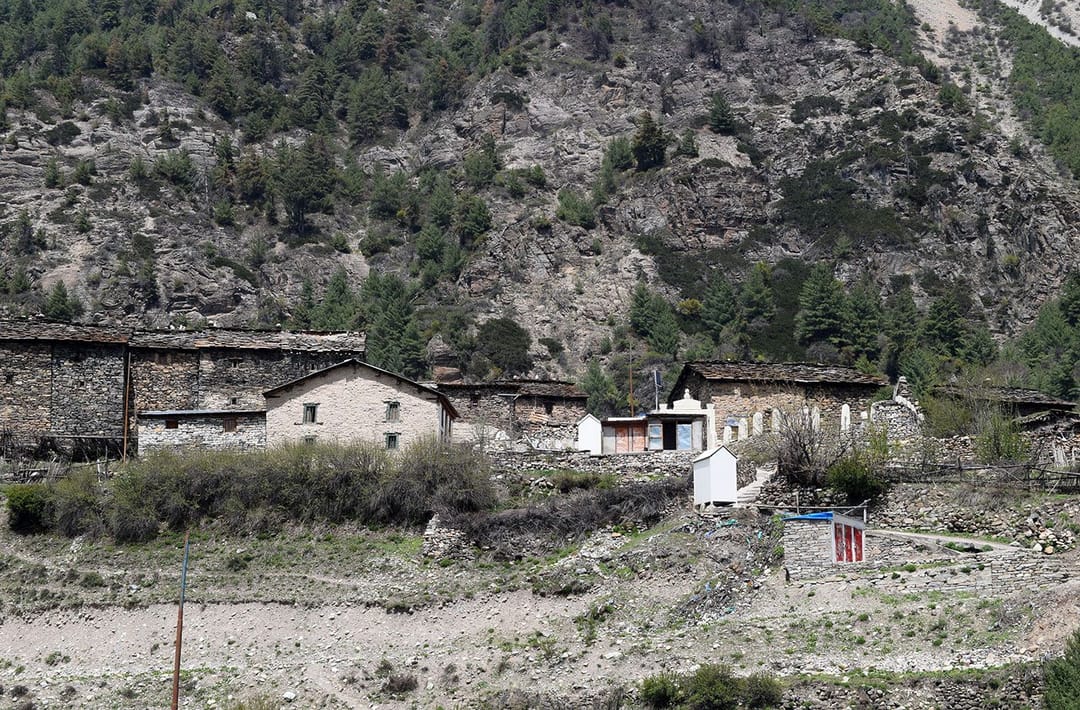
The traditional embellished wooden doors of houses in Gunji village open one by one at 4:45 a.m. and people emerge with bottles of water. A few years ago, they came out with tin or steel dabbas in hand, but disposable plastic bottles now come in handy for the daily morning ritual.
They smile and greet each other, and branch off in different directions on various farmlands, many of them barren because their owners have migrated. And at that pre-dawn hour, a few of the early risers are already returning home with empty bottles.
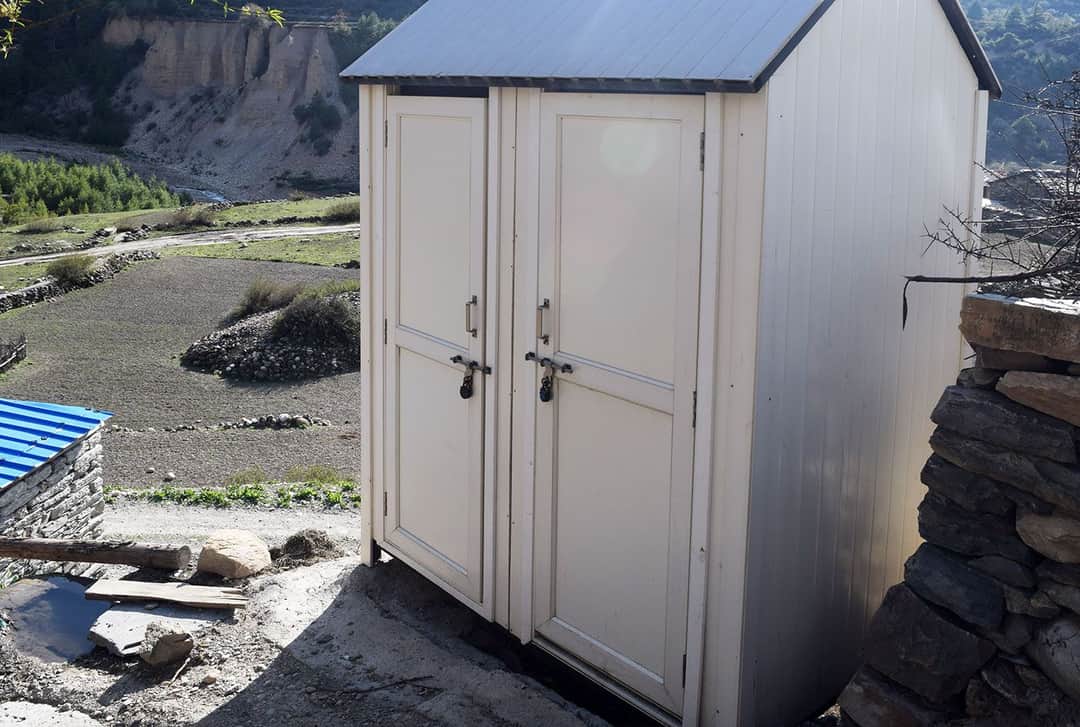
The best places are behind dense and high hedges. At 3,200 metres, these are sparse and scattered. The early risers get these prized spots. And before the snow-covered Api mountain range turns orange and daylight arrives, it is time for Gunji’s residents to go down on their haunches.
Nearby, the Kuti-Yankti river is roaring, and horses’ bells rhyme with the hard sounds of their footfalls on the stony ground. Their owners or handlers are taking the animals to Garbadhar, 50 kilometres away, an area where they will wait to carry export items for the India-China border trade – the border is just 22 kilometres away.