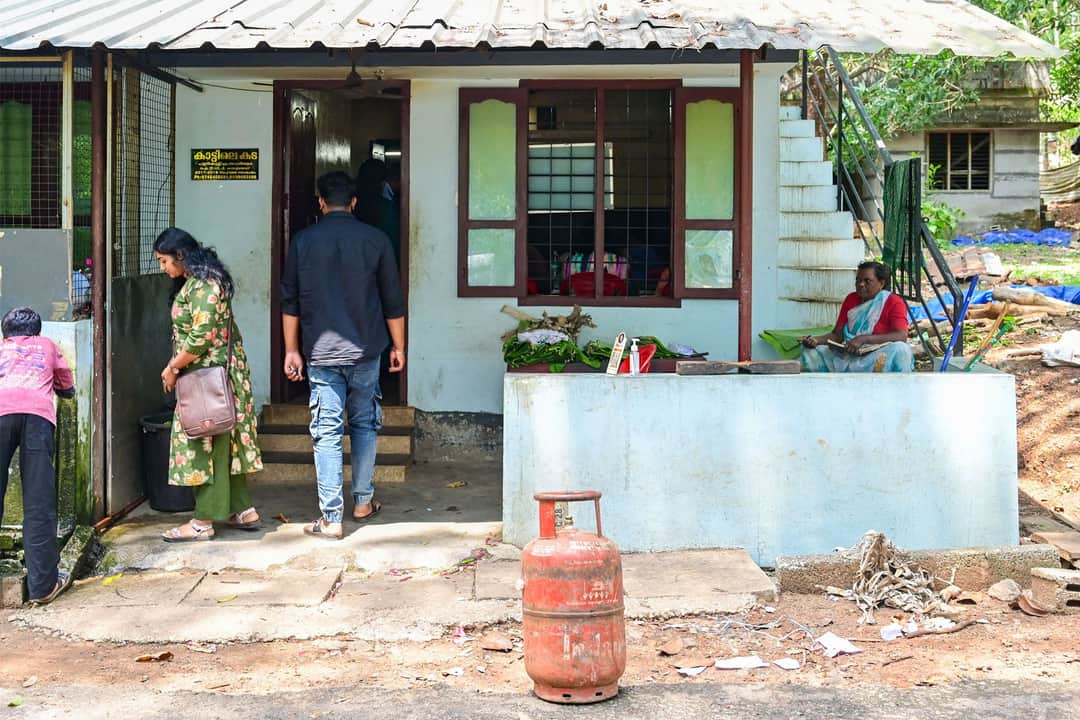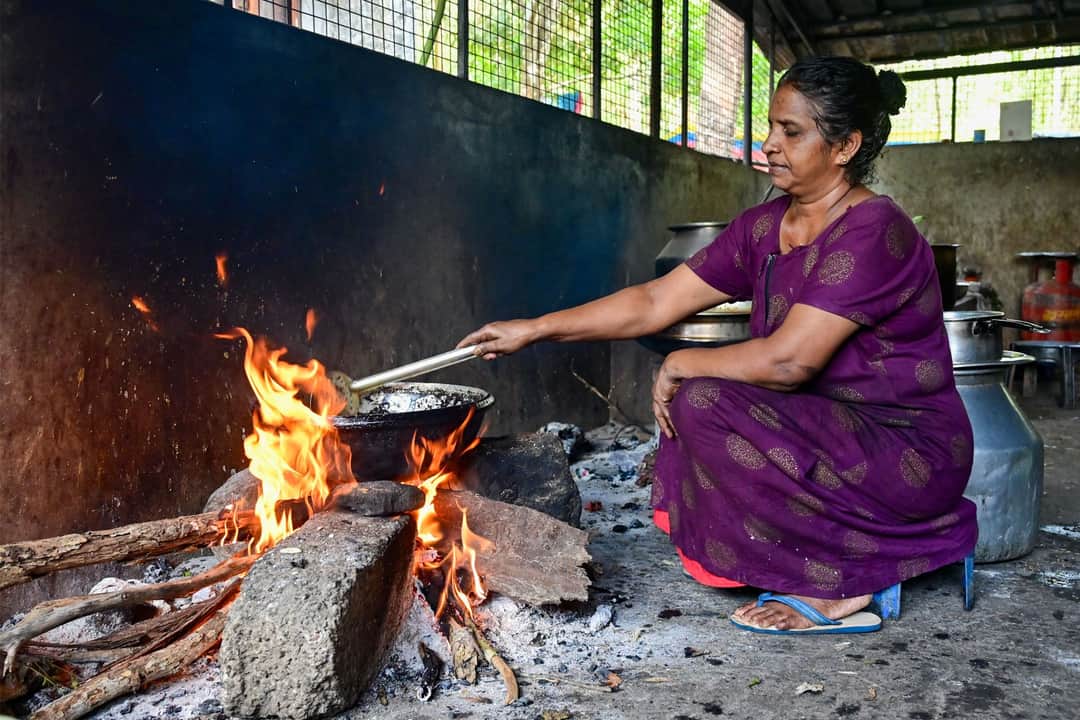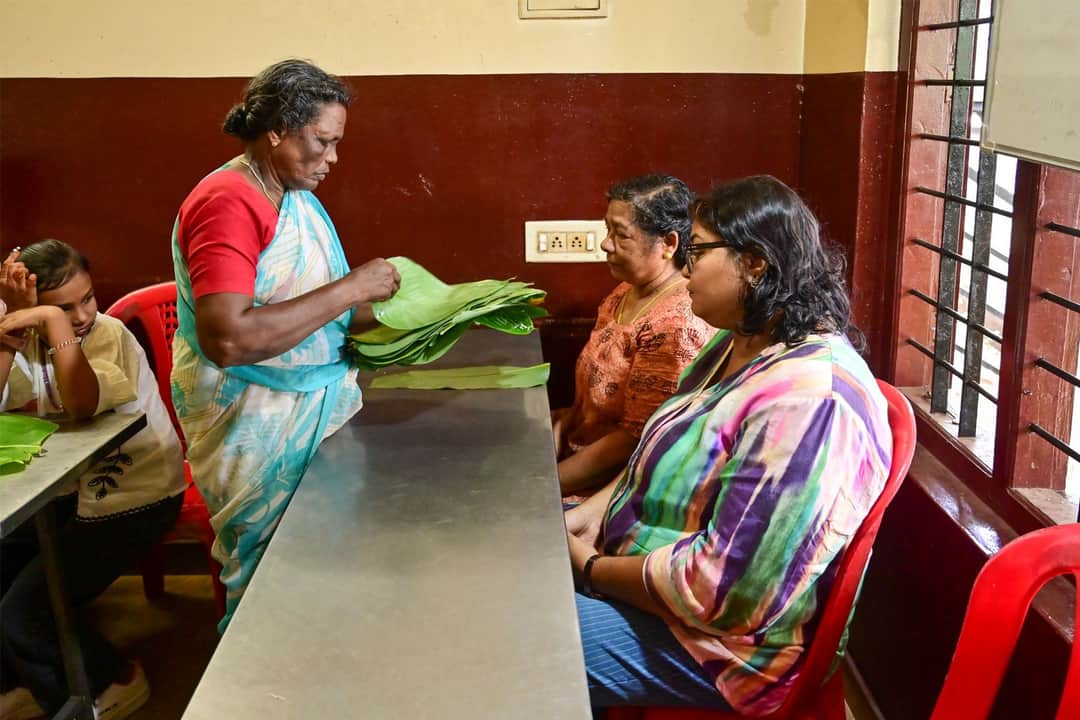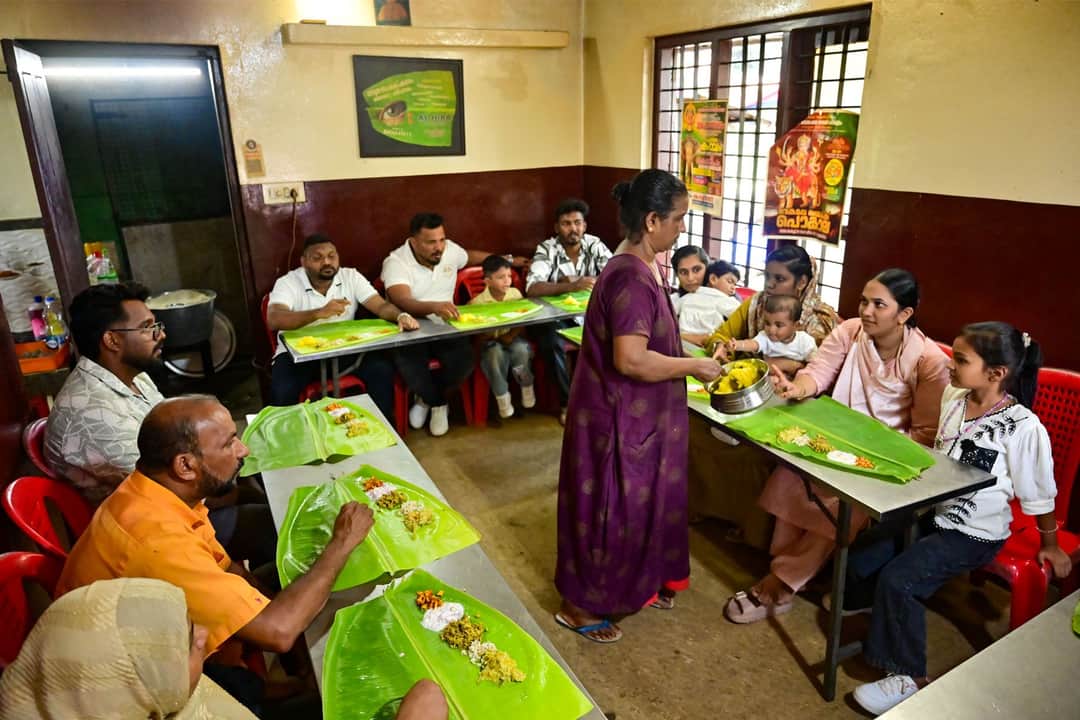

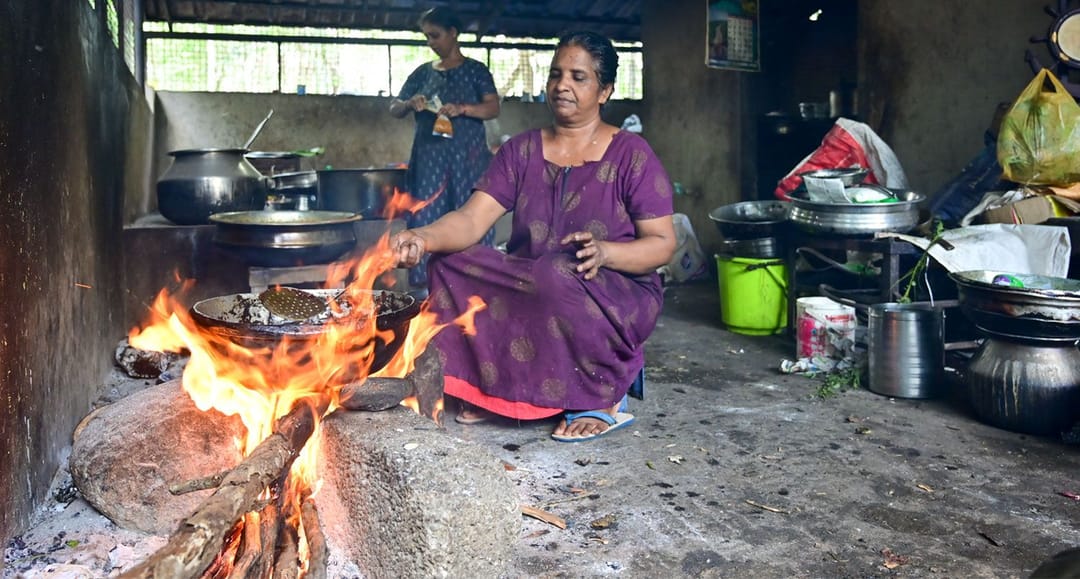
Before the first customer arrives at Kattile Kada, the day has already begun in the forest.
At first light, Sasikumari Kani and the other women step off the Vithura–Peppara dam road in Thiruvananthapuram district and walk into the woods. This is the foothill stretch of the Western Ghats, where the road skirts the Peppara reservoir, and settlements thin into Adivasi hamlets. Here, cooking fuel is not delivered. It is gathered.
They return balancing bundles of firewood on their heads. Only then does the kitchen open. Kattile kada literally translates as ‘shop in the forest.’
Within the small roadside eatery, smoke rises and hangs low over blackened vessels. An unused LPG cylinder rests in a corner. Refills are irregular, prices have risen, and supply is uncertain.
“We cannot depend on gas anymore,” says Sasikumari, 59. “So we have gone back to this.”
Across Kerala, small eateries are struggling with disruptions in liquified petroleum gas (LPG) supply arising from the US-Israel war on Iran. Delays and higher costs are pushing many to return to firewood.
At Kattile Kada, that shift has reshaped the entire day.
Sasikumari, started the eatery four years ago after her husband, Maniyan, 58, fell ill and could no longer do manual labour. Being Kanis – a small Adivasi community of the South Western Ghats closely bound to the forests – Sasikumari turned to what she knew best: food shaped by the land.
With support from the Integrated Tribal Development Programme and loans accessed through Kudumbashree, the women built a modest roadside kitchen – for an income stream. Kudumbashree ‘hotels’ helped many survive during the Covid-19 lockdown.