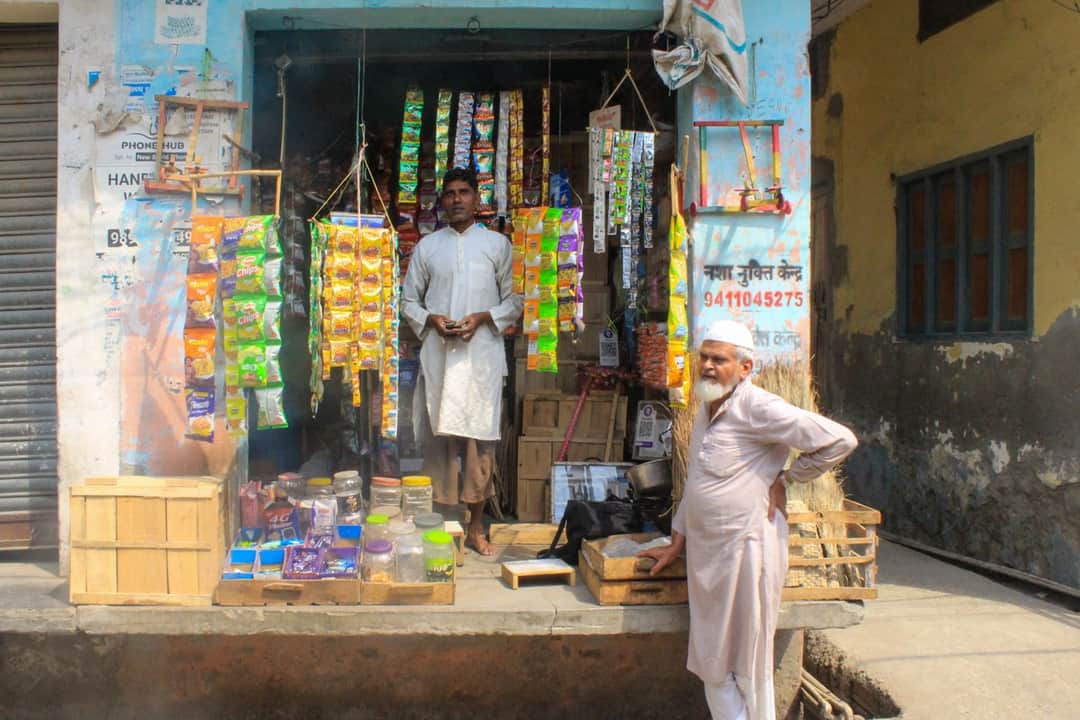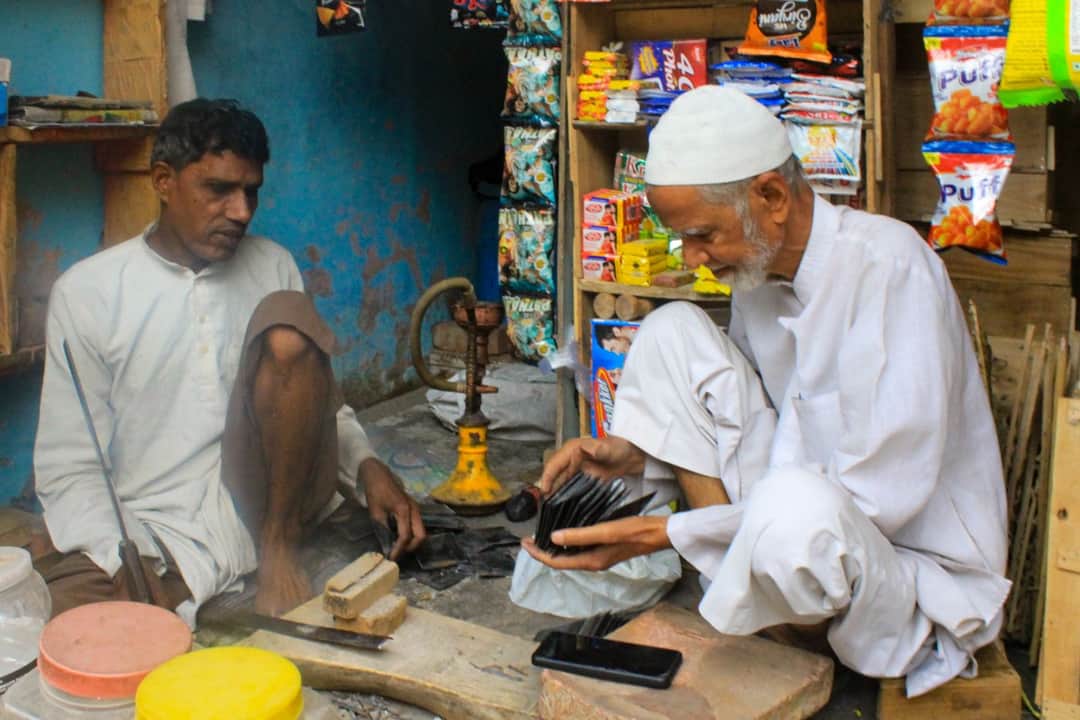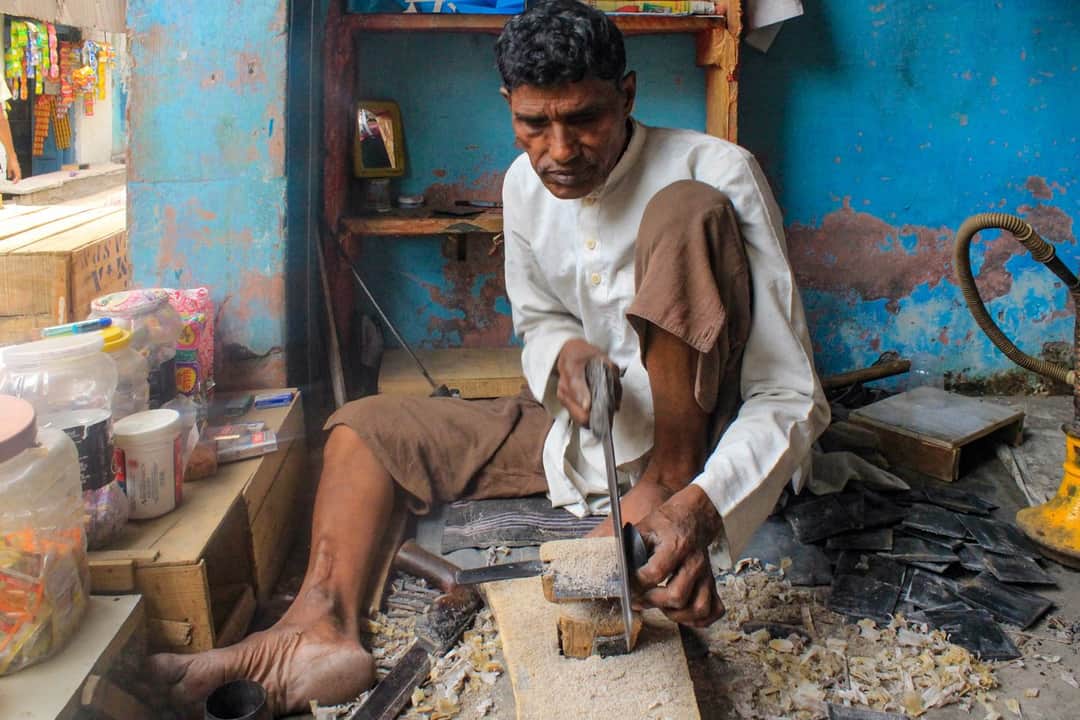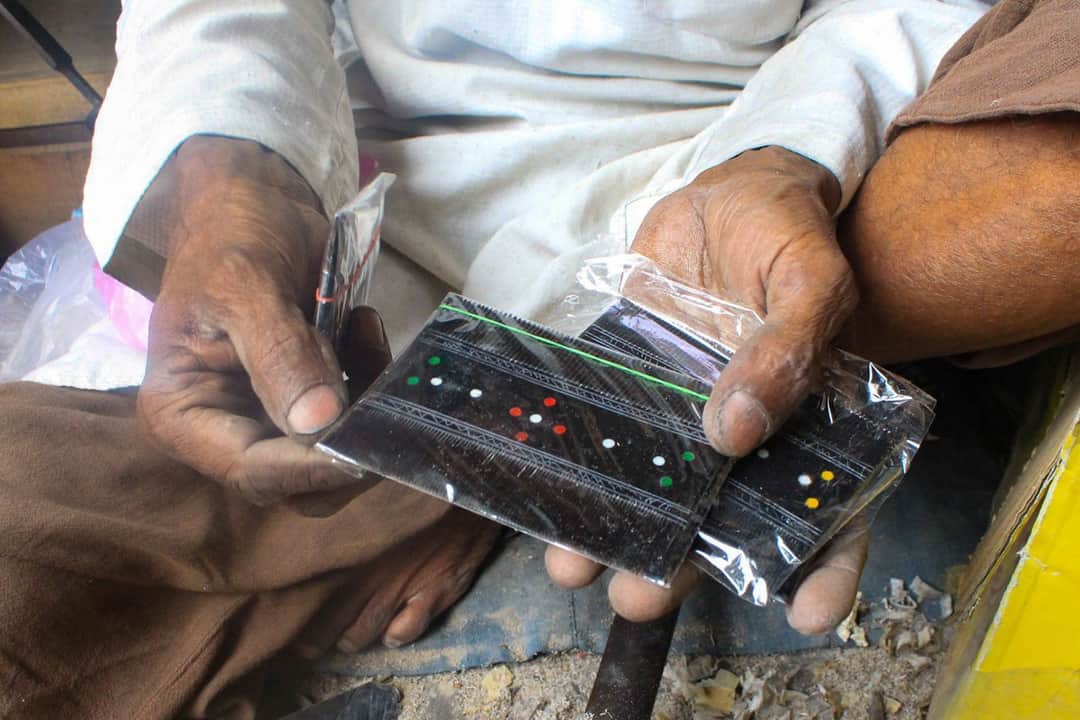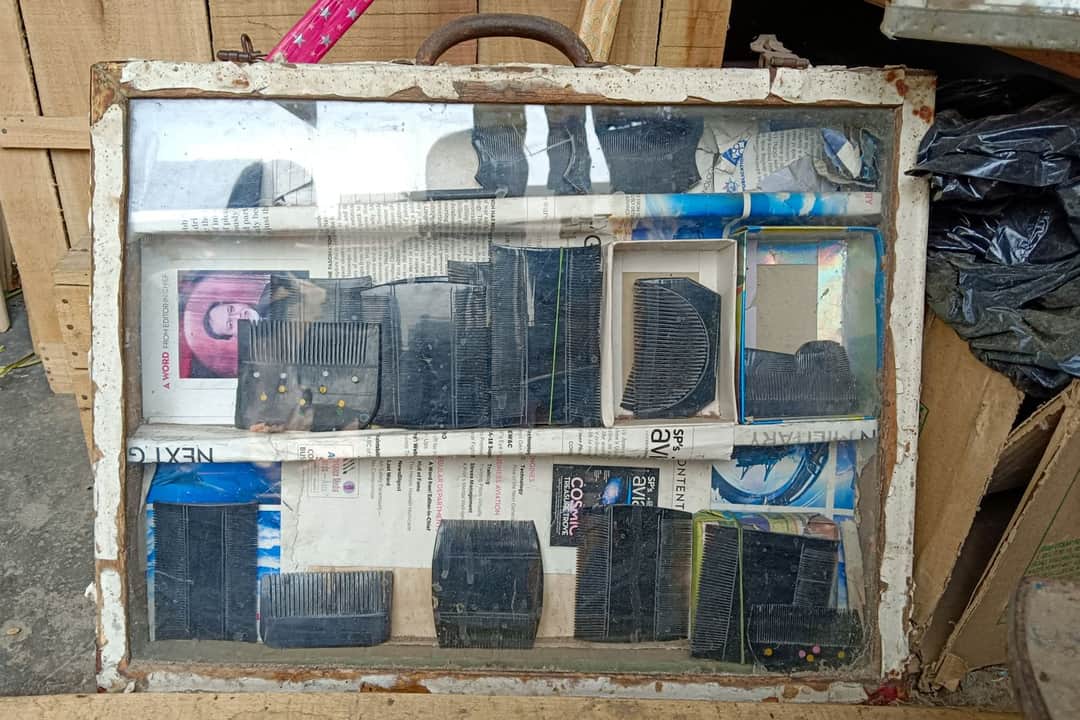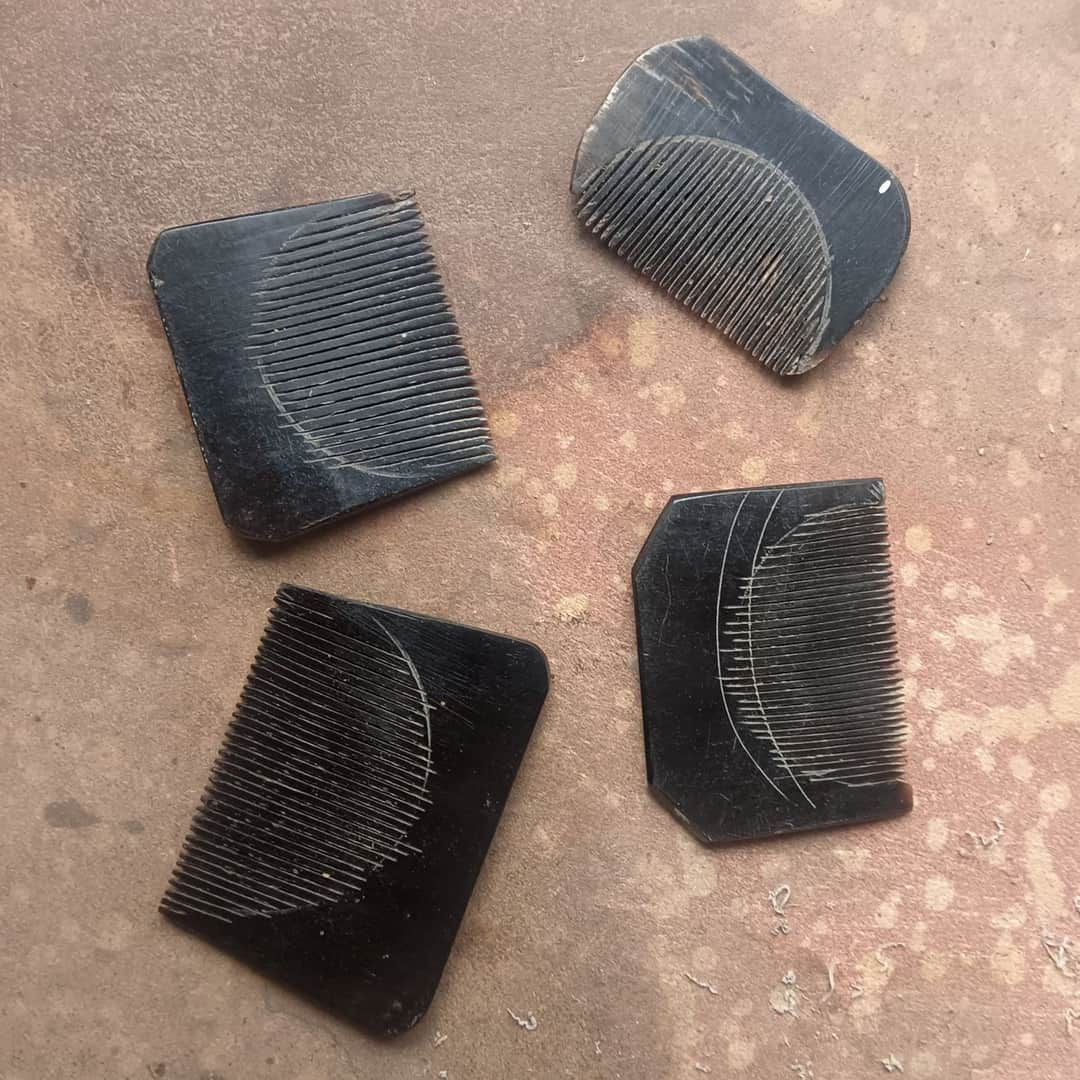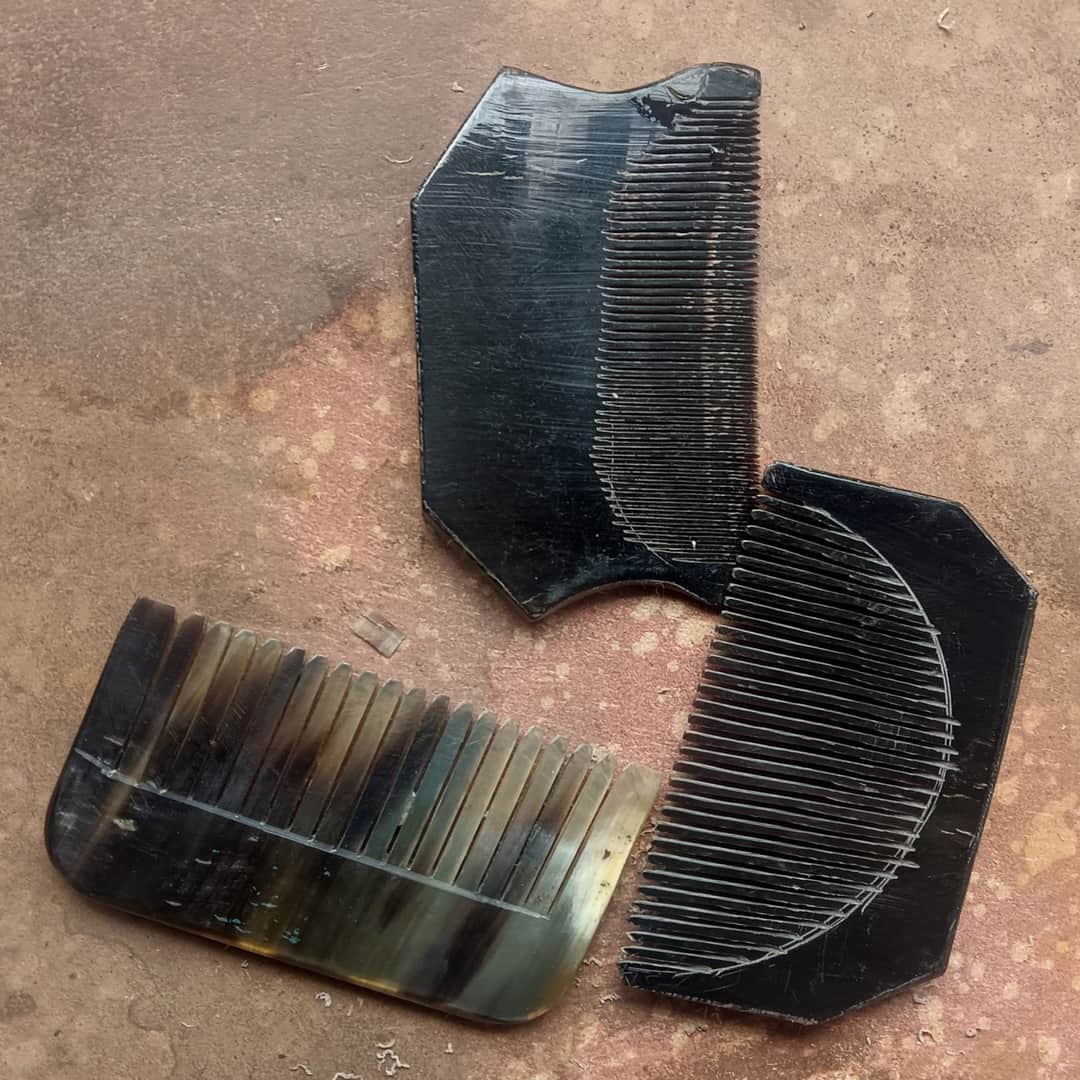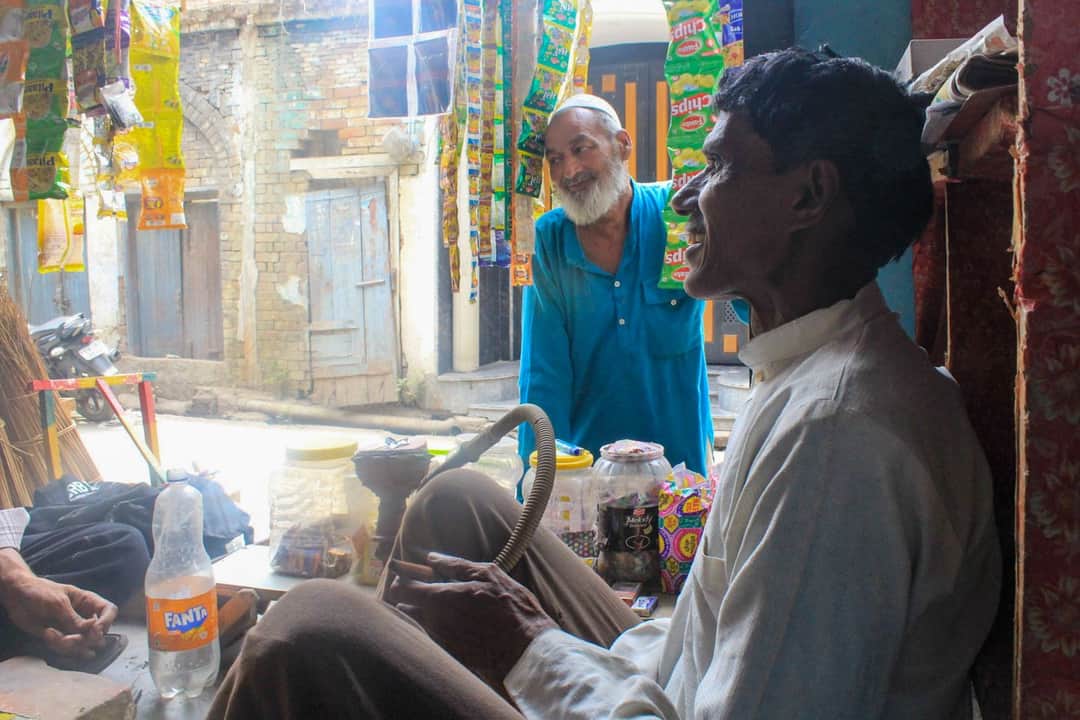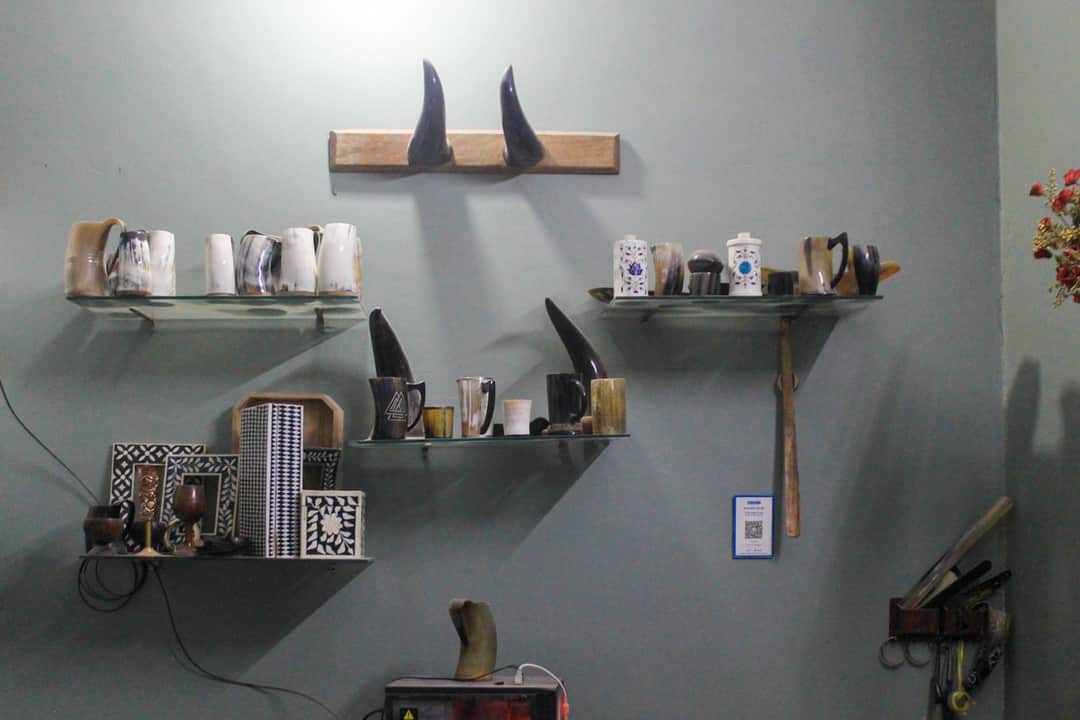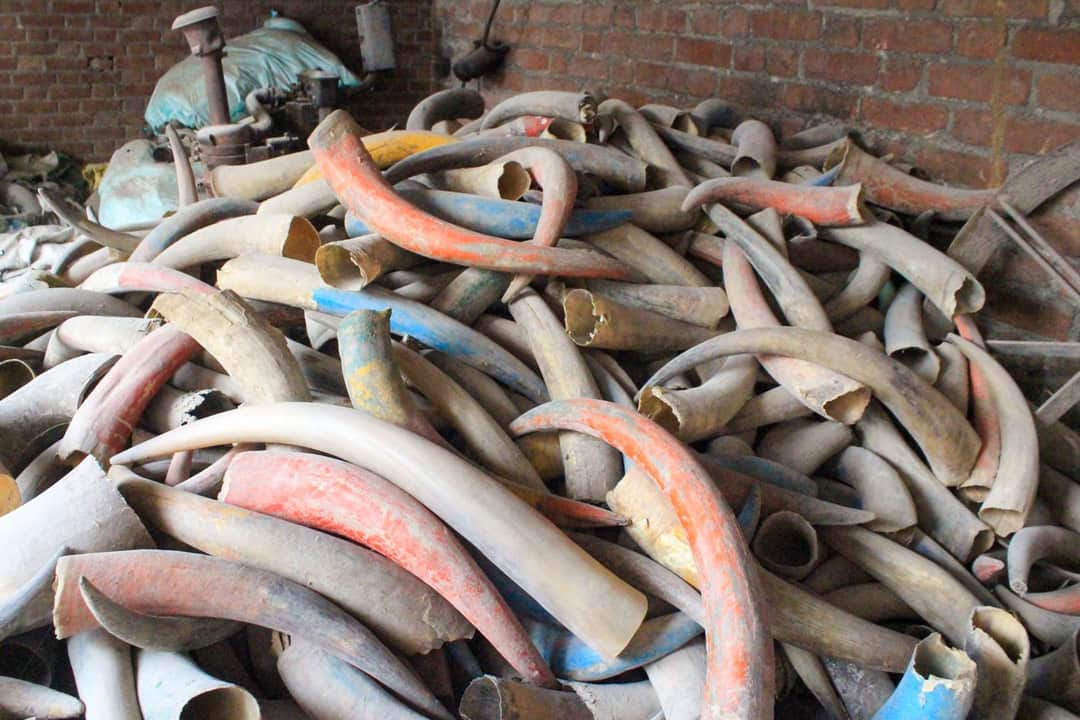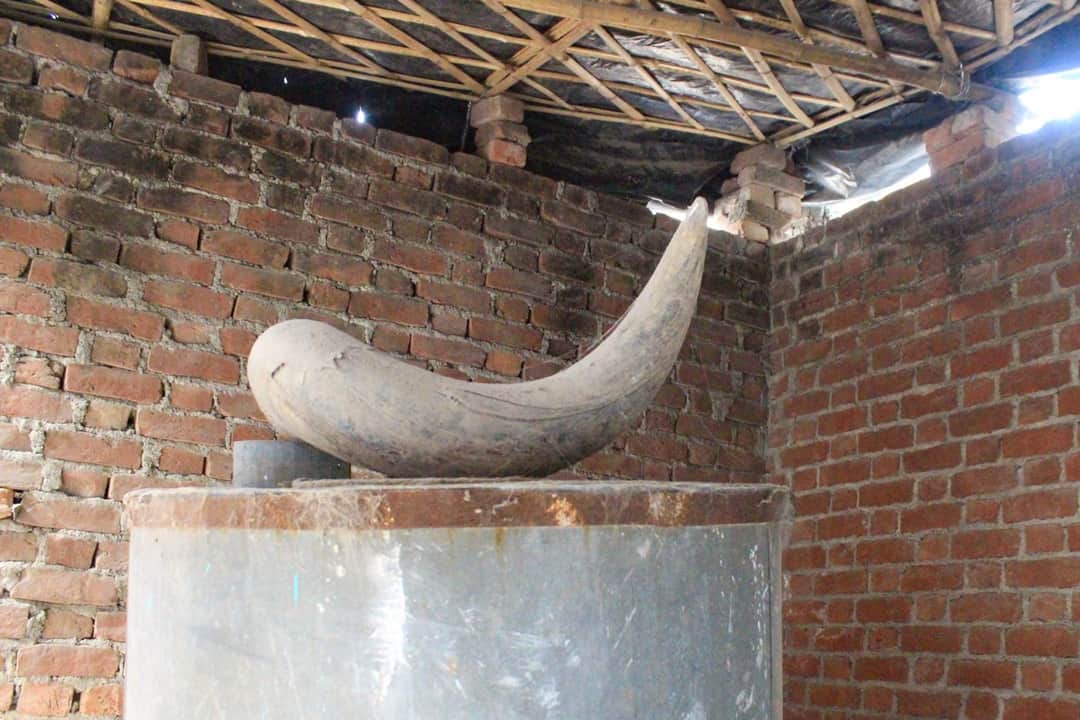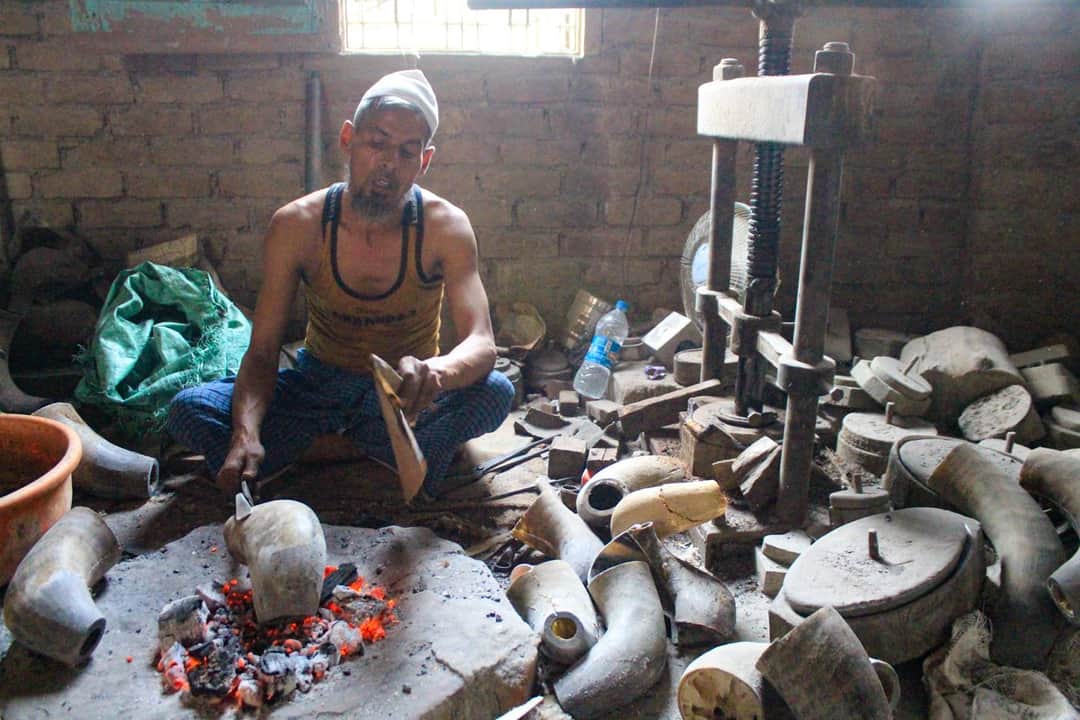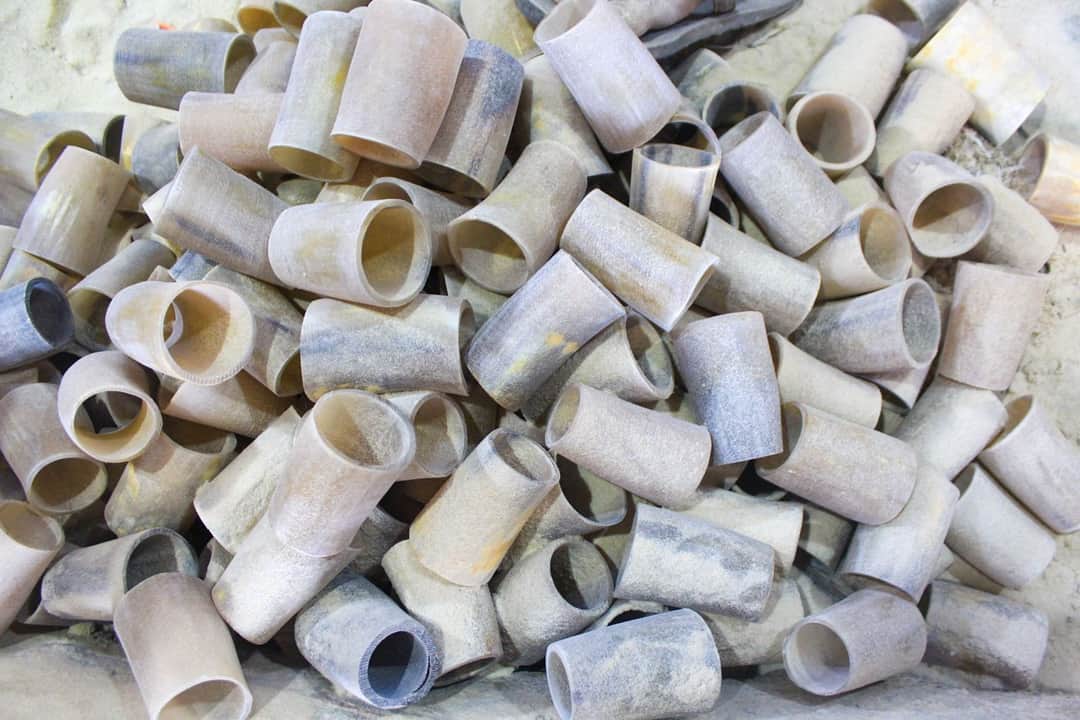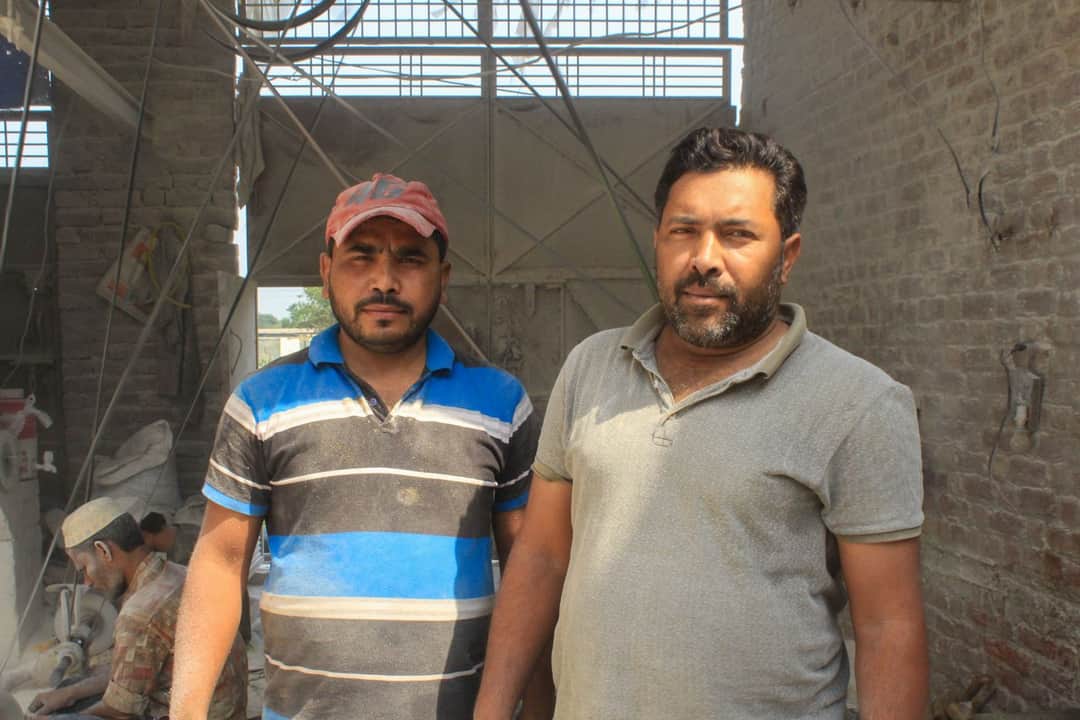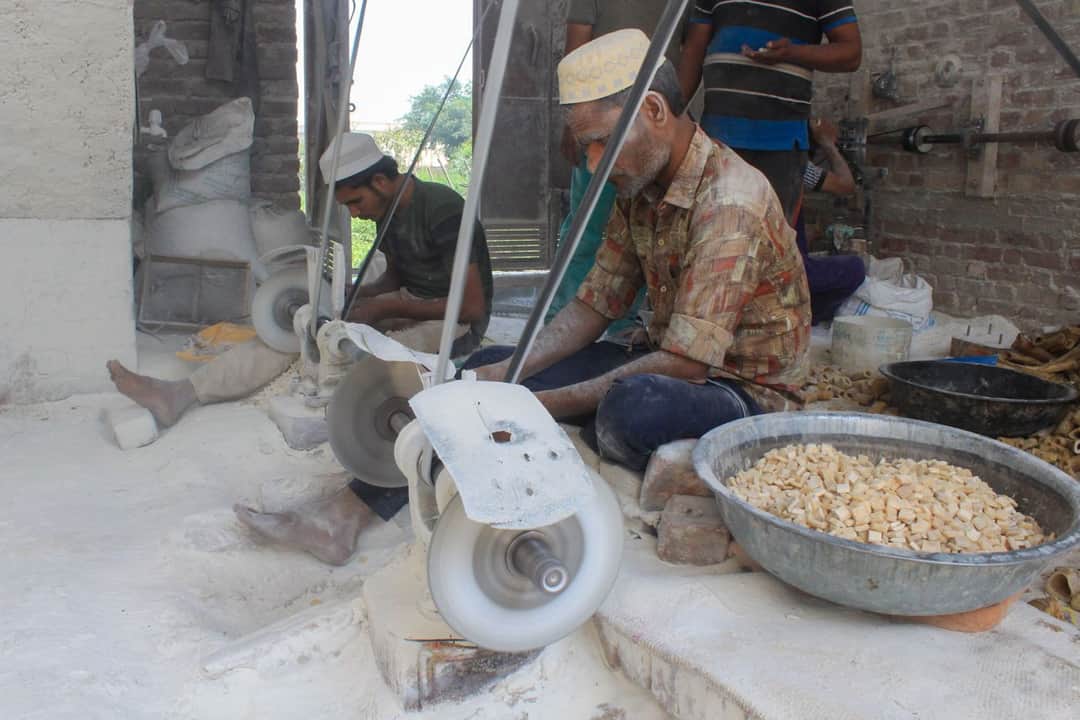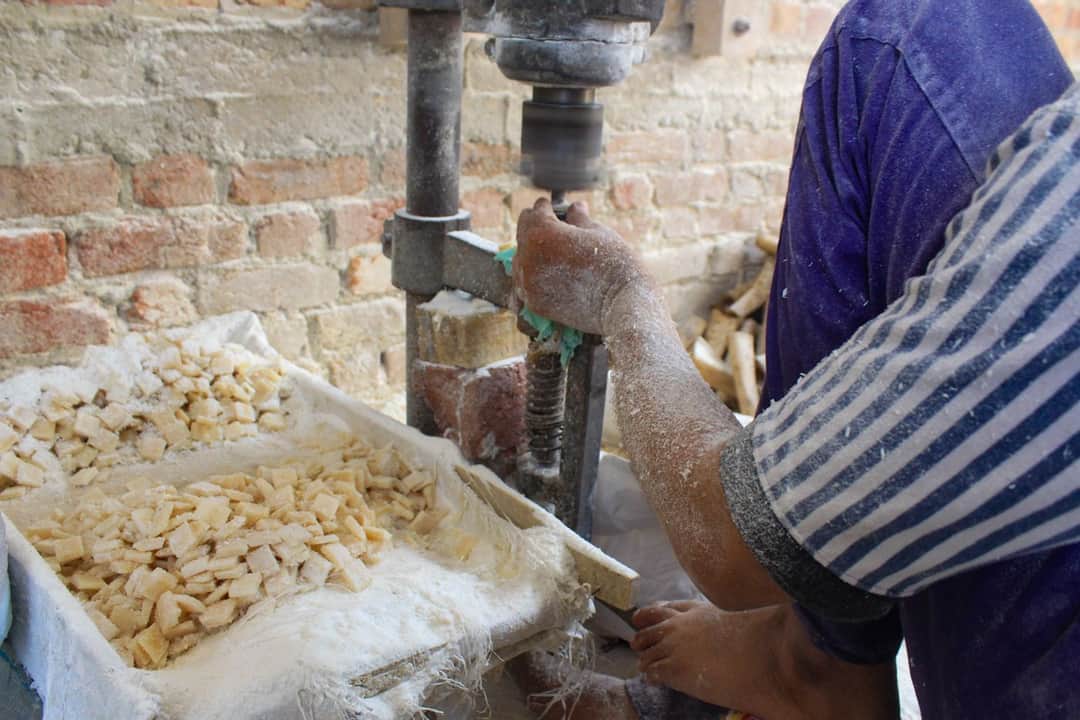

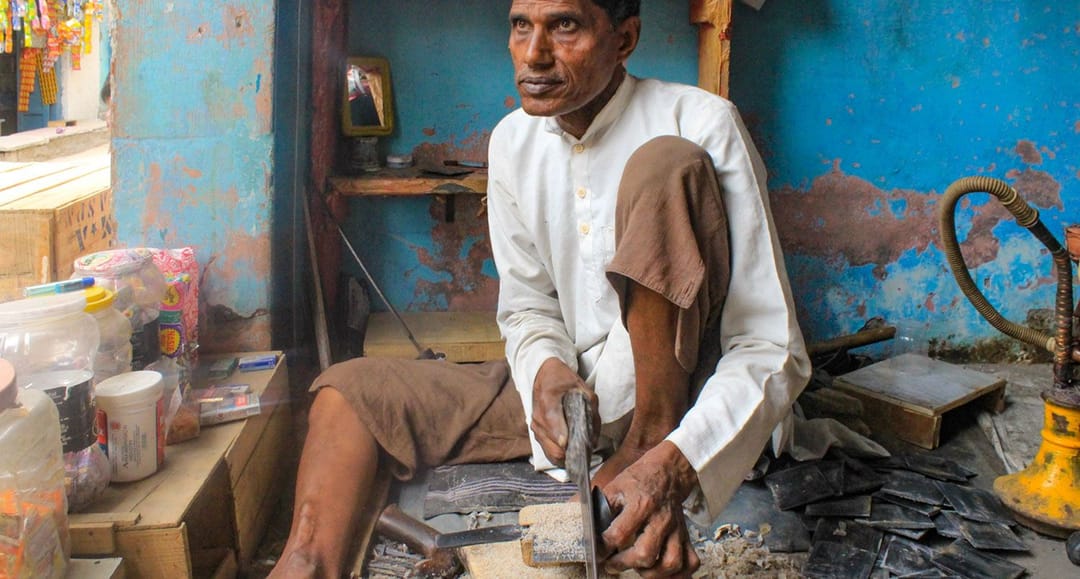
In Sarai Tarin, a neighbourhood in the town of Sambhal, famous for bone and horn products such as buttons, beer tumblers, home decor items and kitchenware, Mohammad Islam gets a steady stream of customers at his tiny, rented shop. There are children seeking candy, adults picking up daily rations and some elderly men looking to buy a fine-tooth comb.
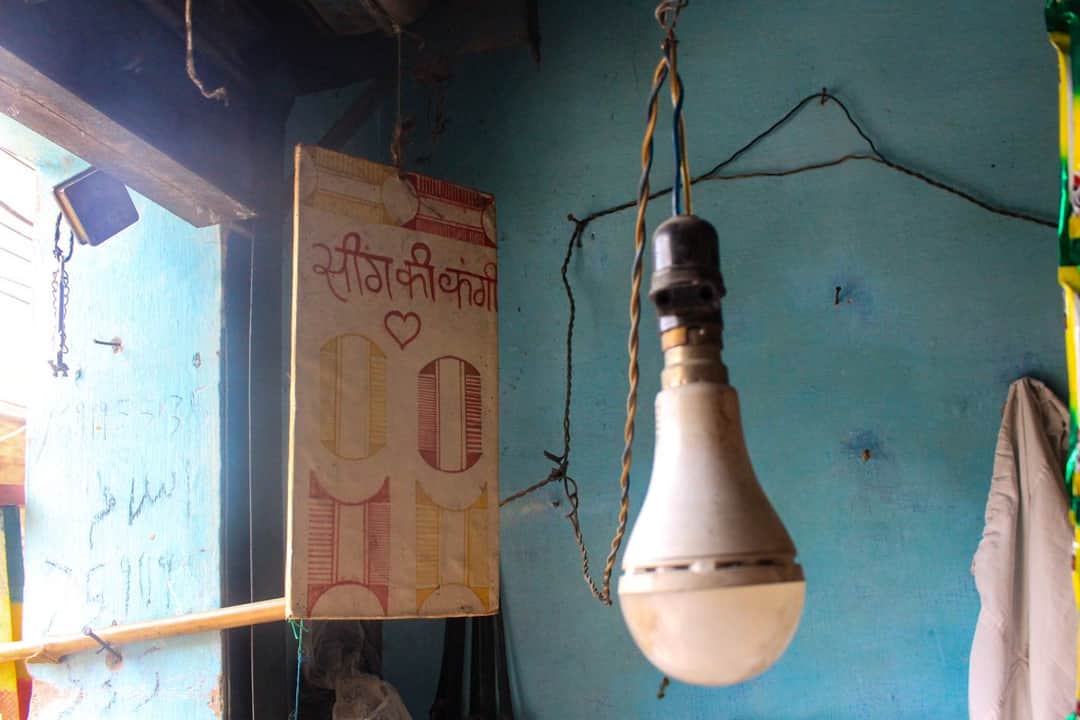
Above him, a hand-painted sign announces: “Seeng ki Kangi,” or buffalo horn comb.
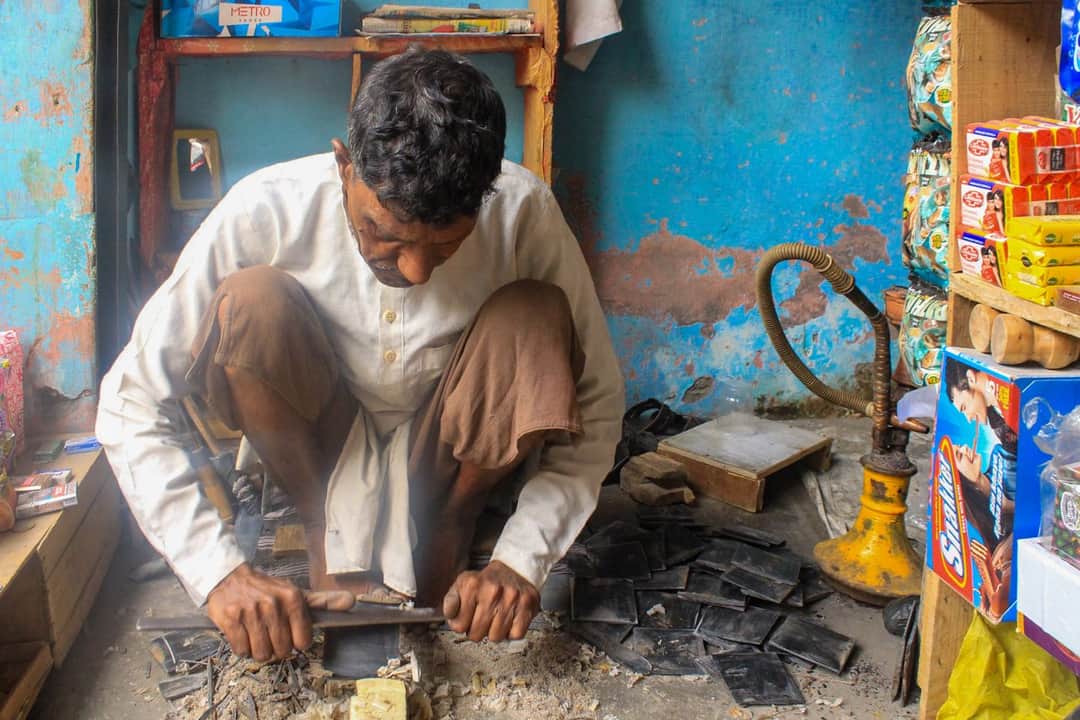
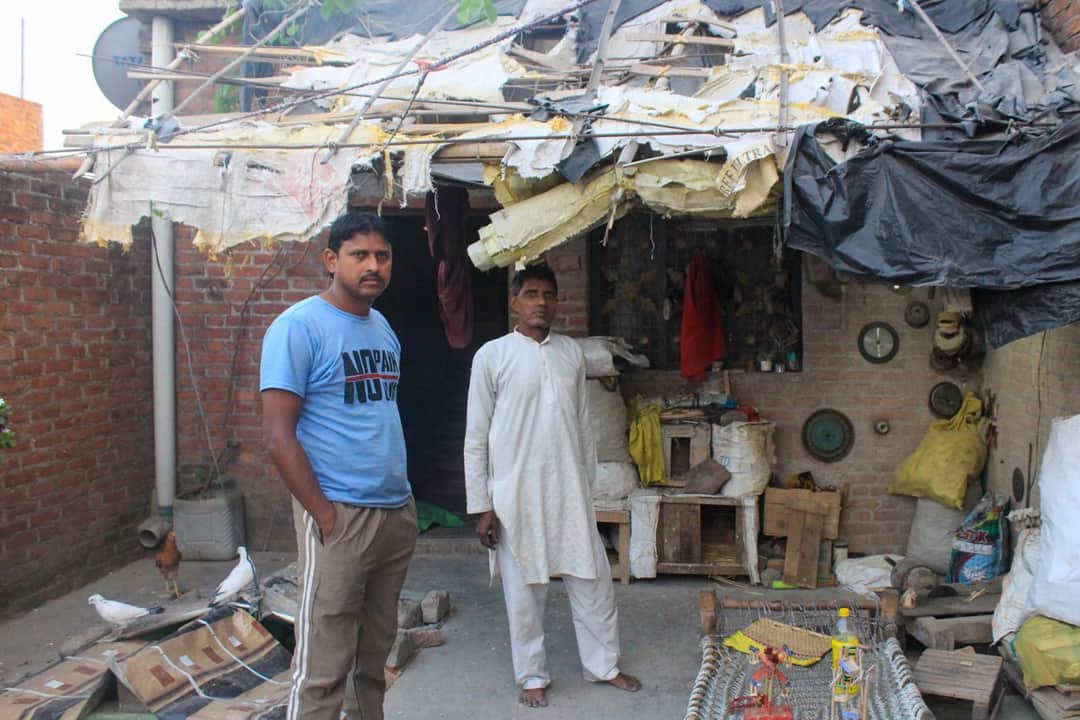
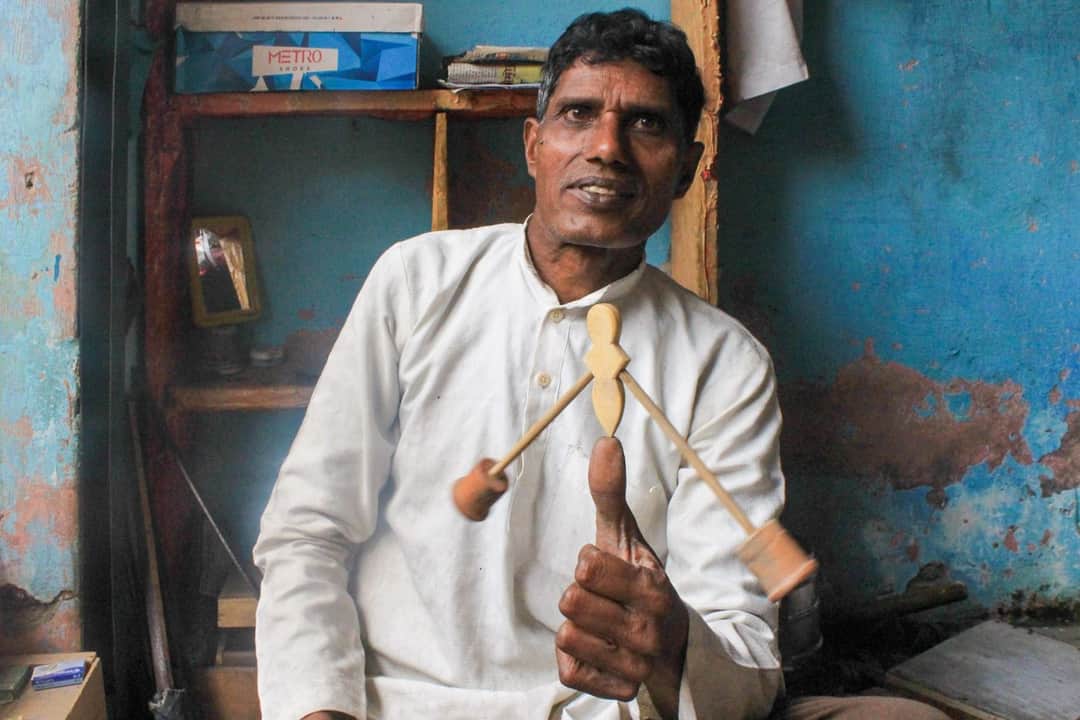
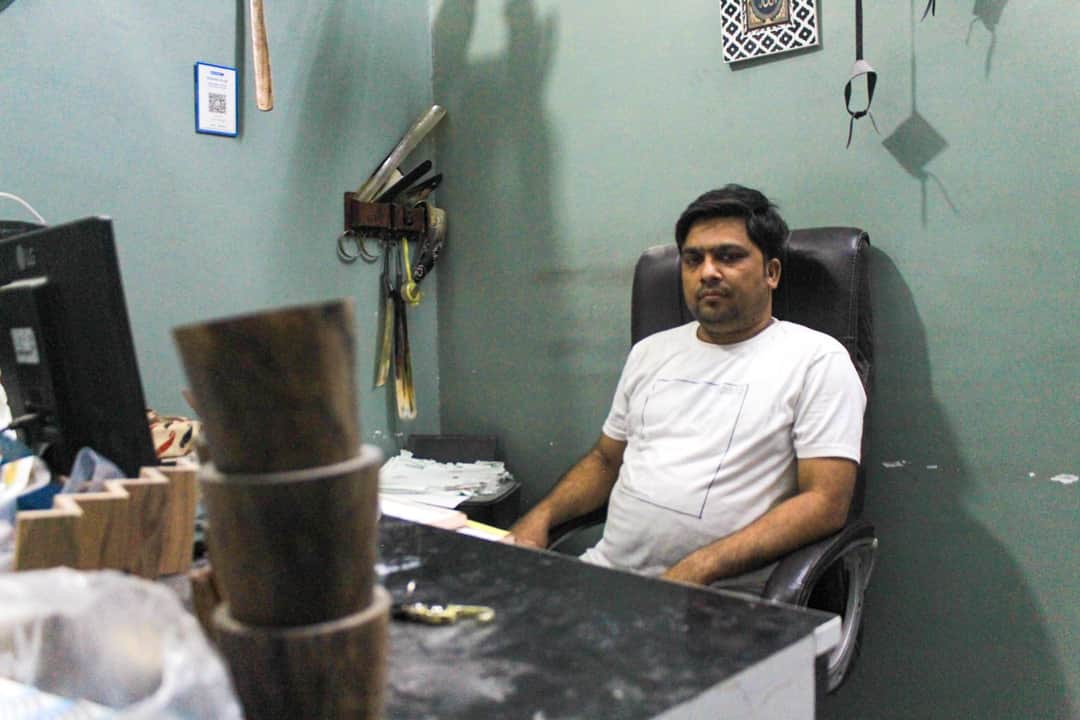
Islam, 60, is among the last craftsmen in Sarai Tarin still skilled in making combs from horn. His longtime associate, Maqsood Khan, in his late 70s, is one of the few remaining suppliers of the item.
“Artisans of this craft who passed away have taken the art with them – there is no reviving it,” Islam says, taking a drag from a hookah. “You can roam all over Sarai Tarin, but if it’s a horn-comb artisan you are looking for, everyone will direct you to me.”
In 2022, the craft was given a Geographic Indication (GI) tag, a form of intellectual property protection that helps to distinguish products based on their place of origin. Handicrafts of horn and bone are also promoted as special to Sambhal in the government of Uttar Pradesh’s One District, One Product scheme for crafts.
“Jiske sar par baal, uski kangi [whoever has hair needs a comb],” Islam playfully quotes a common phrase. “There was a time when combs were everywhere – at every street corner and intersection.”
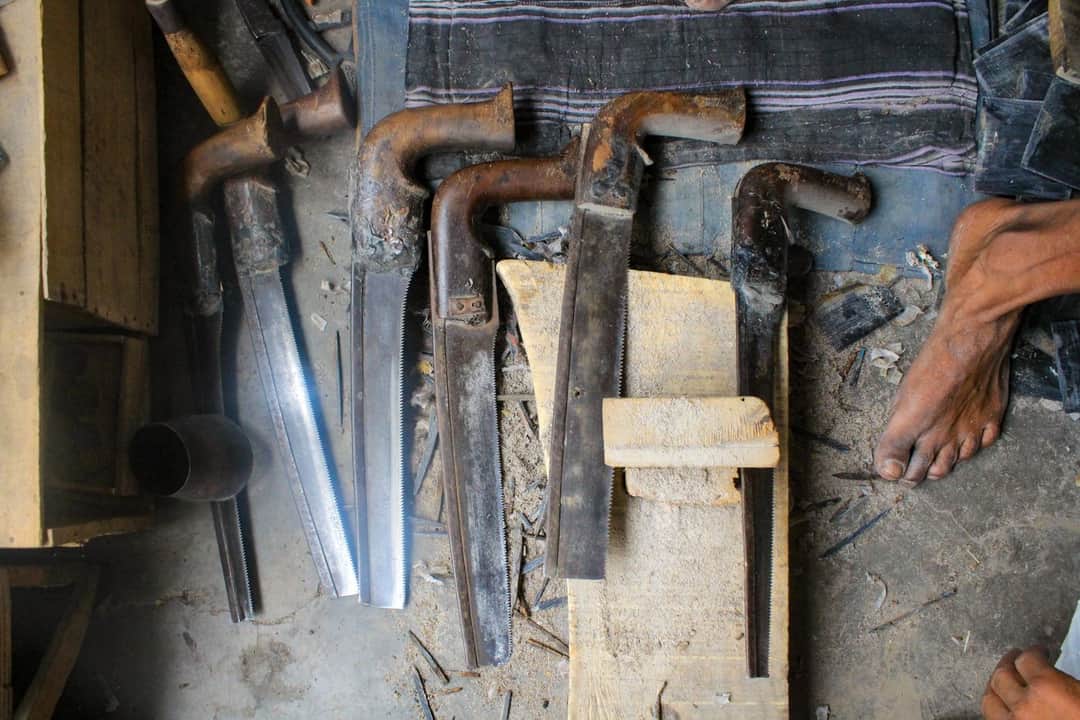
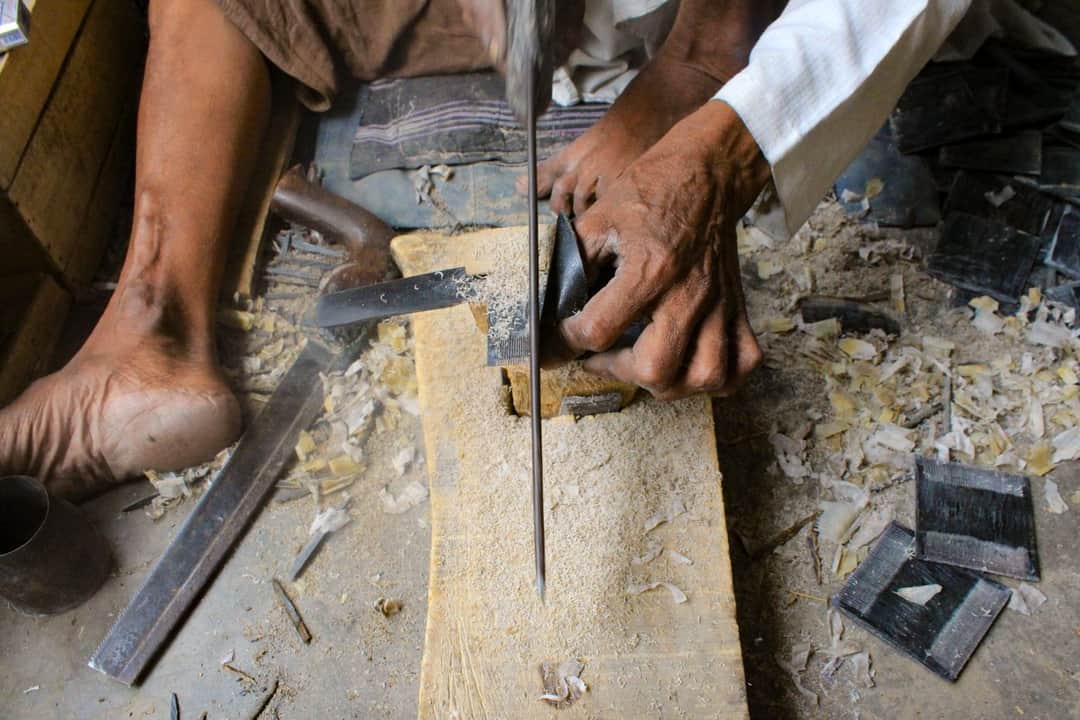
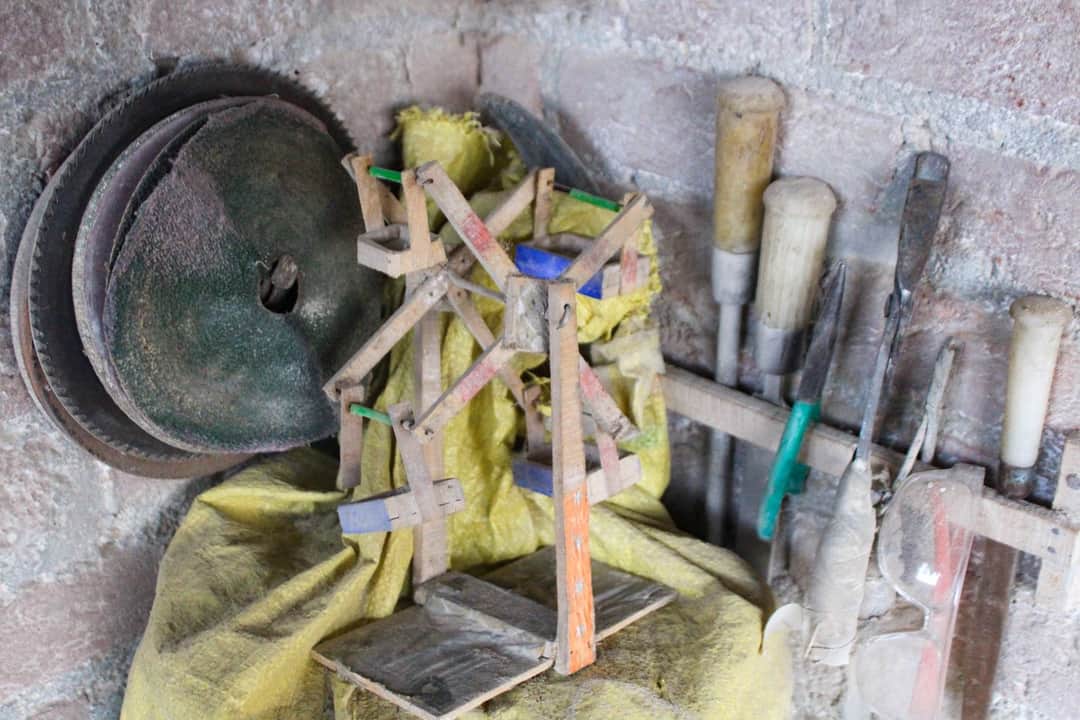
He rents the store – also his workshop – for Rs. 2,000 a month, constantly juggling the roles of shopkeeper and craftsman. Spread in front of him now are the tools of his craft: several types of aari (saws), rait (chisels), chhilli (scraper), sheets of regmaal (sandpaper), and an adda (a wooden board) used to position the combs.