
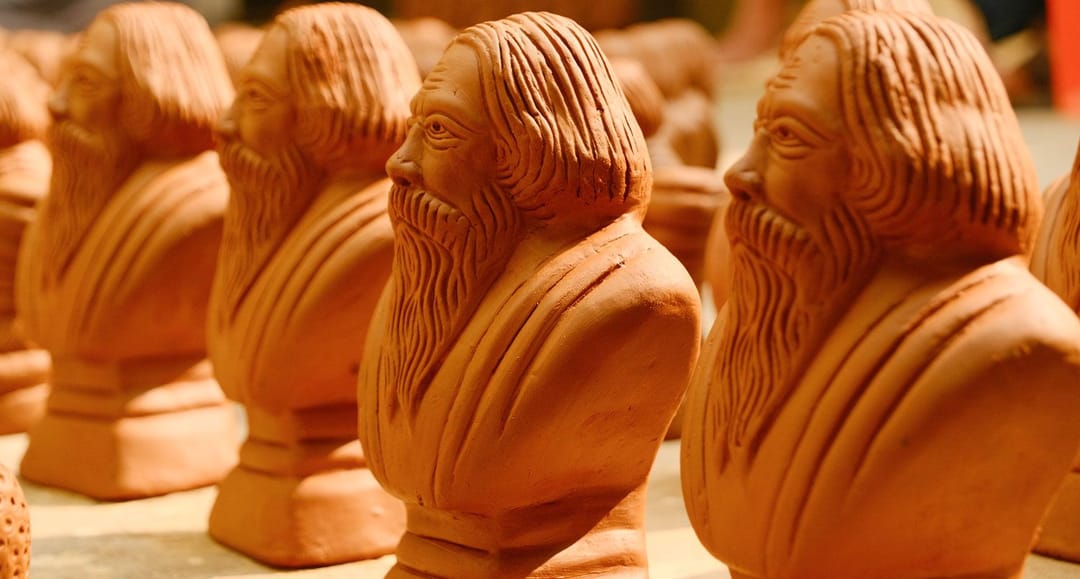
“My mother met him once.”
In Santiniketan, everyone knows who “he” is.
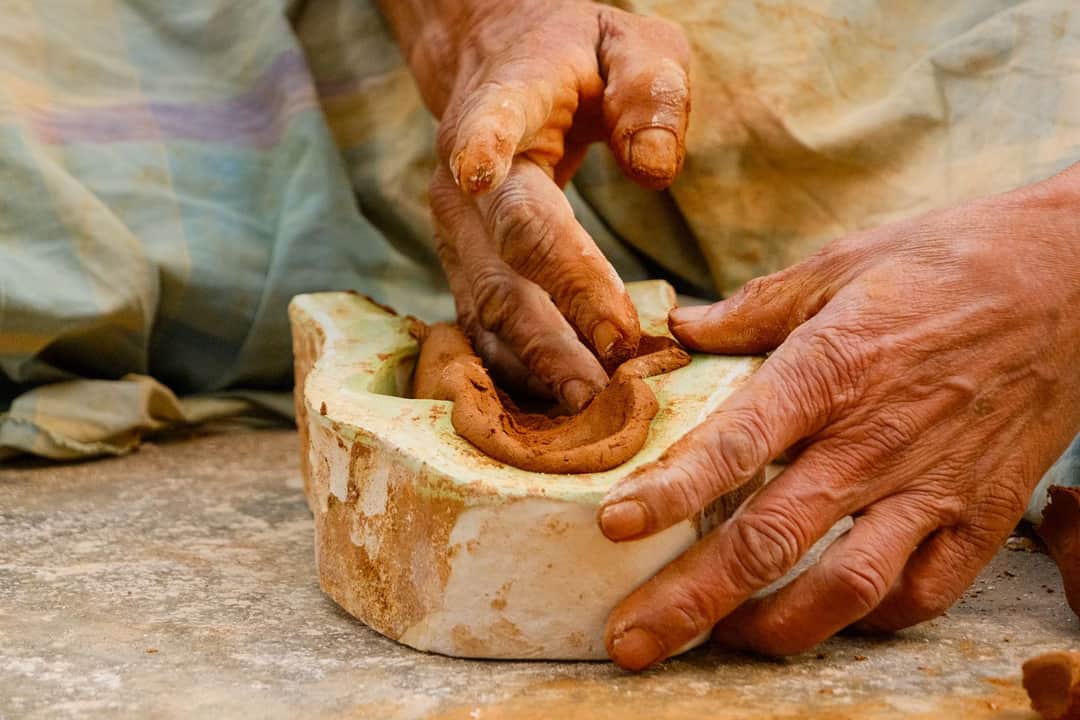
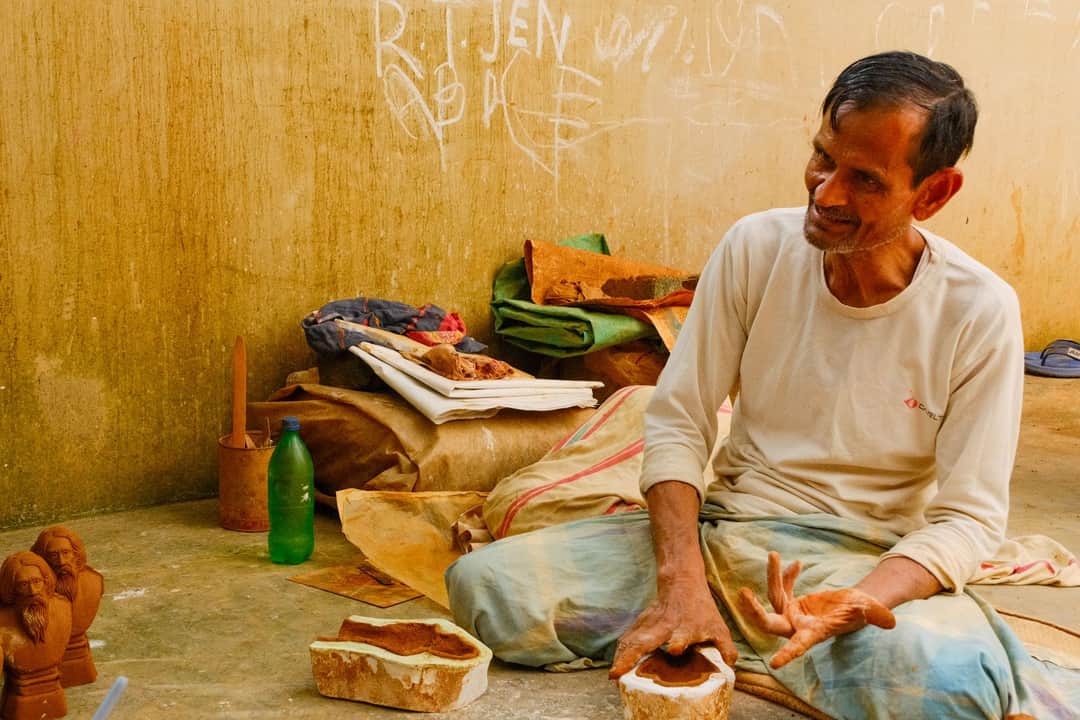
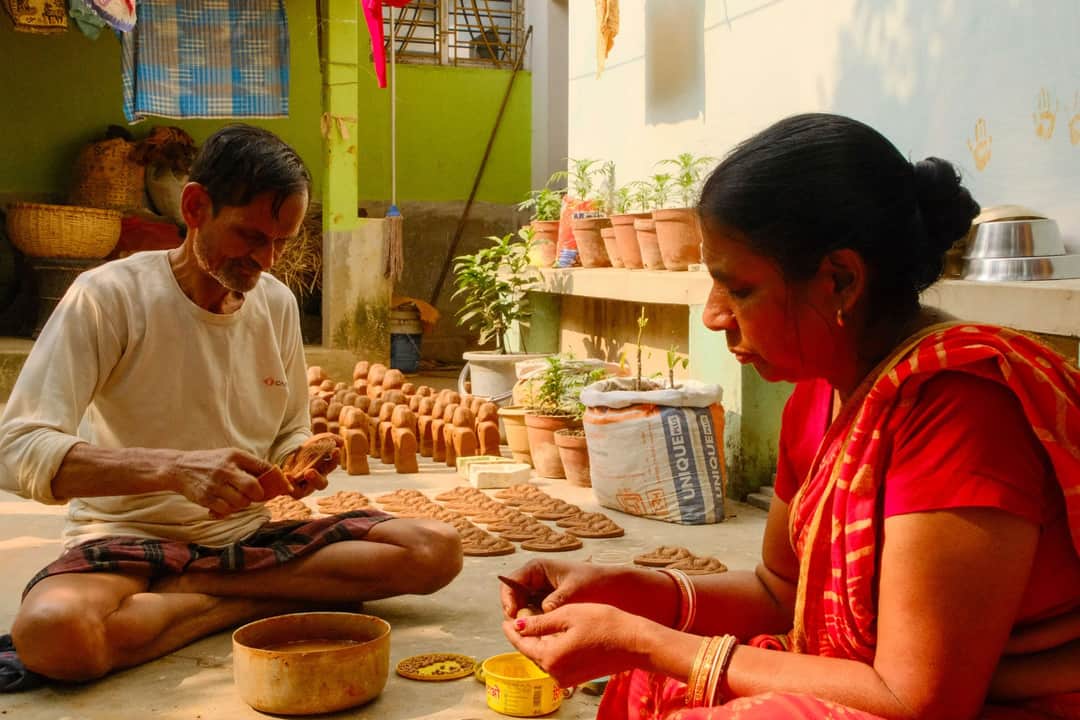
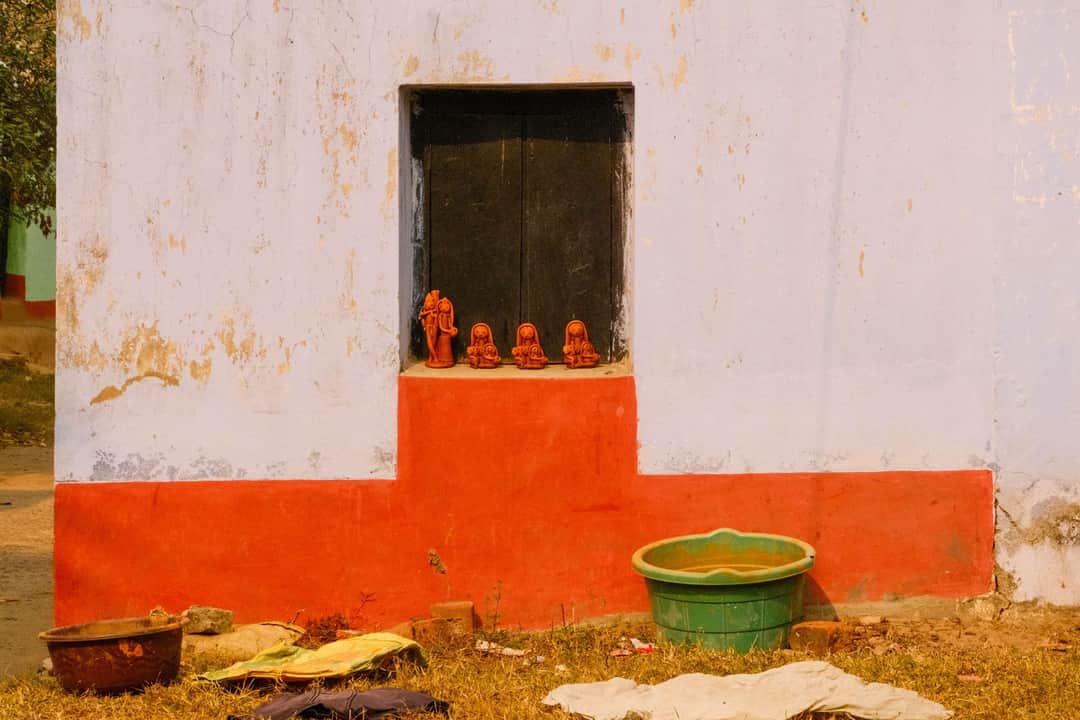
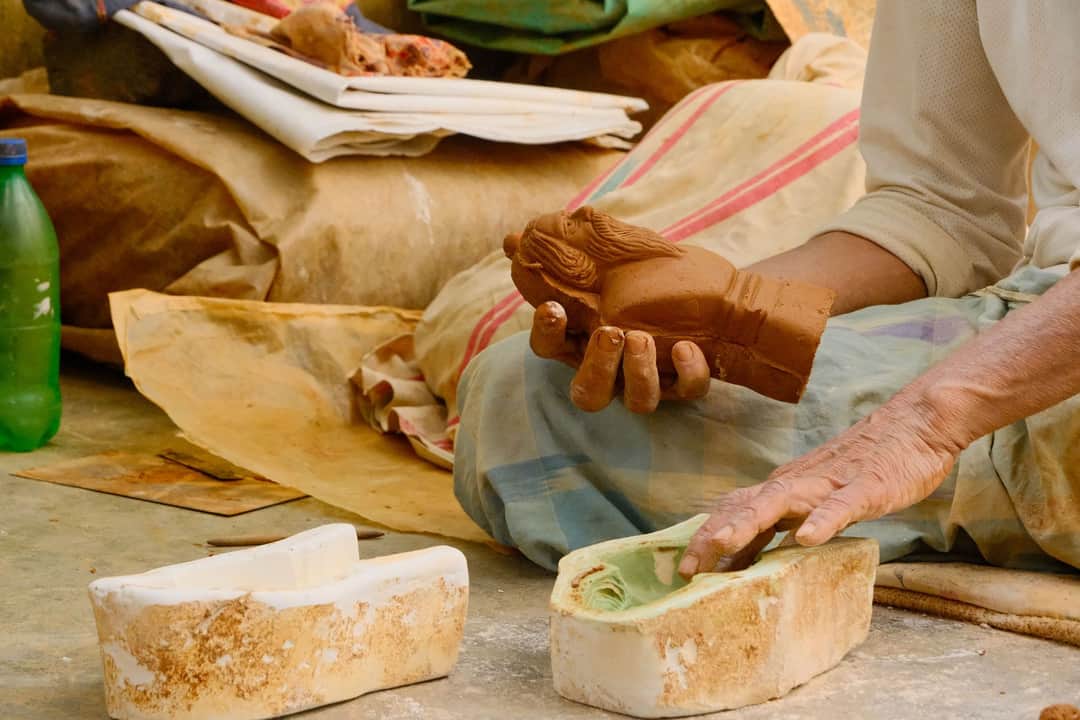
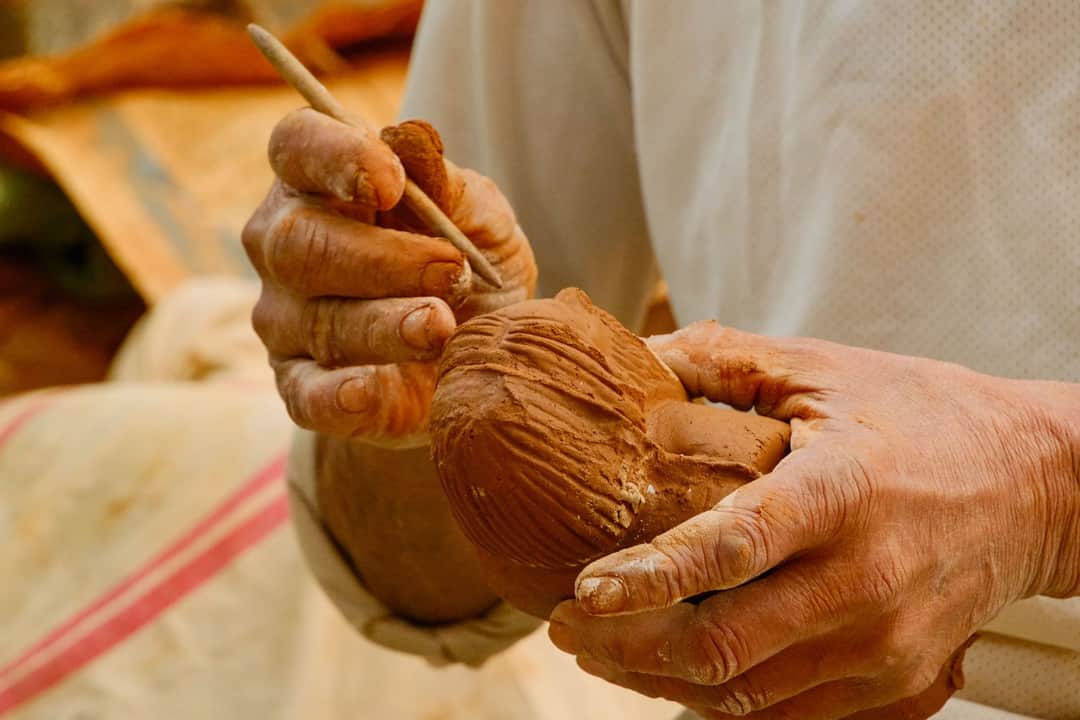
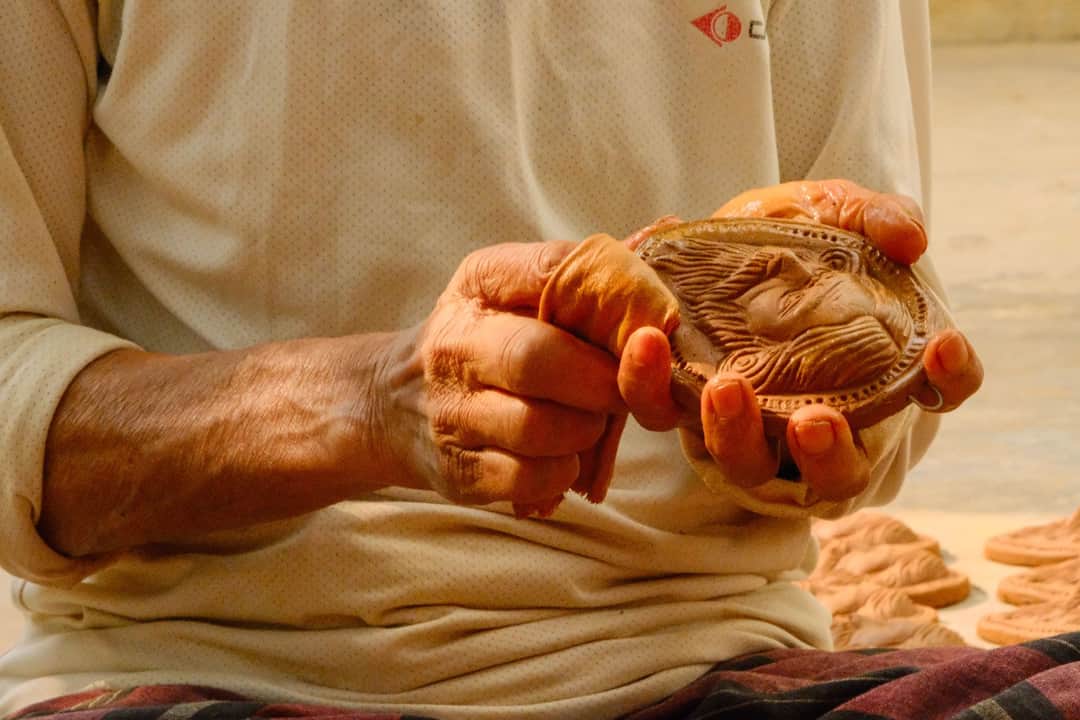
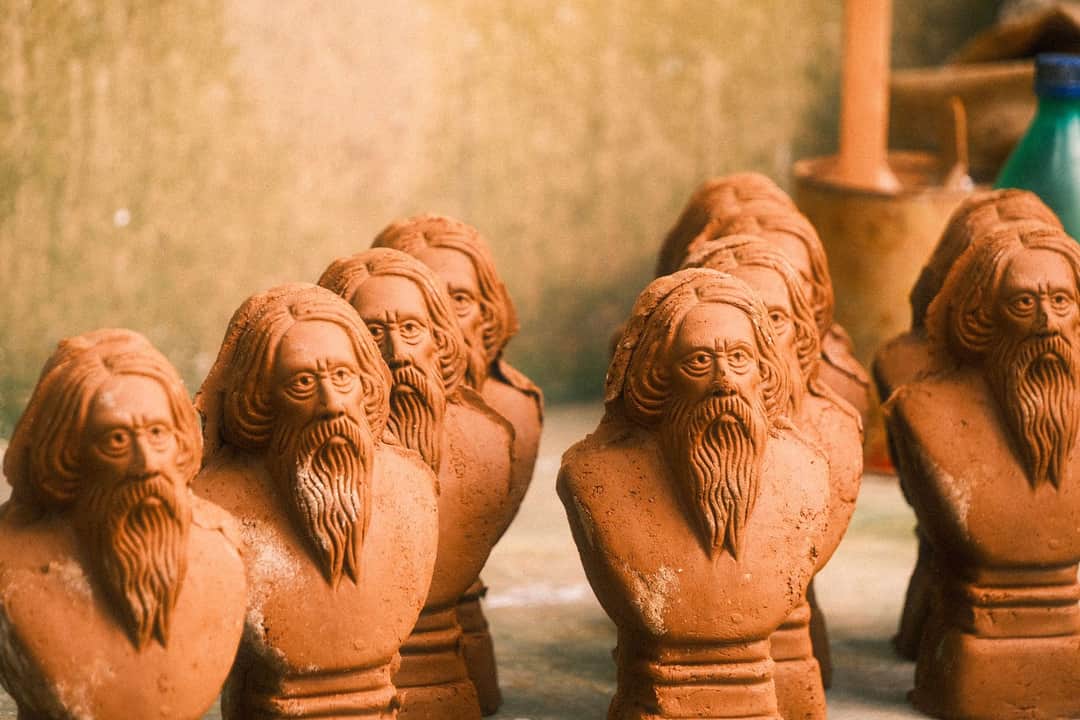
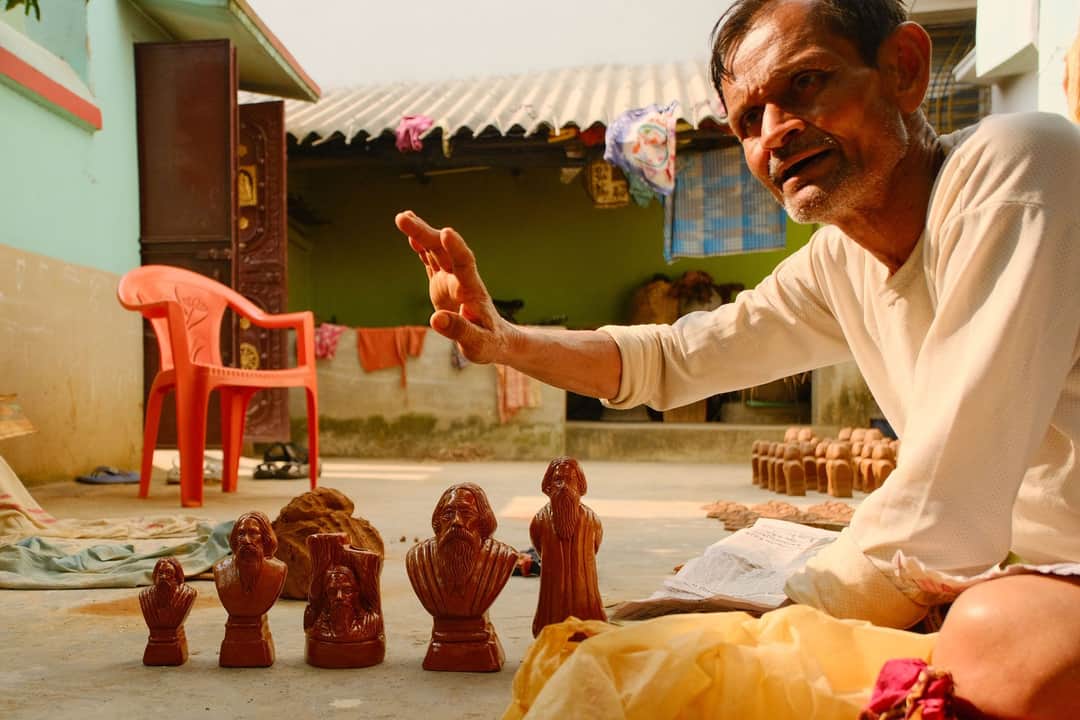
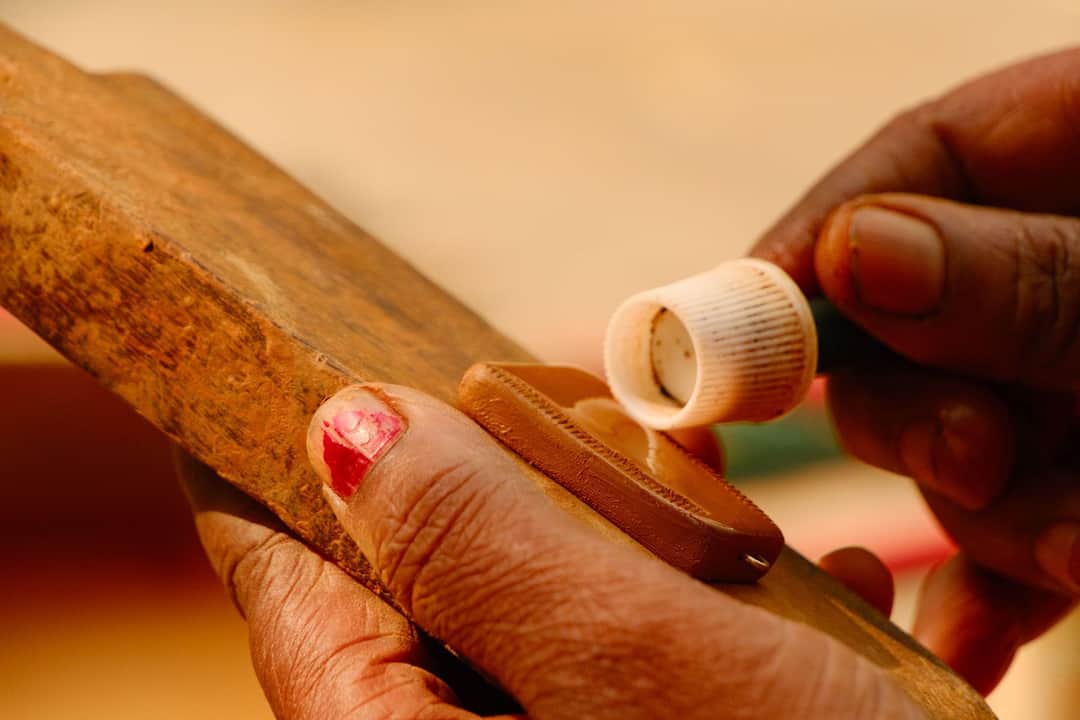
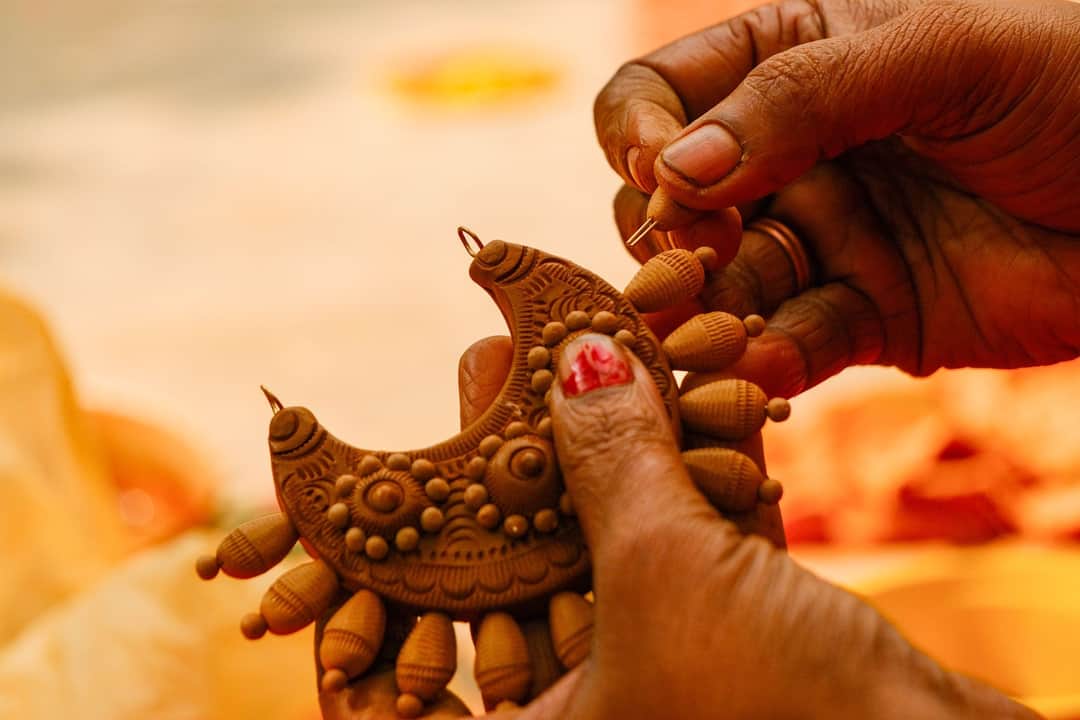
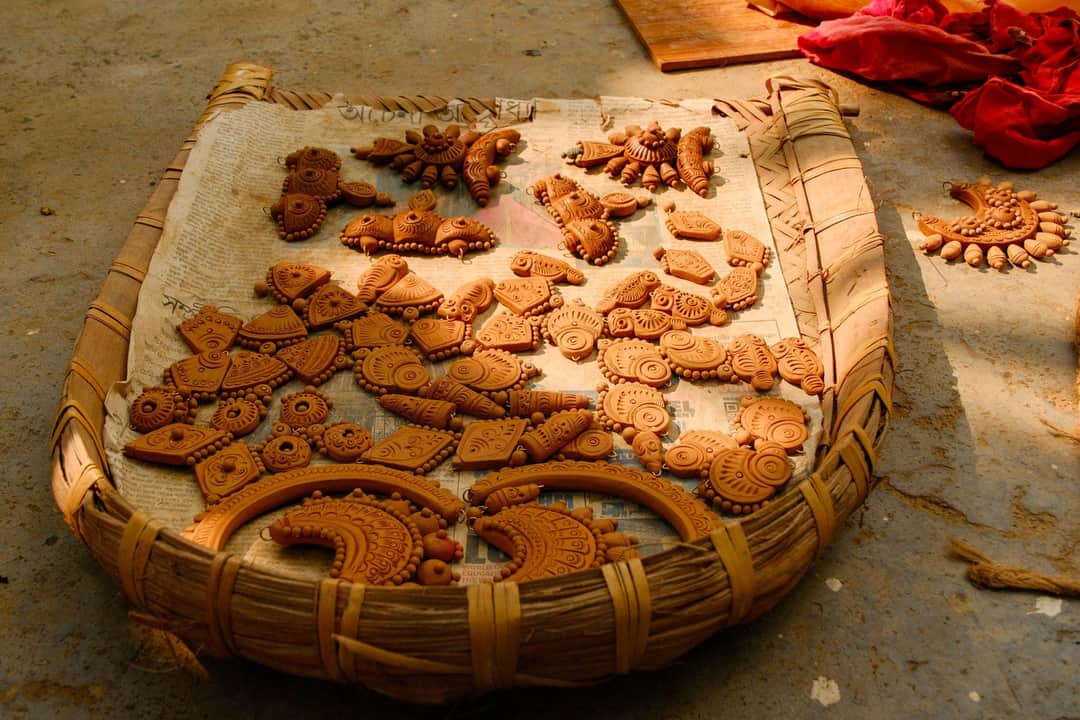
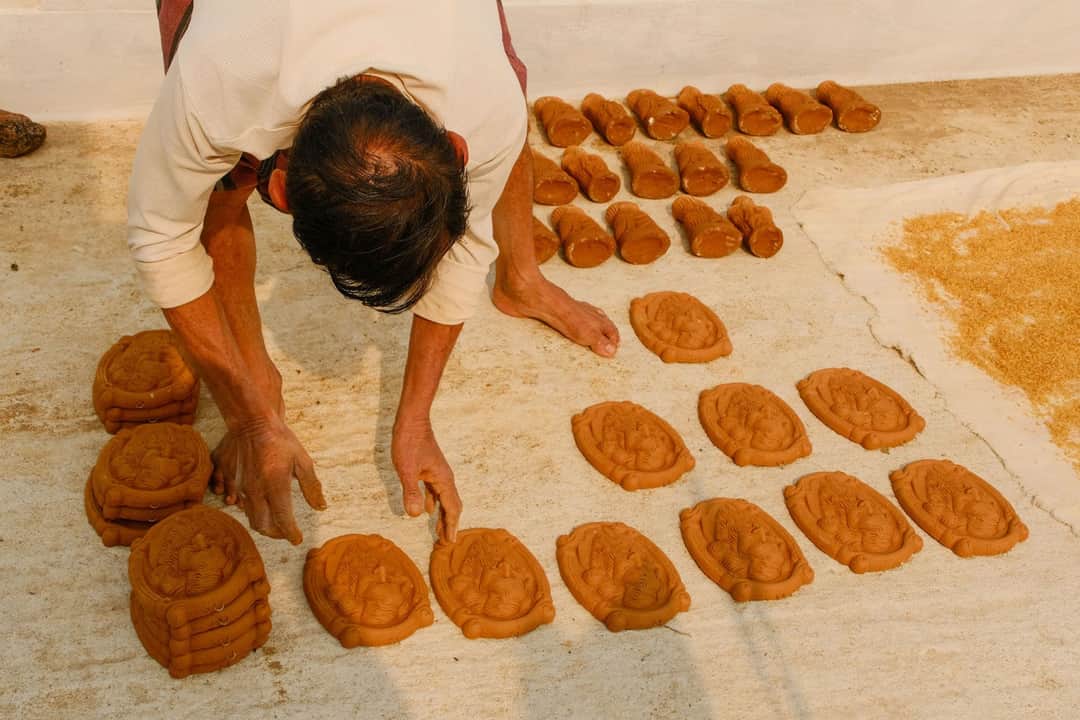
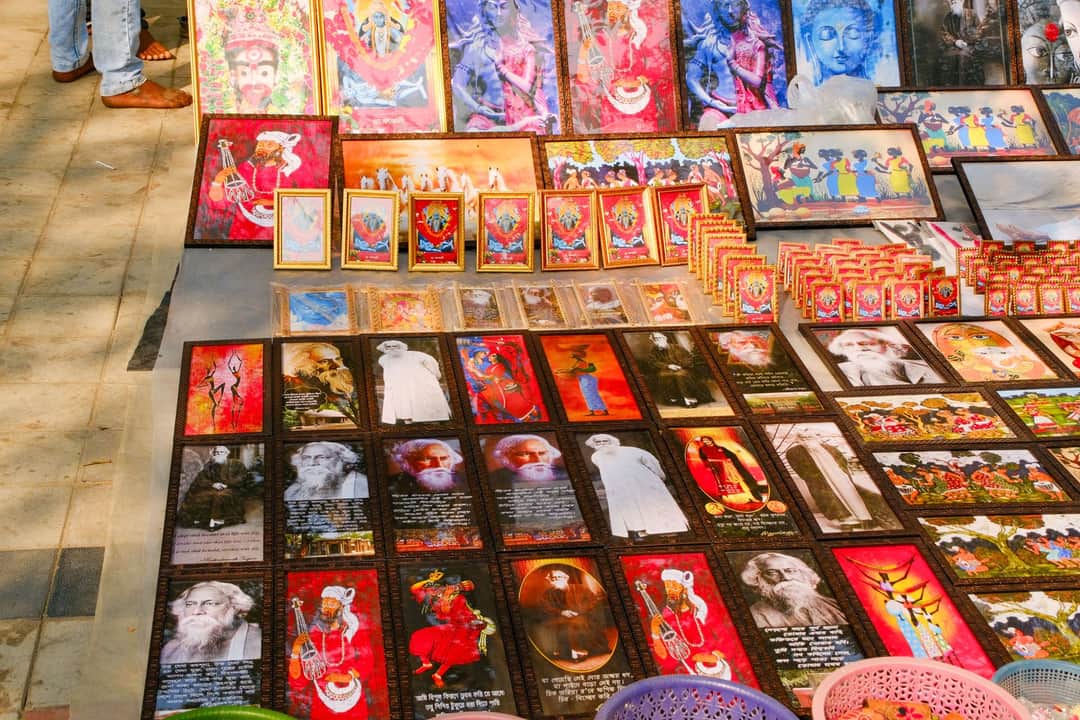
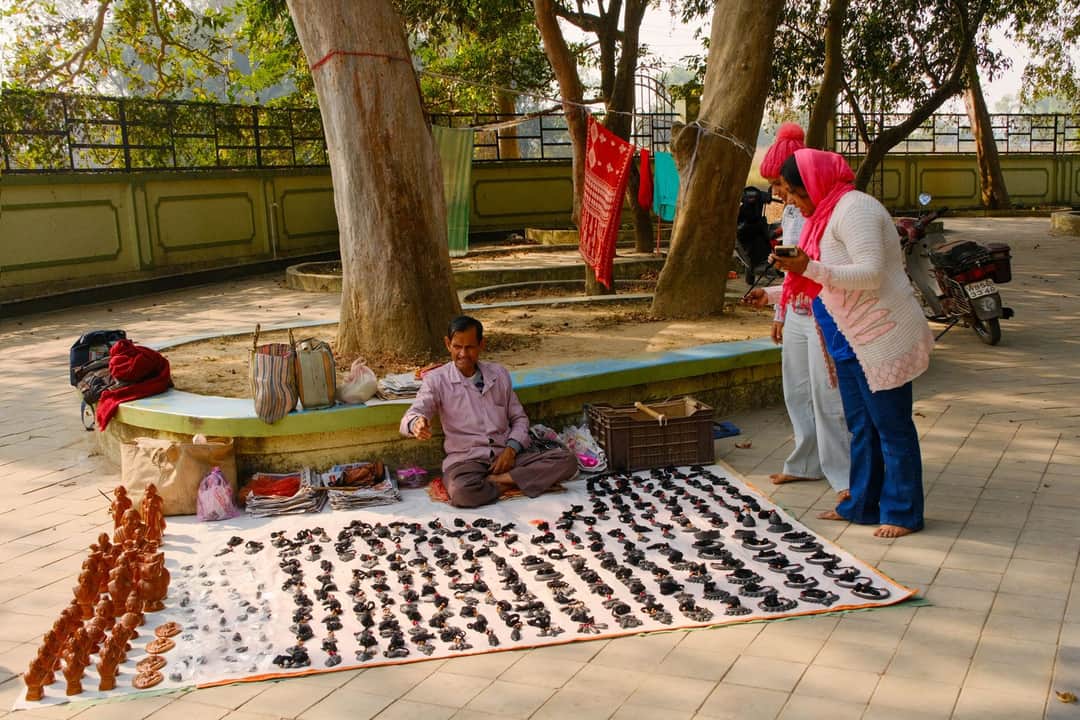
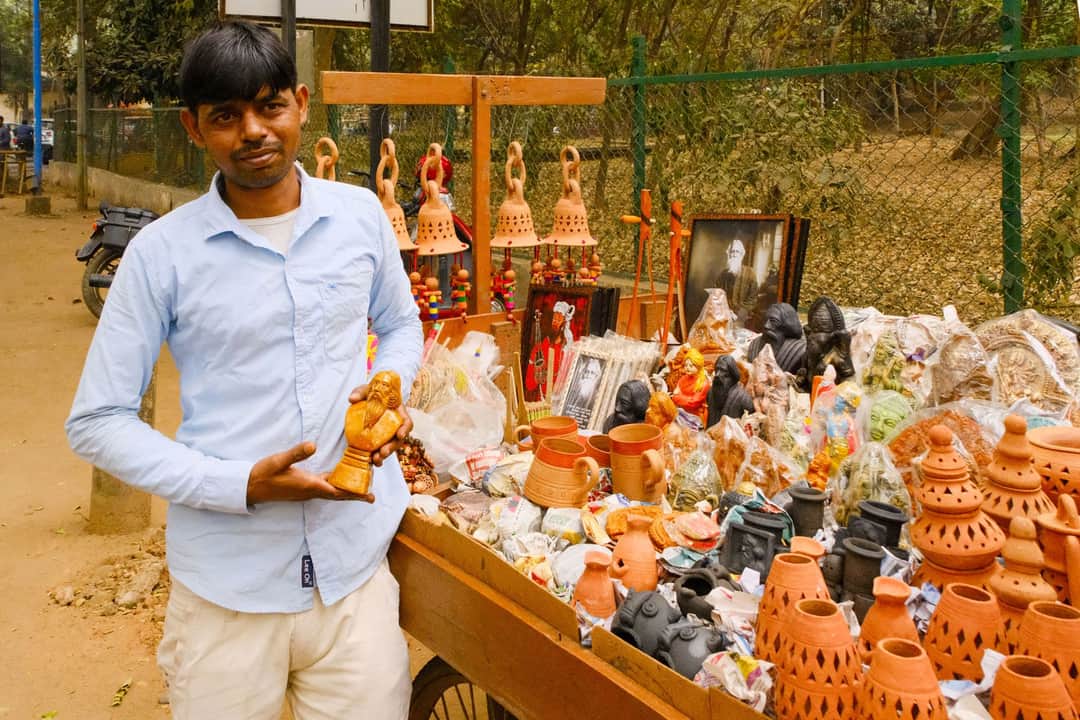
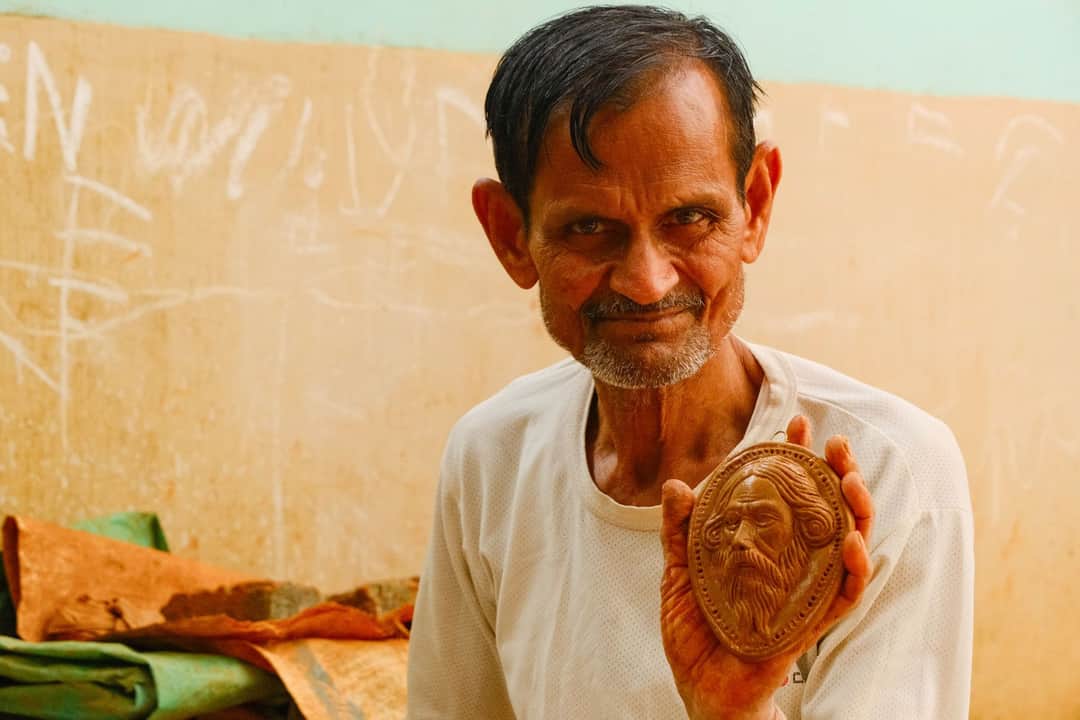
Bipin Karmakar's practiced hands are shaping a miniature of Rabindranath Tagore, the towering cultural icon he is referring to. “The tourists who come to Santiniketan will definitely take a Rabindranath – be it a statue or a painting. Like we buy a Jagannath idol when we go to Puri,” he adds, reverentially, equating a Hindu god to the famous 20th century literary figure. Incidentally, the Bangla pronunciation of the poet’s last name is also the word for ‘divine’ in the Bangla language where he shaped both literature and music.
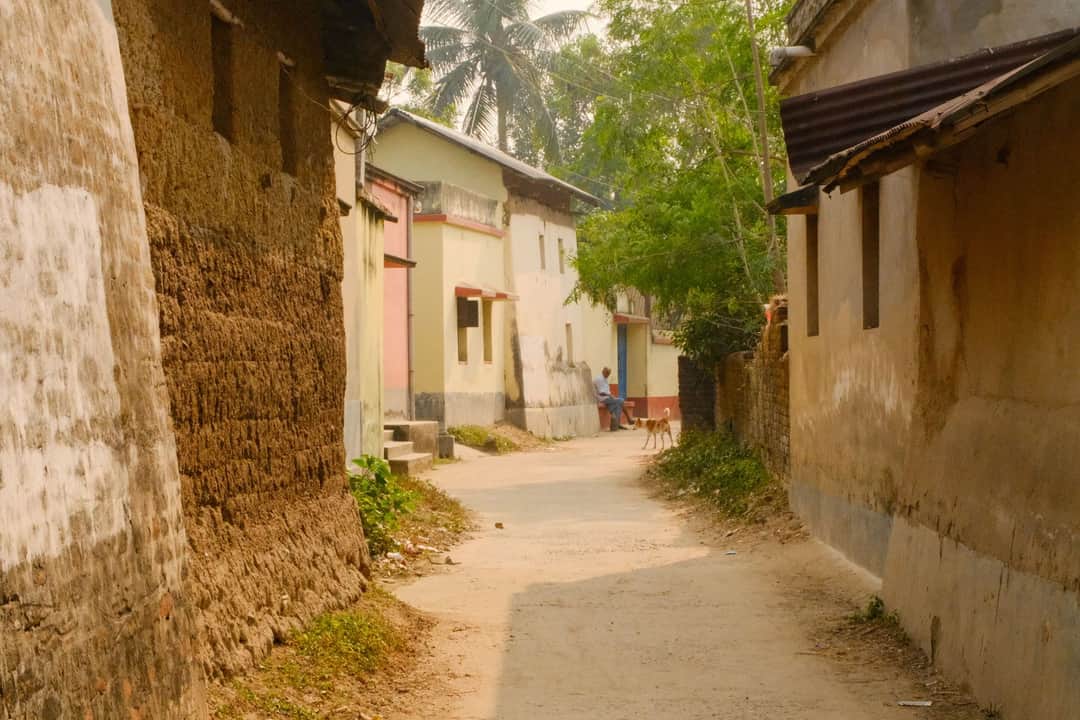
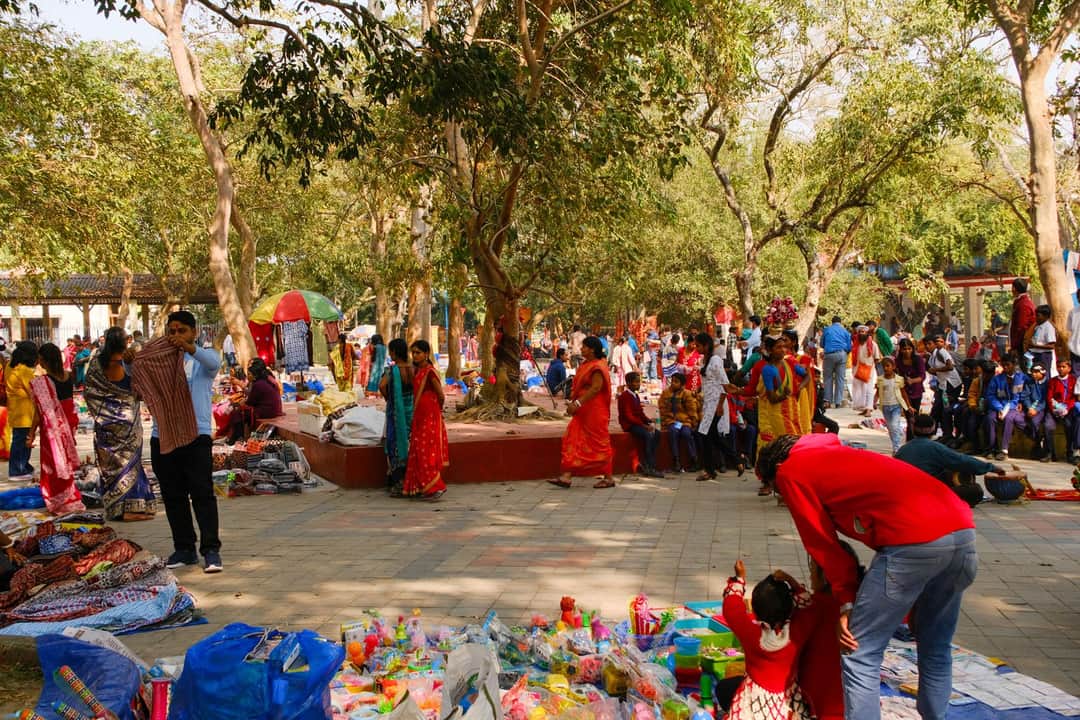
More than a century has passed since Tagore established his ashram school and university (Visva Bharati) in what was then a village. Santiniketan is now a bustling town and tourist hub in West Bengal’s Birbhum district, a journey of less than three hours from Kolkata by express train.
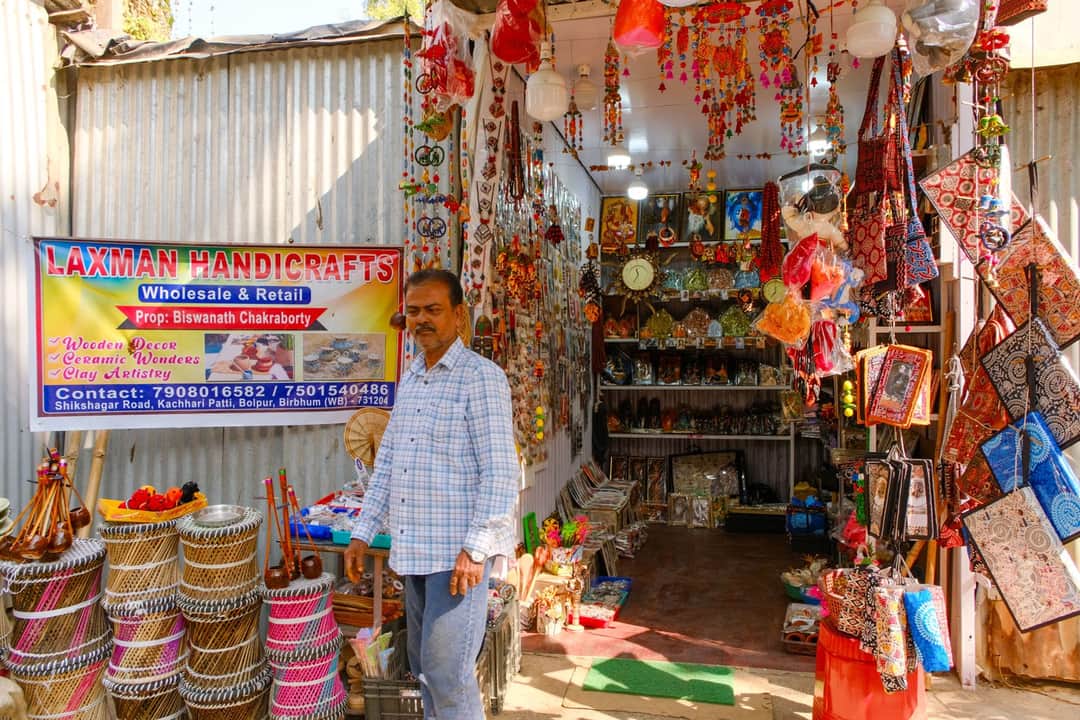
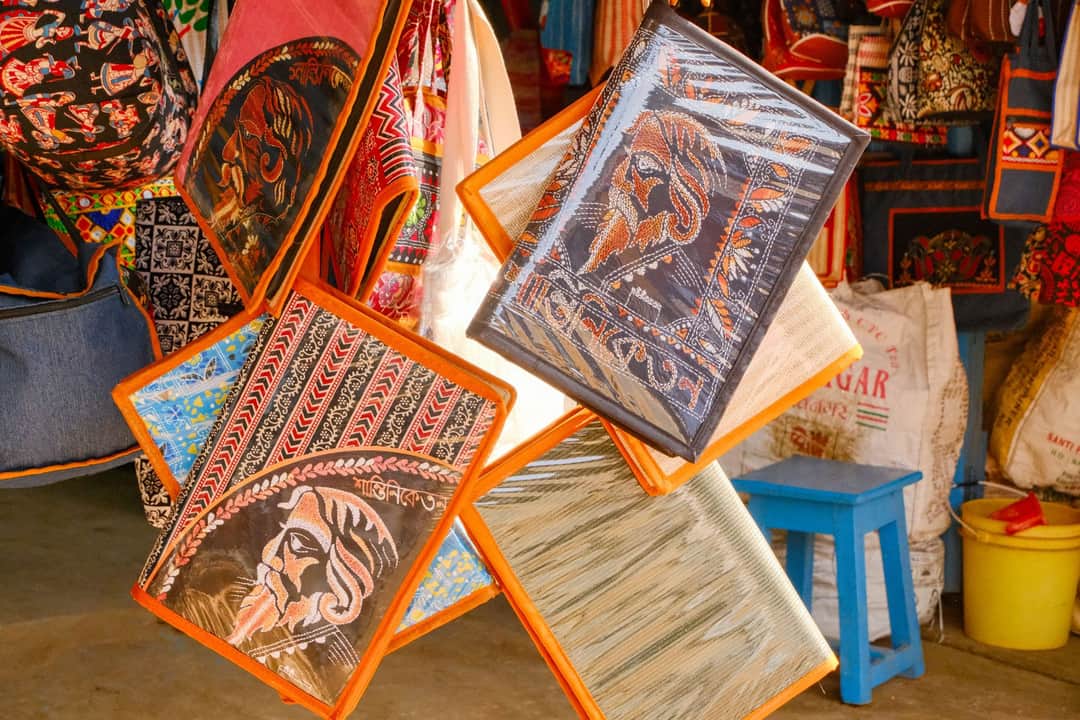
Despite the years, the Nobel laureate remains ubiquitous to the landscape of Santiniketan – appearing or being referenced in shop names, wall hangings, miniatures, clothes, cinema halls, all sorts of memorabilia and more. It is difficult to take a step in Santiniketan without confronting something to do with Tagore.