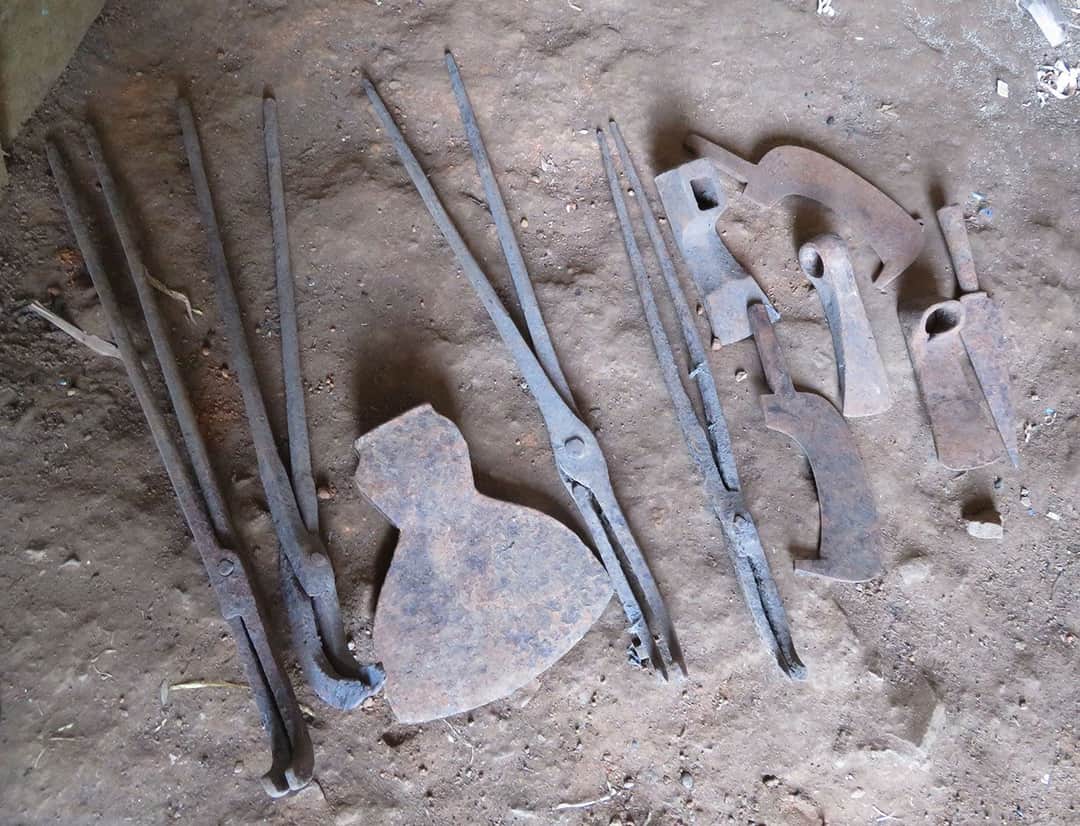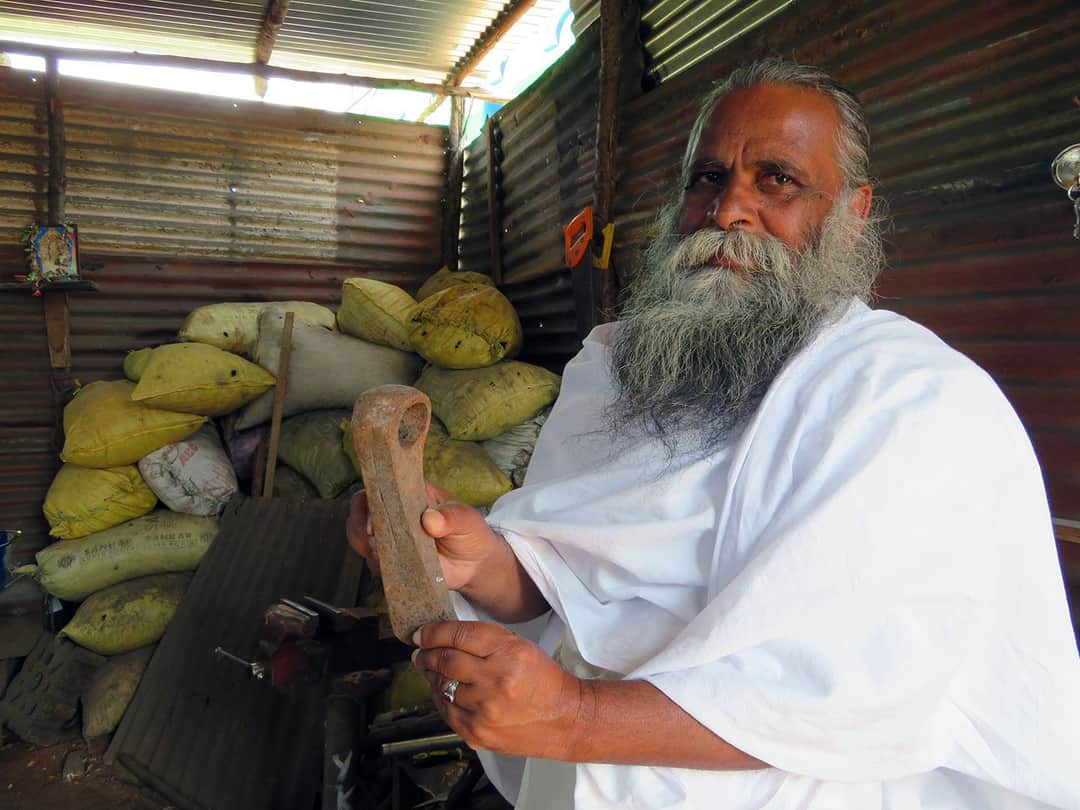


“How many knives can I sell in a year?” asks N. Mohana Rangan, sitting in his tin-roof workroom in the bylanes of Kotagiri town. “For tea, they need only small knives to cut the leaves. Big hand-held ploughs and rakes made of iron are required for agriculture, but today cultivation is less, tea plantation is more. Some days I come to the workshop and there is no work…”
Rangan, 44, is among the last of the kollels or ironsmiths of the Kota tribe. He lives in Puddu Kotagiri, a hamlet in the Nilgiris district of Tamil Nadu, a few kilometres from Kotagiri. “I have done this work for 27 years and before me, my father, my grandfather and their fathers and grandfathers did the same work,” he says. “It is work that has been done by our family for I don’t know how many generations.”
But this many generations-old work is losing out to the spread of tea plantations – from 1971 to 2008 (the latest year for which data is available), the area under tea cultivation in the Nilgiris has tripled from 22,651 hectares to 66,156 hectares, according to the Indian Tea Association. This has meant the slow end of the ironsmith’s trade.