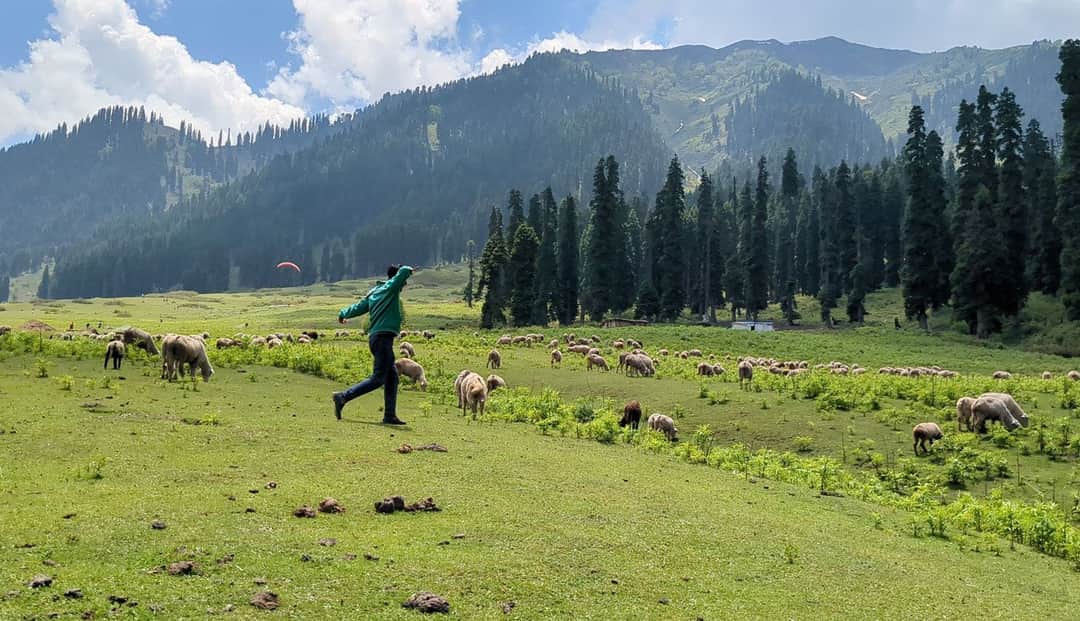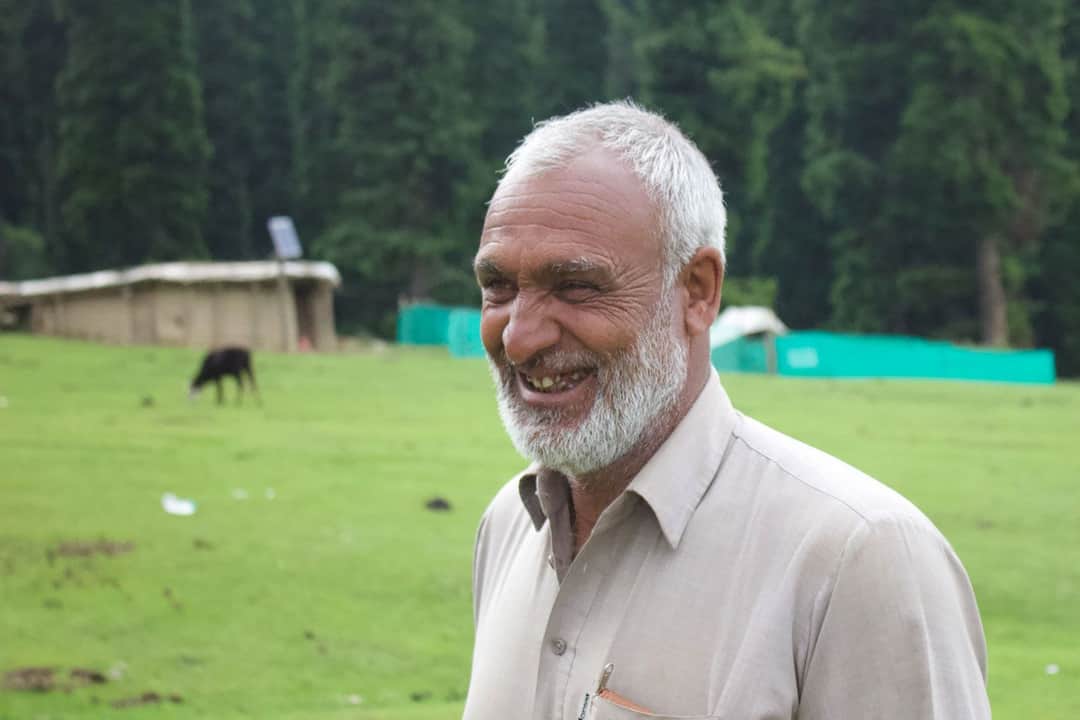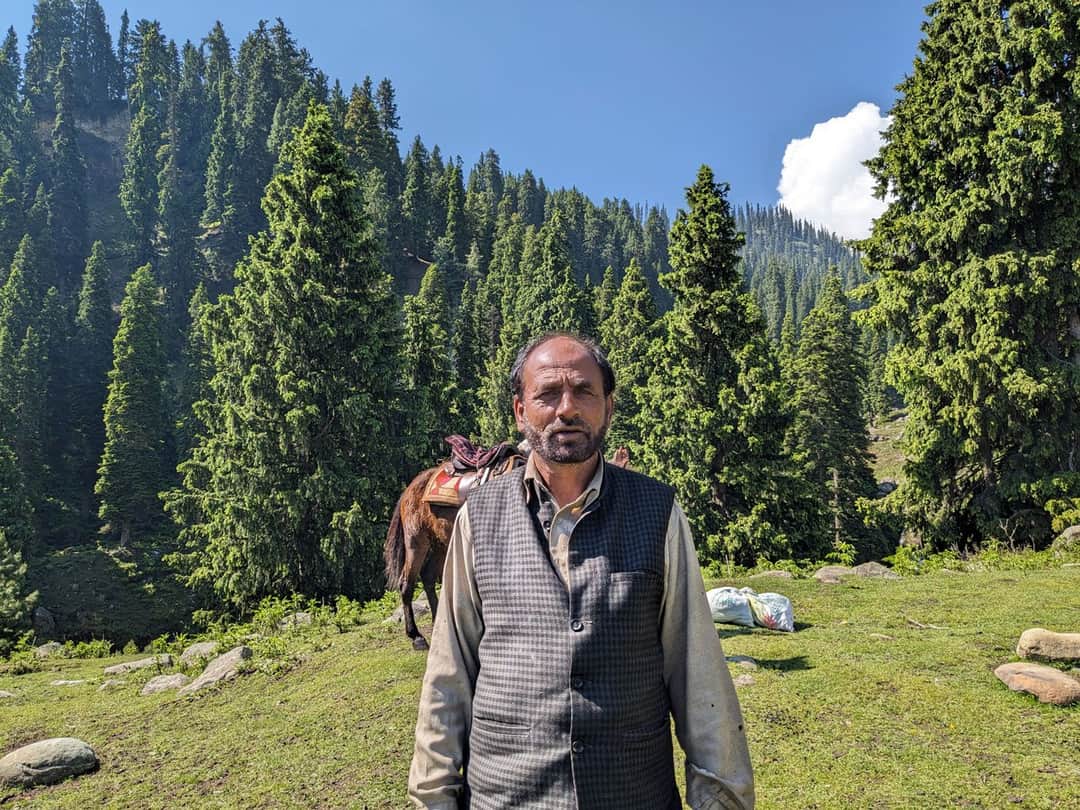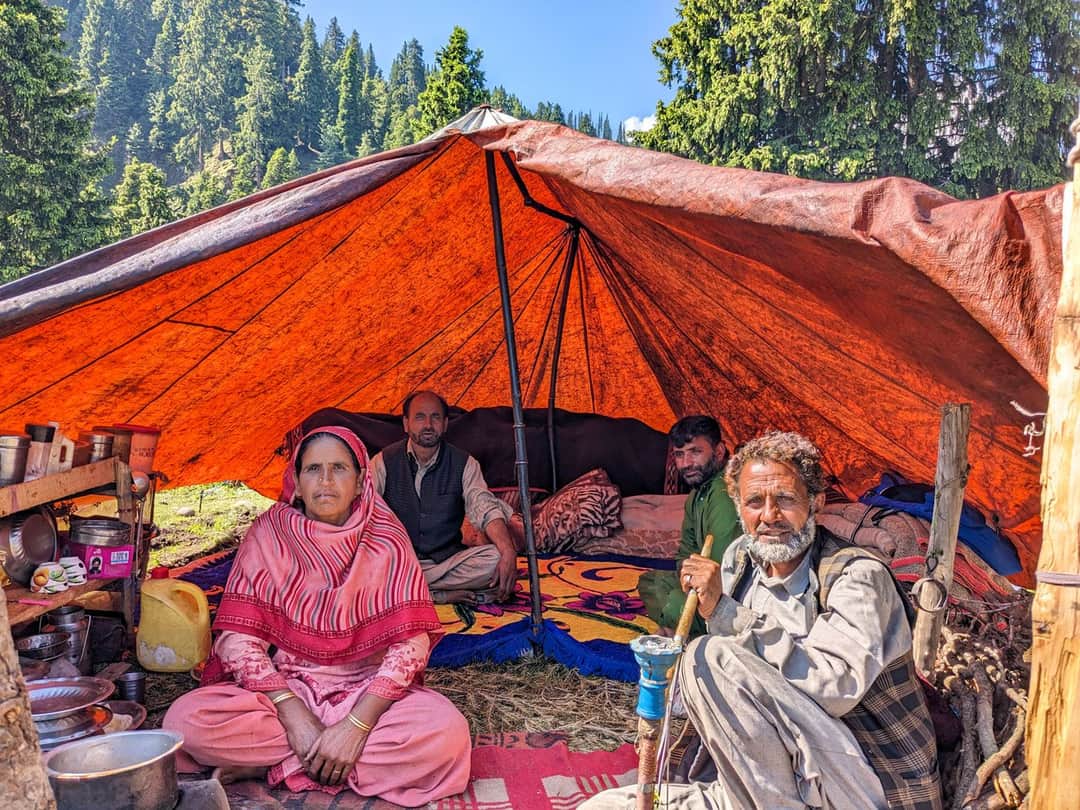


Gujjar pastoralist Abdul Rashid Sheikh has been filing RTI (Right to Information) petitions on issues ranging from the distribution of ration to lack of transparency on how state funds are used. The 50-year-old pastoralist, who moves annually with his herd of over 50 sheep and around 20 goats across the Himalayas in Kashmir, has filed over two dozen RTIs in the last decade.
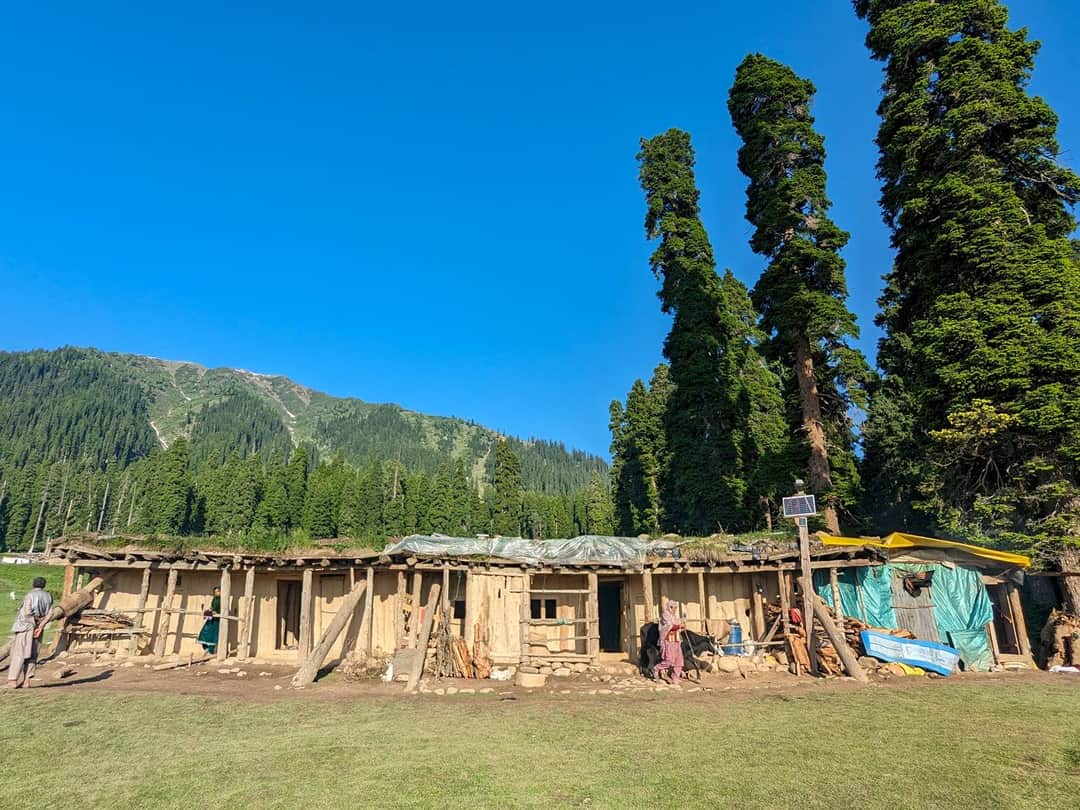
“Earlier, [official] people were unaware of the schemes that were introduced, and we were unaware of our rights,” points out Abdul, standing outside his kotha (traditional house made with mud, stone and wood) in Doodhpathri where he and his family migrate every summer. They come up from their village Mujpathri in the Khansahib block of Badgam district.
“Filing RTIs had a big role in making people aware about the laws and our rights; we also learnt how to deal with officials,” Abdul adds. Initially officials themselves were not aware of the RTI Act and, “would often be astonished when they were asked to provide information about relevant schemes and fund distribution.”
Challenging the process led to harassment of the people in the village – false FIRs (First Information Reports) were filed by the police in collusion with block officials. Informed citizens like Abdul, who play an important role in the RTI movement here, were targeted.
“It was the officials who were corrupt. Look at their properties now,” he says to enforce his point. In addition to filing RTIs, Abdul also raised the demand for issuing ration cards for around 50 people in Mujpathri from the Department of Food, Civil Supplies and Consumer Affairs (Department of FCSCA).