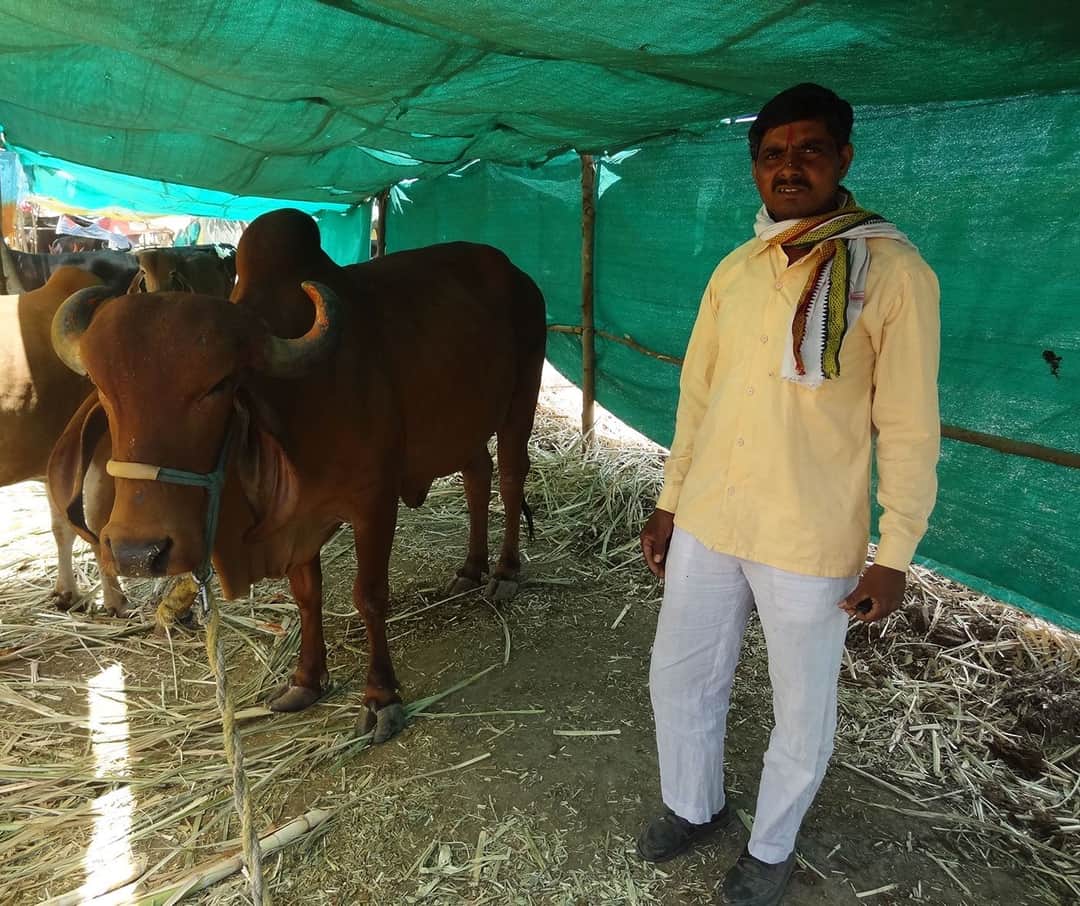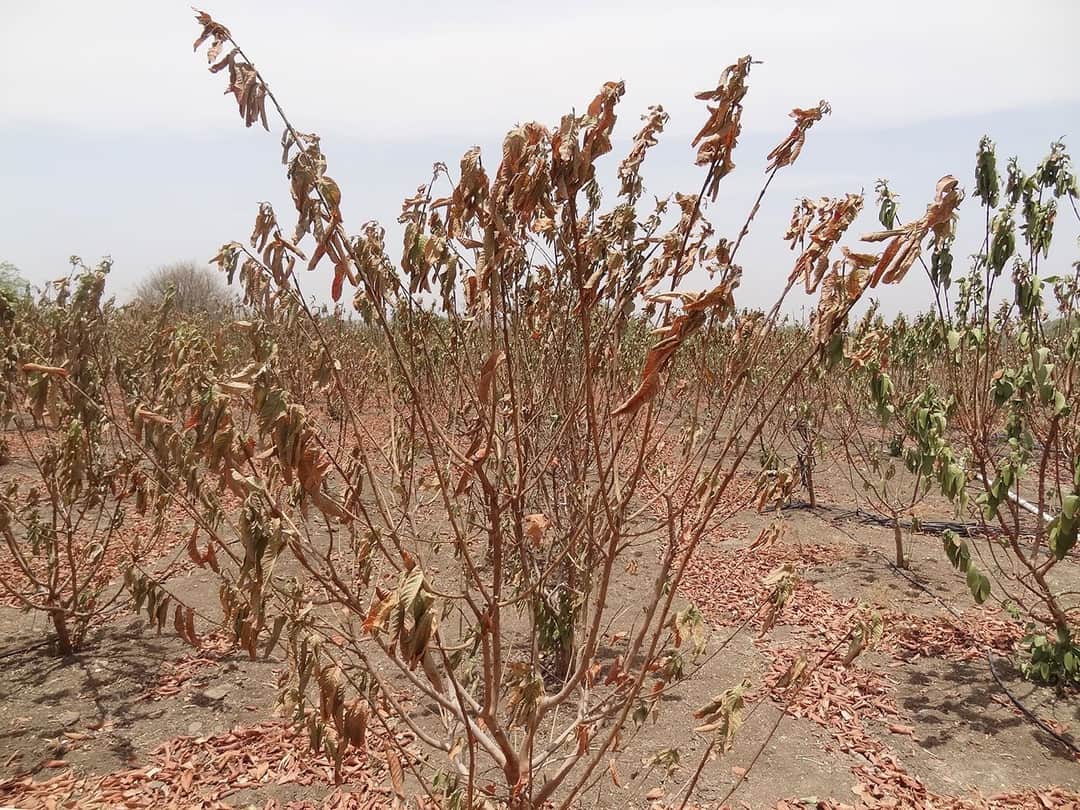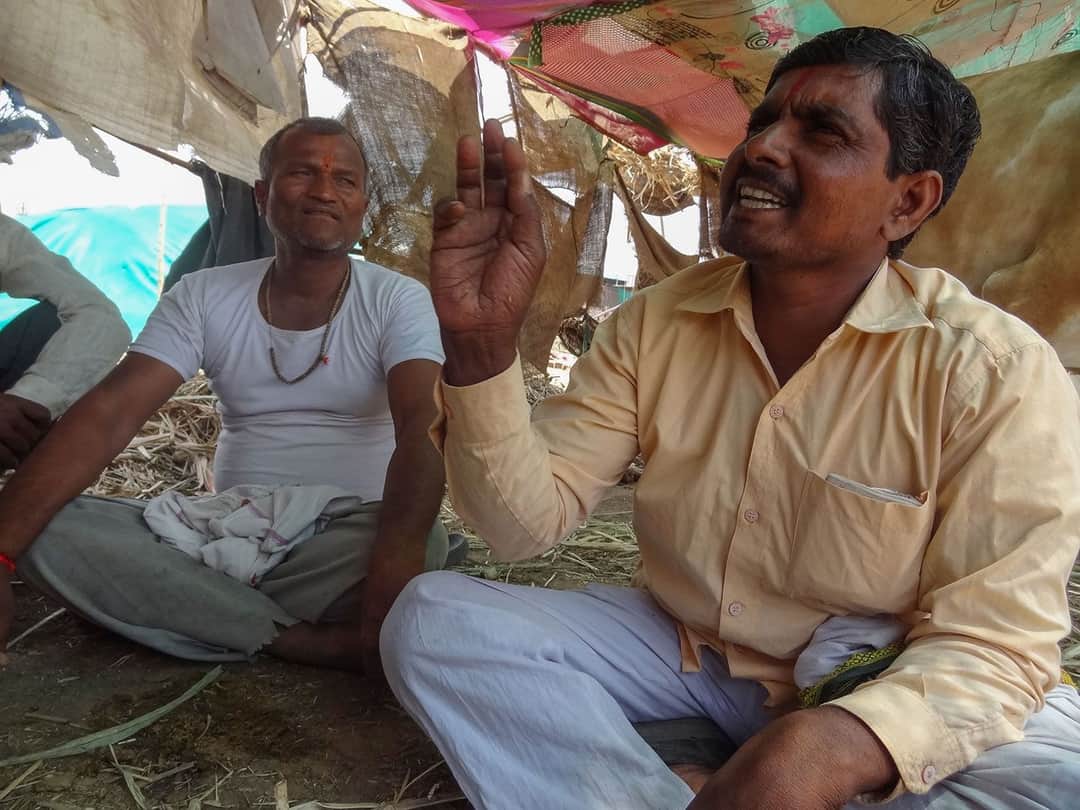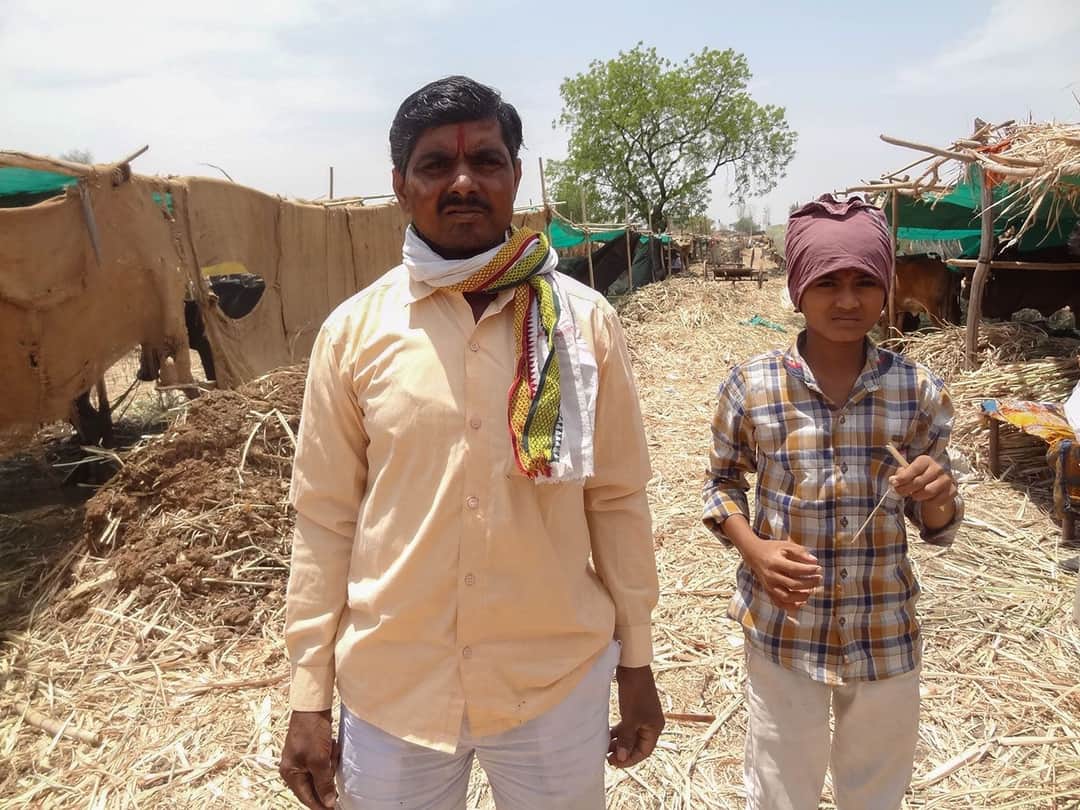


Prahlad Dhoke is trying to save his cows. But to do that, he’ll have to let his three-acre guava orchard die.
“It’s a trade off,” says the 44-year-old, in tears, standing before rows of 7 to 8-foot high guava plants. “I’ve expended everything, my savings, gold… But now I can’t buy more water every day to save my plants. I chose to save my cows. It’s a hard choice.”
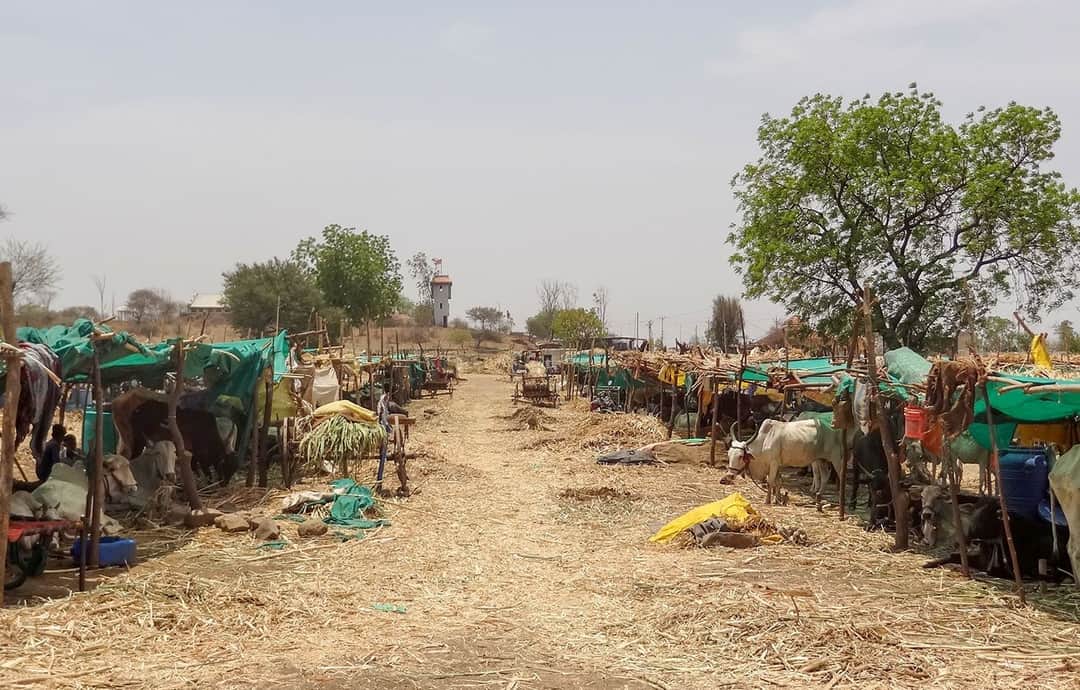
Cows are hard to buy again once sold, and in early April a cattle camp came up just outside his village, Vadgaon Dhok in Beed district, as part of the Maharashtra government’s drought relief measures. Prahlad’s 12 cows, including two Gir cows that he had bought from a local market for Rs. 1 lakh each, have been shifted to the camp. But giving up the plants means irreparable losses too.
“My eldest brother had gone to Lucknow four years ago,” he says, “he brought guava saplings from there.” It took Prahlad and his family four years to raise the orchard. But one really bad monsoon in 2018 after years of recurring drought and growing water scarcity in the arid Marathwada region, was a challenge he could not meet.
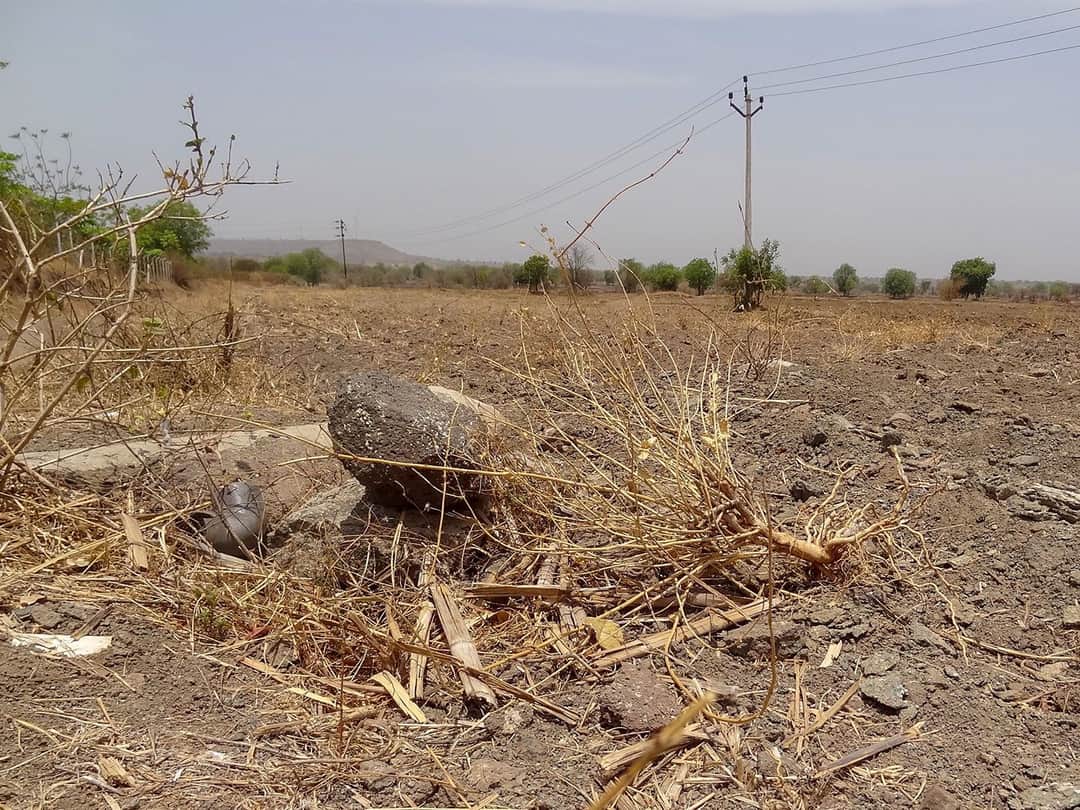
While some tehsils in the state witness drought and scarcity every year, a severe pan-regional water scarcity started in Marathwada in the 2012-13 agricultural season (a failed 2012 monsoon triggered scarcity in the summer of 2013), followed by 2014-15 and now 2018-19. While every summer brings water scarcity, since 2012, Marathwada has reported a growing meteorological drought (failure of monsoon), agricultural drought (failure of kharif and rabi crops), and hydrological drought (groundwater depletion).
Vadgaon Dhok village is in Georai tehsil, one of the 151 tehsils declared drought-hit by the Maharashtra government in October 2018. Georai recorded less than 50 per cent rainfall from June to September 2018 – just 288 mm against the long-term average of 628 mm in that period – according to data of the India Meteorological Department. In September, a crucial month for crops, the rainfall was a mere 14.2 mm against the average of 170 mm.