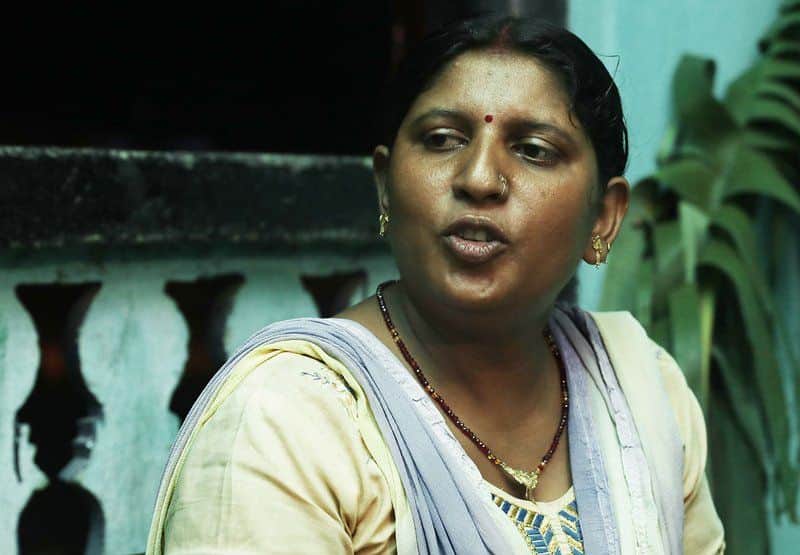
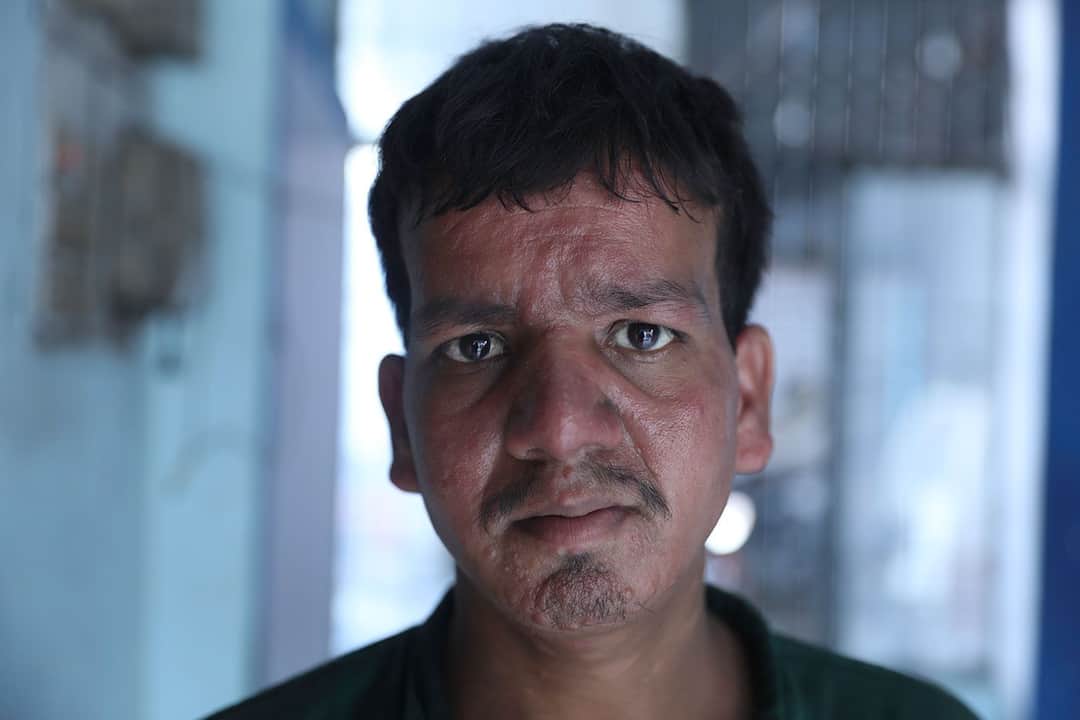
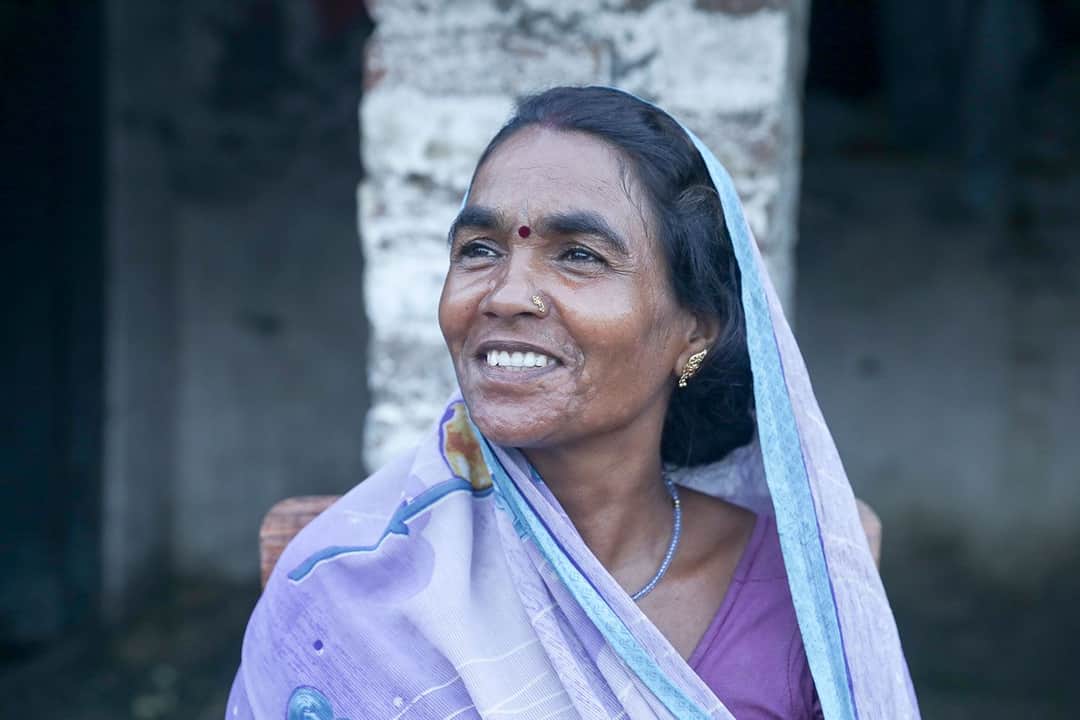
Thirty years of marriage and four children, for instance, have not translated into a right to good health for 51-year-old Lalmati Devi (in the cover photo on top), who lives in Bheldi village of Parsa block in Saran district. Six months ago, she began experiencing recurring bouts of fever. Her husband Rajdev Ray says he was too busy with work (he does not specify what kind) to take her to a doctor. She was left to seek opinion from quacks and self-proclaimed health specialists in the village.
“Some said it was an allergy that would fall off on its own. It started from my face, then spread to my legs and stomach. People in the village laughed at my sadness,” she says, after much coaxing. Lalmati’s family though is no stranger to kala-azar. Her youngest son experienced it four years ago. “I took him to the doctor. He is now cured,” declares Rajdev proudly. Yet, when his wife’s condition was finally diagnosed and the treatment left her so restless that she discontinued it, he wasn’t unduly concerned. “She’ll grow out of it and take the medicine.” he shrugs, unconcerned. That the long, toxic and physically discomforting PKDL treatment might require family support to get through, doesn’t seem to have occurred to him.
Bihar has promised to root out kala-azar by 2020. “Special interventions to reach out to vulnerable groups like women and children will definitely help reaching the elimination targets,” says Suman Rijal, director, DNDi India. That is the path the state of Bihar needs to tread if it intends to make good on its promise. The battle against discrimination, neglect and apathy towards women’s health cannot be left to women alone.