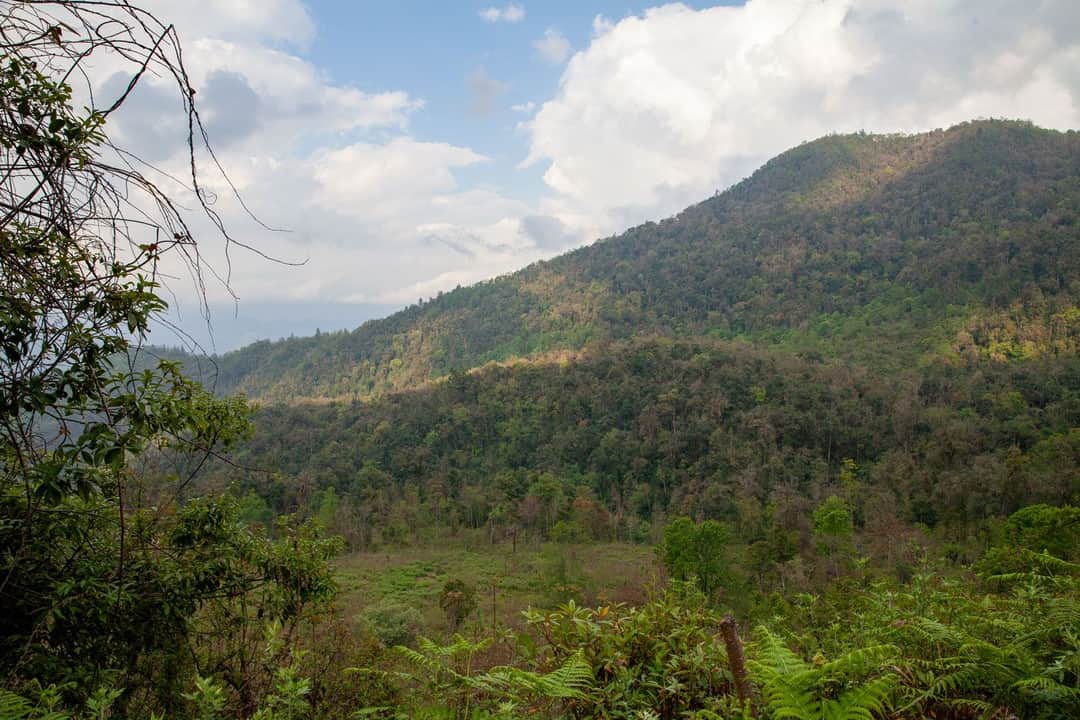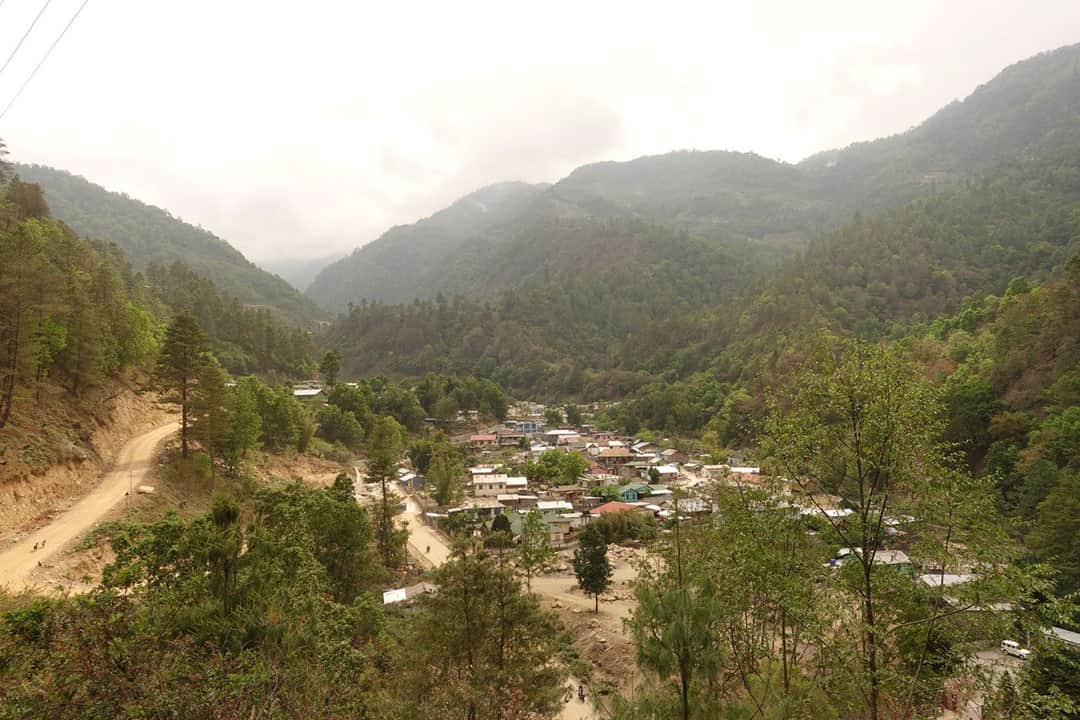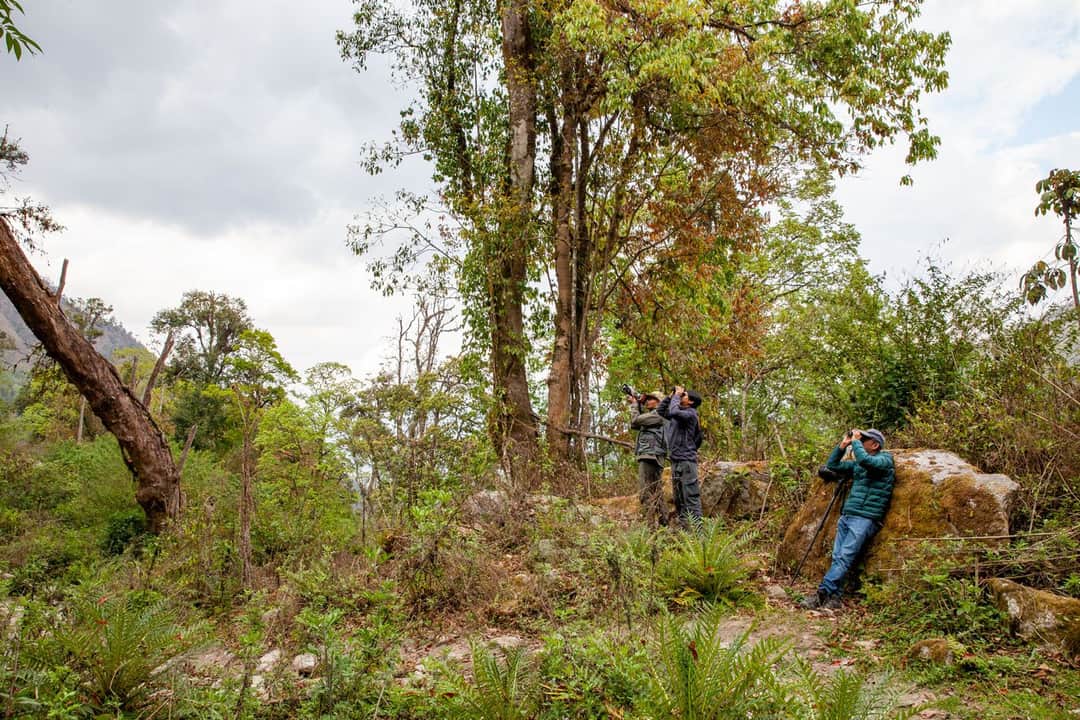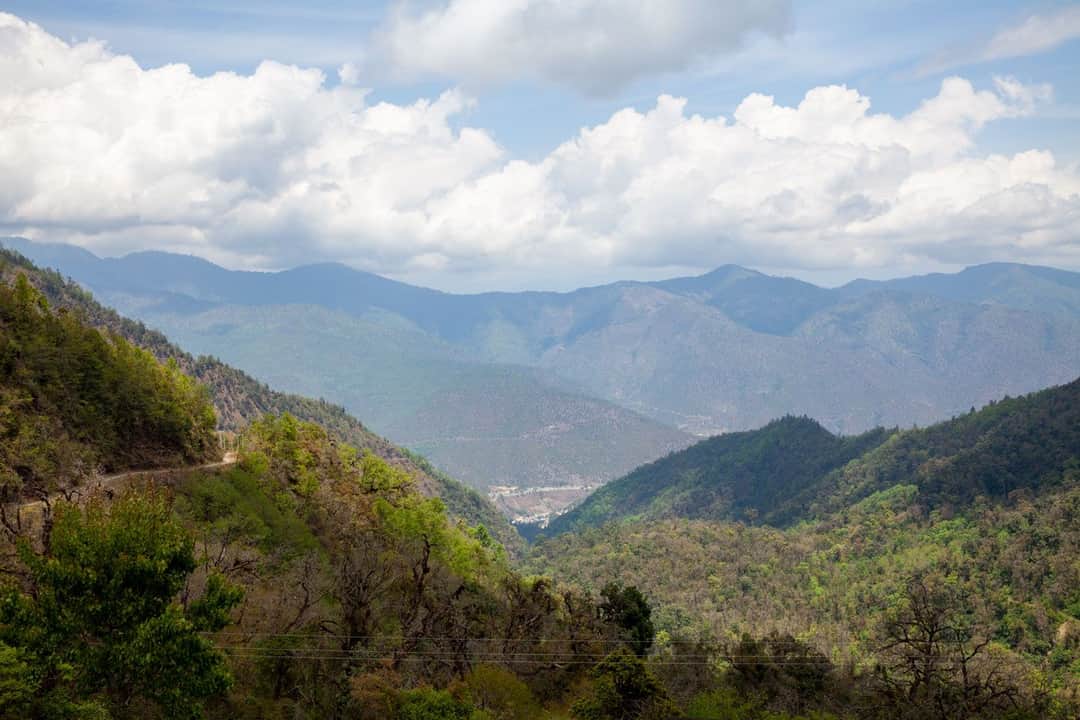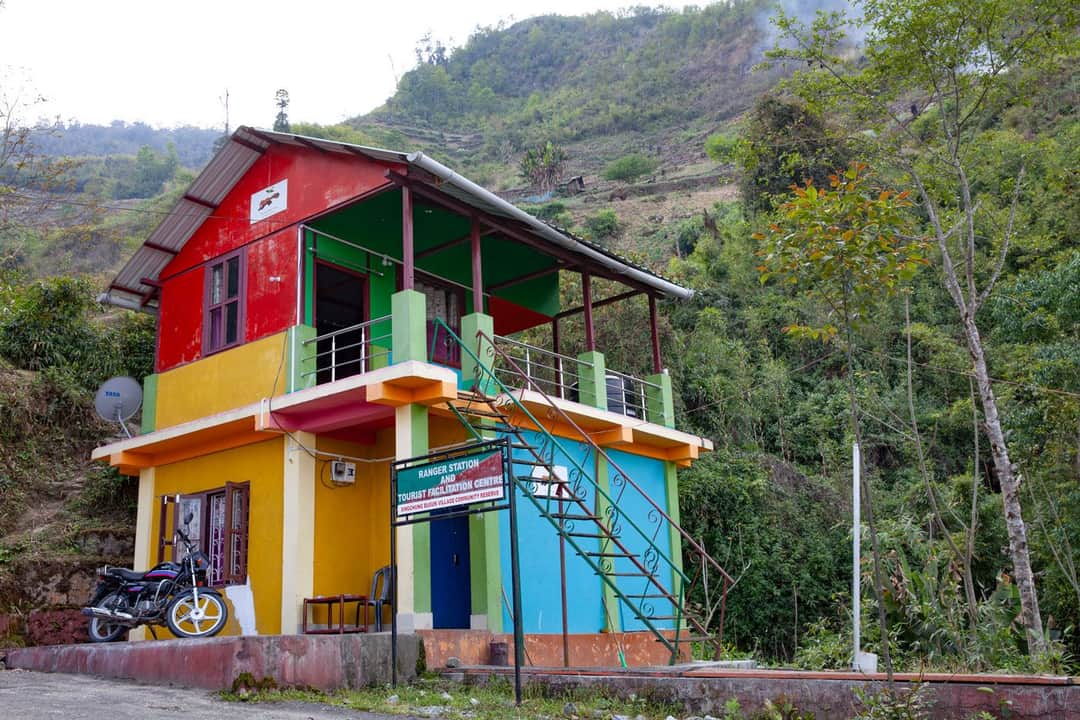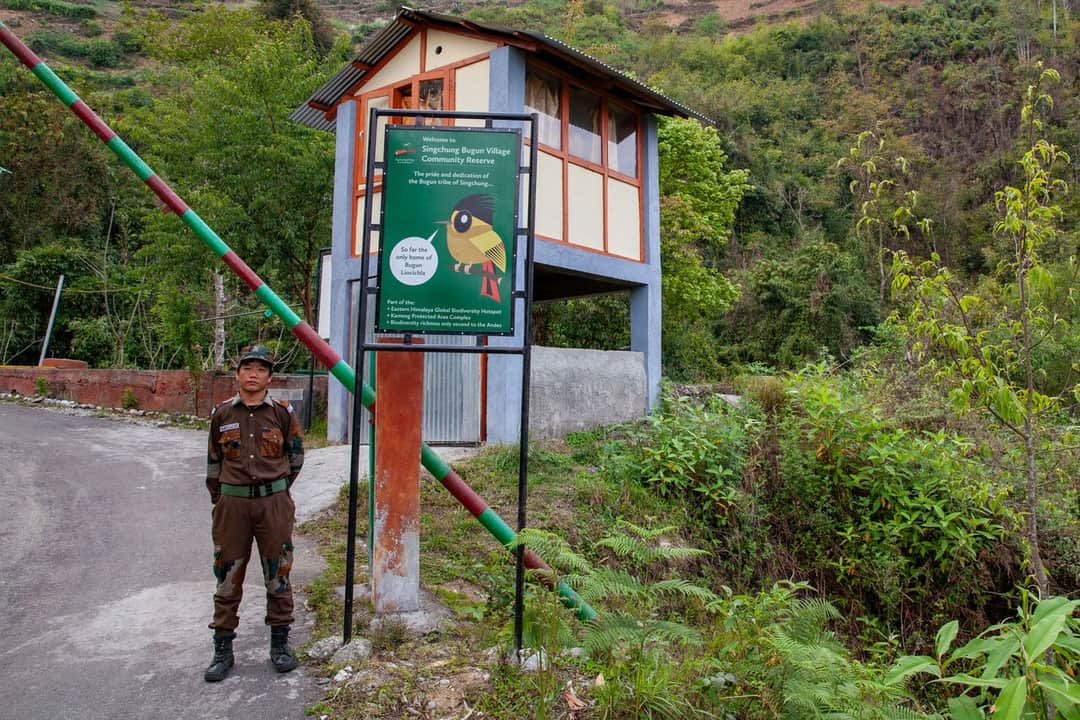

“A goral!” shouts Dr. Umesh Srinivasan during a quiet drive on the winding roads of Singchung, a town in Arunachal Pradesh's West Kameng district.
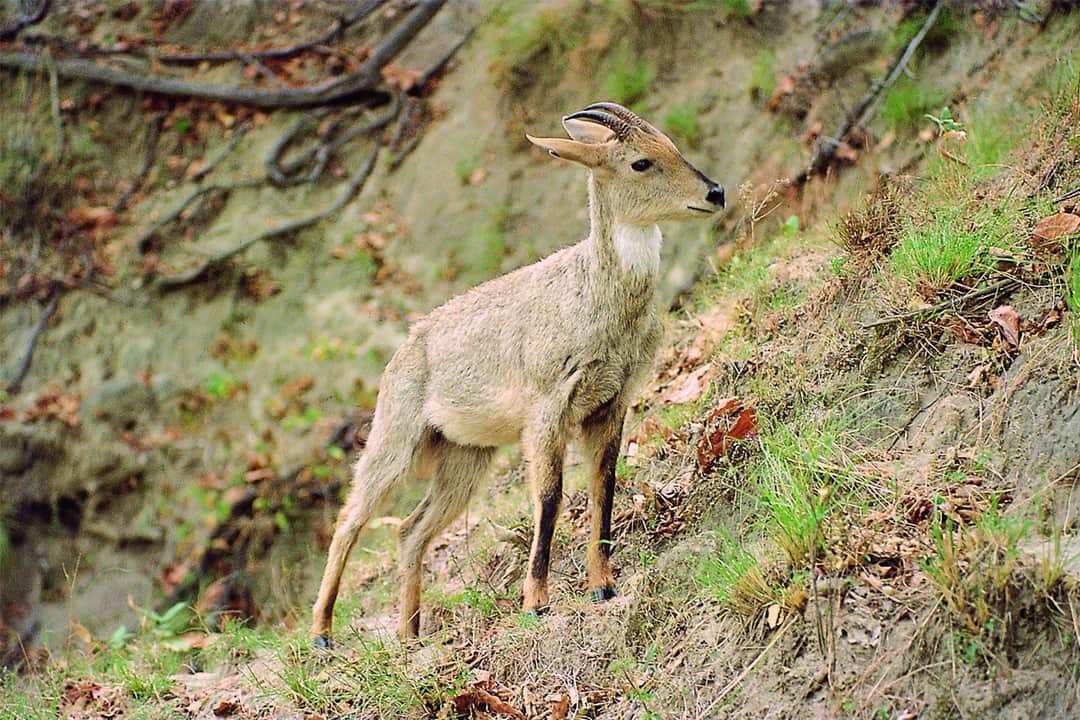
In the distance, a short and stocky grey goat-like animal gallops across the road, down the hill and into the forests of the eastern Himalayas.
"You would have never seen this earlier," says the stunned wildlife biologist, who has been working in West Kameng’s forests for over 13 years.
The gray goral (Naemorhedus goral) is a bovid species found across the Himalayas in Bhutan, China, northern India, Nepal and Pakistan. But as of 2008, the International Union for the Conservation of Nature (IUCN) listed it as "Near Threatened" due to habitat loss and hunting.
“They were always deep in the forests, too afraid to come out,” says Umesh about the species that is especially vulnerable in the lower Himalayas and northeastern India where human presence is greater.
Shortly after spotting the goral, Nima Tsering Monpa, a farmer who lives in Singchung, offers us tea and some information of another animal sighting, “A few weeks ago, I spotted a red panda (Ailurus fulgens) in the farm lands, not far away from here.” An endangered species, the red panda is found in China, Myanmar, Bhutan, Nepal, and India but its population has declined by 50 per cent in the last three generations and is projected to worsen in the next two decades, warns IUCN.