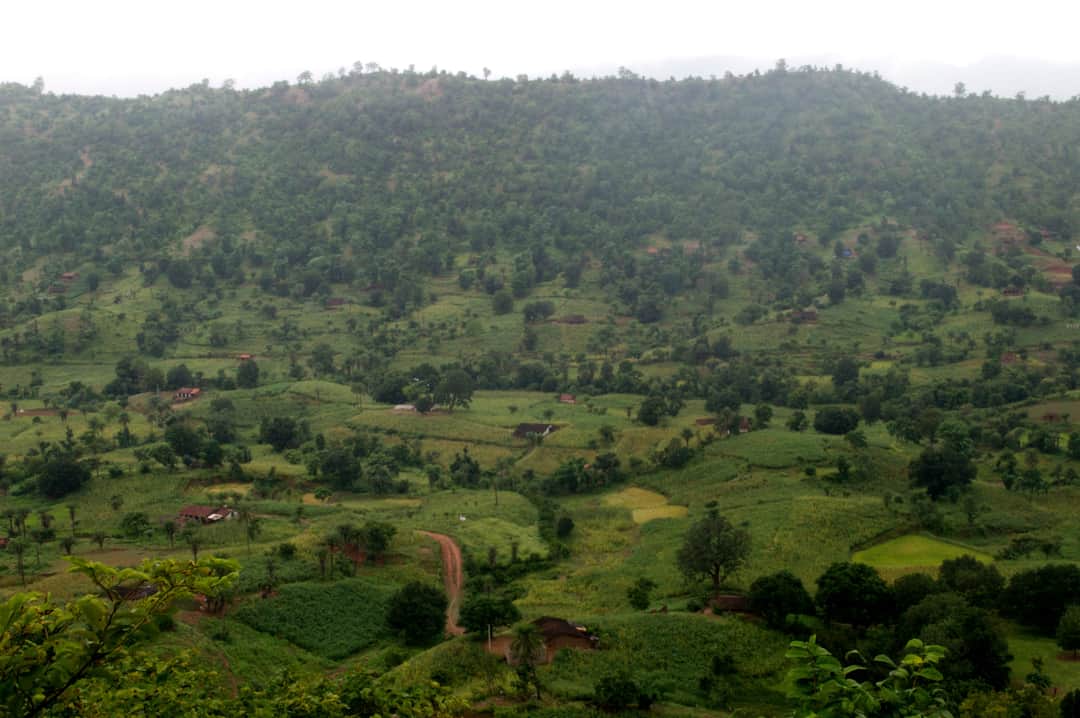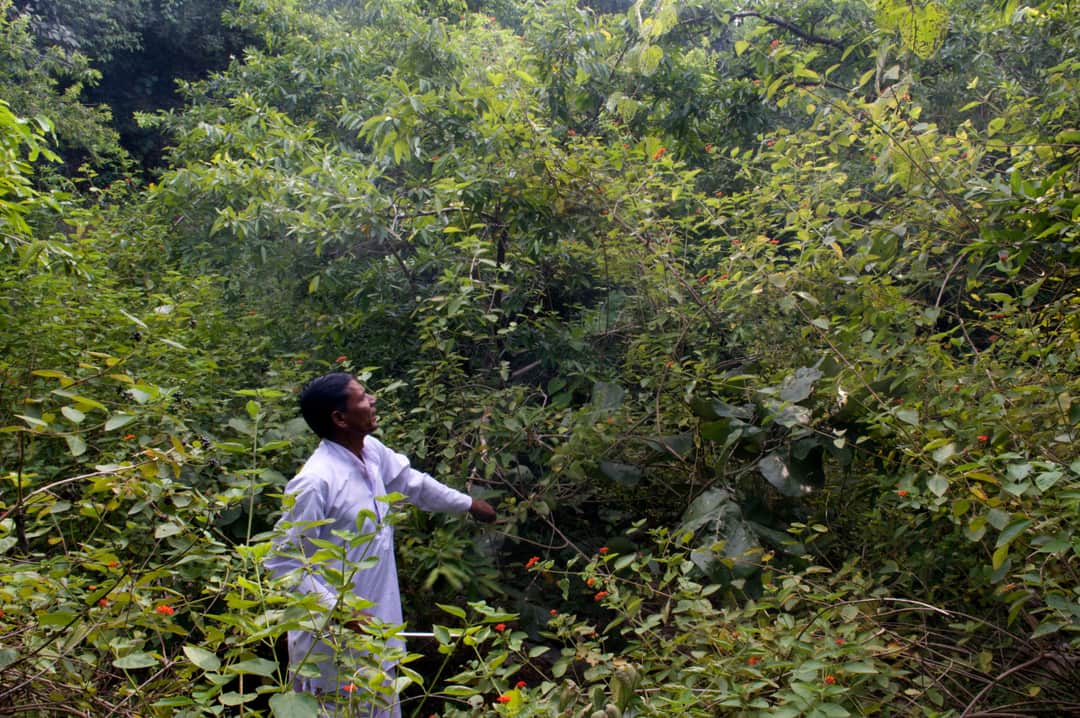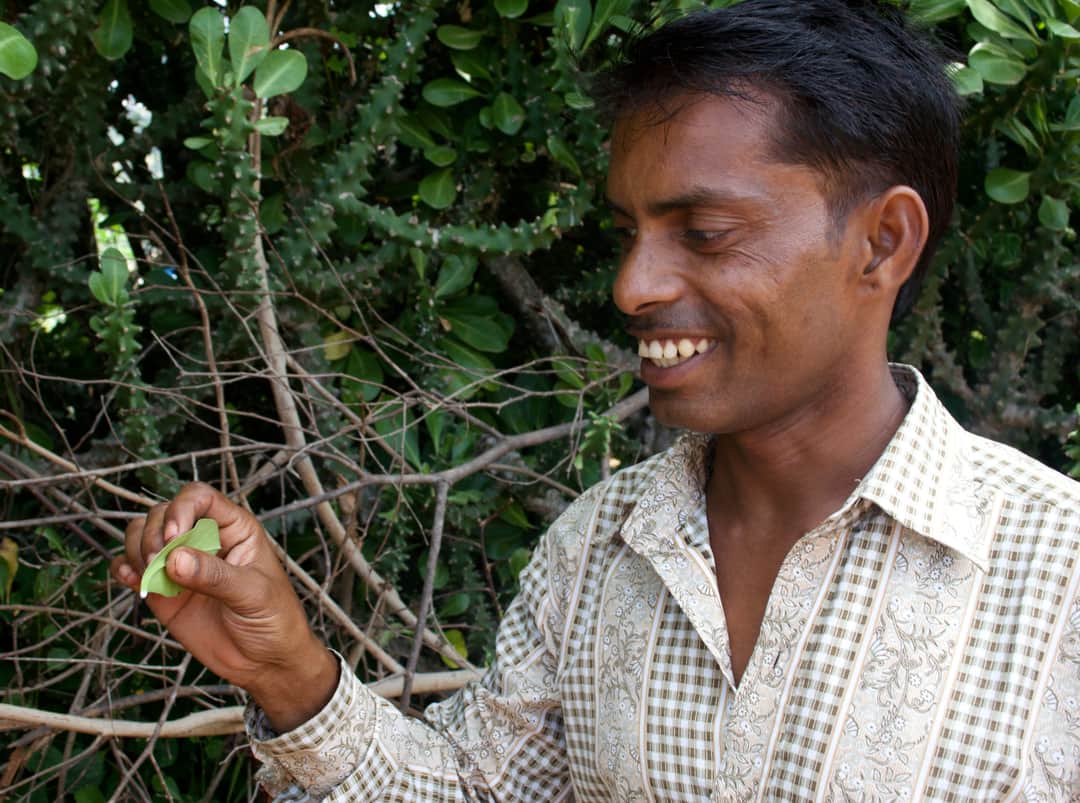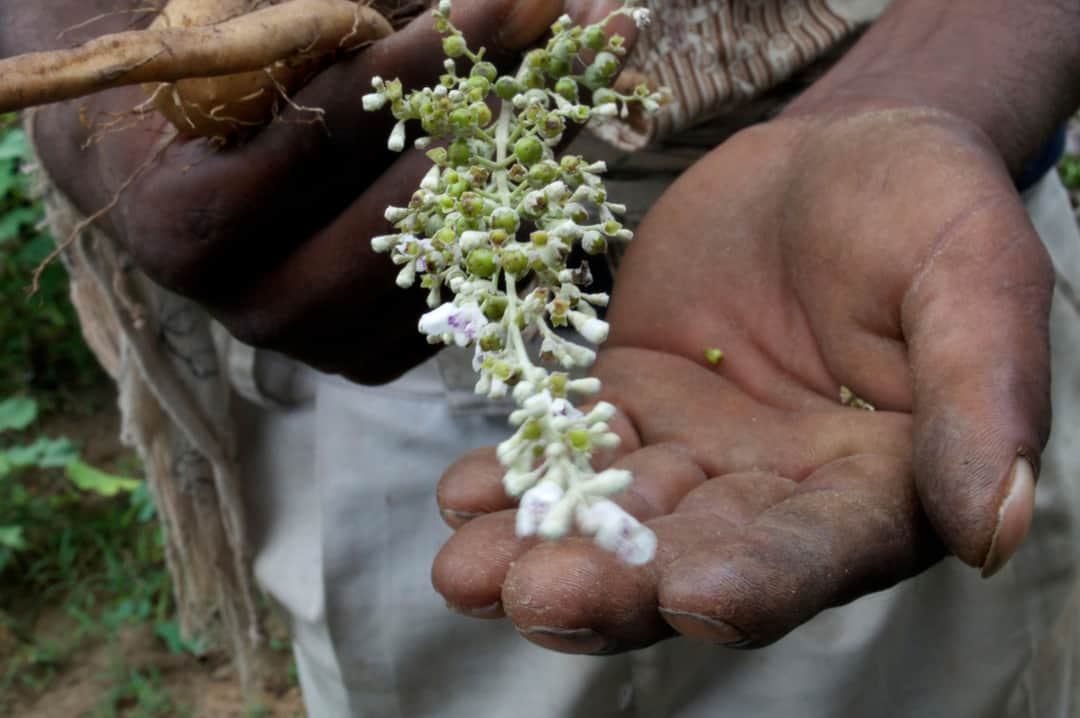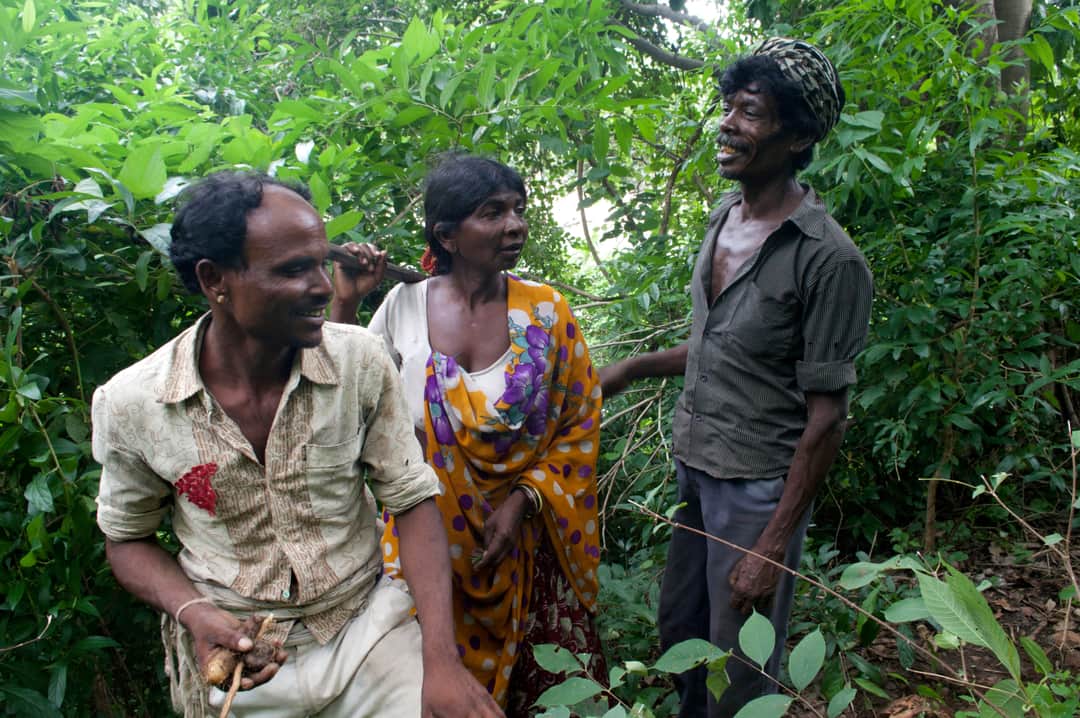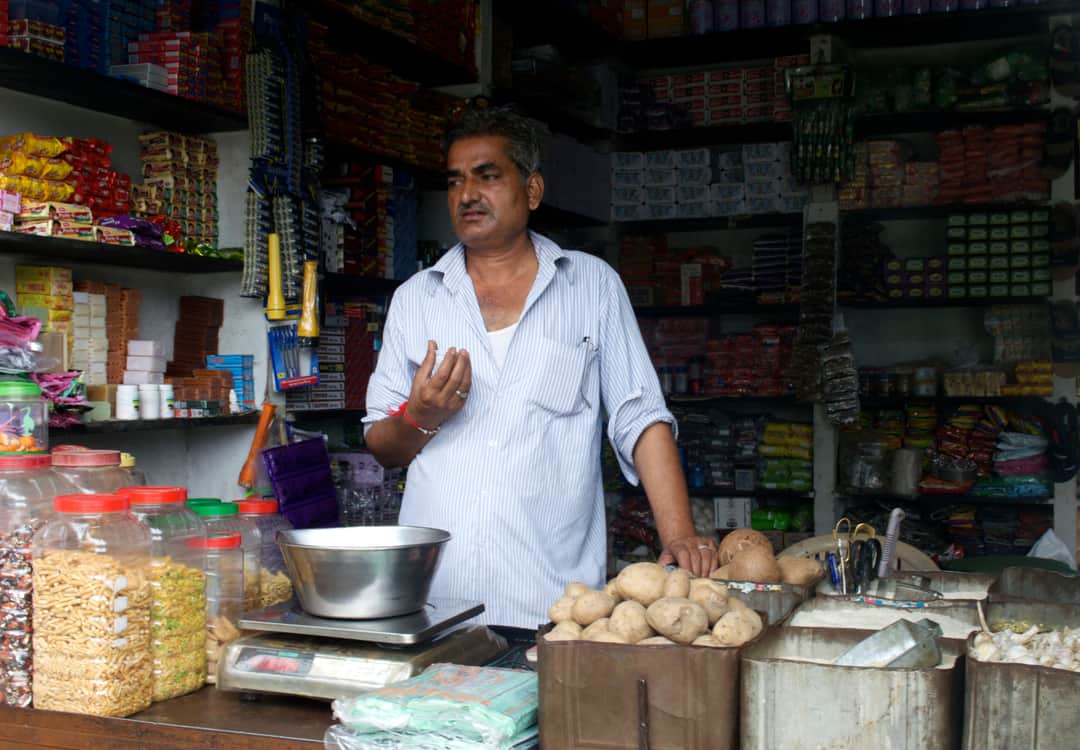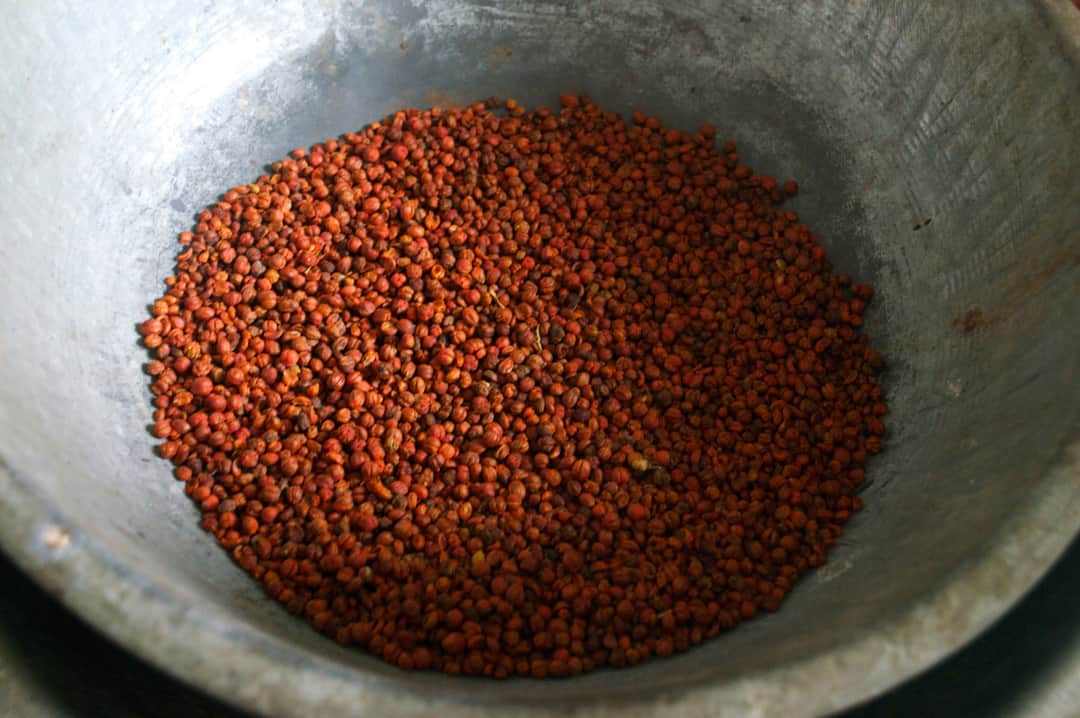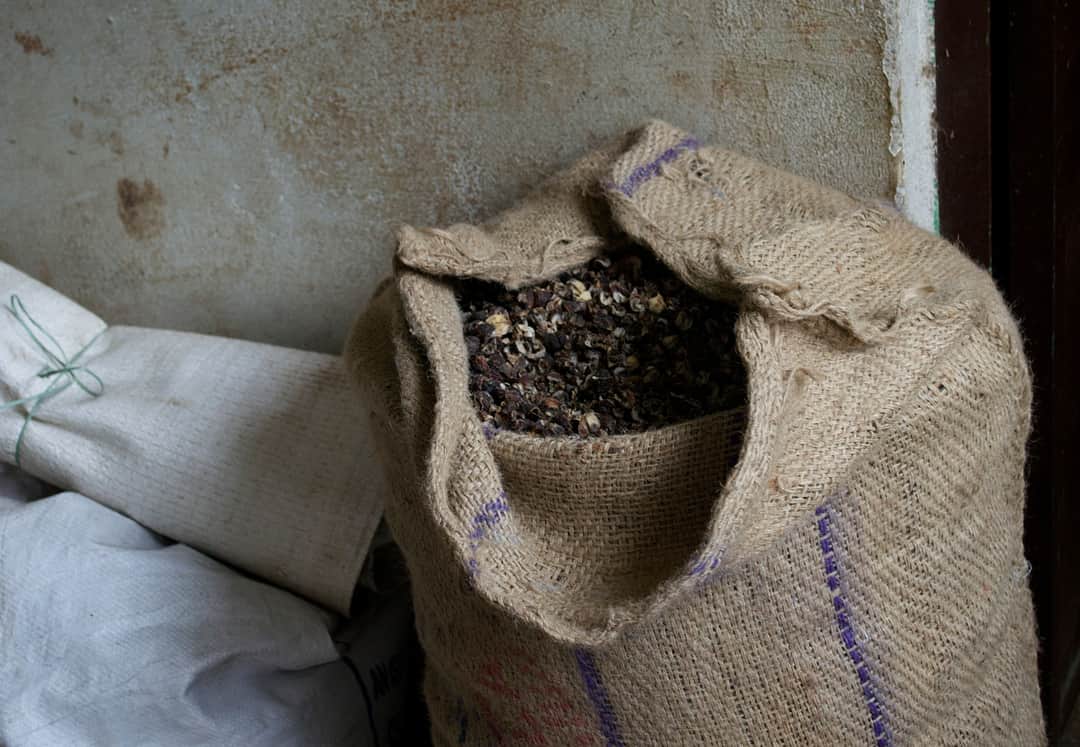

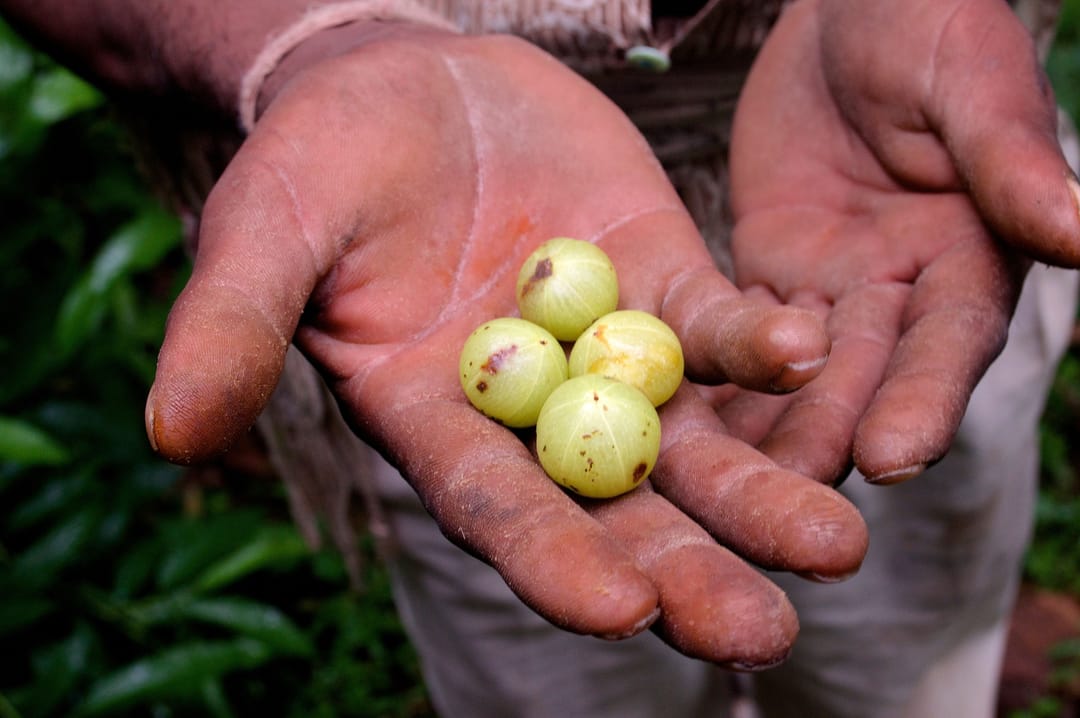
“The jungle is god’s gift. There are no owners or boundaries but several caretakers,” Nagji Pisara proclaims. Nagji lives in Panarwa, a small village outside of Udaipur, Rajasthan, nestled in the foothills of the Aravalli mountains. Most of the population farms and maintains livestock, but people still forage to supplement their kitchens or medicine cabinets. Surrounded by green forests, Panarwa is home to several tribal communities, each of them with their own understanding and use of the forests.
The forest department has built boundary walls to limit animal grazing and restrict movement in the now-protected sanctuary called Phulwari ki Nal. Many species of animals and dozens of indigenous plants and trees can be found here. India’s plants produce food, oil, dyes, energy, medicines – and more. With each of these items now a commodity, ideas of forests and ownership get complicated. Foraging is banned inside the forest. However, there are communities and organisations fighting for Adivasi access rights.
Dr. Leena Gupta, an expert on jungle foods, says that plants contribute to national food security. “Despite their nutritional, medicinal, and socio-economical value, wild foods are excluded from official statistics on natural resources. Our conventional agriculture system provides food, but not nutrition. It’s all chemical-based farming – and so it’s chemical food. Wild foods give us dietary diversity. Most of the world eats three crops: wheat, rice and maize. Our local governments and non-profits have played a big part in switching forestlands to mono-cultivation.