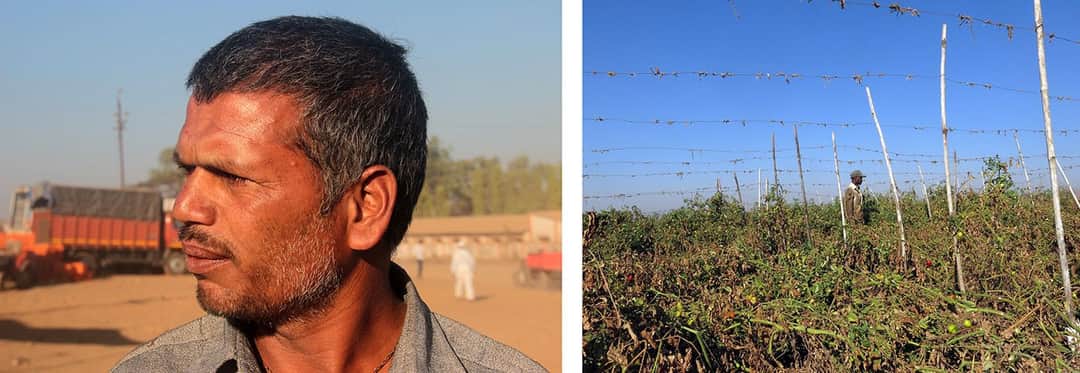

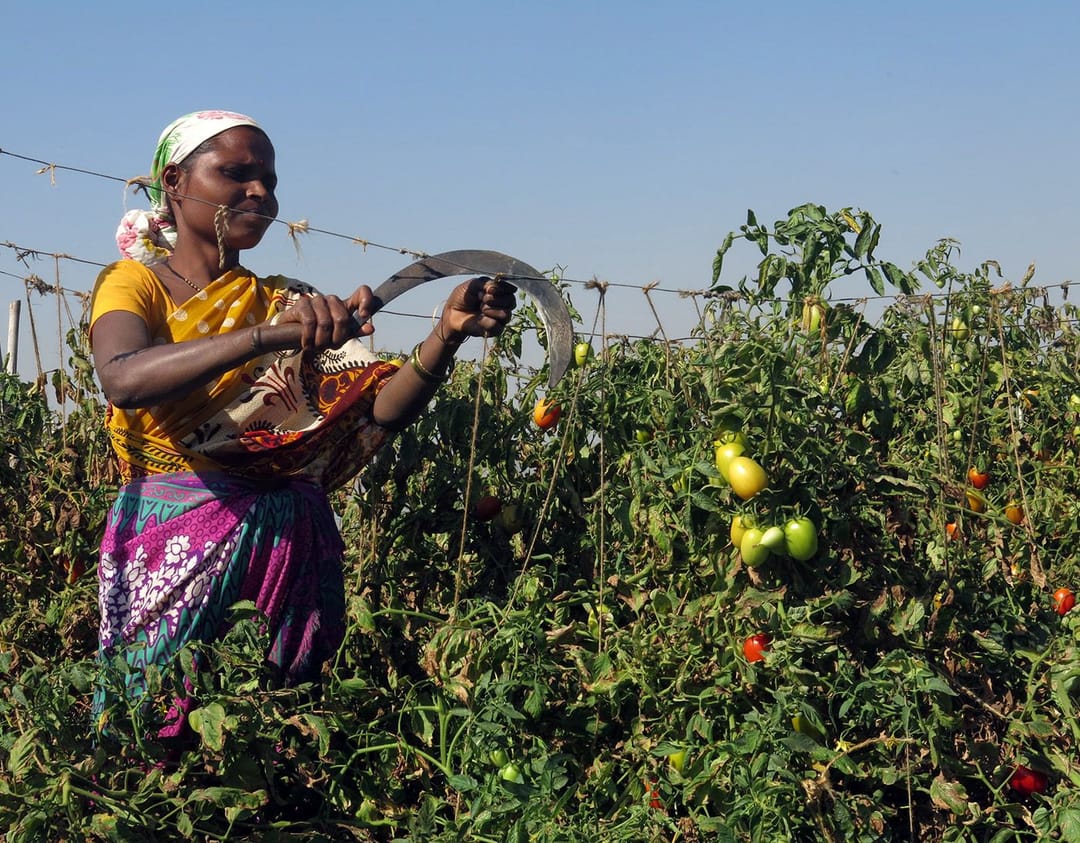
On Christmas morning, barely 24 hours after Prime Minister Narendra Modi laid the foundation of the Rs. 3,600 crore Shivaji statue in Mumbai, Yashwant and Hirabai Bendkule were slashing and uprooting the tomato vines on their farm in Dhondegaon village of Maharashtra’s Nashik district, just 200 kilometres away. “Since over a month, tomato prices have collapsed. Even leaving the crop standing means a loss for us,” Yashwant muttered, explaining why the Adivasi couple was destroying a perfectly good crop, in which they had invested over Rs. 20,000 and family labour. They will sow wheat in the cleared land. “At least we will have food to eat in the summer,” Hirabai said.
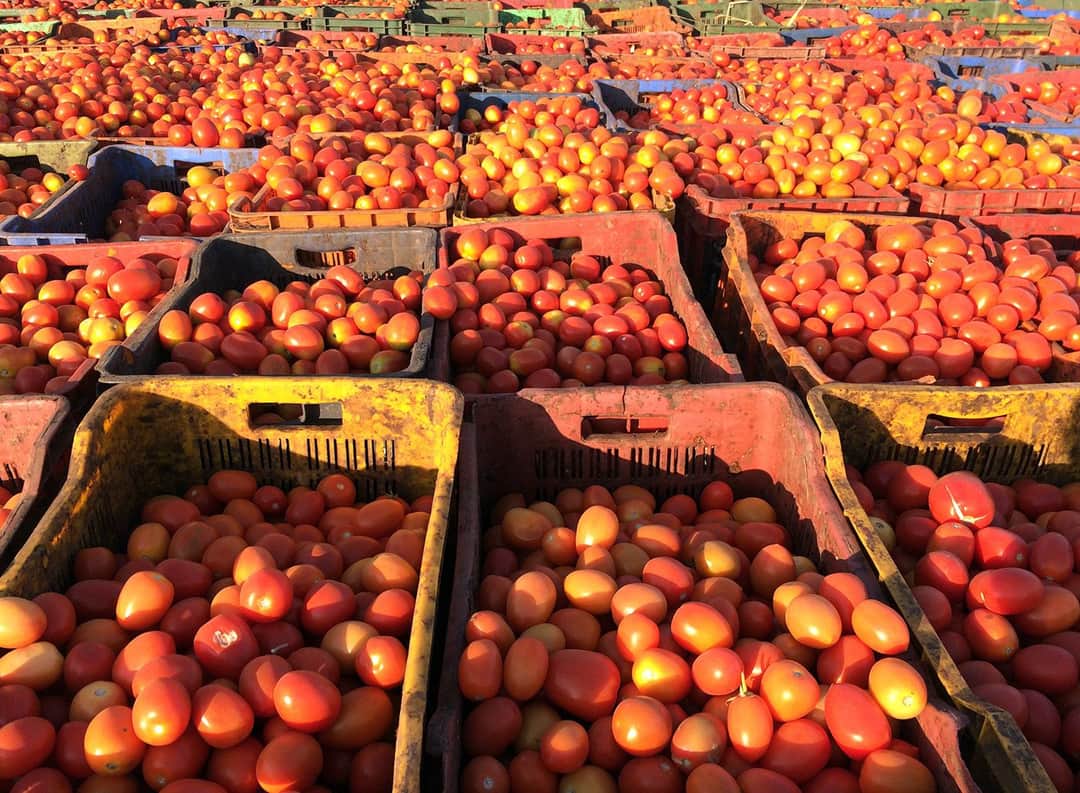
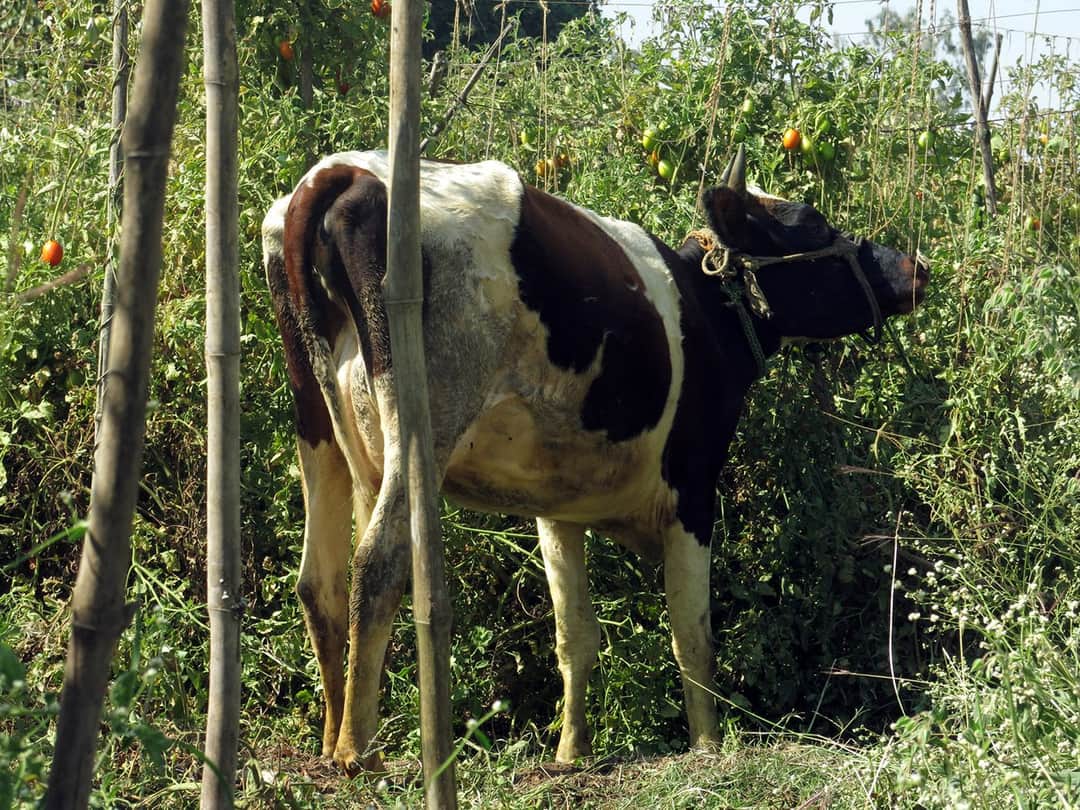
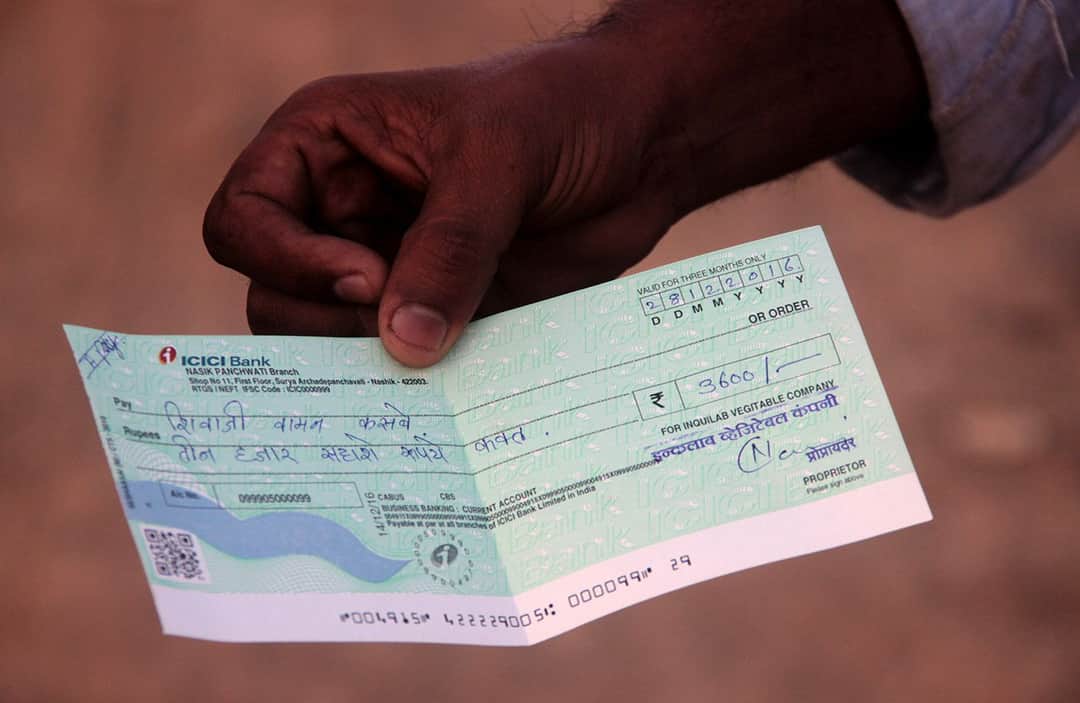
With the cash crunch following Modi’s November 8 demonetisation announcement, already low tomato prices tanked. The prices at the Girnare mandi , 20 kilometres from Nashik city, now range from 50 paise to Rs. 2 per kilogram. So low that farmers cannot even recover the cost of harvesting and transporting their produce. Retail prices hover between Rs. 6-10 a kilogram. Across Nashik, a key horticultural district of India, frustrated farmers are uprooting crops, dumping produce, and allowing cattle to graze in vegetable fields, in which they had invested anywhere between Rs. 30,000 and Rs.1.5 lakhs per acre this monsoon.