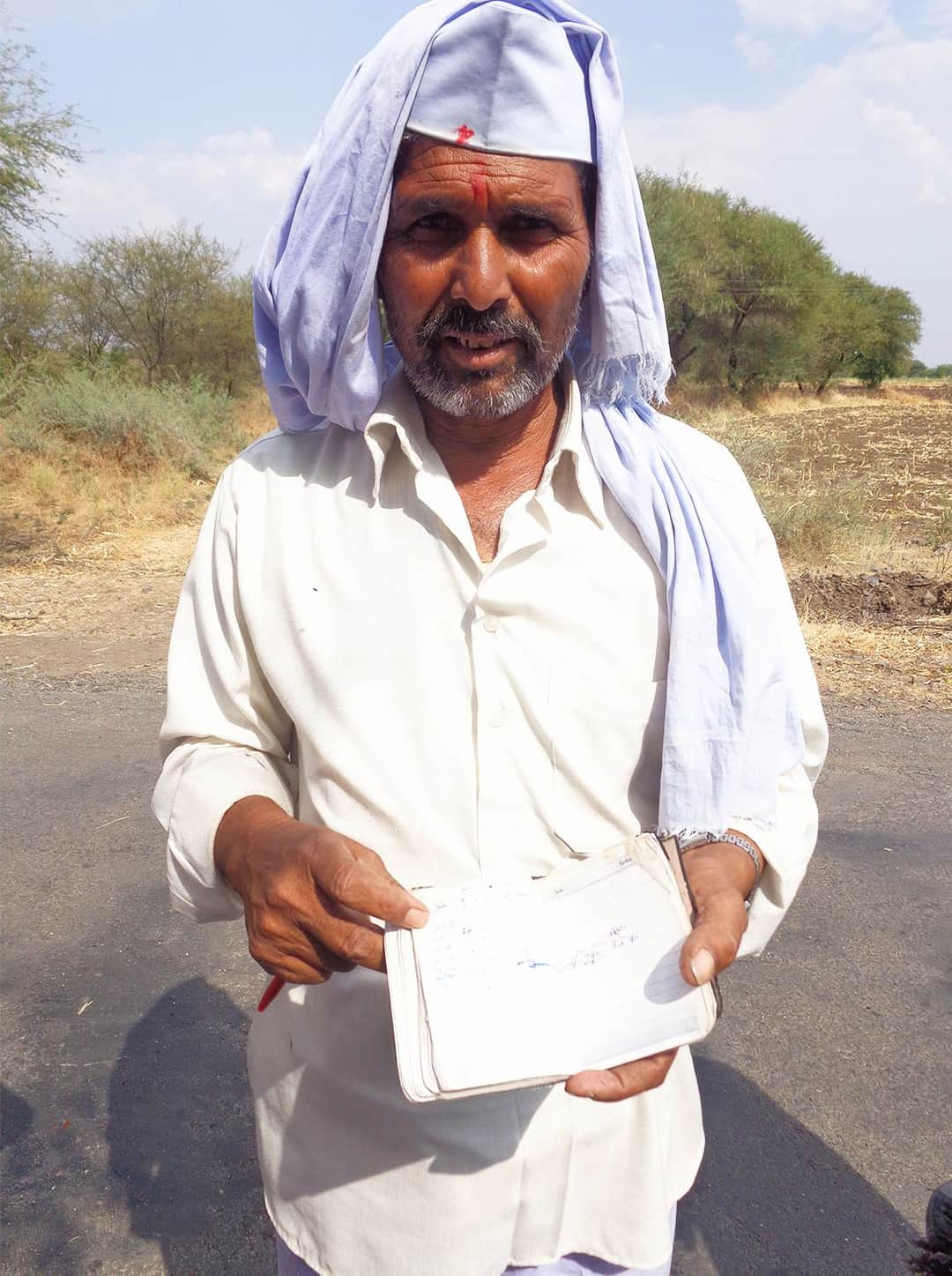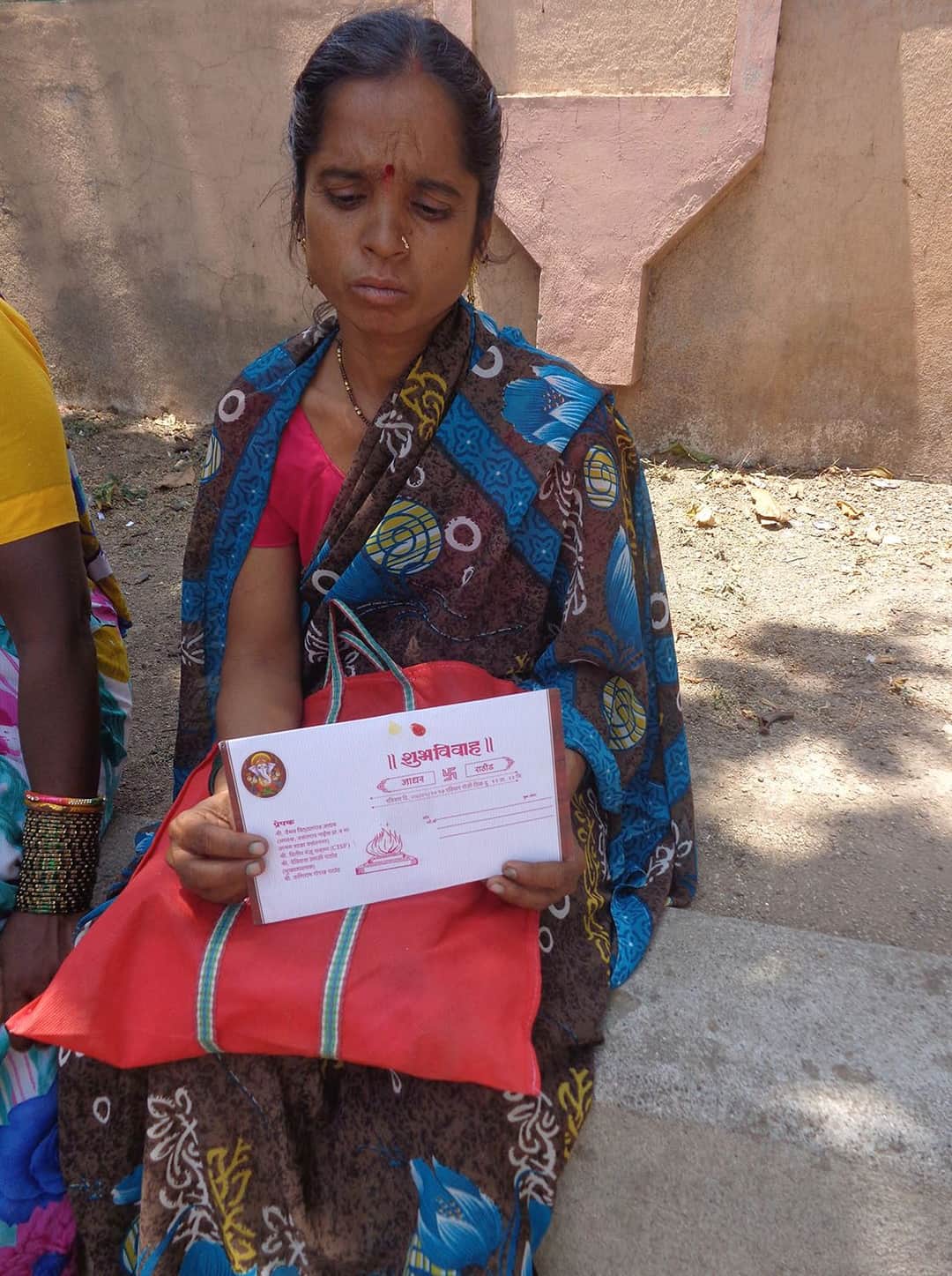

Ramesh Jagtap has had a rough day. He quarrelled with his wife, Gangubai, in the morning. After the fight, she consumed pesticide. He took her in a shared rickshaw to the district’s civil hospital in Osmanabad city, 30 kilometres from Satefal village. “My heartbeats were pounding like never before through the journey,” he says. “Fortunately, we reached in time for the doctors to treat her.”
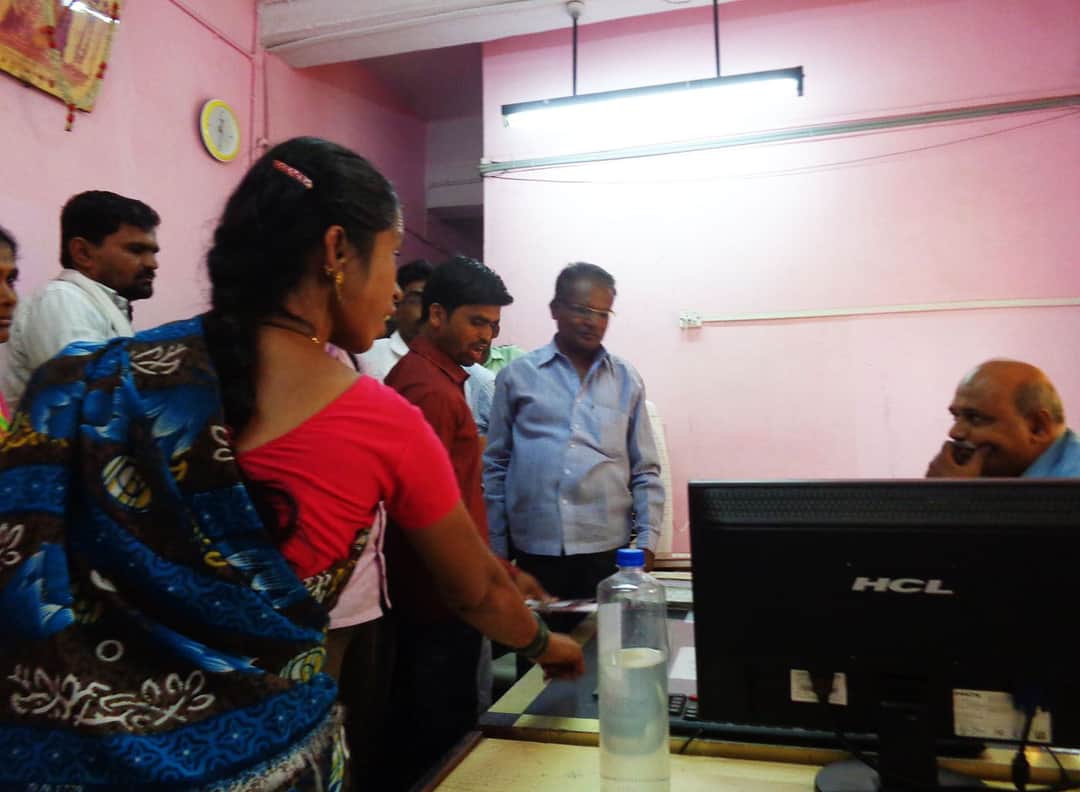
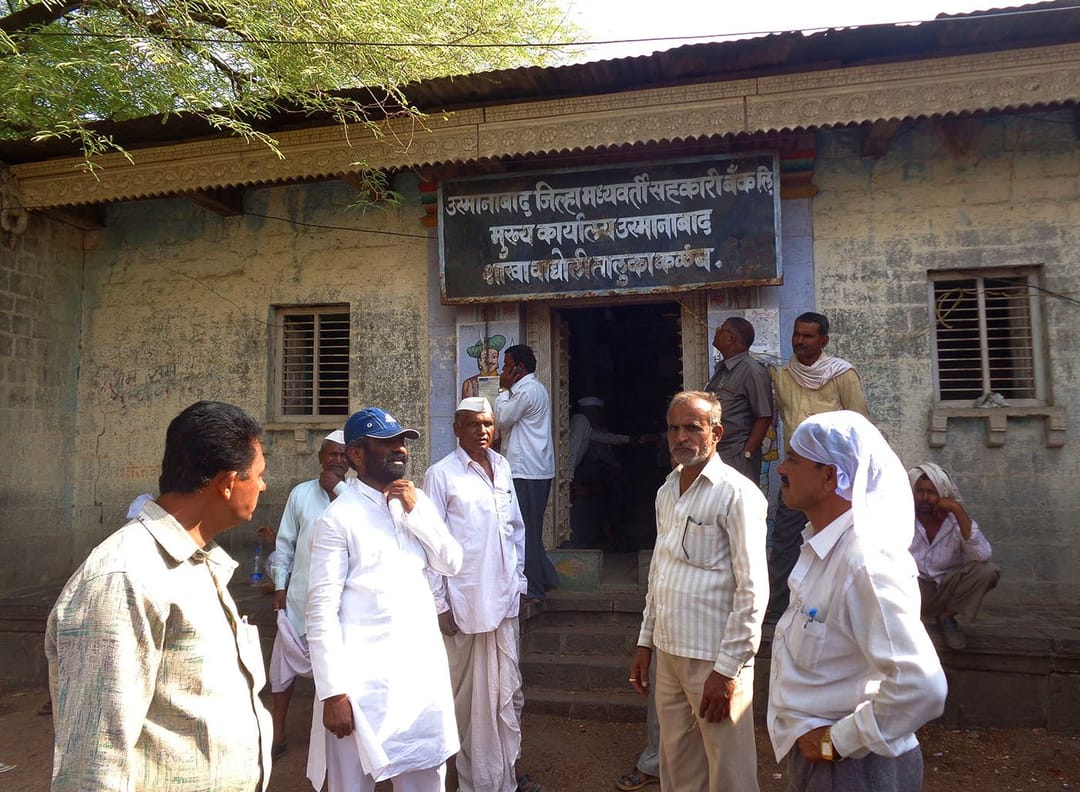
He rushed back to Satefal in the afternoon. The local branch of the district’s cooperative bank was disbursing payments to settle claims made by farmers under the government’s crop insurance scheme. “I got back and stood in line for over an hour,” Jagtap says. “But the bank had only released a part of the sum.” And that was given to farmers who had taken a token ahead of him.
Jagtap, 50, who cultivates soybean, jowar and wheat on his five acres, could well lose count of the problems he might wake up to tomorrow. He already has a bank loan of Rs. 1.20 lakhs, and owes Rs. 50,000 to a private moneylender. “I had borrowed money during previous years of drought and for my daughter’s marriage,” he says. “Moneylenders abuse us every day as we delay their payment. The fight with my wife started over this. She could not take the pressure and humiliation and poisoned herself in the heat of the moment. I need to repay my loans. I need money to prepare my land ahead of the monsoon season.”
The desperation for funds forced Jagtap to rush back to Satefal, leaving Gangubai in the hospital. He is eligible to receive Rs. 45,000 from the government as crop insurance for the rabi season of 2014-15. On March 4, the government deposited Rs. 159 crores, which belong to 268,000 farmers like Jagtap, in the Osmanabad District Central Cooperative Bank (ODCC). But two months later, only Rs. 42 crores have been distributed.