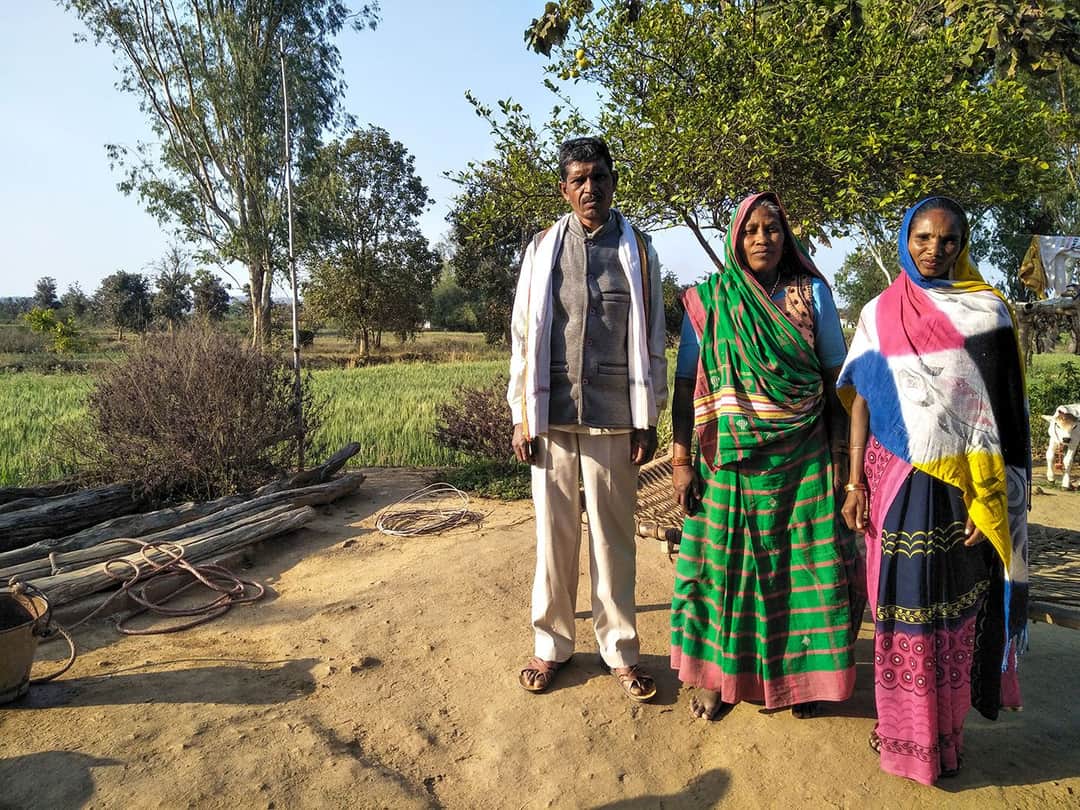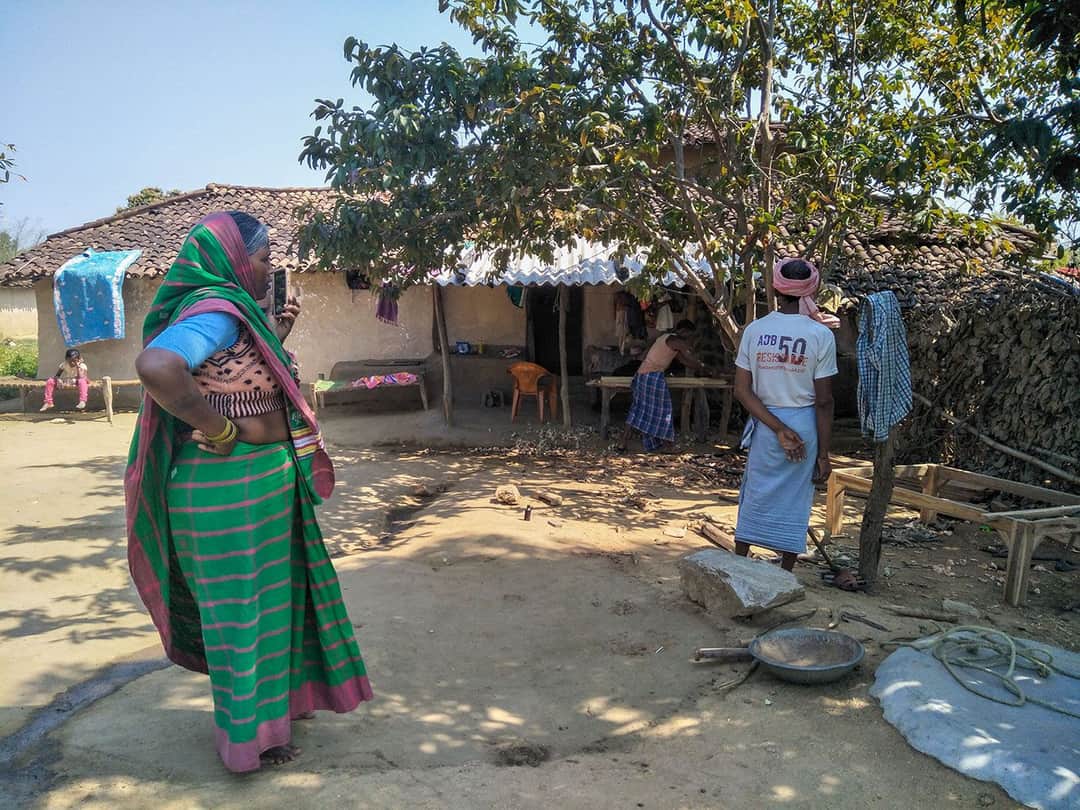


Seated on a cot outside her brick and mud house in Majhouli village one afternoon, Sukalo Gond says jokingly, “We went to the district magistrate’s office in Robertsganj on 5th March to celebrate the Supreme Court’s decision to evict our communities.”
She is referring to the interim order issued by the Supreme Court on February 13, 2019, to evict well over a million Adivasis from more than 16 states in India, based on a petition filed by wildlife conservation groups contesting the validity of the Forest Rights Act (FRA). The FRA of 2006 aims to give forest communities rights to their traditional lands and address the historic social injustices they have faced.
“Going to the DM’s office was important,” says Sukalo, surrounded by her grandchildren. ‘We have to stand with each other and with all the other communities who live in the forest. Even though there has been a stay order from the Supreme Court [following an appeal filed by the central government], we have to continue to show the people in charge that we are not afraid of asking for our rights.” She smiles. “About 30 of us barged into the DM’s office, but he did not get angry or ask us to leave. He told us to come back and speak to him. Maybe because he was new.”
I had first met Sukalo Gond in September 2016 in Robertsganj, Uttar Pradesh, at the office of the All India Union of Forest Working People (See ‘I knew I was going to jail that day’). The AIUFWP (originally the National Forum of Forest People and Forest Workers, formed in 1996) was set up in 2013. It has roughly 150,000 members in around 15 states. In Uttar Pradesh, the union works in 18 districts with about 10,000 members.