In 1952, the Indian government repealed the Act, and the tribes were ‘denotified’. Some of them are now included in the list of Scheduled Castes, some as Scheduled Tribes, and some are in the Other Backward Classes category.
Around 223,527 Pardhis live in Maharashtra, according to Census 2011, and some also live in Chhattisgarh, Gujarat, Karnataka and Madhya Pradesh. Within the Pardhis, there are various sub-groups, originally named according to their occupations or other descriptors, including Pal Pardhis (who lived in tents), Bhil Pardhis (who used firearms), and the Phanse Pardhis (who hunted using a noose).
Of the nearly 1,500 nomadic and semi-nomadic communities, and 198 denotified tribes in India listed by National Commission for Denotified, Nomadic and Semi-Nomadic Tribes, the Pardhis remain among the most deprived in terms of education, employment and other facilities; they are still often viewed as prone to crime and are stigmatised.
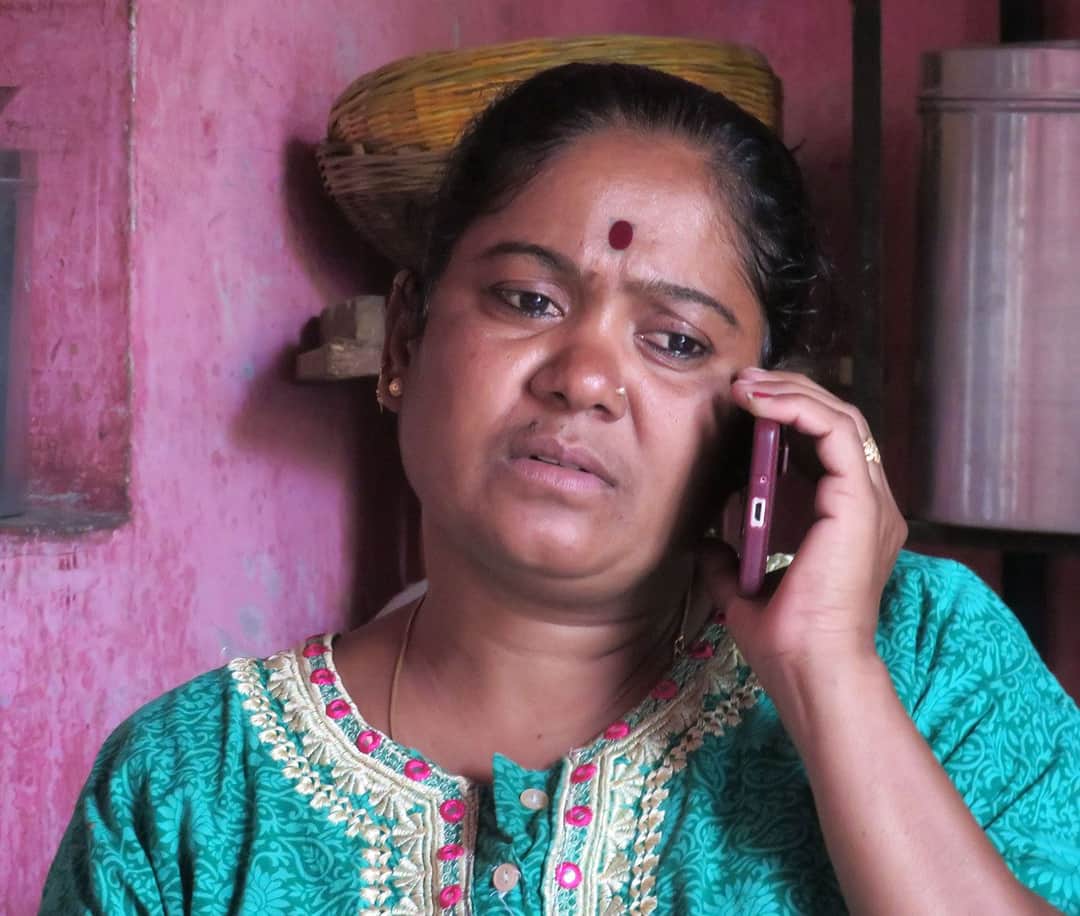
“We are still labelled as criminals,” Sunita says. “For any crime in a village, the police usually blame the Pardhis because they are an easy target. Whereas the atrocities [against the Pardhis] are serious, as you saw even now. This stigma against us has to end.”
Sunita has become known as someone who fights for the rights of Pardhis. But it’s been a long journey for her.
She too faced harassment in her zilla parishad school in Ambale village of Shirur taluka in Pune district, where she studied till Class 6. “I used to get teased a lot due to my community. I would wonder why they are doing this to me?”
Sunita’s father Eknath occasionally hunted monitor lizards, pheasants, rabbits and other small animals for food. Her mother Shantabai, along with her elder sister Anita, begged for food; their little brother Avinash stayed at home. “We often stayed hungry,” she says. “I remember in school we used to get milk. I would drink it bellyful, because there would be nothing at home to eat. Our teacher was a good person, he would give me as much milk as I wanted. He knew the Pardhis’ condition. Food collected from begging would not be enough for the family of four. We hardly got to see
bhakri.”