
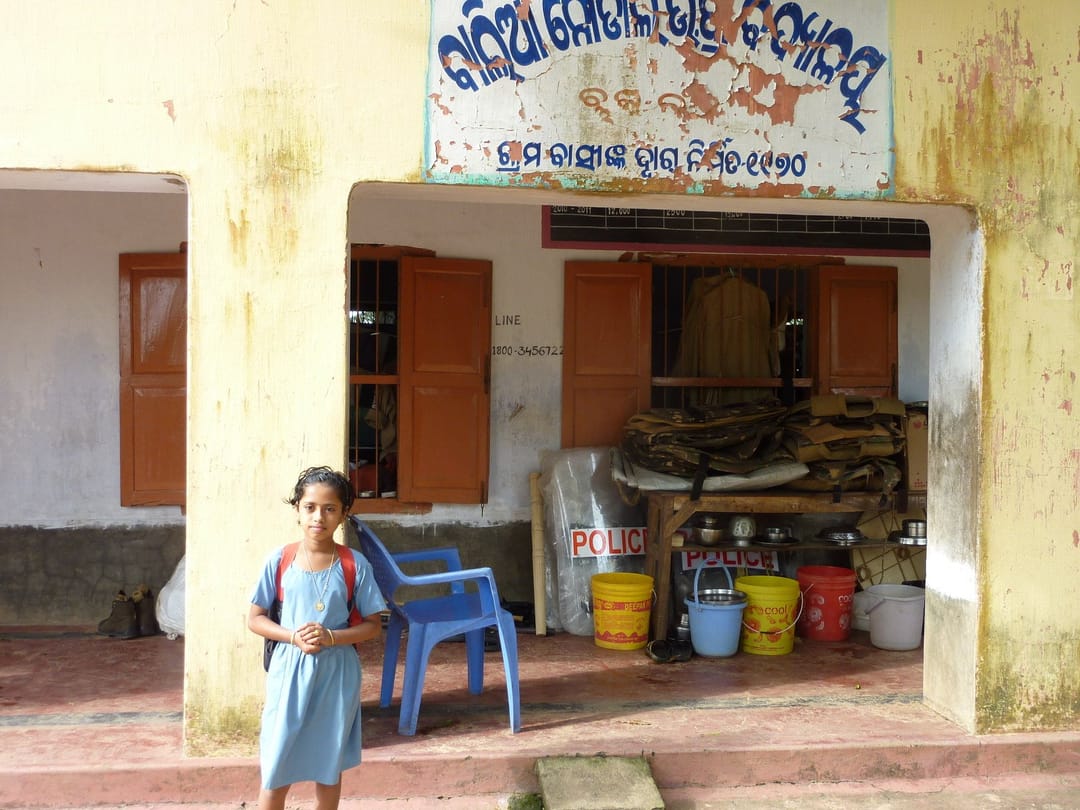
'Freedom from fear' and 'Punishment-free zone' read the slogans on the school walls. These signify the end of corporal punishment. They take on a different meaning, though, when schools are occupied by the police, as they are around Dhinkia and Govindpur, the villages resisting the state's takeover of their farmland for Posco's mega power and steel project.
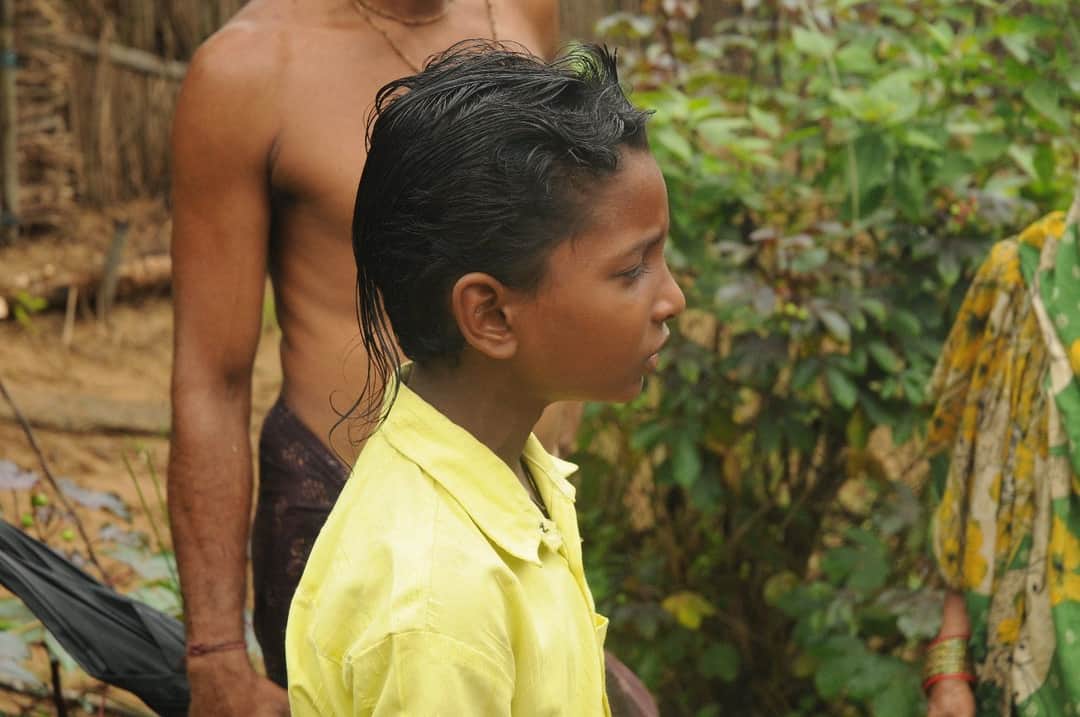
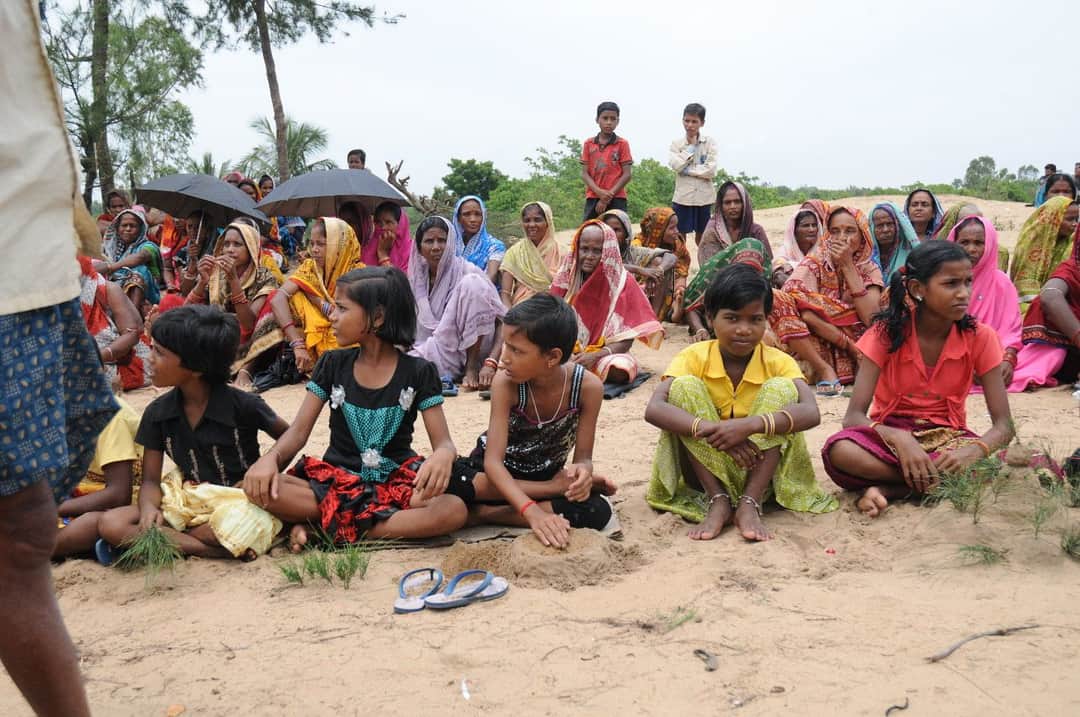
Children here grabbed national attention when they joined their parents in the protests against the forcible land acquisition. And still more when the fall in school attendance drew the wrath of Odisha's Women and Child Development Minister Anjali Behera. Her concern that children remain in school is unexceptionable. Her belief that they were not there only because they had joined the protests is misplaced.
In this state, millions remaining in the classrooms are unlikely to get an education. Besides, Odisha has “not served midday meals in most schools since mid-June,” says Biraj Patnaik, adviser to the Supreme Court's Food Commissioners. “And they are sitting on over Rs. 146 crores of last year's disbursement for the scheme from the central government.
But back to the villages. “Four of our six rooms are occupied by the police who are here to deal with the agitation,” says a teacher at the Balia nodal Upper Primary School. This school runs till Class 7. “Every morning, all the children assemble, we take attendance – and then dismiss Classes 1-5. How to teach them?” The police occupy space in several schools. They have vacated one in Balituth but remain in at least four others including Balia.