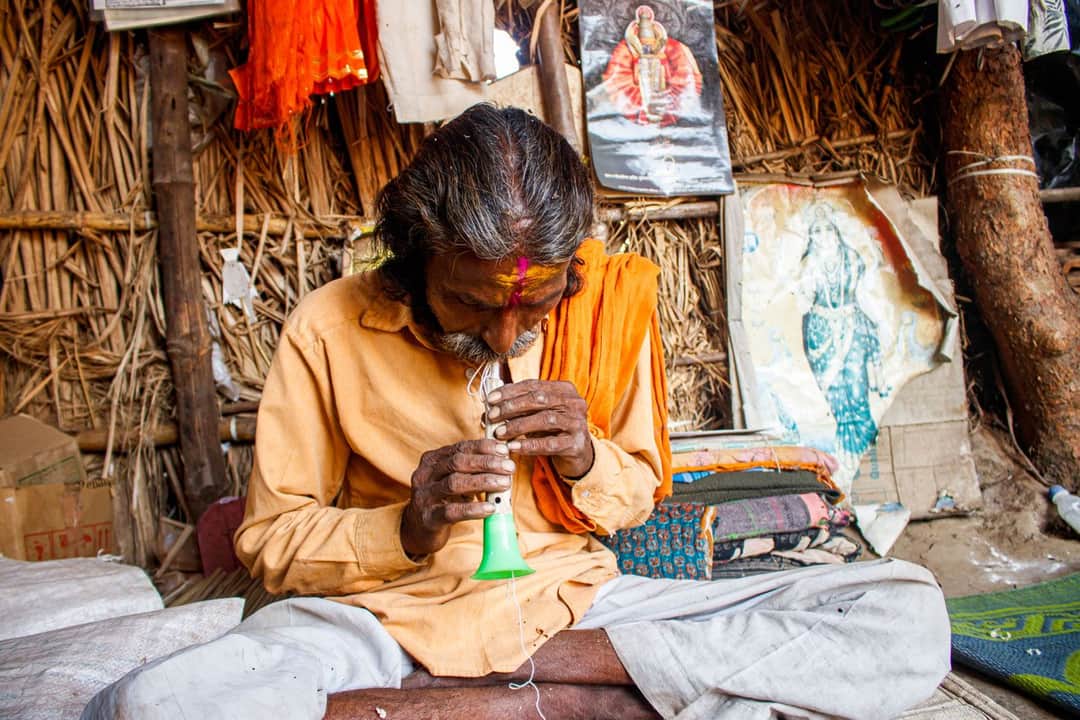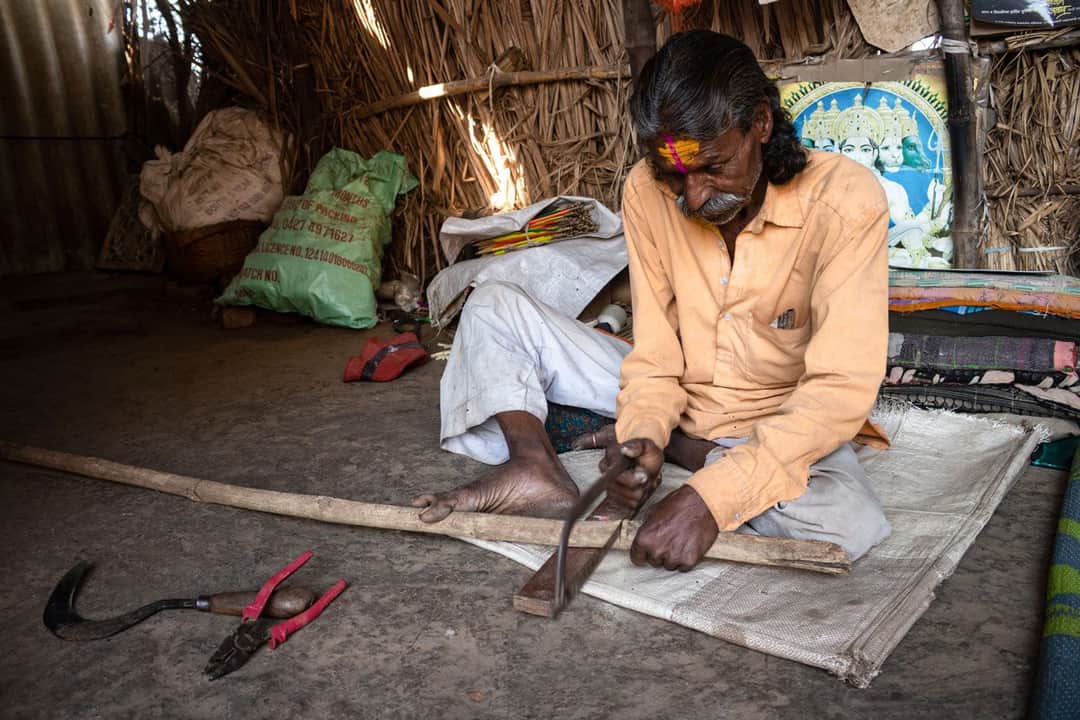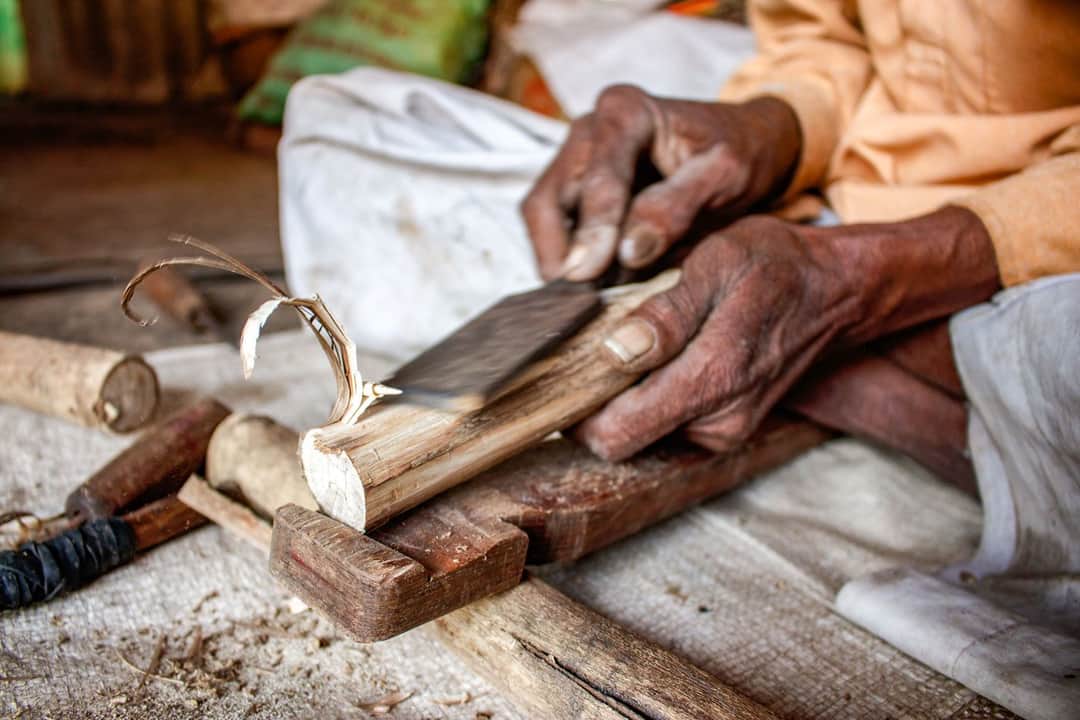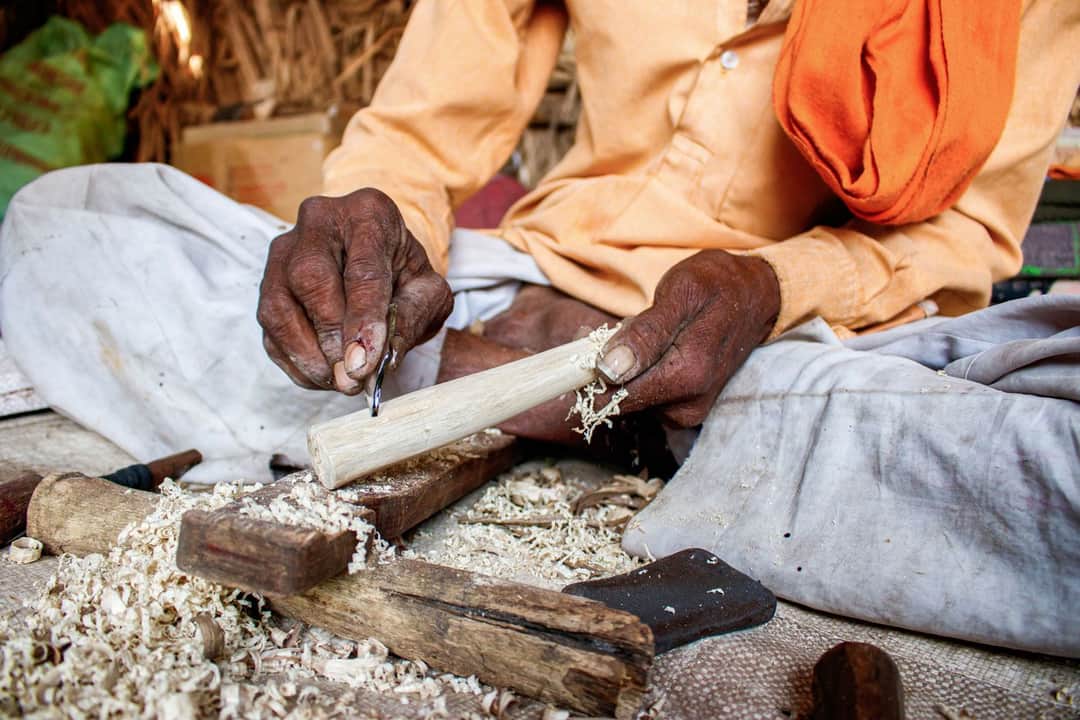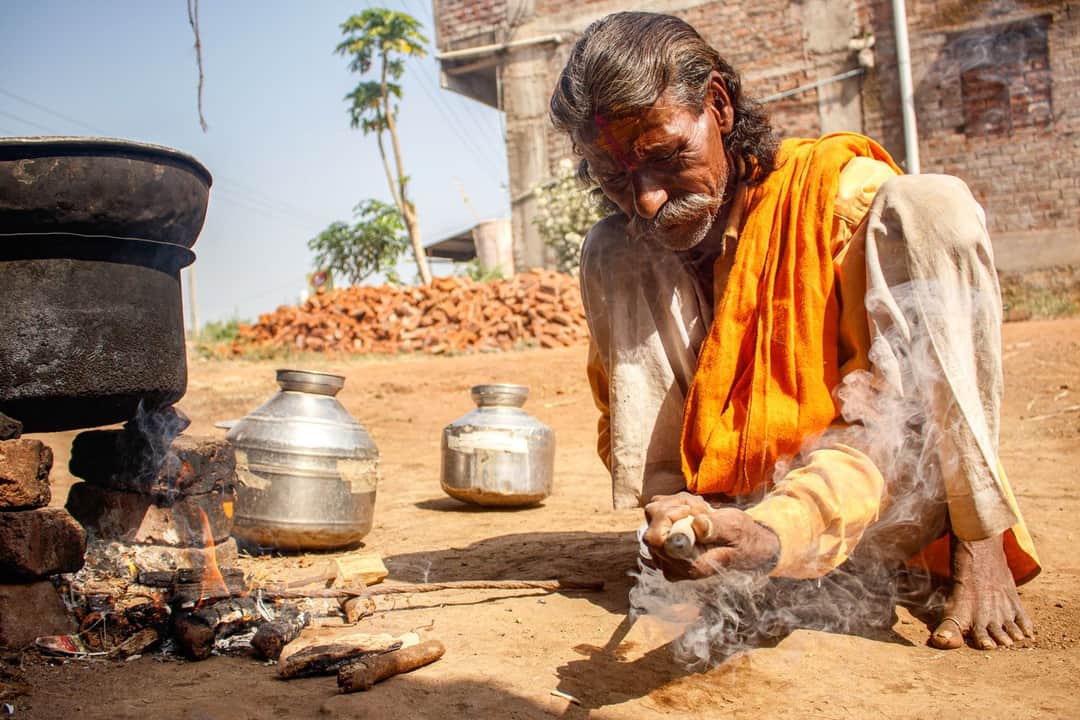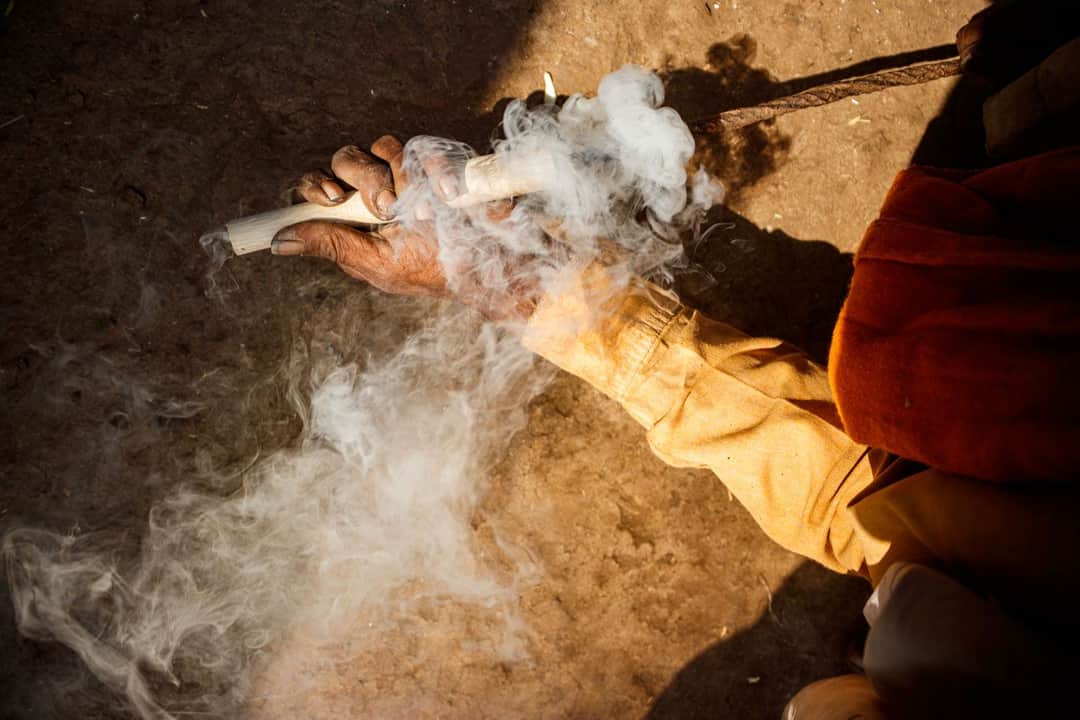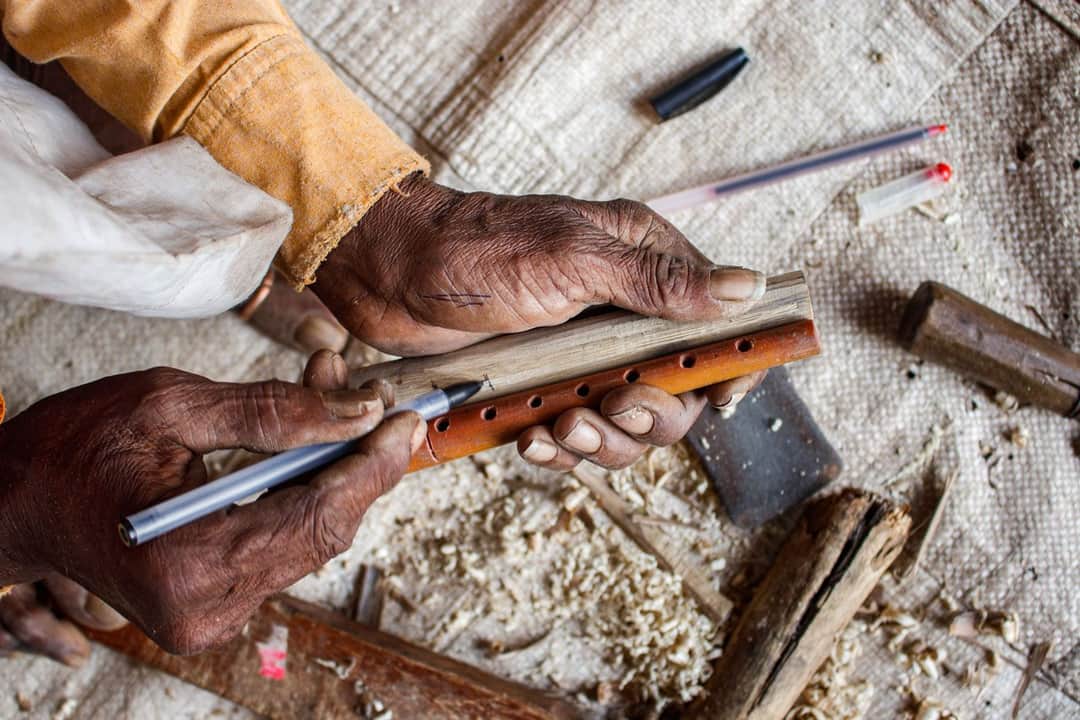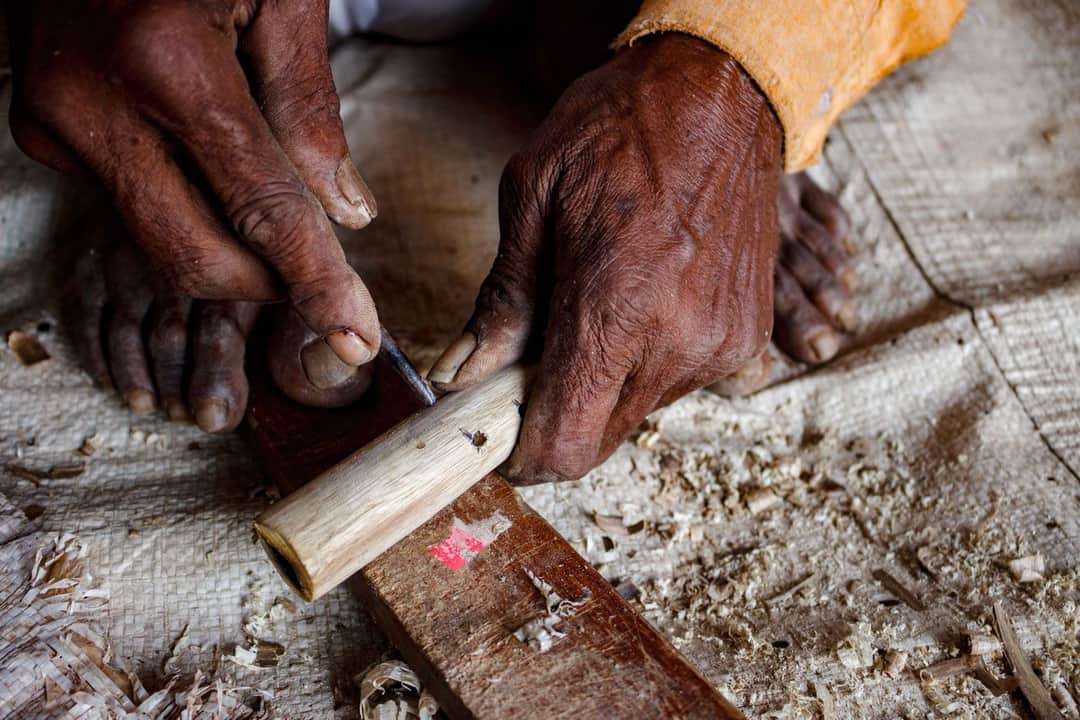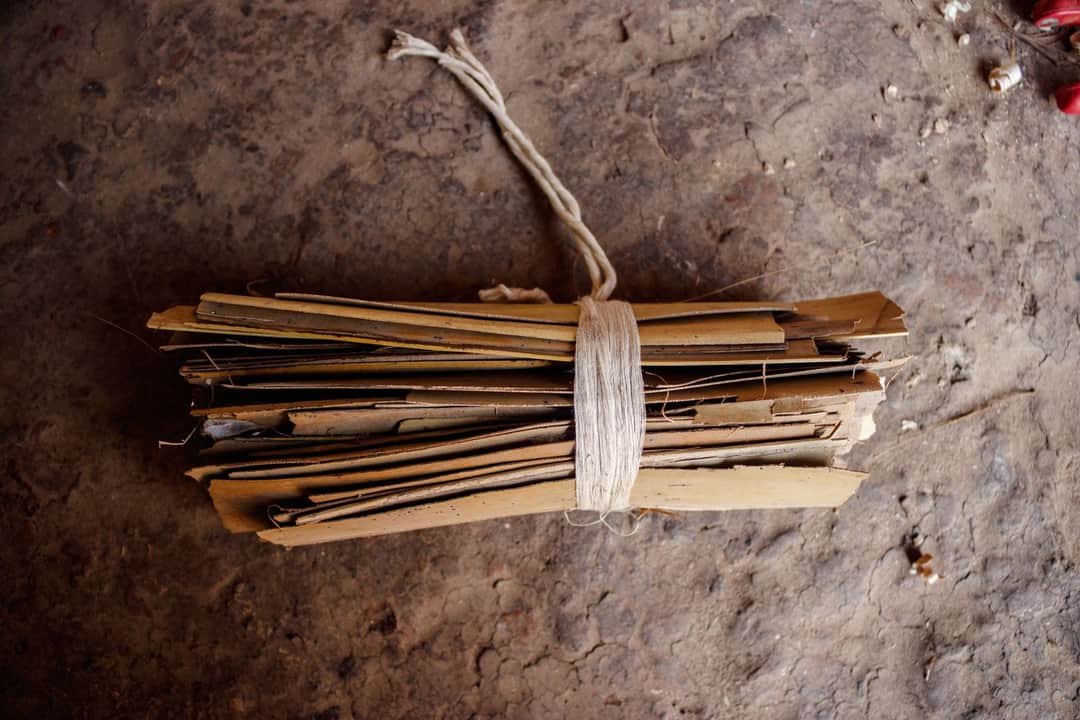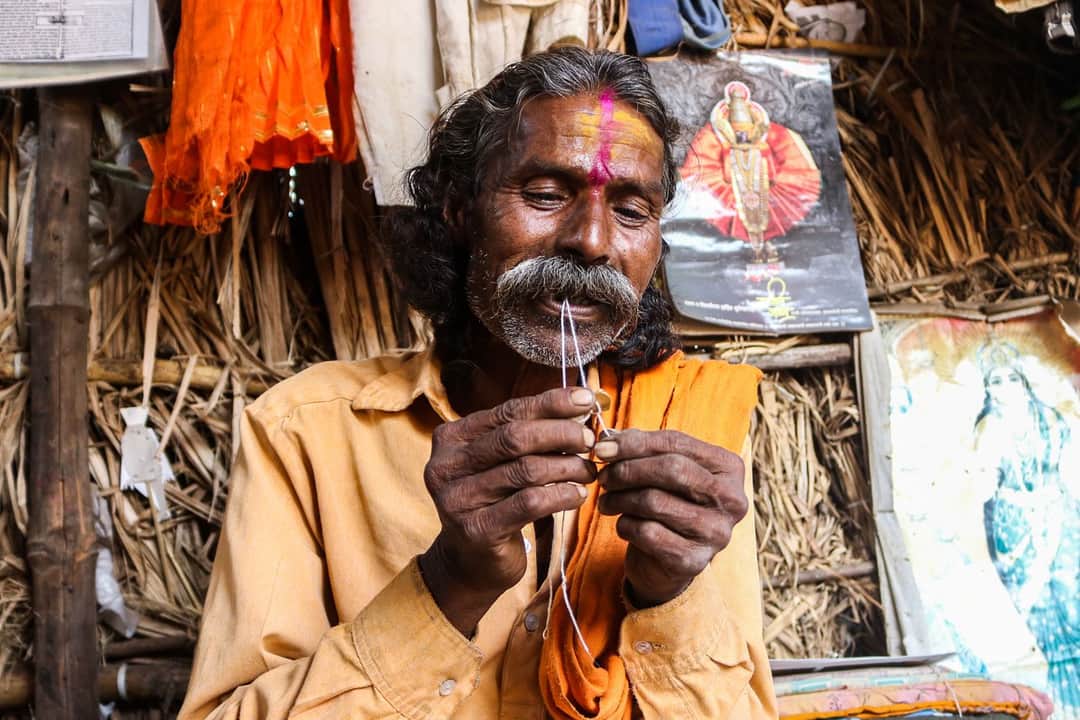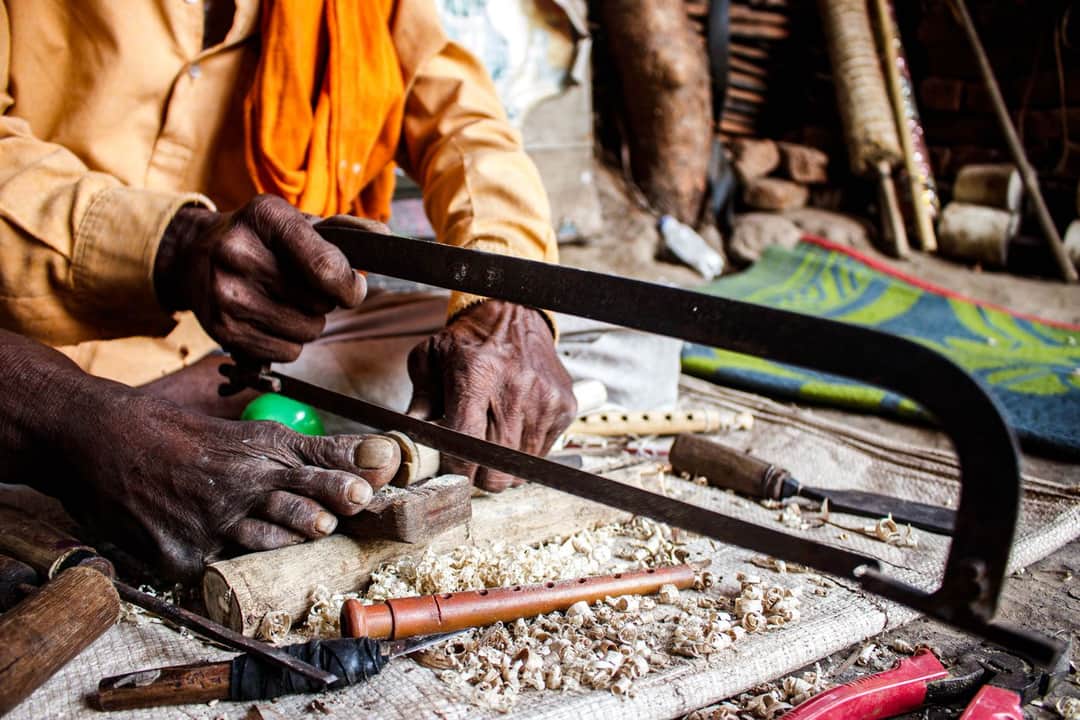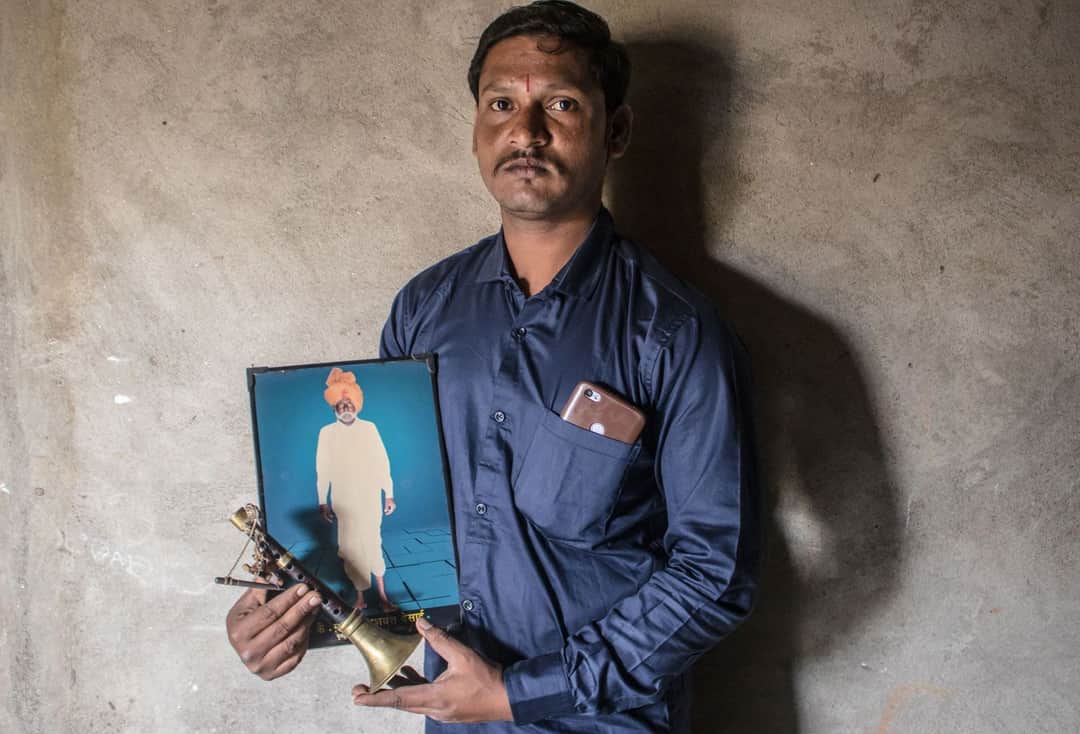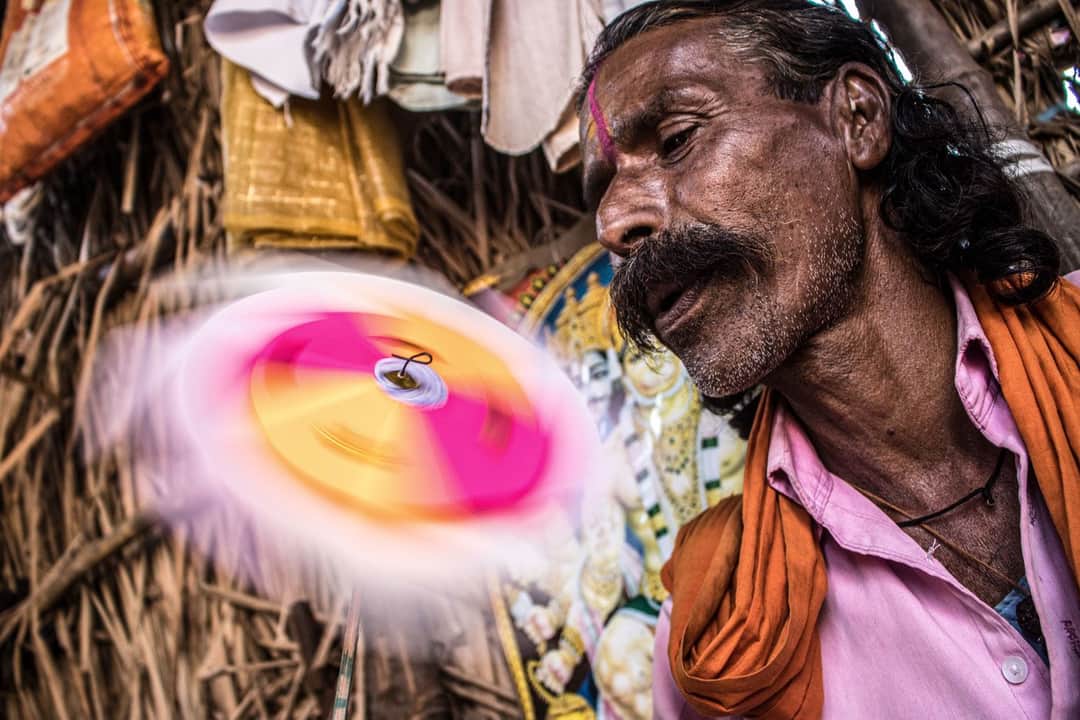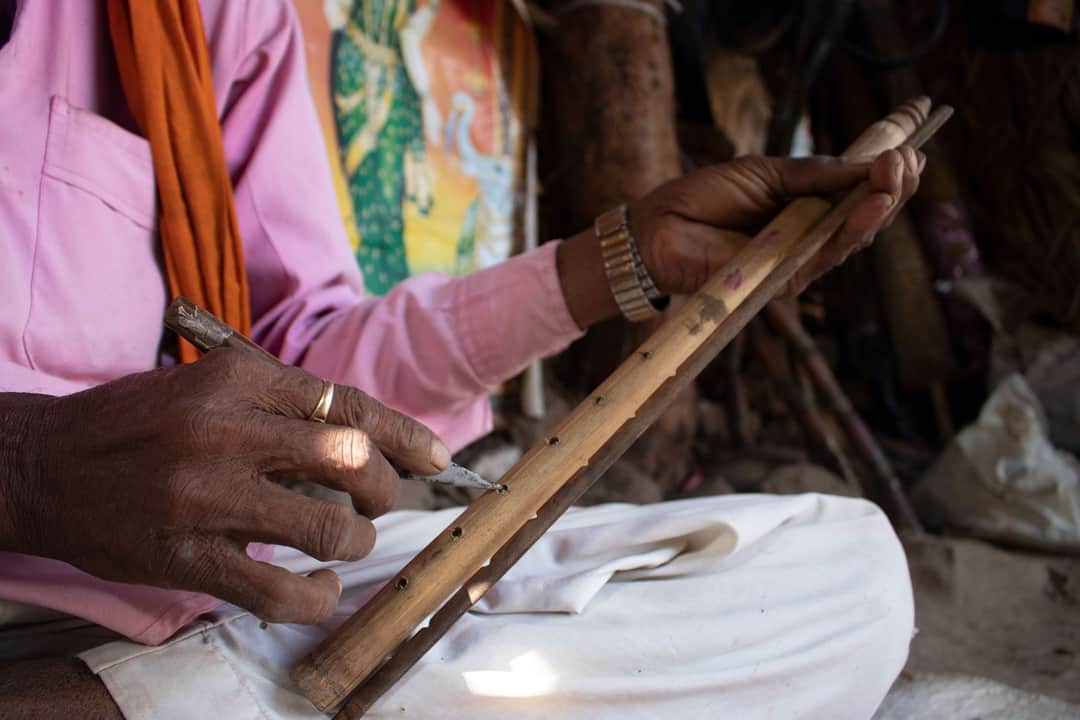

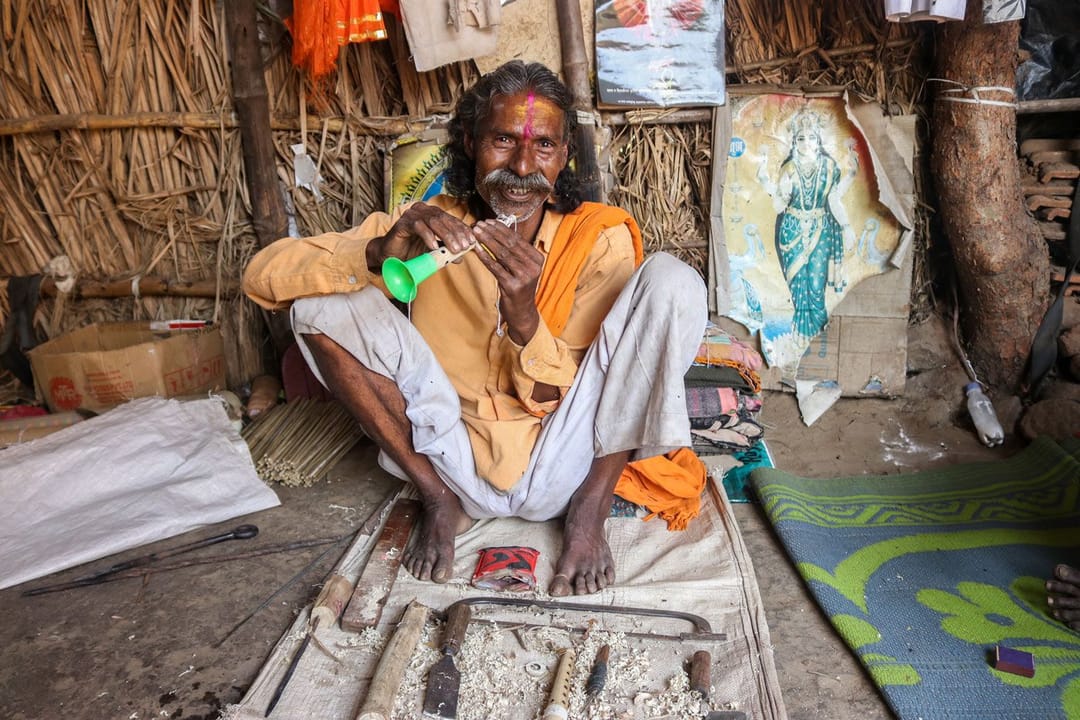
It’s tempting to call it an example of frugal innovation. But 65-year-old Narayan Desai simply describes it as the 'death’ of his art. ‘It’ being a tweak in the design and components of his shehnais, which he was forced to do in response to market realities, and a definite threat to the very existence of his art.
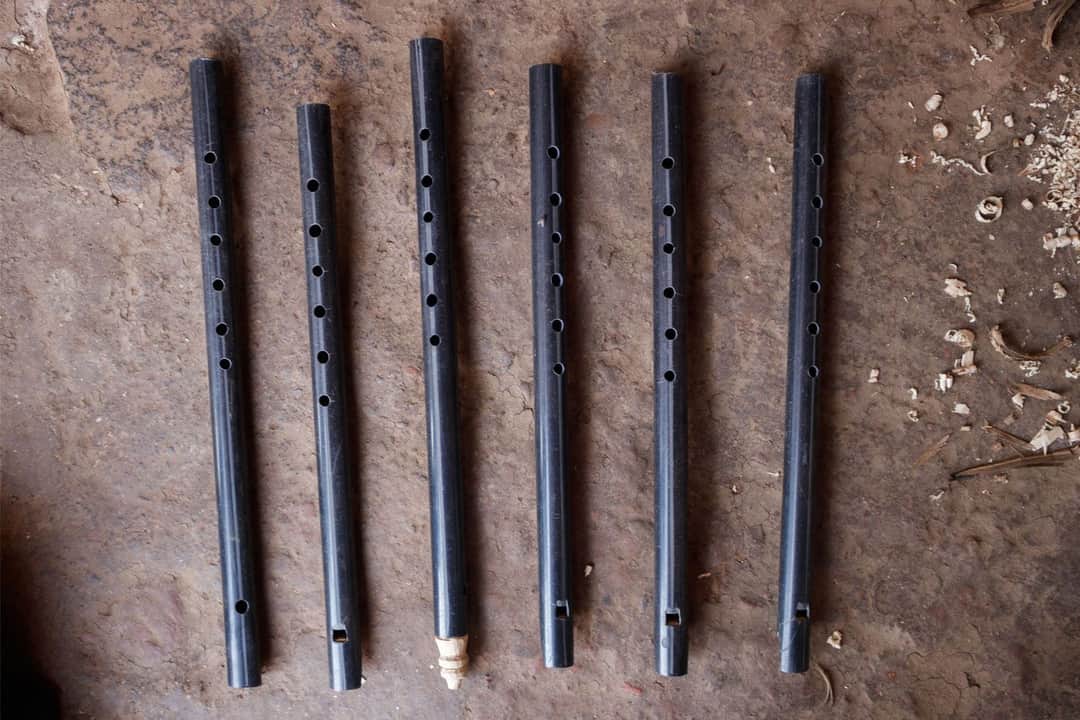
The shehnai is a wind instrument, popular at weddings, festivals and local events.
Until two years ago, every shehnai that Desai crafted had a pitali (brass) bell attached to its farther end. In traditional, handmade shehnais, this flared bell, or vati as it is called in Marathi, is what enhances the quality of the notes emanating from the wooden body of the musical instrument. At the peak of his career, in the 1970s, Narayan would maintain a stock of over a dozen brass bells, procured from Chikodi town in Karnataka’s Belagavi district.
However, in recent years, two factors have forced him to alter his technique honed over half a century: the rising prices of brass bells and a growing reluctance on the part of customers to pay what it takes to make a good shehnai.
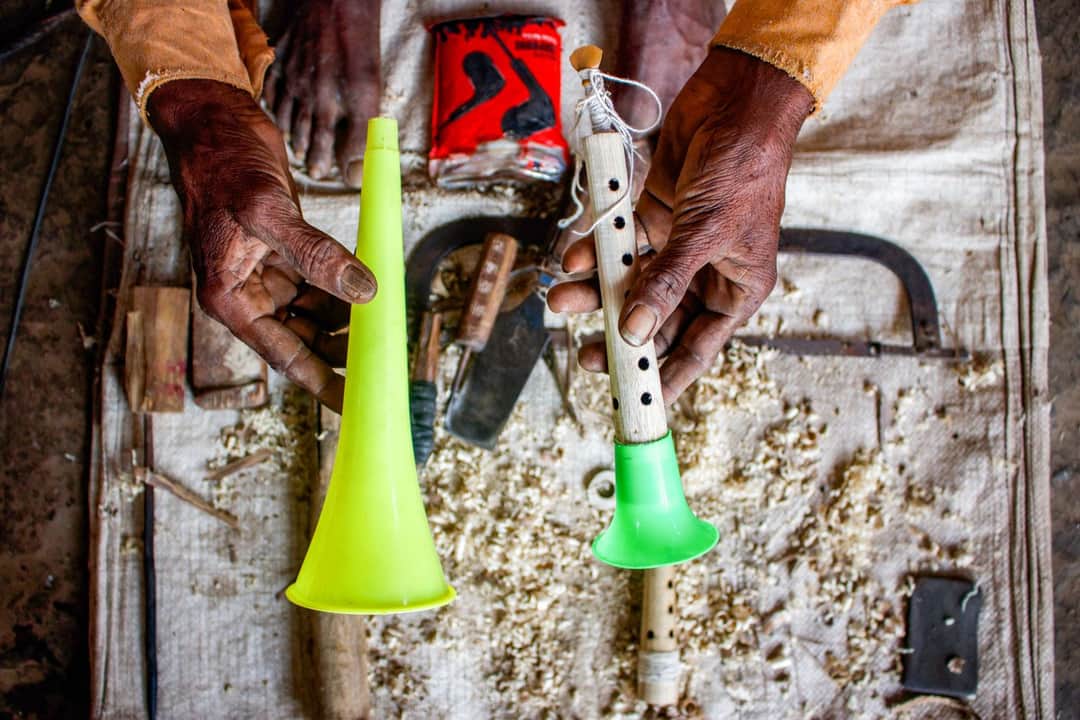
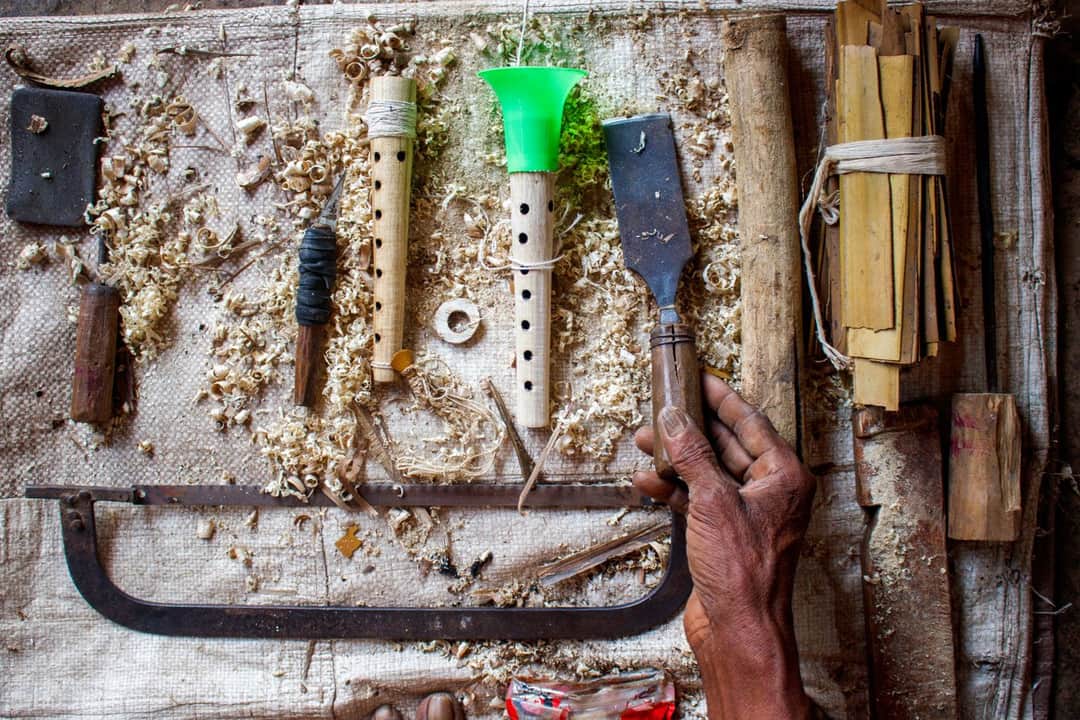
“People have started asking me to sell a shehnai for Rs. 300-400,” he says. A difficult demand to meet, given the brass bell alone now costs around Rs. 500, he points out. After losing several potential orders, Narayan finally hit upon a solution. “I bought plastic trumpets at the village fair, cut off their farther ends [which resemble flared bells] and fitted these [bell-shaped plastic parts] into the shehnais in place of the brass bells.
“It does affect the sound, but that [quality] is what people demand now,” he laments. To the more discerning buyer, he continues to offer the option of providing their own vati. The plastic alternative costs him merely Rs. 10, not counting the burden on his conscience for having compromised his art.