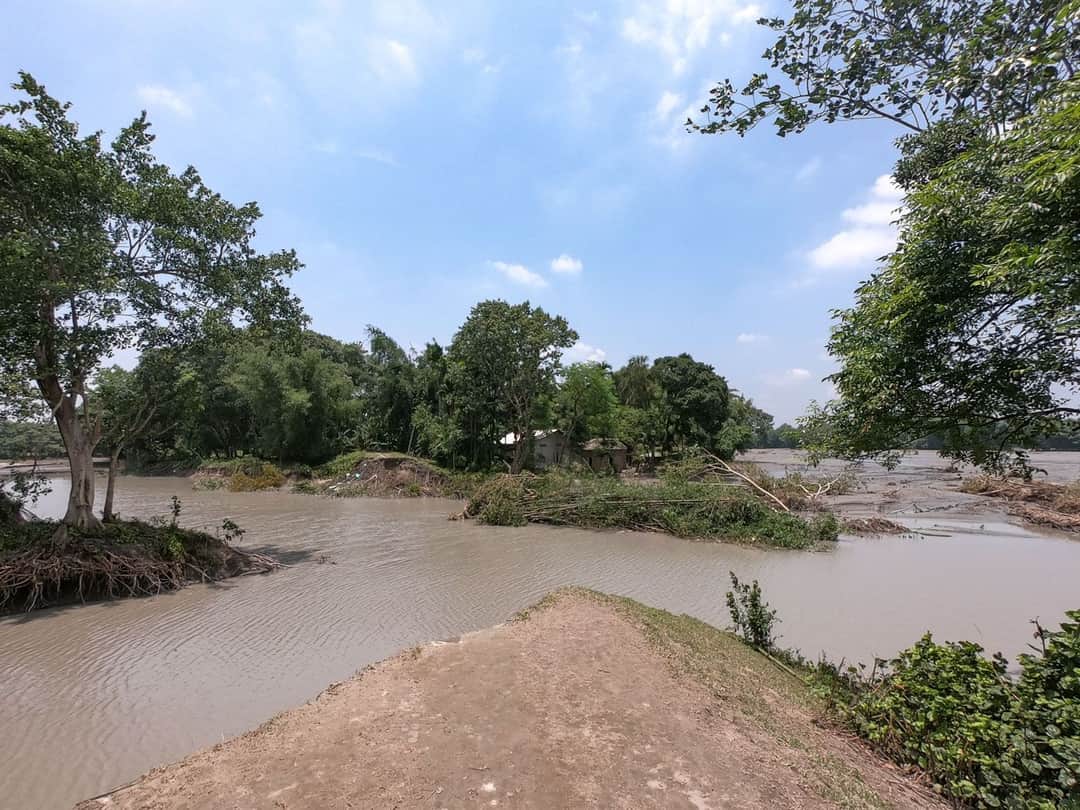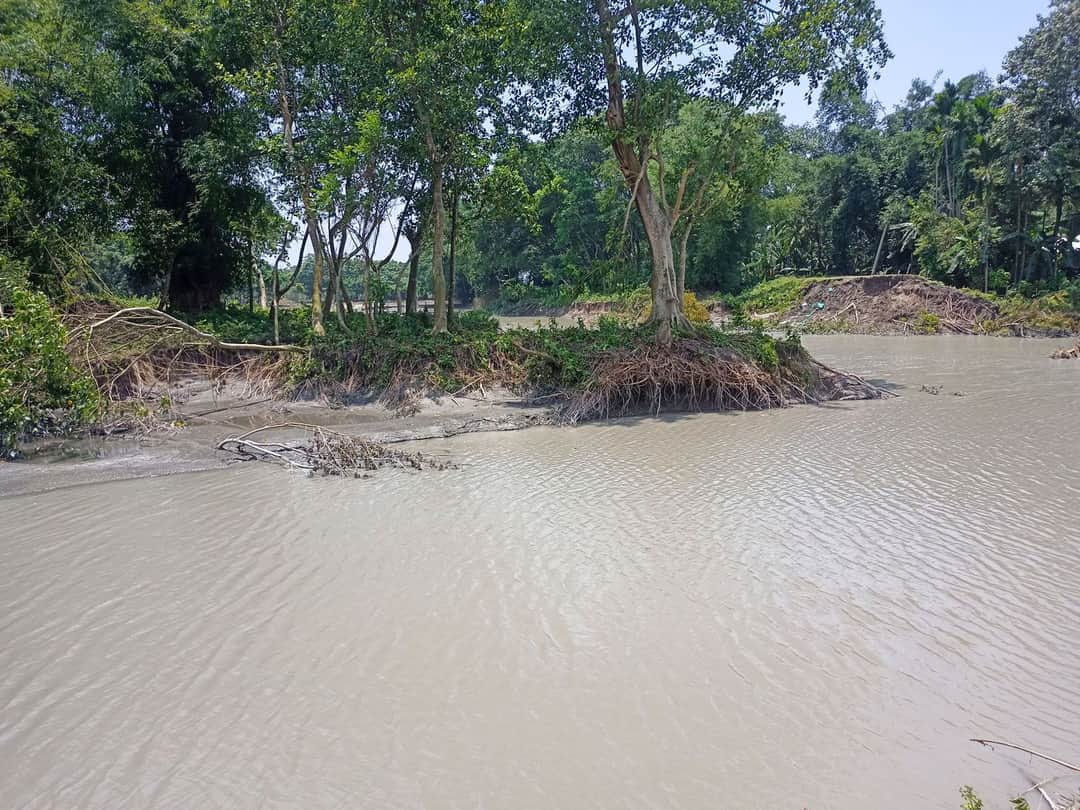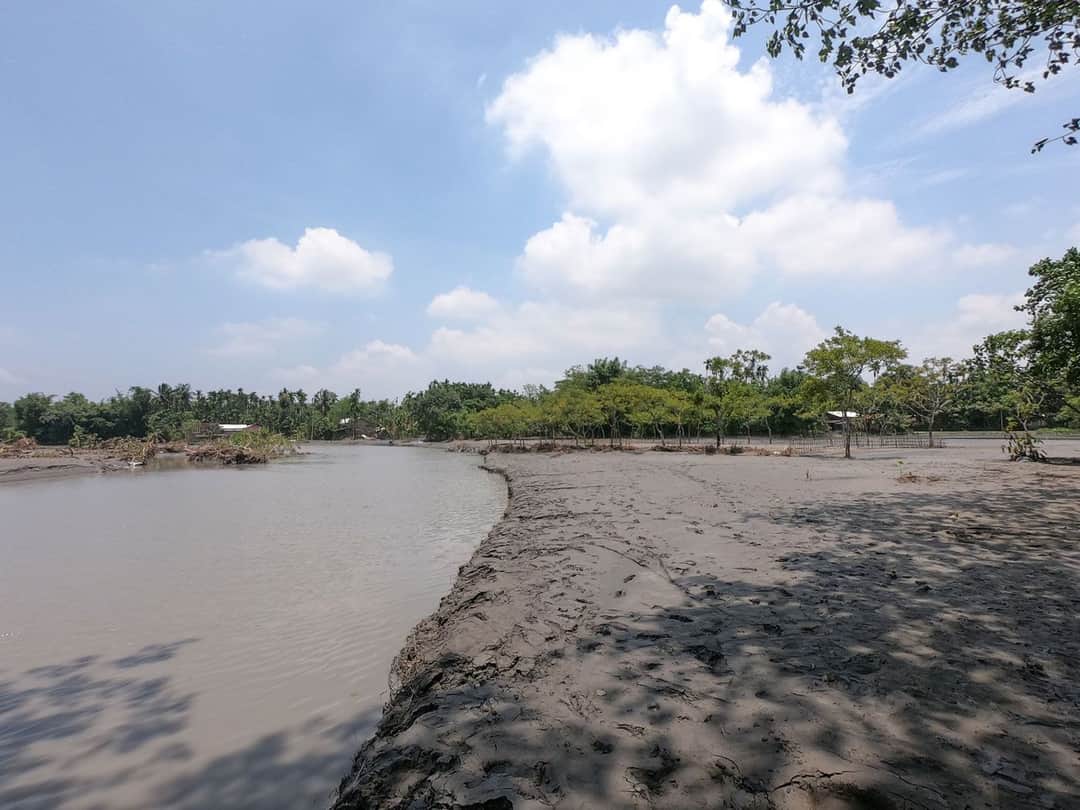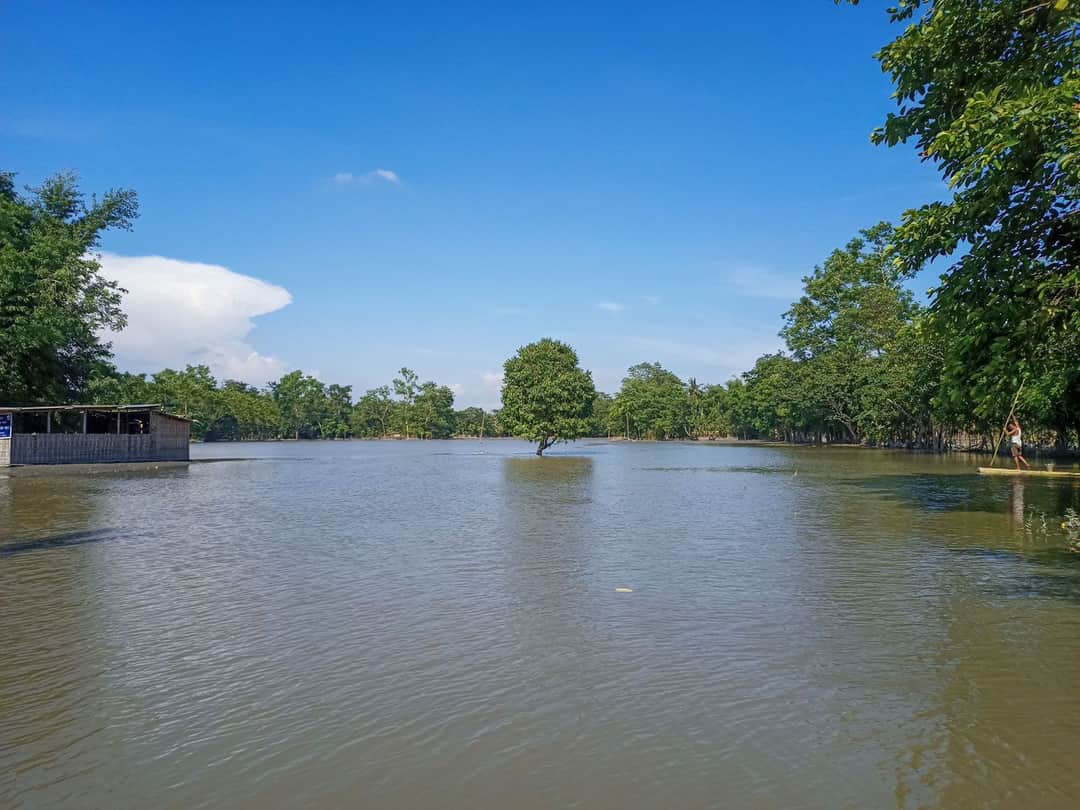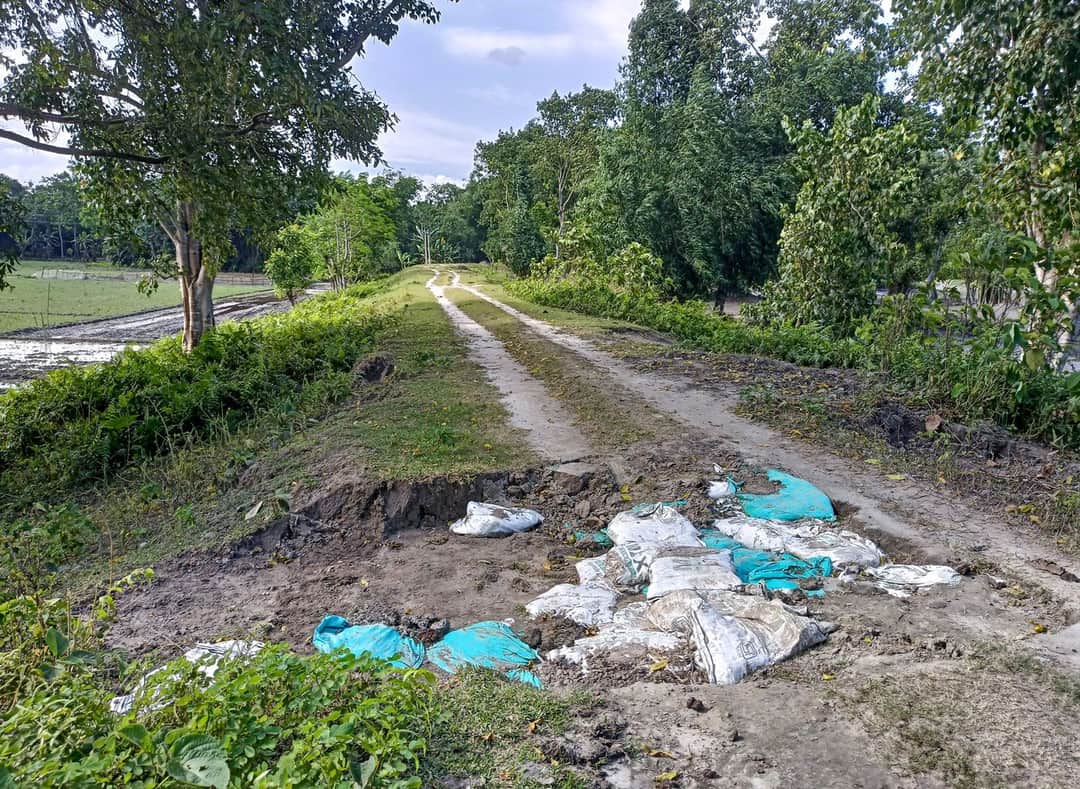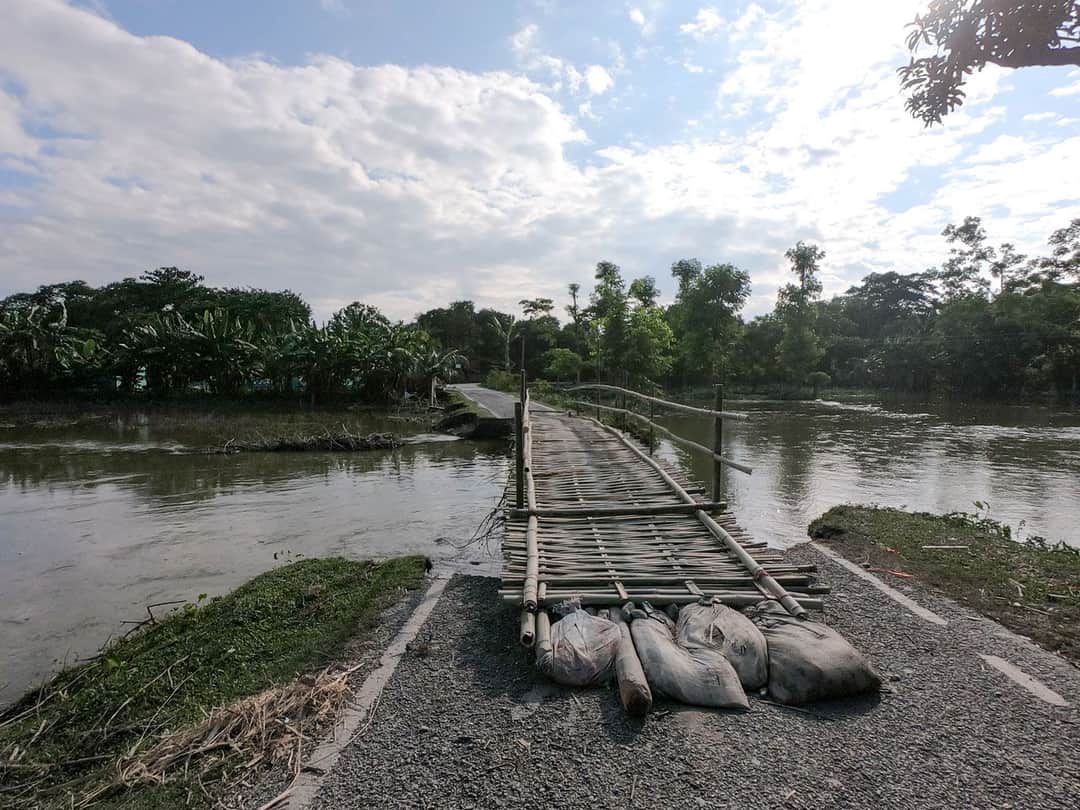

On the night of June 16, 2022, Laba Das, like others in Assam’s Nagaon village, was desperately piling sandbags on the banks of the Nanoi river. They had been told 48 hours before, that the river, a tributary of the Brahmaputra, was going to breach its banks. The sandbags had been provided by the district administration to these villages of Darrang district that lie along its banks.
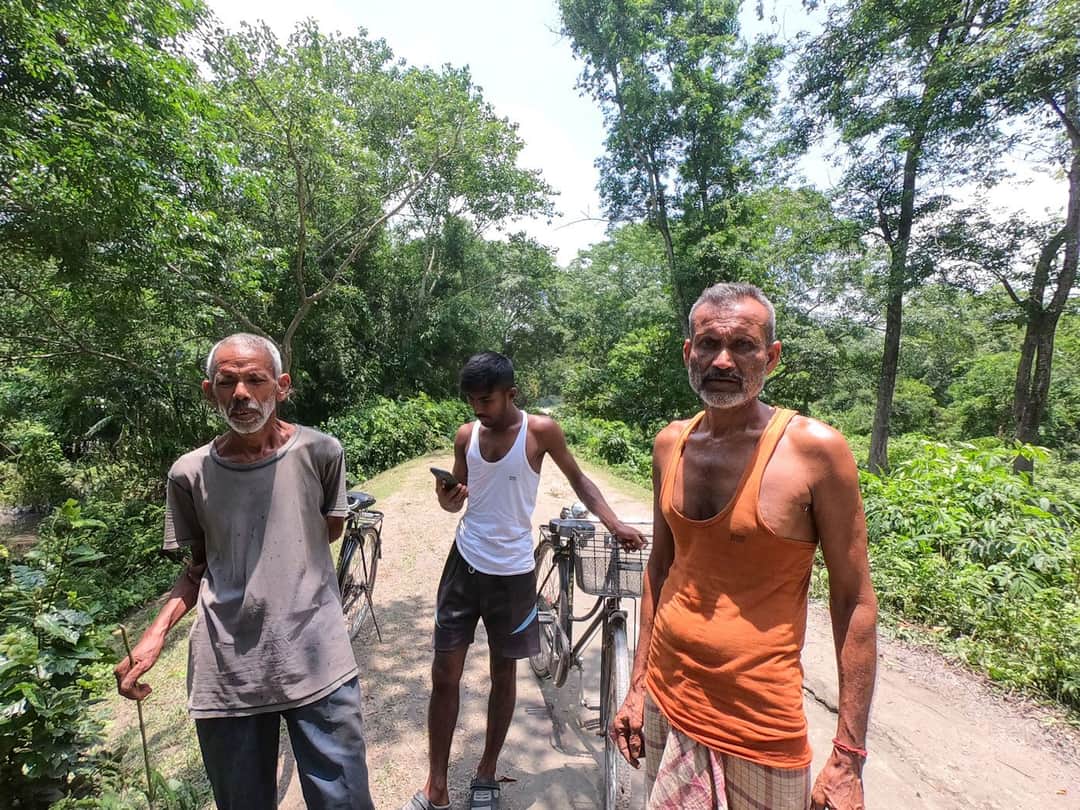
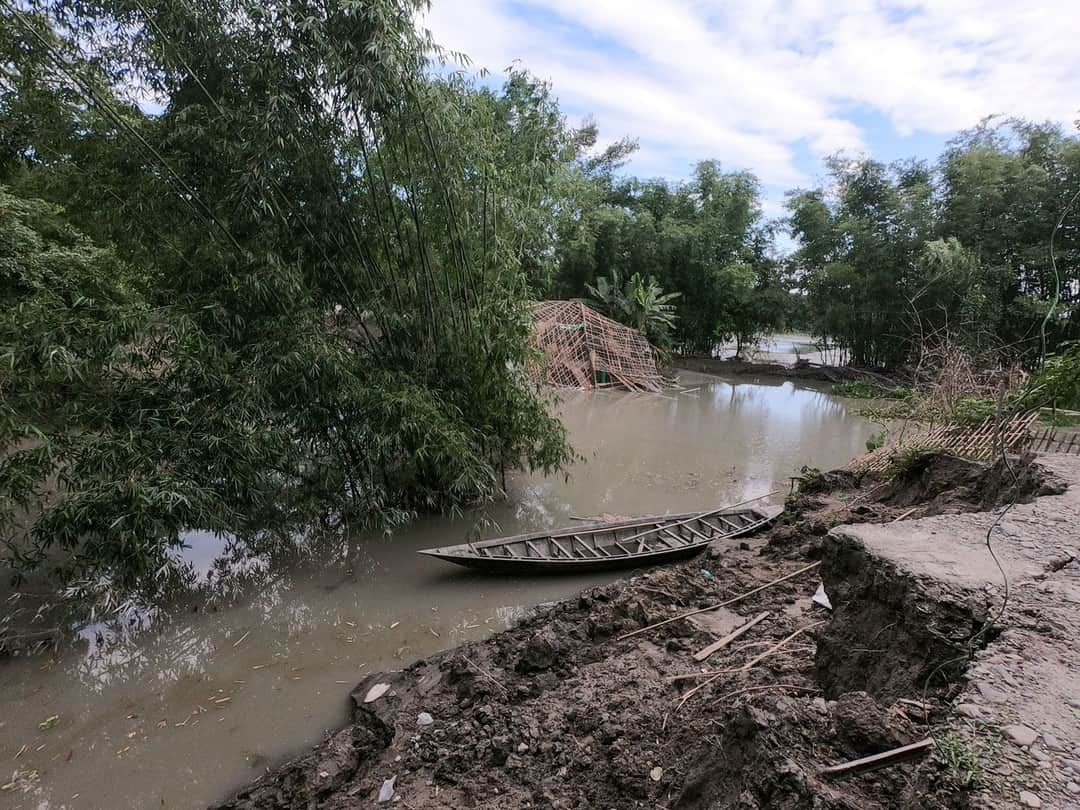
“The embankment broke around 1 a.m. [June 17],” says Laba, a resident of Nagaon’s Hira Suburi hamlet, in Sipajhar block, speaking of the breach. “We were helpless as it was breaking at different points.” It had been raining incessantly for over five days by then, but the state was being pummelled by the southwest monsoon since the beginning of the month. The Indian Meteorological Department had issued a red alert, forecasting ‘extremely heavy rainfall’ (more than or equal to 244.5 mm in a day) over Assam and Meghalaya during June 16-18.
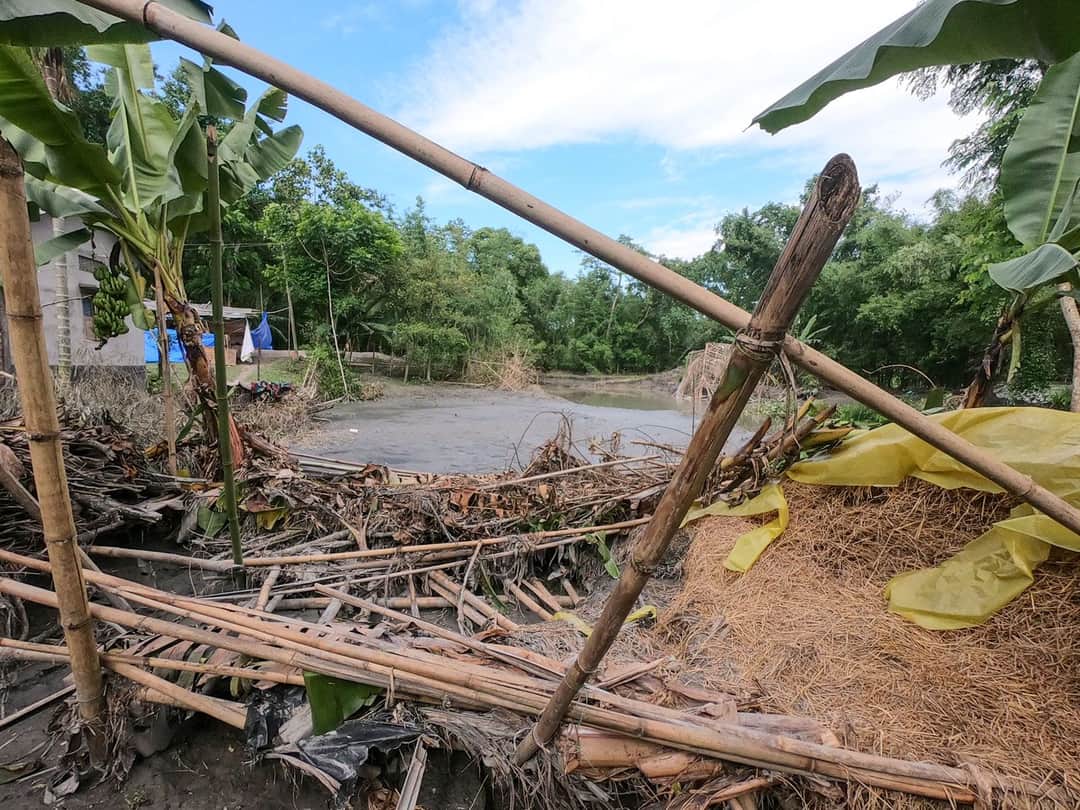
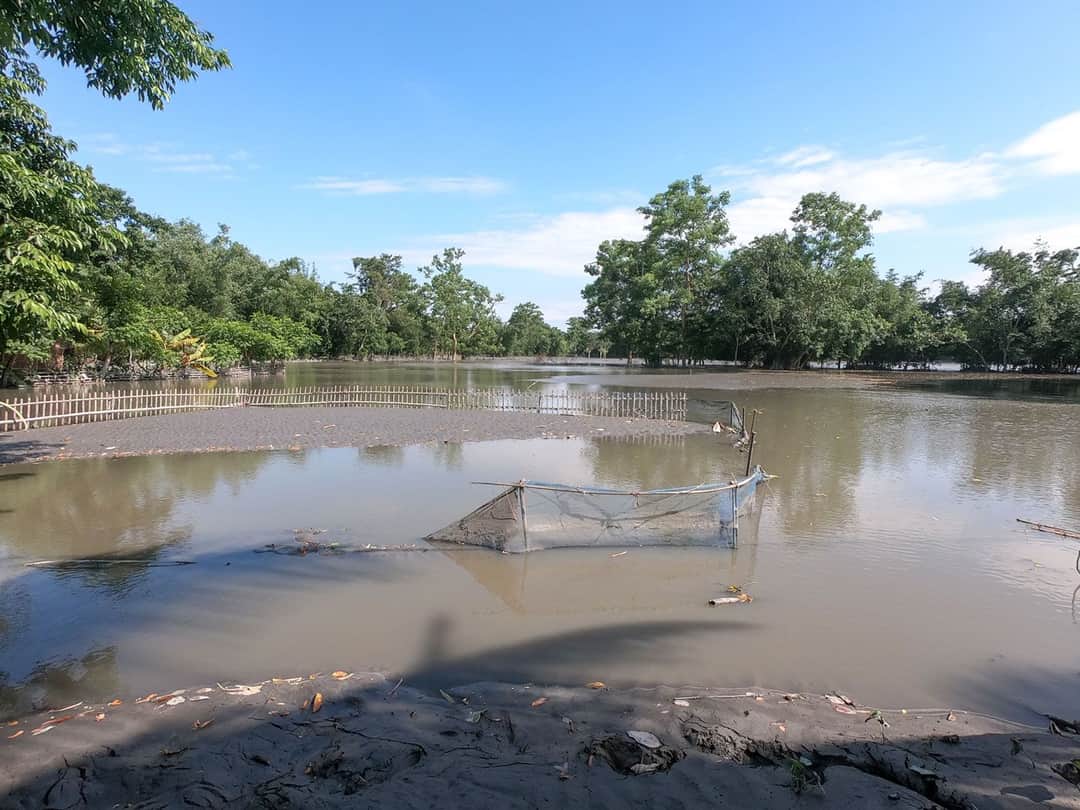
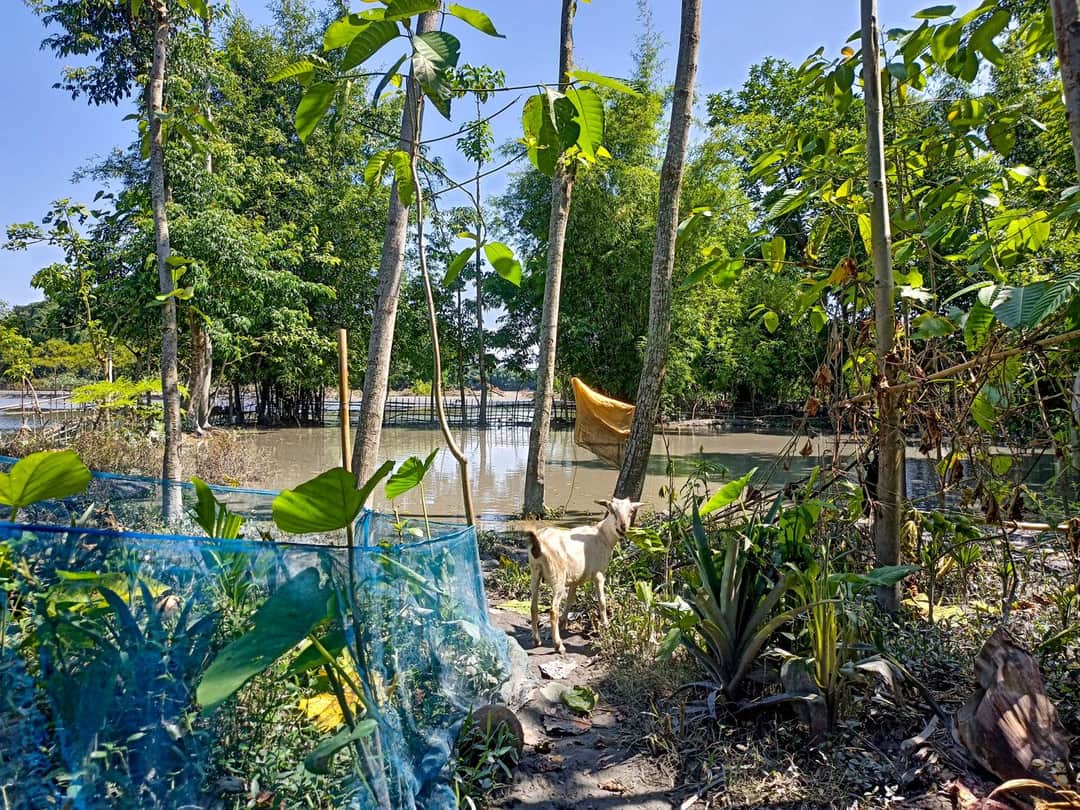
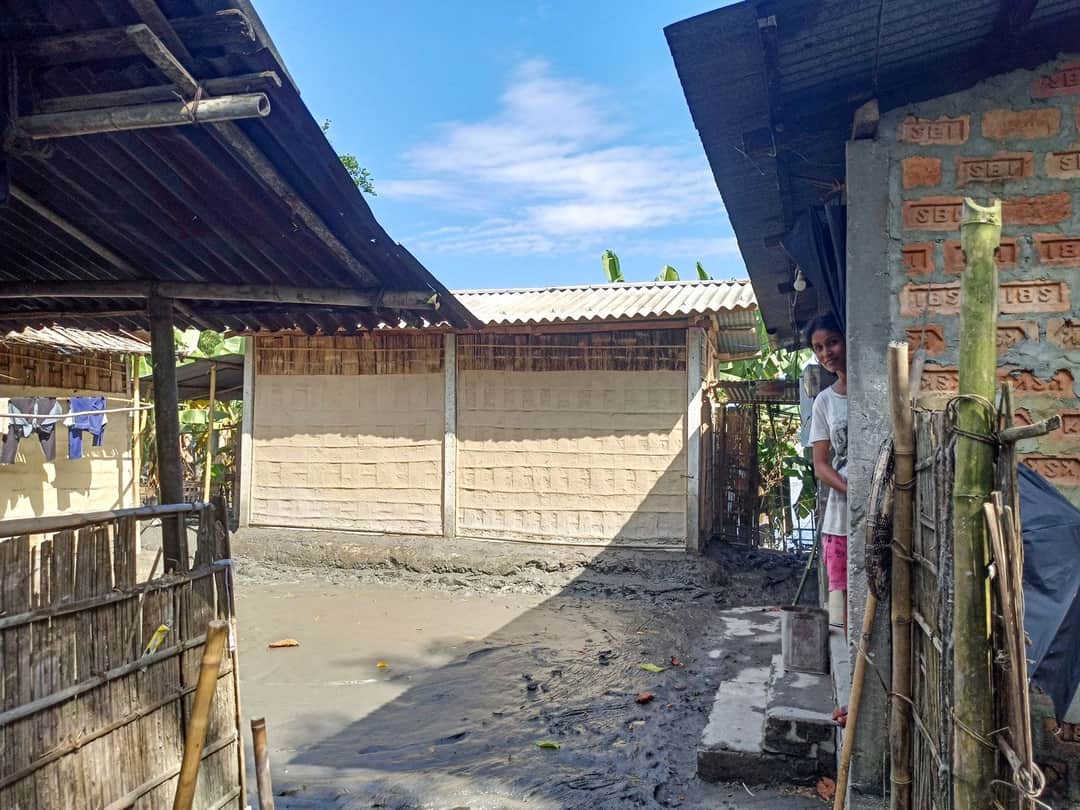
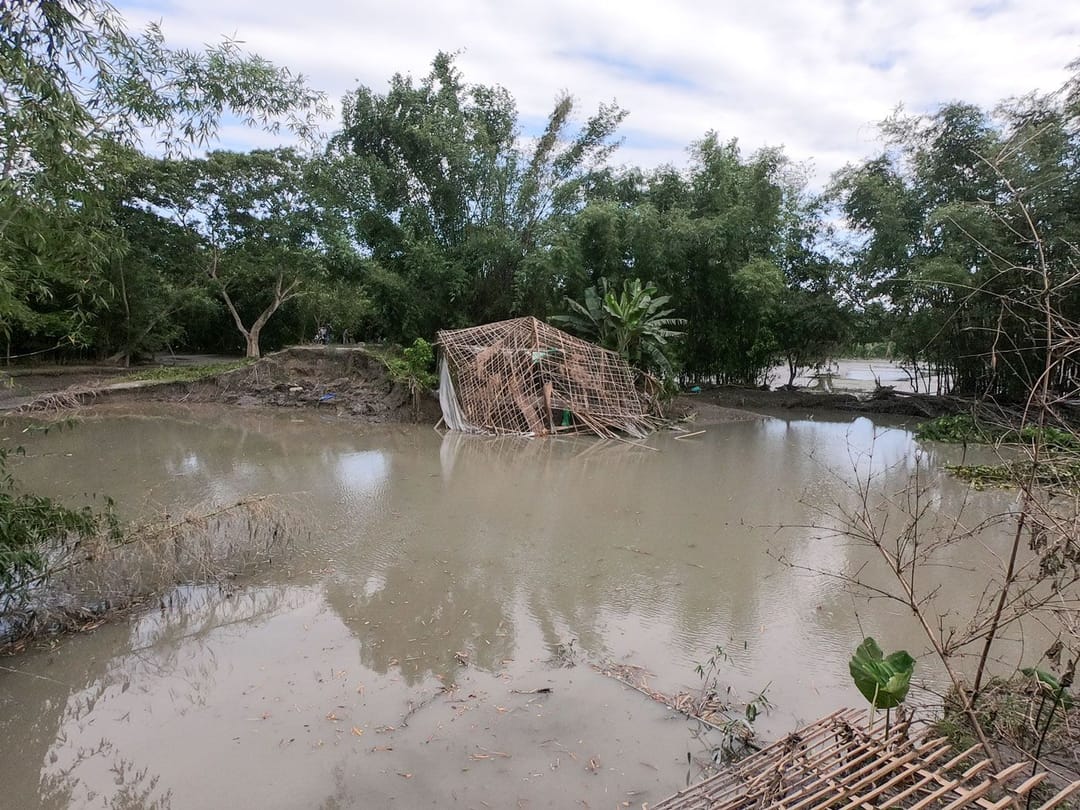
At around 10.30 p.m. on the night of June 16, the Nanoi also swept with tremendous force into Kalitapara hamlet of Khasdipila village, a kilometre south of Nagaon. Jaymati Kalita and her family lost everything in the floods. “Not even a spoon was left,” she says, sitting outside a temporary tarpaulin shelter with a tin roof. “Our house, the granary and cowshed were washed away by the strong current,” she adds.
According to the Assam State Disaster Management Authority’s flood report, about 19 lakh people (1.9 million) in 28 districts of the state were impacted by the rain of June 16. Darrang, where close to 3 lakh people were affected, was among the three worst-hit districts of the state that night. When the Nanoi overflowed its banks, six other rivers in the state – Beki, Manas, Pagladiya, Puthimari, Jia-Bharali and Brahmaputra – were flowing above the danger mark. The rains continued to ravage the state for over a week after that.