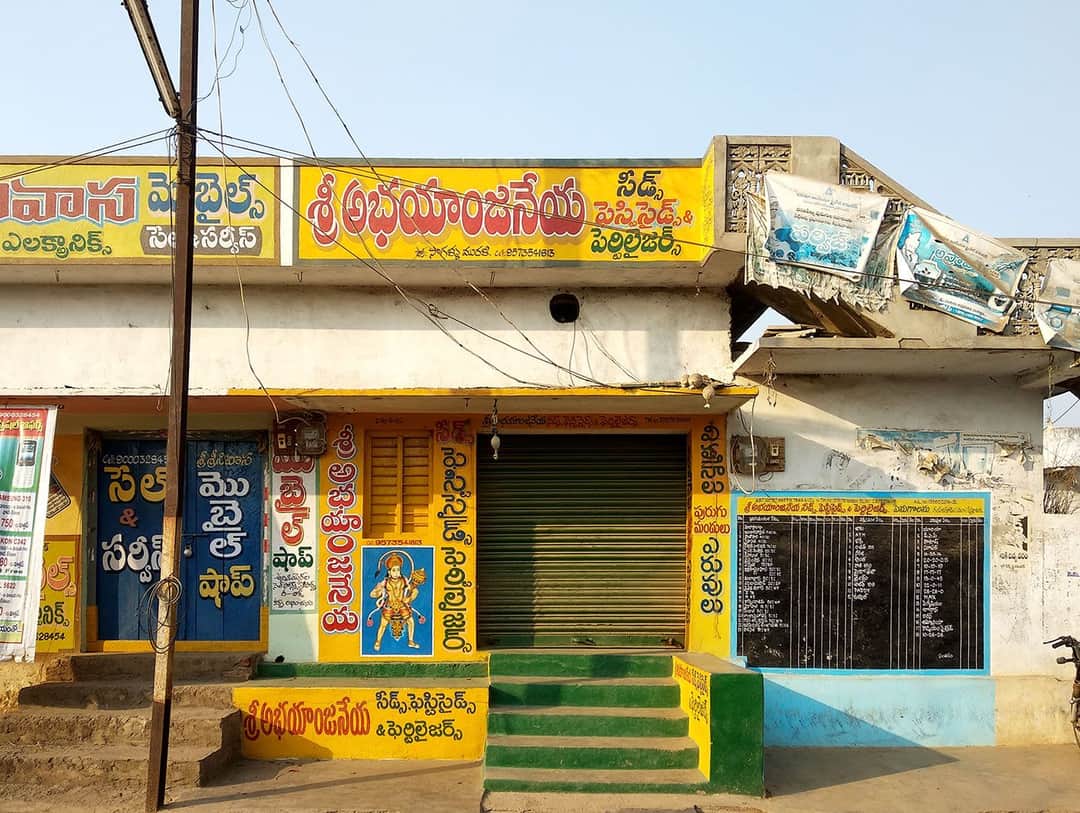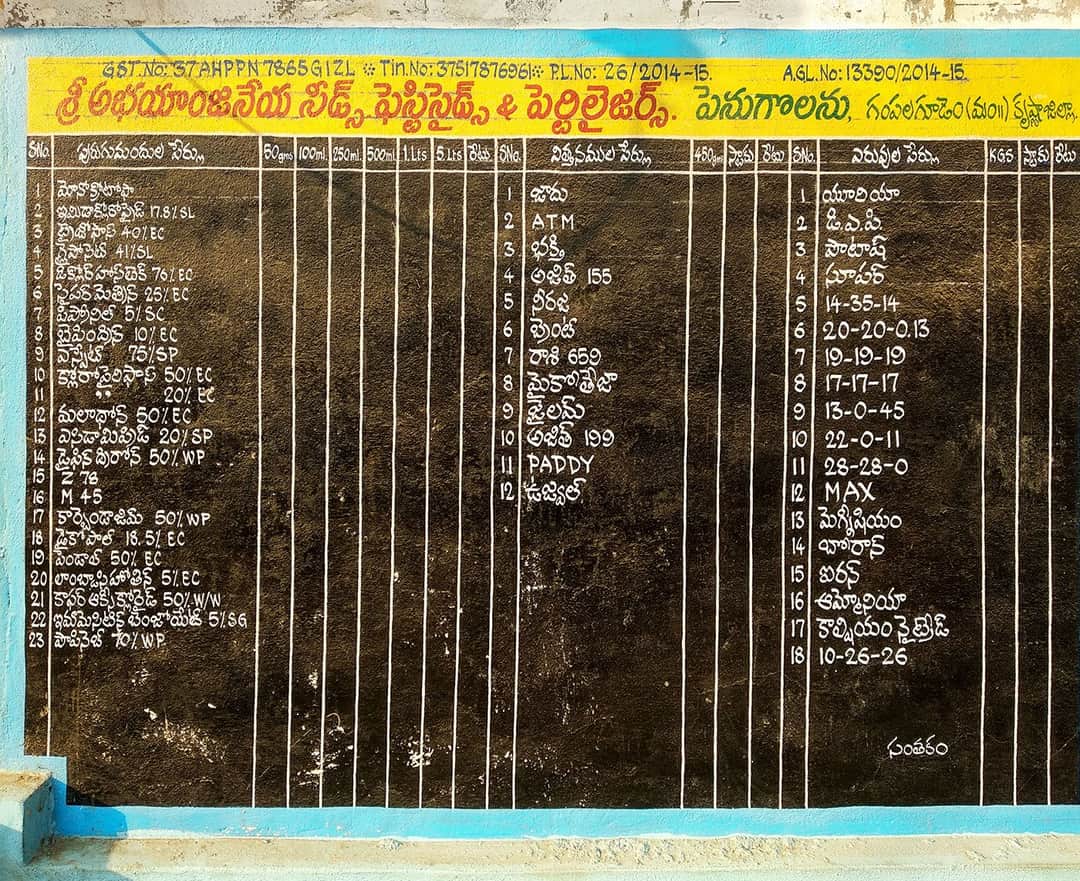

At around 7.30 a.m. on February 24 this year, 43-year-old Pandi Venkaiah drank pesticide on his farm in Penugolanu village. He was alone, his family was at home. At around 9 a.m., a few other farmers came across his dead body in the field.
Venkaiah’s loans had spiralled to more than Rs. 17 lakhs after a crushing loss of over Rs. 10 lakhs in just the 2016 agricultural season. He owned an acre of land and leased seven more at an annual tenancy rate of Rs. 30,000 per acre. In September 2016, he sowed Rs. 1 lakh worth of chilli seeds on four acres and cotton on the remaining four. “He invested 10 lakhs on the crop,” says Seetha, 35, his wife. Part of the loan was taken from private moneylenders, and some of it was a gold loan on Seetha’s few ornaments in the bank.
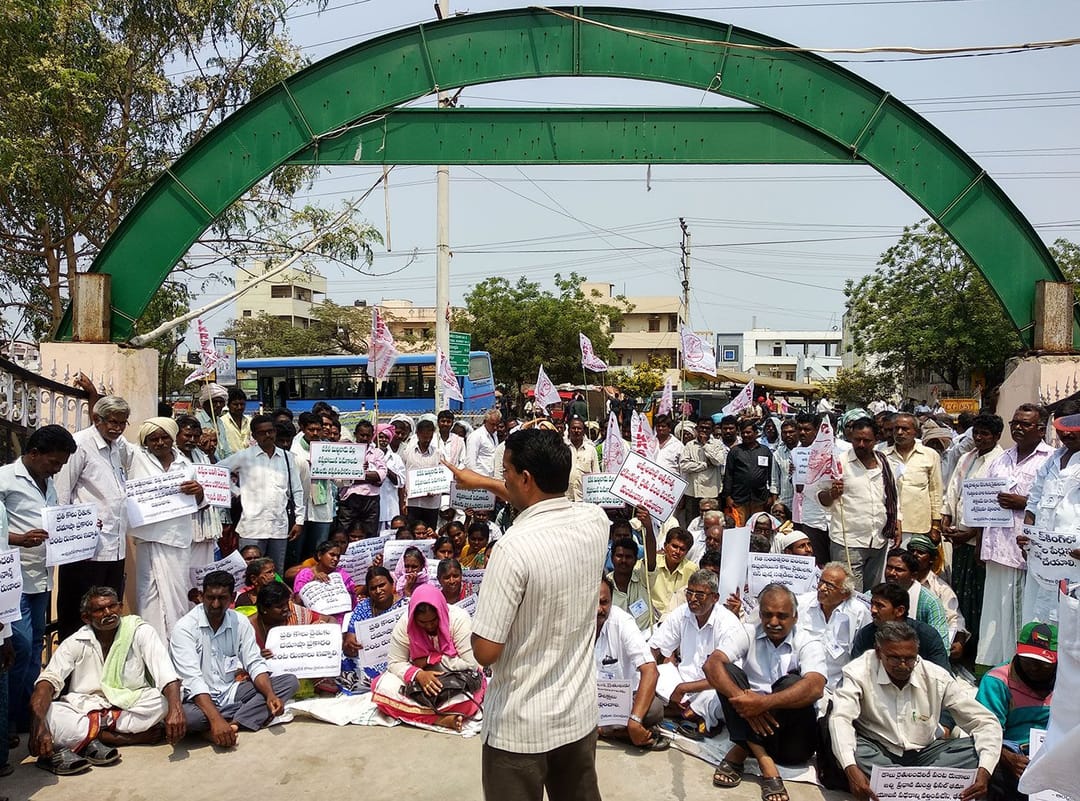
By December 2016, documents at the collector’s office show, 87 farmers from Penugolanu village in Gampalagudem mandal of Krishna district in Andhra Pradesh realised that their chilli crop was failing. They had all purchased seeds from two local nurseries. “The mirchi crop on [a total of] 162 acres failed. All the investment and labour just went down the drain,” says 26-year-old Vadderapu Tirupathi Rao.