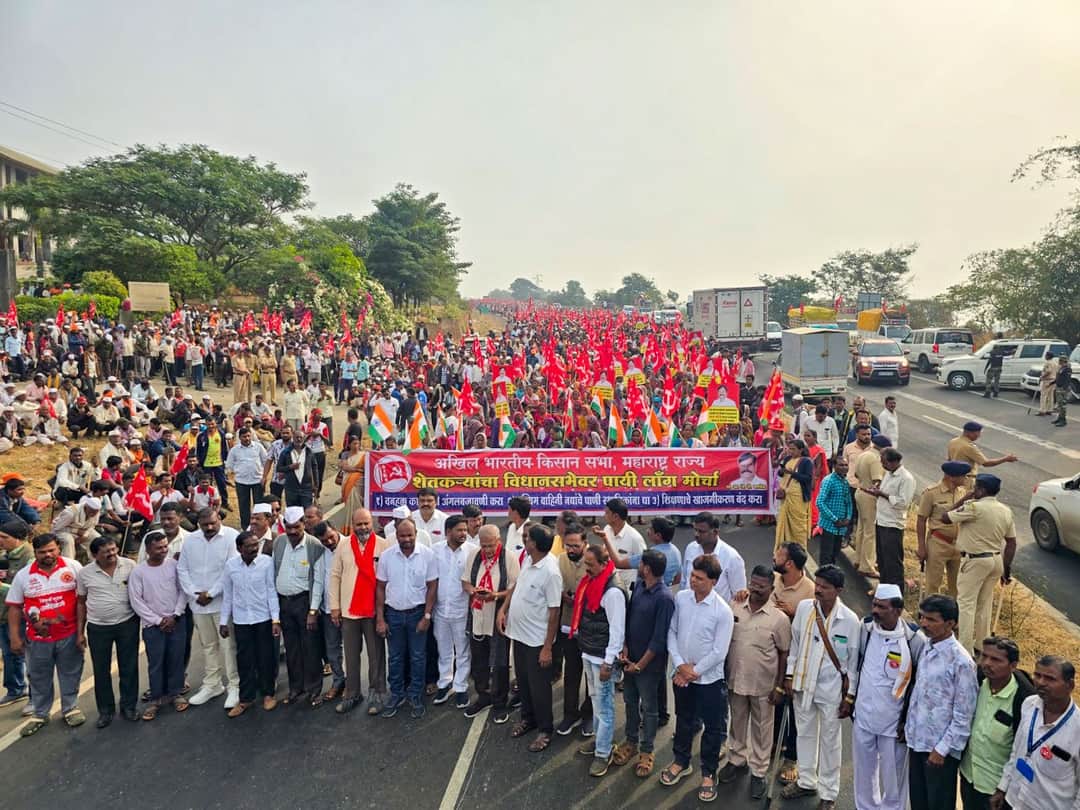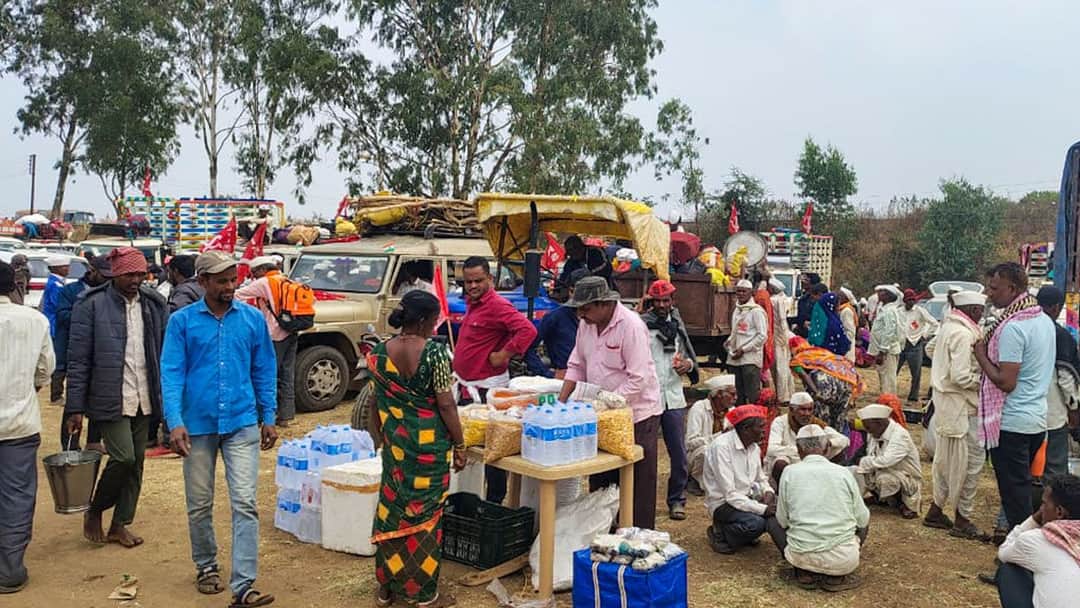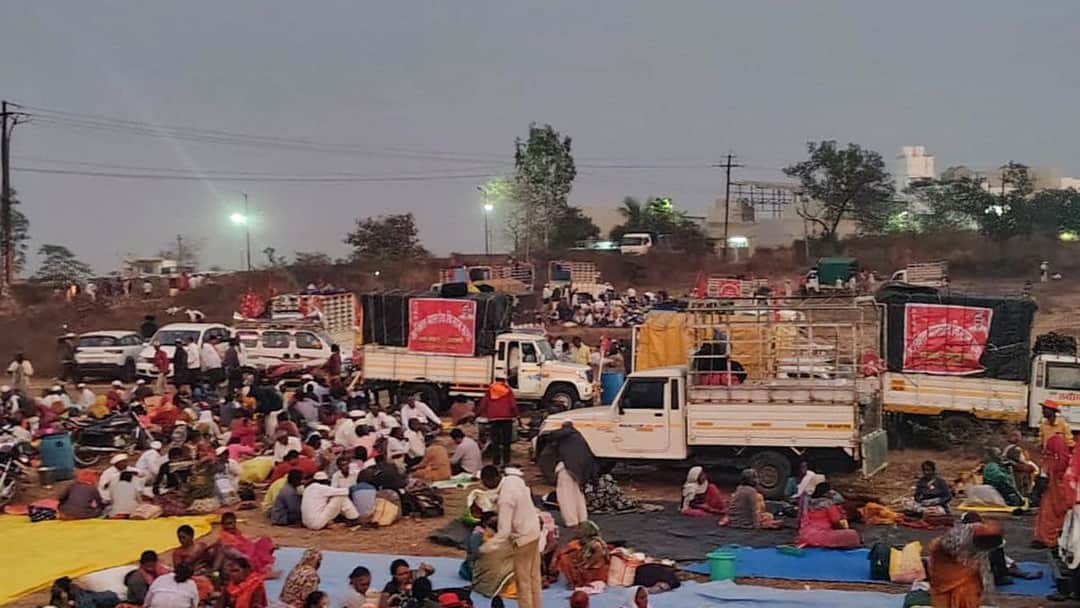

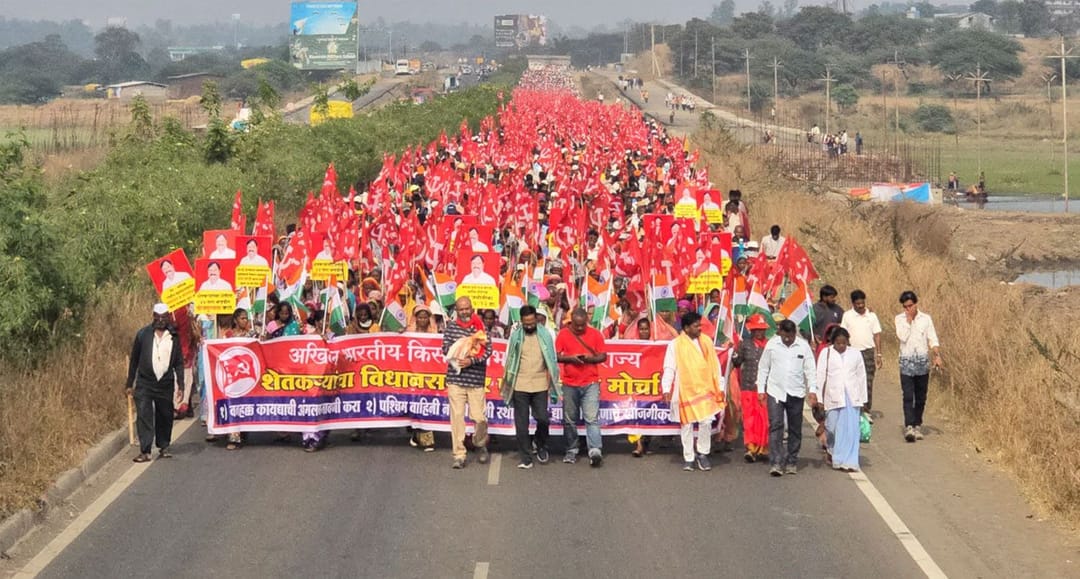
Namdev Bhangre started the protest march on January 25 with uncertainty and bitterness. Three days later, he returned home with hope – along with tens of thousands of other Adivasi farmers mainly from Nashik and Ahilyanagar (formerly Ahmednagar).
Belonging to the Mahadev Koli tribal community in Khadki Budruk village of Ahilyanagar district, Bhangre’s family has been cultivating six acres of forest land in Akole taluka for generations. But, like tens of thousands of Adivasis in Maharashtra, they never owned the plot of land they cultivated.
“Since my grandfather’s time, we have been harvesting rice and finger millet,” he says. “But we have never known security. We could be evicted any time.”
In 2006, the Indian government passed the landmark Forest Rights Act (FRA) to mitigate that acute insecurity. After years of struggle, the act became a law. It vests forest land and resource rights in Scheduled Tribes and other traditional forest dwellers who have resided in such areas for generations. Gram sabhas initiate claims, verified through sub-divisional and district committees, protecting dwellers from eviction until their rights are settled.
However, the enforcement of the law has remained suspect on the ground.