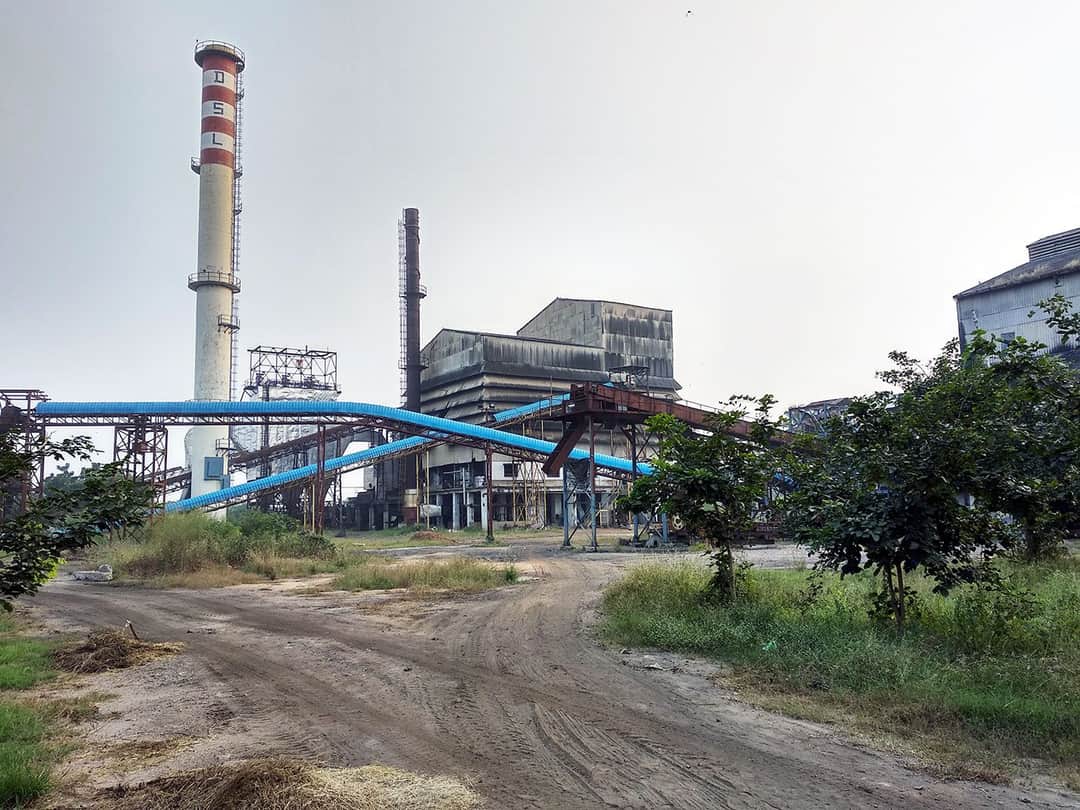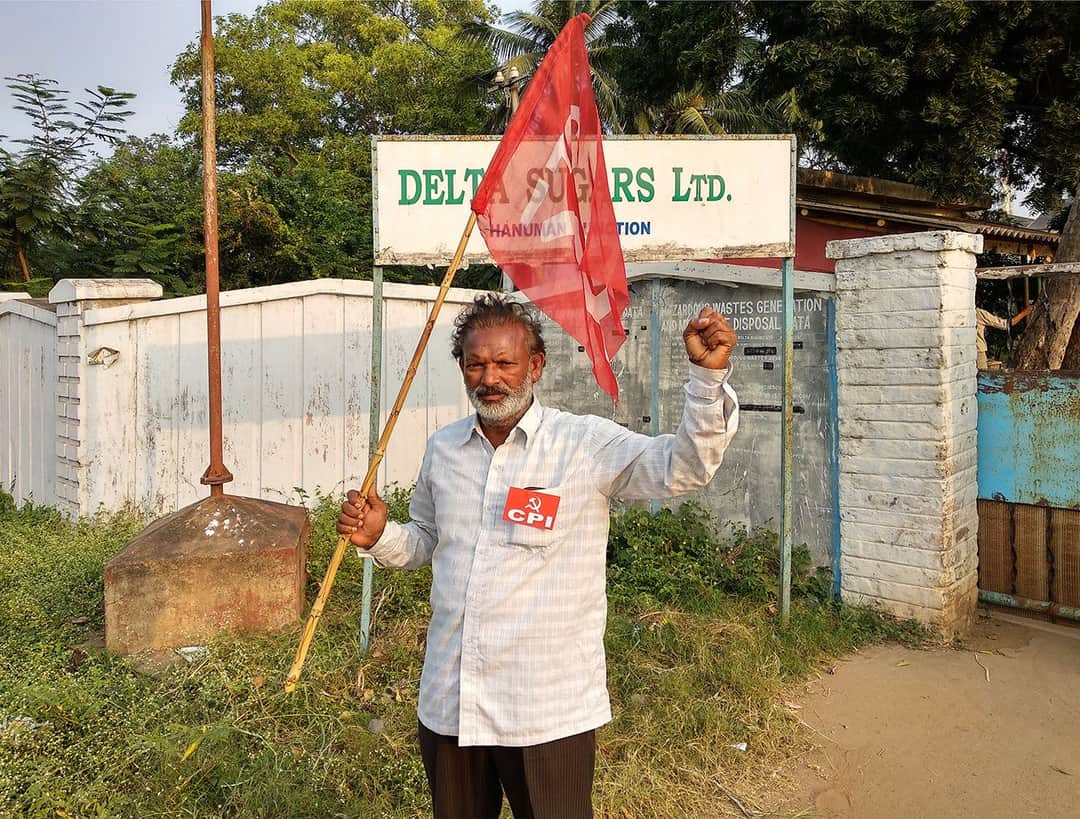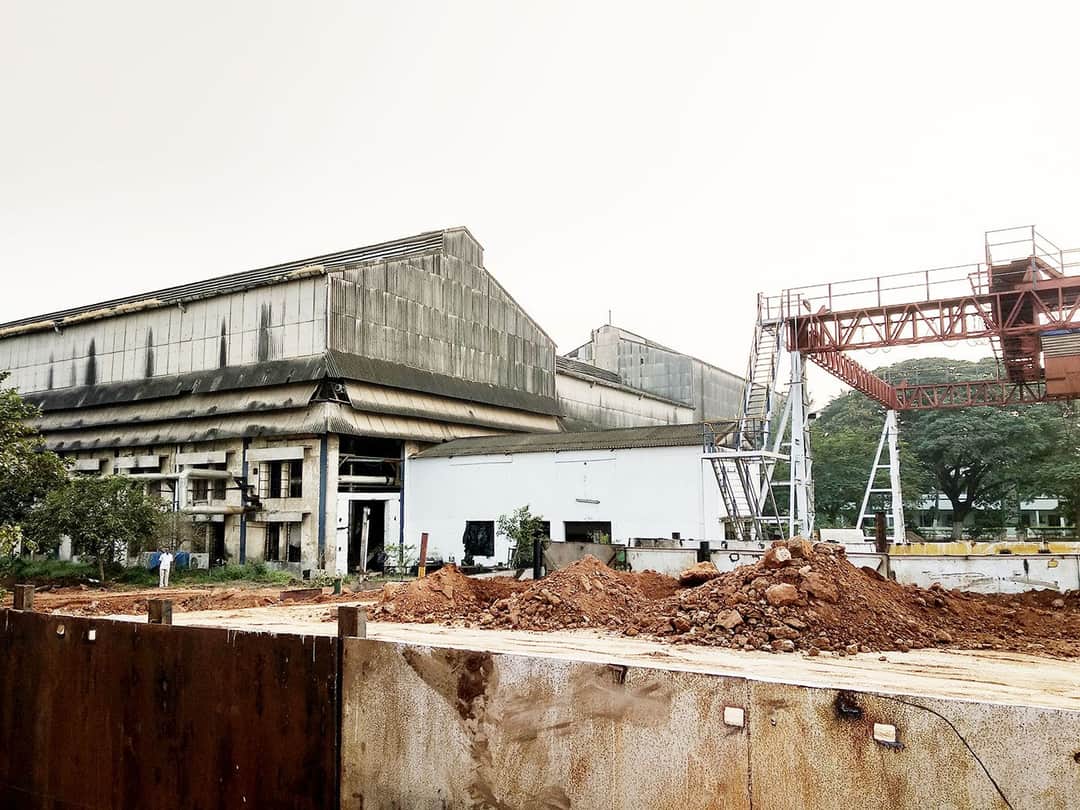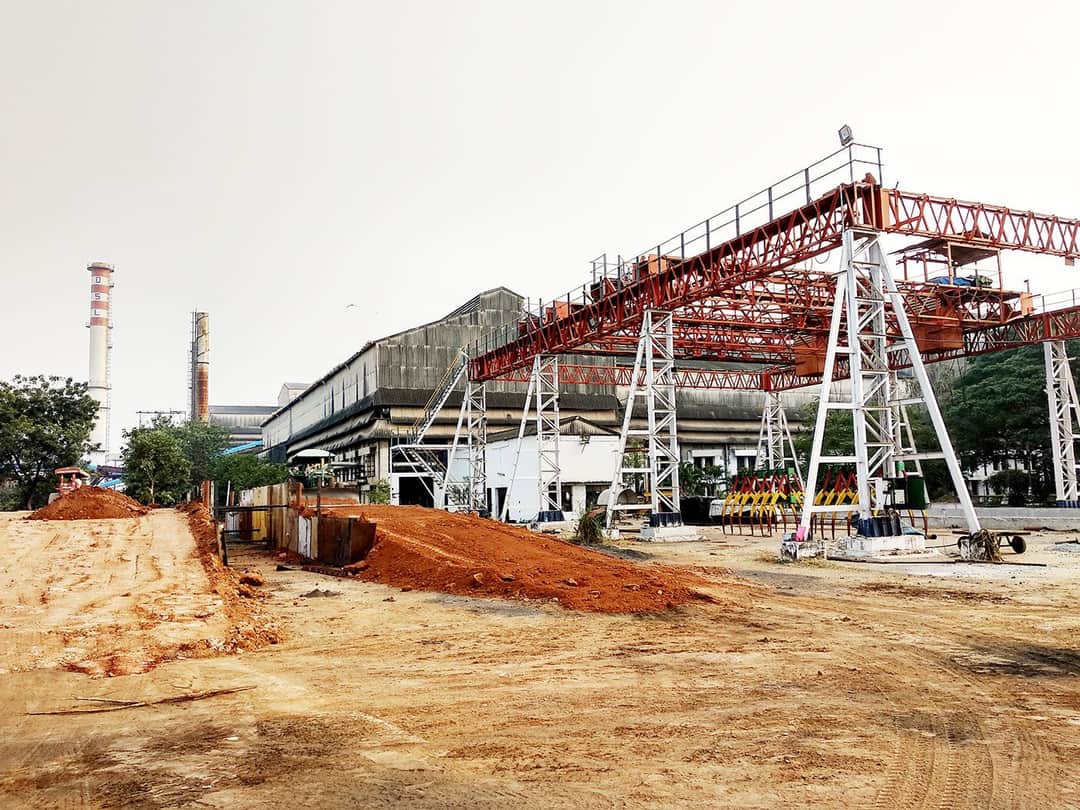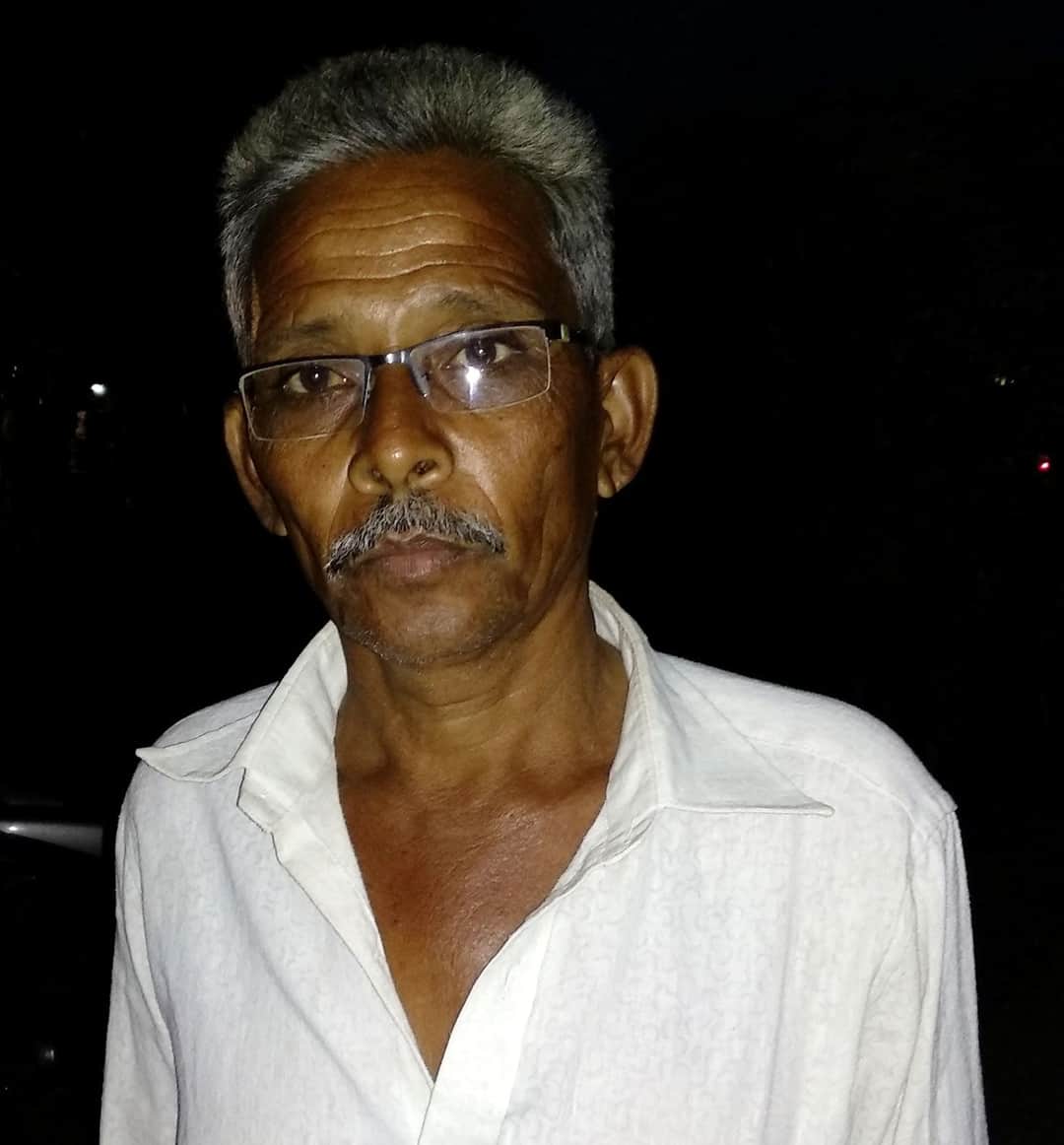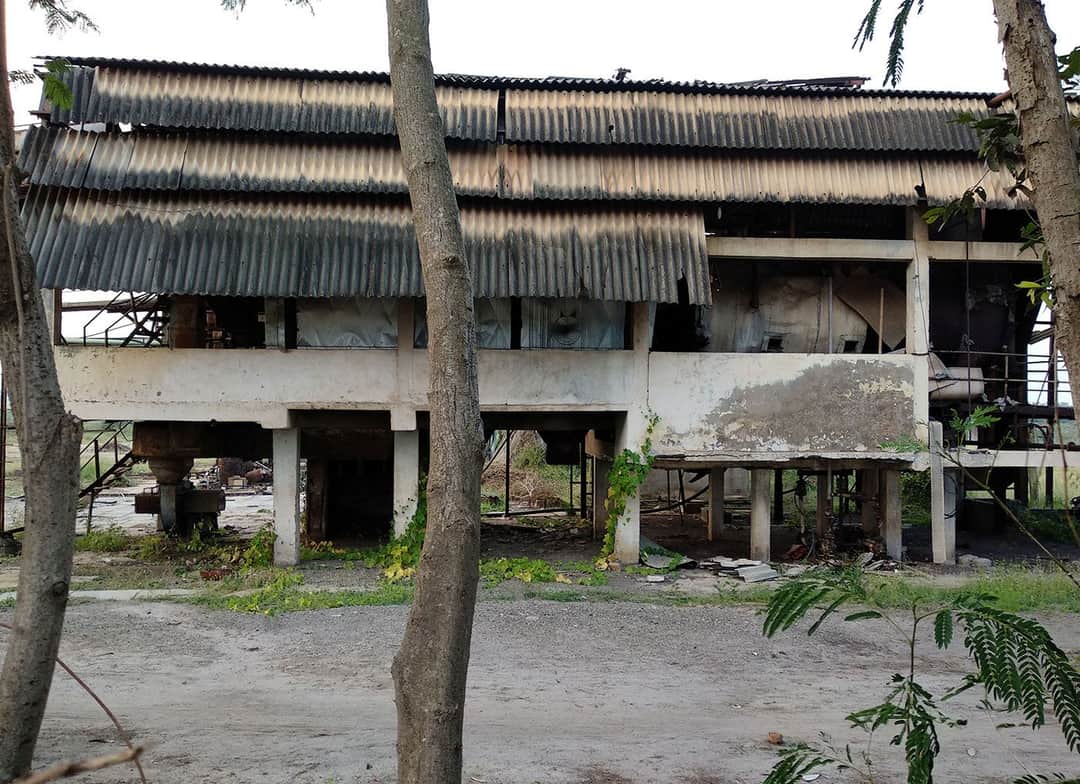


It’s been three months since Yarraguntla Nagaraju lost his job of over 30 years in the Delta Sugars factory. He had worked there as an electrician from the age of 18, ever since the factory was established in 1983.
In the last week of November 2017, he and 299 other employees, most of them from landless Dalit communities, were told to stop coming to work from December. No notice period was given. “We have not been paid our salaries since two months, and now the management is closing the company under the pretext of losses,” Nagaraju said when I met him in November. At the factory, he was the leader of the workers’ union, affiliated to the All India Trade Union Congress.
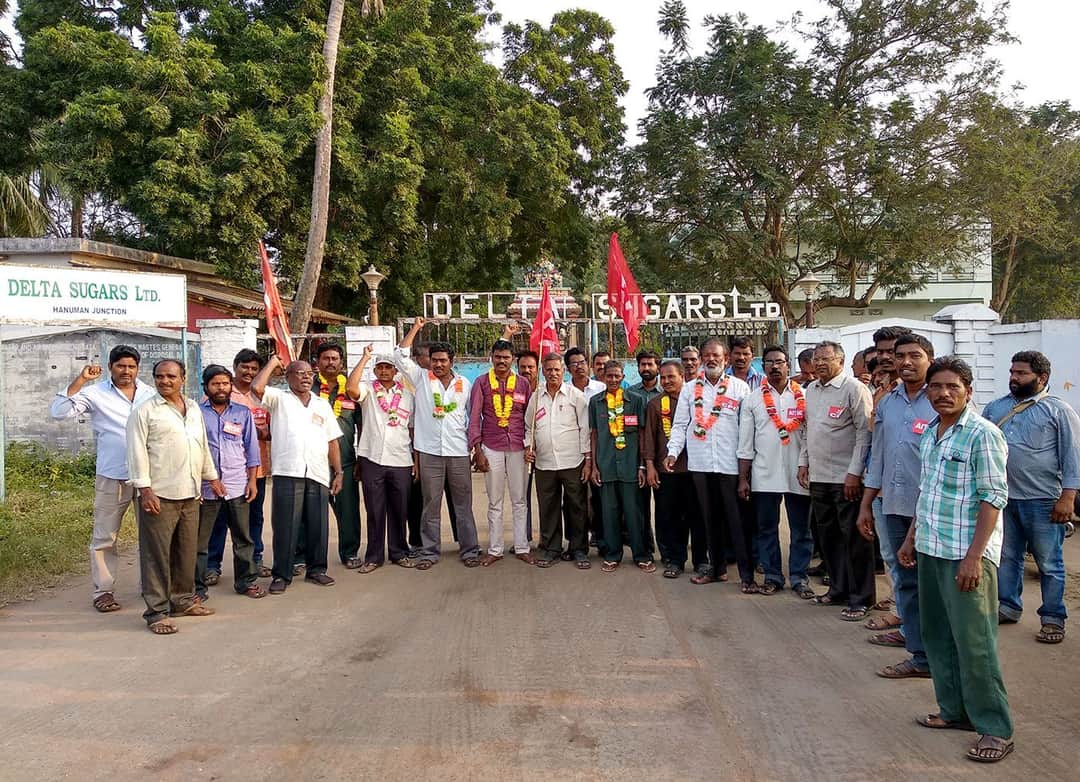
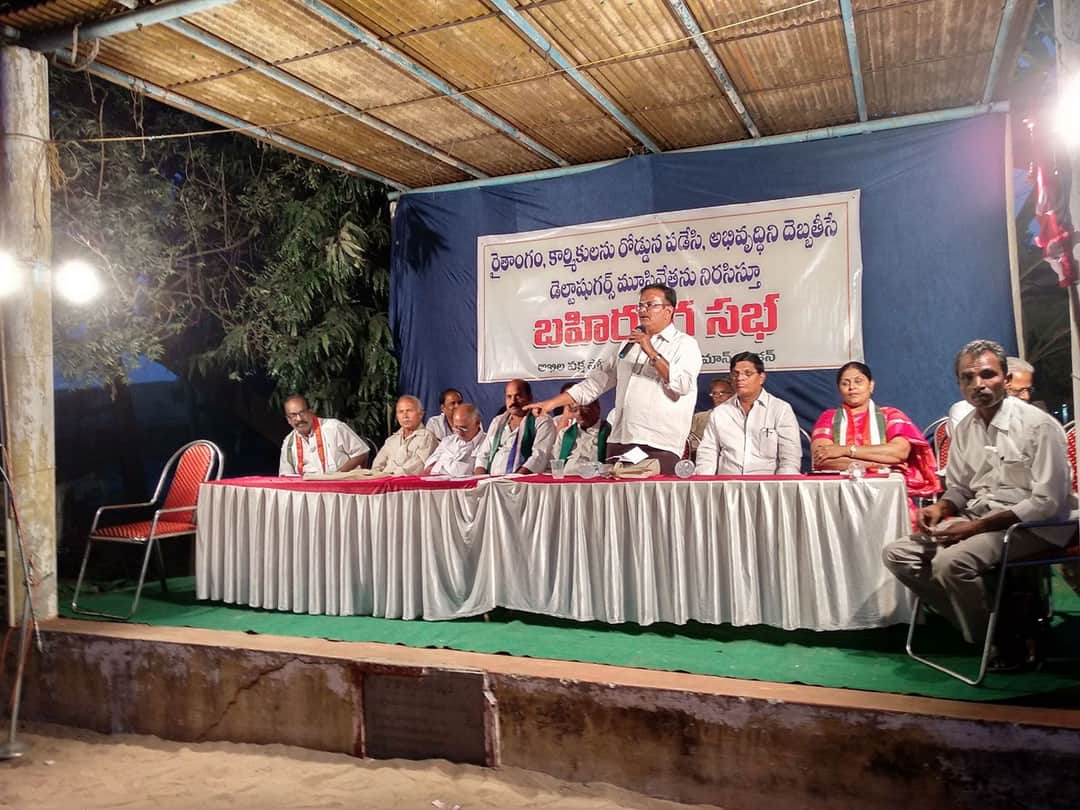
From November 26, the jobless workers sat on a relay hunger strike in a makeshift tent in front of the factory. Their demands included payment for the two months they had already worked and a severance sum equivalent to 24 months of salary for each worker. Many of the workers are the lone wage earners in their families, and they struggled to keep their households running during the weeks of protest outside the factory’s closed gates. Nagaraju, a permanent employee who was earning Rs. 14,000 a month when he was fired, started to draw on his savings. His wife is an agricultural labourer and his son drives an autorickshaw.