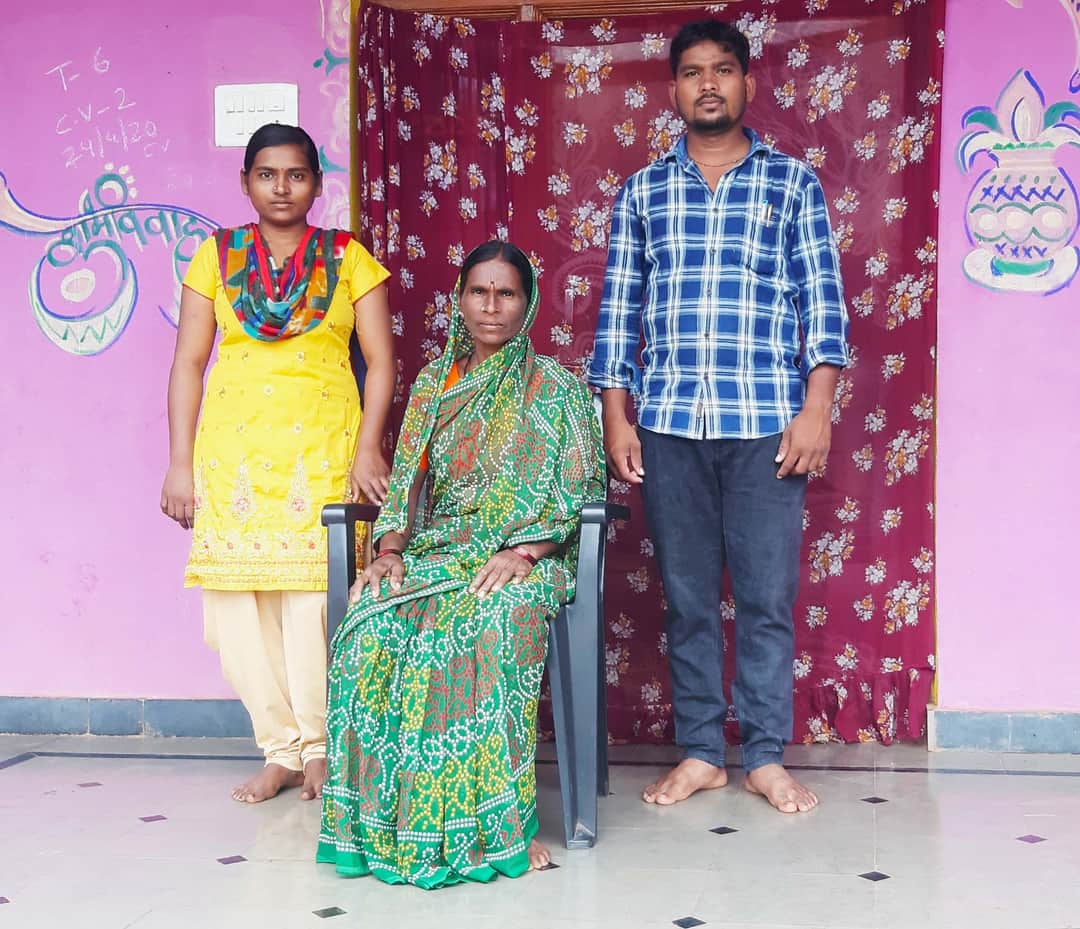

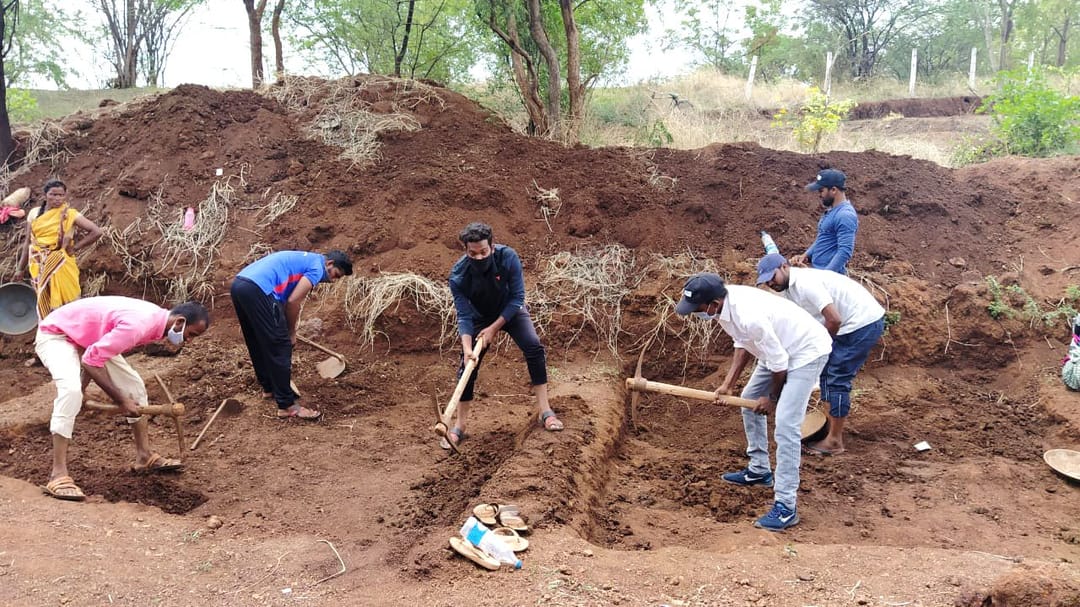
When Earappa Bawge found work as a project manager in Bengaluru in March 2019, he had no way of knowing that a year later he would lose that job to the lockdown. And that by June 2020, he would be working at MGNREGA sites in Kamthana, his village in Bidar district in north-eastern Karnataka.
“After sitting jobless at home for a month, I tried to understand the NREGA process in April,” he says, “to earn and ensure that my family survives. We barely had any money when the lockdown was announced. Even my mother was finding it difficult to get work because farm owners weren’t calling labourers.”
That job that he lost to the lockdown had come his way after a lot of hard work and growing debt, and with his family members’ support and determination to lift themselves out of a subsistence-level income through education.
Earappa had completed his BTech degree in August 2017 from a private college and before that, in 2013, a diploma in automobile engineering from a government polytechnic, both in Bidar town. For eight months, he had worked as a technical trainee in a multinational company in Pune that makes farm machinery, earning Rs. 12,000 a month, before enrolling for the degree course. “I was a good student so I thought I could take on bigger responsibilities and earn more money. I thought one day I too would be called an engineer,” says 27-year-old Earappa.
His family took several loans to finance his education. “In three years [of BTech], I needed around Rs 1.5 lakhs,” he says. “Sometimes, my parents took Rs. 20,000, sometimes Rs. 30,000 from local self-help groups [SHGs].” When he was in his fifth semester, in December 2015, his 48-year-old father, a labourer, passed away due to jaundice. For his treatment, the family took further loans of around Rs. 1.5 lakhs from SHGs and relatives. “By the time I completed my degree, I had many responsibilities on my shoulders,” Earappa says.
So when he got a job in Bengaluru in a small-scale unit making plastic moulding machines as a project manager for a salary of Rs. 20,000, his family was happy. That was in March 2019. “I sent my mother Rs. 8,000-Rs 10,000 every month. However, everything changed once the lockdown was imposed,” he says.