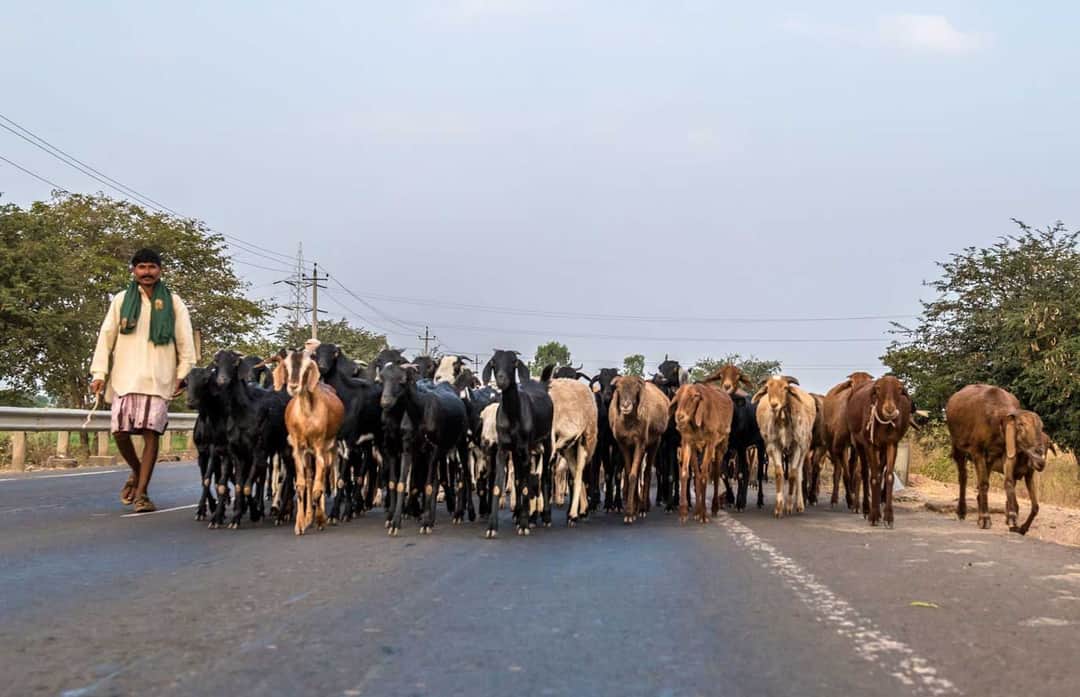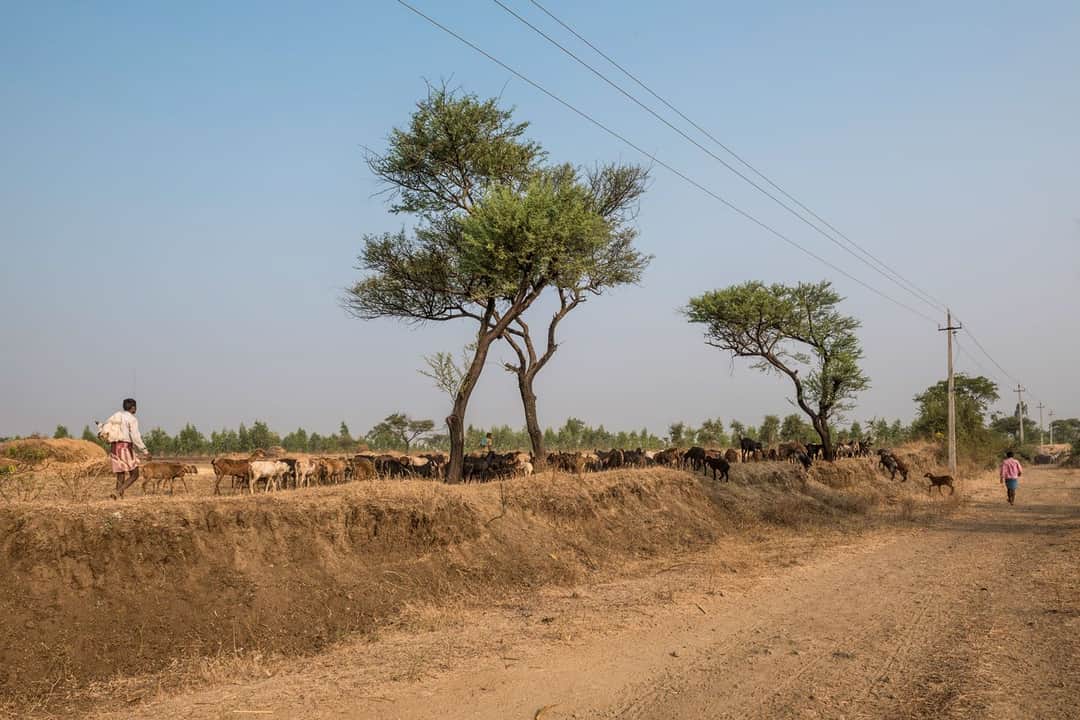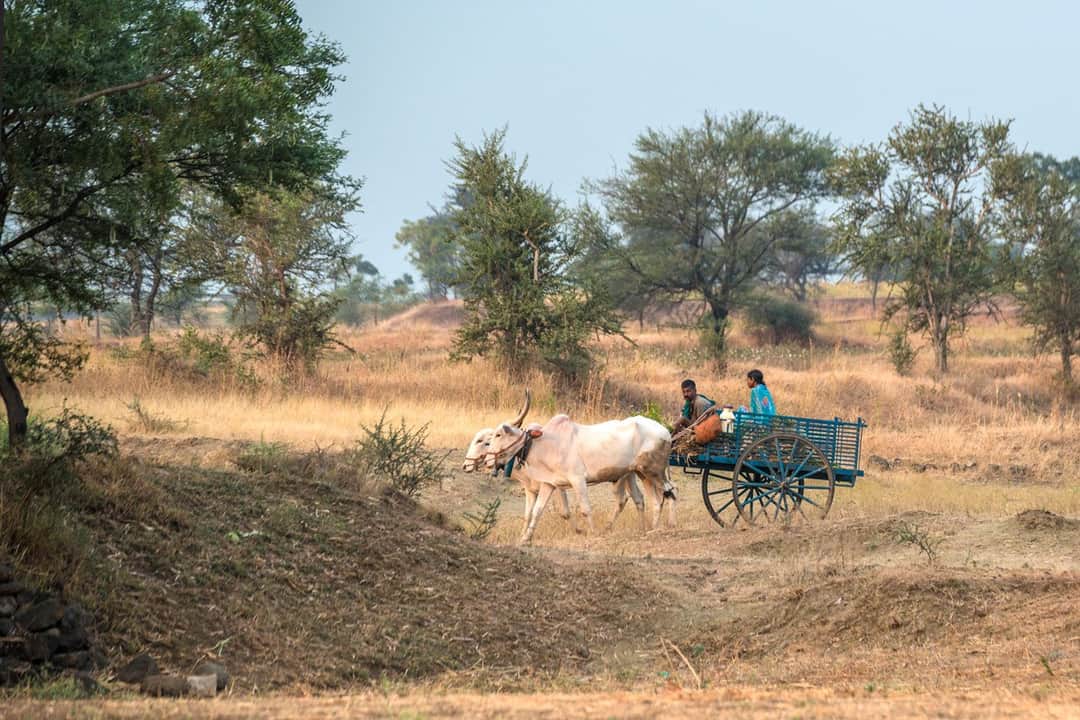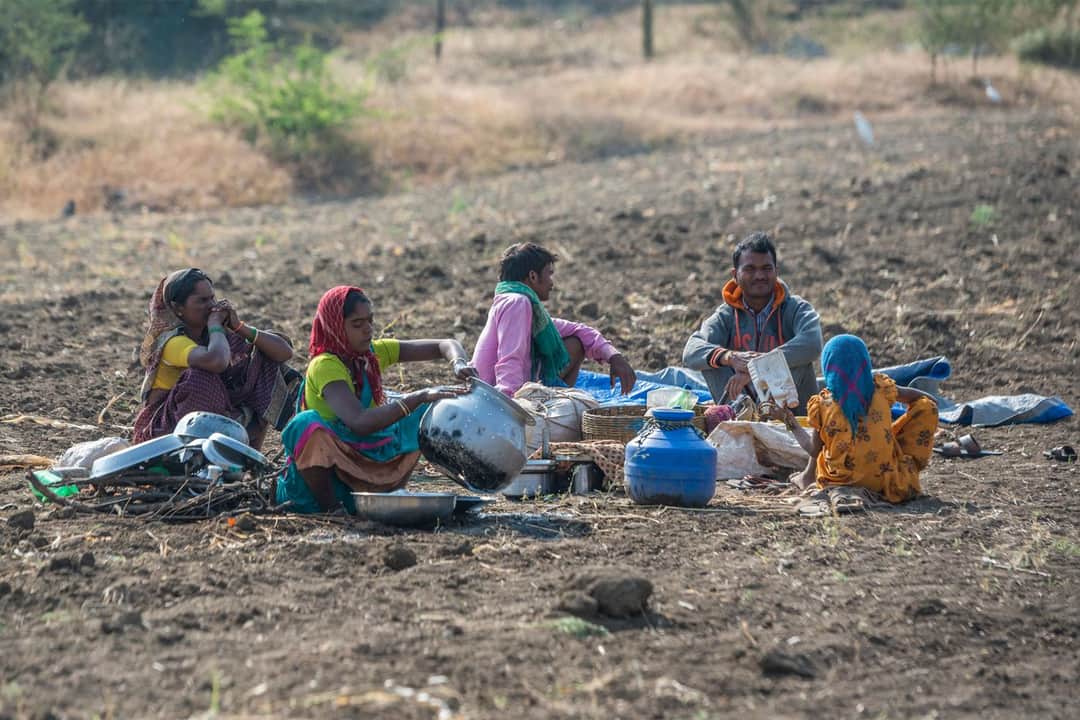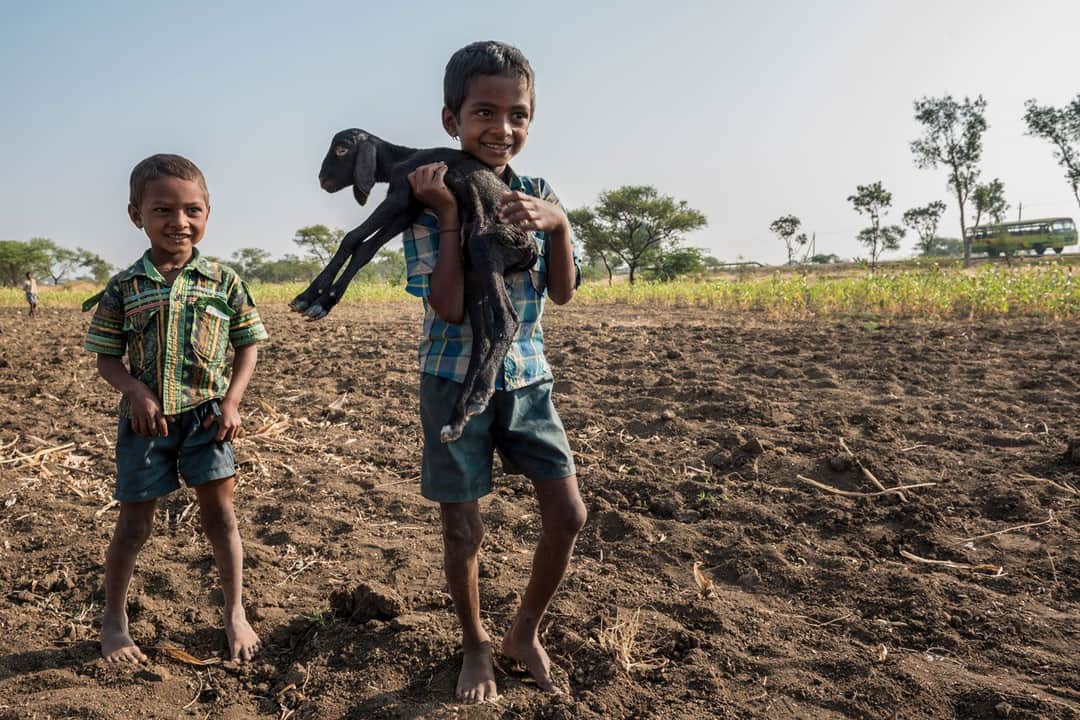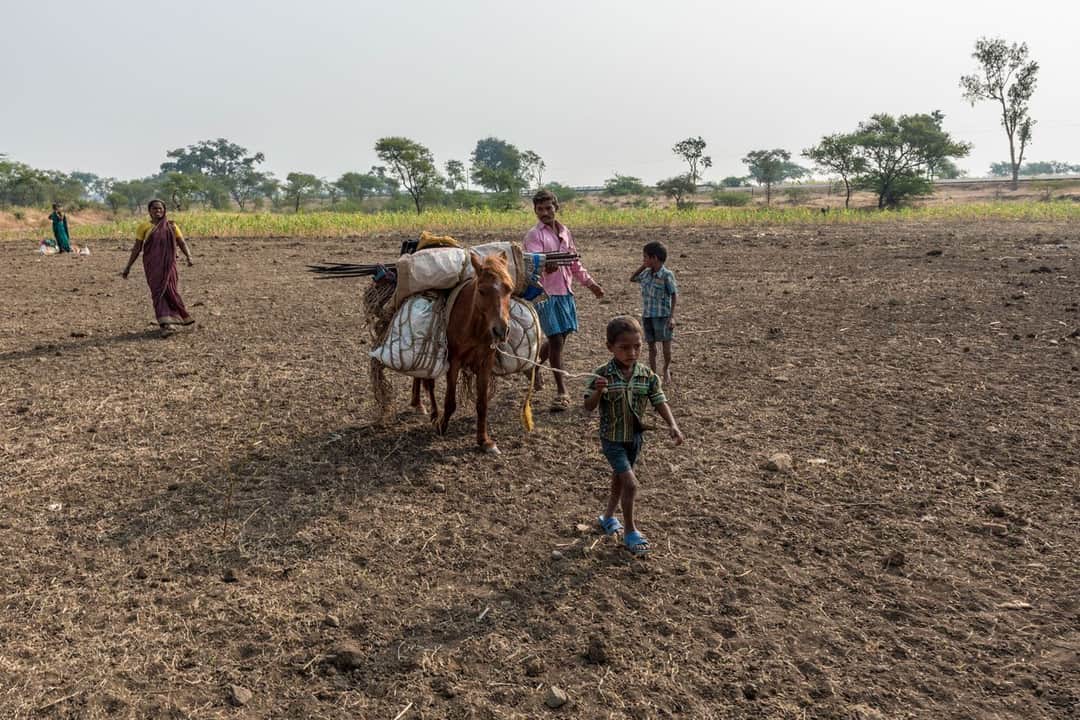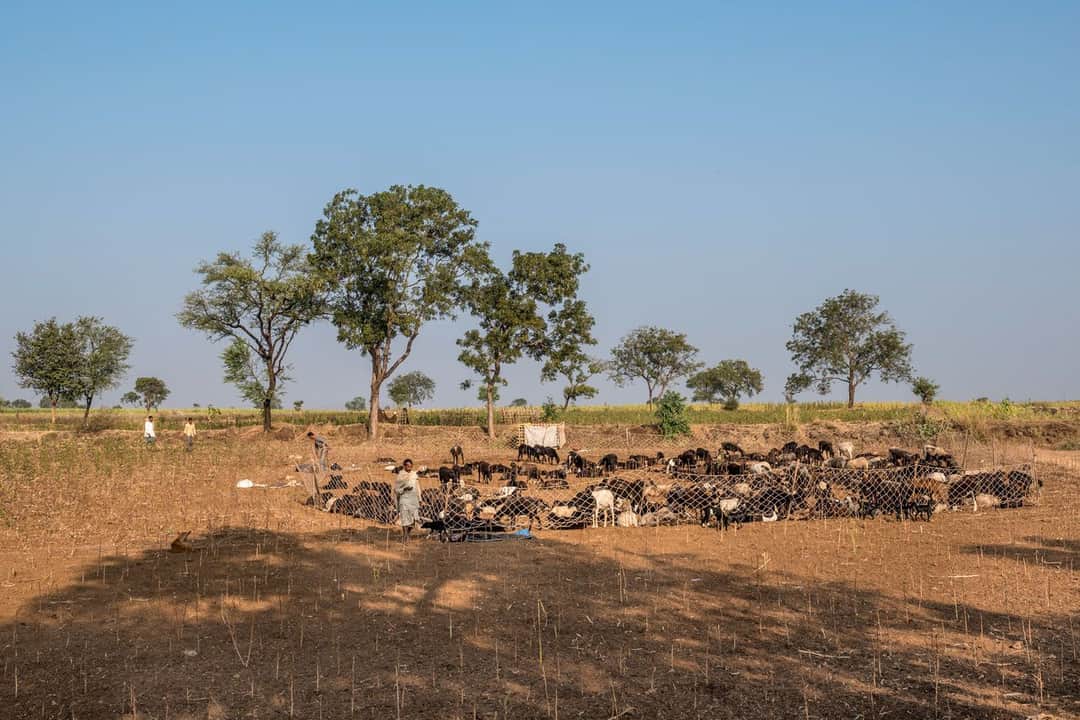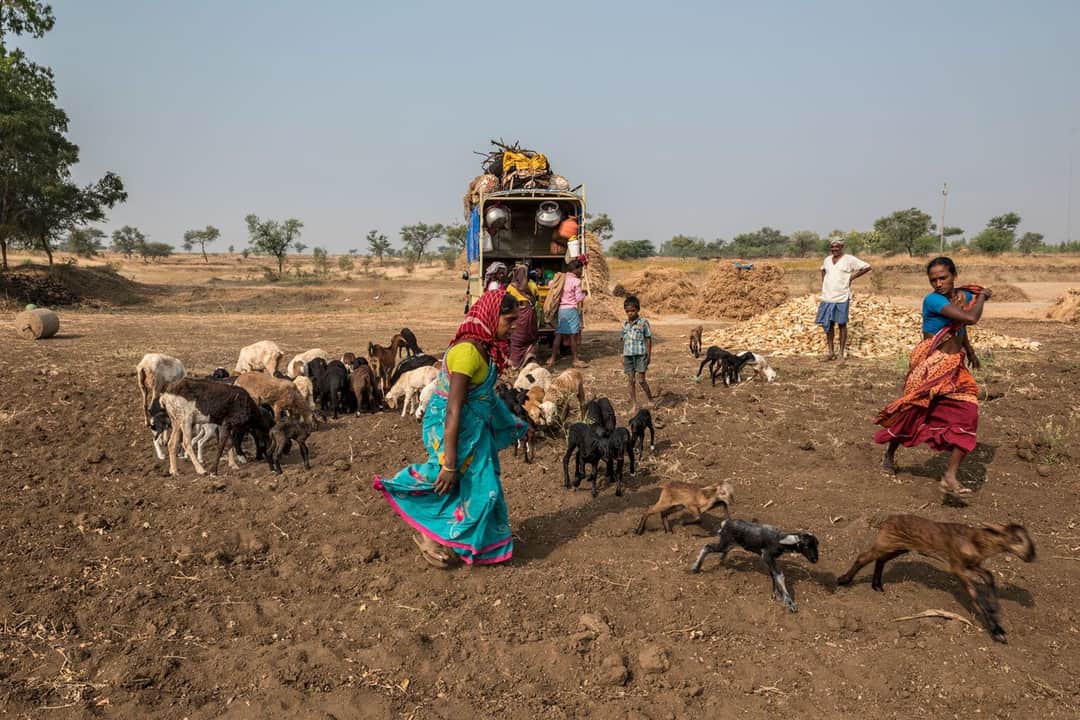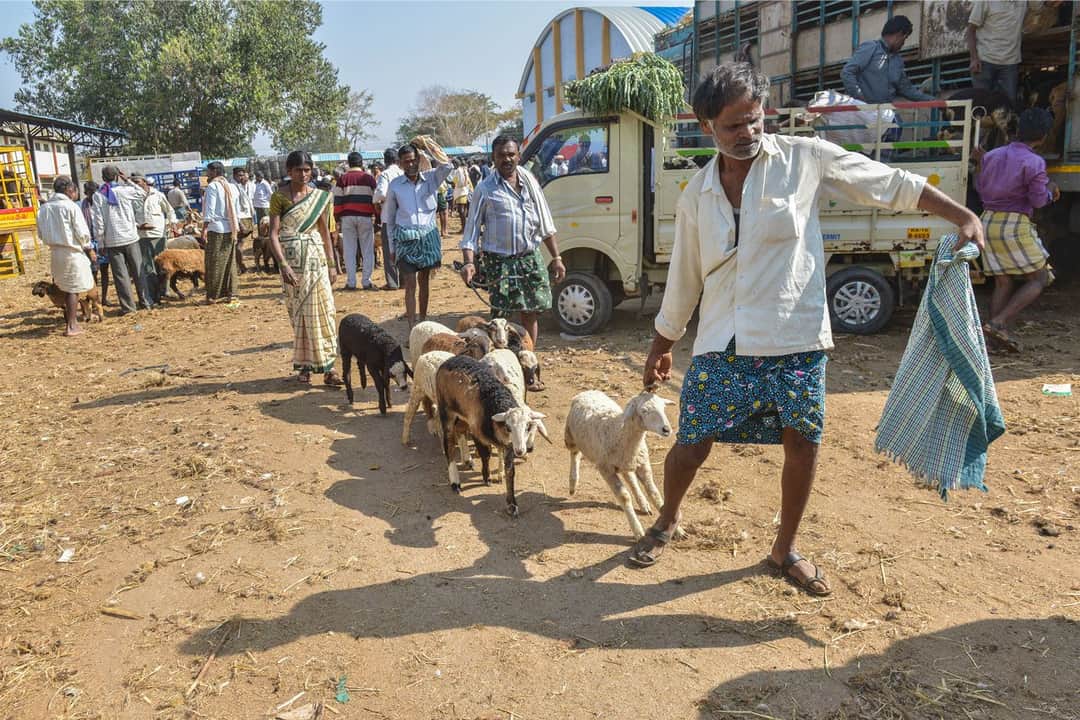

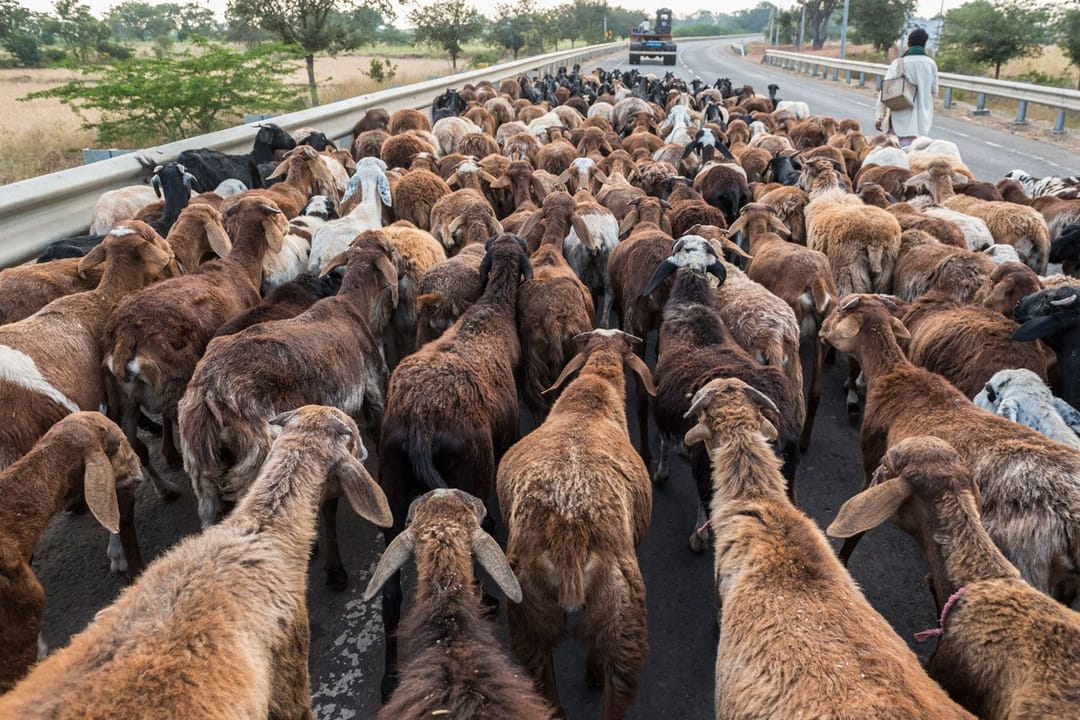
On the Bagalkot-Belgaum road, S. Bandeppa was walking with his herd of sheep one afternoon when I met him. He was looking for farmland to stay on for a while with his animals. “Our job is to find landlords who will give us good money for the manure that my animals produce for the land,” he said. It was winter, the time when Kuruba shepherds are on a journey that starts from October-November, while agricultural work is at a low.
From then till around March-April, the pastoralist Kurubas of Karnataka, listed as a Scheduled Tribe, move from place to place in groups of two or three families, usually along the same routes, covering, they estimate, a total distance of 600 to 800 kilometres. Their sheep and goats graze in the fallow fields, and the shepherds earn modest sums for the manure of the animals from the farmers. Bandeppa earns at most Rs. 1,000 per stop from a ‘good landlord’, he says, for a few days of stay. Then he sets out for the next stop, from where he looks for farms nearby to arrange a decent deal. In the past, he also received items such as food grains, jaggery and clothes, but says this is becoming harder to negotiate with the farmers.
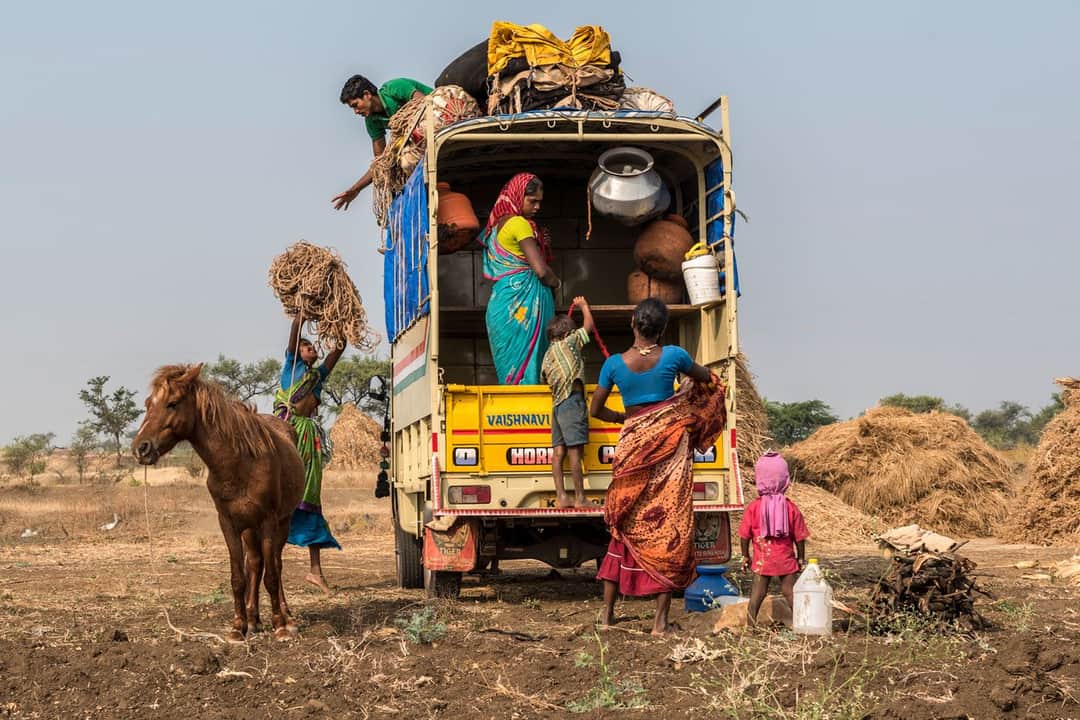
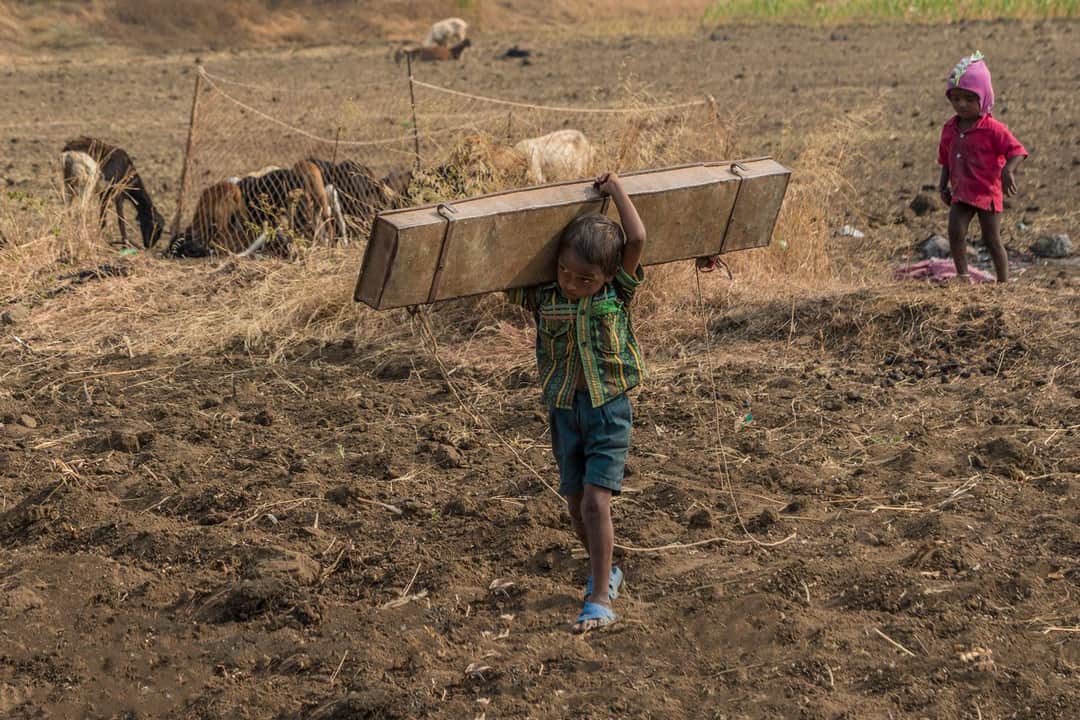
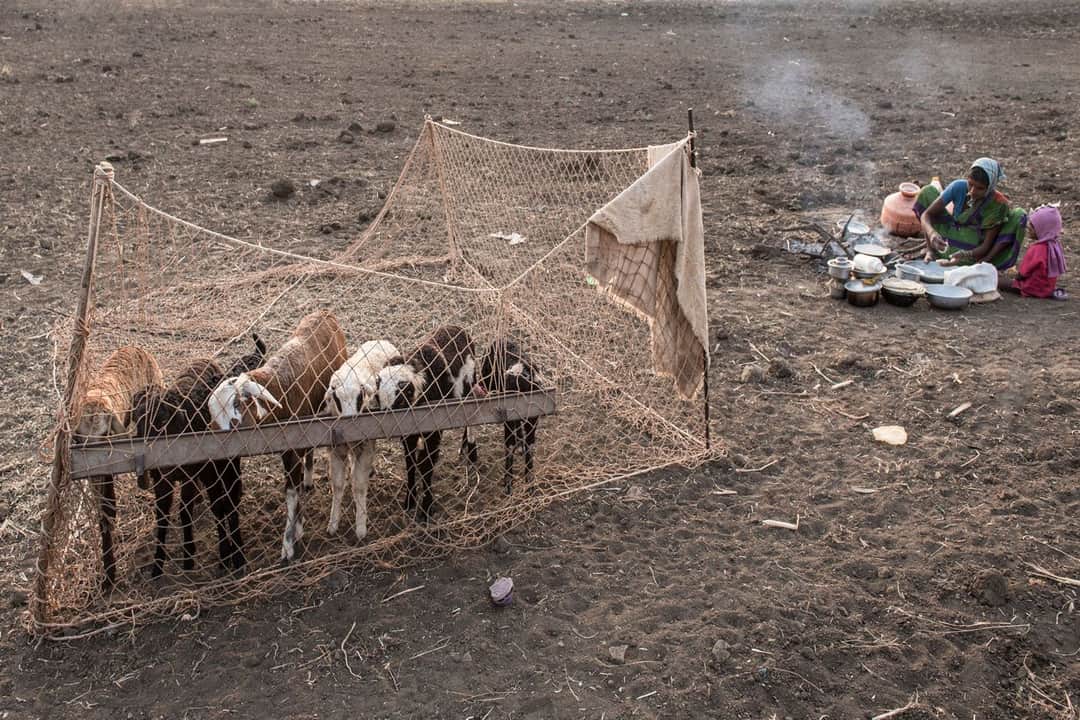
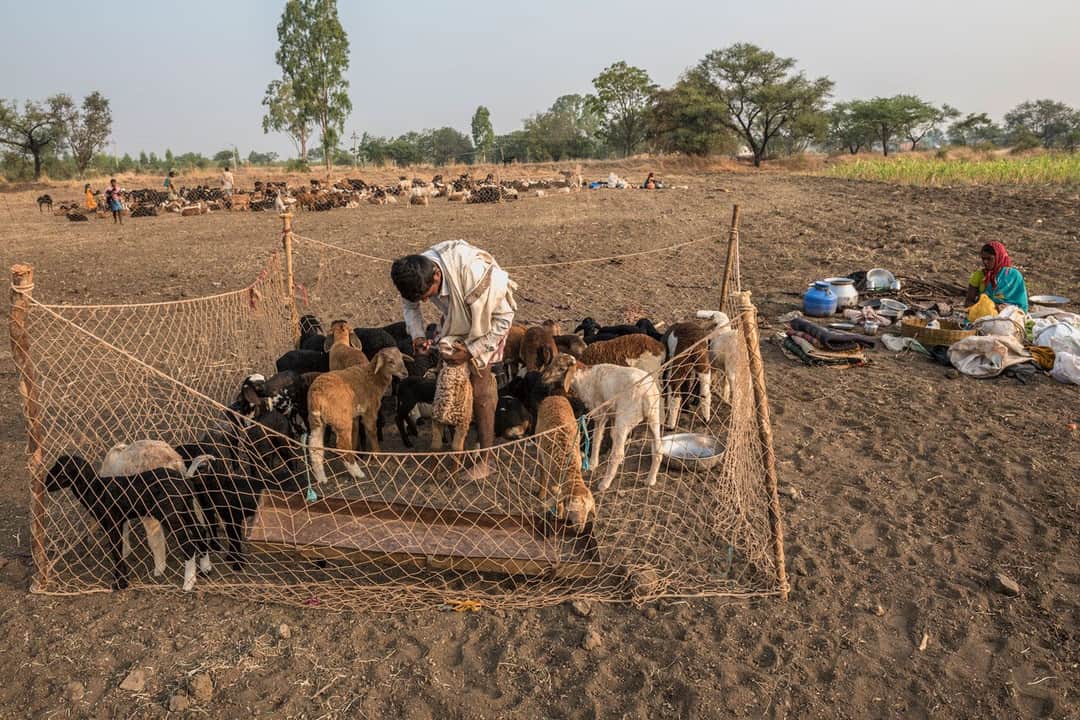
“Living on the landlords’ land with our animals and children is not easy [now],” says Neelappa Chachdi. I met him on a farm near the Bailhongal-Munavalli road in Balihongal taluk of Belgaum (now Belagavi) district, where he was erecting boundaries with rope to restrain the herd.
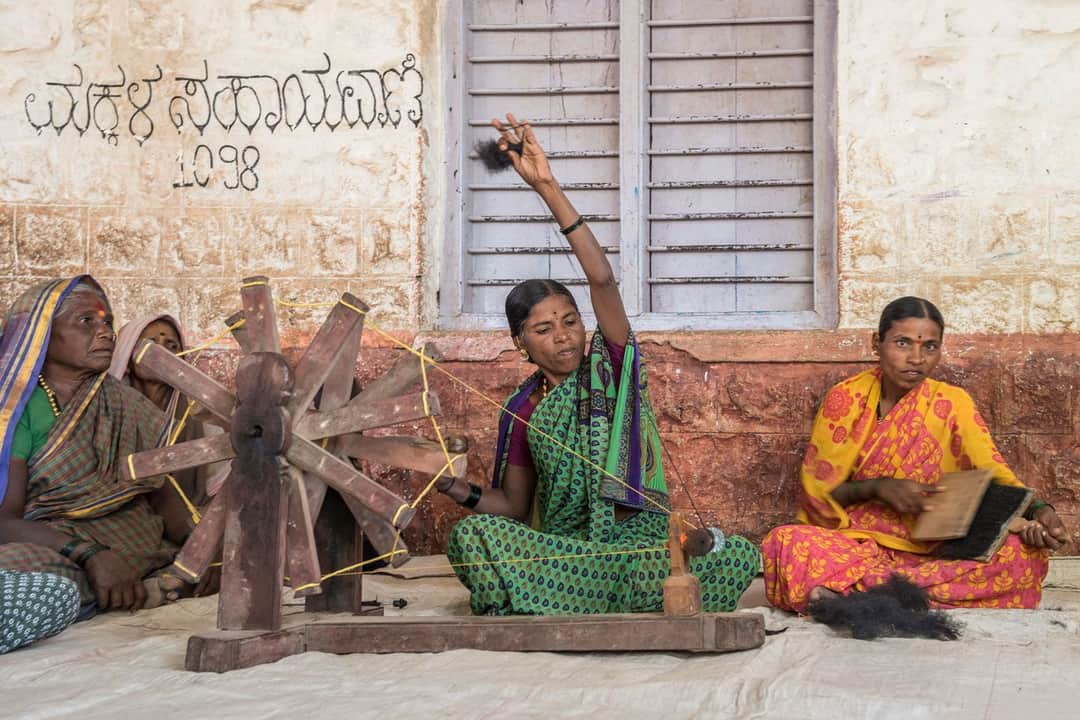
But that’s not the only change the pastoralist Kurubas are facing. Over the past two decades, the demand for the wool of their sheep – animals bred in the rugged terrain of the Deccan region of south-central India – has been falling. The sturdy Deccani sheep can withstand the semi-arid climate of the land. For long, a major portion of the earnings of the Kuruba shepherds came from supplying wool for the coarse black woollen blankets locally called kambali (and gongadi or gongali in Maharashtra and Andhra Pradesh). It supplemented their income from the manure their animals produced for farmers. As a readily and locally available fibre, the wool was relatively cheap and in demand.
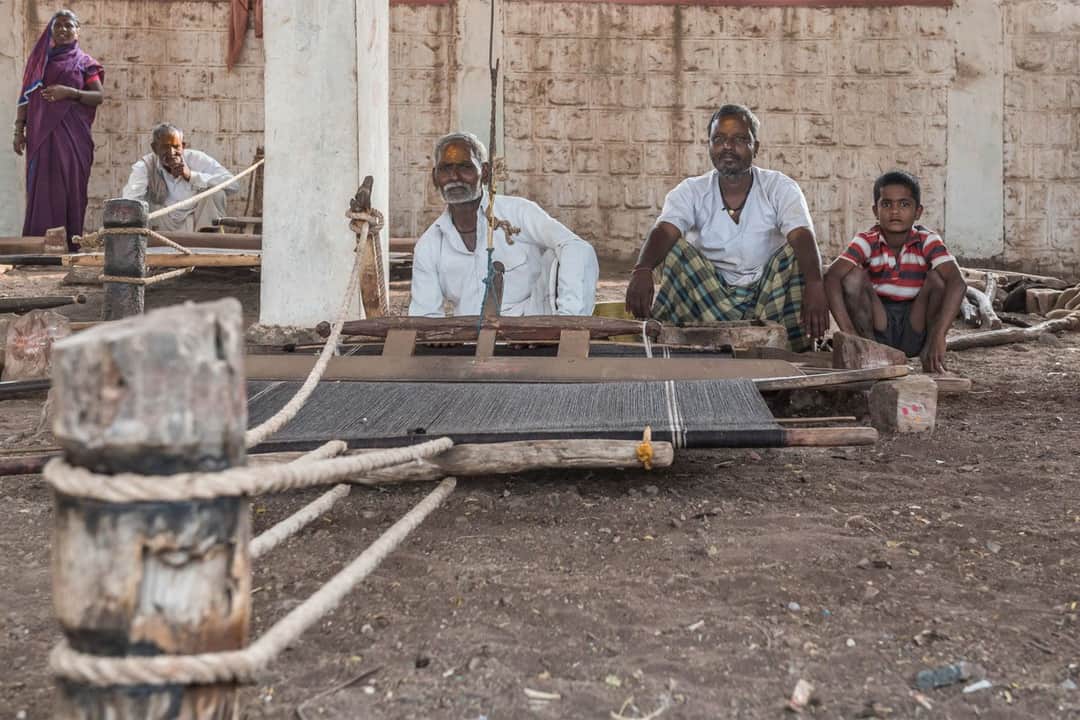
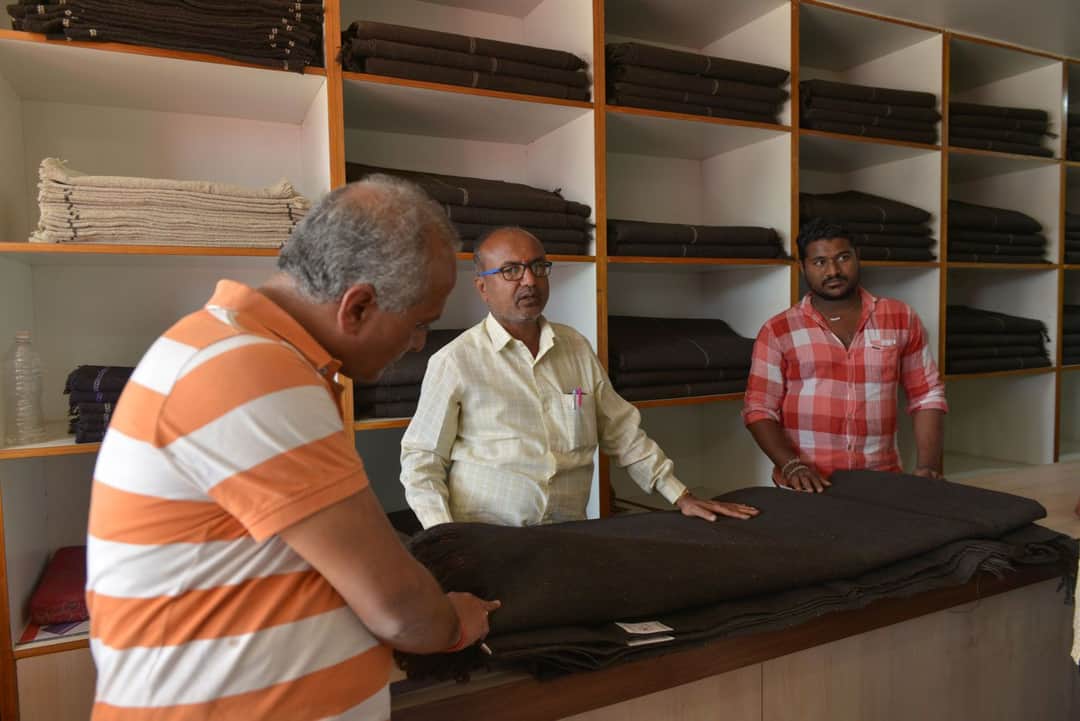
Among the buyers were the weavers of Dadibhavi Salapur, a village in Ramdurg taluka of Belagavi district. Many of the weavers are also Kuruba, a sub-group of the community. (The Kurubas also have permanent homes and villages, and different sub-groups are pastoralists, weavers, cultivators and so on). The blankets they wove were once popular with the country’s armed forces, but are no longer in much demand. “They use sleeping bags now,” explains P. Eeshwarappa, a weaver, who owns a pit loom in Dadibhavi Salapur, where the traditional black woollen blankets are still produced.
“The reduced demand for Deccani wool is also due to cheaper alternatives, including mixed synthetic fabrics as well as other varieties of woollens that have flooded the market now,” says Dinesh Seth, the owner of a shop in Ranebennur town in Haveri district, some 200 kilometres from Dadibhavi Salapur.