
Anu is sitting on a half-torn plastic mat under a tree one morning, hair askew, looking pale. People passing by speak to her from a distance. Cattle rest nearby and stacks of fodder are drying in the sun.
“Even when it rains, I sit with an umbrella under the tree and don’t step into my house. Even my shadow shouldn’t fall on anyone. We cannot afford to anger our god,” Anu says.
The tree in an open field, around 100 metres away from her house, is her ‘home’ for three days every month after she begins menstruating.
“My daughter leaves food for me on a plate,” adds Anu (name changed). She uses a separate set of utensils during these days of segregation. “It is not at all like I rest here for pleasure. I want to work [at home], but stay here out of respect for our culture. I do still work in our field though when there is a lot to be done.” Anu’s family cultivates ragi on their 1.5 acres.
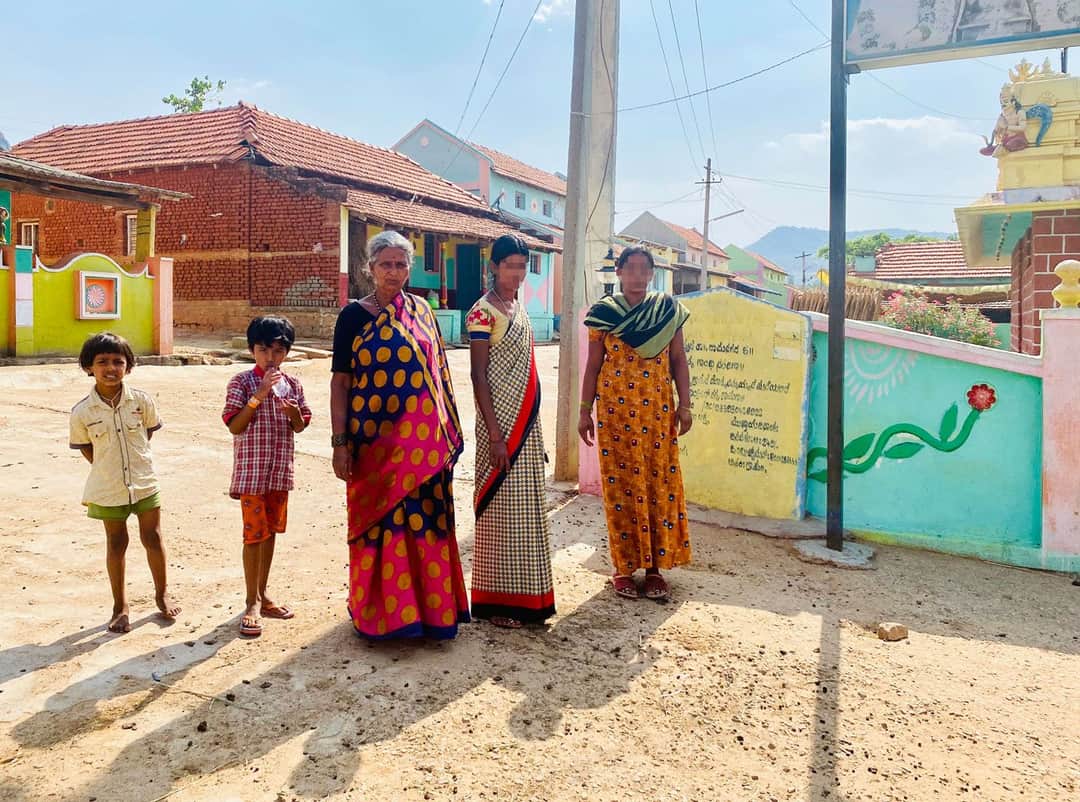
Though largely on her own during these days of isolation, Anu is not alone in following this practice. Her daughters, 19 and 17 years old, do the same (another 21-year-old daughter is married). And all the women in her hamlet of around 25 families from the Kadugolla community are required to segregate in a similar manner.
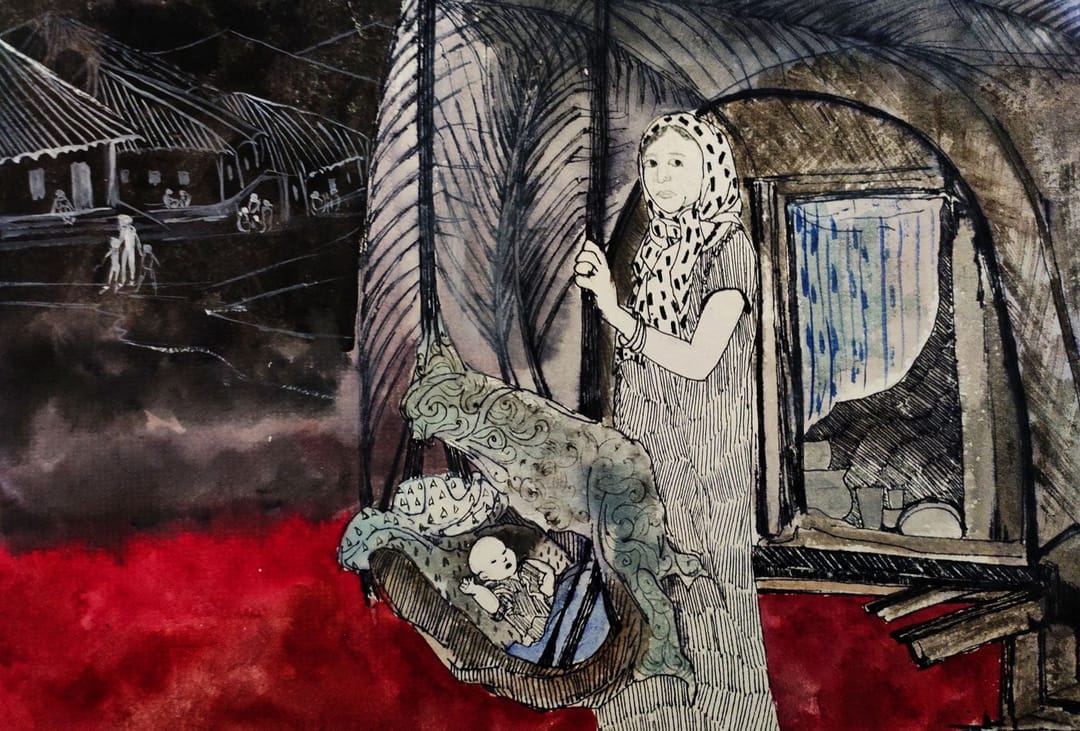
Women who have just been through childbirth face severe restrictions too. Around six huts near Anu’s tree-shelter, each some distance from the other, are home to them and their babies. These remain vacant at other times. Those who are menstruating are expected to simply spend time under trees.