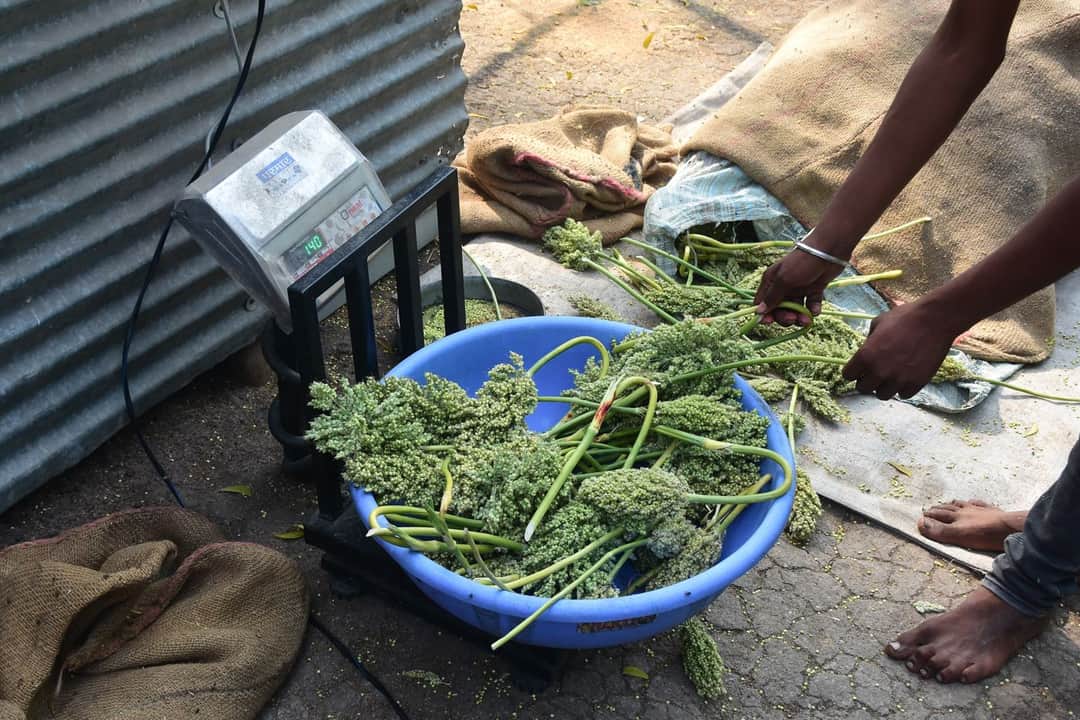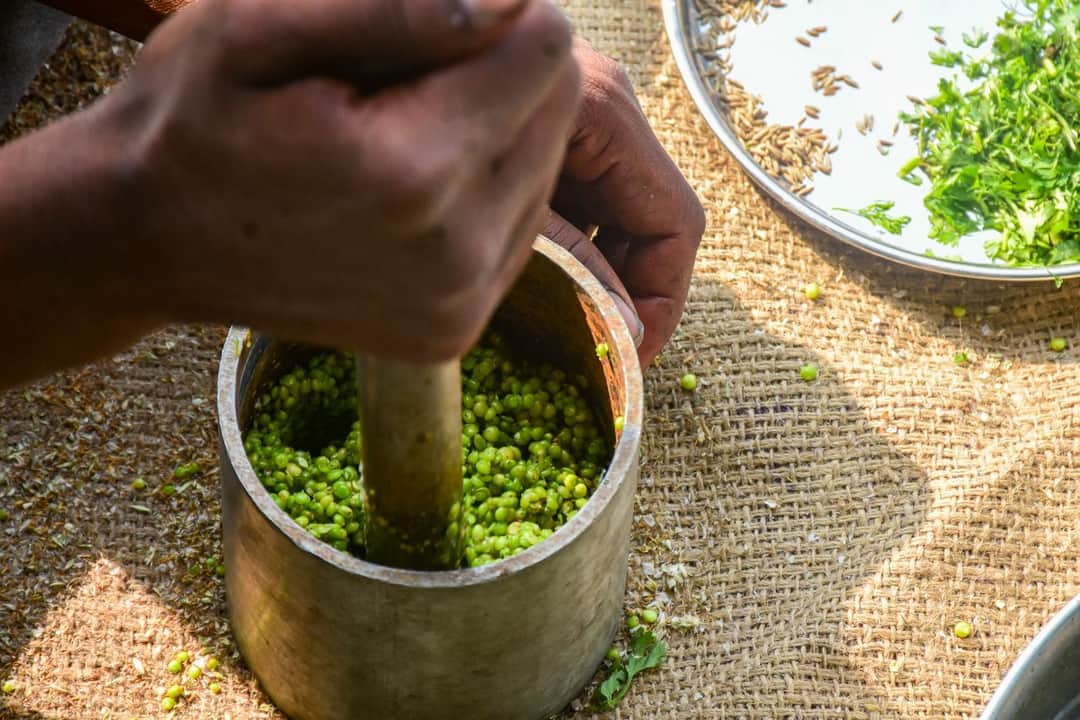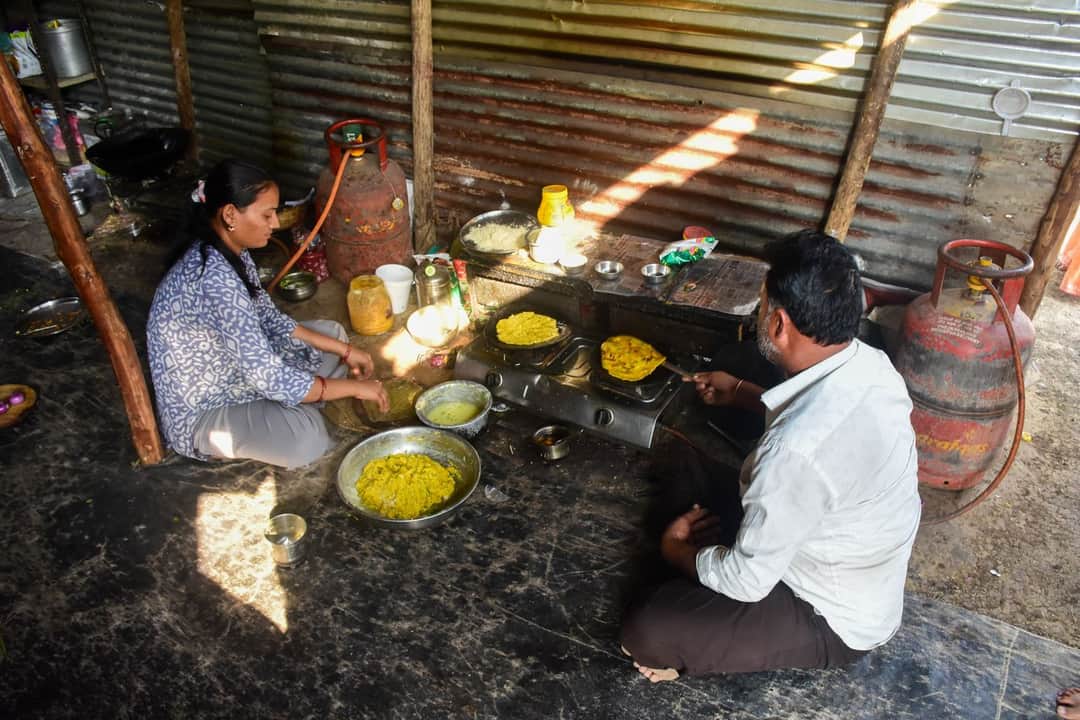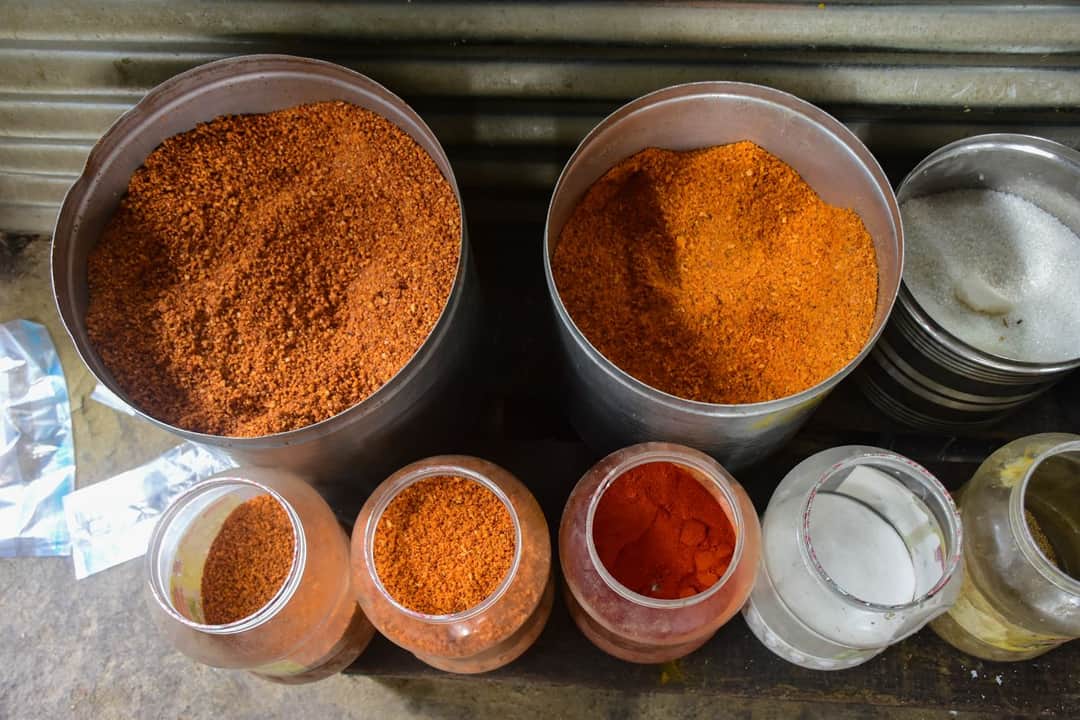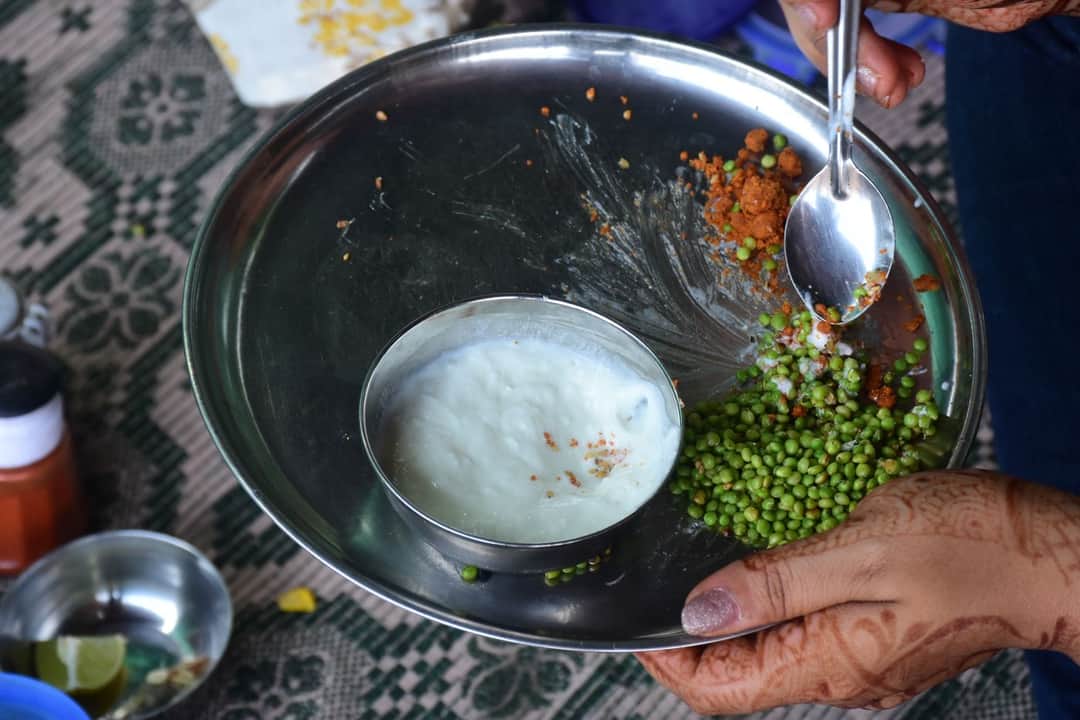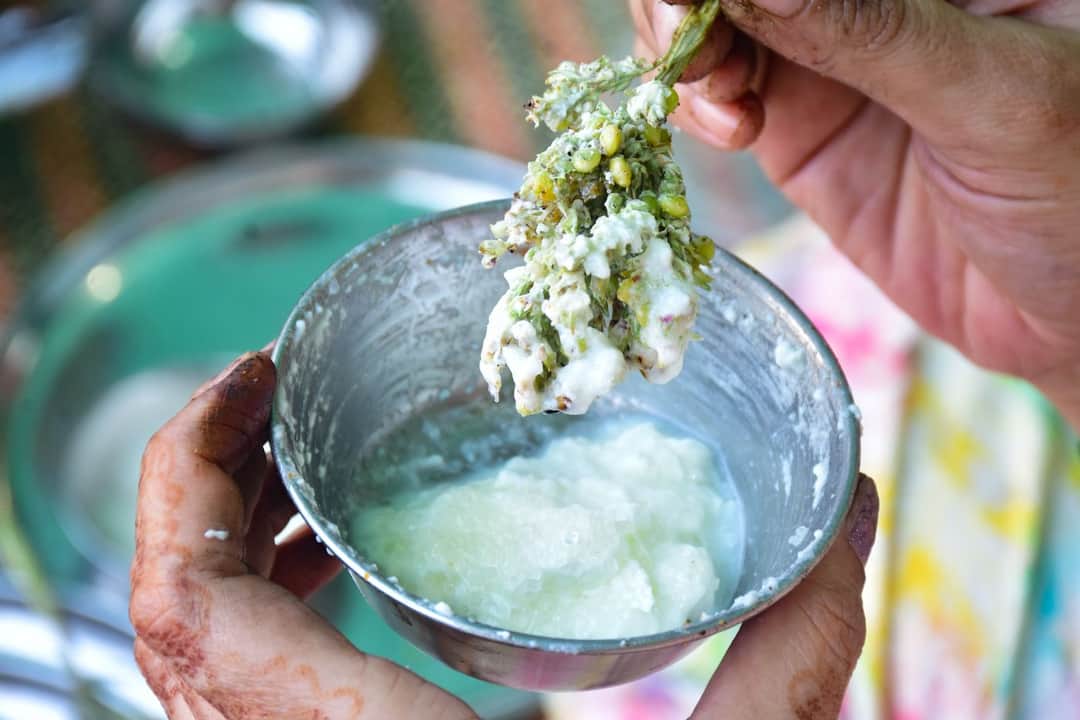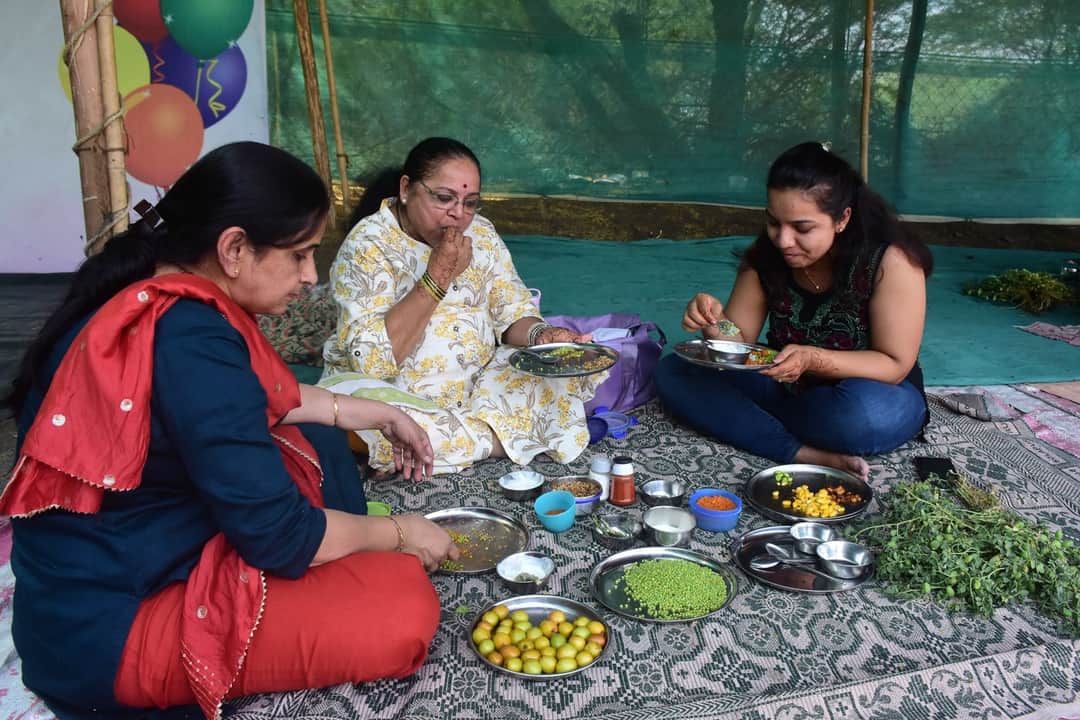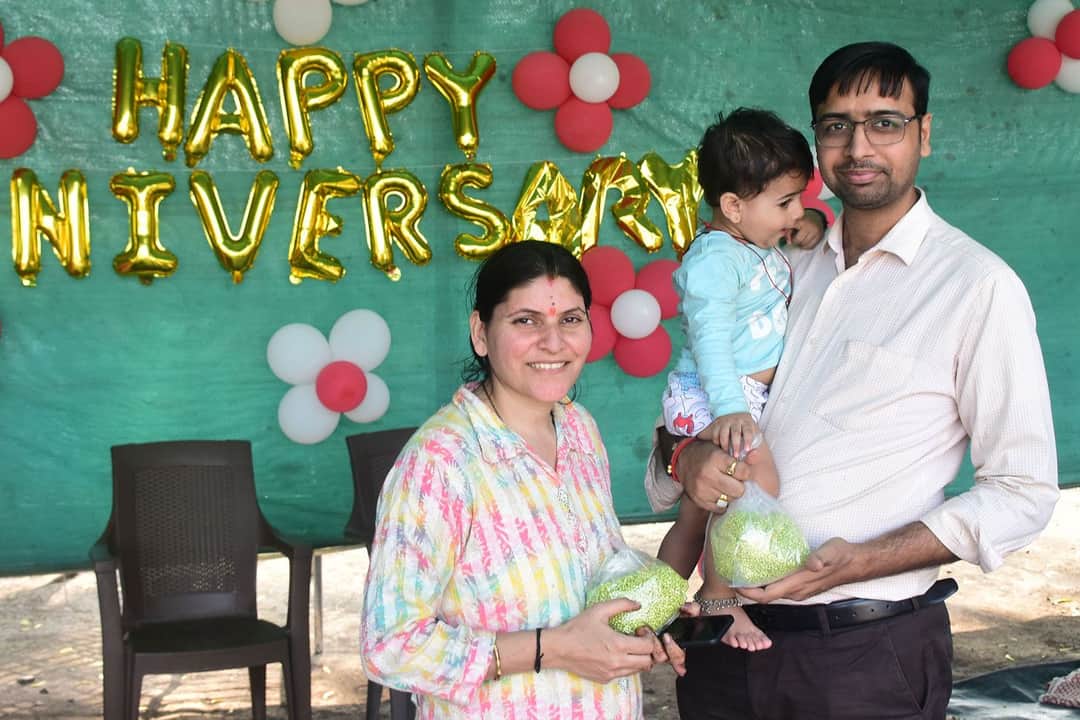

The air is filled with smoke from cooking fires and the aroma of roasting jowar. A hurda celebration is on! Freshly harvested jowar, known as hurda, is a popular delicacy, and farmers have brought their crop and set up stalls across villages and towns in Marathwada.
“People wait eagerly for it,” says Suryakant Maind, a jowar farmer from Londhyachiwadi. He plants jowar varieties of bedri and maldandi on his five acres in Jalna district. The family harvest half the crop in December while it is still tender, and the remaining is harvested in February or March, once the grain matures.
Armed with his carefully harvested tender jowar crop (hurda), Maind heads to Jalna city. The 55-year-old farmer says he sells about 40 kilograms of the tender jowar each season, at Rs. 150 a kilo.
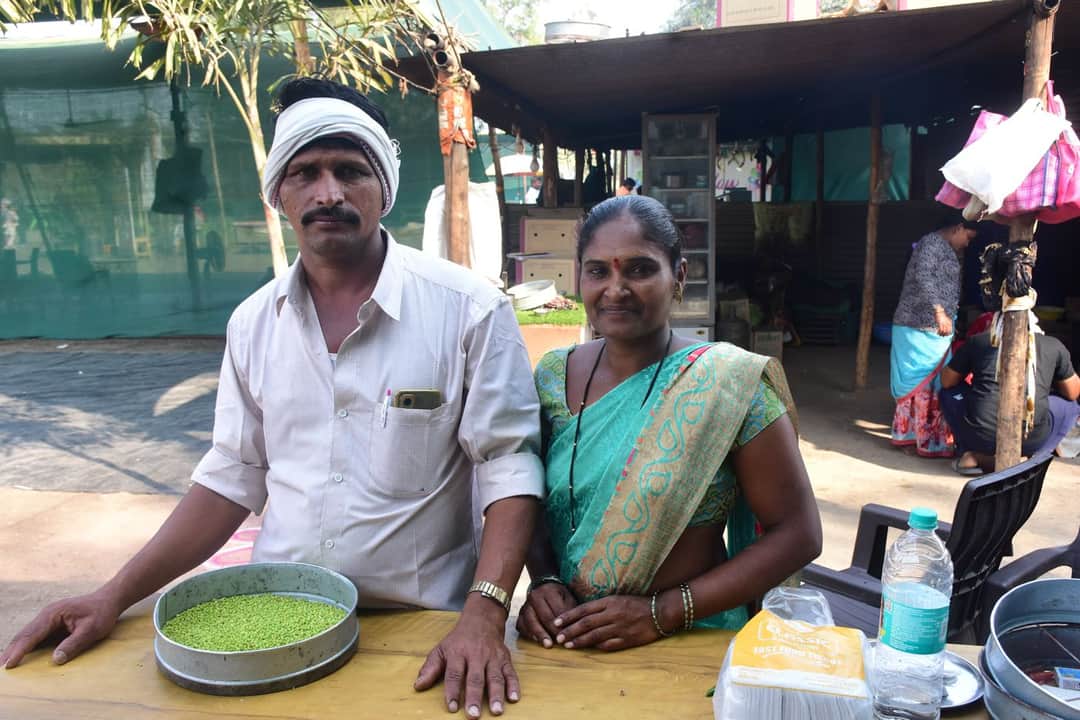
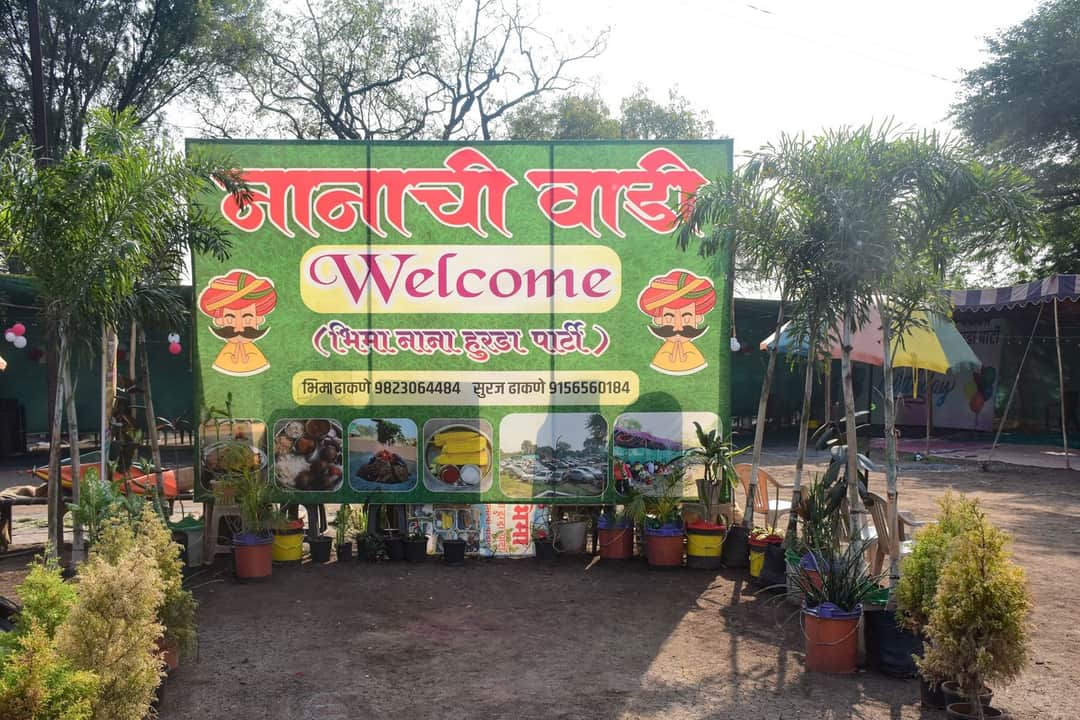
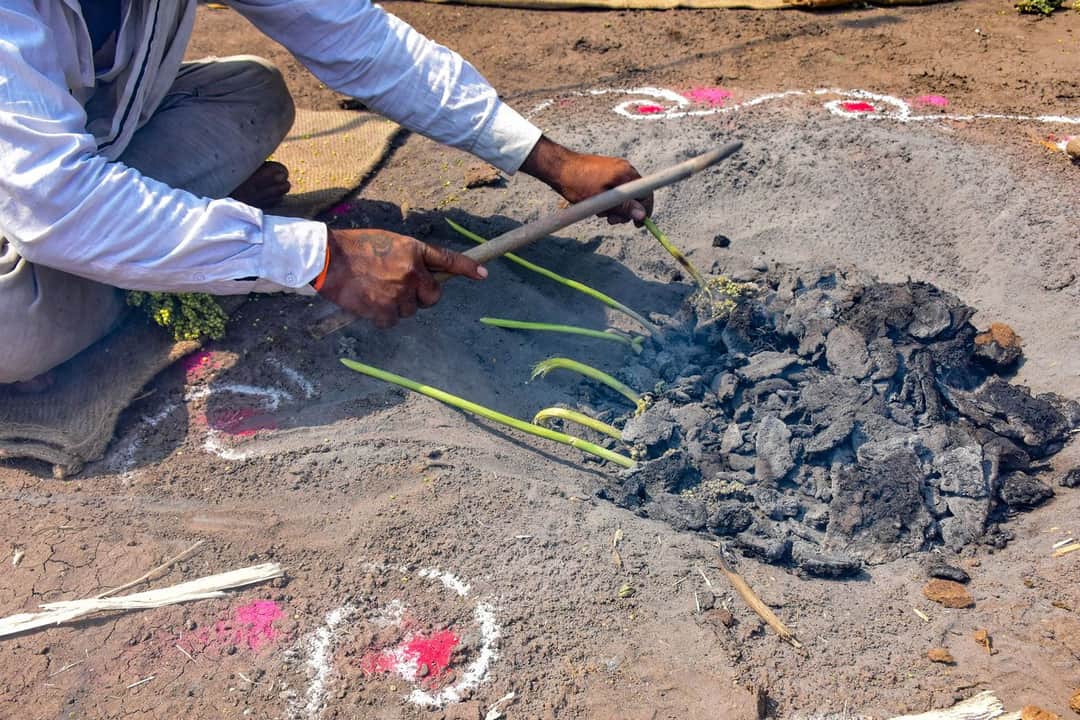
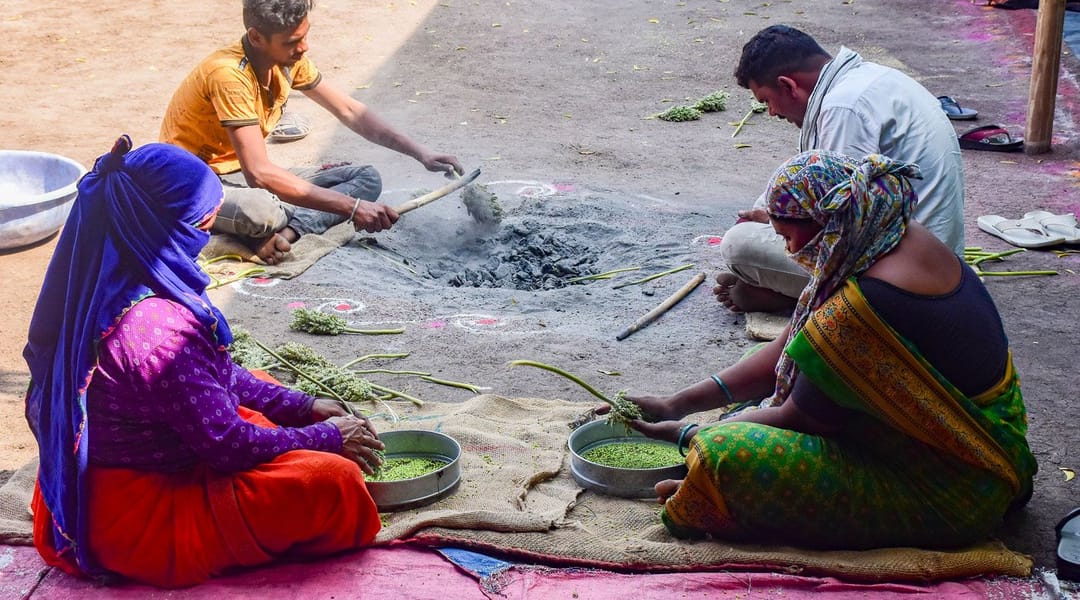
Preparing hurda at the stalls is a slow, deliberate process and women play a big role. The tender jowar stalks are roasted in a pit using dried jowar stalks from earlier harvests. Long wooden sticks are used to turn the bundles and roast them evenly. Timing is key. “Remove it too soon, and it stays raw; leave it too long, and it dries up,” explains Bhima Nana Dakhane, a 45-year-old farmer from Chhatrapati Sambhajinagar (formerly Aurangabad) district.
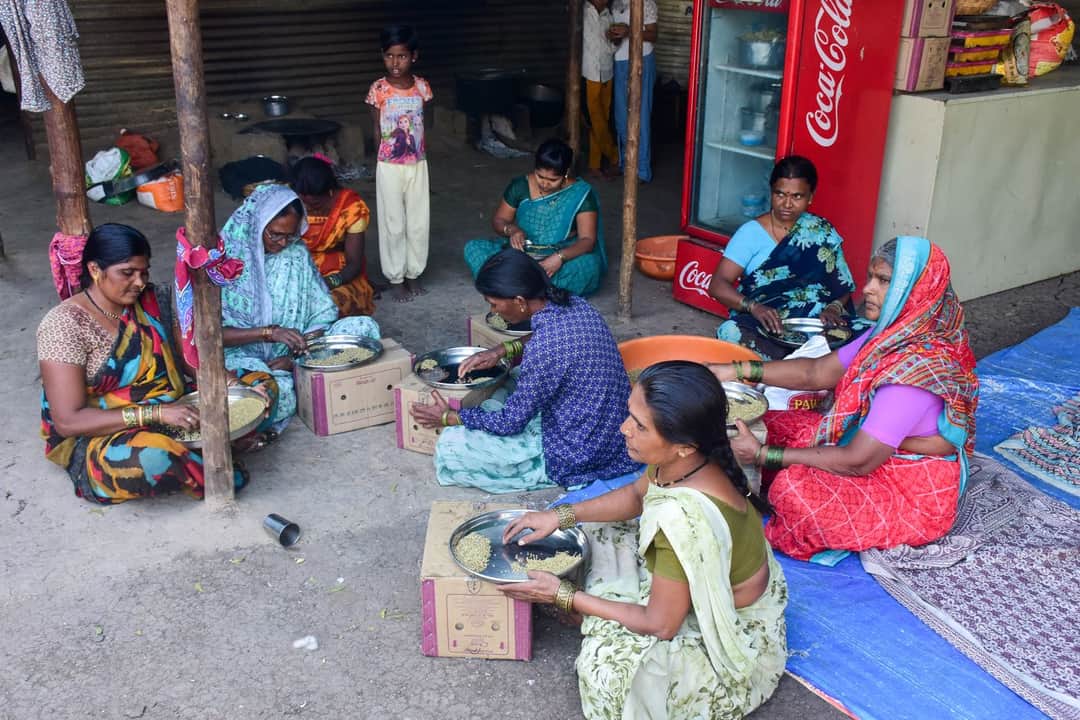
Once roasted, women rub the kernels between their palms to remove the husk. Then begins the cooking. “From morning till late evening, I am in the kitchen with the other women,” says Savita Dakhane. “We take pride in serving something that comes directly from the fields.”