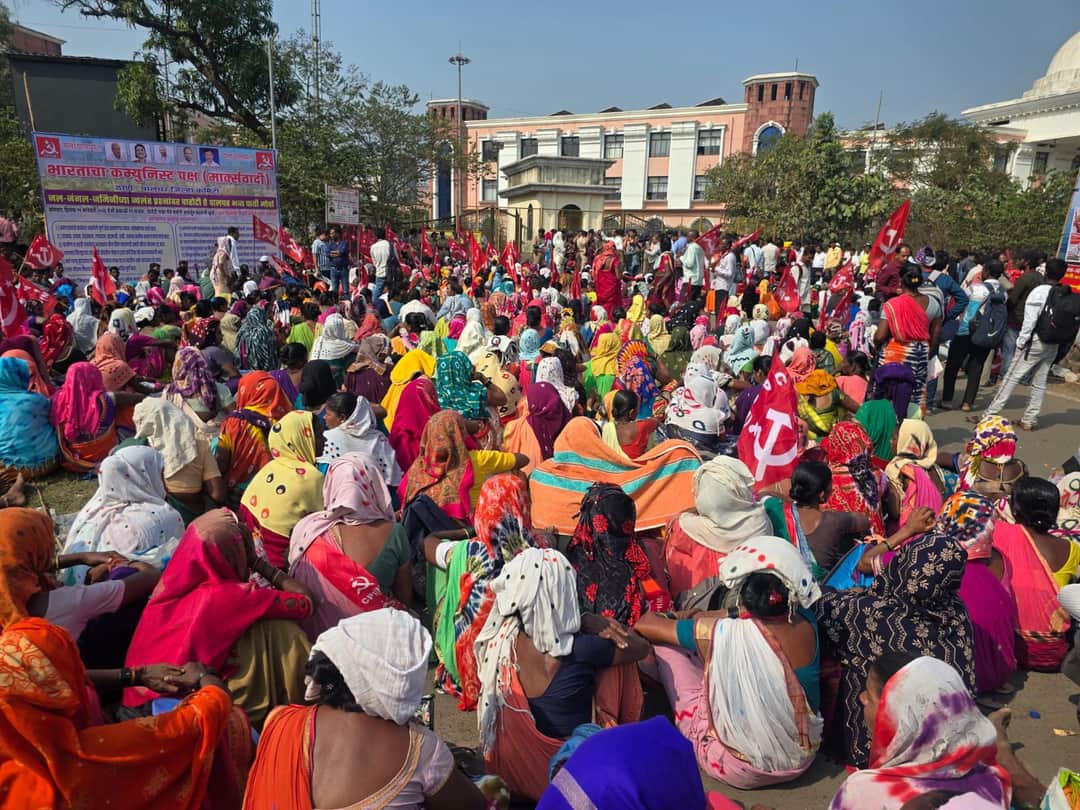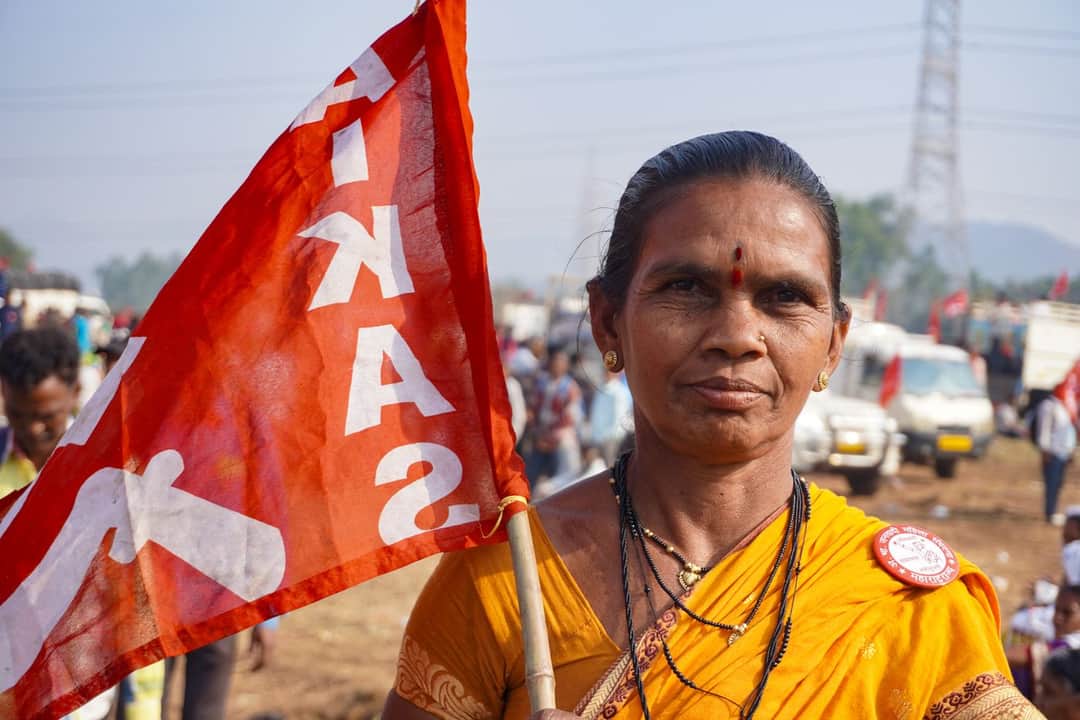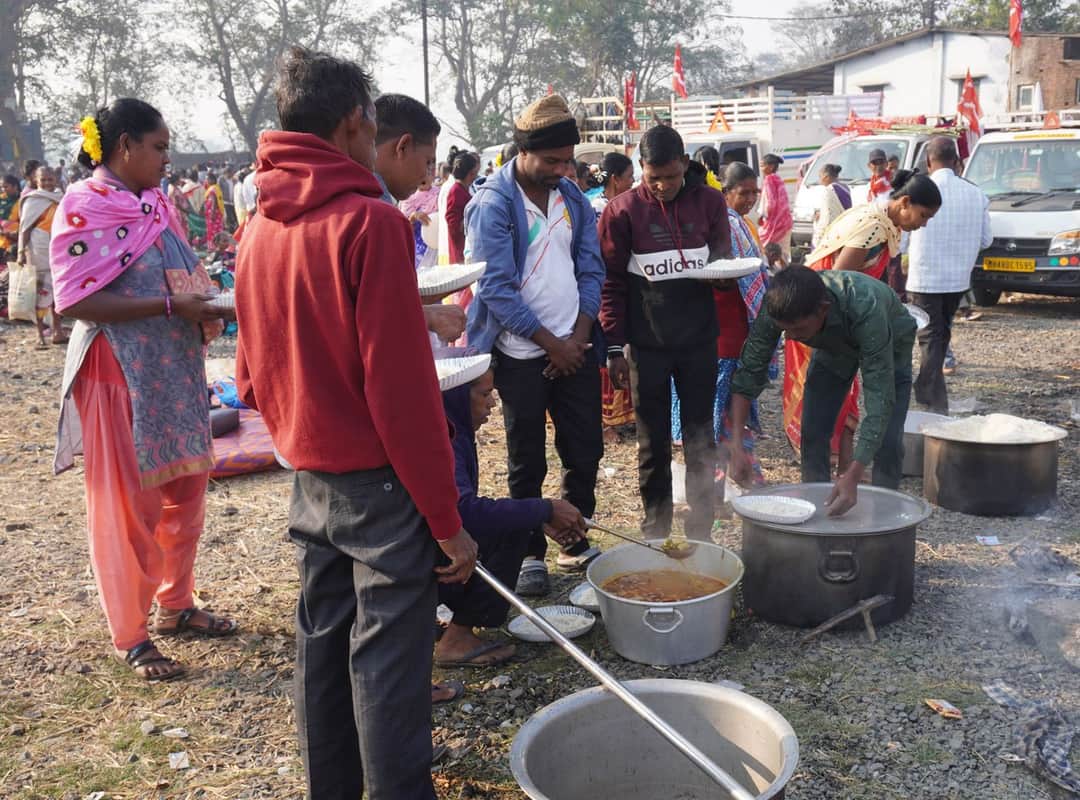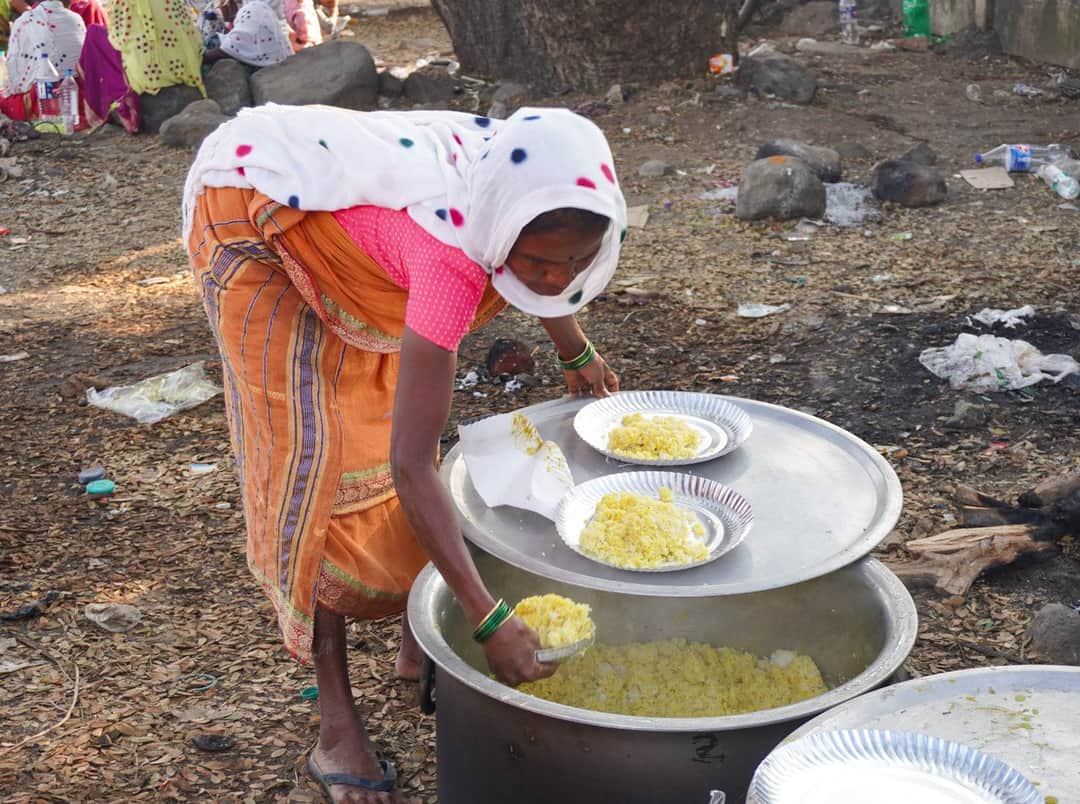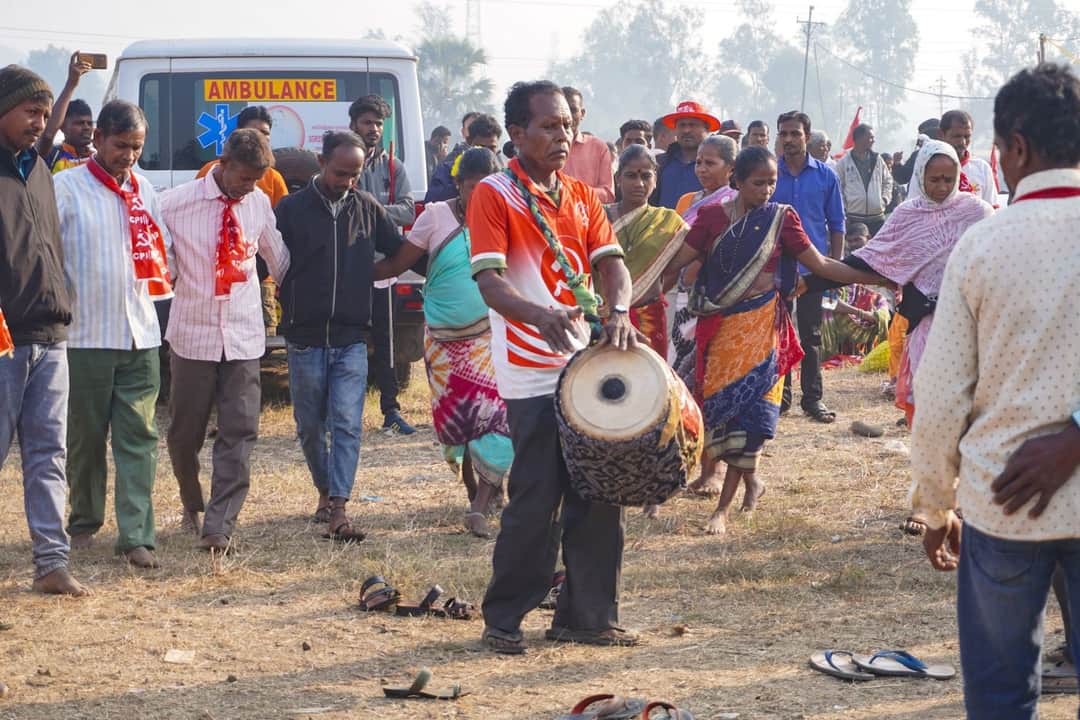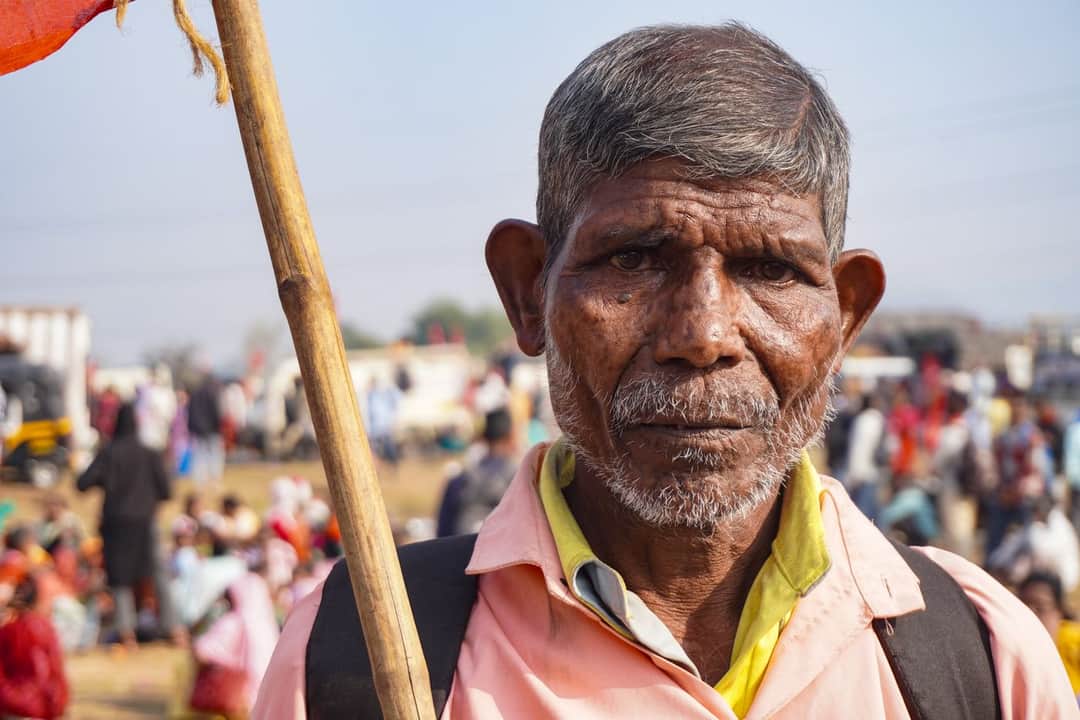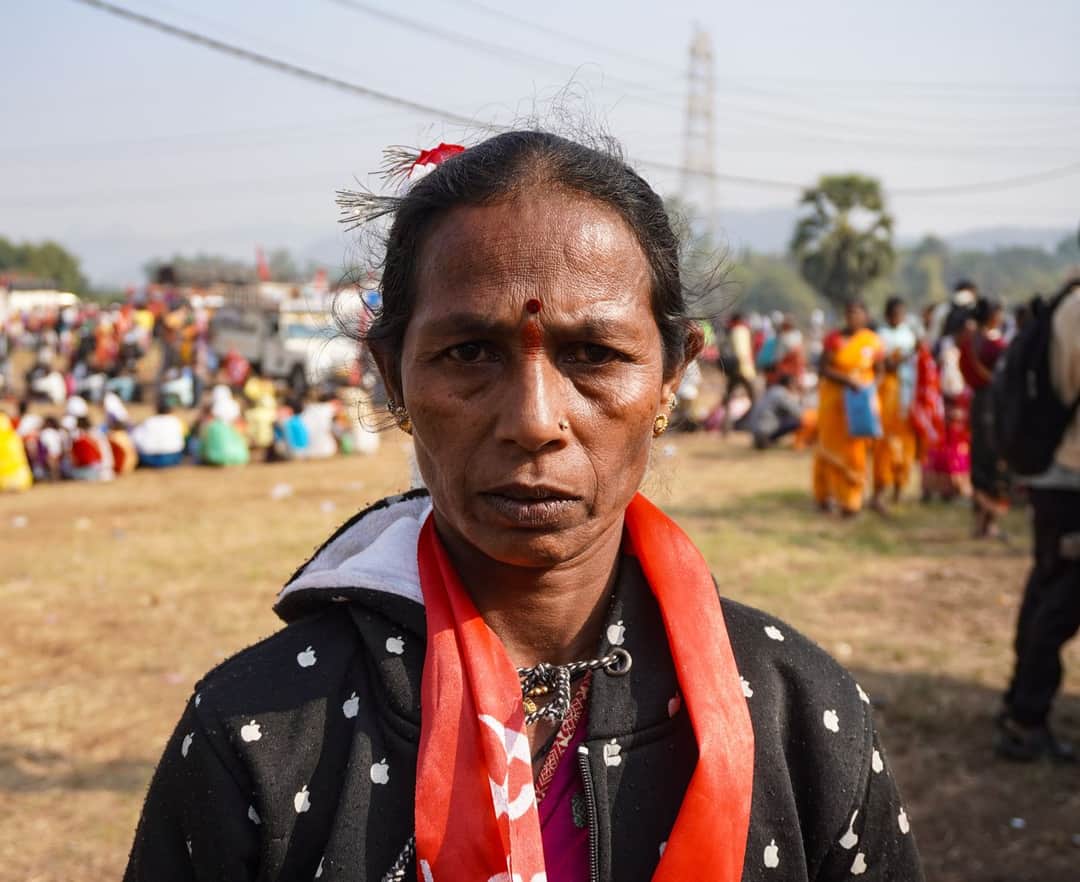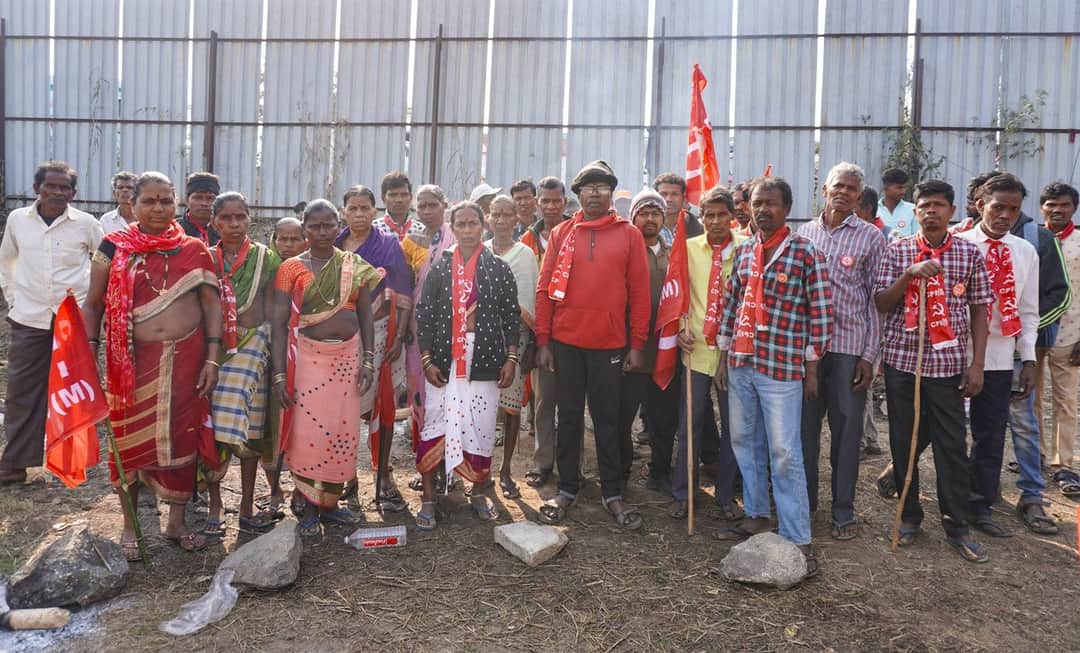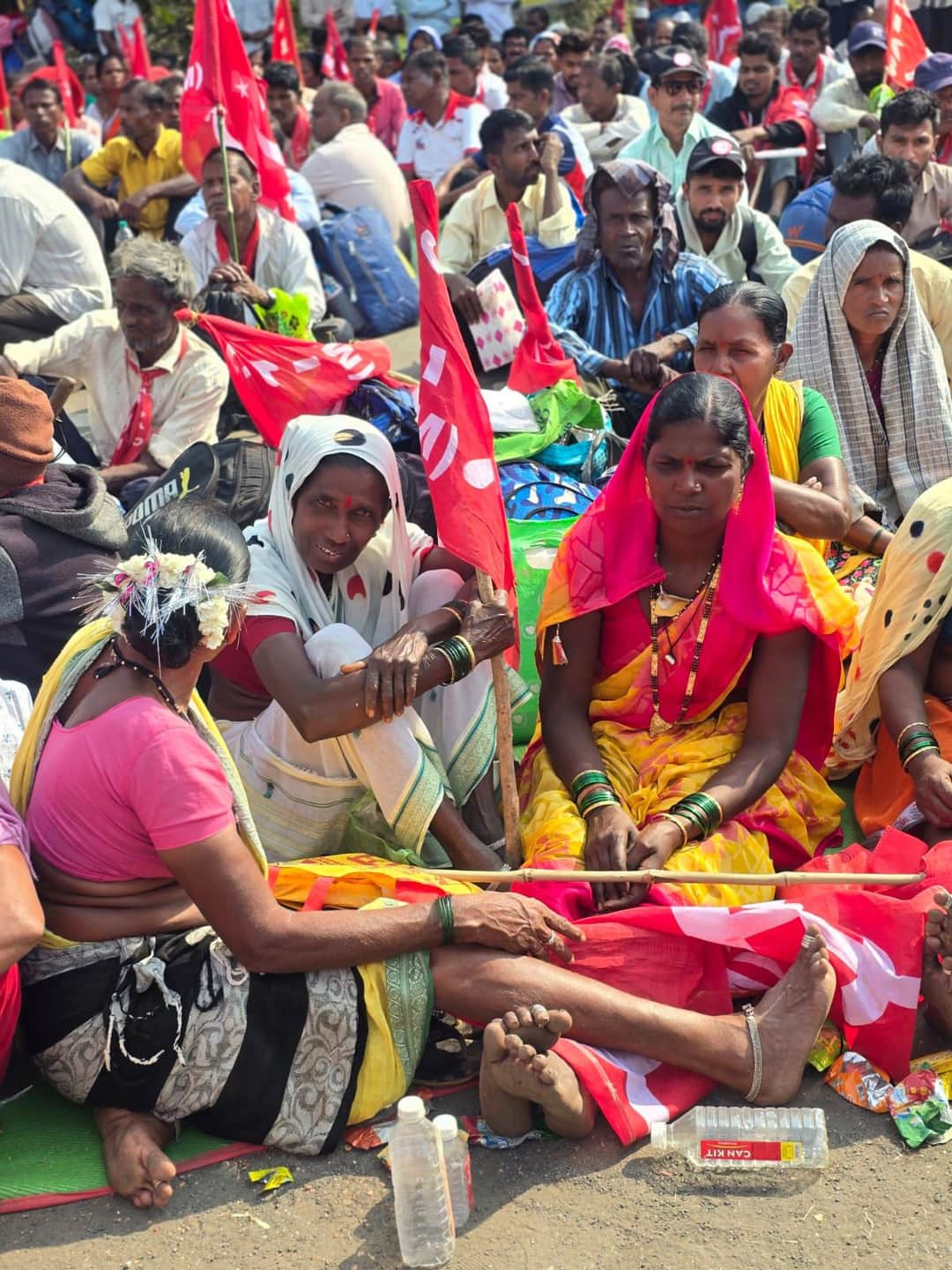

It’s a chilly morning at Manor phata (junction) and farmers are huddling around the ashes of dying bonfires. The previous night was bitterly cold, and early morning is no better as Lakshmi Dattu Boba describes it, “as if rain was falling from above – cold water pouring down on our bodies.”
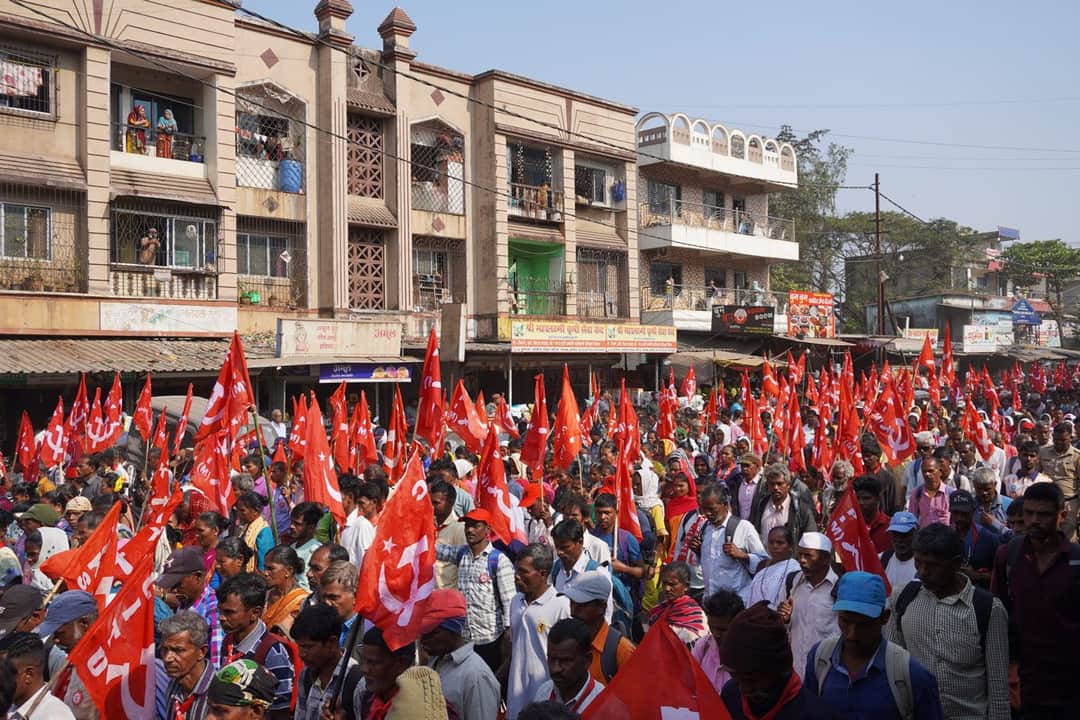
The chill was sharp, but sharper still was the anger of the 46-year-old Adivasi farmer over issues of land, water, and most importantly, wage work. Like her, tens of thousands of men and women walked to the Palghar district collectorate over the delayed resolution of their long-pending issues: regularisation of their land plots, potable drinking water, and importantly, wage work. Issues that are at the heart of them living a dignified life.
“Forget the whole year, we don’t get work under the rojgar hami yojana for a day,” says an irate Lakshmi, referring to the Mahatma Gandhi National Rural Employment Guarantee Act (MGNREGA). The Central government recently made structural changes and renamed it as the Viksit Bharat – G RAM G Act (VB-G RAM G), reneging on a legal guarantee for work and placing the bulk of the budgetary allocation for the programme on the states.
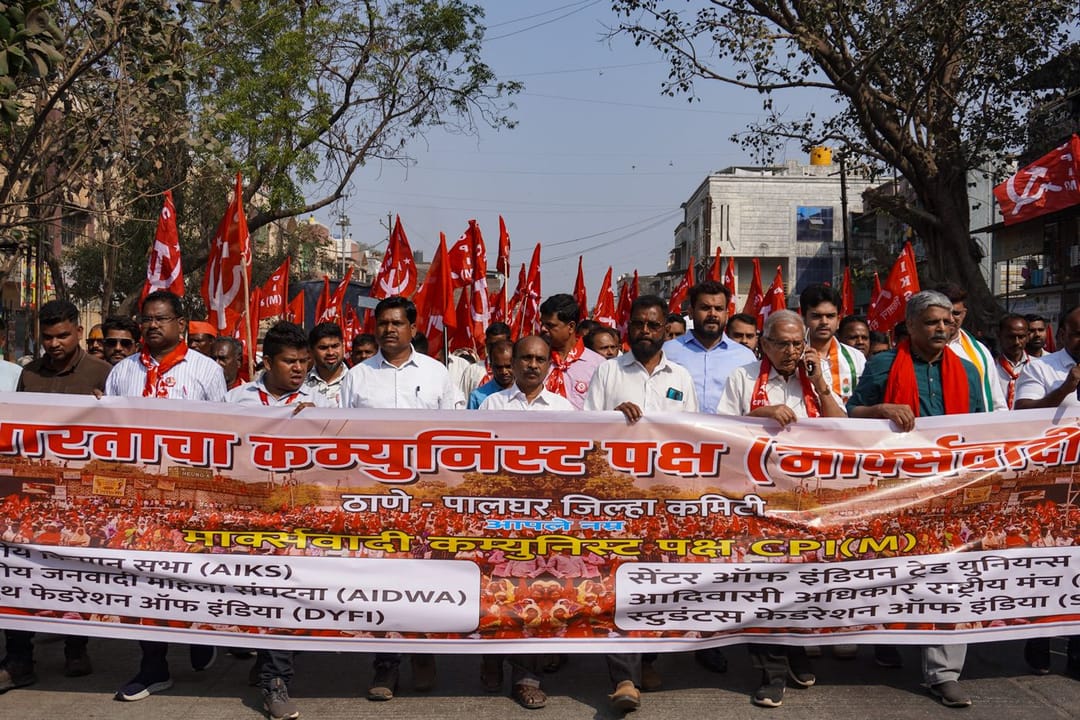
Among the other key demands of the tens of hundreds of people in the protest march, organised by the CPI (M) and the All India Kisan Sabha’s Maharashtra unit, was 200 days of guaranteed employment in a year at minimum wages of Rs. 600. The march that culminated on January 21 with the district collector making promises on each of the demands, had started on January 19, 2026.