

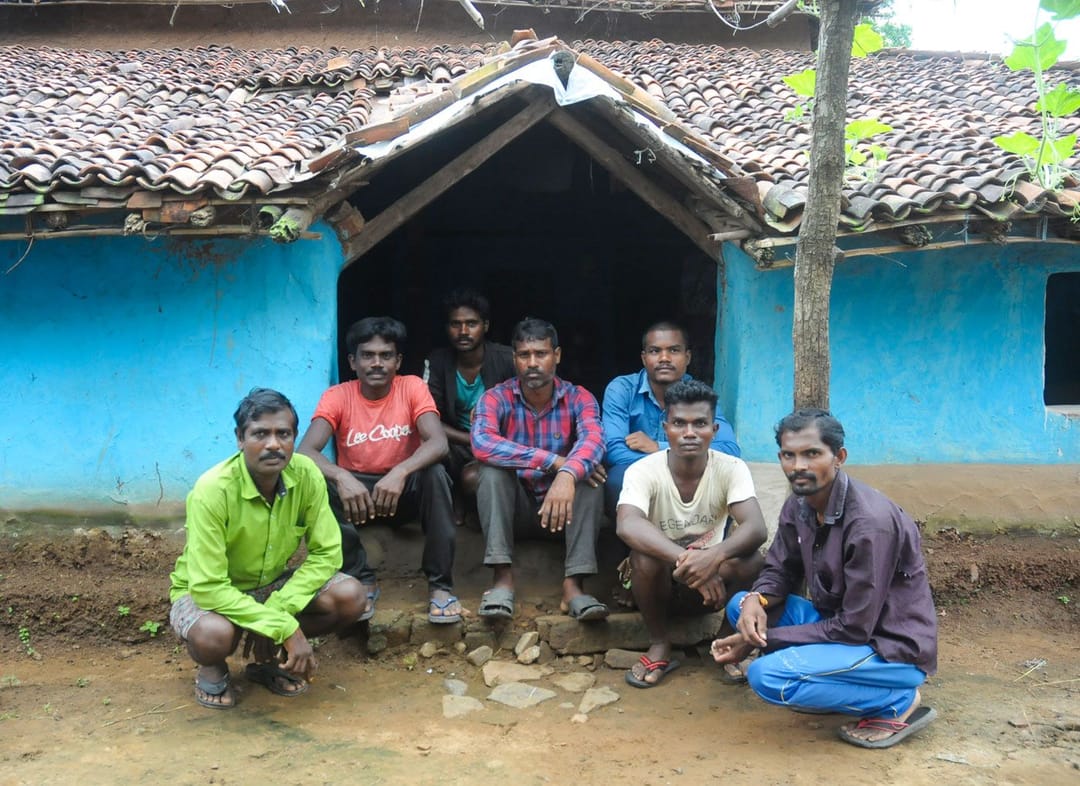
When their options ran out, Vijay Koreti and his friends decided to walk home.
It was mid-April. India was under a strict lockdown brought on by the Covid-19 pandemic. And they wondered how long they could remain stranded in their small shanties in a distant land.
“Twice the police stopped our friends midway and sent them back when they tried to leave,” Koreti recalls. “But one by one they all left anyway, walking to reach home.”
The band of friends, who between them did not own a single smartphone with a GPS, had come up with a possible route:
Sirpur-Kagaznagar, in Telangana’s Komaram Bheem district, where they worked in a cotton ginning and pressing mill, falls on the Hyderabad-Nagpur railway section.
From there to Zashinagar, their village in Arjuni Morgaon tehsil of Maharashtra’s Gondia district, the distance would be 700-800 kilometres if they walked along the tracks. Gruelling, yes, but worth trying. And if they walked along the railway lines, there was less chance of them being intercepted by the police.
And so, like millions of workers across the country, Koreti, a 39-year-old, one-acre Gond Adivasi farmer – and others belonging to Zashinagar – began that arduous trek from Kagaznagar that would take them 13 nights and 14 days to reach their families back home.
It was a distance that could be covered in half a day by train or bus. But they were doing it on foot.