
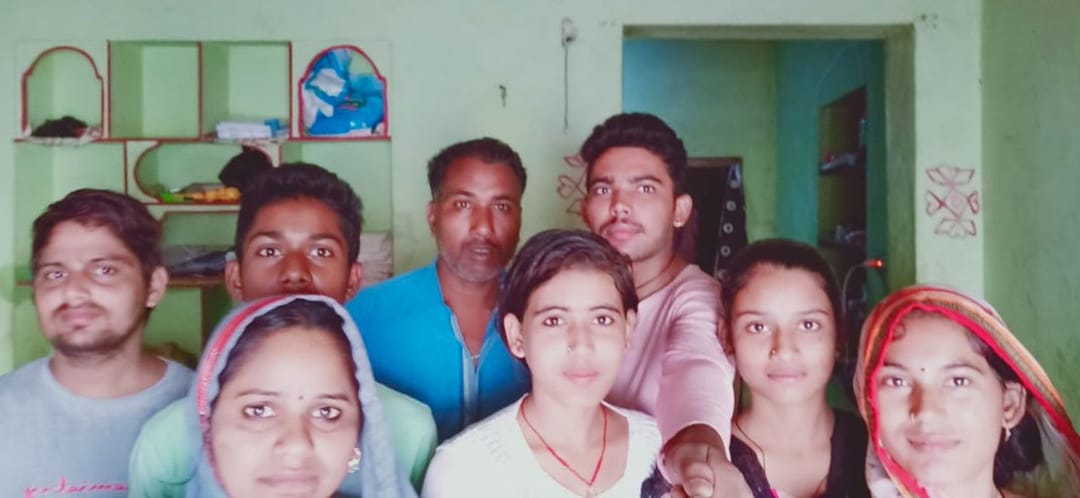
“After my studies are over, I want to be an officer – a home guard,” said 14-year-old Sandhya Singh. Her 16-year-old brother, Shivam, is hoping to find a job in the Army, and has been ‘training’ for it since he was her age. “I wake up at 4 in the morning and do my exercises every day,” he said, “YouTube tells me whatever I ask about army training – how to hang [from the bars], do push-ups, those kind of things – and I do it.”
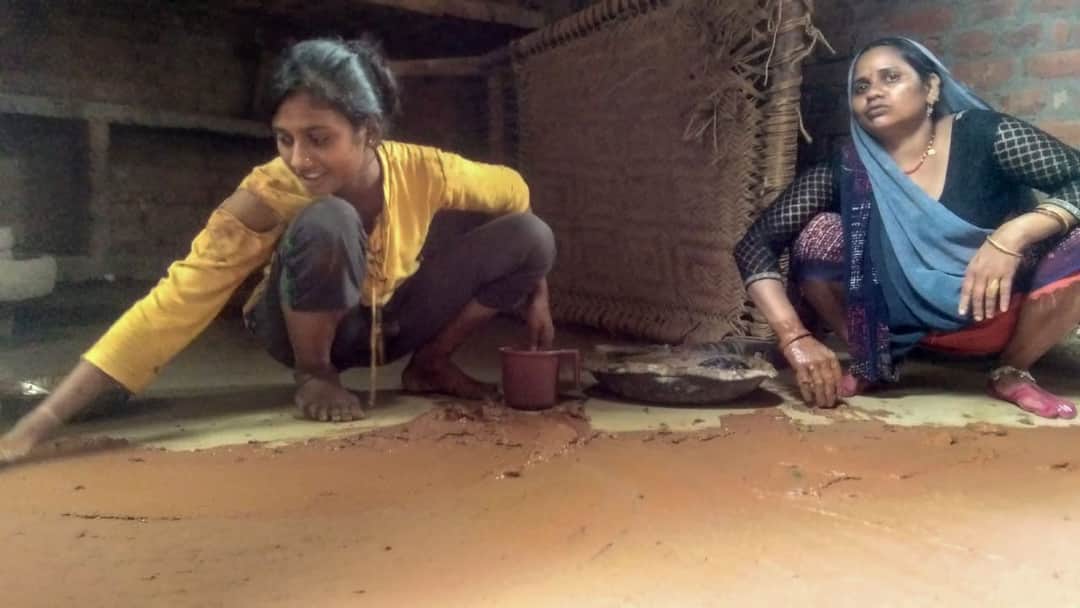
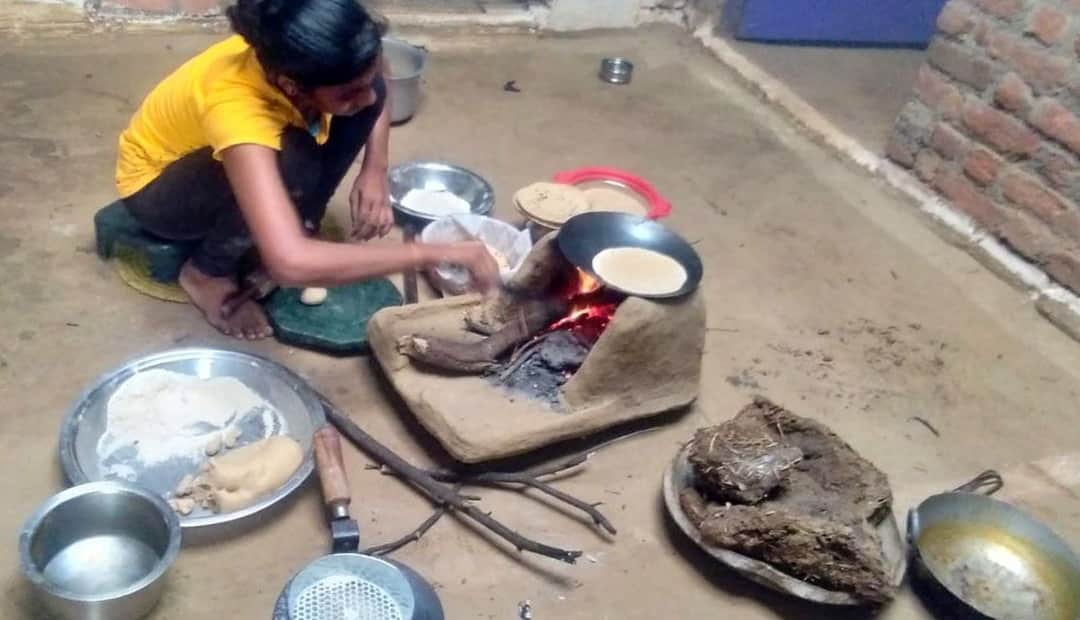
They were speaking to me on the phone from the roof of their house in Binaura village in Jalaun district of Uttar Pradesh. The siblings came back here on May 21 from Kalikiri village in Andhra Pradesh, where their parents worked. “When we reached home, there was nothing here, and we too were carrying nothing,” says their mother, 32-year-old Ramdekali. “We slept on an empty stomach that night…”
On July 8, Ramdekali proudly informed me that Shivam had passed his Class 10 board exams with 71 per cent. Her tone changed when I asked about the admission procedure for his Class 11 and 12. “Our children are worried about how they will attend online school. If we go back [to Andhra Pradesh], the phone will go with us. How will Shivam study online in UP? And if we stay here, how will we pay for their education?” she asked. The total annual fee for each of the kids, both studying in private schools, is Rs. 15,000.
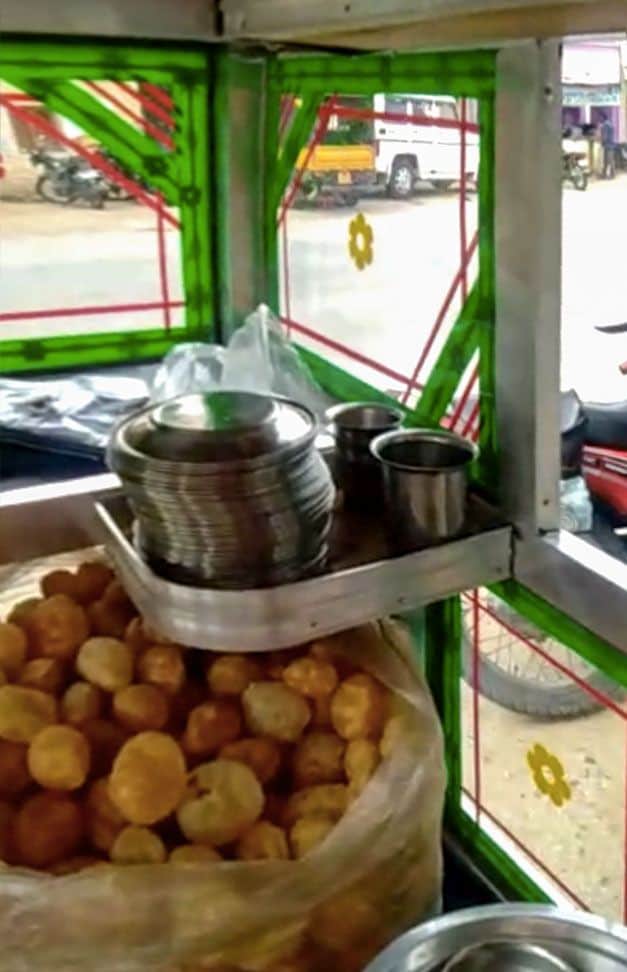
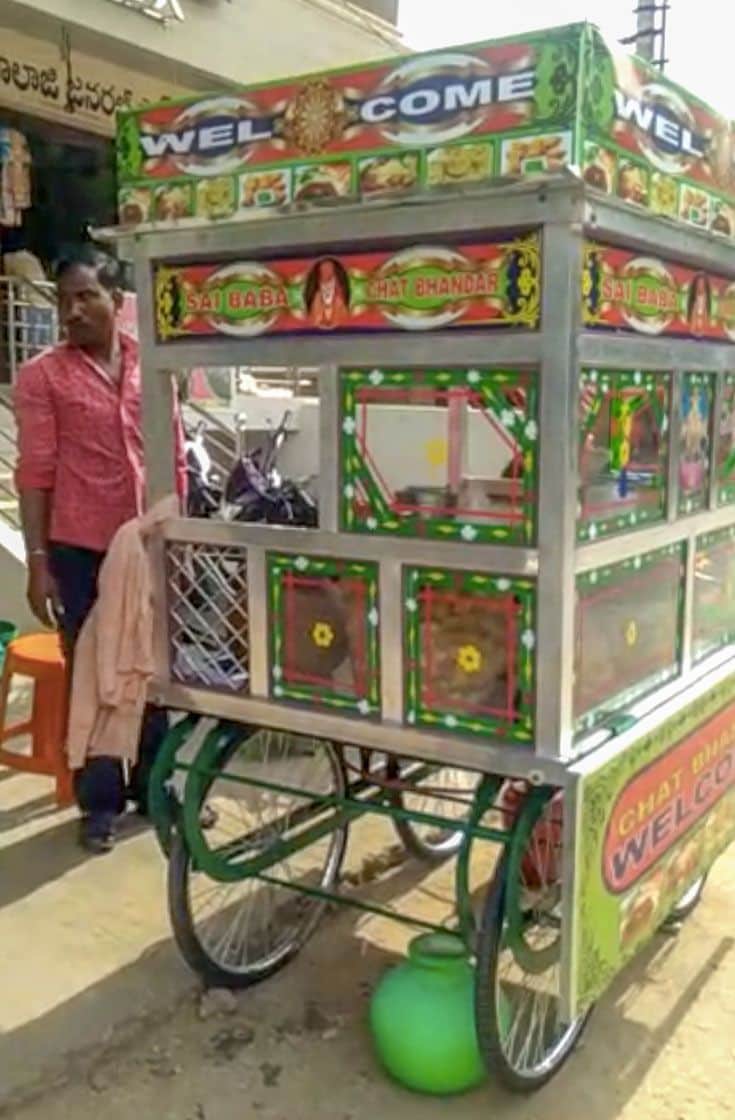
Until some months ago, Ramdekali and her husband, 37-year-old Birendra Singh, ran three paani puri carts in Kalikiri village of Andhra’s Chittoor district. Sandhya lived with them, while Shivam was with his maternal grandparents in Bardar village of Jalaun district. The family belongs to the Pal community, listed as a Nomadic Tribe.