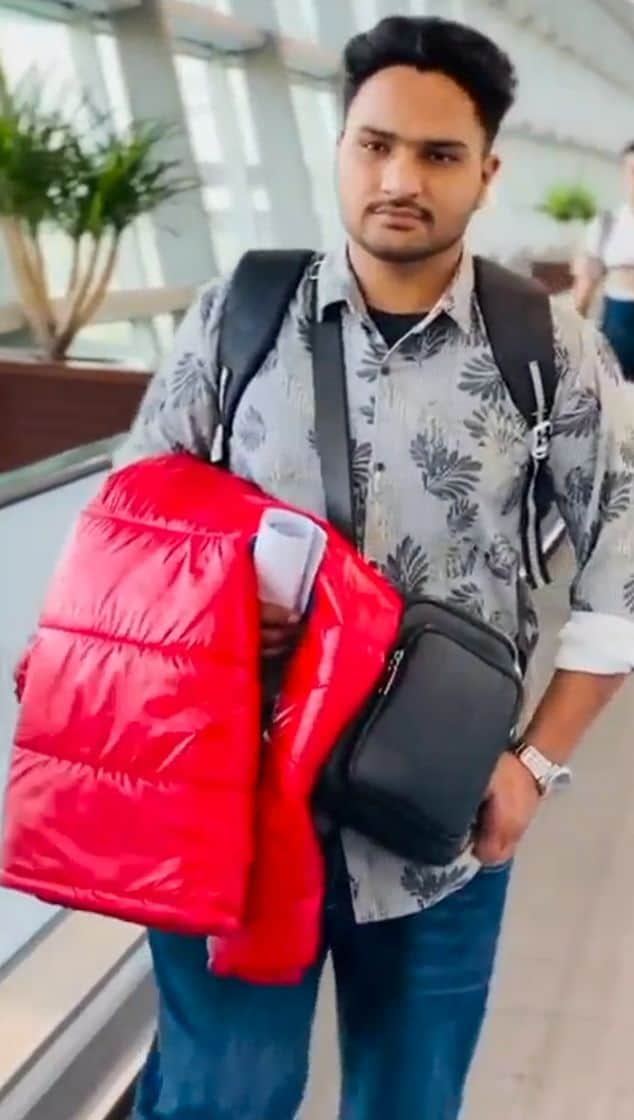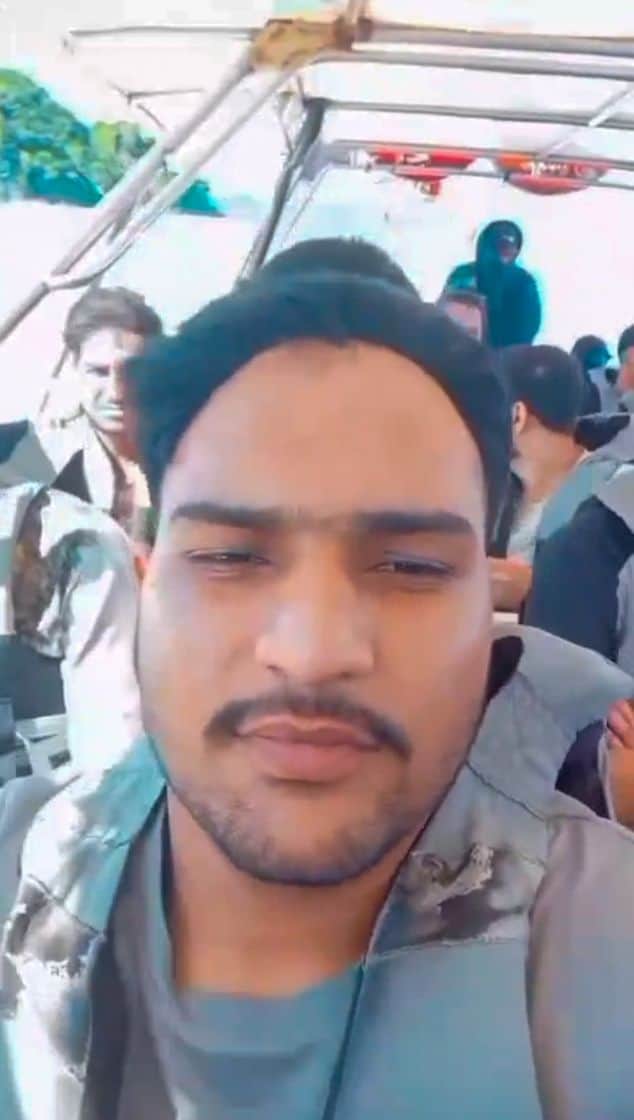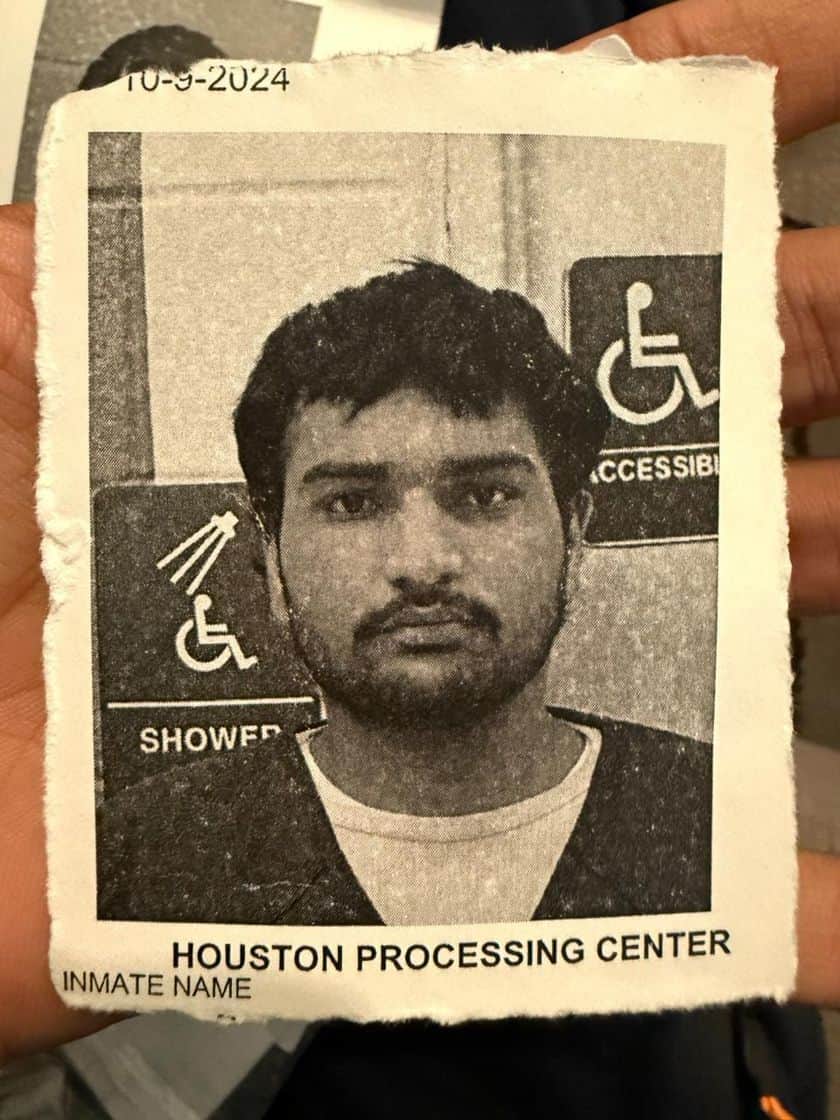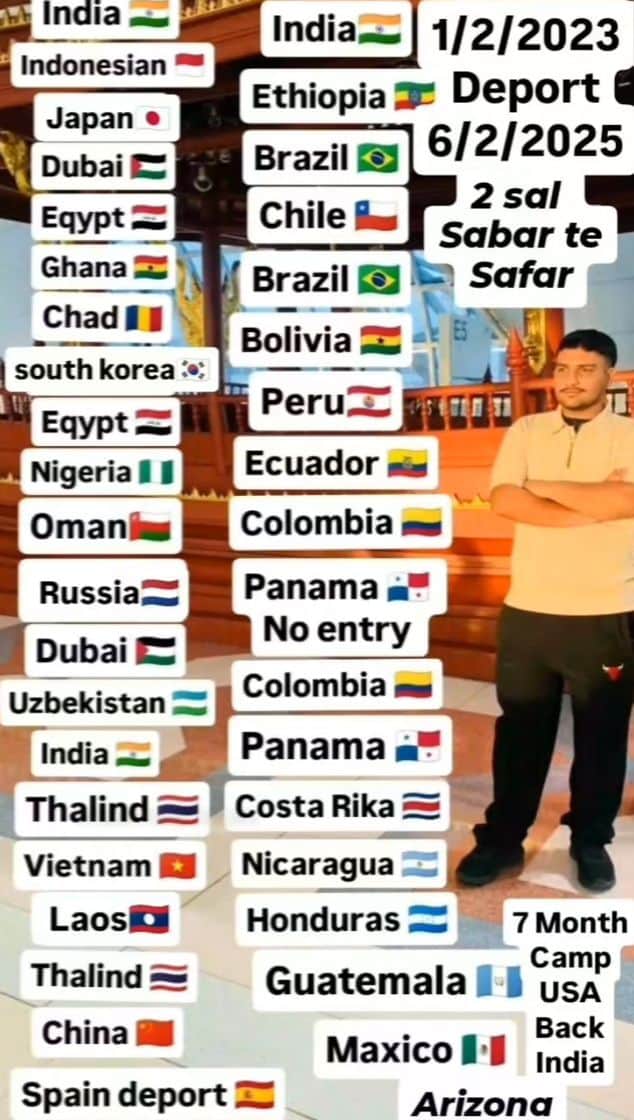

Randeep Singh was not fortunate enough to get arrested, shackled, and strapped into a seat on the Amritsar-bound C-17 flight from the United States. After struggling in alien lands for 264 days, he finally died in Cambodia on his way to the US, while taking a dunki route (donkey flight) on February 21 this year.
You might say Pargat Singh was luckier. Another Punjabi lured by foreign dreams, his journey to the US began with selling half of his family’s 3-acre landholding, and most of his mother’s jewellery – and ended with his deportation to India. He returned home in handcuffs, but at least lived to tell the tale.
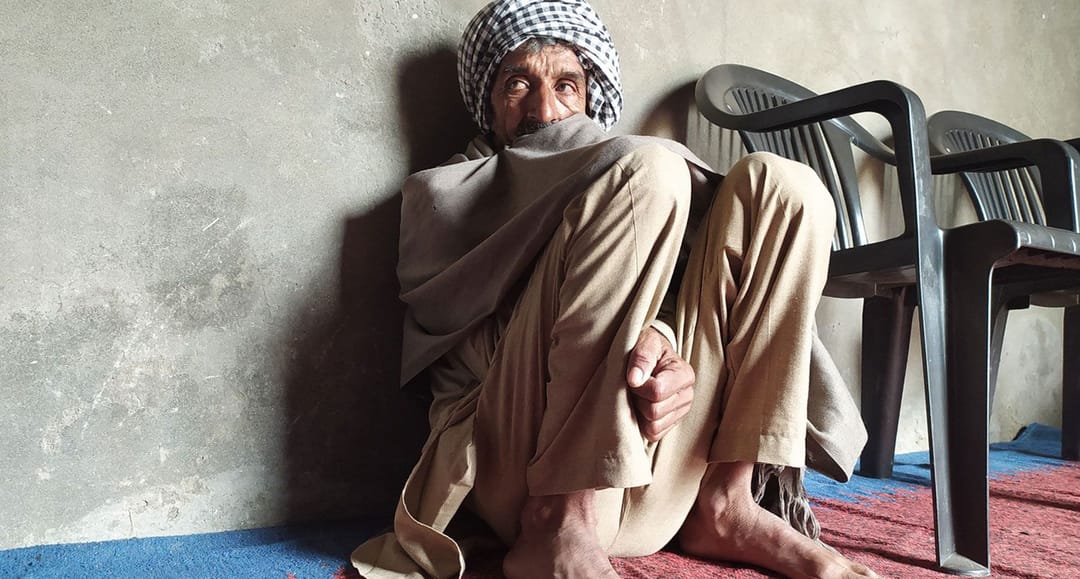
At Randeep’s house in village Sheikhpura Kalan of Punjab’s Mohali district now, only sathar — a funeral ritual of sitting on the floor after a death in the family — brings grim testimony to his heart-rending story. The tiny two-room house falls short on space in accommodating the mourners, who are waiting for his remains to arrive. But that doesn’t seem about to happen anytime soon. The Indian Embassy in Cambodia has asked for an advance of USD 7,100 (roughly Rs. 6,21,000) to cover all expenses in dispatching the body back home.
That six-digit figure is incomprehensible to Randeep’s father, 55-year-old Balwinder Singh, who is a daily wage labourer and earns Rs. 500 on those lucky days he finds work at all. Regardless of whether he knows them or not, Balwinder gazes at each visitor with a fragile hope and whispers just one sentence. “Body lai ke aaun da dekho [Please do something to bring the body back].”
With joblessness and agrarian crisis stalking the countryside, Randeep, 24, was not the only one yearning to escape Punjab. Born in a landless Dalit family, he was raised amid sheer hopelessness when successive crop failures, unavailability of work, and a wave of suicides had engulfed rural Punjab.