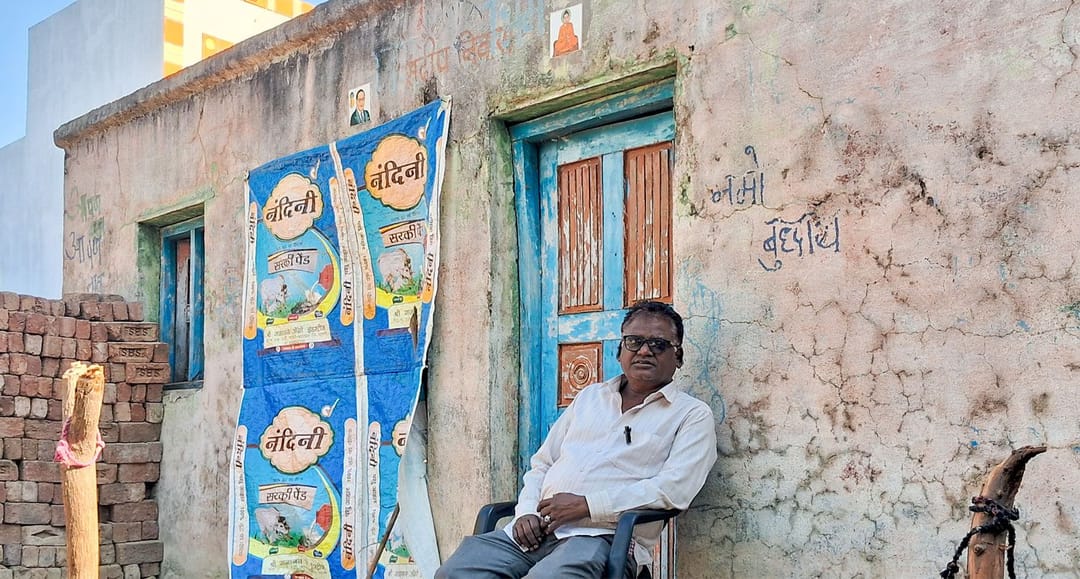
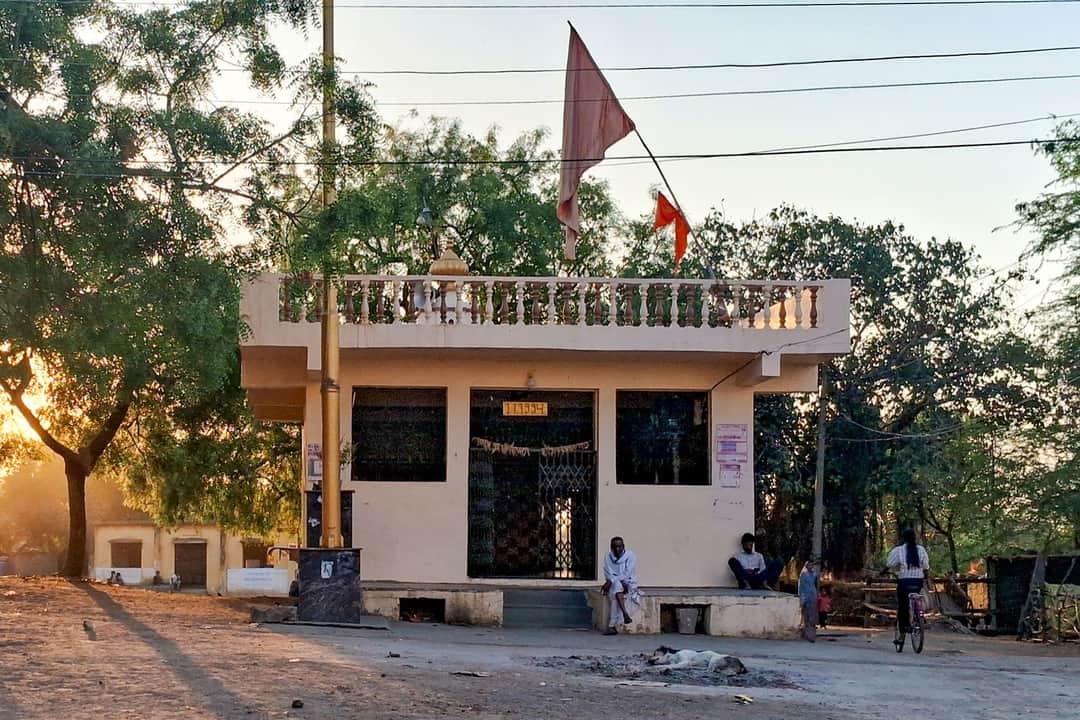
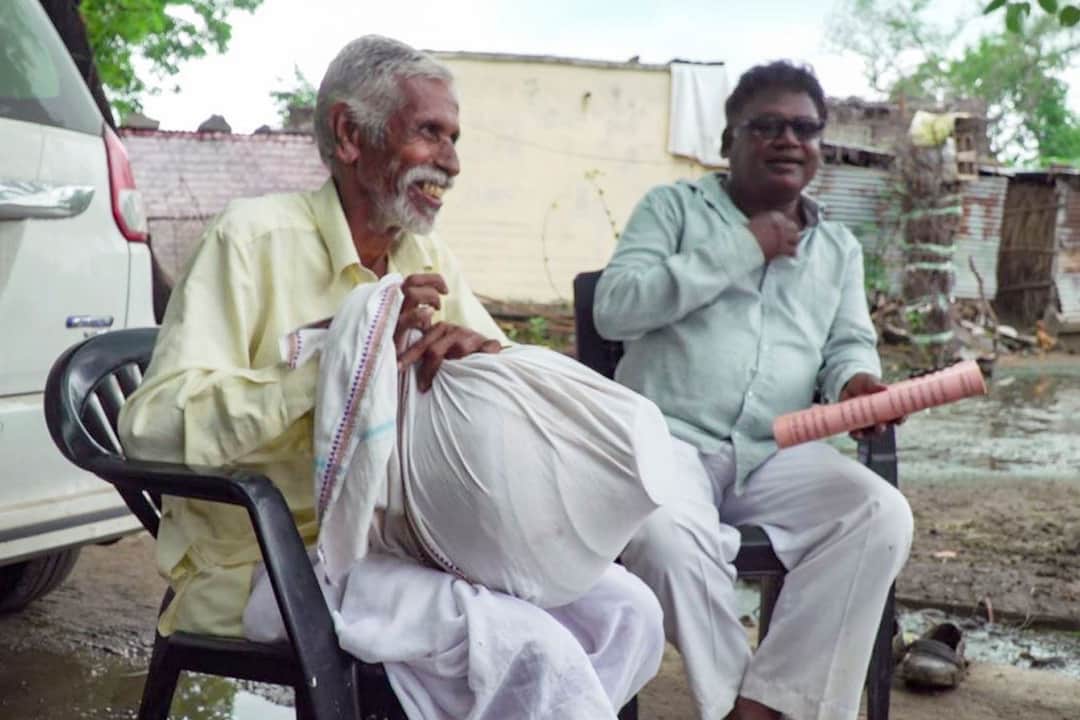
“My mother, Salubai, worked in some savarna houses. I often followed her,” Gangadhar shares. “Every year, two or three times she and a few women would do this. After sweeping and cleaning the cowshed, the entire house, and the courtyard, they used to plaster the mud floor with cow dung. The woman owner of the house would then keep a pot full of cooked dal or besan in front of them. She would toss 10-15 bhakris that my mother would catch in her saree. The house owner made sure never to touch her when she gave those bhakris."
Under balutedari system – a caste-based system where each caste was assigned its role and labour, this was mangki – work expected of the Mang community. Along with this they also made bamboo brooms, kangi and durdi – grain storage bins and baskets in exchange of grain and food.
Later Gangadhar’s father started brewing liquor which brought some money. “One day the police came and arrested him for selling country liquor. They forced him to cut his long hair – customary for a potraj to keep. And they offered him a job of a kotwal to stop his liquor making.”
Around late '70s and '80s the balutedari system had started giving way to new structures. Kotwal was one such example. In a sense he was a village servant. In balutedari, Mahars and Mangs served the entire village. The kotwal was paid a small sum and became a link worker between the government and the villagers. One can call him a servant appointed by the state. Gangadhar’s father got this post and along with it, some status. ‘Climbing a step up’ he put his children into school.
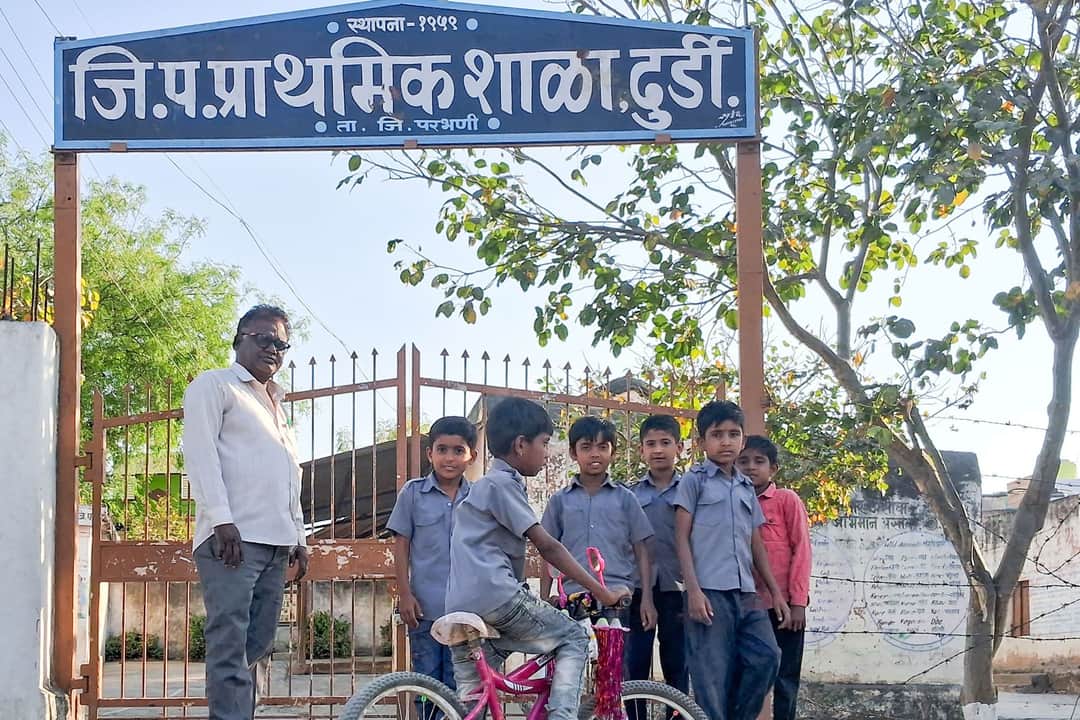
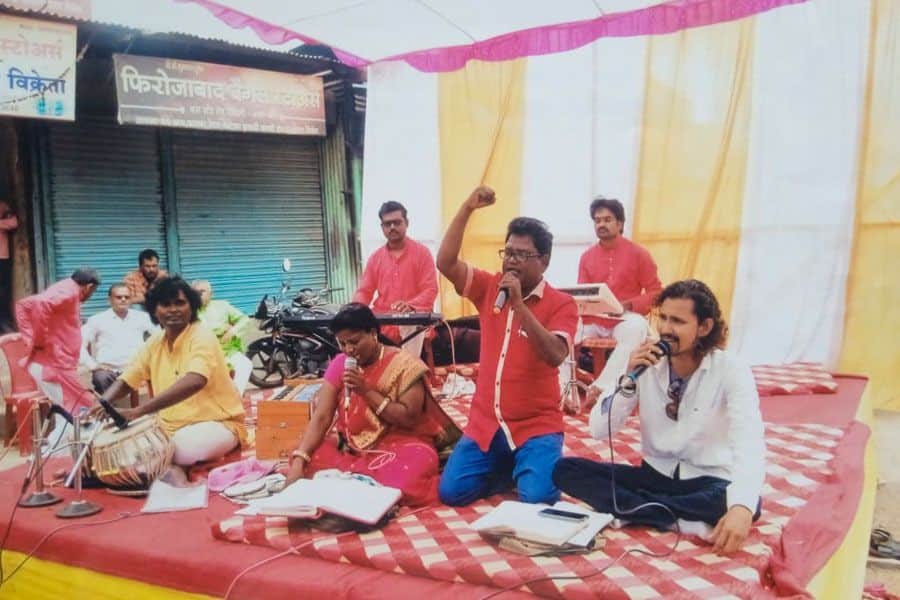
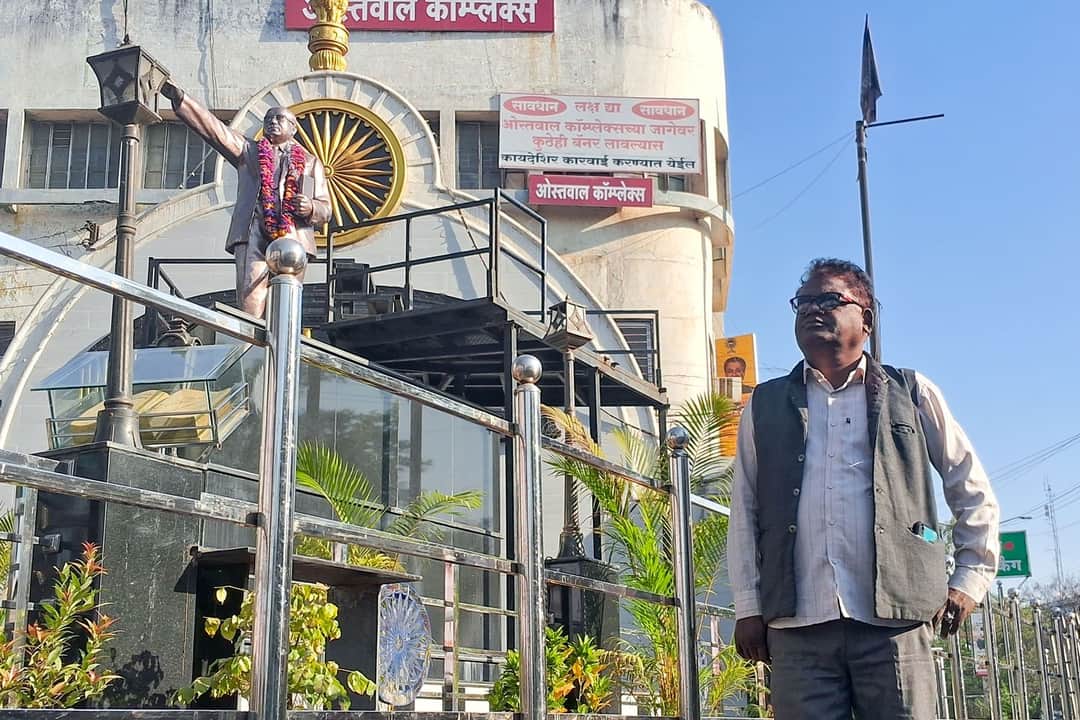
All children – Gangadhar, his elder brother and five sisters – started school. The girls studied upto Class 3 or 4. But the boys reached Class 10. They rejected the caste burdens of mangki and chose a new path. His brother became a kotwal in place of his father. Gangadhar did not have any job or other work. He did wage labour and in his spare time, he started singing Bheem geet – songs revering Ambedkar’s life and work.
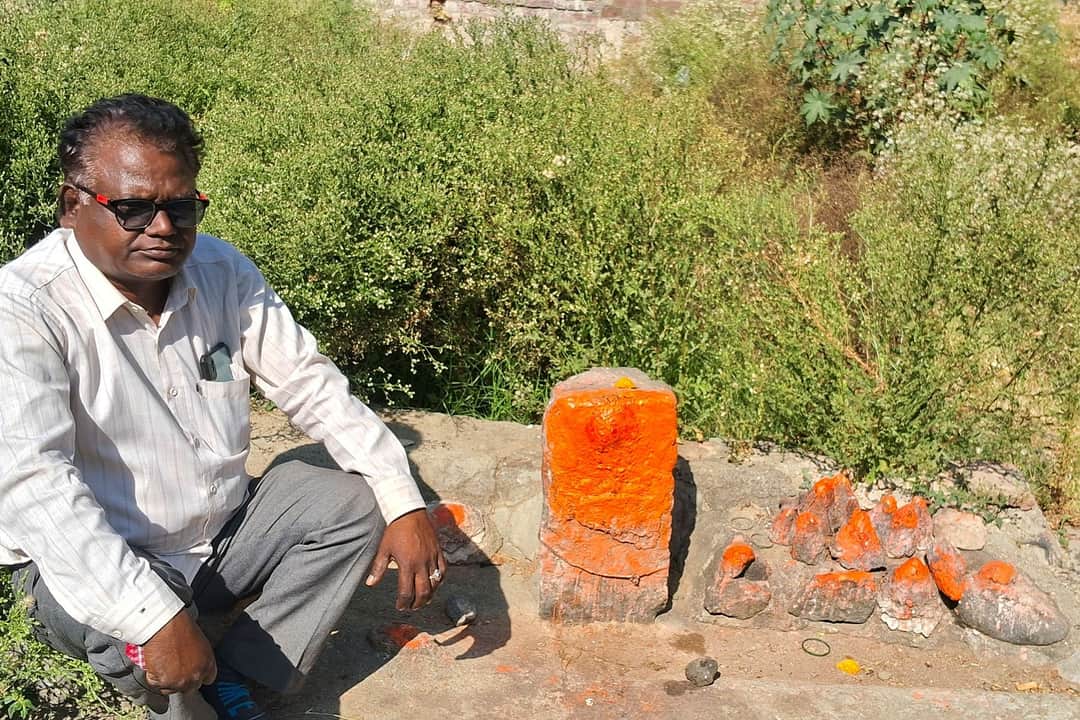
Gangadhar was always fond of singing and this, he believes came to him from his mother and sisters. All of them worshipped different deities and followed many rituals including fasting on different days for different deities. In fact, most women, by fasting saved on food. “My mother and sisters were followers of one Gosawi, an ascetic from Jintur [a town 50 kilometres from Parbhani]. He wandered to different places with his disciples. He was Mahar by birth, did not convert to Buddhism. They kept fast for Dhurpada maay on Sunday, for Mahadev on Monday and for Krushna on Wednesday.”