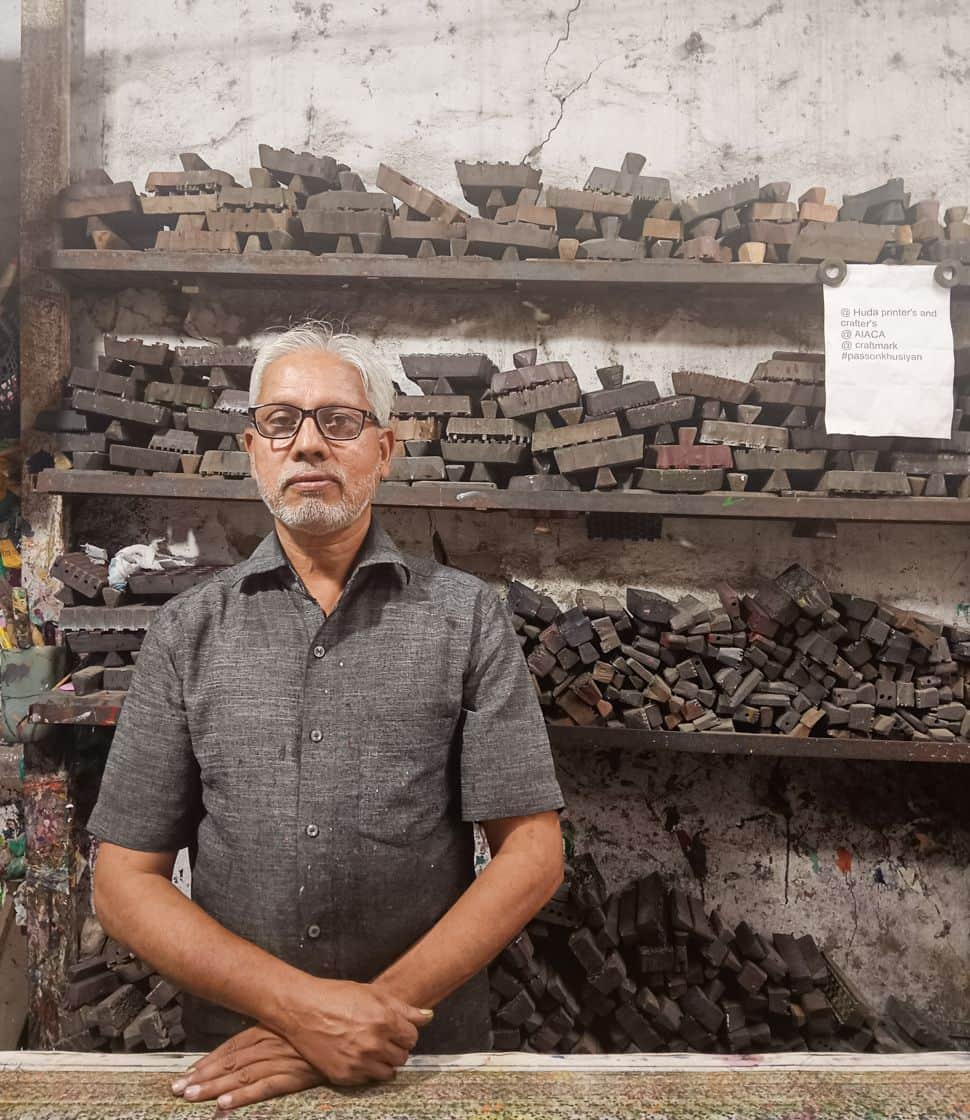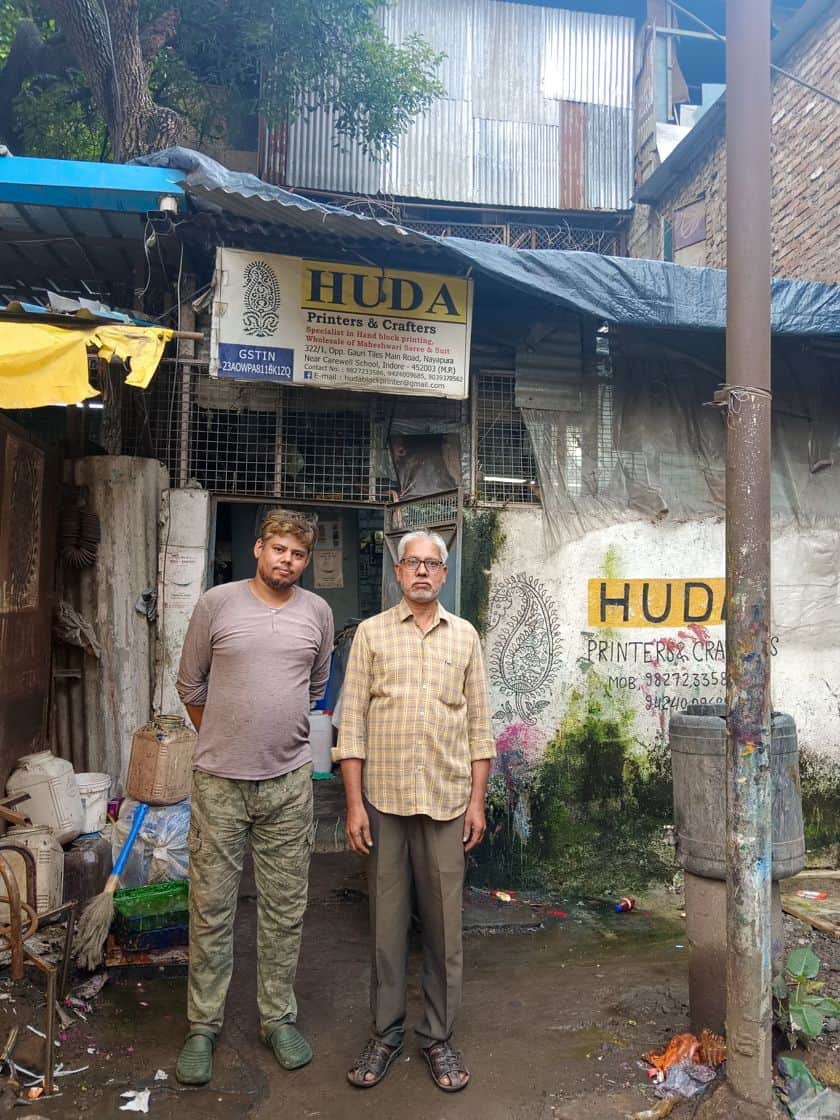

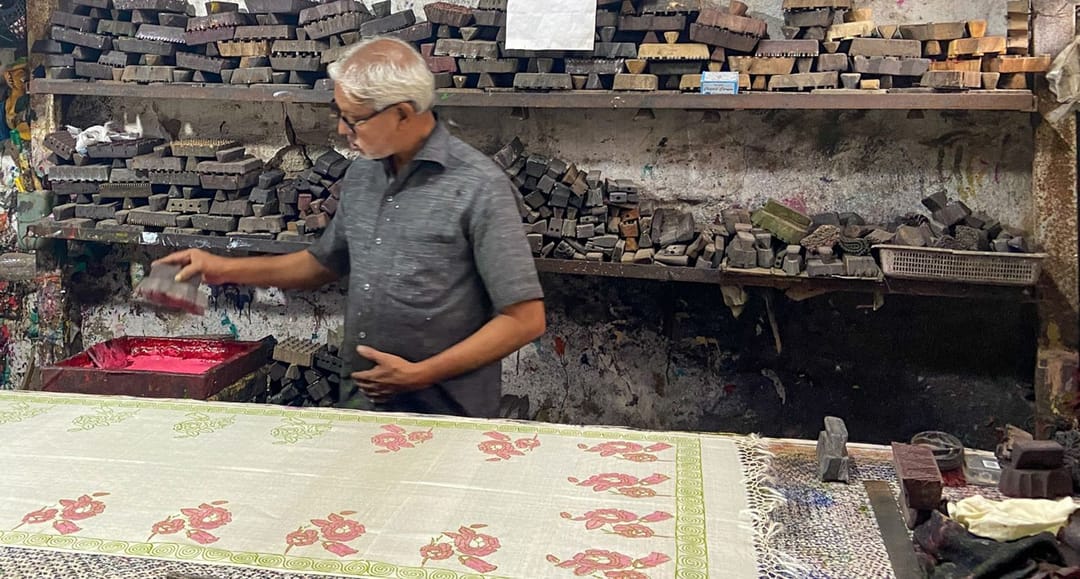
“Washing [fabrics dyed with] natural dyes requires a flowing river,” says Abdul Halim. “Yahan pe to haath dhone ka paani nahi milta [Here we don’t get enough water to wash hands]!
Halim is a third generation block printing craftsman struggling to keep his workshop running in the face of steadily decreasing profits and the rise of counterfeit products. In water-scarce Indore city, he has had no choice but to use chemical dyes that hold colour quickly.
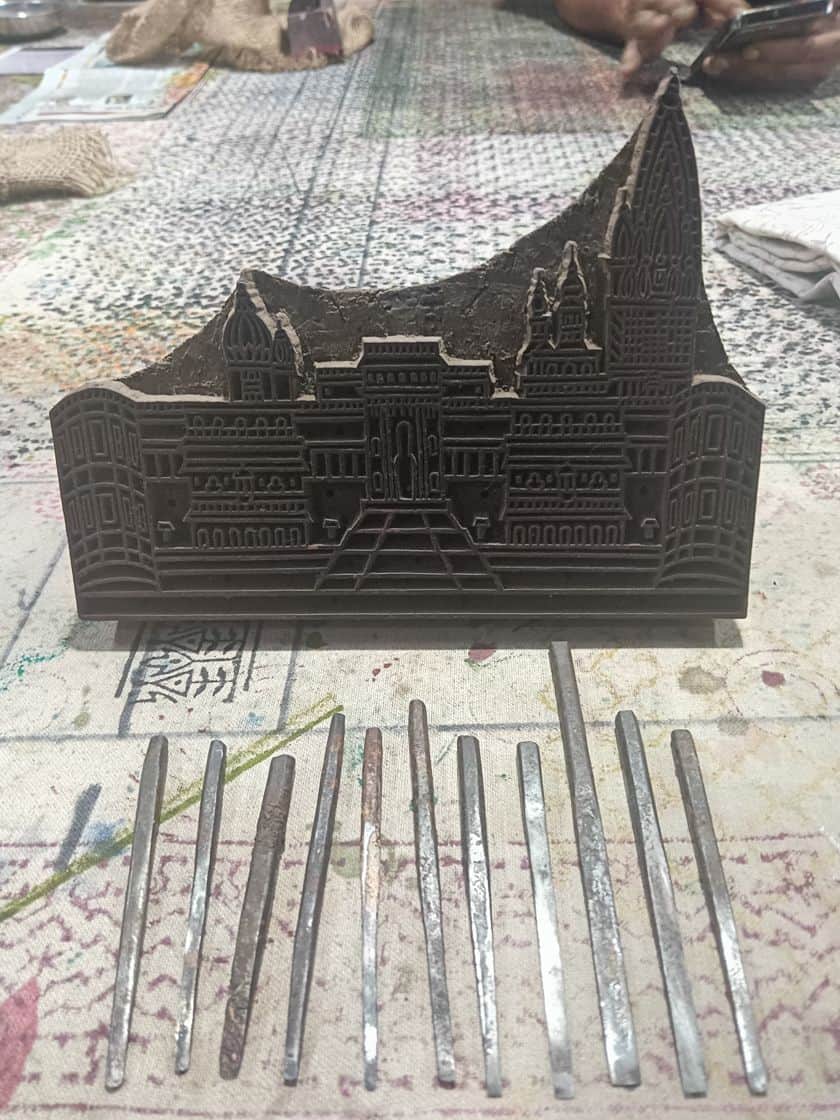
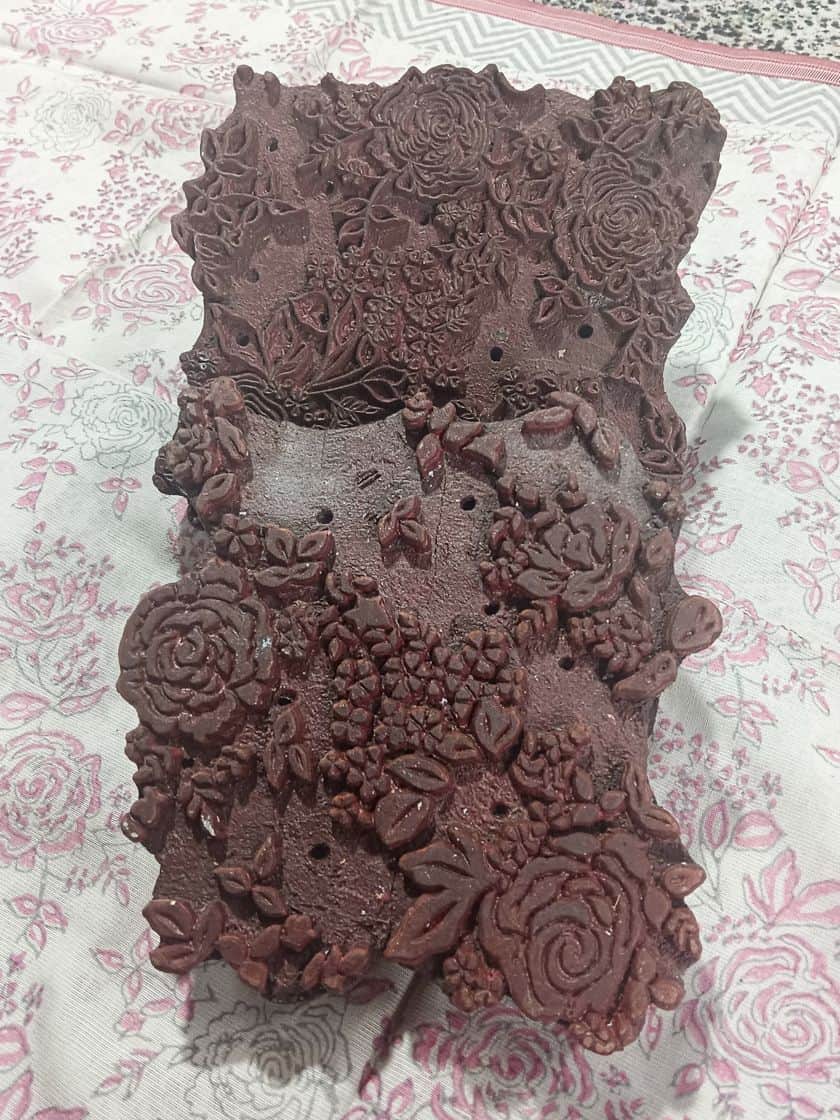
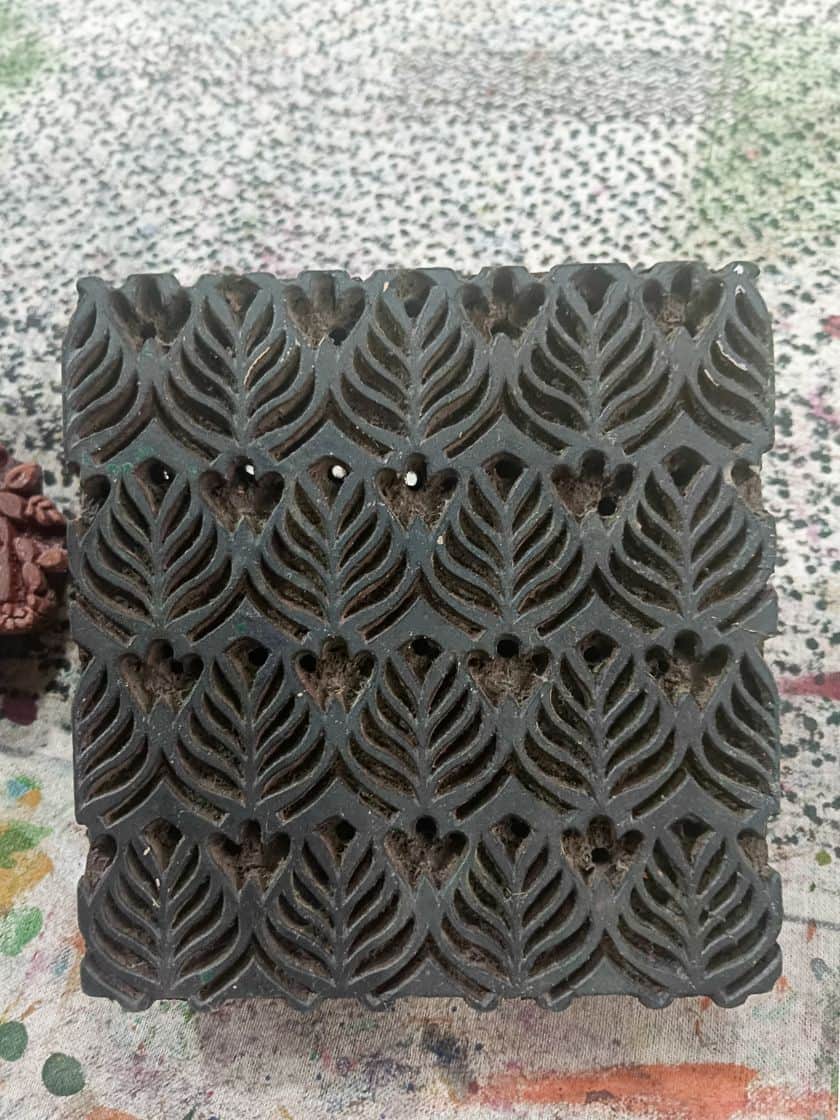
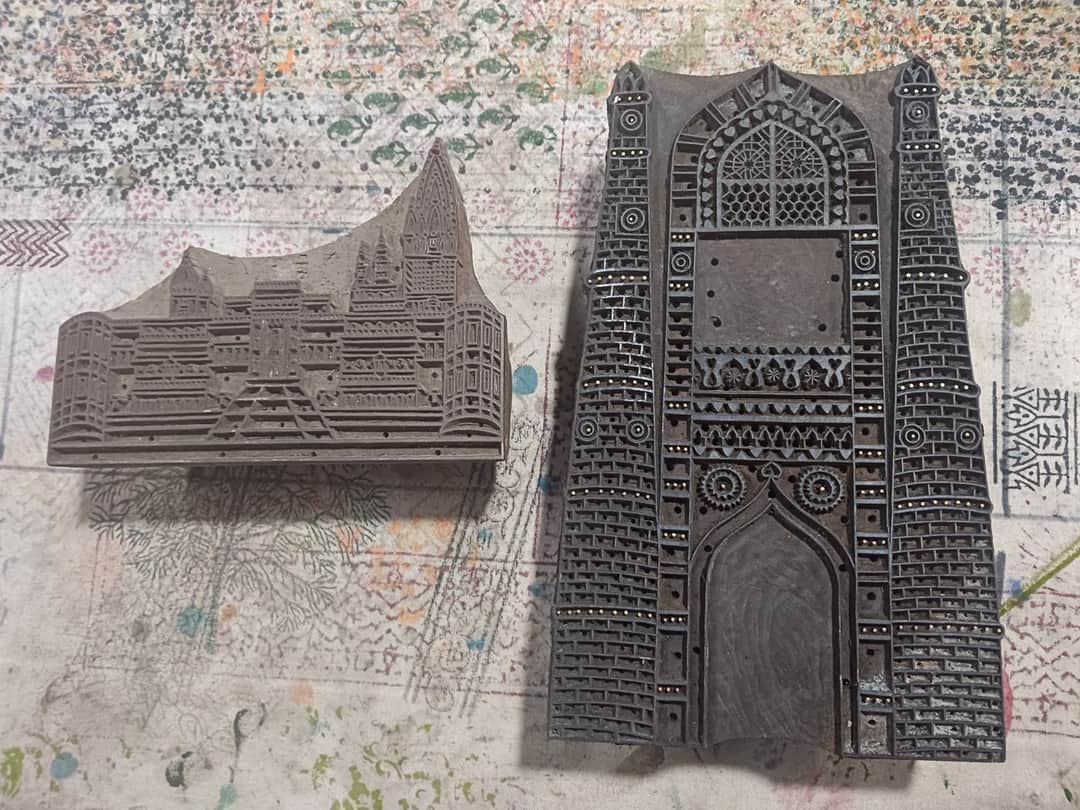
Block printing starts with designing wooden blocks and Halim creates designs which he then sends to block makers in Jaipur, Farrukhabad and Fatehpur. They typically use sagwan (teak) or sheesham (Indian rosewood) to make the blocks.
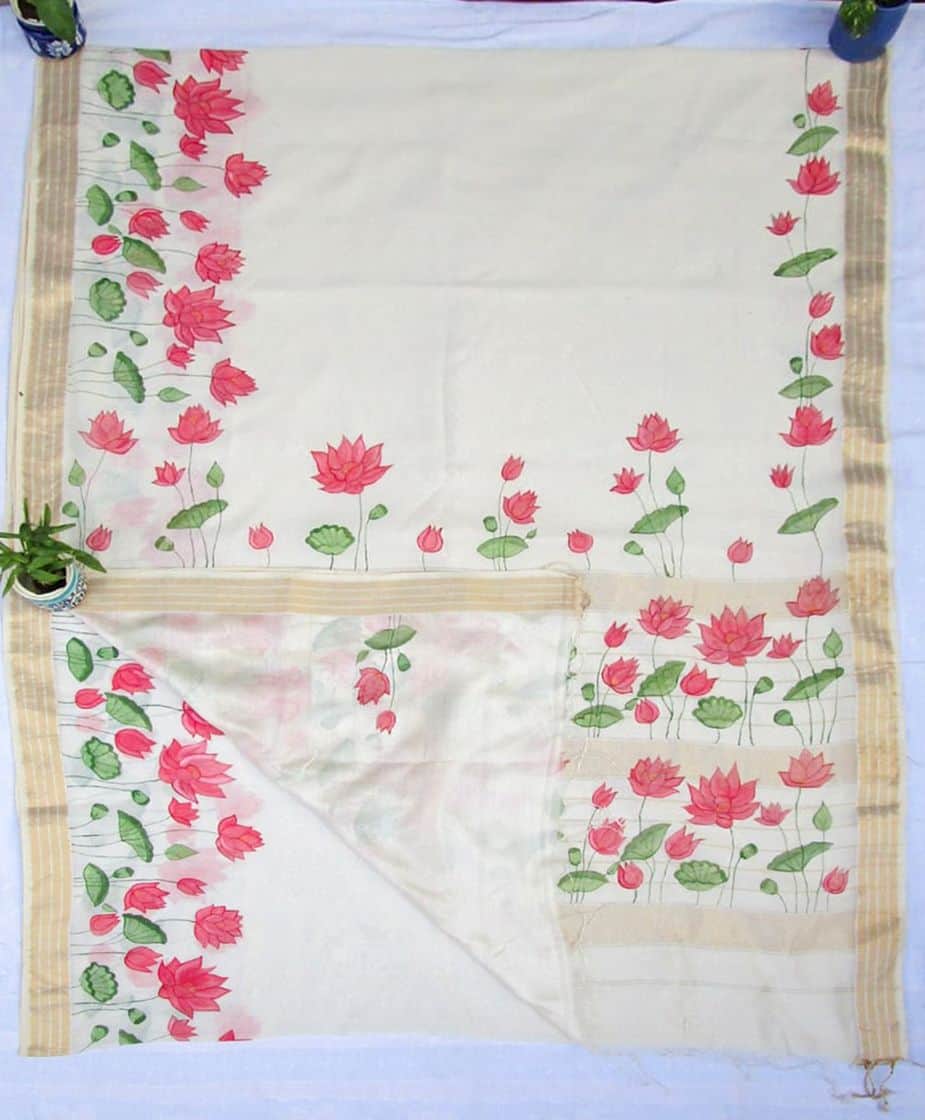
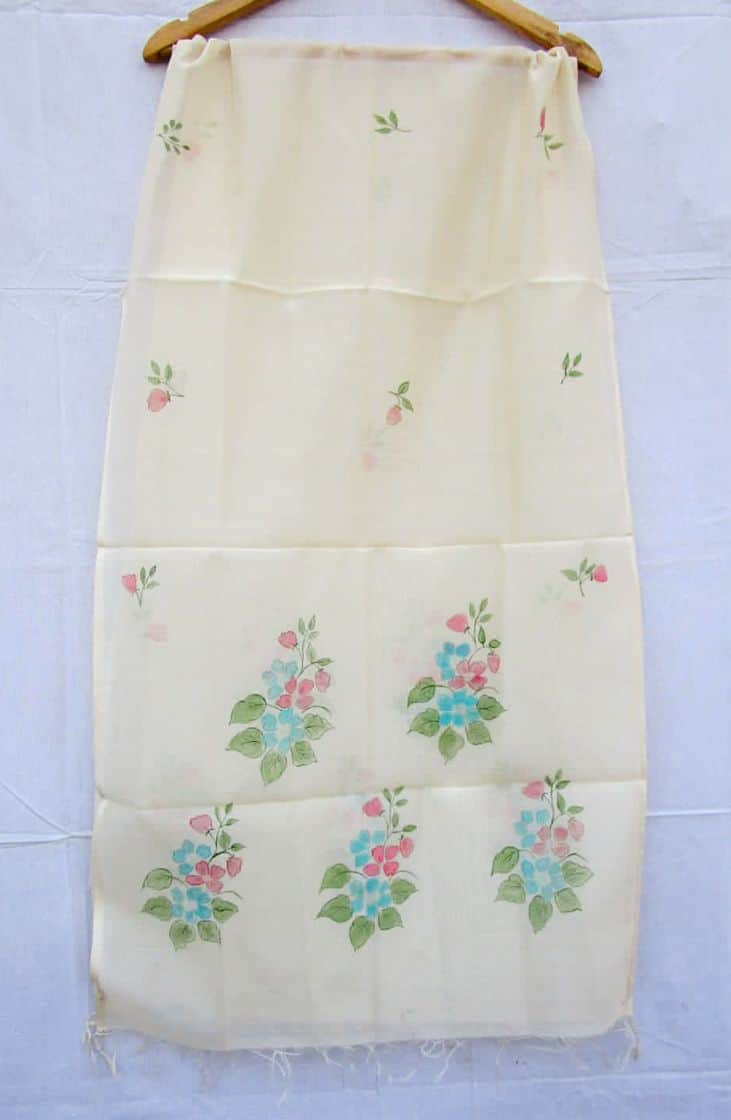
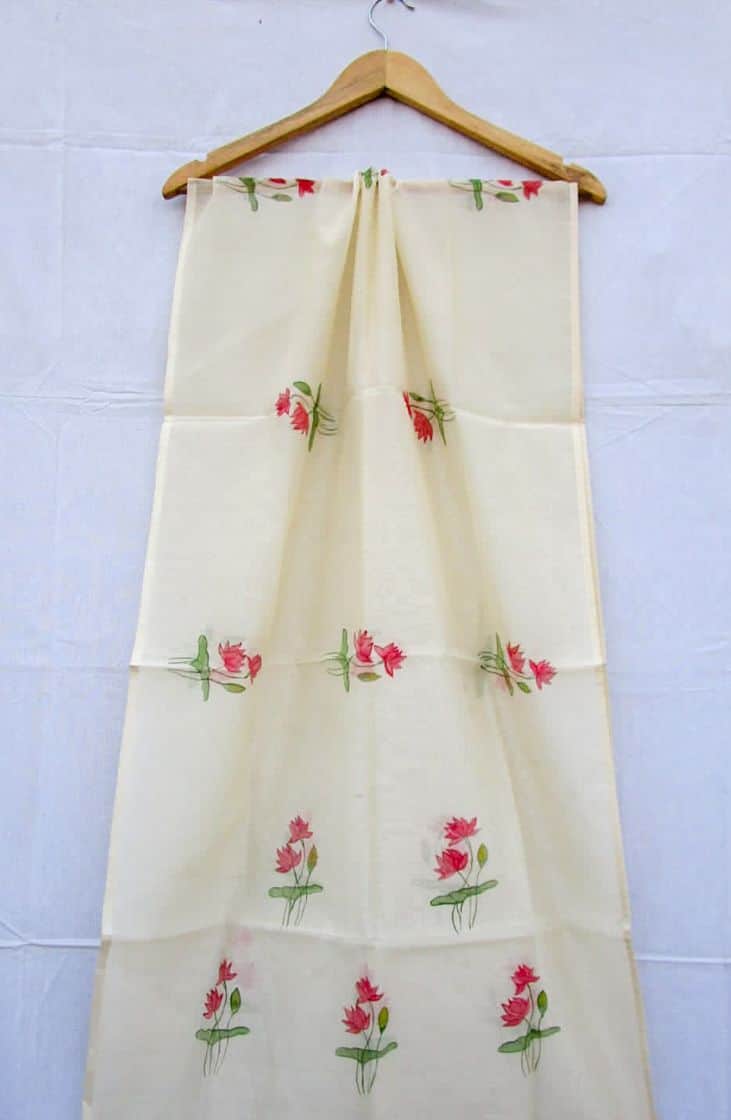
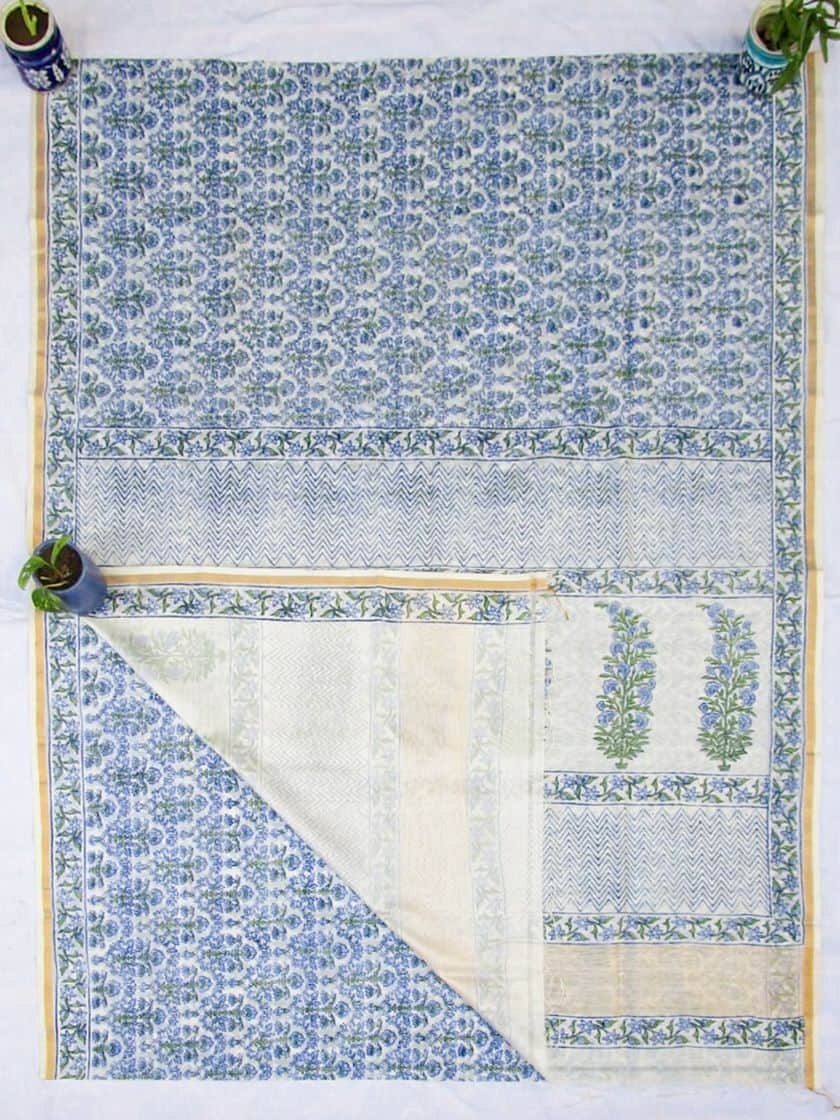
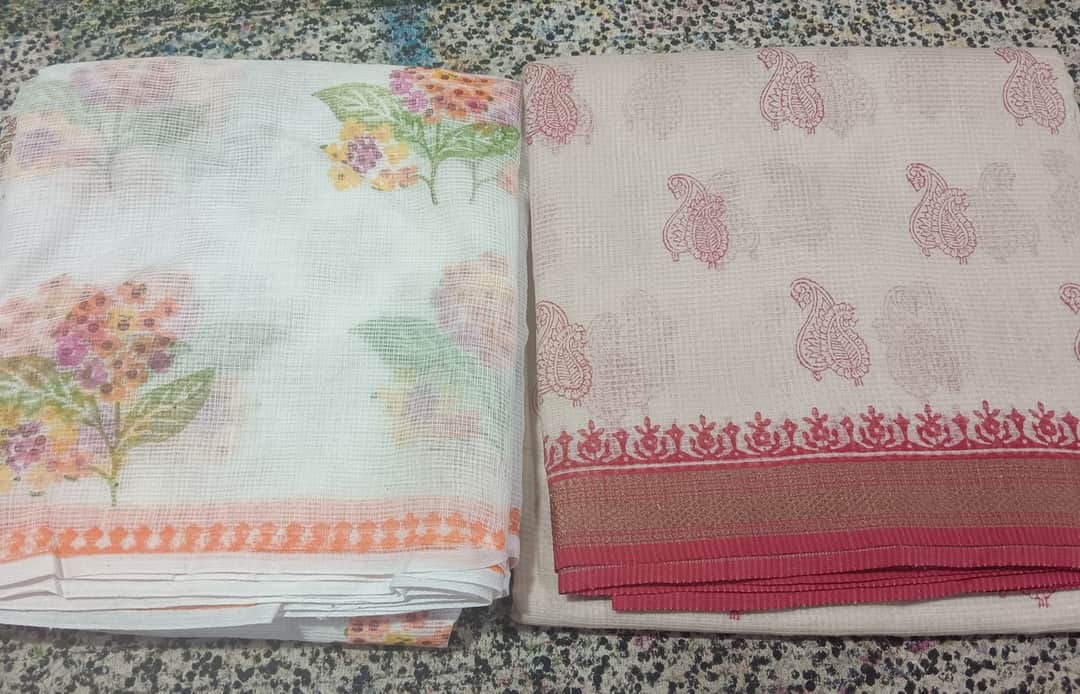
These blocks are dipped in dye and printed on the cloth. "It's part of our heritage,” says Halim as he bends down to print pink roses on a Chanderi dupatta, careful not to smudge the indelible colours. The dye mixture he is using has been filtered through jute, mulmul cotton and mosquito netting before being applied to the fabric. Weather conditions, particularly during monsoon, can complicate the drying process which typically takes about 72 hours.